
If you want to start reading classics, the best first step is to choose a short book in a genre you already enjoy. A ghost story like A Christmas Carol or a thriller like Dr Jekyll and Mr Hyde can be read in an evening, and finishing one gives you the confidence to try something longer. Don’t begin with the longest, most famous novel on the list just because it is famous.
Many people are put off classics at school, where books are chosen for study rather than pleasure and read slowly, a chapter at a time, with an essay at the end. Reading for yourself is a completely different experience. Nobody is testing you, and you are allowed to enjoy it.
How to start reading classics: seven tips
- Start short. A book of under 150 pages gives you a win quickly. Our short reads shelf is full of them.
- Pick a story you half know. Films and adaptations give you a map, so you can relax into the language. Dracula, Frankenstein and Oz all work beautifully this way.
- Follow your taste. If you love crime, start with Sherlock Holmes; if you love romance, Austen; if you love fantasy, Oz or Alice. Every modern genre has its classics.
- Give it fifty pages. Older books sometimes take a chapter or two to find their rhythm. If you still aren’t hooked after fifty pages, try something else.
- Don’t worry about every word. Get the gist and keep moving. You don’t need to catch every allusion to enjoy the story.
- Read aloud, or listen. Dickens and Stevenson wrote with the speaking voice in mind, and hearing the sentences can unlock them.
- Read with someone. A friend, a partner or a book club makes it easier to keep going and far more fun to finish.
Five classics to start with
These five are short or gripping, or both, and between them they cover fantasy, romance, horror, ghost stories and the great American novel. None of them needs any background knowledge.
- $10.99
A Christmas Carol
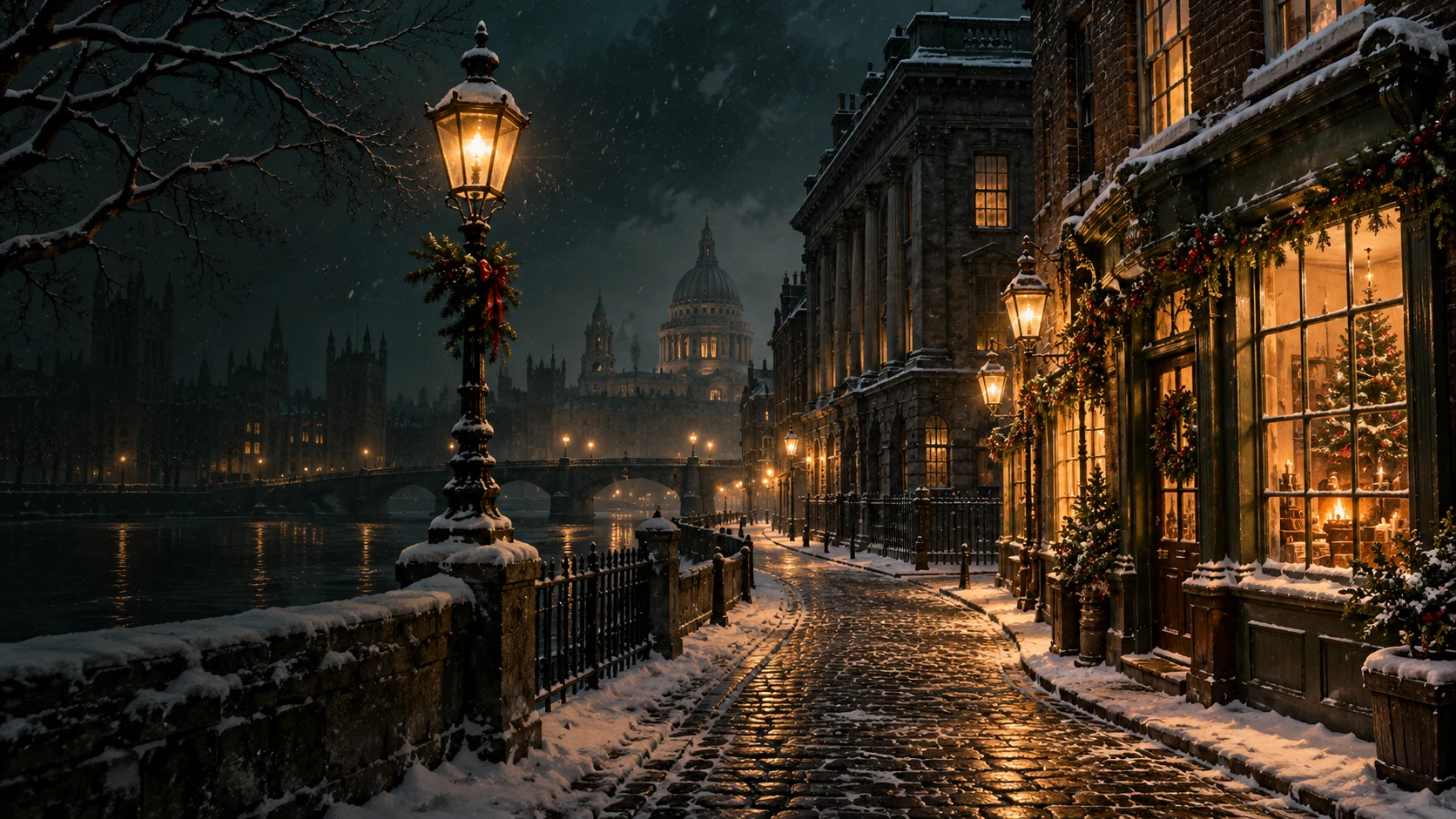
1843. A miser, three spirits and one long night. Dickens at his warmest and most compact. Perfect for a winter evening.
- $11.99
Strange Case of Dr Jekyll and Mr Hyde
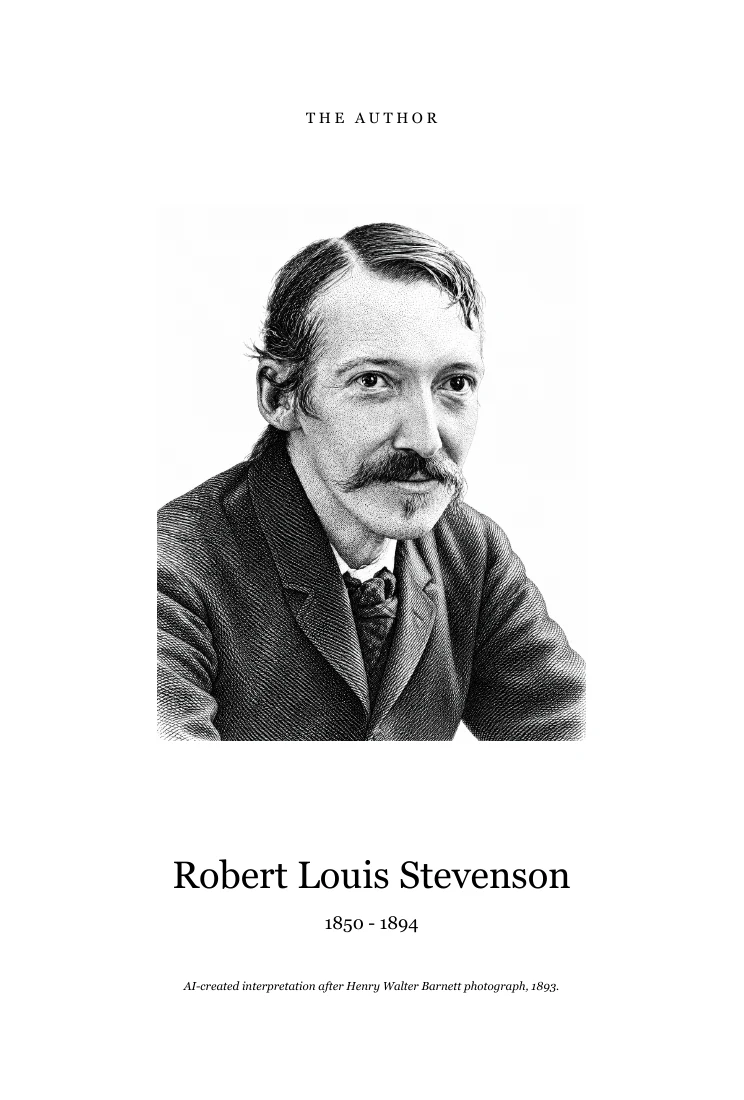
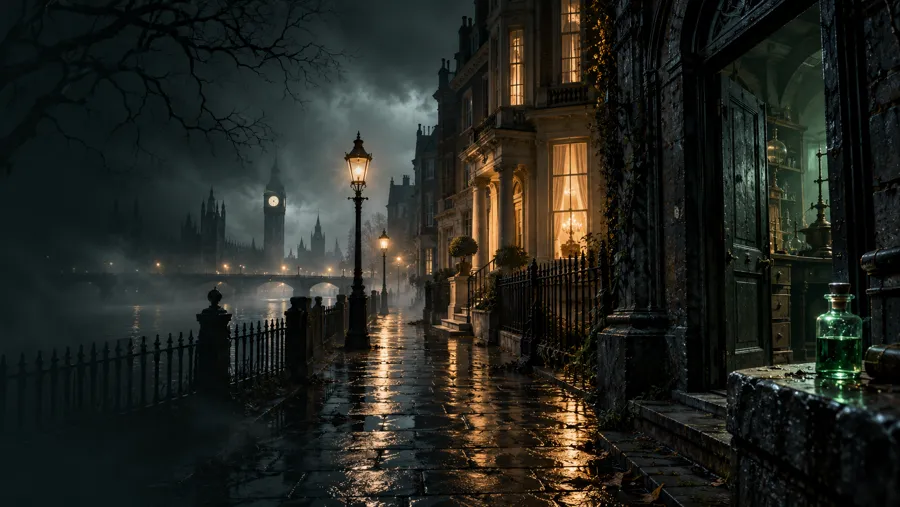
1886. A respectable doctor, a sinister stranger and a London fog. A thriller you can finish in an evening and think about for weeks.
- $11.99
The Wonderful Wizard of Oz
1900. Far stranger and funnier than the film, and easily read in a couple of sittings. A reminder that classics can be pure fun.
- $12.99
The Great Gatsby
1925. Parties, longing and money on Long Island. Short enough for a weekend, with some of the most beautiful sentences in American fiction.
- $18.99
Pride and Prejudice
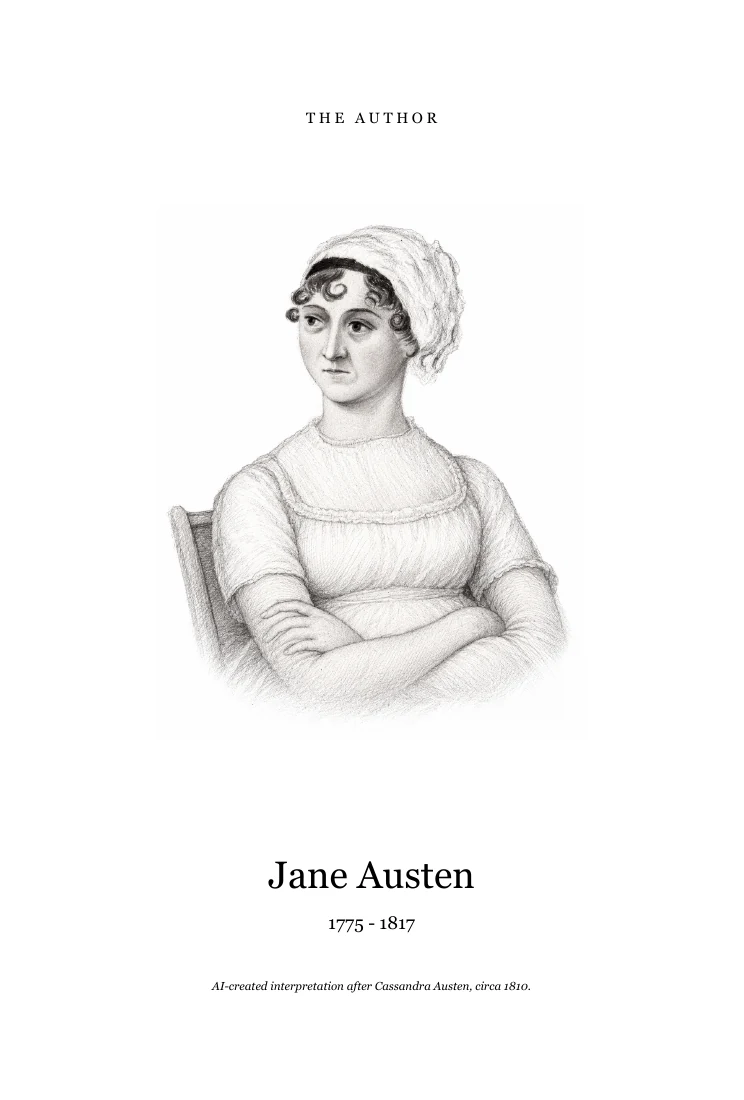
1813. The witty, warm romance that launched a thousand adaptations. Its opening line is a joke, and the jokes keep coming.


It is a truth universally acknowledged, that a single man in possession of a good fortune, must be in want of a wife.
Jane Austen, Pride and Prejudice (1813)
Why do classics feel hard?
Usually it is not the ideas but the surface: long sentences, unfamiliar words, slower openings and a different sense of pace. A Victorian novel might spend a chapter introducing a town before anything happens, because its first readers had plenty of time and were often reading in weekly or monthly instalments. Once you know that, you can adjust your expectations and enjoy the slower build.
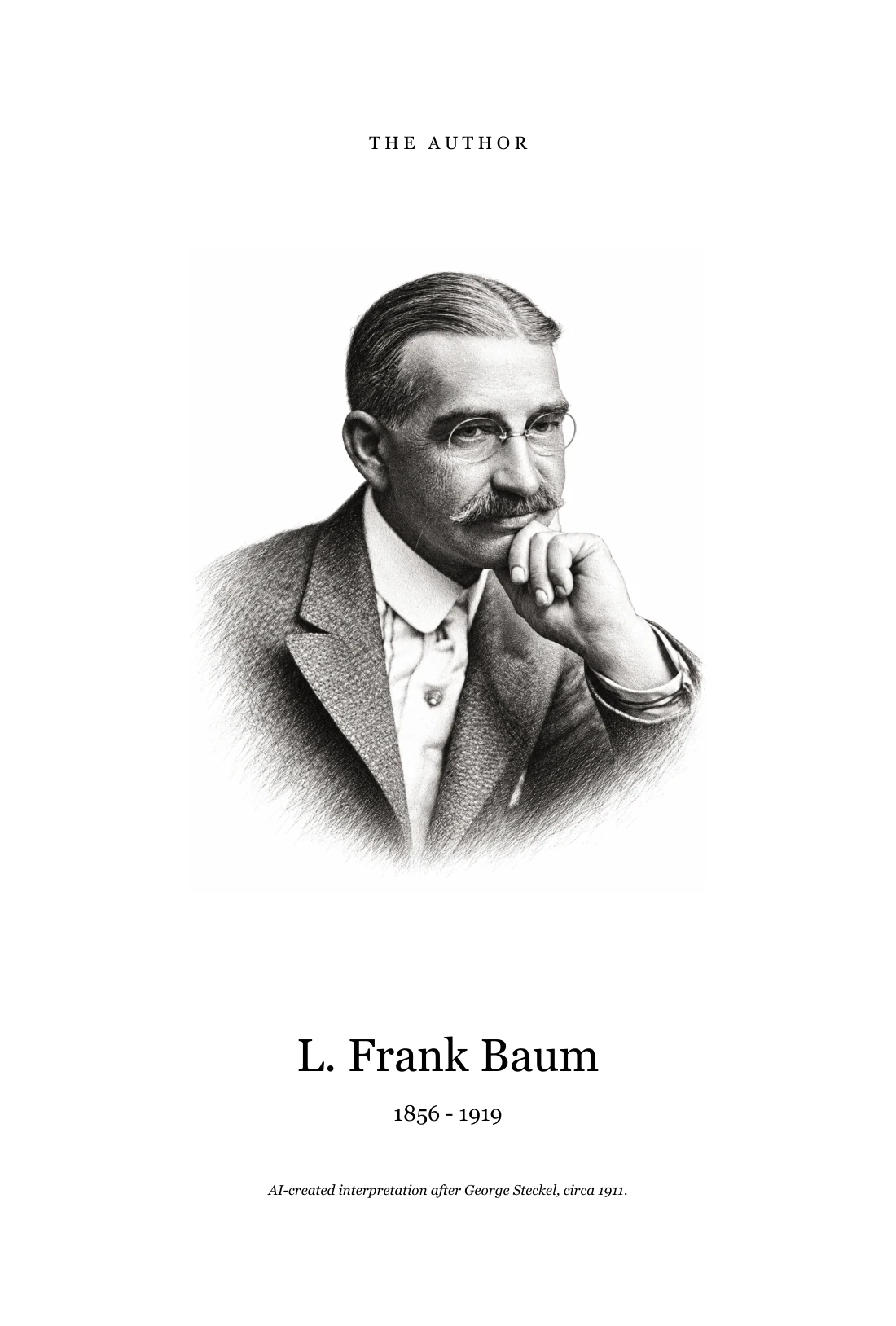
It also helps to remember that these books were popular entertainment in their day. Charles Dickens was the most famous novelist in the world; Robert Louis Stevenson saw Jekyll and Hyde sold as a cheap “shilling shocker”; L. Frank Baum wrote for children who sent him fan mail. They were written to be enjoyed, and they still are.

What to read after your first classic
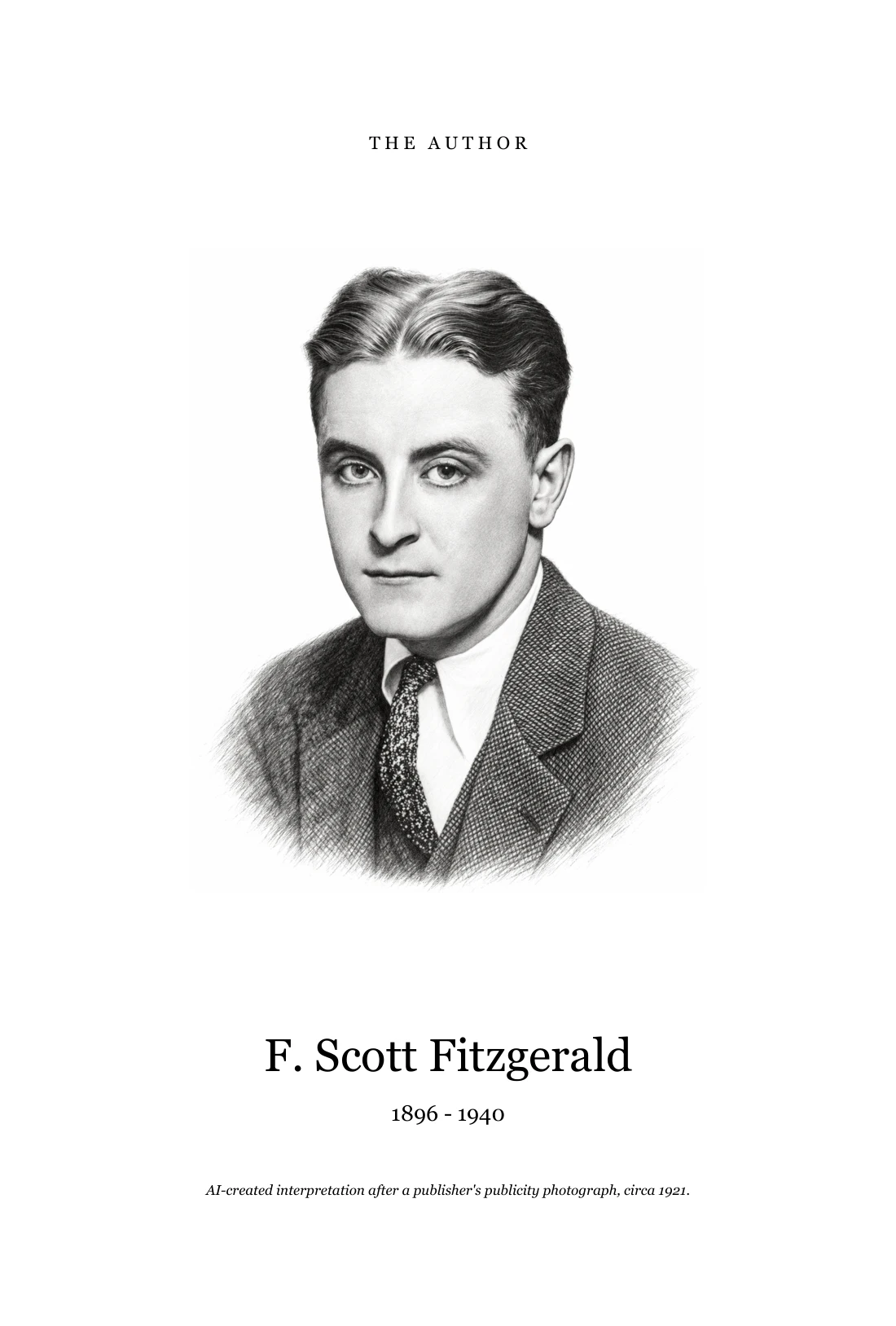
Once one book has clicked, follow the thread. If you loved Austen, try her other novels in order with our Jane Austen guide, then move on to writers she inspired. If Jekyll gripped you, read more Stevenson, or try Frankenstein and Dracula. If Gatsby struck a chord, try more of F. Scott Fitzgerald and his contemporaries.
If you want a list to work through, try our classics you can read in one evening, then set yourself a gentle goal with a classics reading challenge. And keep in mind that nothing is compulsory. If a book doesn’t work for you now, it may work in five years, and there are hundreds of others waiting.
Is it ever too late to start reading classics?
Never. Many readers come to classics in their thirties, forties or later, and often enjoy them far more than they would have at school, because they bring their own experience of love, ambition, grief and family to the page. Jane Austen reads very differently once you have been to a few weddings.
So pick one tonight. A Christmas Carol takes about as long as a film, and by the time Scrooge wakes up on Christmas morning, you will have read your first classic and be ready for the next.
Questions readers ask
What is a good first classic book to read?
Short, gripping books make the best start: A Christmas Carol, Strange Case of Dr Jekyll and Mr Hyde, The Great Gatsby and The Wonderful Wizard of Oz can each be read in a day or two. Pride and Prejudice is the classic choice if you enjoy romance and wit.
How do I start reading classic literature?
Begin with a short book in a genre you already enjoy, or a story you know from a film. Read for pleasure, don’t worry about every word, and give yourself permission to stop if a book doesn’t grab you after fifty pages or so.
Why are classic books hard to read?
Mostly because of style rather than content: longer sentences, older vocabulary and a slower pace. Starting with shorter classics and reading aloud or with an audiobook makes the adjustment much easier.
Is it worth reading classic literature?
Yes. Classics have lasted because generations of readers have loved them, and they shape the stories, films and phrases we still use today. Most were written as popular entertainment and are far more enjoyable than their reputation suggests.