Several of the most famous books written in prison are among the most widely read books in English. The Pilgrim’s Progress is generally believed to have been begun in Bedford gaol. Le Morte d’Arthur was finished by a man who called himself a ‘knight prisoner’. The Consolation of Philosophy was written by a Roman statesman awaiting execution, and became one of the most-read books of the Middle Ages.
Below are the classics in our library that were written, or at least begun, in a cell, followed by some great books that came out of prison afterwards. Where the details are uncertain, as they often are with writers this old, we say so.
Classic books written in prison
- $12.99
The Consolation of Philosophy
About 524. Boethius, a Roman senator who had served the Ostrogothic king Theodoric, was imprisoned on charges of treason. Awaiting execution, he imagined Philosophy herself visiting his cell to console him. It became one of the most influential books of the medieval world.
- $23.99
Le Morte d’Arthur, Volume I
Completed around 1469–70. Thomas Malory gathered the Arthurian legends into one great prose story, describing himself as a ‘knight prisoner’. He is usually identified with a Warwickshire knight jailed many times, though scholars still debate exactly who he was.
- $12.99
The Pilgrim’s Progress
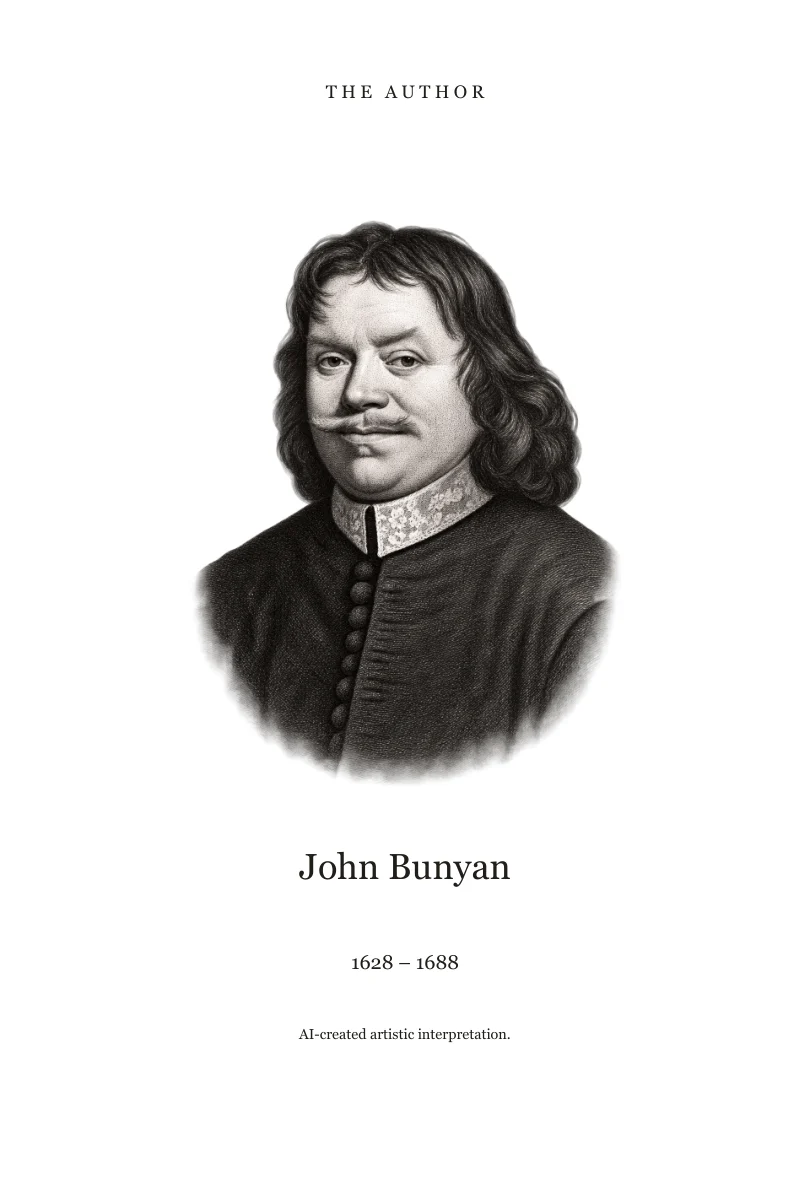
1678. John Bunyan spent some twelve years in Bedford gaol for preaching without a licence. The allegory of Christian’s journey to the Celestial City is thought to have been begun during one of his imprisonments, and its dreamer’s ‘den’ is traditionally read as the gaol.
- $9.99
De Profundis
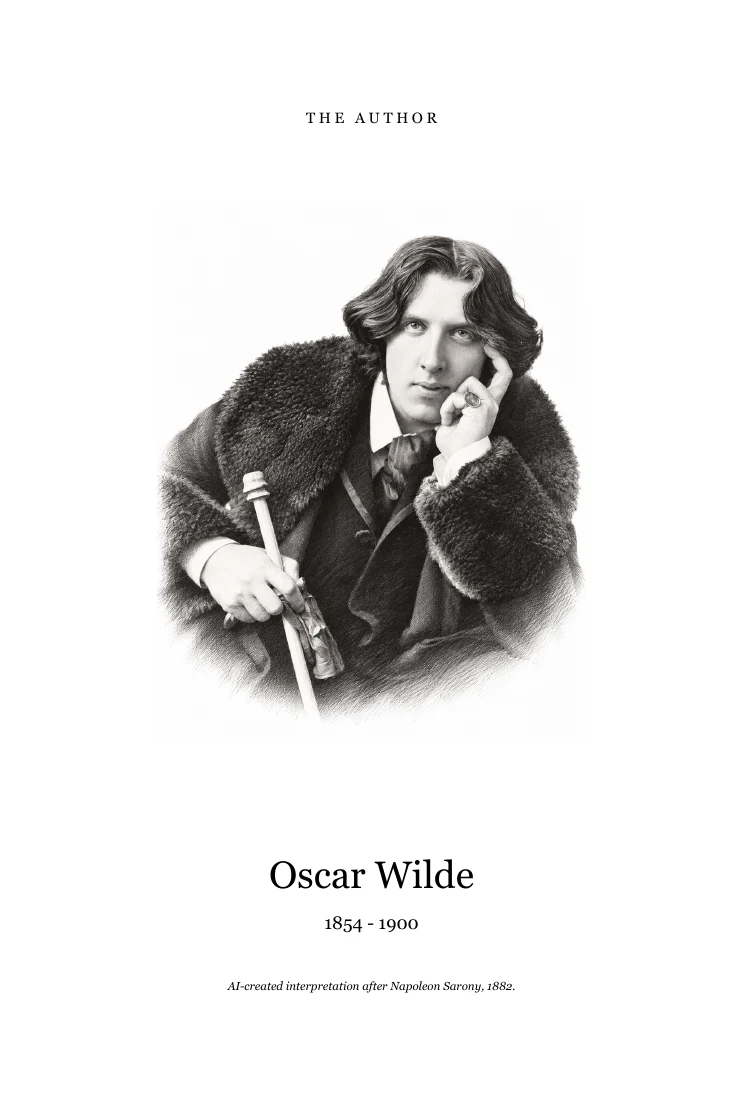
Written 1897. Serving two years’ hard labour, Oscar Wilde was eventually allowed pen and paper and wrote a long letter to Lord Alfred Douglas. It was published in shortened form after his death.



Writers who began in prison
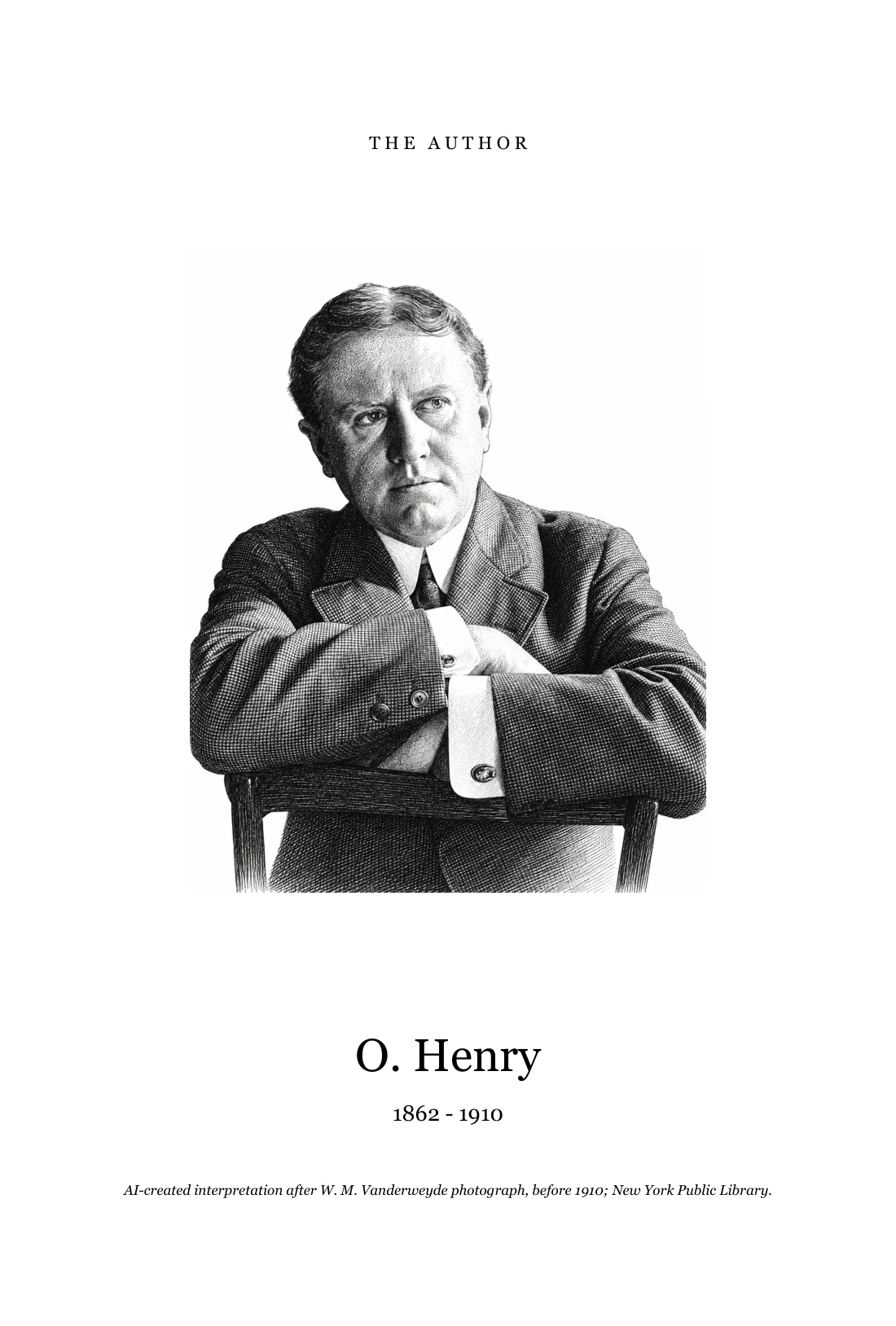
William Sydney Porter was convicted of embezzling from the bank where he had worked in Austin, Texas, and served about three years in the Ohio Penitentiary. Working as the prison’s night druggist, he wrote stories and sent them out to magazines under pseudonyms. By the time he was released he had a new name and a new career as O. Henry.
Great books that came out of prison
Some writers didn’t write in prison, but couldn’t stop writing about it once they were free.
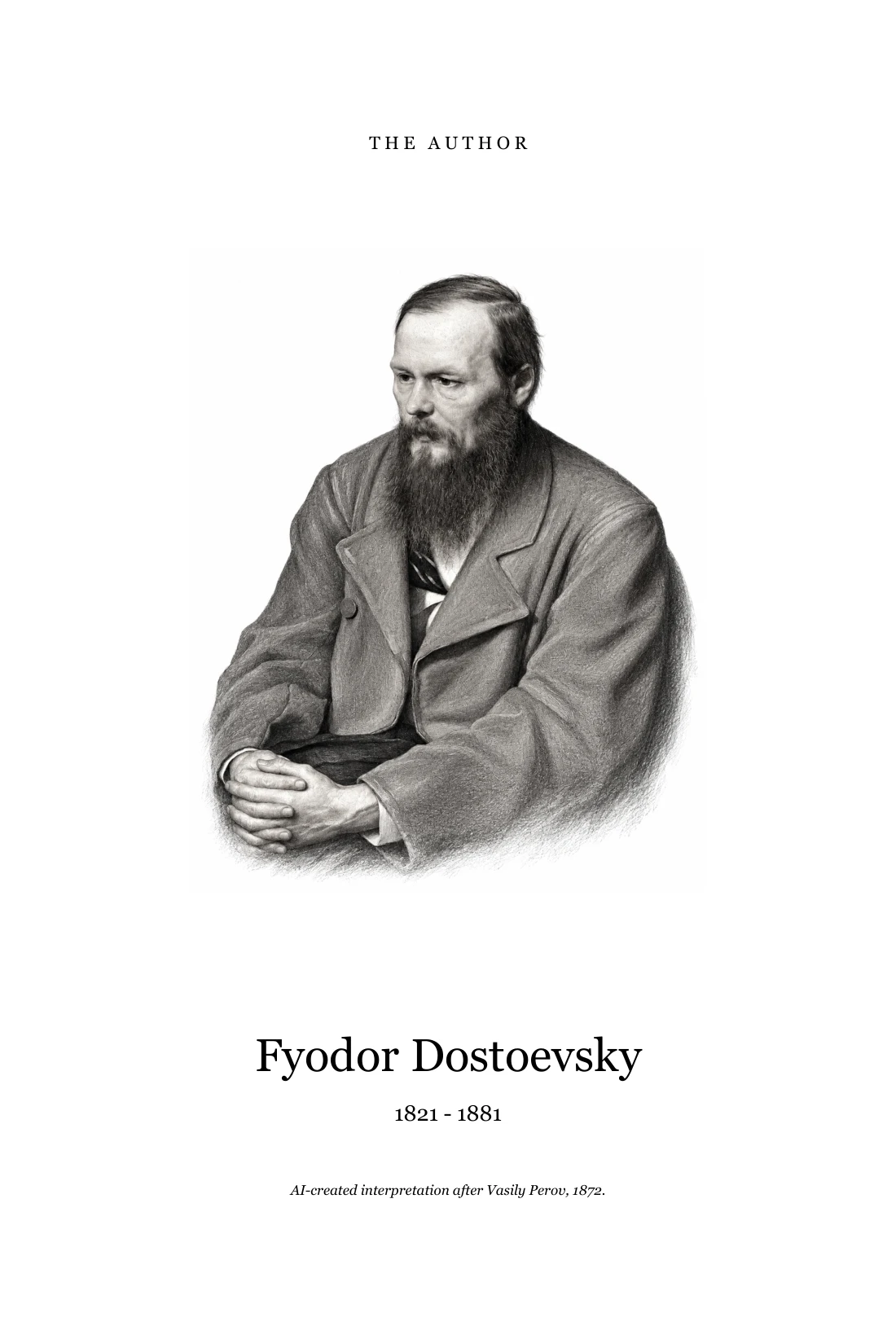
The house of the dead
1860–62. After a mock execution, Dostoevsky spent four years in a Siberian prison camp. This semi-fictional memoir, framed as the notes of an invented prisoner, is drawn closely from what he saw there.
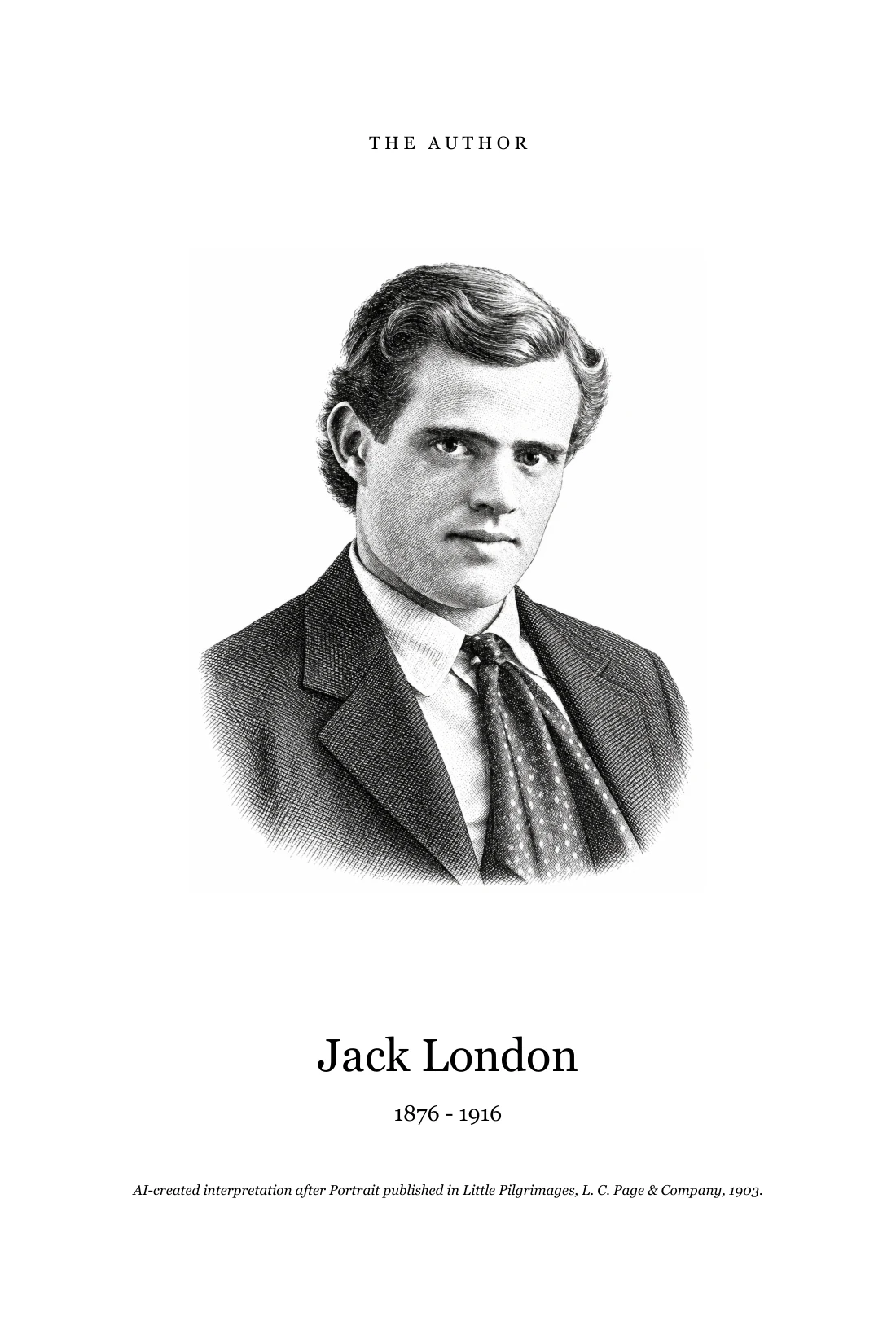
The Jacket (The Star-Rover)
1915. Jack London’s novel of a prisoner in San Quentin who escapes his straitjacket by travelling through his past lives. London drew on a real prisoner’s account, and had himself served a short sentence for vagrancy as a young man.
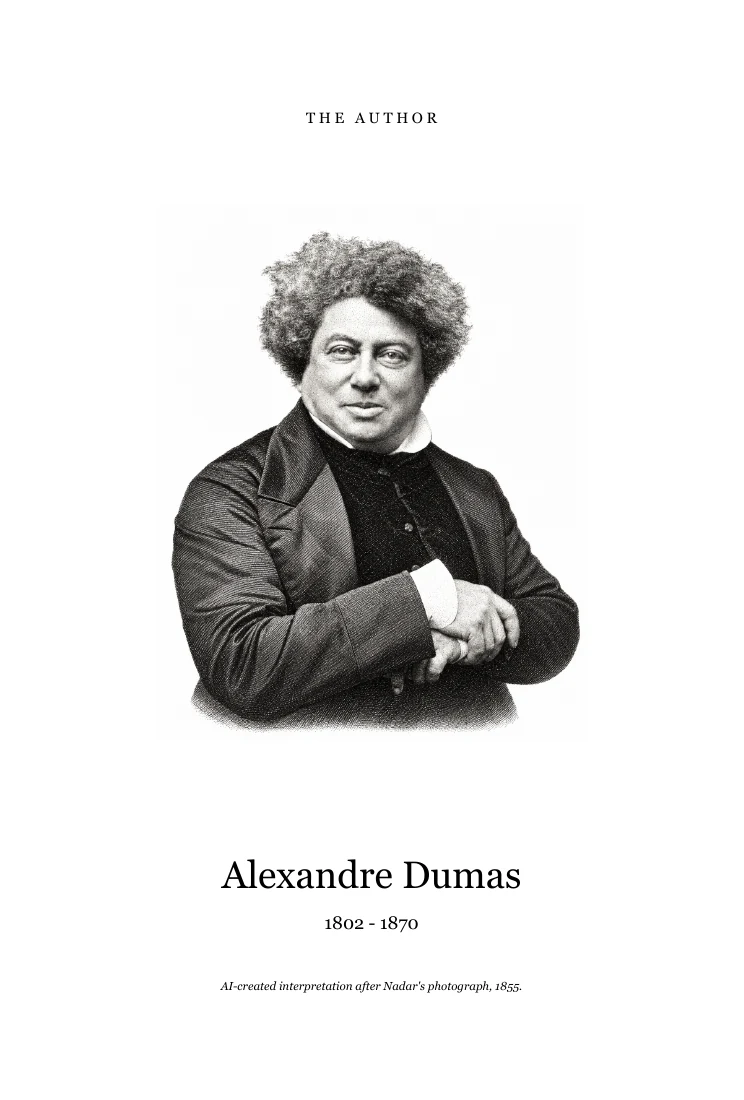
The Count of Monte Cristo — Volume 1
1844–46. The greatest prison novel of them all. Edmond Dantès is thrown into the Château d’If on a false charge, and the opening volume of Dumas’s epic follows him from his arrest into the fortress.



Why do so many great books come from prison?
Prison gave these writers the two things most of them lacked: time and a reason to write. Boethius had lost everything and needed to know whether life still made sense. Bunyan, cut off from his congregation, needed another way to preach. Wilde needed to understand how he had come to be where he was.
It also stripped away the audience. De Profundis was written to one man; The Consolation of Philosophy is a conversation with an imagined visitor. That privacy gives these books an honesty that is hard to find elsewhere. The same is true of a book that was never meant to be published at all, Marcus Aurelius’s Meditations, though its author wrote much of it on military campaign rather than in a cell.
Which prison classic should you read first?
- For something short and raw: De Profundis. You can read more about Wilde’s trials in how Dorian Gray was used against Oscar Wilde.
- For philosophy that actually consoles: The Consolation of Philosophy, which we also recommend in philosophy books for beginners.
- For a great story: The Count of Monte Cristo. Read how the novel fits together in The Count of Monte Cristo in five volumes.
- For the pen names behind the prisoners, see famous pen names in classic literature.
If you read only one, try The Consolation of Philosophy. It was written by a man who had lost his freedom and his reputation and was soon to lose his life, and it has kept people company in hard times for fifteen hundred years.
Questions readers ask
What famous books were written in prison?
The Consolation of Philosophy by Boethius, Le Morte d’Arthur by Thomas Malory, The Pilgrim’s Progress by John Bunyan and Oscar Wilde’s De Profundis were all written, or begun, in prison.
Was The Pilgrim’s Progress written in prison?
It is generally believed that John Bunyan began The Pilgrim’s Progress during his imprisonment in Bedford gaol for unlicensed preaching. It was published in 1678, after his release.
Where did O. Henry start writing?
O. Henry’s career as a magazine story writer began while he was serving a sentence for embezzlement in the Ohio Penitentiary, where he worked as the night druggist. He adopted his famous pen name around this time.