BEGIN HERE
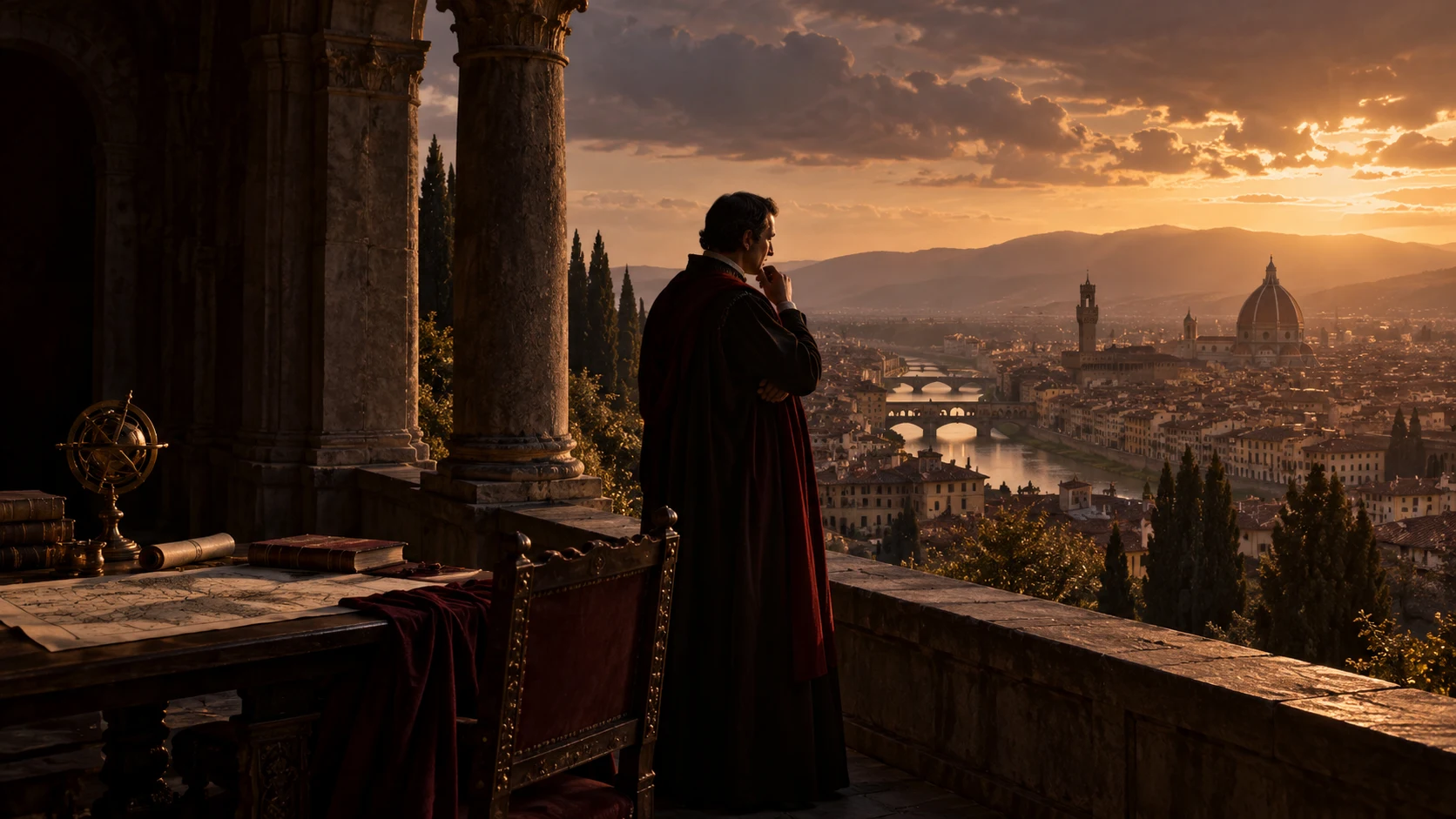
Power must be understood before it can be judged.
The Prince
Niccolò Machiavelli examines how rulers acquire authority, preserve it and lose it.

Browse collections

Find your next chapter
Explore timeless stories, unexpected discoveries, and old favourites.
Niccolo Machiavelli was a Florentine diplomat, political writer and historian, born in 1469.
THE LIFE
Niccolo Machiavelli was a Florentine diplomat, political writer and historian, born in 1469. From 1498 he served the Florentine republic, undertaking diplomatic missions and studying the conduct of rulers and states. His political thinking developed through practical experience as well as through his reading of ancient history.
After the Medici returned to power in 1512, Machiavelli lost his office. He was later imprisoned and tortured on suspicion of conspiracy. During his subsequent withdrawal from public life, he wrote The Prince, a short work concerned with the acquisition and maintenance of political power.
His interests extended well beyond that book. The Discourses on Livy examine republican government, while his other writing includes history, military theory, poetry and plays. He died in 1527. Reading across these different forms helps resist reducing a complicated body of work to the everyday meaning of the word Machiavellian.
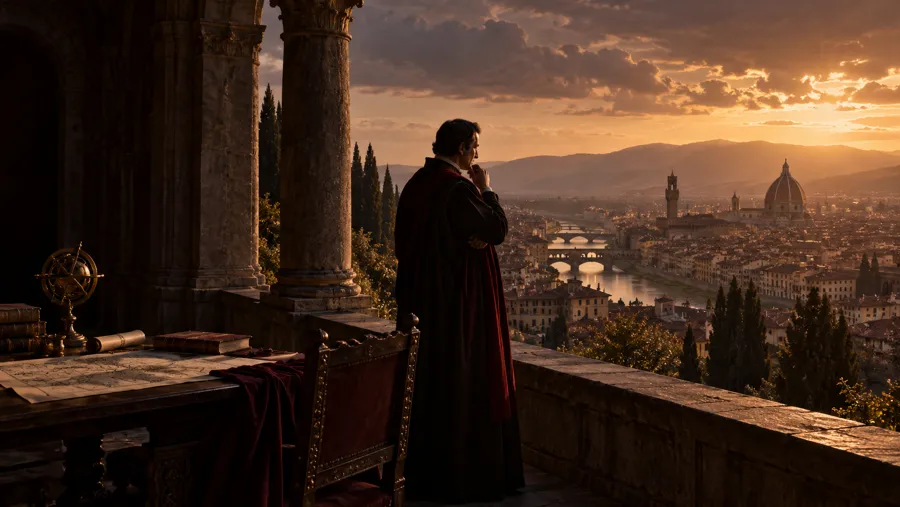
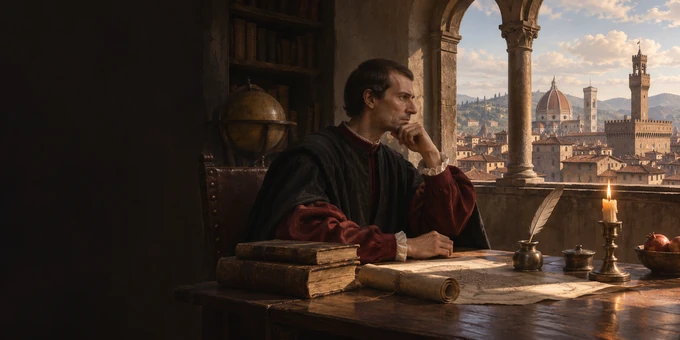
No portrait is included because the familiar painting by Santi di Tito was made decades after Machiavelli's death. Possible connections with an earlier death mask are discussed by specialists, but they do not provide a verified contemporary facial reference for this edition. His arguments can instead be approached through their examples: notice when an apparent rule is tested by changing circumstances, conflicting loyalties or the unpredictability of events.
References: Stanford Encyclopedia of Philosophy; museum and specialist portrait catalogues.
BEGIN HERE
The Prince
Niccolò Machiavelli examines how rulers acquire authority, preserve it and lose it.
THE WORKS
KINDRED SPIRITS