Look at the title pages. The Interesting Narrative of the Life of Olaudah Equiano, 1789: “Written by Himself.” Narrative of the Life of Frederick Douglass, an American Slave, 1845: “Written by Himself.” Incidents in the Life of a Slave Girl, 1861: “Written by Herself.” In an age when defenders of slavery claimed that Africans could not reason or write, those few words were an argument in themselves.
Slave narratives are first-person accounts of slavery written or dictated by people who lived through it. One estimate puts the total, counting short accounts and testimony, at more than six thousand; around 150 were published as separate books or pamphlets. They were among the most widely read books of the abolition campaigns, and the best of them are masterpieces of autobiography.
What is a slave narrative?
The form developed its own conventions. A narrative often carried a portrait of its author and testimonials from white abolitionists vouching for its truth. It frequently opened with the words “I was born”, followed by the place and an admission that the author did not know their own birthday. It described cruelty, separation from family, the struggle to learn to read and, at last, escape or freedom. Those conventions were defensive: every narrative had to persuade readers who had been told such books were lies.
Olaudah Equiano (1789)
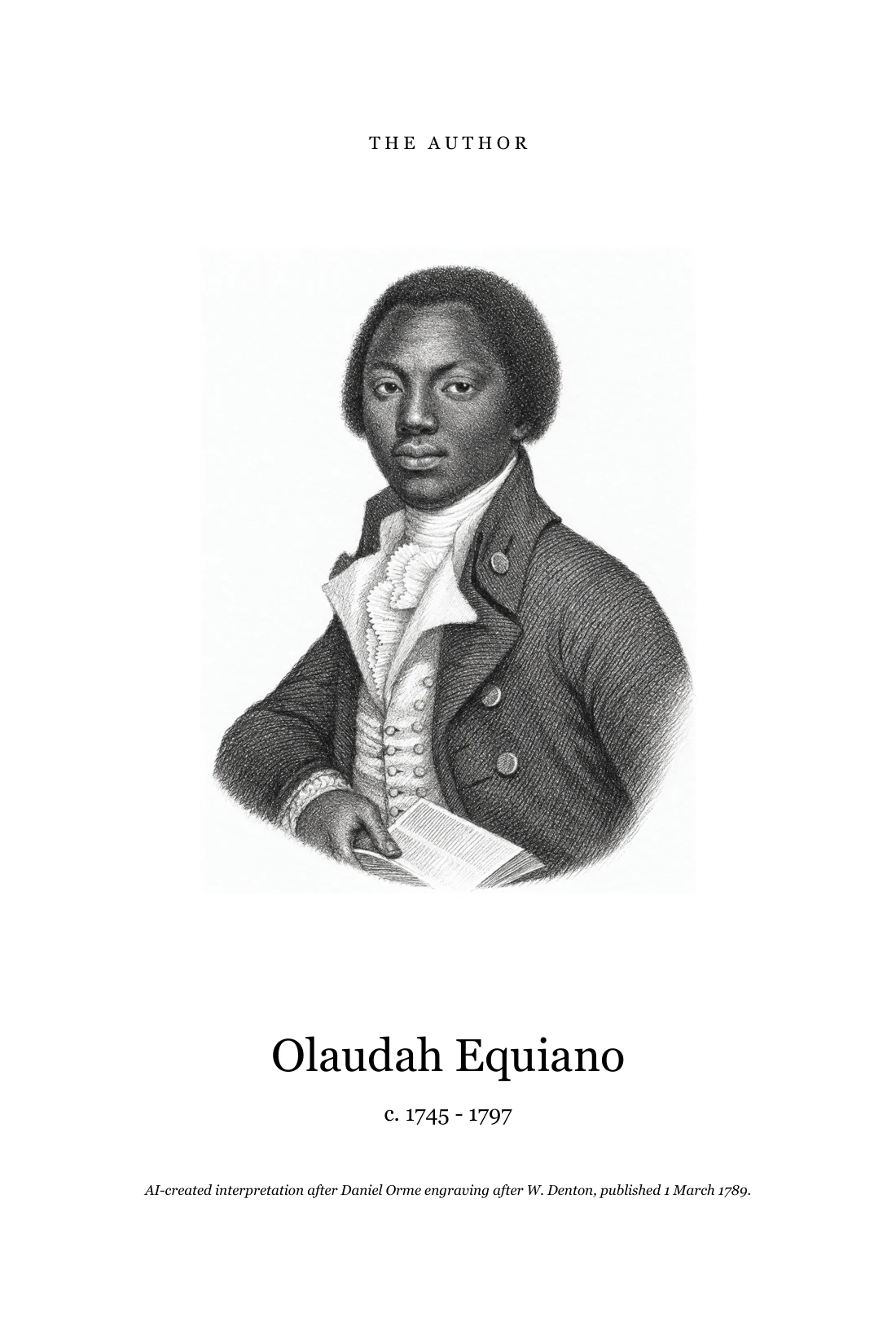
The Interesting Narrative of the Life of Olaudah Equiano was published in London in 1789. Equiano describes being kidnapped as a child in what is now Nigeria, the Middle Passage, years at sea under the name Gustavus Vassa, and how he eventually bought his freedom. Many of the nobility subscribed to the book, it went through nine editions in his lifetime and was translated into Dutch and German, and it is credited with helping turn British opinion towards the Slave Trade Act of 1807. In 1999 the scholar Vincent Carretta found a baptismal record and a naval record that give his birthplace as South Carolina, and the debate over his African childhood continues. See Equiano’s narrative and abolition.
Frederick Douglass (1845)
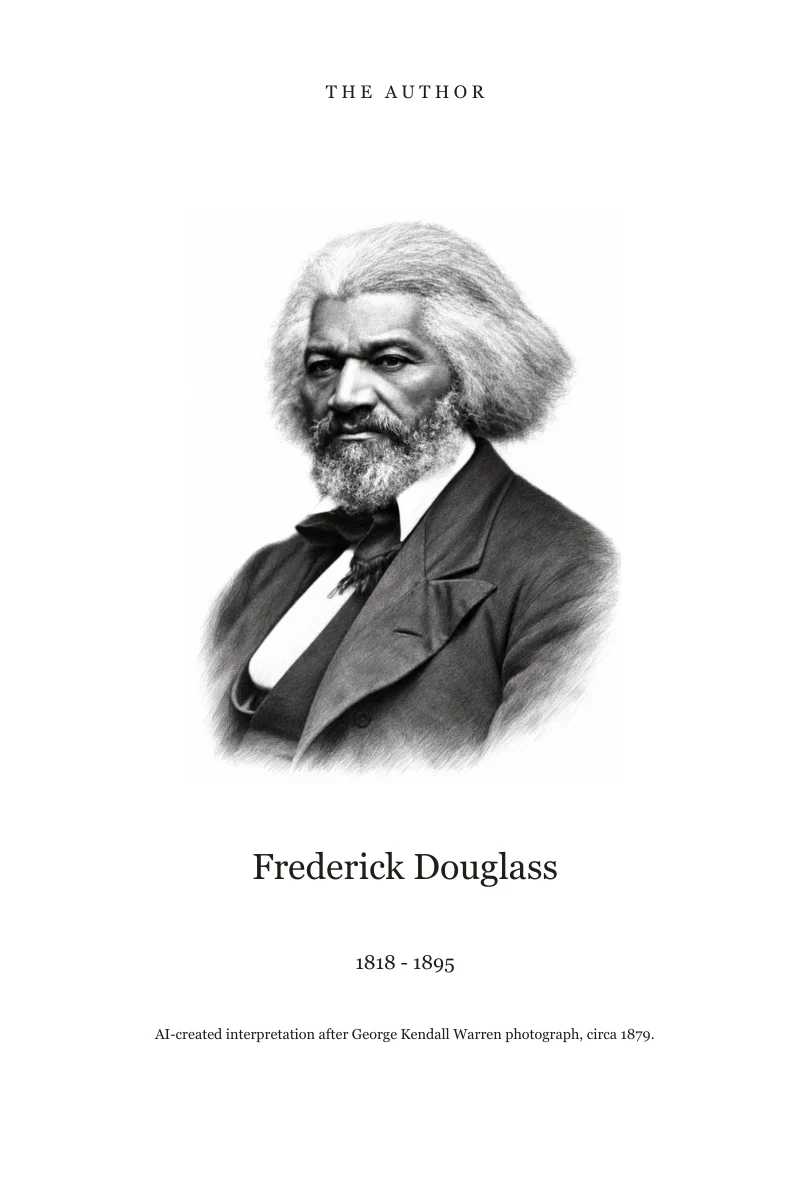
The most famous American narrative was published in Boston on 1 May 1845, with a preface by William Lloyd Garrison and a letter from Wendell Phillips. Douglass sold five thousand copies in four months and nearly thirty thousand by 1860. The book’s turning point is his fight with Edward Covey, a farmer hired to break him, and Douglass marks it with a sentence that sums up the whole genre.
You have seen how a man was made a slave; you shall see how a slave was made a man.
Frederick Douglass, *Narrative of the Life of Frederick Douglass*, chapter X
Douglass deliberately left out how he escaped, so as not to endanger those who had helped him or close the route to others. Publication made him so conspicuous that he spent the next two years lecturing in Britain and Ireland, out of reach of the man who legally owned him. He rewrote his life twice more, in My Bondage and My Freedom (1855) and Life and Times (1881); see Frederick Douglass’s three autobiographies.
Harriet Jacobs (1861)
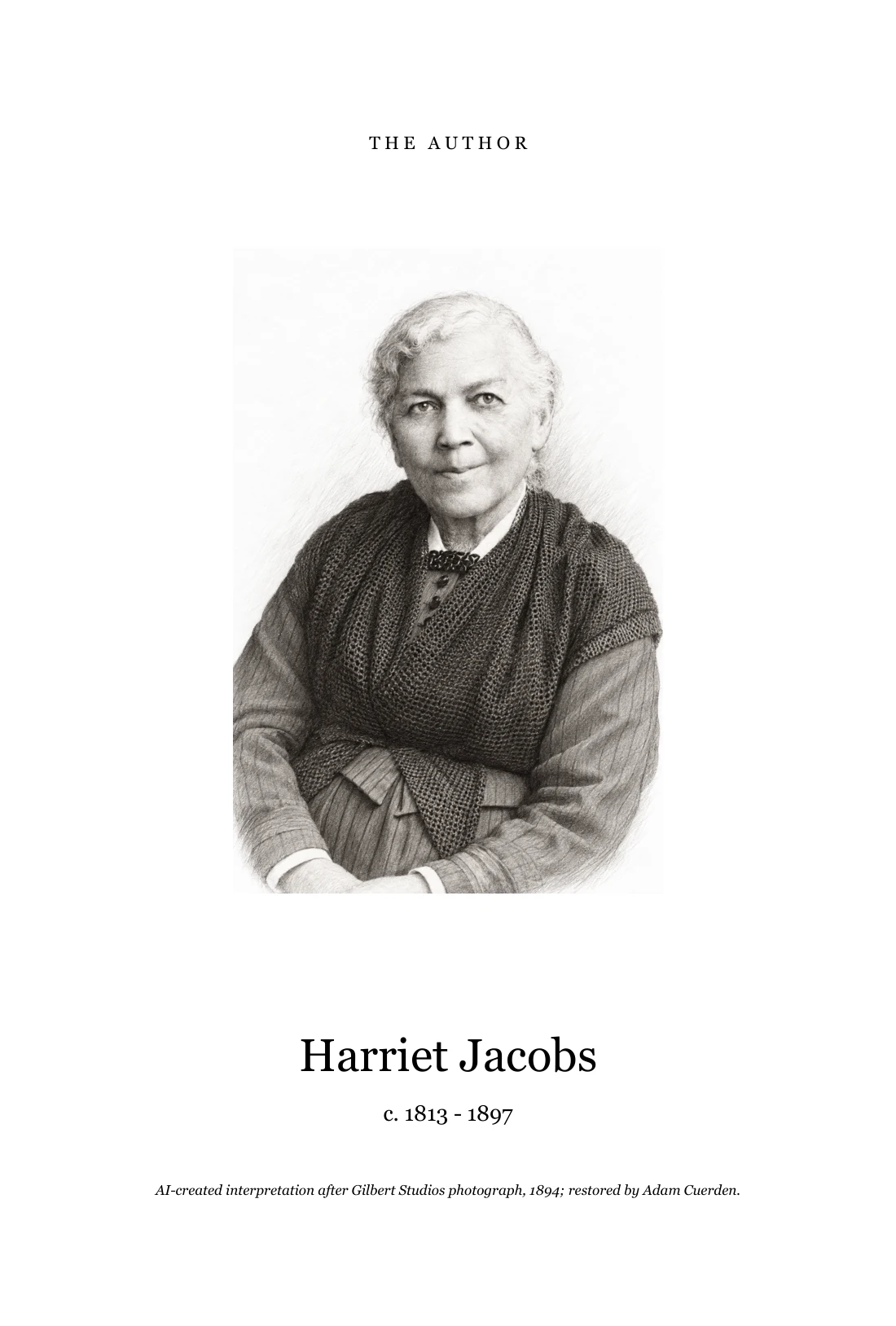
Incidents in the Life of a Slave Girl, published under the pseudonym Linda Brent and edited by Lydia Maria Child, tells what most male narratives could not: the sexual abuse enslaved women faced from the men who owned them. To protect her children, Jacobs hid for nearly seven years in a garret over a small shed attached to her grandmother’s house, nine feet long, seven wide and three feet high at its tallest, before escaping north in 1842.
Solomon Northup (1853) and after
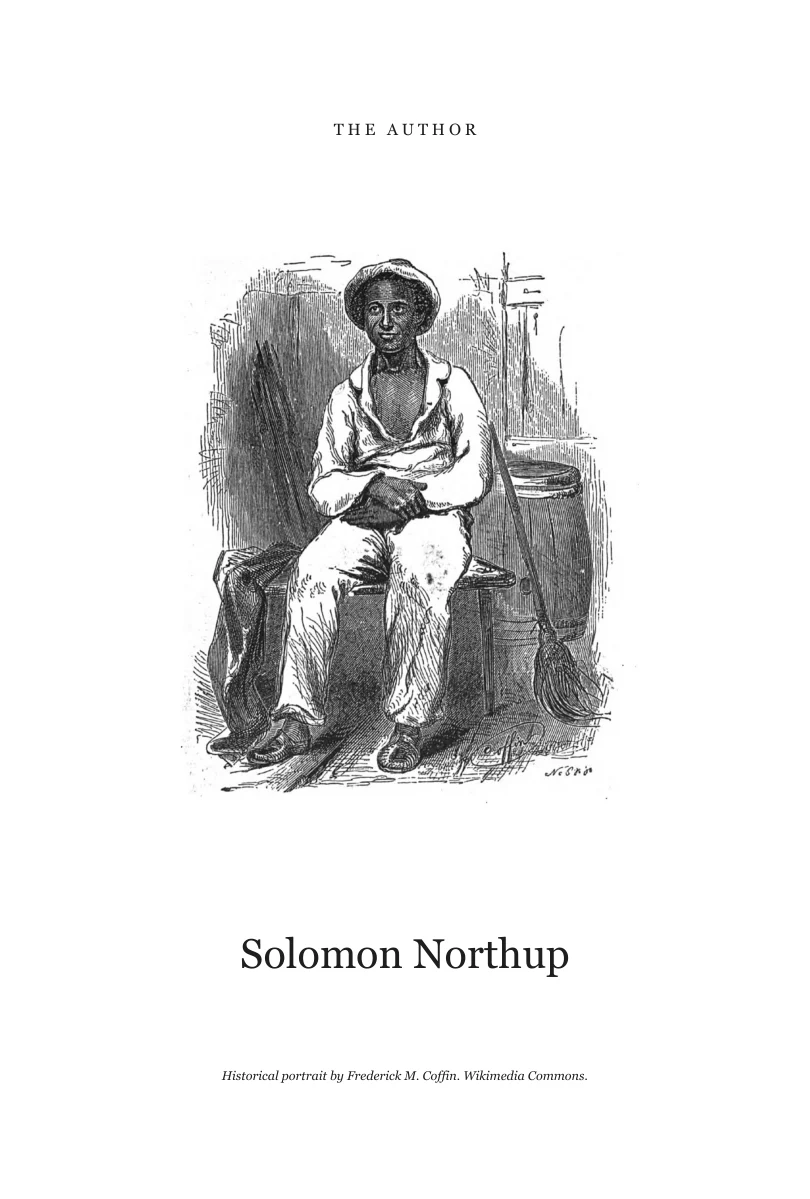
Twelve Years a Slave is a different kind of story: Northup was born free in New York and was kidnapped in Washington in 1841, then held on Louisiana plantations until his rescue in 1853. Told to and edited by David Wilson, it sold thirty thousand copies, then fell into obscurity for nearly a century before historians, and eventually the 2013 Oscar-winning film, brought it back. See Twelve Years a Slave: book vs. film.
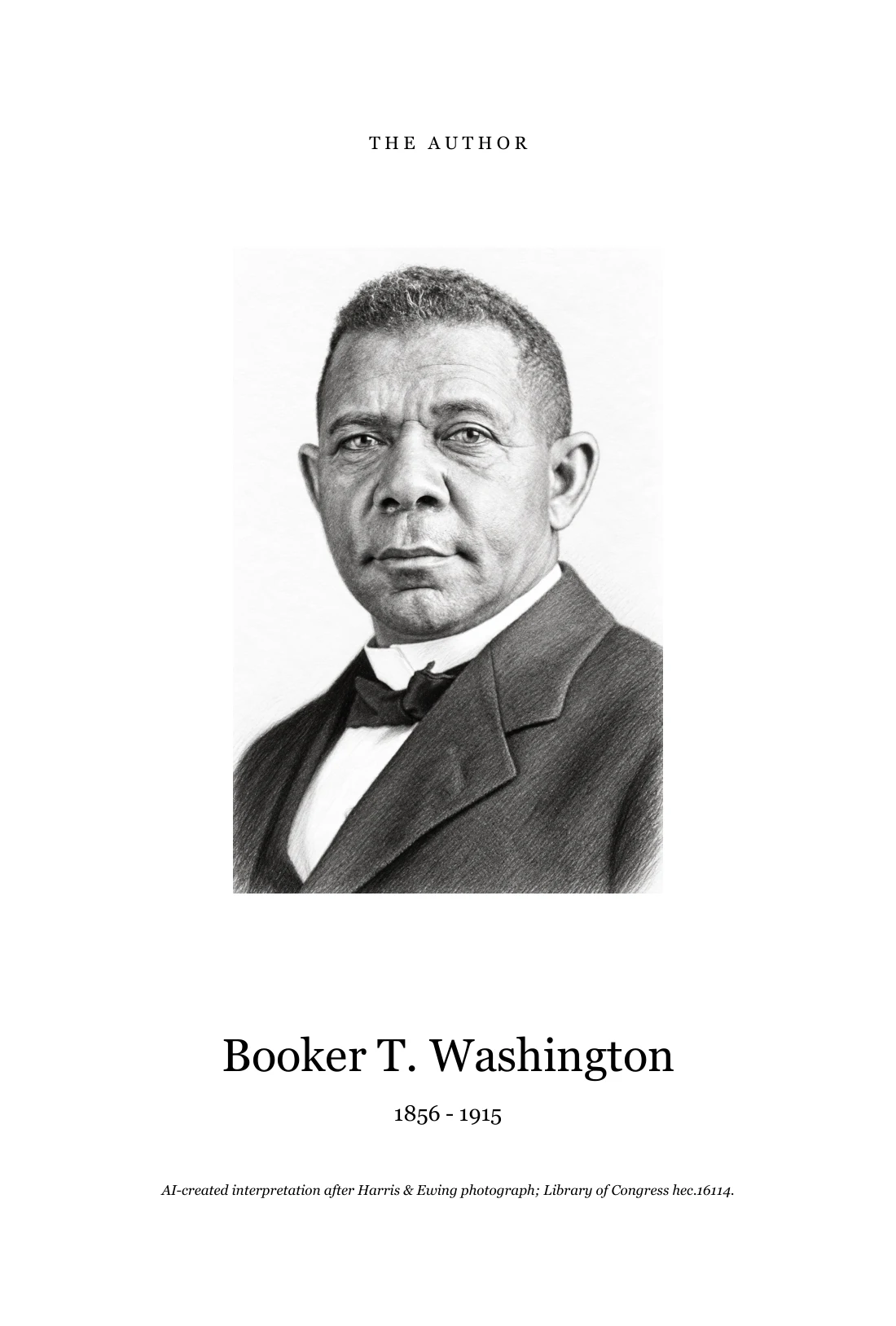
After emancipation the tradition changed shape. Booker T. Washington’s Up from Slavery (1901) begins with his birth into slavery in Virginia but is mostly a story of education and institution-building at Tuskegee; see Up from Slavery. In 1936–38 the Federal Writers’ Project interviewed about 2,300 elderly formerly enslaved people, recording a last generation of testimony now held by the Library of Congress, though historians note that most interviewers were white and the accounts must be read with that in mind.
Slave narratives to read first
Narrative of the Life of Frederick Douglass, an American Slave
1845. Douglass’s first autobiography: short, controlled and devastating, and the place most readers should start.
Incidents in the Life of a Slave Girl
1861. Harriet Jacobs’s account of abuse, motherhood and seven years in hiding, written as a direct appeal to Northern women.
The Interesting Narrative of the Life of Olaudah Equiano
1789. The narrative that helped launch British abolition: Africa, the Middle Passage, the sea and a hard-won freedom.
Twelve Years a Slave
1853. A free man kidnapped into slavery, and his detailed record of the Louisiana cotton country.
Up from Slavery
1901. From slavery in Virginia to the founding of Tuskegee, in Washington’s plain, determined voice.


For more, see classic autobiographies, early African American novels and our Black History Month classics.
Read Narrative of the Life of Frederick Douglass by Frederick Douglass first. It runs to about a hundred pages in our edition, and it explains in its own words why these books had to be written.
Questions readers ask
What is a slave narrative?
A first-person account of slavery written or dictated by someone who had been enslaved. Most were published in Britain and the United States between the late eighteenth century and the American Civil War to support the abolition of slavery.
What is the most famous slave narrative?
Narrative of the Life of Frederick Douglass, an American Slave (1845) is the best known, alongside Olaudah Equiano’s Interesting Narrative (1789), Harriet Jacobs’s Incidents in the Life of a Slave Girl (1861) and Solomon Northup’s Twelve Years a Slave (1853).
How many slave narratives are there?
One estimate counts more than six thousand accounts of all kinds, of which about 150 were published as separate books or pamphlets. In the 1930s the Federal Writers’ Project added around 2,300 recorded interviews.
Why did slave narratives say Written by Himself?
To prove the author’s authorship and literacy, because defenders of slavery claimed that enslaved people could not write and that the books were invented by white abolitionists.