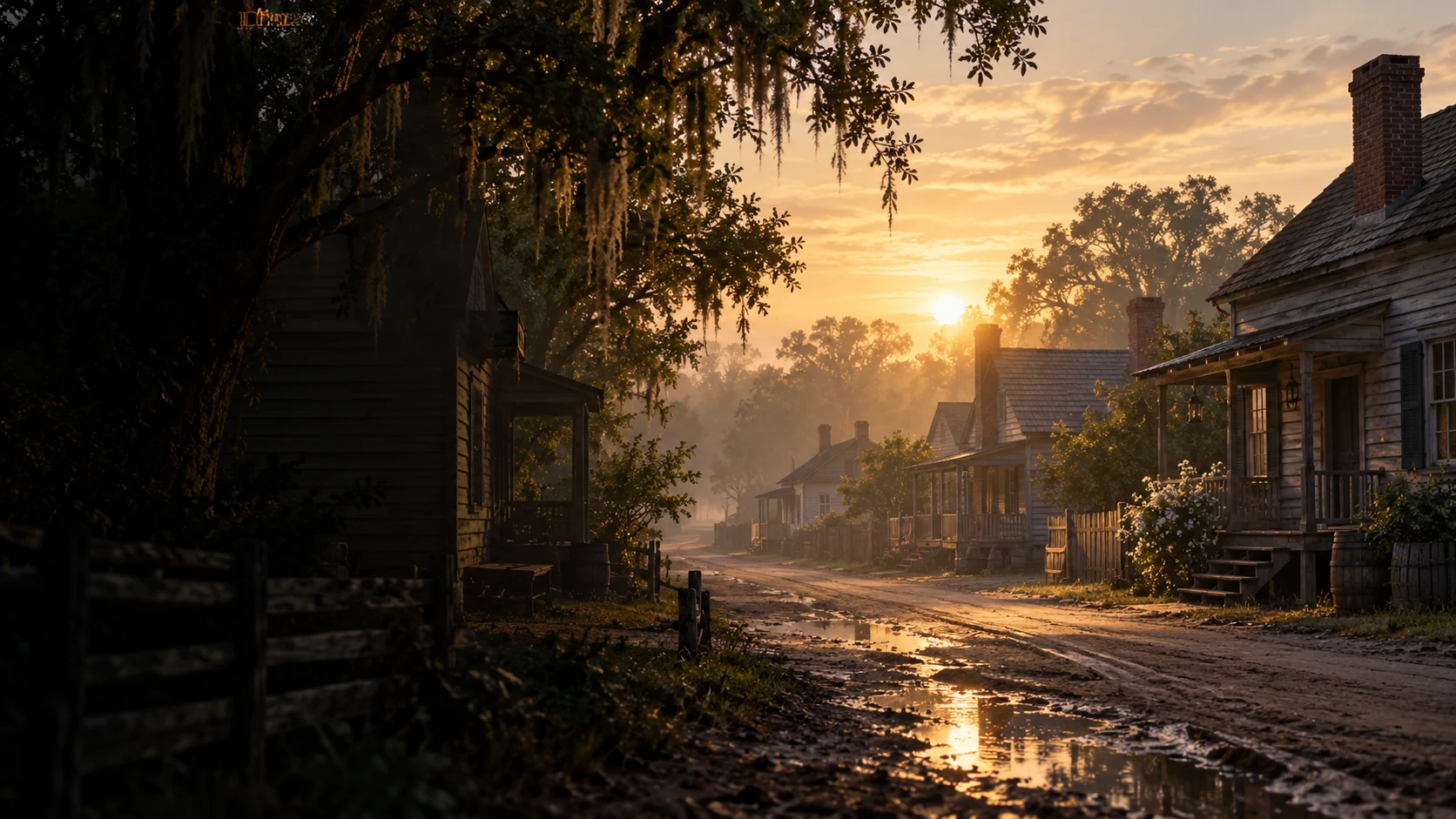
An 1830s North Carolina town street with modest timber houses at early morning
PIPCUB CINEMATIC EDITIONS / PAPERBACK BOOKS

Incidents in the Life of a Slave Girl

Harriet Jacobs

Harriet Jacobs recounts enslavement, resistance, concealment, and the long effort to secure safety for herself and her children.

$14.99

Printed for you. Shipping calculated at checkout.

Checkout opening soon. Shipping & delivery Returns
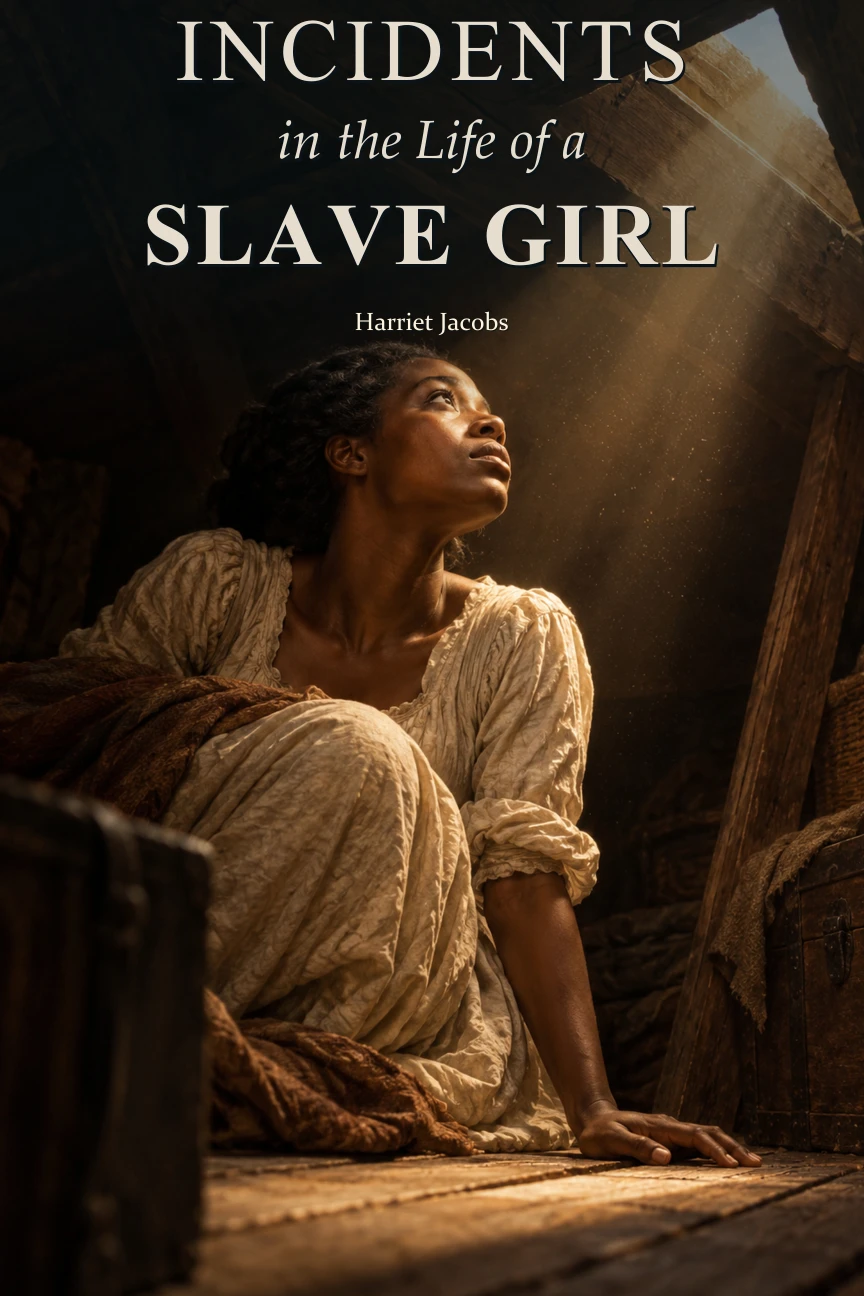
Incidents in the Life of a Slave Girl — actual Pipcub paperback cover
SCROLL INTO THE STORYAN IMAGINED WORLD · ORIGINAL AI ART
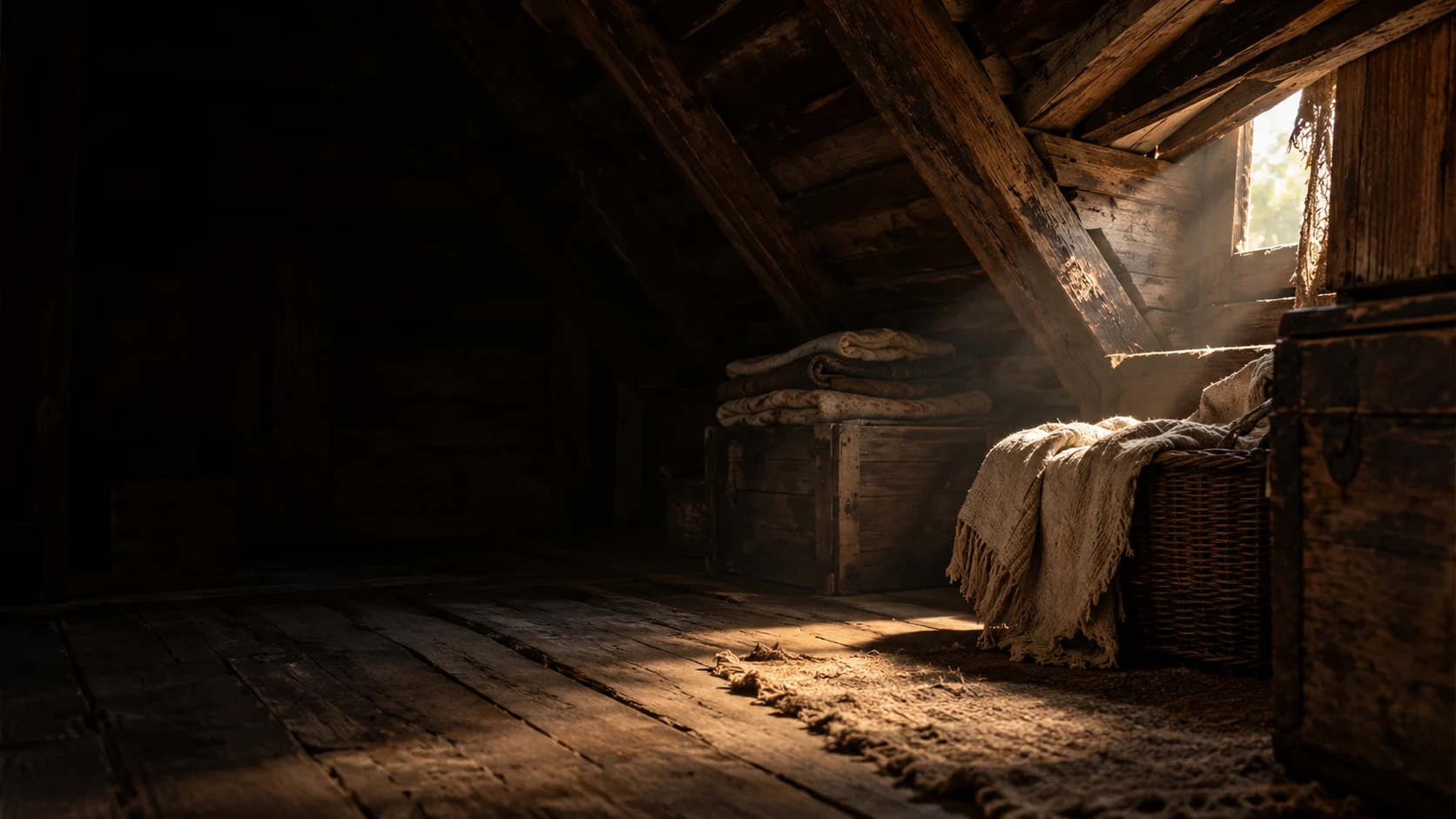
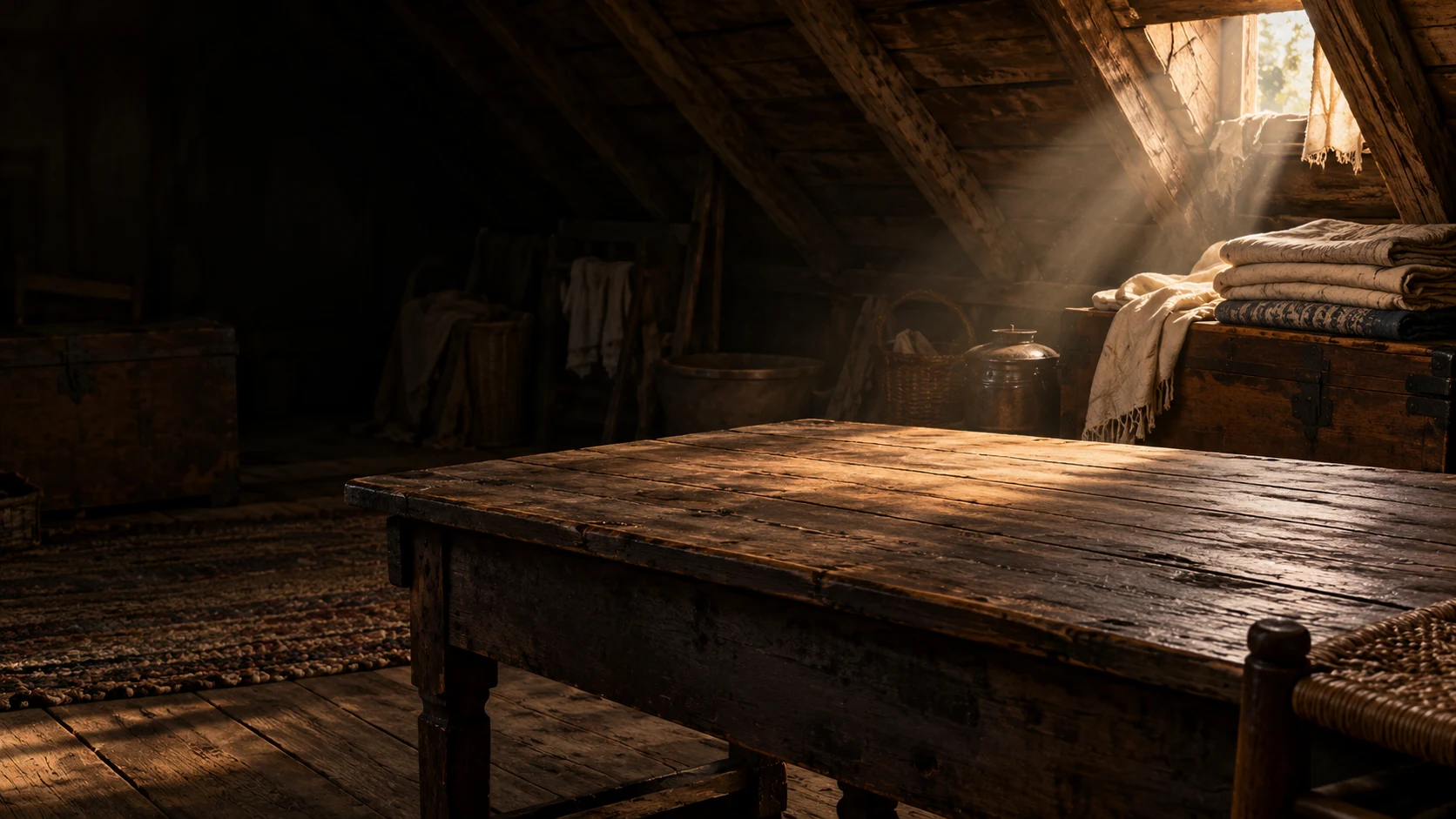
A small dim attic under a sloped roof with a narrow light opening and folded cloth, no people

THE STORY

A woman's struggle to claim her freedom.

Harriet Jacobs recounts enslavement, resistance, concealment, and the long effort to secure safety for herself and her children.

A nineteenth-century northern harbor at dawn with a departing sailing ship, symbolic freedom

THE WORLD OF THE BOOK

A narrow space, a wider hope.

Her narrative exposes the particular dangers faced by enslaved women while preserving the force of her own decisions. A landmark firsthand account of slavery and the pursuit of liberty.
Incidents in the Life of a Slave Girl front cover
Read the interior preview

LOOK INSIDE

Open a book.
Enter a world.

Preview six pages from this edition. Select a page to enlarge it, or use the arrows to keep reading.

Spread 1 of 3
Incidents in the Life of a Slave Girl · PDF page 8
Actual interior PDF page 8 of Incidents in the Life of a Slave Girl
Read accessible text

6 I. Childhood I was born a slave; but I never knew it till six years of happy childhood had passed away. My father was a carpenter, and considered so intelligent and skilful in his trade, that, when buildings out of the common line were to be erected, he was sent for from long distances, to be head workman. On condition of paying his mistress two hundred dollars a year, and supporting himself, he was allowed to work at his trade, and manage his own affairs. His strongest wish was to purchase his children; but, though he several times offered his hard earnings for that purpose, he never succeeded. In complexion my parents were a light shade of brownish yellow, and were termed mulattoes. They lived together in a comfortable home; and, though we were all slaves, I was so fondly shielded that I never dreamed I was a piece of merchandise, trusted to them for safe keeping, and liable to be demanded of them at any moment. I had one brother, William, who was two years younger than myself—a bright, affectionate child. I had also a great treasure in my maternal grandmother, who was a remarkable woman in many respects. She was the daughter of a planter in South Carolina, who, at his death, left her mother and his three children free, with money to go to St. Augustine, where they had relatives. It was during the Revolutionary War; and they were captured on their passage, carried back, and sold to different purchasers. Such was the story my grandmother used to tell me; but I do not remember all the particulars. She was a little girl when she was captured and sold to the keeper of a large hotel. I have often heard her tell how hard she fared during childhood. But as she grew older she evinced so much intelligence, and was so faithful, that her master and mistress could not help seeing it was for their interest to take care of such a valuable piece of property. She became an indispensable personage in the household, officiating in all capacities, from cook and wet nurse to seamstress. She was much praised for her cooking; and her nice crackers became so famous in the neighborhood that many people were desirous of obtaining them. In consequence of numerous requests of this kind, she asked permission of her mistress to bake crackers at night, after all the household work was done; and she obtained leave to do it, provided

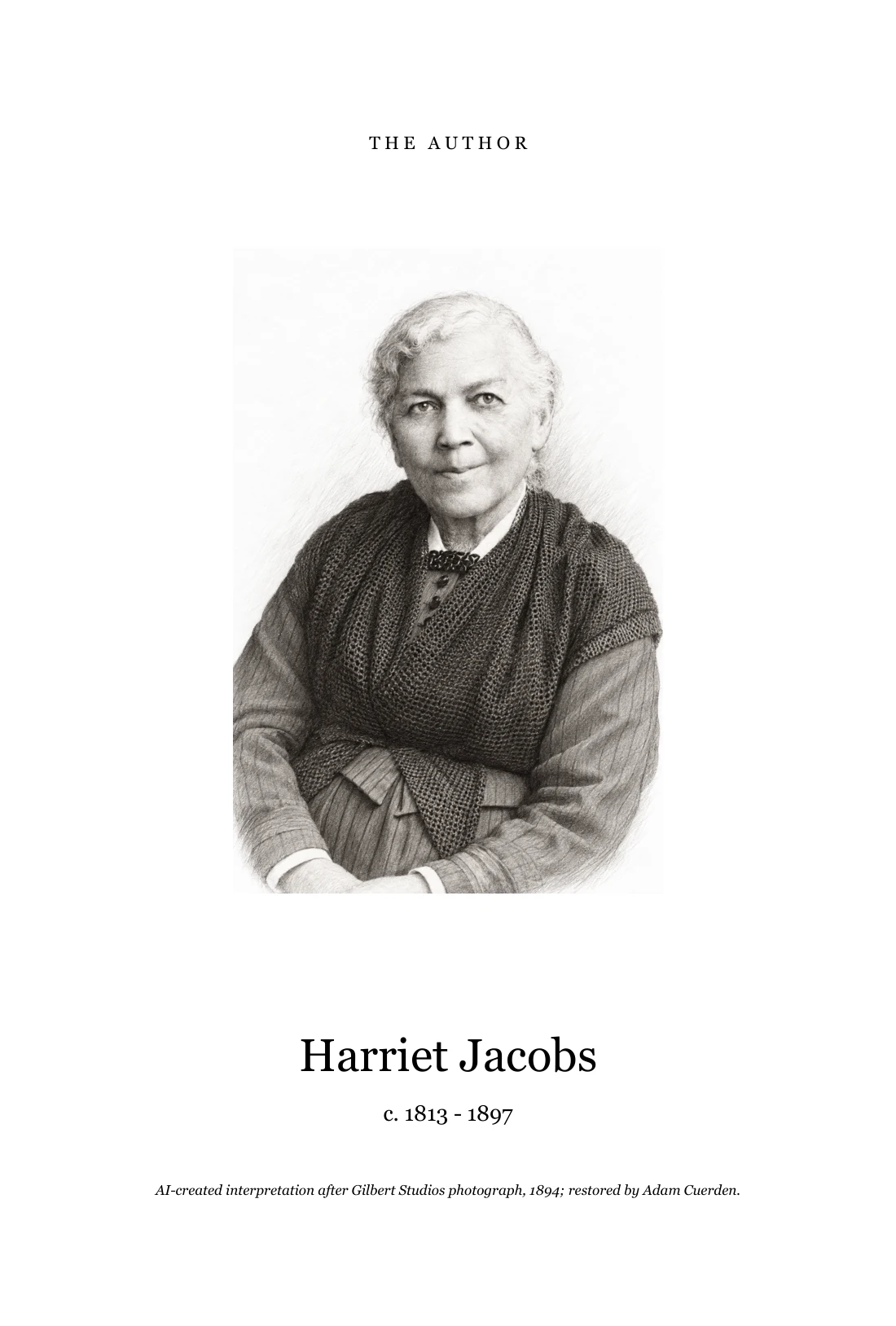
Harriet Jacobs portrait page from this edition

ABOUT THE AUTHOR

Harriet Jacobs

Harriet Jacobs was an American writer and abolitionist, born into slavery in North Carolina around 1813. Her life was shaped by the struggle to protect herself and her children within a system that denied their freedom. Her writing places those relationships at the centre of its account.

More about the author ↗

Discover the author behind the story. This portrait and biography are included in your edition.

FREE TO READ

Take it with you.

Incidents in the Life of a Slave Girl is in the public domain, so its words belong to everyone. Download our edition free. No account needed.

Read it in your browser ↗
Add it to your reading app
iPhone & iPad
Tap download, then open the file from Safari’s downloads, tap Share and choose Books. It stays in your Apple Books library.
Android
Tap download, open the file and choose Google Play Books. Or, in Play Books, go to Library, tap ⋮ and choose Upload files.
Kindle
Send the file to your Kindle library with Amazon’s Send to Kindle.
Kobo, Moon+ Reader and other apps
Open the downloaded file with the app, or use the app’s import option.

KEEP BROWSING

More from the library.

In the Yule-Log Glow, Book II Christmas Tales from 'Round the World cover

In the Yule-Log Glow, Book II Christmas Tales from 'Round the World

Harrison S. Morris

In the Yule-Log Glow, Book III: Christmas Poems from 'Round the World cover

In the Yule-Log Glow, Book III: Christmas Poems from 'Round the World

Harrison S. Morris

In The Yule-Log Glow, Book IV cover

In The Yule-Log Glow, Book IV

Harrison S. Morris

India: Land of the Black Pagoda cover

India: Land of the Black Pagoda

Lowell Thomas, Sr.

Indian Home Rule cover

Indian Home Rule

M. K. Gandhi

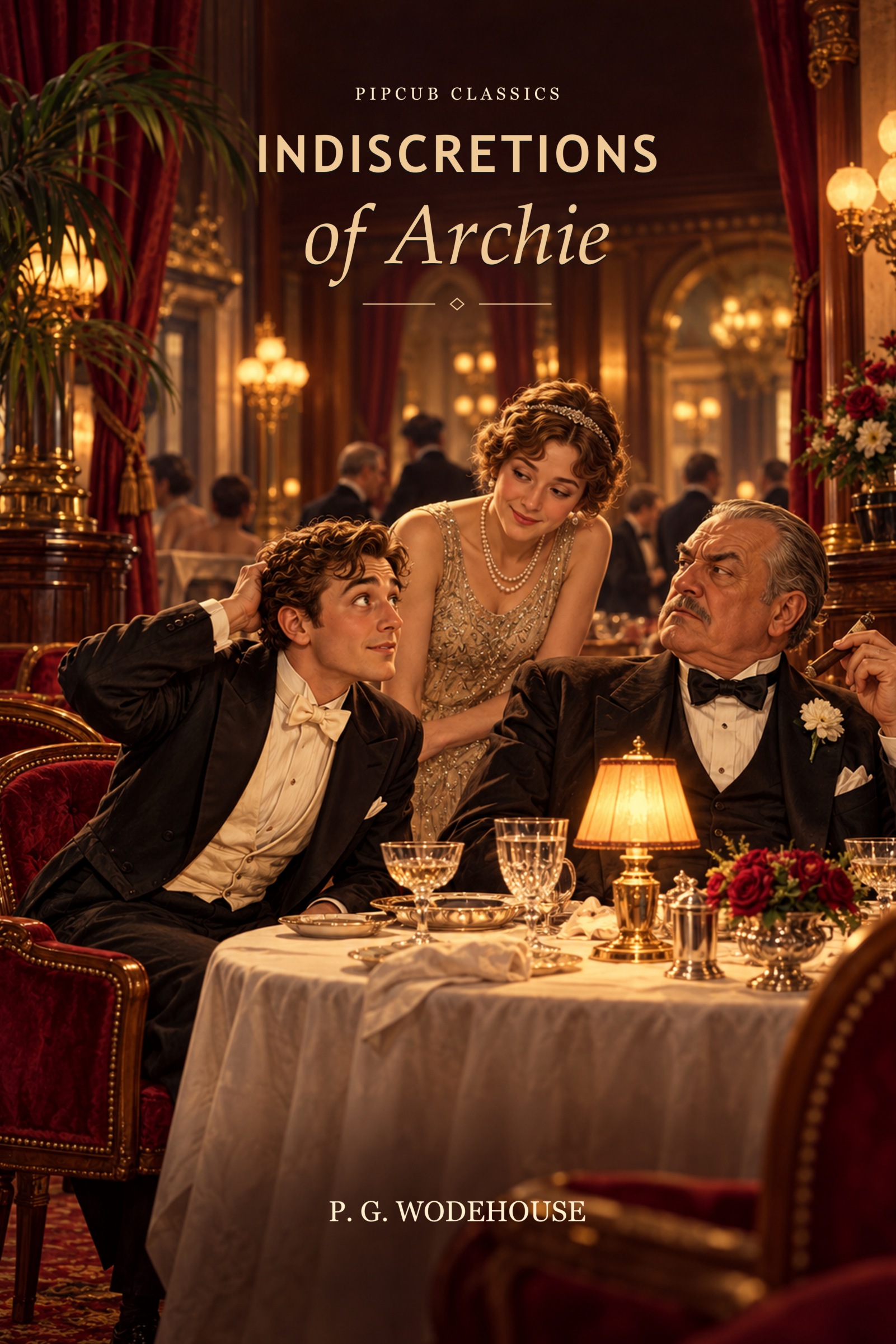
Indiscretions of Archie cover

Indiscretions of Archie

P. G. Wodehouse

Browse the complete library ↗
YOUR NEXT CHAPTER

Your book bag 0

A little escape. A story to keep.

Loading your book bag…