Uncle Tom’s Cabin, published in 1852, is usually described as the best-selling novel of the nineteenth century, and in the United States the best-selling book of its era after the Bible. It sold hundreds of thousands of copies in its first year in America, sold strongly in Britain too, and was quickly translated into many languages. Few novels have ever had such a direct effect on politics.
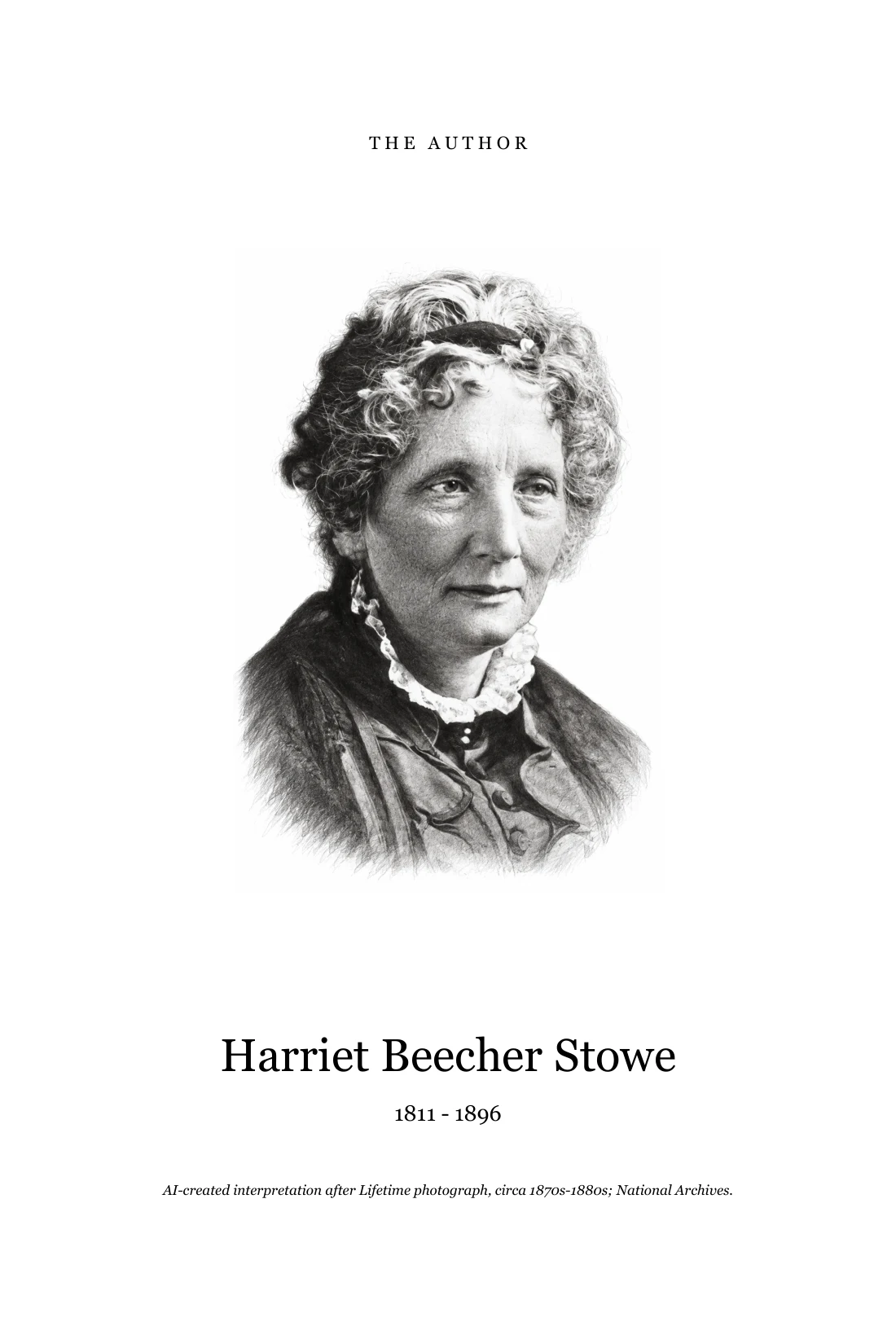
Its author, Harriet Beecher Stowe, was a writer and teacher from a famous family of New England preachers, who set out to make Northern readers feel what slavery meant. She succeeded beyond anything she imagined. She also wrote a book whose portrayal of Black Americans has been sharply criticised ever since, and both halves of that story matter.
Why was Uncle Tom’s Cabin so popular?
In 1850, Congress passed the Fugitive Slave Act, which required people in free states to help return those who had escaped from slavery. Stowe, who had lived for years in Cincinnati, just across the Ohio River from slave-holding Kentucky, was appalled. She began writing a story that appeared in weekly instalments in an anti-slavery newspaper, The National Era, from 1851, and then as a book.
She wrote it as melodrama, deliberately. Her readers met Eliza fleeing with her small son across the breaking ice of the Ohio River; Tom, a devout and dignified enslaved man, sold away from his wife and children; the angelic child Eva; and the brutal plantation owner Simon Legree. Stowe aimed at the heart, especially the hearts of mothers, and argued that slavery made the separation of families inevitable. She drew on published narratives of formerly enslaved people, including that of Josiah Henson, and later defended her facts in a separate book.
The effect was enormous. Northern readers who had thought little about slavery found themselves moved and angry. Southern critics denounced the book as slander, and a small industry of “anti-Tom” novels sprang up to defend slavery.
Why is Uncle Tom’s Cabin controversial?
Because its sympathy has limits. Stowe believed in the equal humanity of Black people, but she also relied on racial stereotypes common in her time, describing her characters through ideas about racial temperament that modern readers rightly find offensive. Some of her most heroic characters are those closest to white ideals, and the novel’s ending looks favourably on emigration to Africa, an idea many Black abolitionists rejected.
The book’s afterlife made things worse. For decades, “Tom shows” — stage versions, often performed in blackface — turned Stowe’s characters into crude caricatures, and Tom himself into an elderly, servile figure. That is where “Uncle Tom” gained its modern meaning as an insult. In the novel, Tom is a strong man in middle life whose defining act is his refusal, at terrible cost, to betray others. In 1949 the novelist James Baldwin attacked the book in an essay, arguing that its sentimentality denied its Black characters their full humanity, and that critique remains influential.
Should you read Uncle Tom’s Cabin today?
Yes, if you read it as what it is: a crucial historical document and a powerful, flawed novel. It is long and often preachy, and Stowe addresses the reader directly to argue her case. But its scenes of families divided at auction still hit hard, and it helps explain how the United States moved toward civil war.
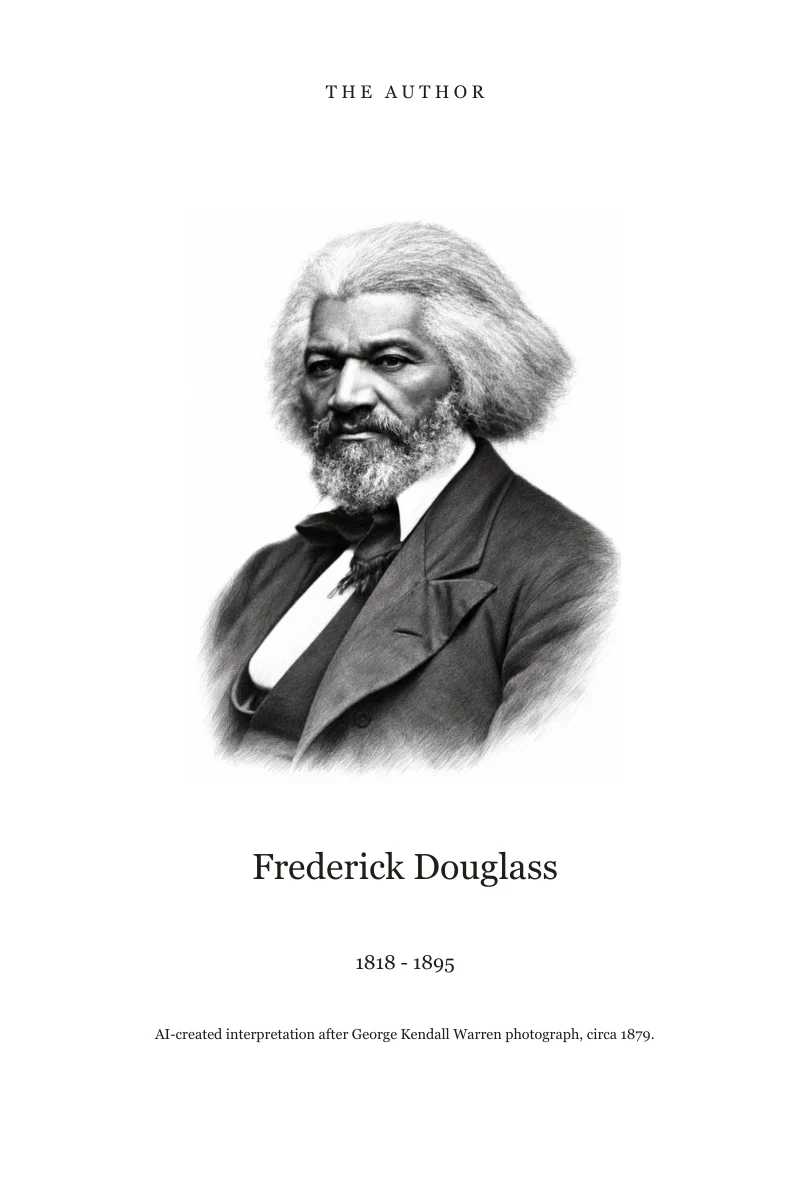
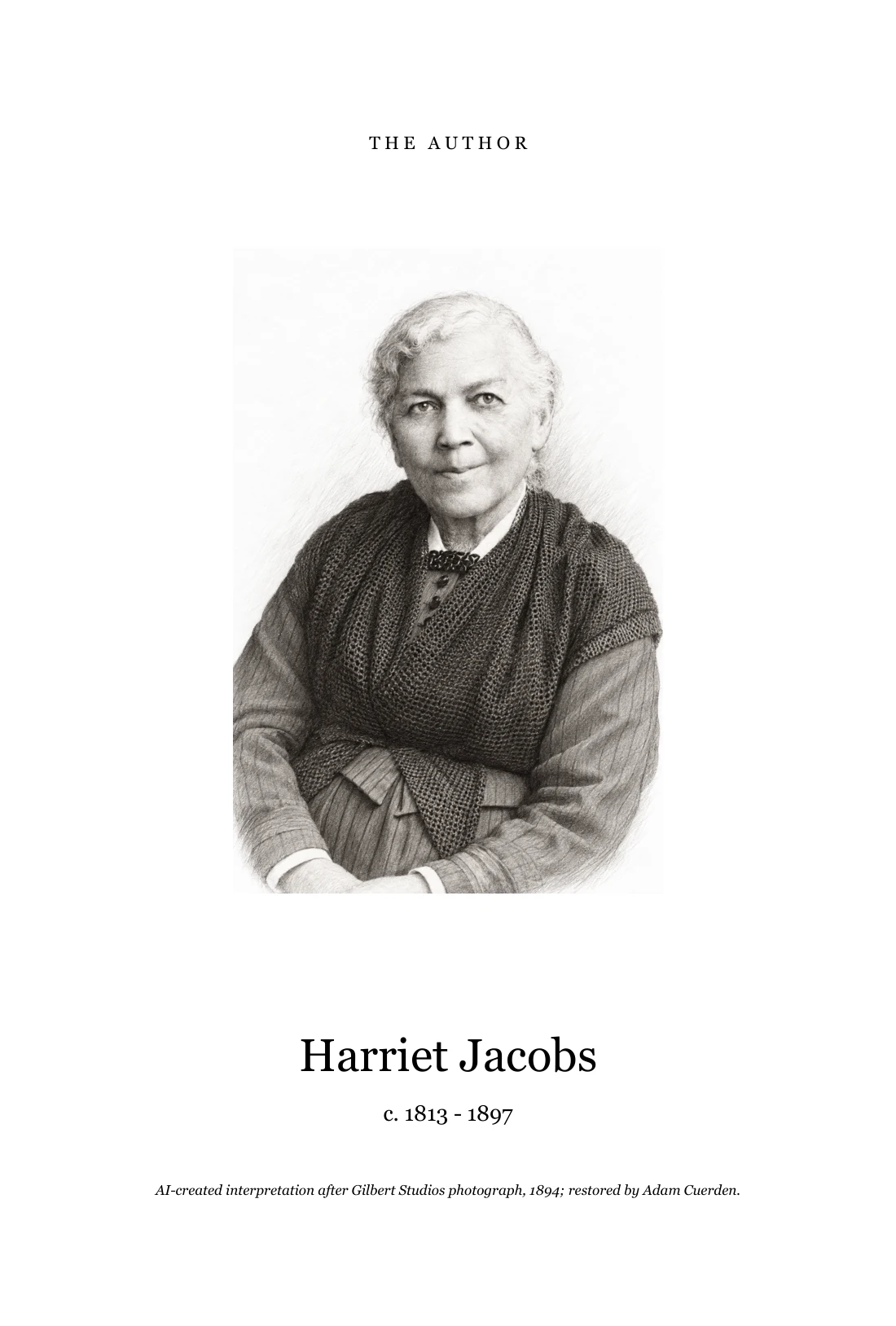
It is best read alongside the voices Stowe drew on, people who wrote about slavery from their own experience. Frederick Douglass’s Narrative and Harriet Jacobs’s Incidents in the Life of a Slave Girl tell the story in a way no outsider could.
Uncle Tom's Cabin
1852. Tom, Eliza and the families torn apart by the slave trade, in the novel that shook a nation. Long, passionate and important.
Narrative of the Life of Frederick Douglass, an American Slave
1845. Frederick Douglass’s account of his own enslavement and escape — direct, brilliant and essential.
Incidents in the Life of a Slave Girl
1861. Harriet Jacobs tells of the sexual exploitation of enslaved women and the seven years she spent hiding in a cramped attic space.


For more, see our list of classics for Black History Month and our guide to slave narratives. For another novel that helped change a country’s history, read Did you know a novel helped inspire the Philippine Revolution?.
To understand why a nineteenth-century audience could not put it down, start with the opening chapter of Uncle Tom’s Cabin: two men in a Kentucky parlour, talking over a debt, and deciding the fate of a family as if it were a matter of business.
Questions readers ask
Was Uncle Tom’s Cabin the best-selling novel of the 19th century?
It is usually described that way. It sold hundreds of thousands of copies in its first year in the United States alone, and is often said to have been the century’s best-selling book in America after the Bible.
Why was Uncle Tom’s Cabin so important?
It made the cruelty of slavery vivid to millions of Northern readers in the 1850s, increased opposition to the Fugitive Slave Act and deepened the divisions that led to the American Civil War.
Why is Uncle Tom’s Cabin criticised?
It relies on racial stereotypes of its time, and its sentimental portrayal of Black characters was later exaggerated by stage adaptations. Writers such as James Baldwin argued that it failed to treat its Black characters as fully human.
Is Uncle Tom’s Cabin based on a true story?
It is fiction, but Stowe drew on real accounts by people who had escaped slavery, including the narrative of Josiah Henson, and published a separate book to document her sources.