For more than a hundred years, almost nobody read Our Nig. Harriet E. Wilson published it anonymously in Boston in 1859, and it sank almost without trace until 1981, when the scholar Henry Louis Gates Jr. bought a copy in a New York bookshop. He announced the find in 1982, and his edition of 1983 put Wilson back into the history of American literature.
Wilson explained in her preface why she had written it at all. She was ill, abandoned by her family, and needed to support herself and her child:
Deserted by kindred, disabled by failing health, I am forced to some experiment which shall aid me in maintaining myself and child without extinguishing this feeble life.
Harriet E. Wilson, preface to Our Nig (1859)
Her book is the first of the seven early African American novels below, arranged in the order they were published. Together they cover seventy years: slavery and its aftermath, the move north, the colour line inside Black communities, and the arrival of the Harlem Renaissance.
Early African American novels in order
- $10.99
Our Nig
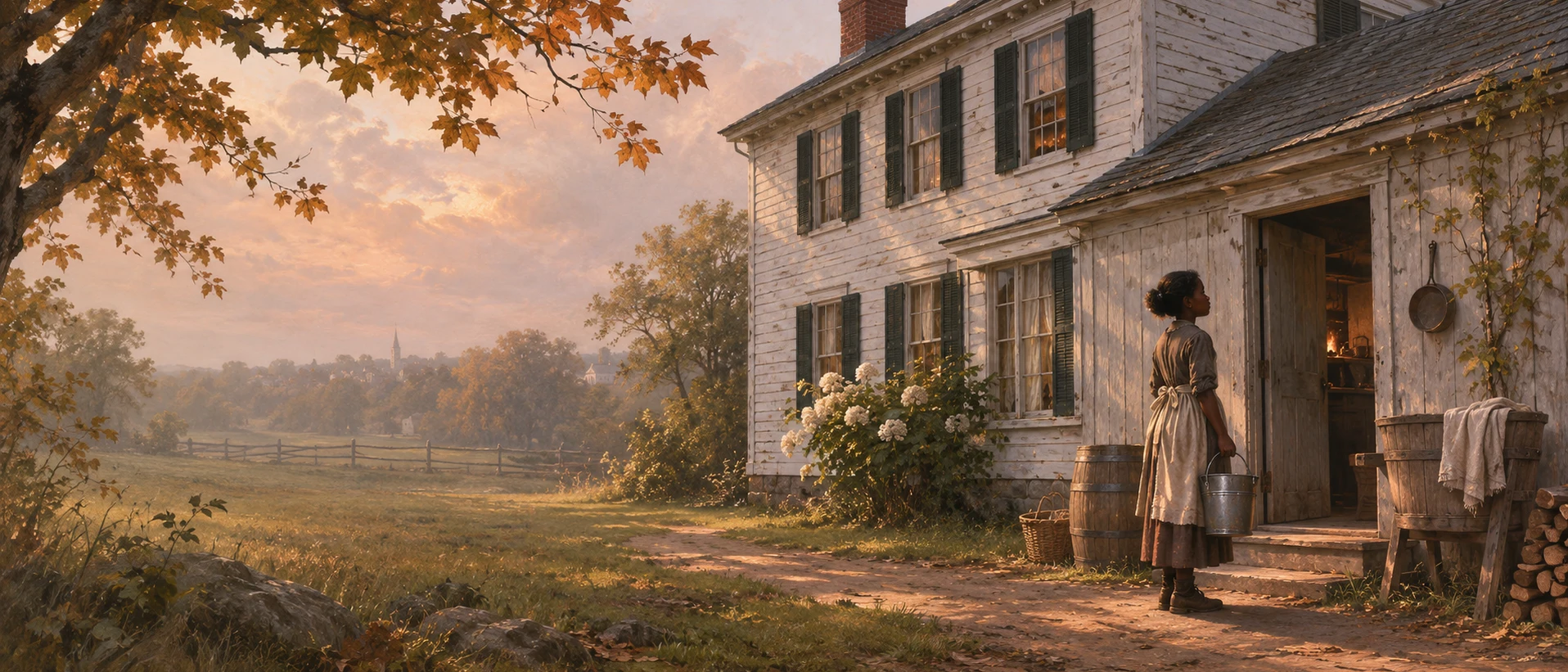
1859. Frado, the daughter of a Black father and a white mother, is left at the age of six with a white family in the North, who work her and beat her as their servant. Its subtitle says it all: “Showing That Slavery’s Shadows Fall Even There.”
- $15.99
Iola Leroy
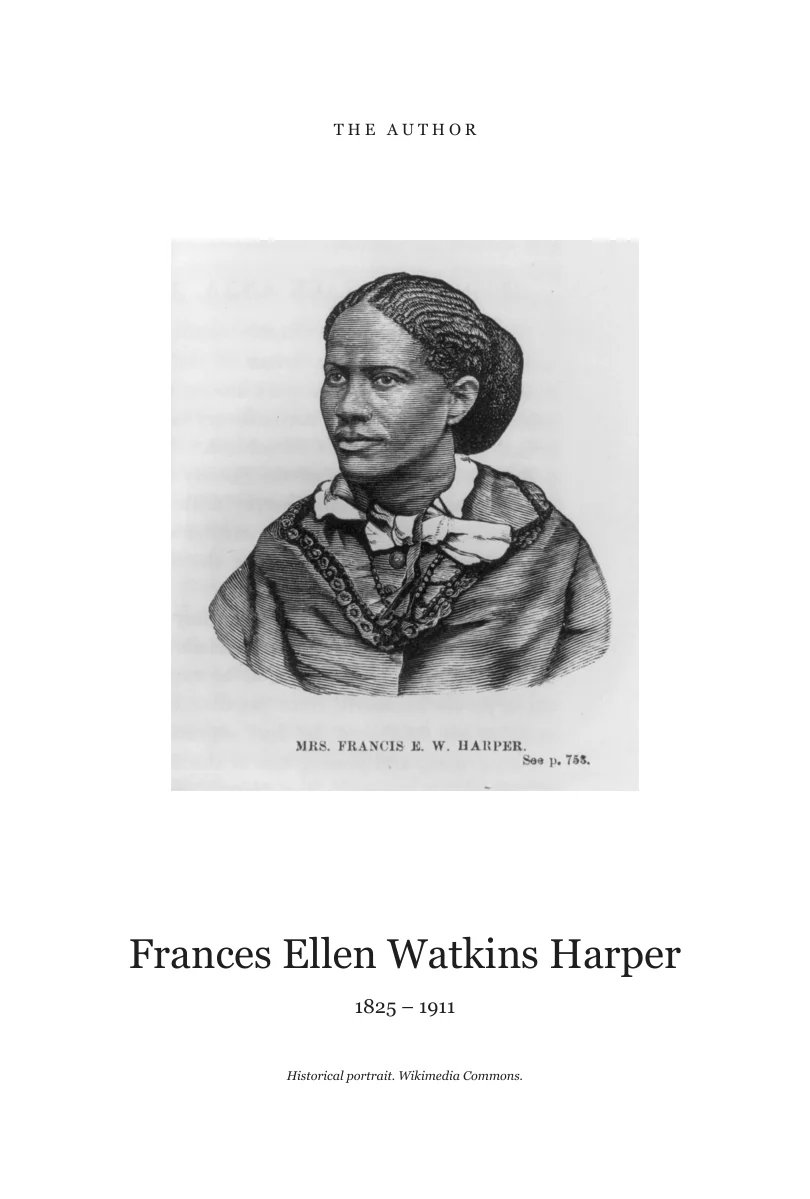
1892. A young woman raised as white learns after her father’s death that her mother was enslaved, and is sold into slavery herself. Frances Ellen Watkins Harper, already a famous poet and lecturer, published it in her late sixties.
- $11.99
The Sport of the Gods
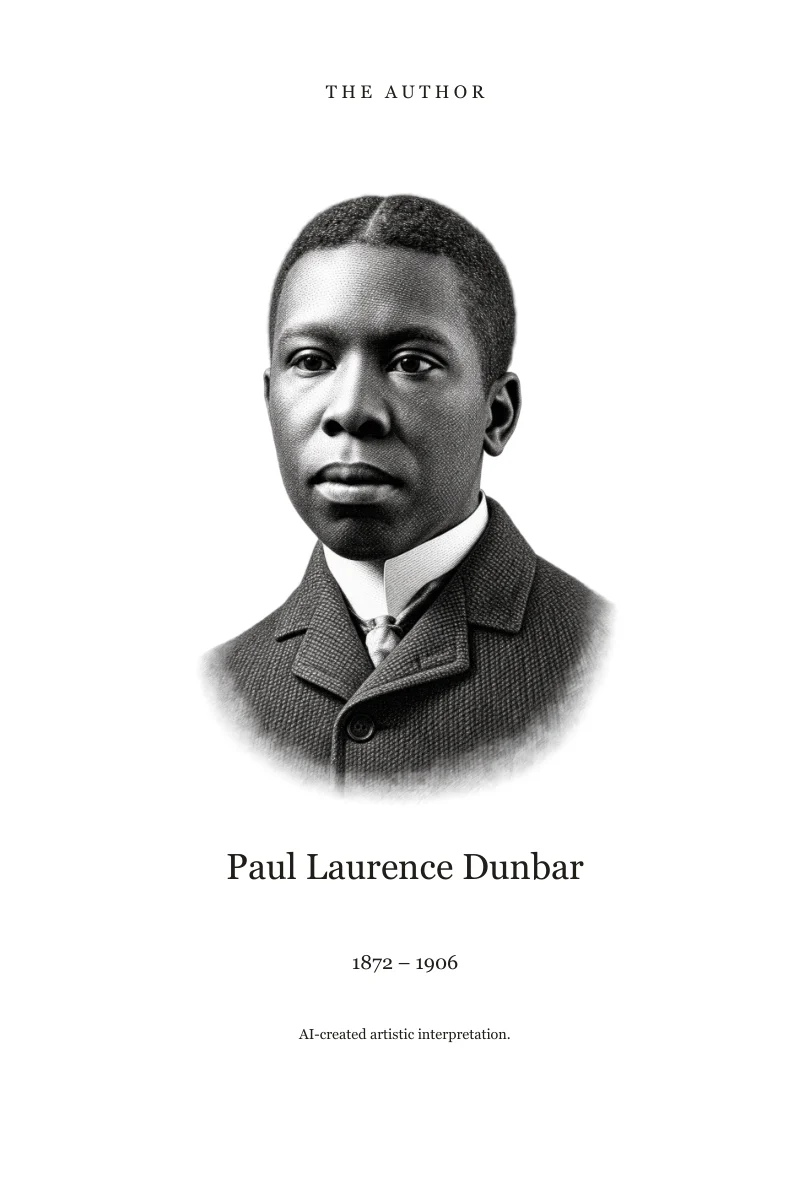
1902. A Southern butler is wrongly convicted of theft, and his wife and children move to New York, where the city’s nightlife slowly pulls the family apart. Paul Laurence Dunbar, best known as a poet, at his bleakest.
- $15.99
The Colonel's Dream
1905. Chesnutt’s white hero comes home to the South with money and good intentions and learns how deep the town’s injustices run. It was the last of his novels to appear while he was alive.
- $12.99
The Autobiography of an Ex-Colored Man
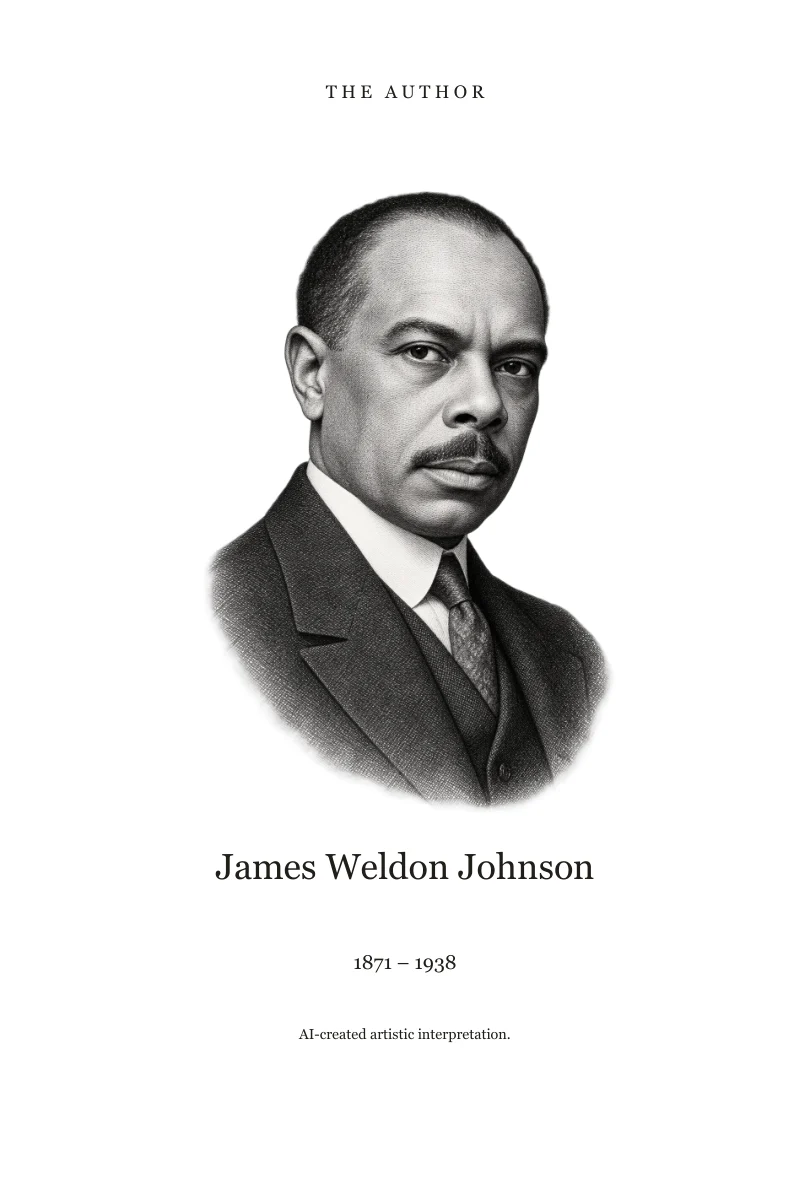
1912. A musically gifted man of mixed race witnesses a lynching and decides to live as white. Published anonymously, and only reissued under James Weldon Johnson’s name by Knopf in 1927.
- $15.99
There Is Confusion
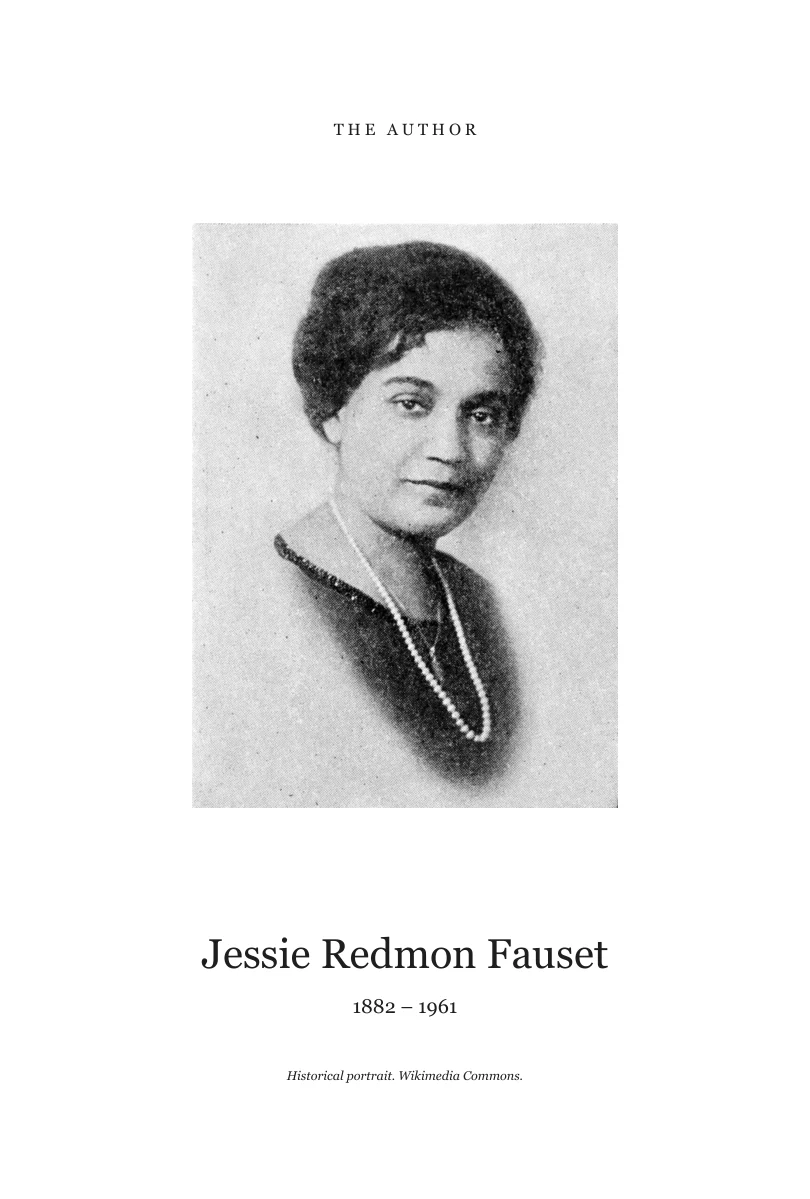
1924. Joanna Marshall, a fiercely ambitious young singer and dancer, and her friends in Black middle-class New York. Jessie Redmon Fauset’s first novel; an early publisher turned it down, saying white readers did not expect Black characters to be like this.
- $12.99
The Blacker the Berry
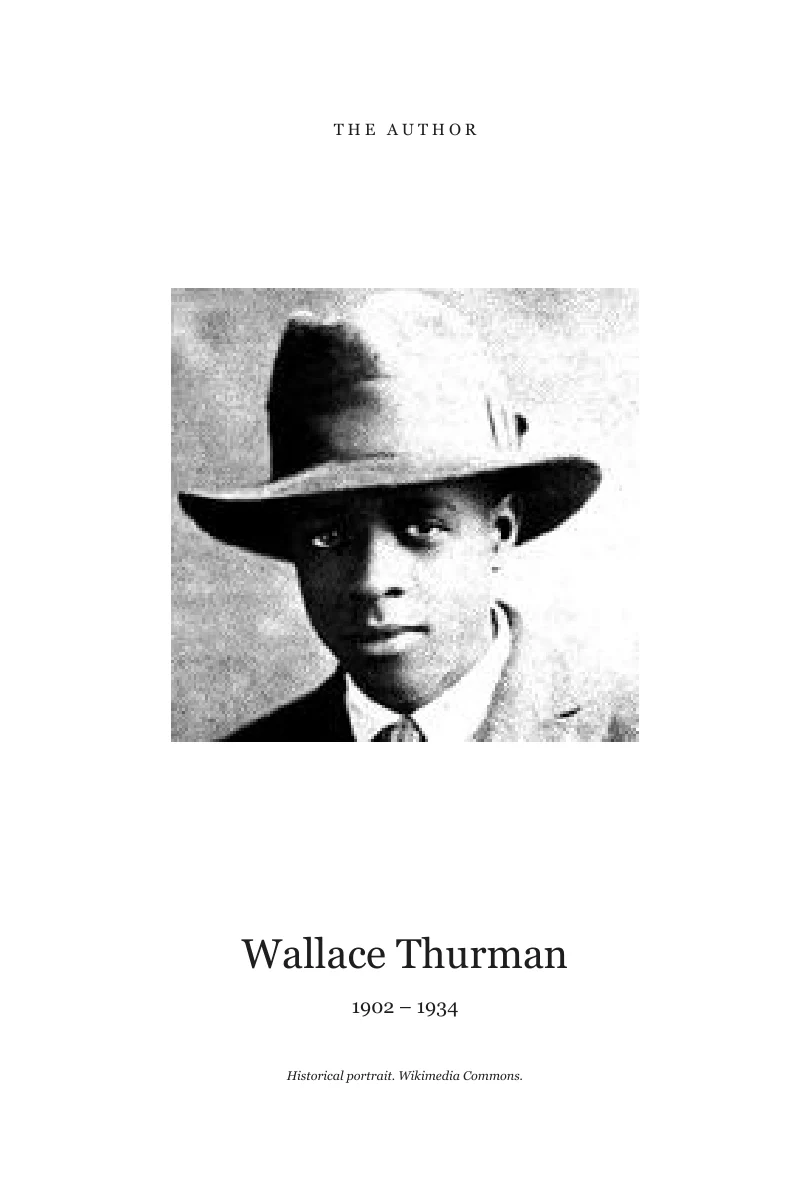
1929. Emma Lou Morgan, a dark-skinned girl from Boise, Idaho, goes to college in Los Angeles and then to Harlem, and finds that the prejudice she meets most often comes from lighter-skinned Black people. Wallace Thurman’s fierce, funny first novel.


What was the first African American novel?
The honest answer is that the “firsts” in this history keep changing, because books keep being found. Here is where scholars stand at present.
Our Nig was long considered the first novel published by an African American woman in North America. That claim is now contested by The Bondwoman’s Narrative by Hannah Crafts, a manuscript novel that Gates bought, authenticated and published in 2002; scholars believe it may have been written a few years before Our Nig. Wilson’s book remains the earliest of the two to have been printed in its own time.
Clotel, William Wells Brown’s novel about the fictional enslaved daughters of Thomas Jefferson, is generally considered the first novel by an African American. Brown, who had escaped slavery, published it in London in 1853 while he was in England to avoid recapture under the Fugitive Slave Act.
From the colour line to Harlem
Johnson published The Autobiography of an Ex-Colored Man anonymously because he was unsure what so controversial a book would do to his diplomatic career. The book’s second life, in 1927, came as the Harlem Renaissance was at its height.
Fauset’s novel has a particular place in that story. In March 1924 Charles S. Johnson, editor of the magazine Opportunity, planned a dinner at the Civic Club in New York to honour There Is Confusion. As the guest list grew it became a celebration of a whole generation of Black writers, and it is often described as one of the events that crystallised the Harlem Renaissance, though Fauset herself is said to have felt like an afterthought at her own party.
For the book usually credited with opening the Renaissance, see Cane: the book that opened the Harlem Renaissance, and for the wider movement, The Harlem Renaissance: where to start reading. Chesnutt’s two great earlier novels, The House Behind the Cedars and The Marrow of Tradition, are covered in Charles W. Chesnutt: where to start.
Where to start
These novels use the racial language of their time, including the title of Wilson’s book, which is what the white family’s children call her heroine. If you want the most gripping story, start with The Autobiography of an Ex-Colored Man; it is short and reads like a confession. If you want the boldest, read The Blacker the Berry. For a fuller reading list, try our classics by Black writers for Black History Month.
But begin where the story begins, with a six-year-old girl left behind in a two-storey white house in the North, in Our Nig.
Questions readers ask
What was the first novel by an African American?
William Wells Brown’s Clotel (1853), published in London, is generally considered the first novel by an African American. Harriet E. Wilson’s Our Nig (1859) was long considered the first by an African American woman published in North America, though that is now contested by The Bondwoman’s Narrative.
Who rediscovered Our Nig?
The scholar Henry Louis Gates Jr. came across a copy in 1981, announced the discovery in 1982 and reissued the novel with his introduction in 1983.
What is The Blacker the Berry about?
Wallace Thurman’s 1929 novel follows Emma Lou Morgan, a dark-skinned young woman from Boise, Idaho, through college in Los Angeles and life in Harlem, and is a sharp study of colourism within Black communities.