When the British slave trade was finally outlawed, by an Act that received royal assent on 25 March 1807, Olaudah Equiano had been dead for almost exactly ten years. He never saw the victory. Yet historians regularly count his autobiography among the things that made it possible, because it put an African voice into an argument conducted largely by white campaigners about people they had never met.
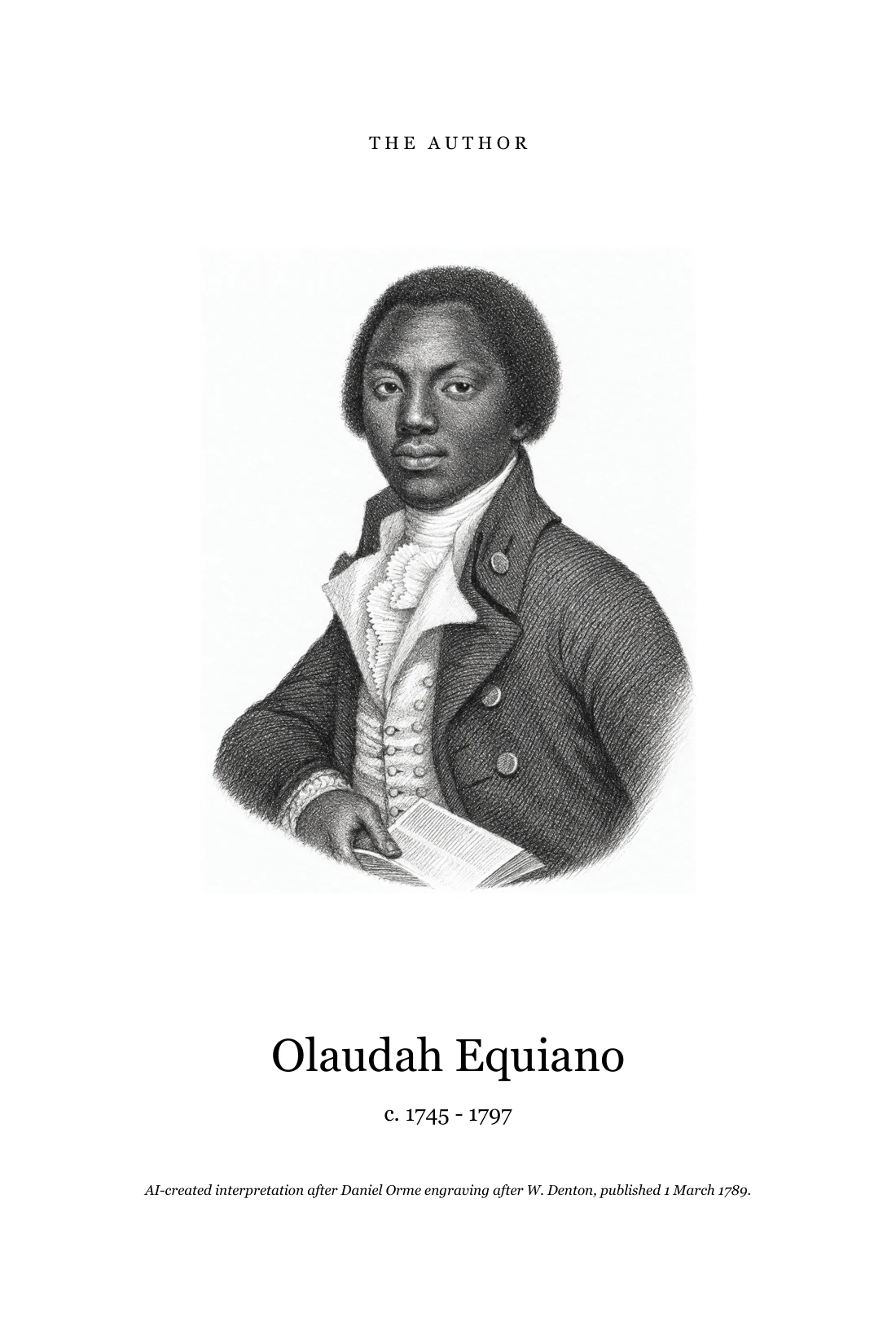
The Interesting Narrative of the Life of Olaudah Equiano, or Gustavus Vassa, the African was published in London in 1789. It was widely read, went through nine editions in its author’s lifetime and was translated into Dutch, German and Russian. It is credited with helping shift British public opinion towards abolition. Equiano did not merely write it; he financed it, marketed it and carried it around the country himself.
Who was Olaudah Equiano?
By his own account, Olaudah Equiano was born around 1745 in Igbo country, in what is now south-eastern Nigeria, and was kidnapped with his sister at about eleven. He was shipped across the Atlantic, sold, and renamed Gustavus Vassa by a Royal Navy officer, Michael Pascal, who owned him for years at sea. He was later sold to Robert King, a Quaker merchant on Montserrat, and through careful trading on his own account he saved the price of his freedom. In 1766 he bought it for forty pounds.
In 1999 the scholar Vincent Carretta found a baptismal record and a naval muster roll that gave Equiano’s birthplace as Carolina, raising the possibility that the African chapters drew on other people’s memories. Other historians, notably Paul Lovejoy, argue for his African birth. The debate is unresolved, and it concerns the opening chapters rather than the long story of his life at sea and in Britain.
How did Equiano’s Narrative help end the slave trade?
By the 1780s Equiano was living in London and working with the abolitionists. In 1783 he alerted Granville Sharp to the massacre on the slave ship Zong, whose crew had thrown enslaved Africans overboard in order to claim on the insurance. He belonged to the Sons of Africa, a group of Black Londoners who campaigned together against the trade.
His book was aimed squarely at Parliament. It opens with a dedication to the Lords and Commons, dated 24 March 1789, asking them to remember “the miseries which the Slave-Trade has entailed on my unfortunate countrymen” when the question of abolition came before them. The subscription list printed in the first edition is headed by the Prince of Wales and the Duke of York, and includes Granville Sharp and John Wesley. Equiano was making sure that powerful people had a copy on their shelves.
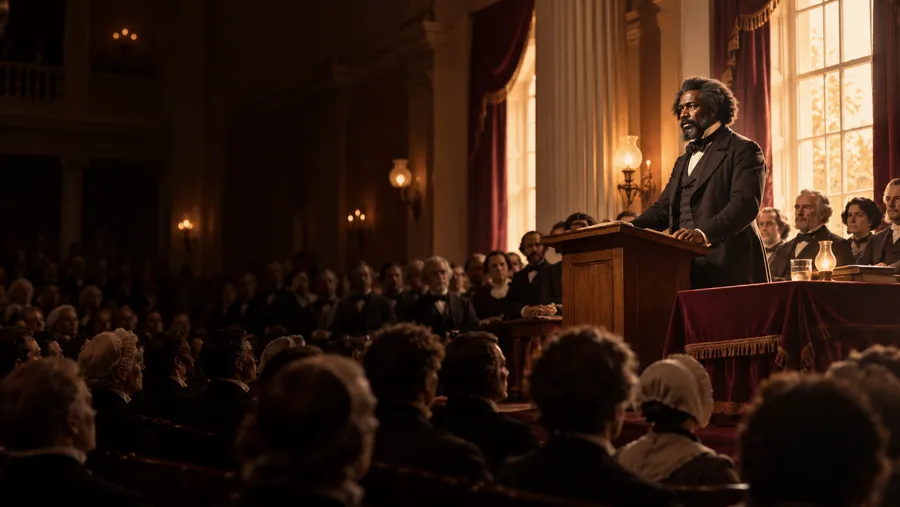
Then he went on the road. From 1789 to 1794 he travelled through Britain and Ireland, from Birmingham and Manchester to Newcastle, Belfast and Dublin, selling and signing copies, gathering subscribers for new editions and campaigning as he went. It was, in effect, a book tour. Later editions printed letters of recommendation he collected along the way.
When you make men slaves you deprive them of half their virtue, you set them in your own conduct an example of fraud, rapine, and cruelty, and compel them to live with you in a state of war; and yet you complain that they are not honest or faithful!
Olaudah Equiano, The Interesting Narrative (1789)
Is the Interesting Narrative hard to read?
Less than you might expect. Equiano writes in the polished, slightly formal English of the 1780s, but his life story moves fast: the Middle Passage, years at sea in the Seven Years’ War, trading voyages around the Caribbean, the purchase of his freedom, travel to the Arctic and Central America, and a religious conversion that shapes the later chapters. The passages on the slave ship are among the most harrowing in English prose, and the sections on his freedom are tense with the danger of being kidnapped back into slavery.
Read it as a memoir and as an argument at once. Equiano knows his readers are British, Christian and often sceptical, and he chooses every incident to persuade them. That double purpose is part of what makes it so absorbing. Nor does he tidy his own record: he describes sailing to the Mosquito Shore of Central America with an employer to start a plantation, worked by enslaved people they had bought in Jamaica.
The Interesting Narrative of the Life of Olaudah Equiano
1789. Kidnap, the Middle Passage, life at sea and the purchase of freedom, told by the man who lived it. The founding book of the slave narrative tradition.
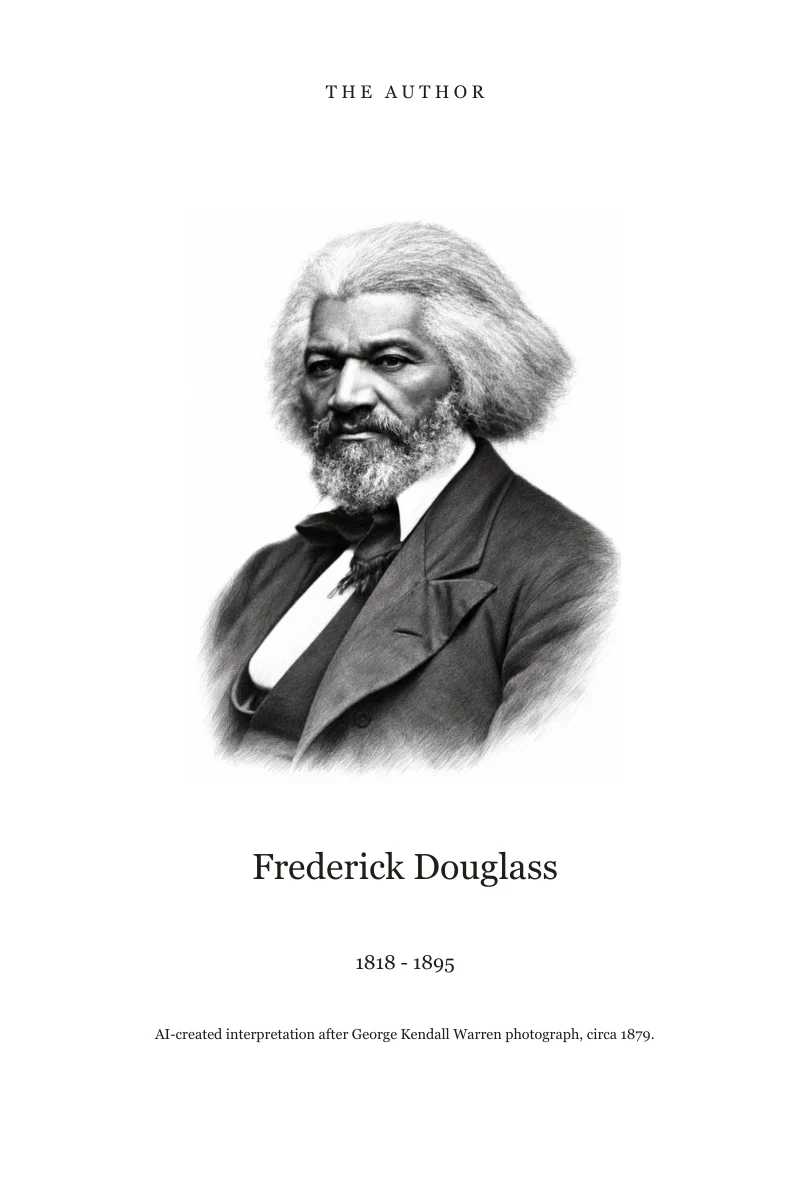
Narrative of the Life of Frederick Douglass, an American Slave
Frederick Douglass’s 1845 account of his enslavement in Maryland and escape north. The most famous American heir to Equiano’s book.
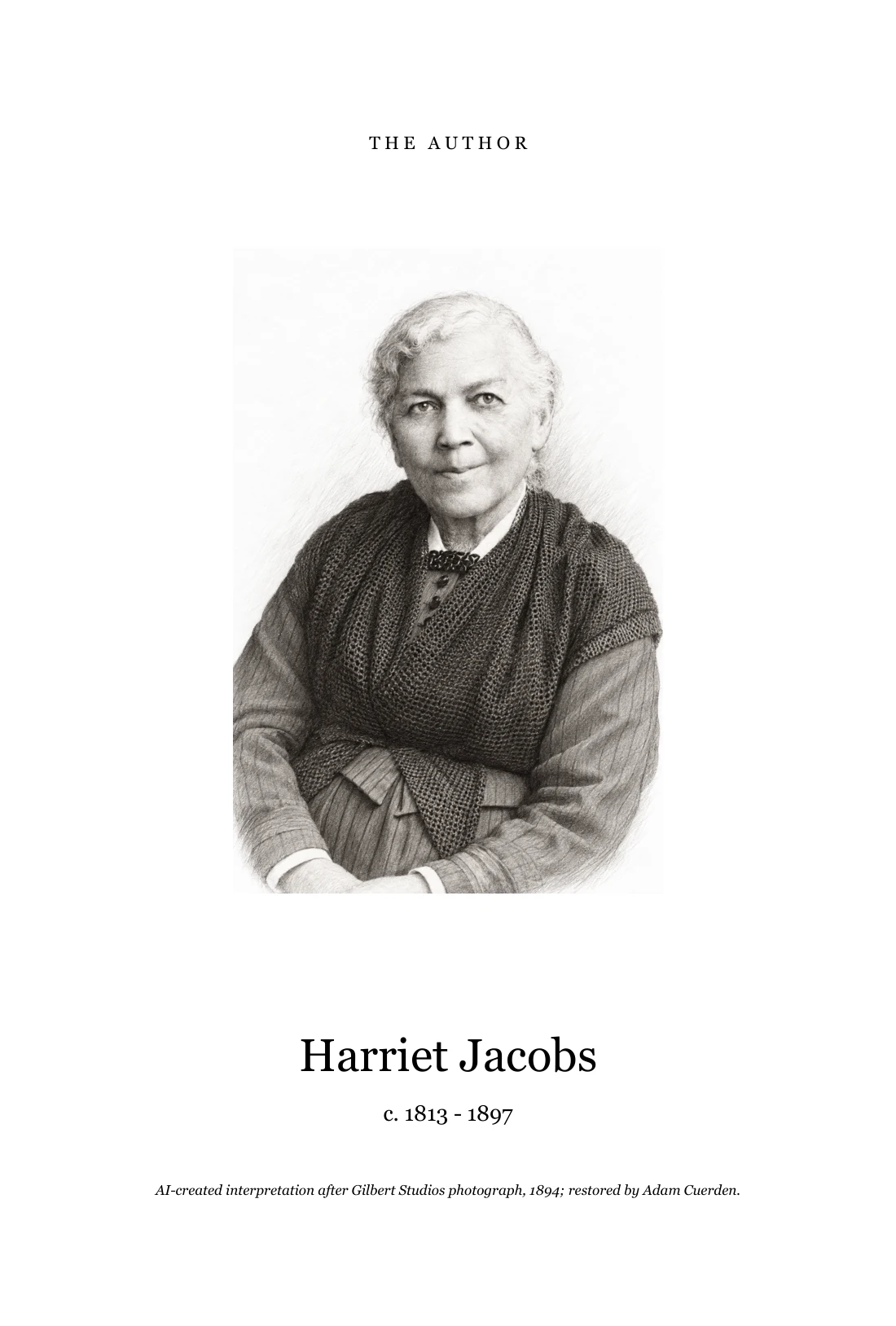
Incidents in the Life of a Slave Girl
Harriet Jacobs’s 1861 narrative, which shows what slavery meant for women and tells of her seven years in hiding.


Where to go next
Equiano’s book began a genre. Follow it in The slave narratives that changed history, then read Did you know Frederick Douglass wrote three autobiographies? and Did you know Harriet Jacobs hid in a tiny attic for seven years?. Slavery itself was not abolished across most of the British Empire until 1833, and the campaign Equiano joined took decades more to finish.
Begin with his own words. The Interesting Narrative is the testimony of a man who knew exactly what he wanted it to do, and who spent the last years of his life making sure it reached the people who could act on it.
Questions readers ask
Who was Olaudah Equiano?
An abolitionist and writer, also known as Gustavus Vassa, who was enslaved as a boy, bought his freedom in 1766 and settled in Britain. His 1789 autobiography became one of the most influential books of the campaign against the slave trade.
Did Olaudah Equiano help abolish slavery?
He helped build the movement against the slave trade through his campaigning and his widely read Narrative, but he died in 1797. Britain banned the slave trade in 1807 and abolished slavery in most of its colonies from 1833.
Where was Olaudah Equiano born?
Equiano wrote that he was born in Igbo country in present-day Nigeria around 1745. Some records give Carolina as his birthplace, and historians still debate the question.