The classic books by Black writers that survive from before 1930 tell a story in themselves. They begin with first-hand testimony from people who had been enslaved, written to persuade readers that slavery must end. They move through the hopes and betrayals that followed emancipation, and they arrive in the 1920s at a confident new literature that refused to be confined to protest.
For this Black History Month list we have chosen twelve books from our library, in roughly the order they were published. They include memoirs, essays, stories and novels, and between them they cover well over a century of history, written by the people who lived it.
The slave narratives
These autobiographies were among the most powerful weapons of the abolition movements in Britain and America. They are also simply extraordinary stories.
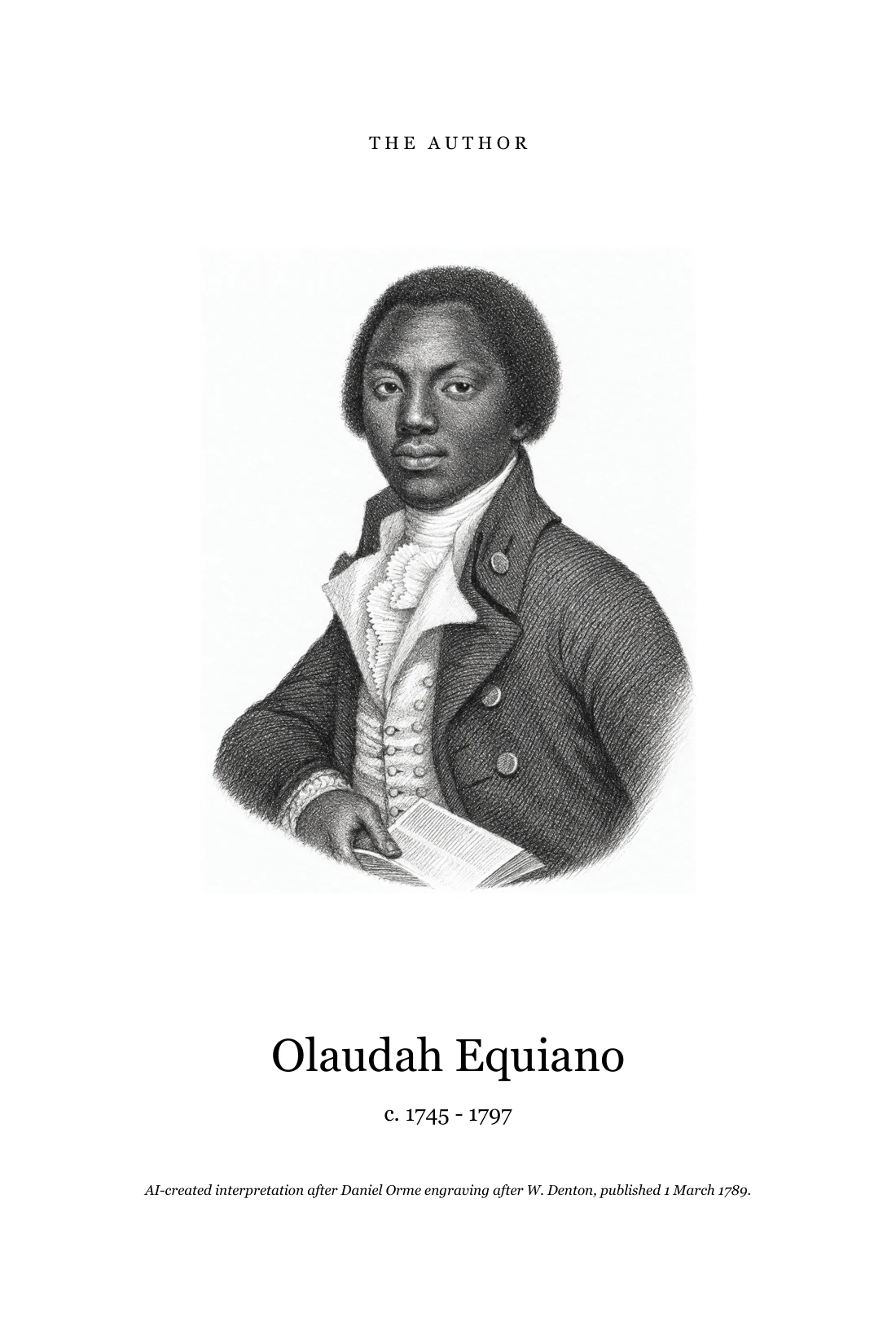
The Interesting Narrative of the Life of Olaudah Equiano
1789. Equiano describes his capture as a child, the Middle Passage and the long road to buying his own freedom. The book became an important text of the British campaign against the slave trade. Some historians have questioned his account of an African birth; the power of the testimony is not in doubt.
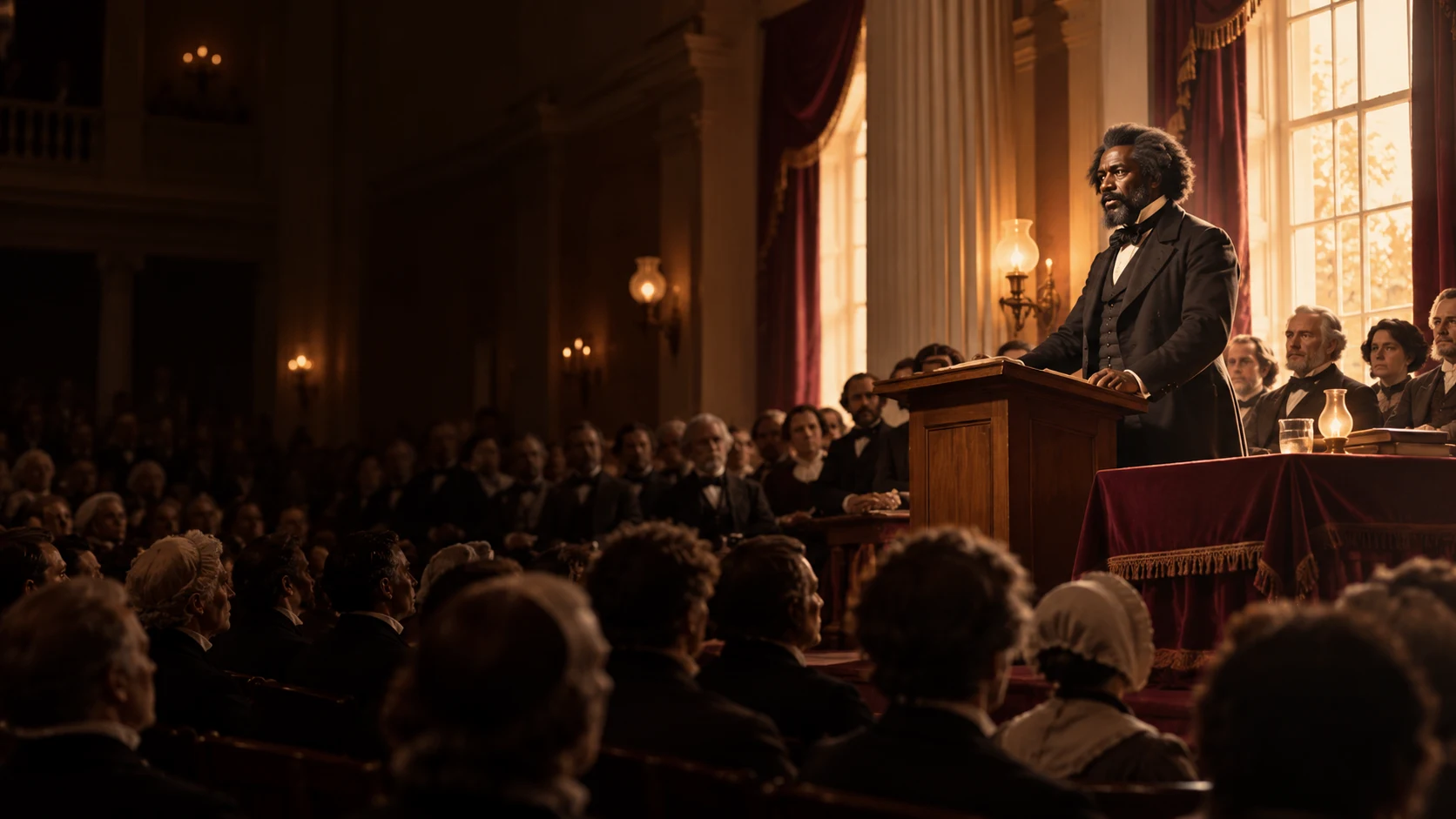
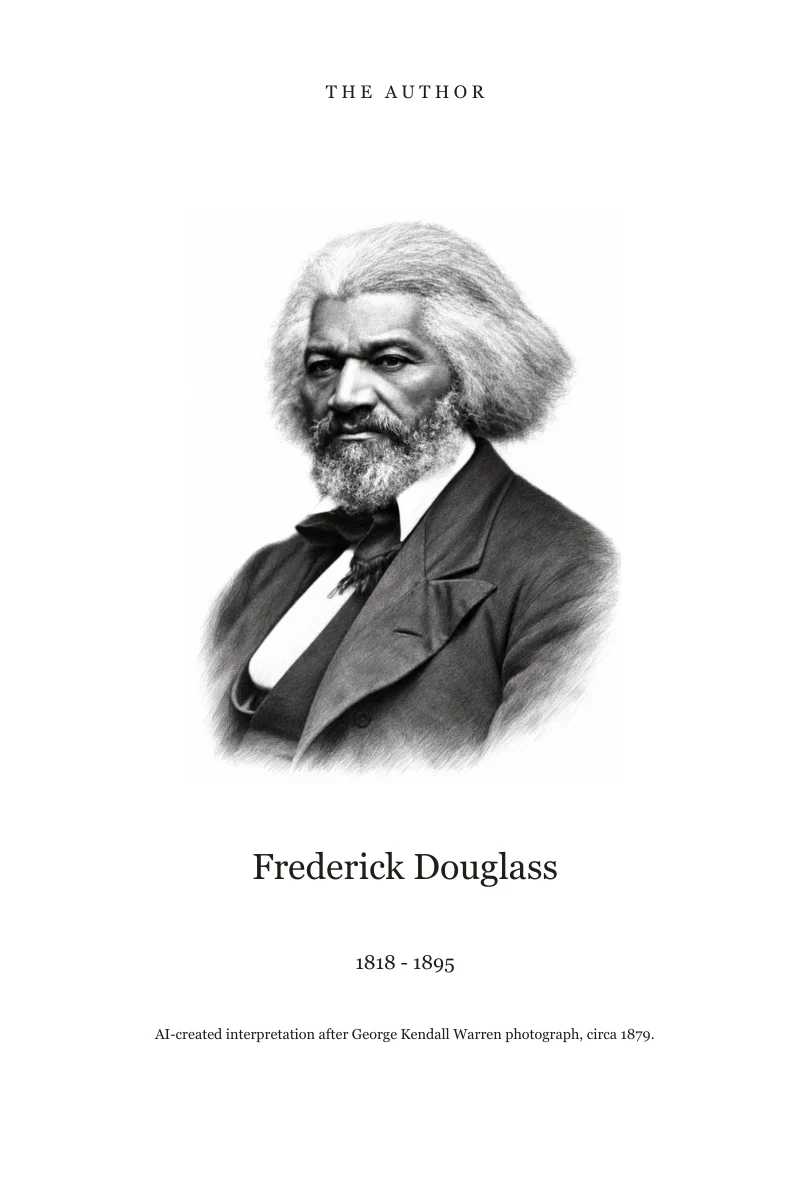
Narrative of the Life of Frederick Douglass, an American Slave
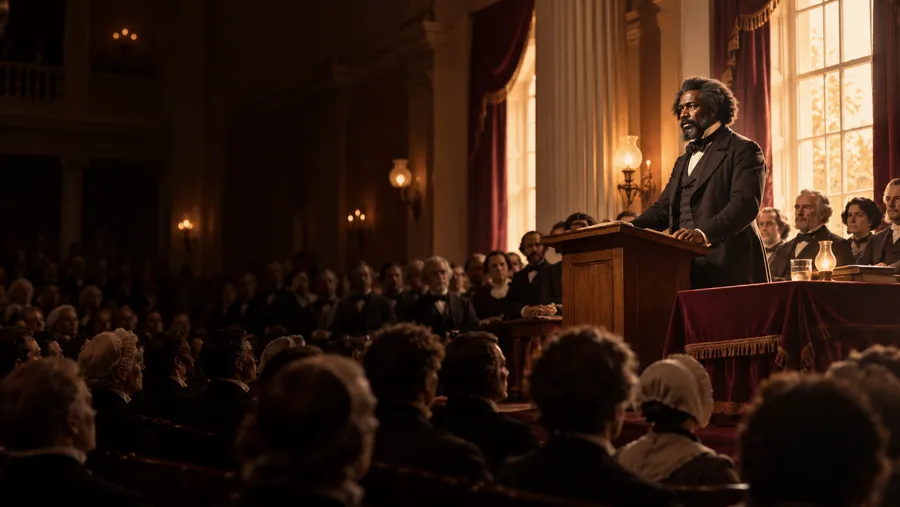
1845. Douglass wrote this short, devastating account seven years after escaping slavery in Maryland. It helped make him one of the most famous speakers in America.
My Bondage and My Freedom
1855. Douglass’s second autobiography, much longer and more reflective, written once he was free to say more about his life and his break with some of his former allies.
Incidents in the Life of a Slave Girl
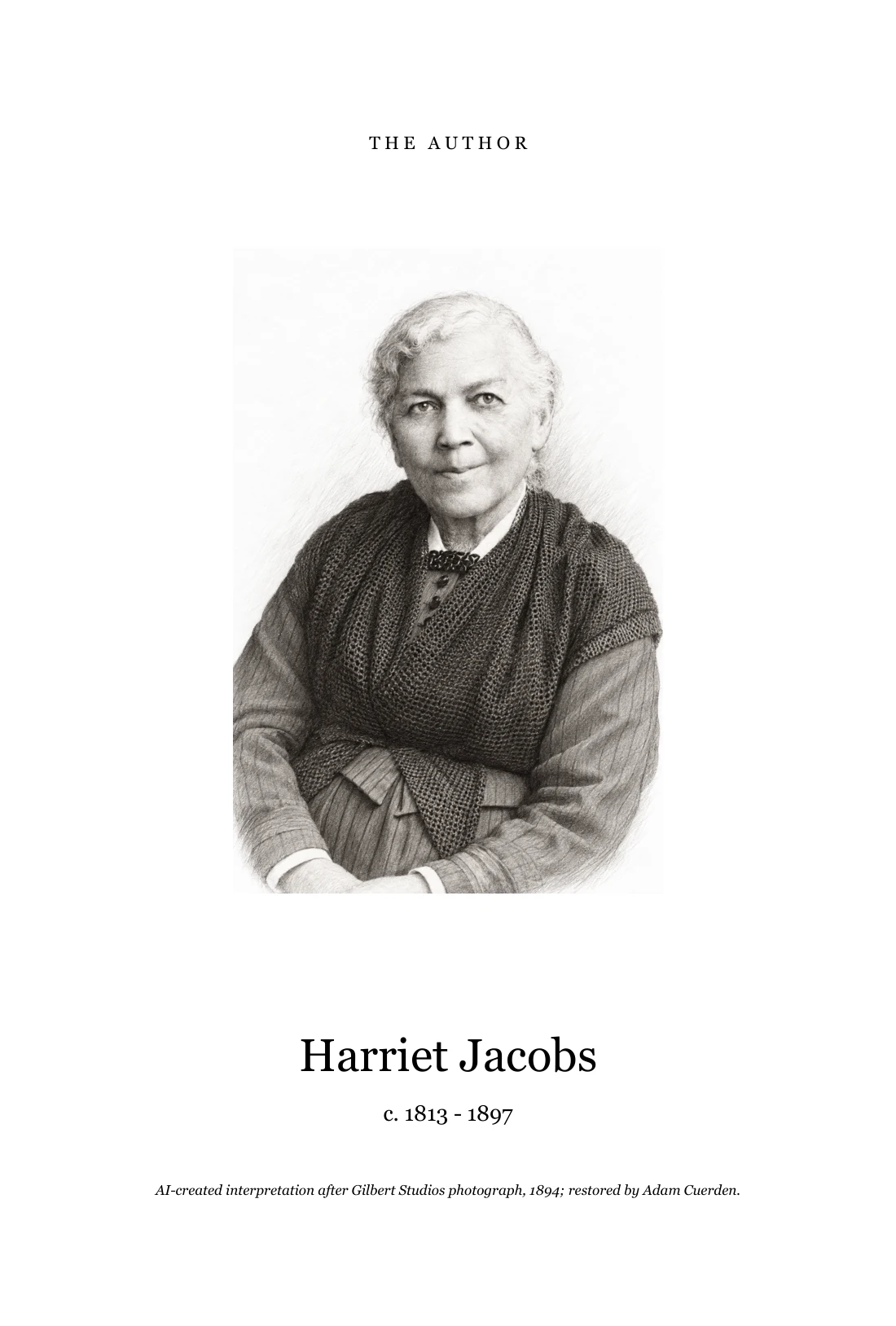
1861. Writing as ‘Linda Brent’, Harriet Jacobs describes the sexual exploitation enslaved women faced, and the seven years she spent hiding in a tiny attic space before her escape.


After emancipation: essays and memoirs
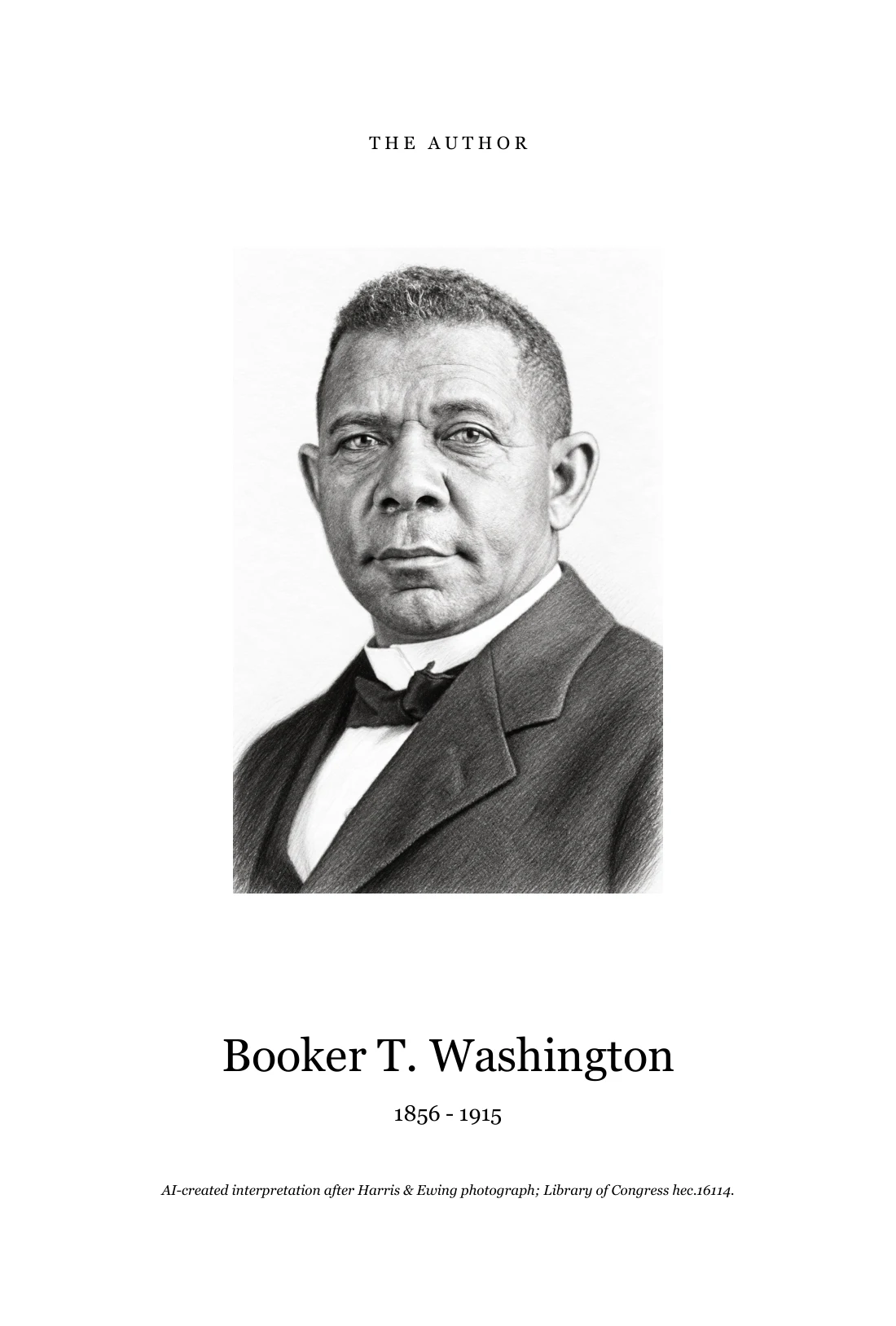
Up from Slavery
1901. Booker T. Washington’s autobiography, from his birth in slavery to building Tuskegee Institute as its first head. Read it for its story and its arguments, then read Du Bois for the reply.
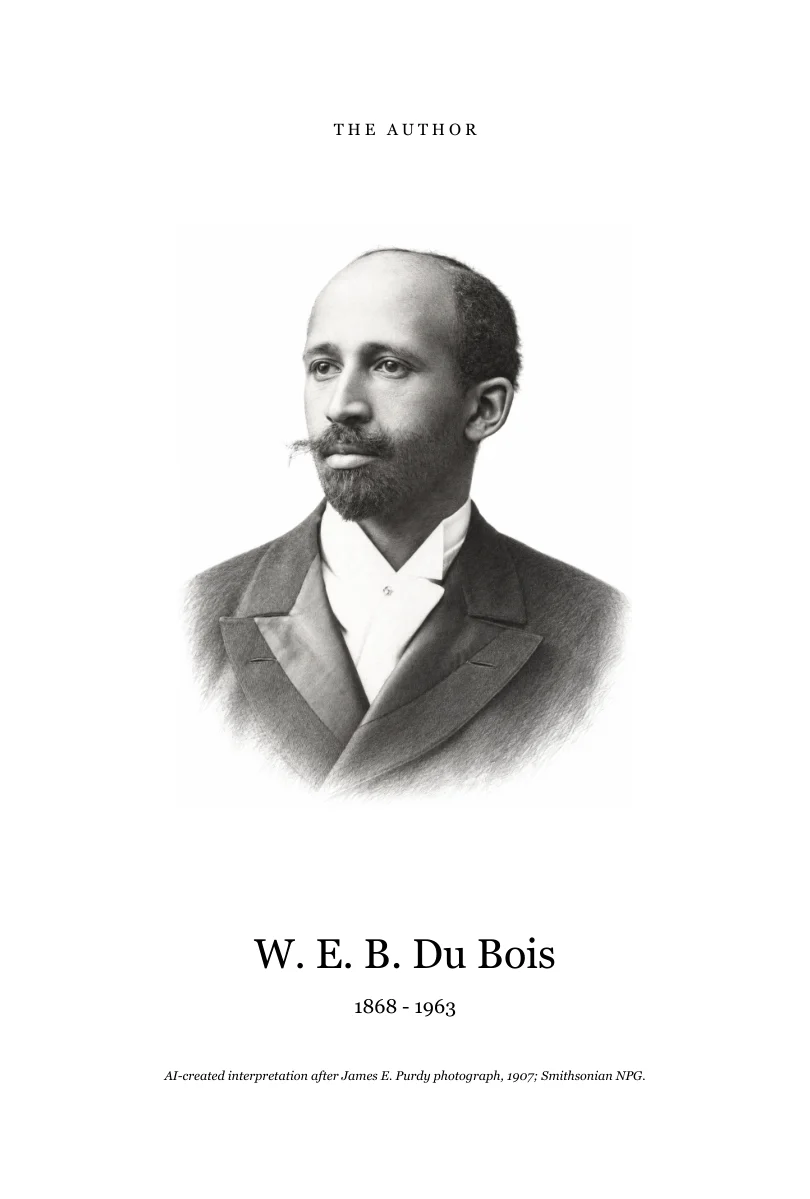
The Souls of Black Folk
1903. Du Bois’s collection of essays introduced the idea of ‘double consciousness’ and challenged Washington’s approach head on. One of the most influential books in American history.


The problem of the twentieth century is the problem of the color-line.
W. E. B. Du Bois, The Souls of Black Folk (1903)
Classic fiction by Black writers
Around 1900 a generation of Black novelists began to reach a wide readership, writing about the South, the city and the colour line with a range that critics are still catching up with.
The Conjure Woman
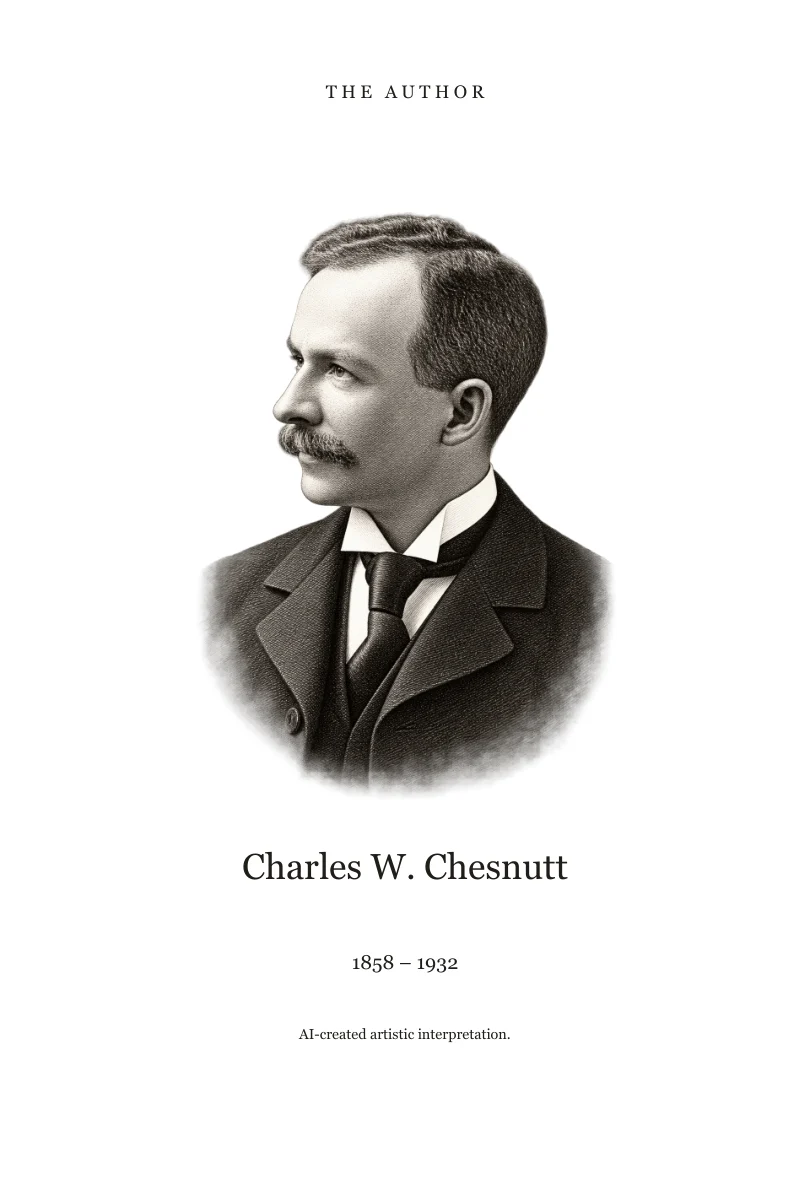
1899. Charles W. Chesnutt’s stories are told by Uncle Julius, a formerly enslaved man, to a white Northern couple in North Carolina. His tales of conjure and transformation carry a sharp edge beneath their charm.
The House Behind the Cedars
1900. A brother and sister of mixed race decide to pass as white, and discover the cost. Chesnutt’s first novel.
The Marrow of Tradition
1901. Chesnutt’s fictional account of the violent overthrow of a Southern town’s elected government, drawn from the Wilmington massacre of 1898.
The Sport of the Gods
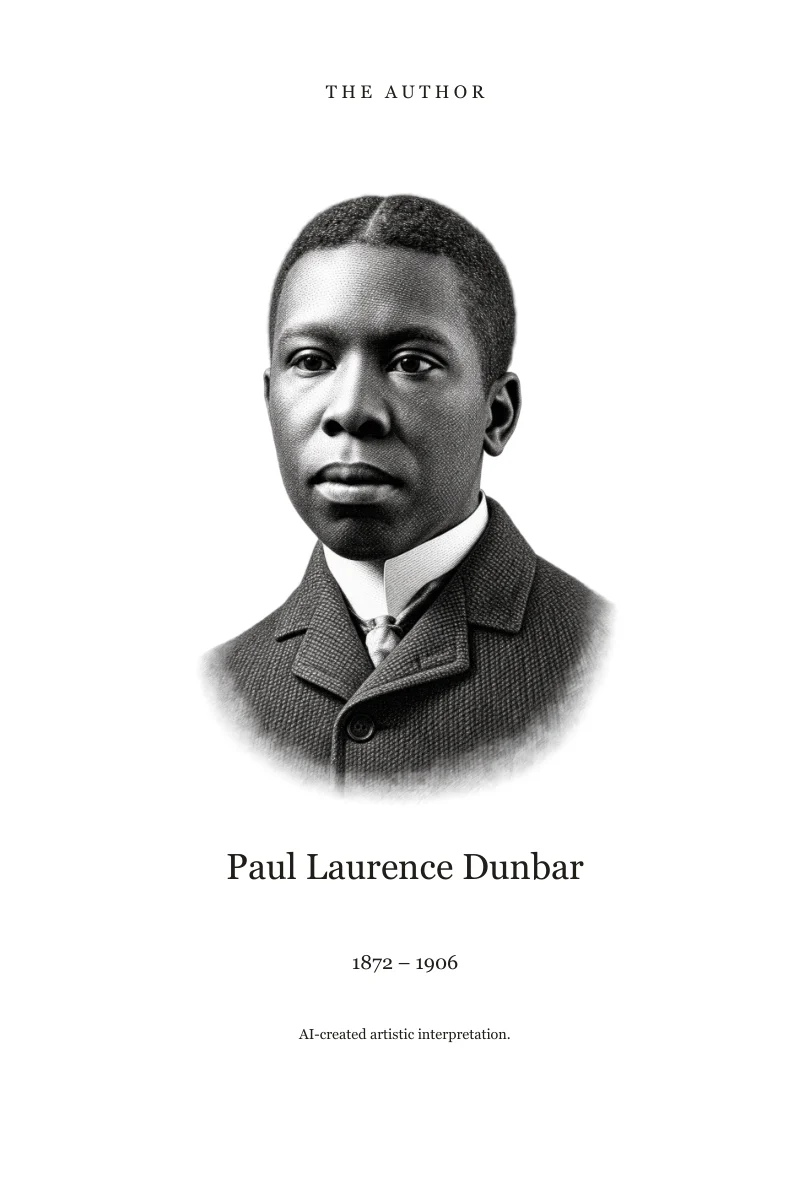
1902. Paul Laurence Dunbar, best known as a poet, follows a Southern family to New York after a father is wrongly imprisoned.
The Autobiography of an Ex-Colored Man
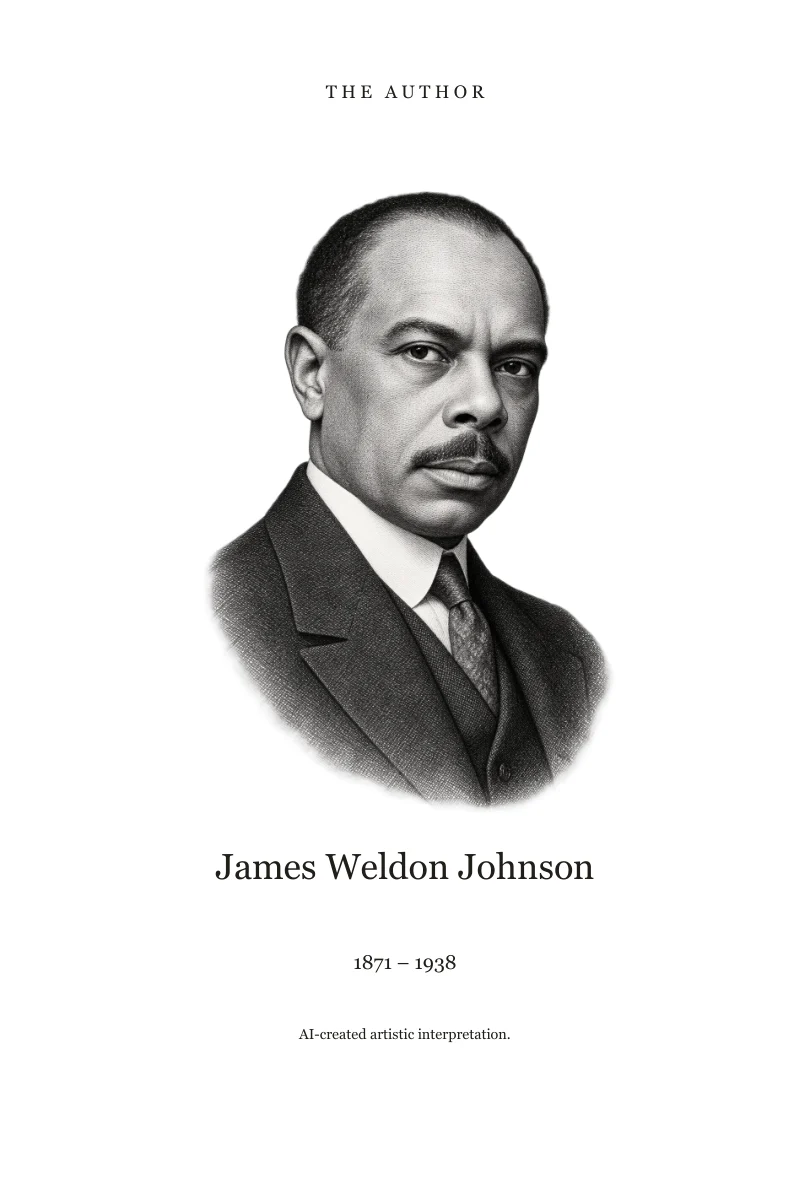
1912. Published anonymously, this novel of a man who passes as white was reissued under James Weldon Johnson’s name in 1927. Johnson also wrote the words of ‘Lift Every Voice and Sing’.
Cane
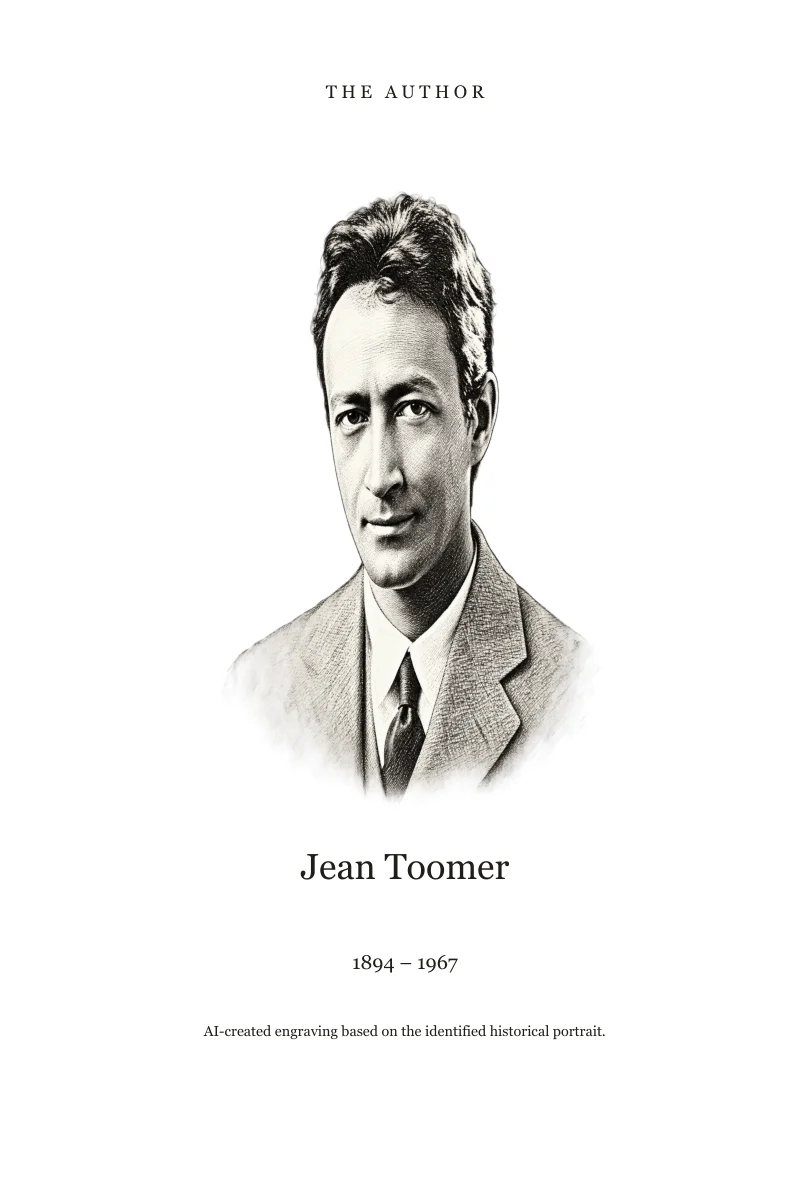
1923. Jean Toomer’s mix of stories, poems and drama about Georgia and Washington, D.C., is a landmark of the Harlem Renaissance and one of the most original books of its decade.



Where should you start this Black History Month?
If you read one book this month, make it Frederick Douglass’s Narrative. It is short, it reads in an evening or two, and it remains one of the most important American books ever written. If you want to go further, pair it with Harriet Jacobs, whose book shows how differently slavery bore down on women. Read about her extraordinary hiding place in Did you know Harriet Jacobs hid for seven years?
For fiction, start with Chesnutt’s The Conjure Woman, then Cane. For ideas, read Washington and Du Bois back to back: their disagreement shaped a century of debate.
These books use the language of their time, including terms for Black Americans that are no longer used, and some of them depict racial violence directly. That is part of their purpose. They were written to make readers look at what they would rather not see.
For more reading in a similar spirit, see our feminist classics and books written in prison. And begin, if you haven’t already, with Narrative of the Life of Frederick Douglass: a book that was written to change minds, and still does.
Questions readers ask
What books should I read for Black History Month?
Narrative of the Life of Frederick Douglass, Incidents in the Life of a Slave Girl and The Souls of Black Folk are essential starting points. For fiction, try Charles W. Chesnutt’s The Conjure Woman or Jean Toomer’s Cane.
What is the most famous slave narrative?
Frederick Douglass’s Narrative of the Life of Frederick Douglass, an American Slave (1845) is the most famous. Olaudah Equiano’s Interesting Narrative (1789) and Harriet Jacobs’s Incidents in the Life of a Slave Girl (1861) are also widely read.
Who were the first African American novelists?
William Wells Brown’s Clotel (1853) is usually cited as the first novel by an African American. Later pioneers include Charles W. Chesnutt, Paul Laurence Dunbar and James Weldon Johnson.