The early Tuskegee campus in Alabama, modest nineteenth-century brick classrooms and cultivated grounds
PIPCUB CINEMATIC EDITIONS / PAPERBACK BOOKS

Up from Slavery

Booker T. Washington

Booker T. Washington recounts his childhood in slavery, his determination to obtain an education, and the development of Tuskegee Institute.

$13.99

Printed for you. Shipping calculated at checkout.

Checkout opening soon. Shipping & delivery Returns
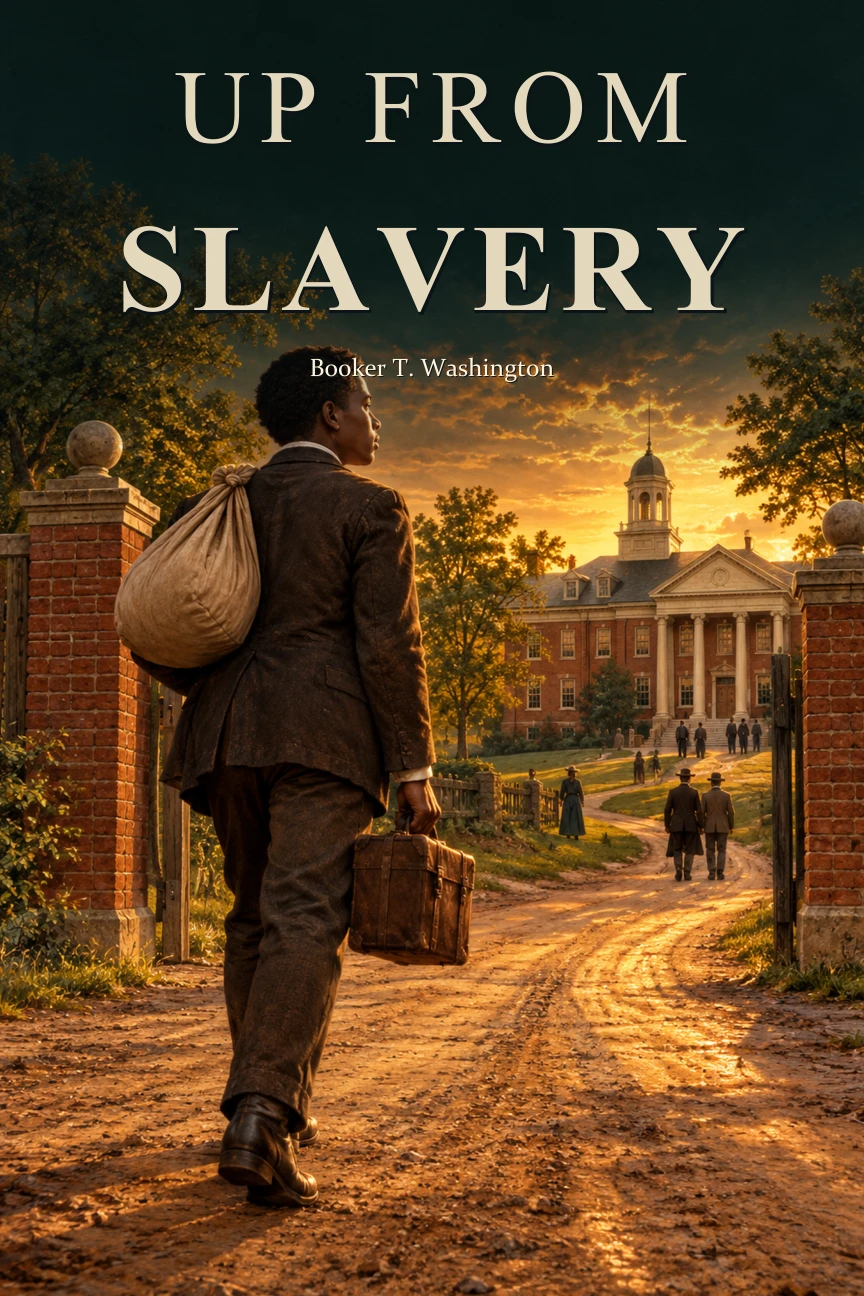
Up from Slavery — actual Pipcub paperback cover
SCROLL INTO THE STORYAN IMAGINED WORLD · ORIGINAL AI ART
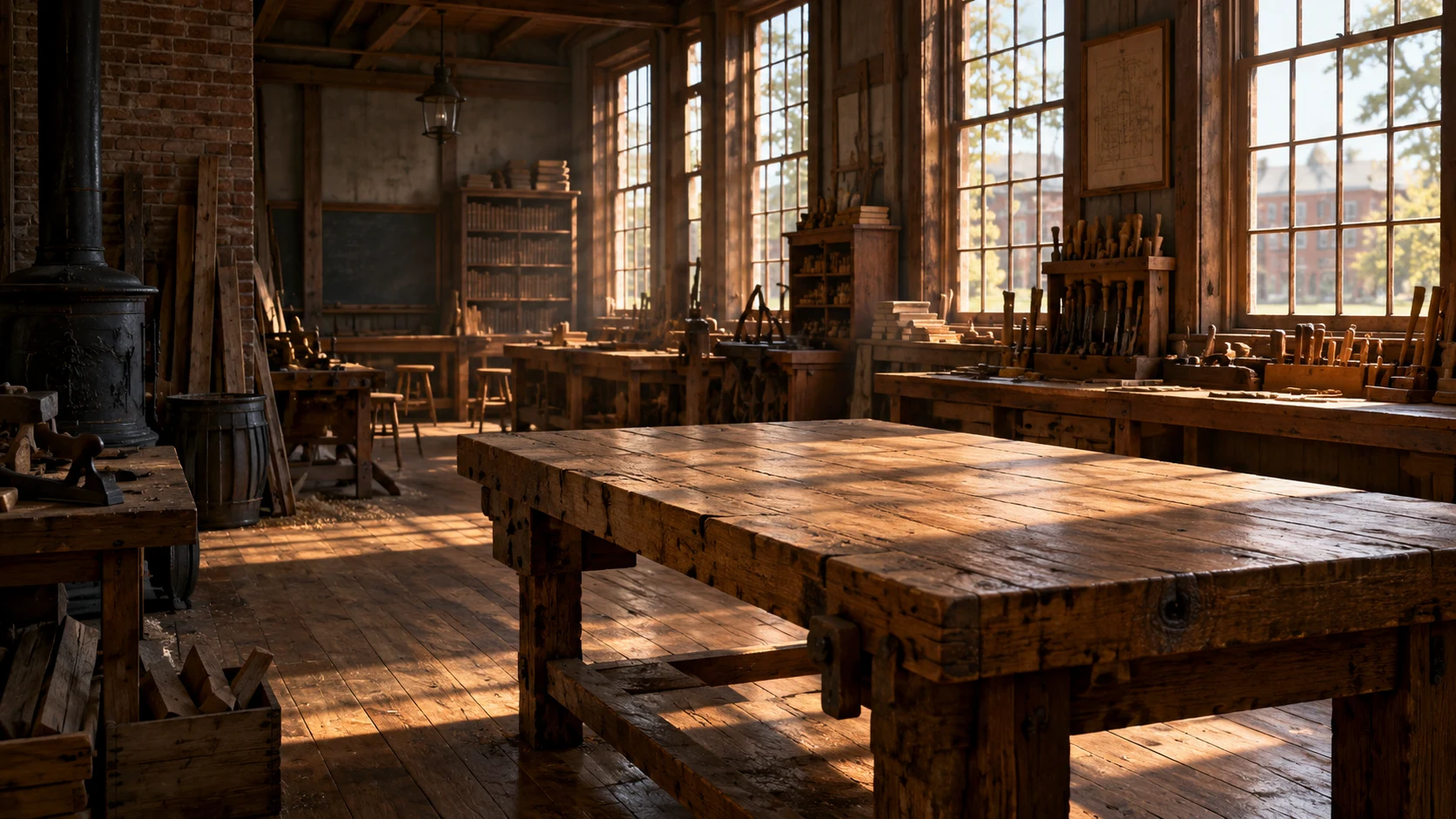
A nineteenth-century teaching workshop with woodworking tools, books and large windows

THE STORY

An education pursued against the odds.

Booker T. Washington recounts his childhood in slavery, his determination to obtain an education, and the development of Tuskegee Institute.

An Alabama campus path with red-brick educational buildings beneath tall trees at sunrise

THE WORLD OF THE BOOK

Building a place to learn.

Personal struggle and institutional ambition shape his account of work, teaching, and leadership. His autobiography remains an influential document of American history.
Up from Slavery front cover
Read the interior preview

LOOK INSIDE

Open a book.
Enter a world.

Preview six pages from this edition. Select a page to enlarge it, or use the arrows to keep reading.

Spread 1 of 3
Up from Slavery · PDF page 12
Actual interior PDF page 12 of Up from Slavery
Read accessible text

10 UP FROM SLAVERY Chapter I. A Slave Among Slaves I was born a slave on a plantation in Franklin County, Virginia. I am not quite sure of the exact place or exact date of my birth, but at any rate I suspect I must have been born somewhere and at some time. As nearly as I have been able to learn, I was born near a cross-roads post-office called Hale’s Ford, and the year was 1858 or 1859. I do not know the month or the day. The earliest impressions I can now recall are of the plantation and the slave quarters—the latter being the part of the plantation where the slaves had their cabins. My life had its beginning in the midst of the most miserable, desolate, and discouraging surroundings. This was so, however, not because my owners were especially cruel, for they were not, as compared with many others. I was born in a typical log cabin, about fourteen by sixteen feet square. In this cabin I lived with my mother and a brother and sister till after the Civil War, when we were all declared free. Of my ancestry I know almost nothing. In the slave quarters, and even later, I heard whispered conversations among the coloured people of the tortures which the slaves, including, no doubt, my ancestors on my mother’s side, suffered in the middle passage of the slave ship while being conveyed from Africa to America. I have been unsuccessful in securing any information that would throw any accurate light upon the history of my family beyond my mother. She, I remember, had a half-brother and a half-sister. In the days of slavery not very much attention was given to family history and family records—that is, black family records. My mother, I suppose, attracted the attention of a purchaser who was afterward my owner and hers. Her addition to the slave family attracted about as much attention as the purchase of a new horse or cow. Of my father I know even less than of my mother. I do not even know his name. I have heard reports to the effect that he was a white man who lived on one of the near-by plantations. Whoever he was, I never heard of his

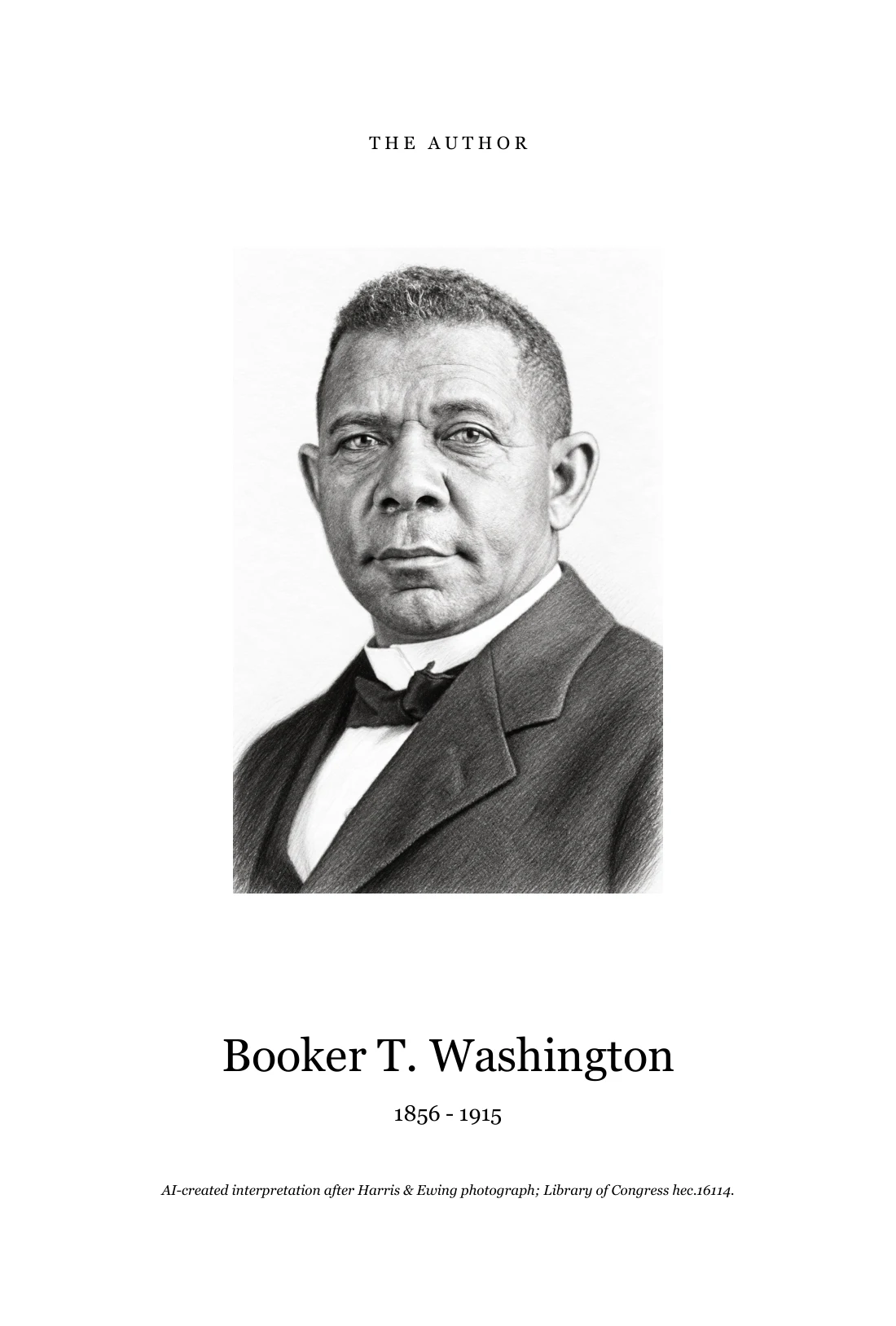
Booker T. Washington portrait page from this edition

ABOUT THE AUTHOR

Booker T. Washington

Booker T. Washington was an American educator, author and public speaker, born into slavery in Virginia in 1856. After emancipation, he pursued education while working to support himself. His studies at Hampton helped shape the educational ideas that became central to his public career.

More about the author ↗

Discover the author behind the story. This portrait and biography are included in your edition.

FREE TO READ

Take it with you.

Up from Slavery is in the public domain, so its words belong to everyone. Download our edition free. No account needed.

Read it in your browser ↗
Add it to your reading app
iPhone & iPad
Tap download, then open the file from Safari’s downloads, tap Share and choose Books. It stays in your Apple Books library.
Android
Tap download, open the file and choose Google Play Books. Or, in Play Books, go to Library, tap ⋮ and choose Upload files.
Kindle
Send the file to your Kindle library with Amazon’s Send to Kindle.
Kobo, Moon+ Reader and other apps
Open the downloaded file with the app, or use the app’s import option.

KEEP BROWSING

More from the library.

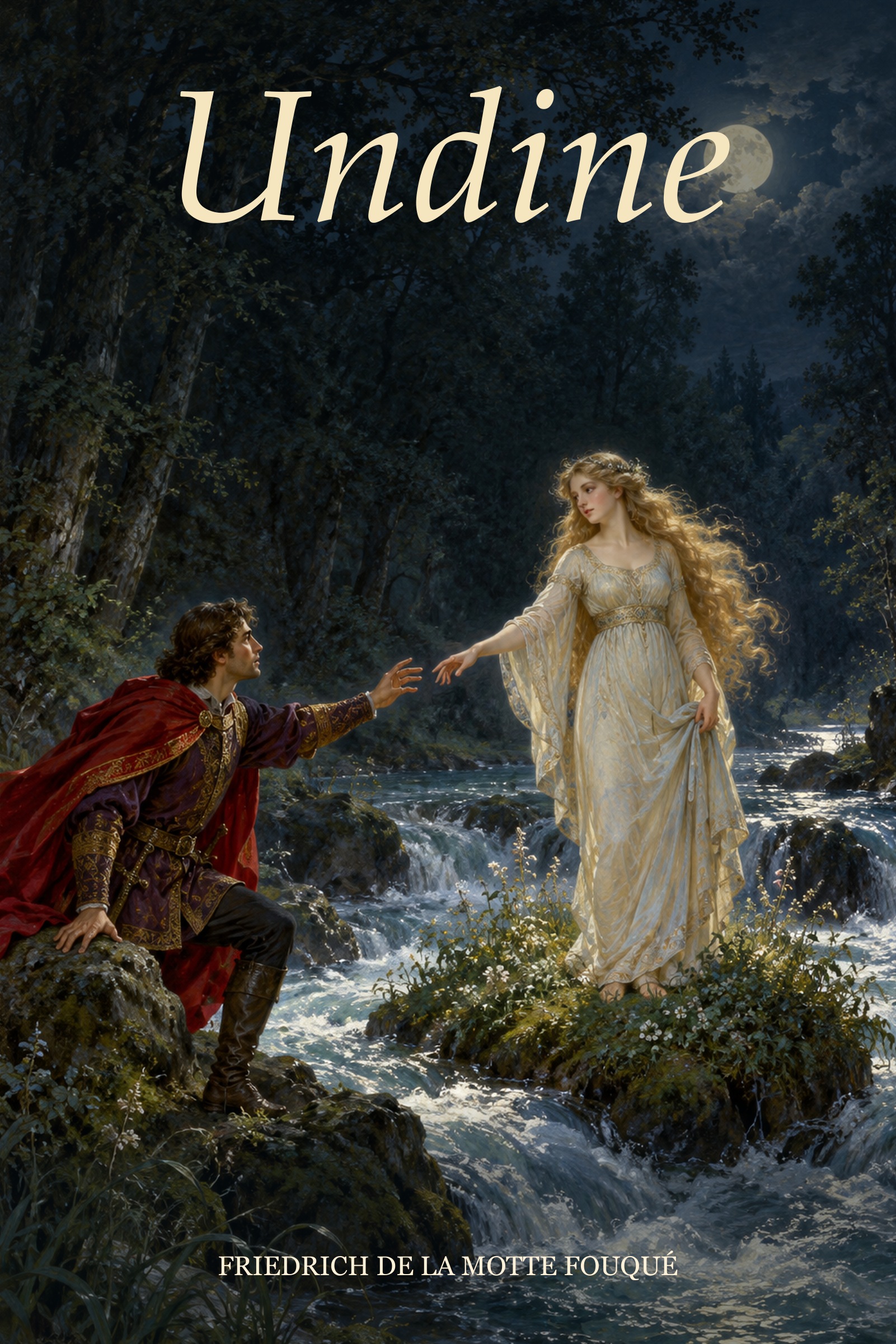
Undine cover

Undine

Friedrich de la Motte Fouqué

Uneasy Money cover

Uneasy Money

P. G. Wodehouse

Unnatural Death cover

Unnatural Death

Dorothy L. Sayers

Utilitarianism cover

Utilitarianism

John Stuart Mill

Utopia cover

Utopia

Thomas More

Very Good, Jeeves cover

Very Good, Jeeves

P. G. Wodehouse

Browse the complete library ↗
YOUR NEXT CHAPTER

Your book bag 0

A little escape. A story to keep.

Loading your book bag…