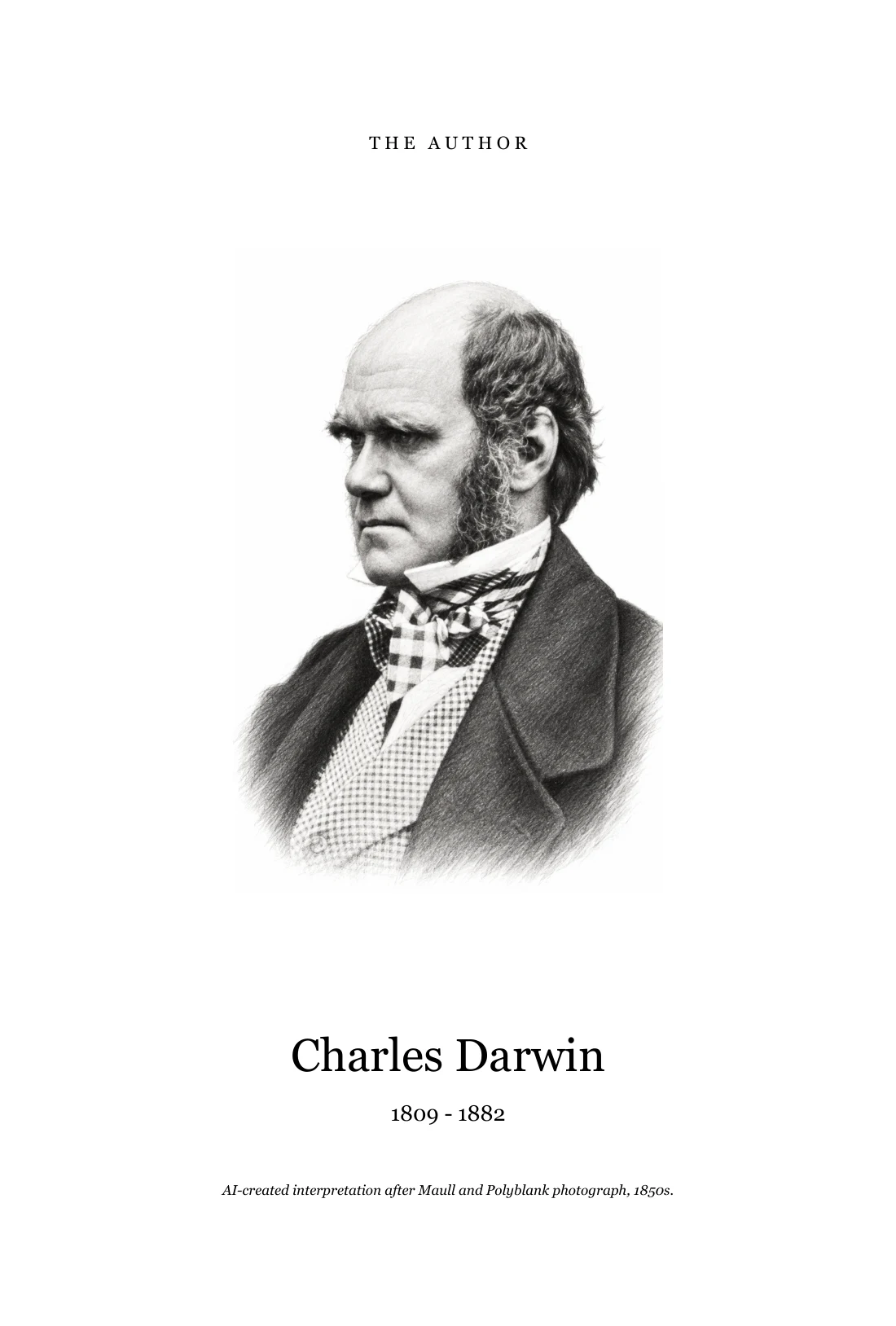
The last paragraph of the first edition of On the Origin of Species asks you to contemplate “an entangled bank”. By the sixth edition, in 1872, Darwin had trimmed it to “a tangled bank”, the phrase most people now quote. It is a tiny revision, but it says something about the best nature writing books: they are written by people who keep looking, and keep finding better words for what they see.
This list gathers classic nature writing of several kinds: a philosophical experiment in the woods, a walking tour, two novels soaked in a real swamp, a story about a bird, and the great scientific book whose prose is better than its reputation. All of them are best read with a window open.
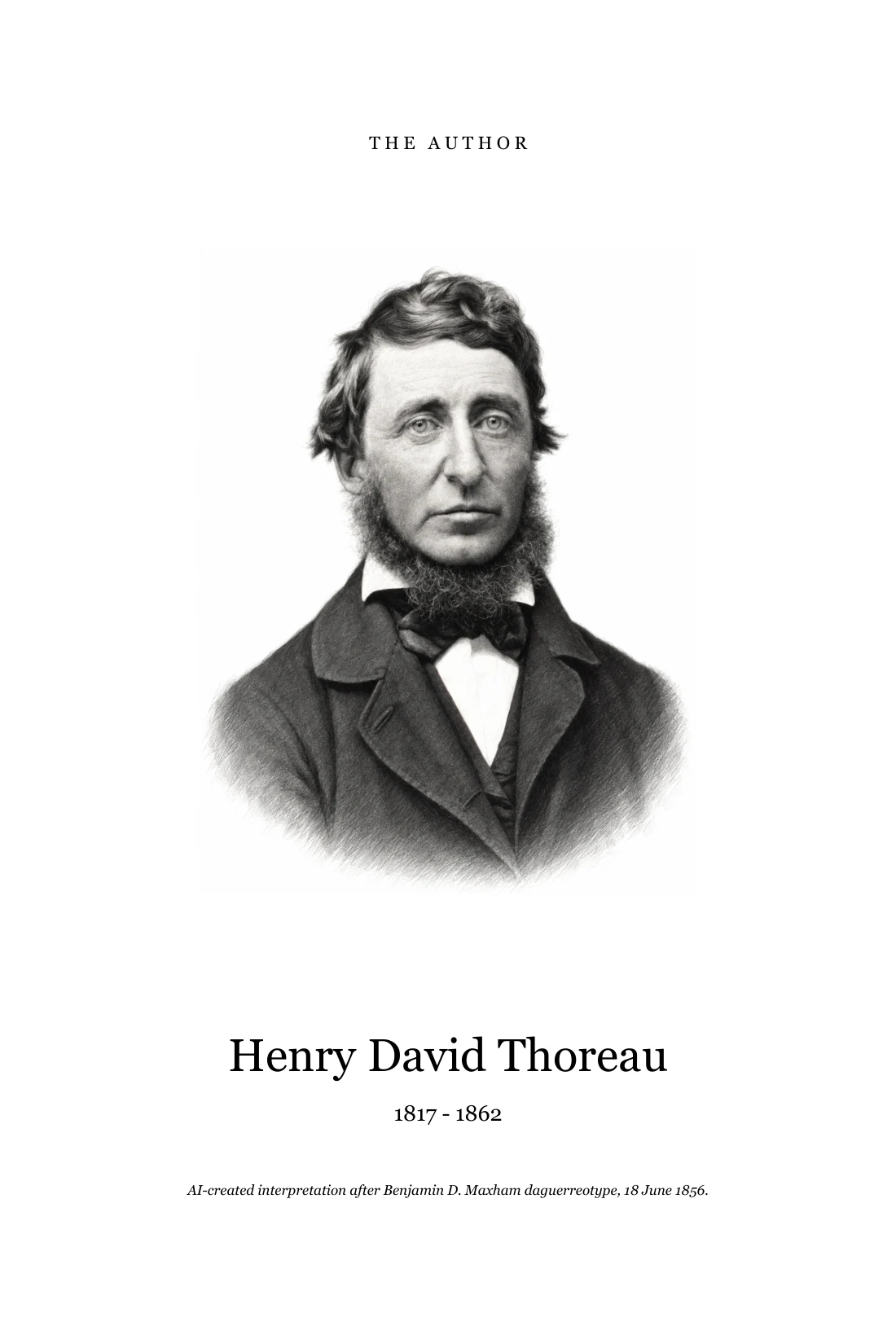
Walden: the founding book of American nature writing
Thoreau lived at the pond from 4 July 1845 to 6 September 1847, a stay he described as two years, two months and two days, and he compressed it into a single year of seasons in the book. He also kept the accounts: his house, by his own reckoning, cost “In all” $28.12½, a figure he prints down to the half-cent.
“I went to the woods because I wished to live deliberately, to front only the essential facts of life, and see if I could not learn what it had to teach, and not, when I came to die, discover that I had not lived.”
Henry David Thoreau, Walden (1854)
The solitude was real but not total. Thoreau walked into Concord often and had visitors at the cabin, and Emerson’s family helped him. We explore the myth and the reality in Did you know Thoreau’s Walden cabin was within walking distance of town? and in Transcendentalism, explained.
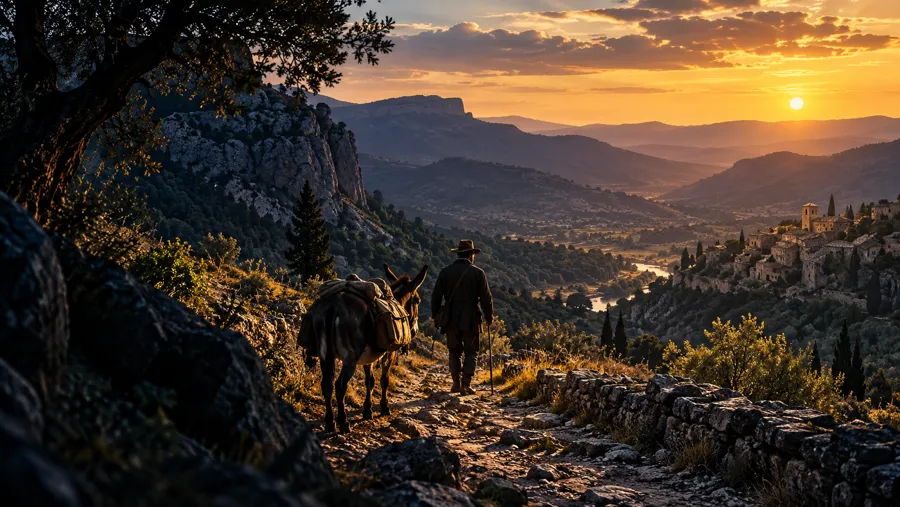
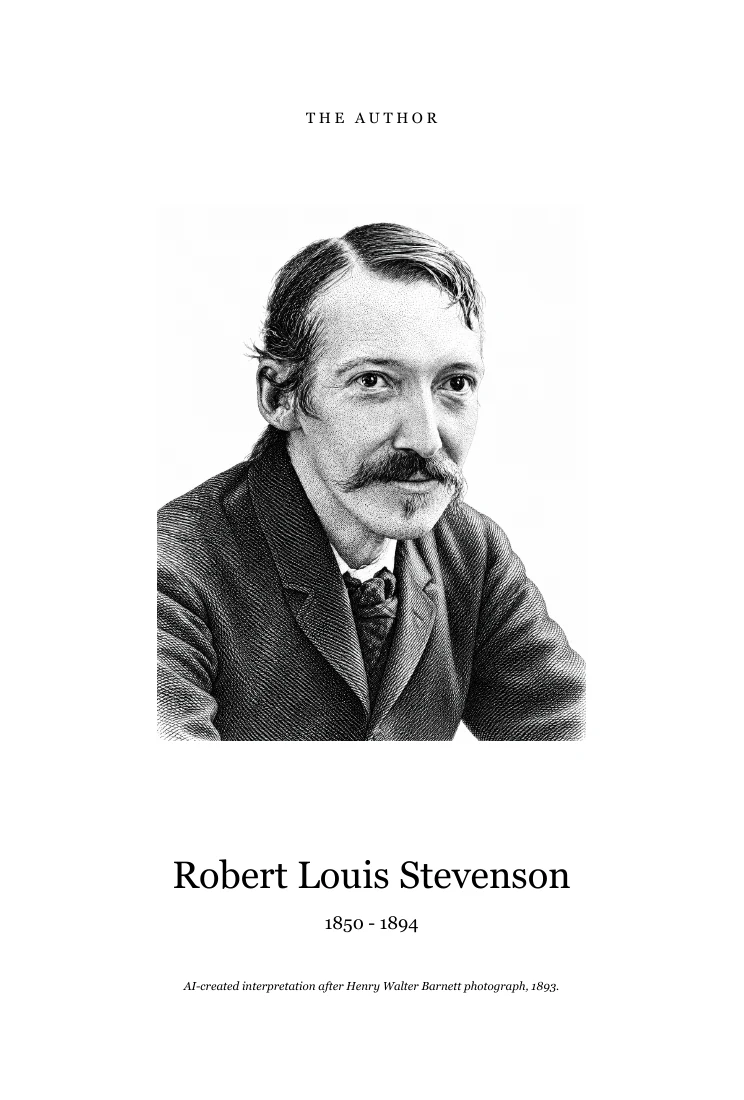
Walking through nature: Stevenson in the Cévennes
Robert Louis Stevenson was in his late twenties and not yet famous when he set off on this walk of some 200 kilometres, and the book is now counted among the pioneers of outdoor writing. It also contains the most quotable defence of walking for its own sake: “I travel not to go anywhere, but to go. I travel for travel’s sake. The great affair is to move.” More of his travel books appear in Classic travel writing.
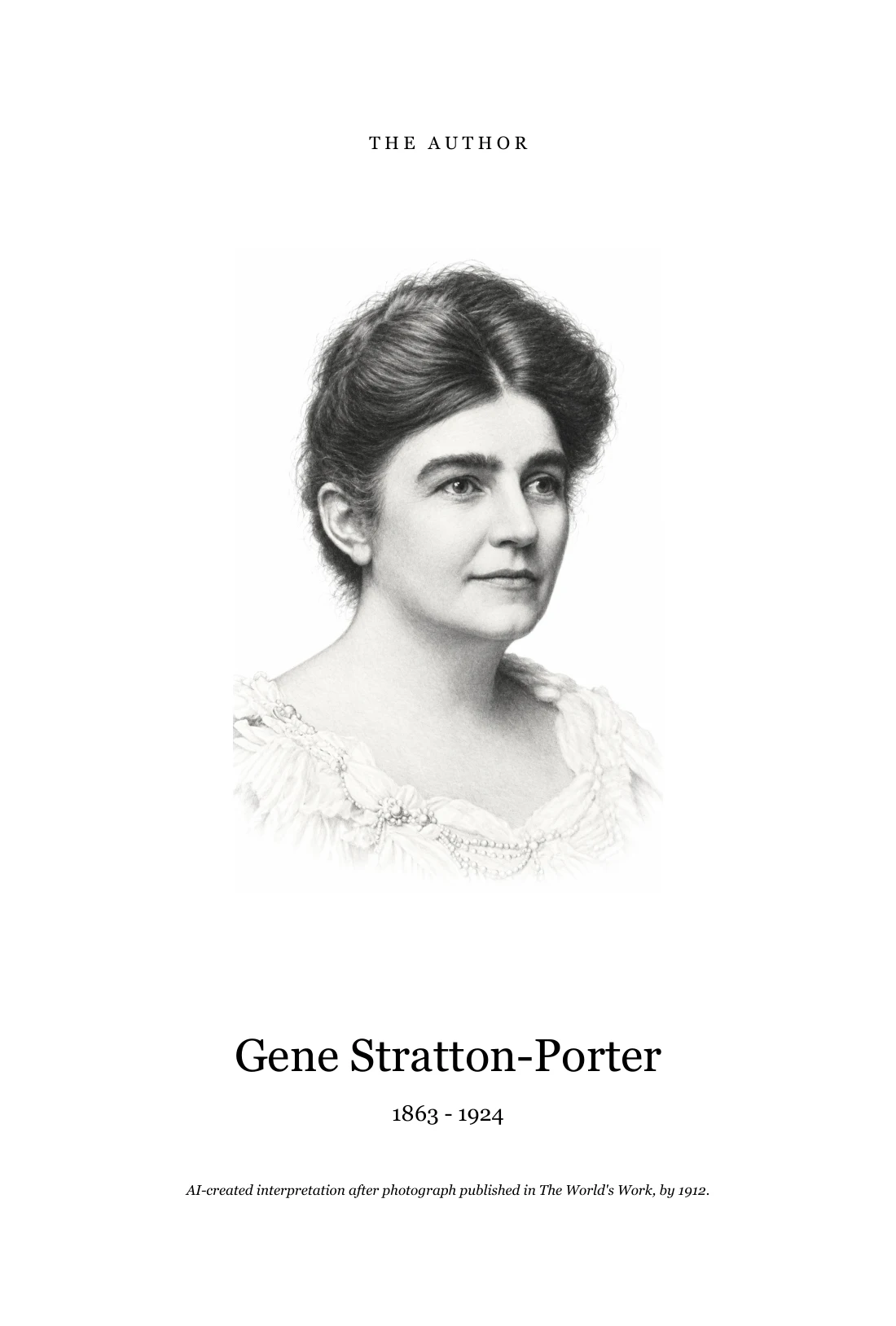
Nature in the novel: Gene Stratton-Porter’s Limberlost
A Girl of the Limberlost
1909. Elnora Comstock, poor and mocked at high school, pays her way by collecting moths and specimens from the Limberlost Swamp in Indiana. A novel in which knowing the names of living things is a form of freedom.
Freckles
1904. The earlier Limberlost novel: a one-handed orphan guards valuable timber in the swamp and learns its birds and trees. Elnora’s story is its sequel.
The Song of the Cardinal
1903. A cardinal’s year along the Wabash River, told from the bird’s point of view. Stratton-Porter’s first full-length novel, first published with her own photographs.


Gene Stratton-Porter was a naturalist and nature photographer before she was a bestselling novelist, and she spent years sketching and photographing in the Limberlost near her home. By the time A Girl of the Limberlost appeared, the swamp was being drained and logged, and the book reads in part as a record of a place disappearing. Her story is told in Gene Stratton-Porter and the Limberlost.
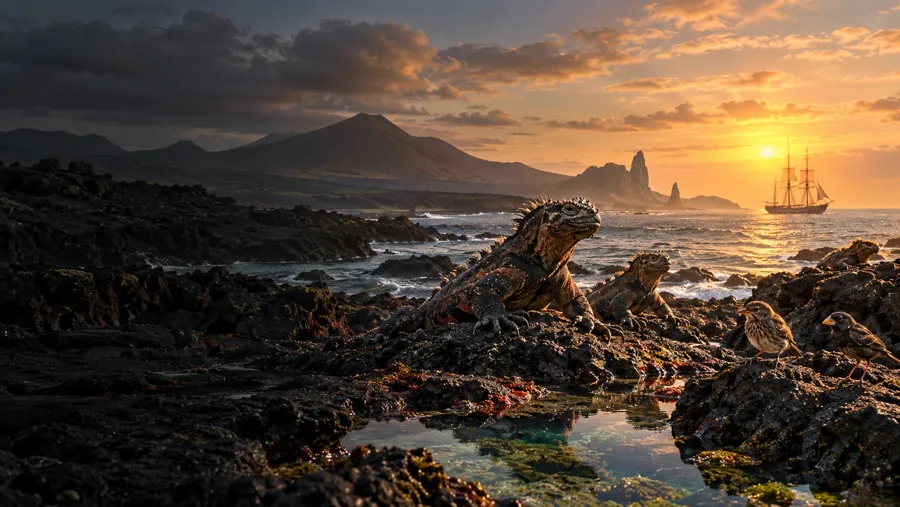
Science as nature writing
On the Origin of Species
1859. Darwin’s argument for natural selection, built from pigeons, barnacles, island birds and his own garden. Its closing pages are some of the finest nature writing of the century.
After London
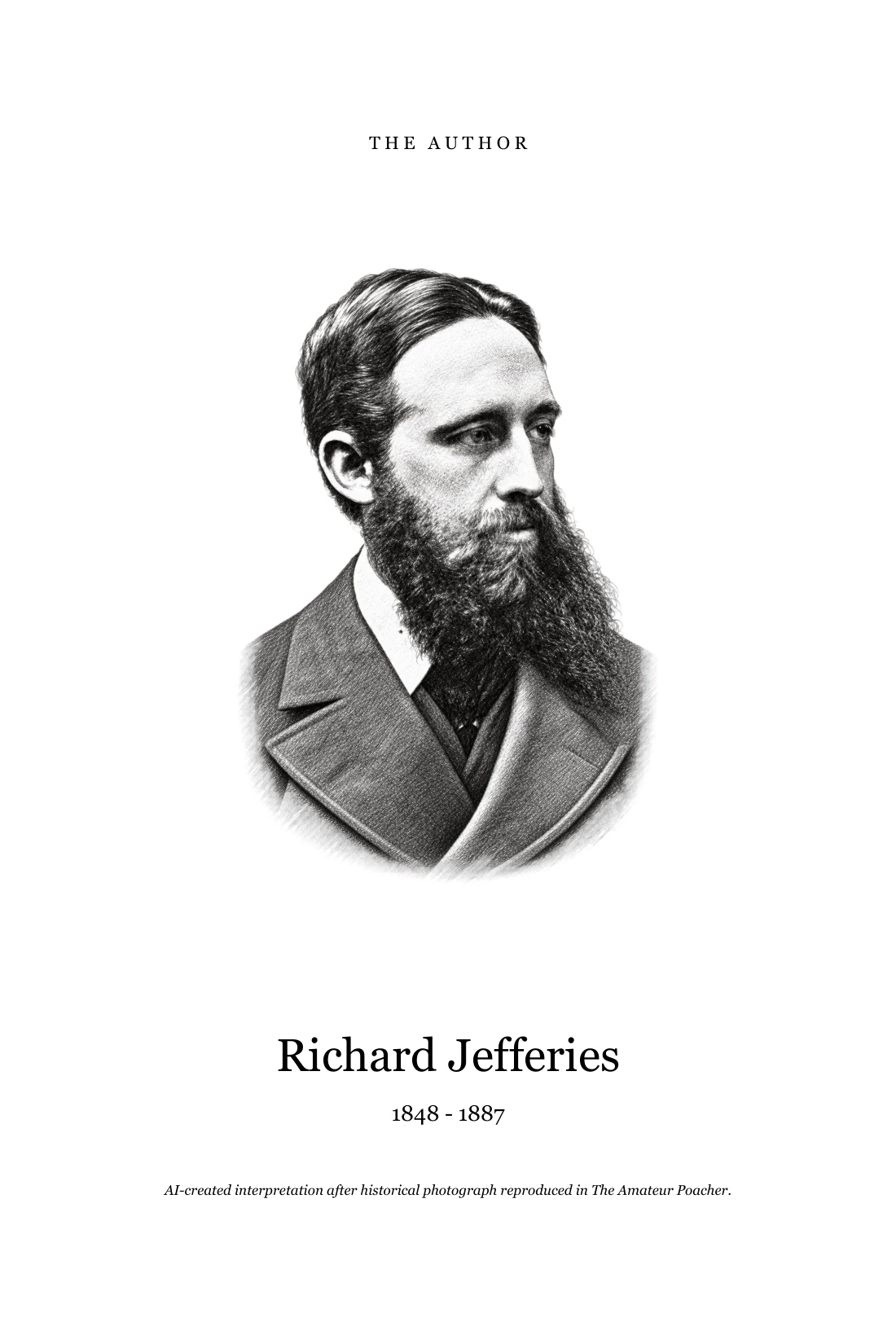
1885. Richard Jefferies imagines England a century after a mysterious catastrophe, with fields gone back to forest and London sunk into a poisonous swamp. A novel by one of the great Victorian country writers.


Jefferies made his name with essays on the fields and woods around his family’s Wiltshire farm, and After London is what happens when a nature writer turns his attention to the end of the city. It sits interestingly beside our list of post-apocalyptic classics.
Which classic nature writing book should you read first?
If you want something short and companionable, Travels with a Donkey can be read in an afternoon. If you want a story, A Girl of the Limberlost. For children who love animals, see classic nature stories for kids.
But the book that changed how people think about living with nature is still Walden. Read the chapter called “Where I Lived, and What I Lived For”, then go outside and see what you notice.
Questions readers ask
What are the best classic nature writing books?
Henry David Thoreau’s Walden is the founding classic. Robert Louis Stevenson’s Travels with a Donkey in the Cévennes, Gene Stratton-Porter’s A Girl of the Limberlost and Charles Darwin’s On the Origin of Species are also essential.
How long did Thoreau live at Walden Pond?
Two years, two months and two days, from 4 July 1845 to 6 September 1847. In the book he condenses the experience into a single year.
Is A Girl of the Limberlost a true story?
It is a novel, but the Limberlost Swamp in Indiana was real, and Gene Stratton-Porter knew it well as a naturalist and photographer.