The author of the best horse story on this list did his first serious drawing in a Nevada prison. Will James, a young cowhand jailed for cattle rustling in the 1910s, spent his sentence sketching, and after the war he set out to make a career of pictures and words. In 1926 he published Smoky, the Cowhorse, and the next year it won the Newbery Medal.
Writers like James knew their animals and landscapes at first hand, and that is what makes these classic nature books for kids worth finding. Some are adventures, one is a fairy tale with real insects in it, and one is a book of fireside fables. Here they are, by habitat.
On the range: Smoky, the Cowhorse
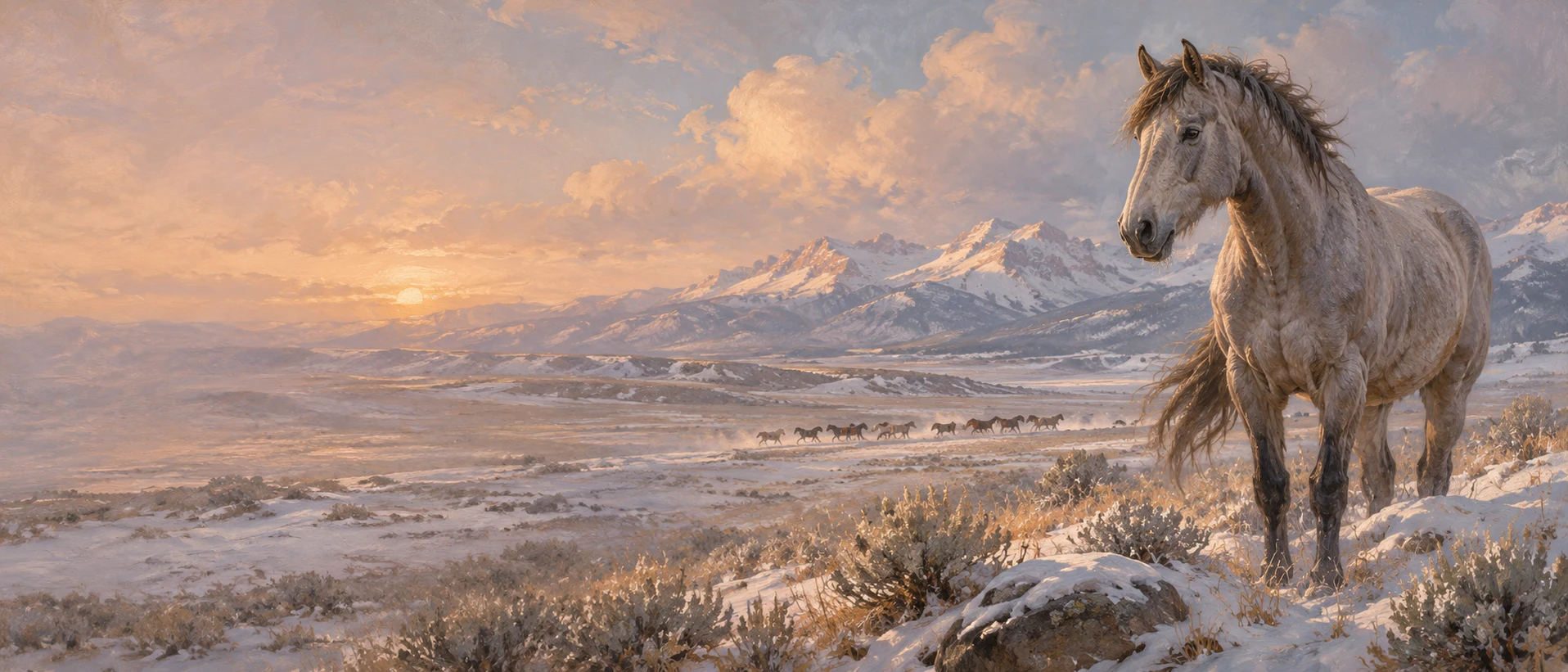
Smoky is a mouse-coloured colt born wild on the open range. A cowboy named Clint catches and trains him, and he becomes the best cow horse in the country, until he is stolen. From there he passes through cruelty, a career as a rodeo bucking horse and the long road back. James wrote it in the voice of a working cowboy, grammar and all, and he explains why in his preface.
I’ve never as yet went wrong in sizing up a man by the kind of a horse he rode. A good horse always packs a good man, and I’ve always dodged the hombre what had no thought nor liking for his horse or other animals.
Will James, preface to *Smoky, the Cowhorse* (1926)
It is a wonderful book for horse-mad children from about nine, but it does not look away from mistreatment, and some scenes are hard. Read it alongside them, or first.
In the garden: The Adventures of Maya the Bee
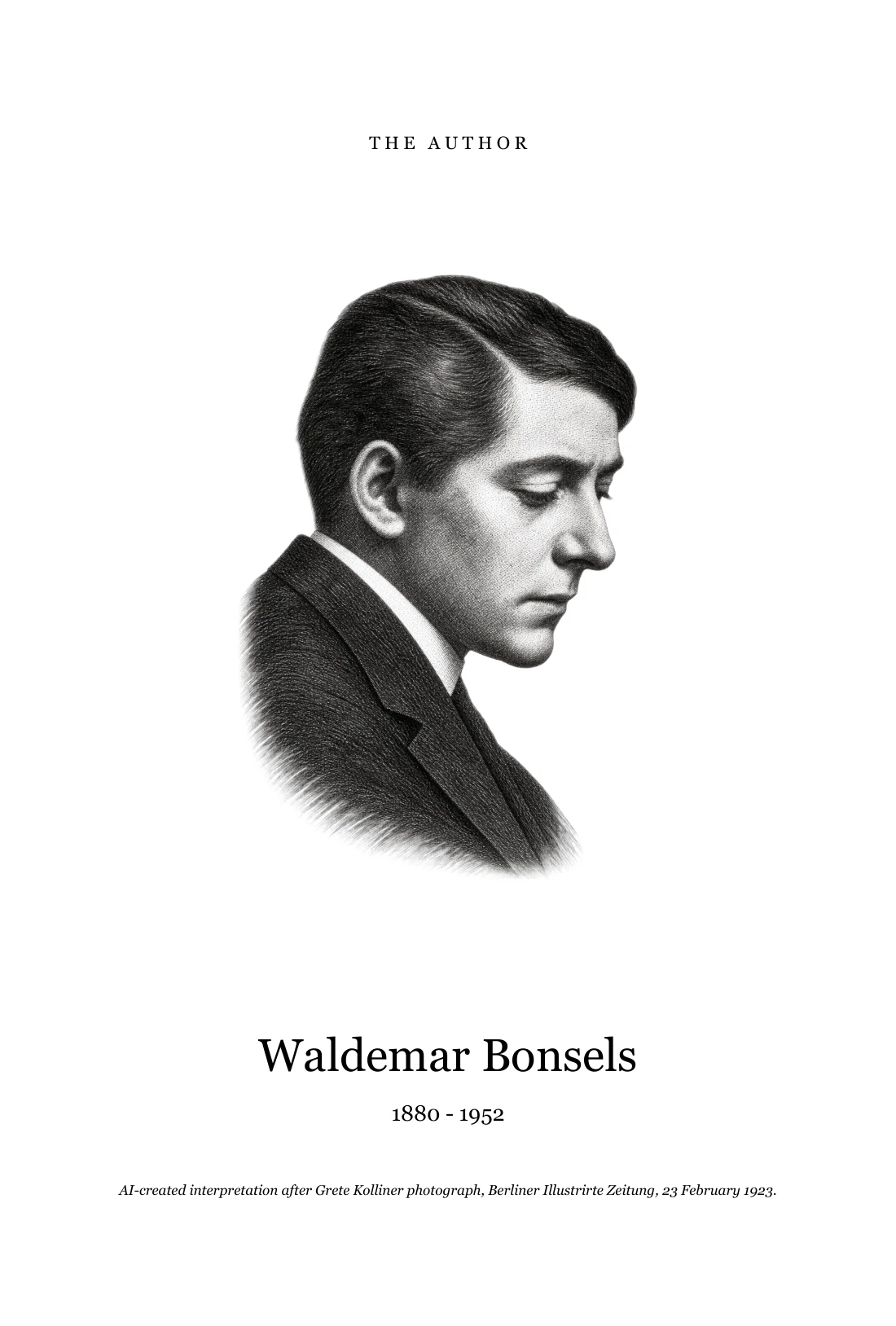
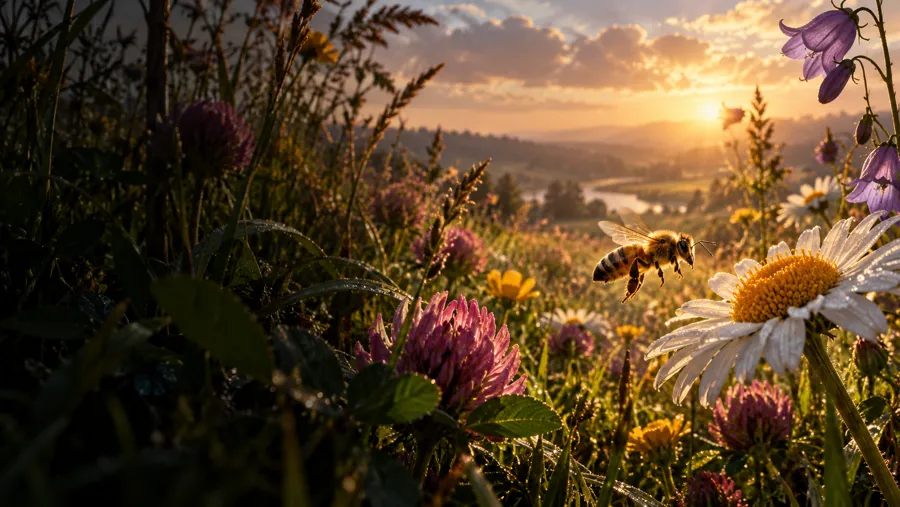
Waldemar Bonsels’s The Adventures of Maya the Bee was published in German in 1912 and in English in 1922, translated by Adele Szold Seltzer. Maya is born into a hive in uproar, on the day a swarm of rebels leaves to found a new city, and is looked after by an old bee called Cassandra. Soon she disobeys every rule and flies off alone to see the world, meeting a beetle in a flower, a housefly called Puck, a grasshopper acrobat and much else. The insects are drawn from close watching, which is why the book has lasted. Its author’s later politics are less attractive, as our post on classic animal stories for children explains.
At sea: The Boy with the U. S. Fisheries
The Boy with the U. S. Fisheries (1912) by Francis Rolt-Wheeler is part of his U. S. Service Series, adventure novels about the work of American government departments. Colin Dare starts the book in the Bering Sea on a whaling ship and is soon “marooned by a whale”, and his later chapters take in fighting bull seals, Japanese poachers, a giant moray and a fortune in pearls. It is packed with real information about fish, hatcheries and the people who studied the sea, and the author makes no secret of his admiration for them.
Smoky, the Cowhorse
1926. The life of a range horse, told by a man who rode them for a living. Winner of the 1927 Newbery Medal.
The Adventures of Maya the Bee
1912. A young bee’s adventures among the insects of a summer garden. The best read-aloud here for children of five to eight.
The Boy With the U. S. Fisheries
1912. Whales, seals, pearls and sea monsters, with a boy hero and the US Bureau of Fisheries behind him. Ideal for young naturalists.



By the fire: The Singing Mouse Stories
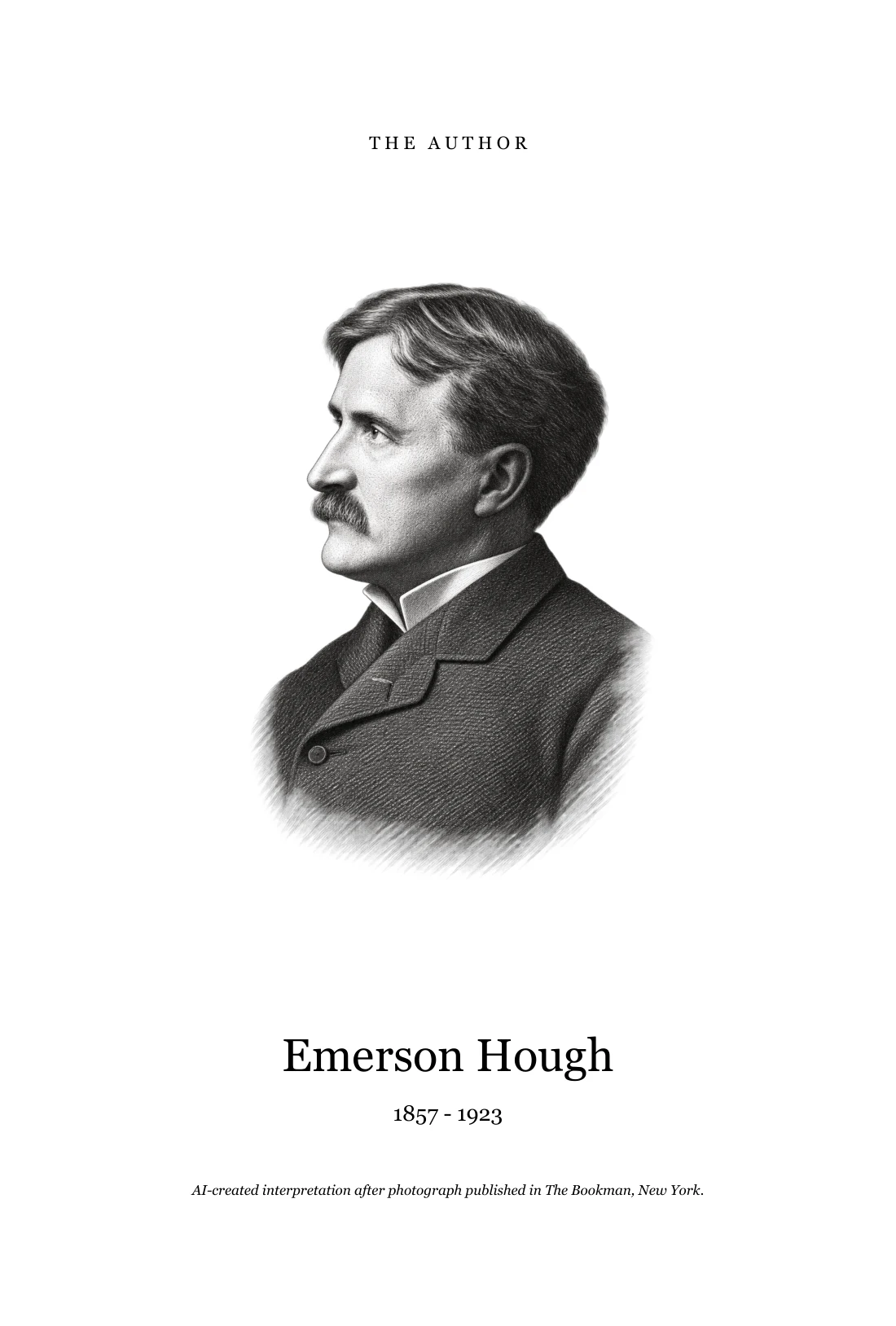
Emerson Hough became famous for westerns, above all The Covered Wagon (1922), and died in 1923 a week after seeing the Chicago premiere of the film made from it. His early The Singing Mouse Stories (1895) is something quite different. An old hunter and fisherman sits alone by his fire at midnight, and a little mouse comes out, sits up on its hind legs and sings him stories: of rivers and mountains, of a stone that had no thought, of how the mountains ate up the plains. They are short, dreamy fables, more like poems than adventures, and work best read aloud to older children.
Which classic nature book is best for which age?
Five to eight: Maya the Bee, read aloud. Eight to eleven: The Boy with the U. S. Fisheries for sea-lovers, and The Singing Mouse Stories for dreamers. Nine and up: Smoky, with a grown-up close by for the hard chapters.
For more animal heroes, see classic animal stories for children and Did you know Black Beauty was written for horses?. For grown-up nature writing, try Classic nature writing, and for the other early Newbery winners, the first Newbery Medal winners.
If you want one book to take outside this weekend, make it Smoky, the Cowhorse, and let a cowboy who knew every inch of the range do the talking.
Questions readers ask
What are some classic nature books for kids?
Good choices include The Adventures of Maya the Bee (1912), Will James’s Smoky, the Cowhorse (1926), Francis Rolt-Wheeler’s The Boy with the U. S. Fisheries (1912) and Emerson Hough’s The Singing Mouse Stories (1895).
What age is Smoky the Cowhorse for?
It suits confident readers of about nine and up. It won the 1927 Newbery Medal, but it includes scenes of a horse being mistreated, so some children will want an adult to read it with them.
Who wrote Maya the Bee?
The German writer Waldemar Bonsels published Die Biene Maja und ihre Abenteuer in 1912. The English translation by Adele Szold Seltzer appeared in 1922.