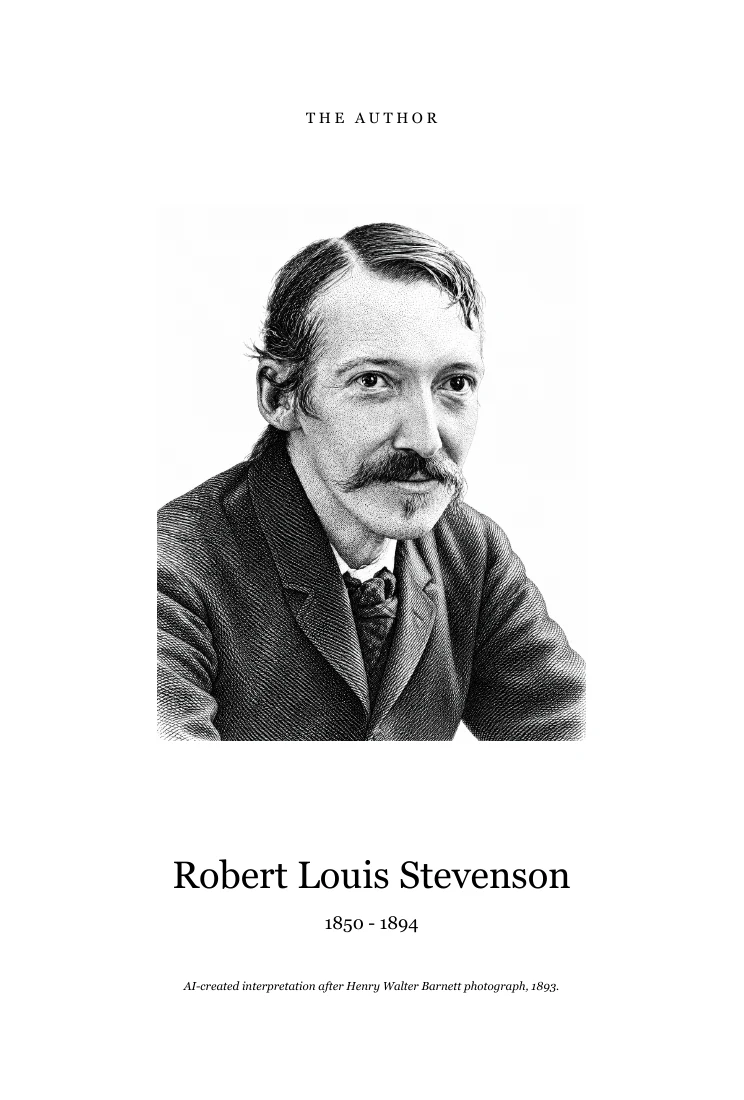

Sixty-five francs and a glass of brandy: that was the price of a small, mouse-coloured donkey in the market square of Le Monastier, in the hills of southern France, when Robert Louis Stevenson bought one in 1878. He had already paid eighty francs and two glasses of beer for the enormous sleeping sack she would carry. The donkey, he noted drily, “was upon all accounts the cheaper article”. He named her Modestine, and for the next twelve days she tested his patience to its limit.
Travels with a Donkey in the Cévennes is short, comic and quietly radical: one of the first books to treat walking and sleeping out of doors as a pleasure rather than a hardship. It is also a fine example of what makes the best classic travel books last. The destination hardly matters. What matters is the voice, and the comedy of a particular person meeting a particular road. Here are the travel books we would put in anyone’s rucksack, sorted by how their authors got about.
On foot and by water
Travels with a donkey in the Cevennes
1879. Stevenson walks about 200 kilometres through the Cévennes with Modestine, sleeps under pine trees and broods on the Protestant rebels who once hid in these hills. Under the jokes, a book about loneliness.
Three Men in a Boat
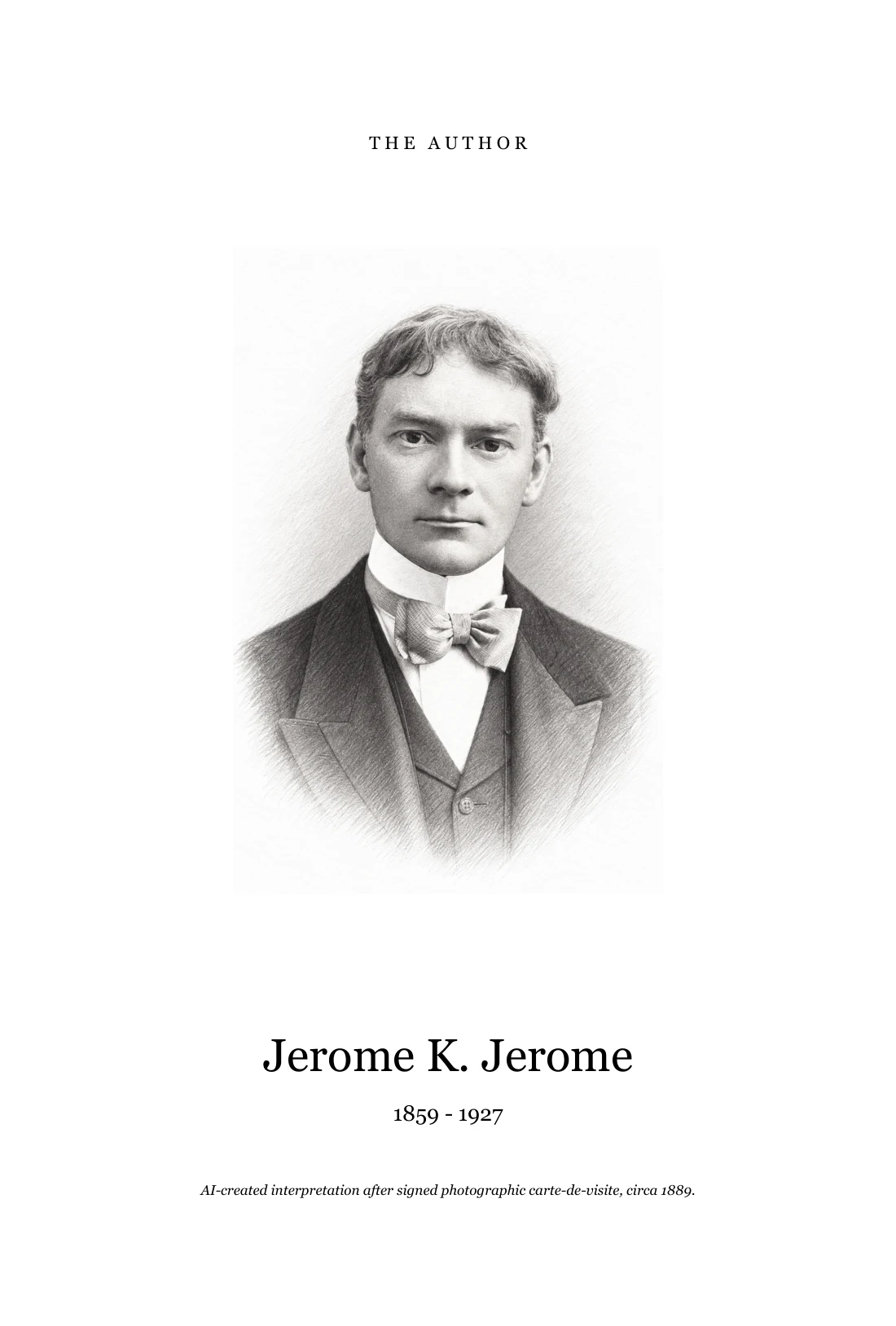
1889. Three friends and a dog take a fortnight’s boating holiday up the Thames from Kingston to Oxford. Jerome meant it as a serious guide to the river; the digressions about tins, hampers and Harris’s singing ran away with it.


Stevenson gives the creed of every walker who ever set out for no good reason: “For my part, I travel not to go anywhere, but to go. I travel for travel’s sake.” Jerome’s heroes would not have understood a word of it. They want a rest, a good dinner and someone else to do the towing. The two books make an ideal pair, one on the road and one on the river, and they were published within ten years of each other. More on how the comedy took over in Did you know Three Men in a Boat was meant to be a travel guide?
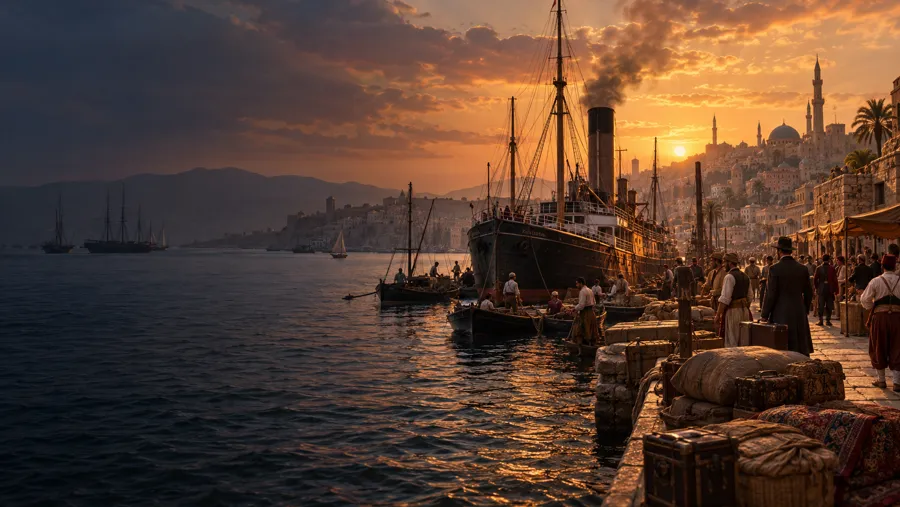
By steamer: Twain and Dickens abroad
The Innocents Abroad
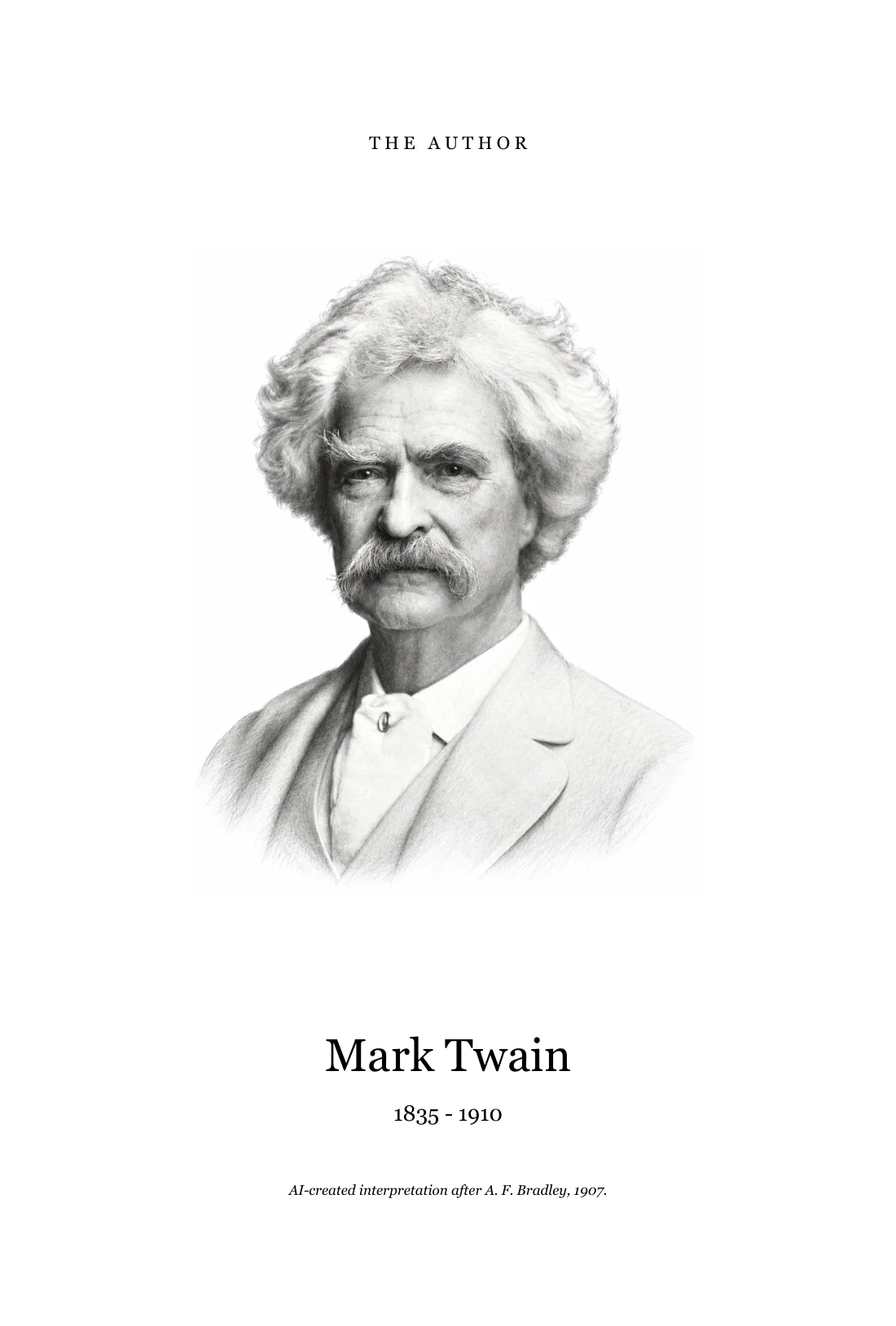
1869. In 1867 Twain joined a party of pious Americans on the steamship Quaker City for a tour of Europe and the Holy Land, and sent home reports that made fun of the guides, the Old Masters and his fellow passengers. It became his best-selling book in his lifetime.
American Notes
1842. Dickens, aged twenty-nine and famous, crosses to Boston, tours prisons and asylums, travels by canal boat and stage and, near the end, launches a furious attack on slavery. Americans did not enjoy it.


Travel is fatal to prejudice, bigotry and narrow-mindedness, and many of our people need it sorely on these accounts.
Mark Twain, The Innocents Abroad (1869)
Twain and Dickens went in opposite directions and came back with similar complaints: the tourists were tiresome, the hosts were touchy and everyone exaggerated. Twain’s trip was paid for by a San Francisco newspaper in exchange for letters, which became the book. Dickens used his speeches there to call for an international copyright law, since American publishers were reprinting his novels without paying him, and some critics accused him of making the trip for that alone. He gave one of the last chapters of American Notes to what he had earlier called “that most hideous blot and foul disgrace—Slavery”, and the next novel, Martin Chuzzlewit, sent its hero to America too. Read more in Did you know Charles Dickens wrote travel books?
By stagecoach and steamboat: the American West
Roughing It
1872. Twain heads west by stagecoach in 1861 with his brother Orion, newly appointed secretary of the Nevada Territory, and tries silver mining, newspaper work and a voyage to Hawaii. Half memoir, half tall tale.
Life on the Mississippi
1883. Twain’s memories of training as a Mississippi steamboat pilot before the Civil War, followed by a return trip down the river after twenty-one years away, to see what had changed.



Around the world in a novel
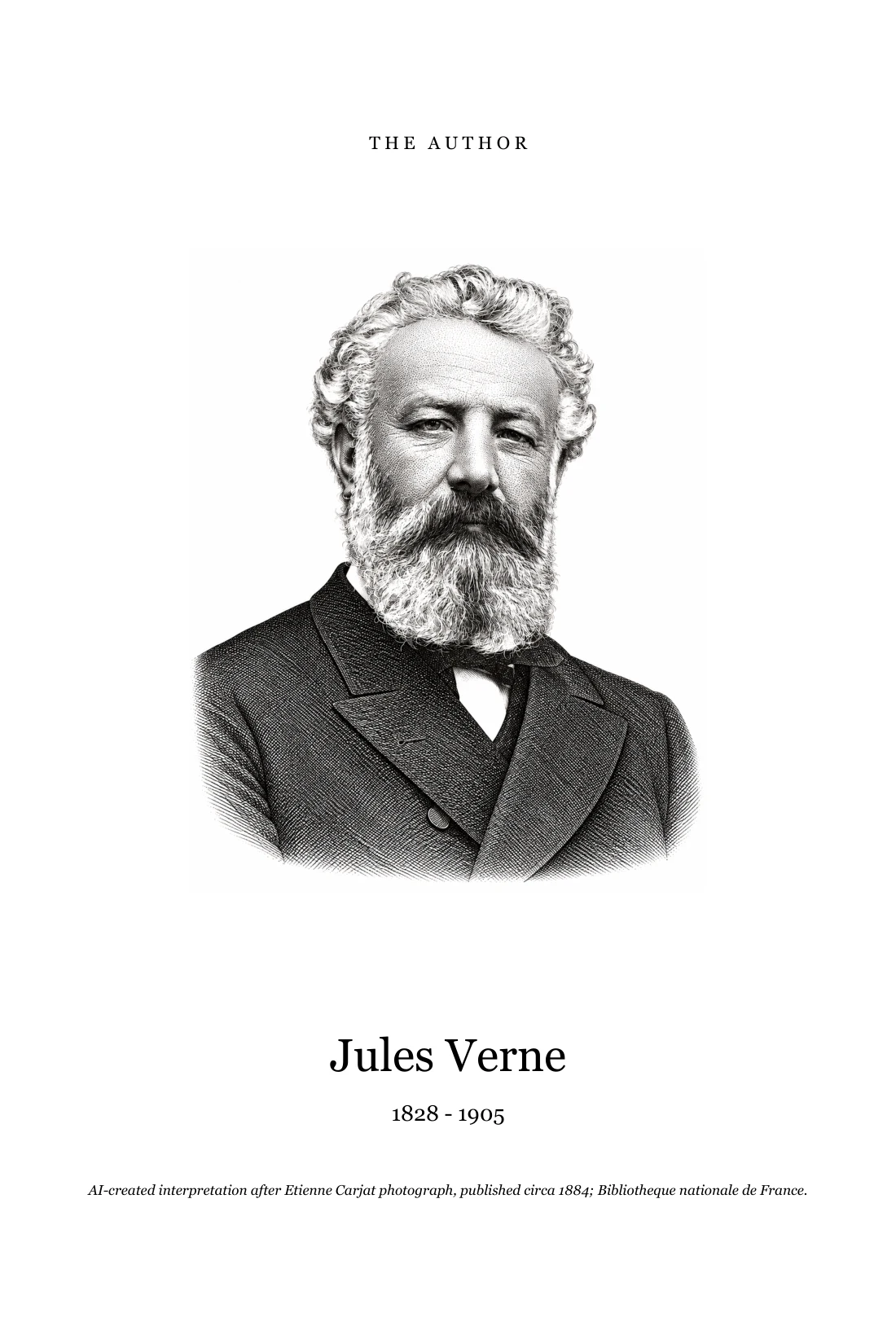
Verne’s novel only became possible in 1869, when the Suez Canal opened and America’s first transcontinental railroad was finished. It ran as a serial in the Paris paper Le Temps from 6 November 1872, and the instalments were timed so that Fogg’s deadline of 21 December fell on the real 21 December, as though his race were running alongside the news. See Jules Verne’s Extraordinary Voyages: where to start for what to read next.
Which classic travel book should you read first?
For a weekend, take Travels with a Donkey: it is under a hundred pages in our edition and has the best animal character in travel writing. For laughs, Three Men in a Boat. For a big book to live inside for a month, The Innocents Abroad. And if you prefer your travel uncomfortable and urgent, Jack London’s The People of the Abyss, an account of weeks spent living among the poor of the East End of London in 1902, is travel writing turned into reporting.
But start with the donkey. Open Travels with a Donkey in the Cévennes at the market in Le Monastier, watch the children fall off Modestine one after another, and you will be walking with Stevenson before you notice.
Questions readers ask
What are the best classic travel books?
Favourites include Mark Twain’s The Innocents Abroad and Roughing It, Robert Louis Stevenson’s Travels with a Donkey in the Cévennes, Charles Dickens’s American Notes and Jerome K. Jerome’s Three Men in a Boat.
What was Mark Twain’s best-selling book?
The Innocents Abroad (1869), his comic account of a steamship tour of Europe and the Holy Land, was his best-selling book during his lifetime.
Is Three Men in a Boat a true story?
Partly. The three men are based on Jerome and two real friends, and the Thames route from Kingston to Oxford is real, but the dog Montmorency is invented and the comic episodes are exaggerated.