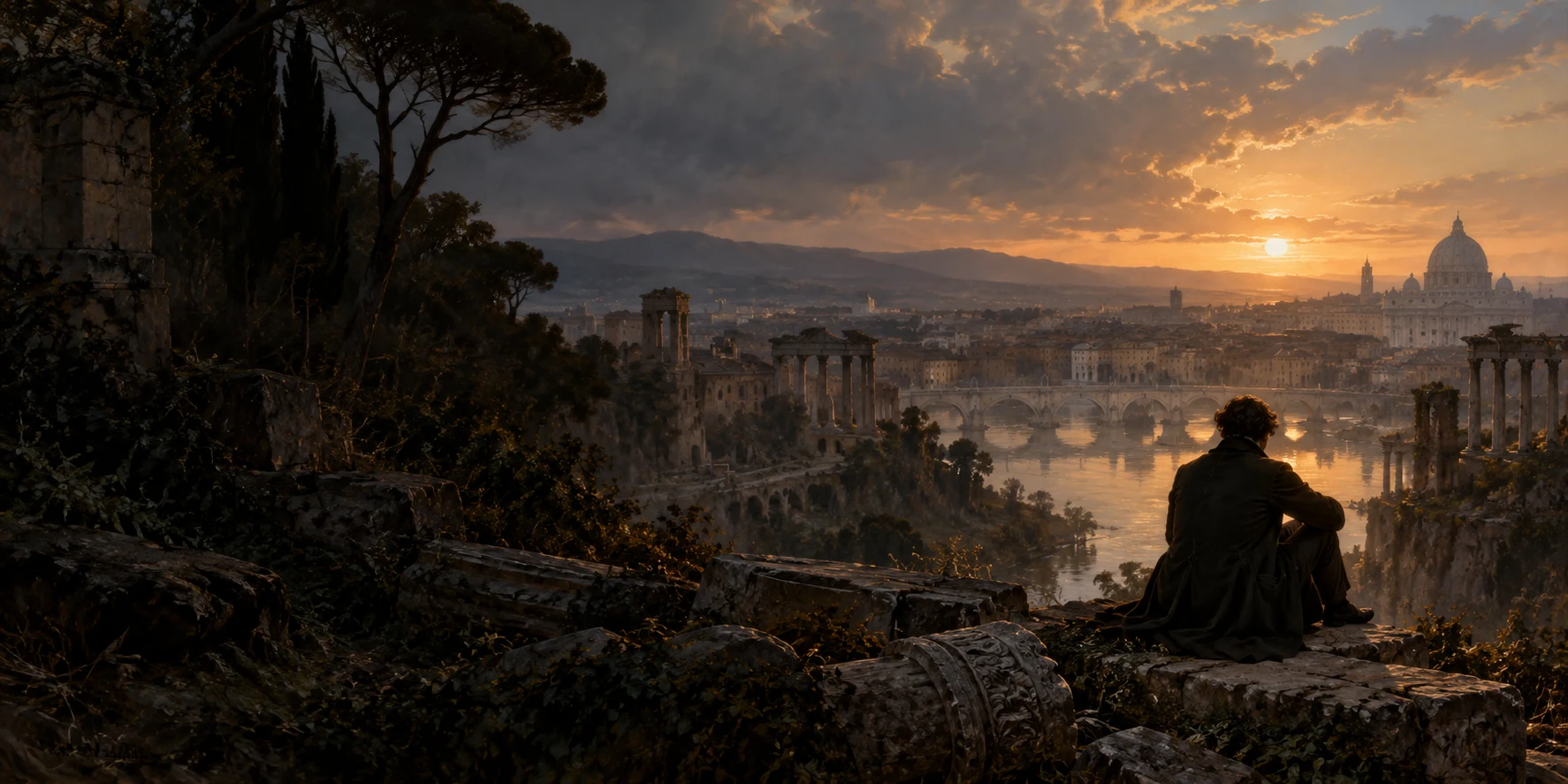

The post-apocalyptic novel is much older than the atomic age. Mary Shelley published The Last Man, the story of a plague that wipes out humanity, in 1826. By the early twentieth century writers had ended the world by poison cloud, by pandemic, by war in the air and by the slow death of the sun. These post-apocalyptic classics ask the same questions as their modern descendants: what survives when civilisation goes, and is what grows back any better?
We have chosen nine from our library, in the order they were published. Some are elegies, some adventures and one is among the strangest books in the language. All of them were written before Hiroshima, which makes the shapes of their fears all the more interesting.
The first post-apocalyptic classics
- $21.99
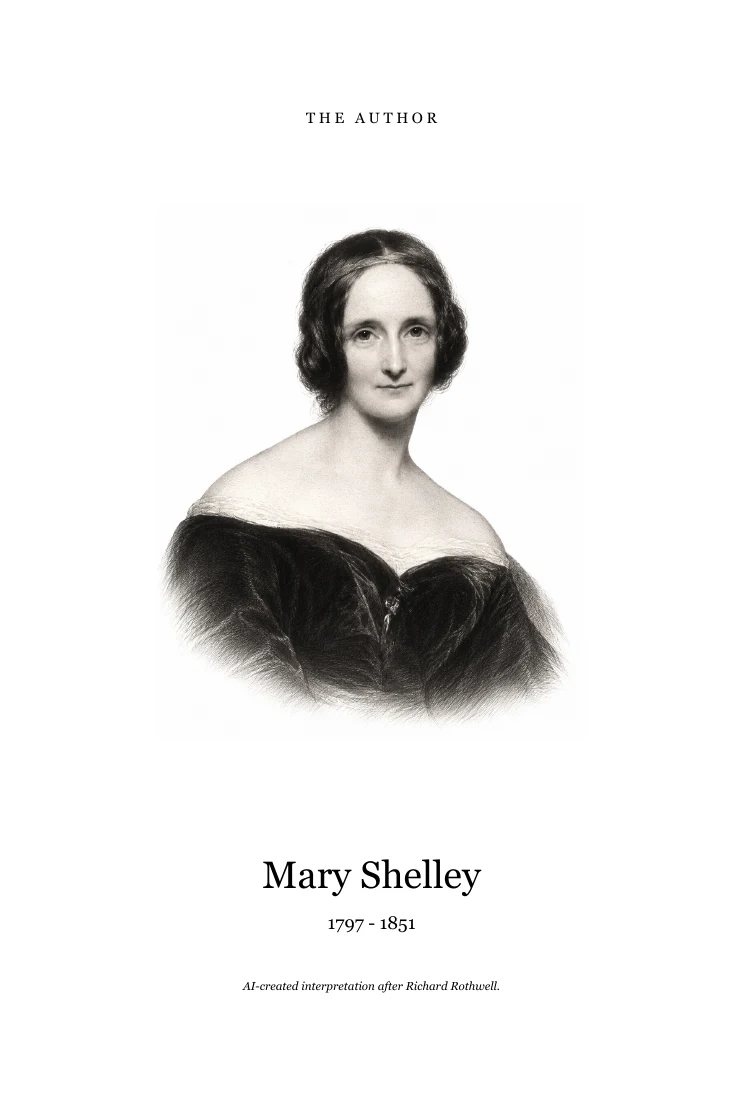
The Last Man
1826. In the late twenty-first century a plague spreads across the world, and the narrator finds himself the last man alive. Mary Shelley’s most personal novel, written after the deaths of her husband and Byron; readers have long recognised them in its characters.
- $14.99
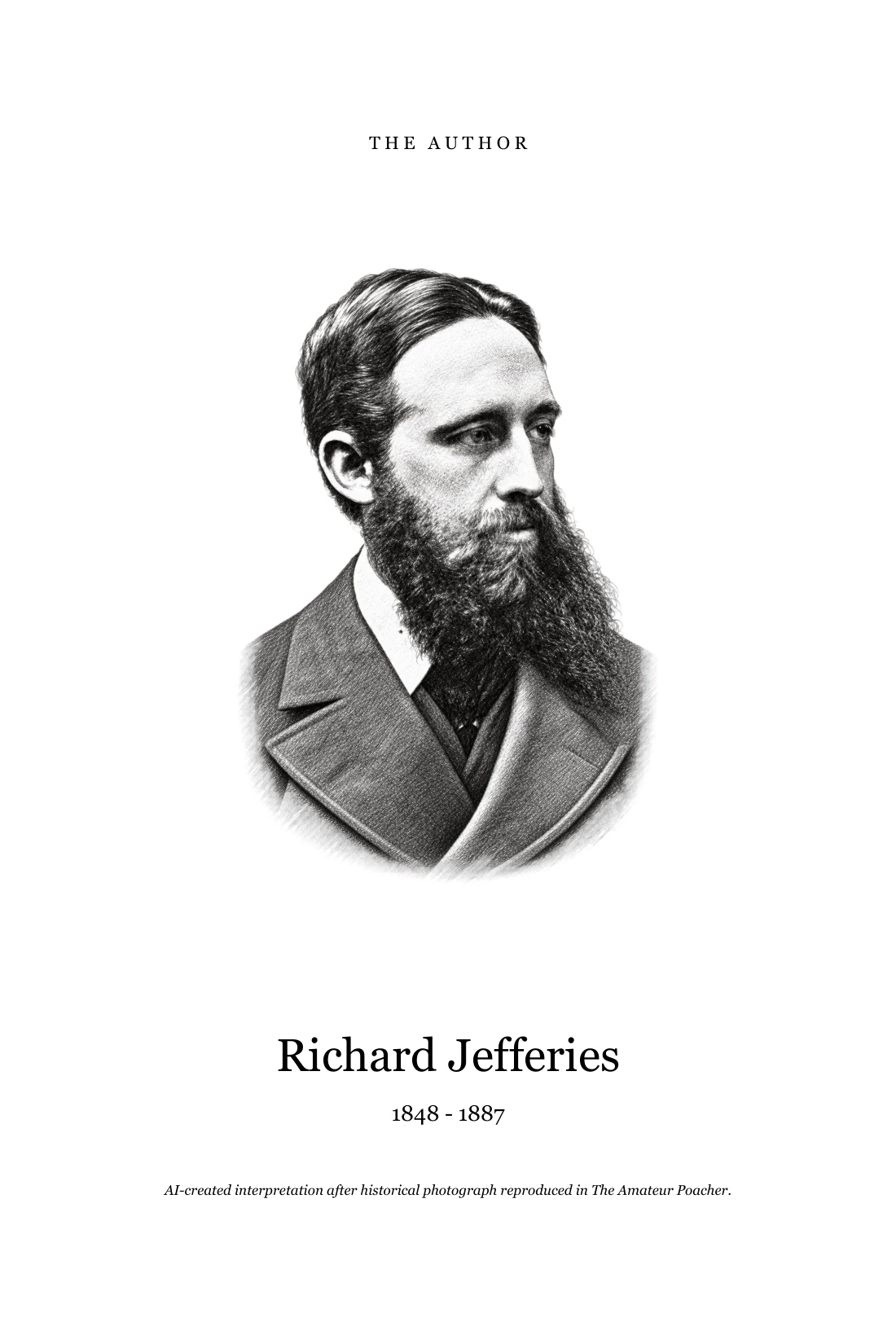
After London
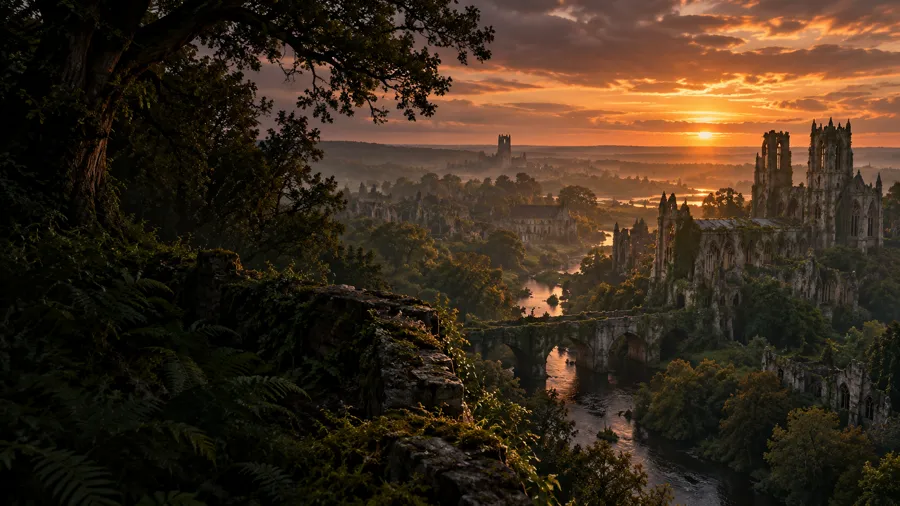
1885. After an unexplained catastrophe, England has returned to forest, London is a poisonous swamp and a young man sets out by canoe across a great inland lake. Richard Jefferies’s nature writing turned to a nightmare.
- $11.99
The Time Machine
1895. Wells’s Time Traveller journeys past the Eloi and Morlocks to the far end of the Earth’s history, a silent beach under a dying red sun. One of the most haunting scenes in science fiction.



The end of the world in the Edwardian age
- $15.99
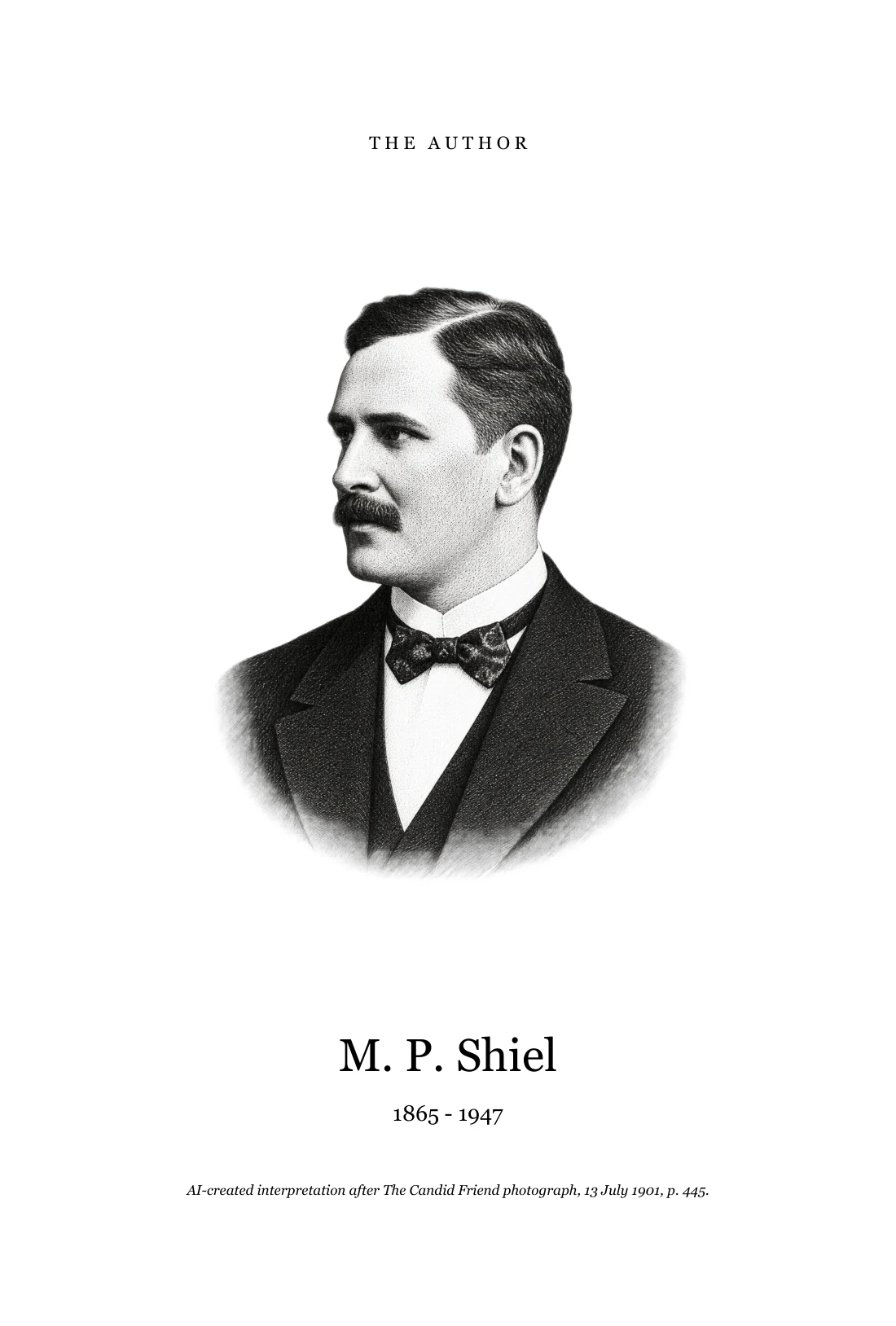
The Purple Cloud
1901. Returning from an expedition to the North Pole, Adam Jeffson finds that a purple cloud of poison gas has apparently killed everyone else on Earth. M. P. Shiel’s feverish, gorgeous prose makes this one of the great last-man novels.
- $15.99
The War in the Air
1908. A young cyclist from London is swept up in a world war fought by airships and flying machines, and watches civilisation begin to come apart. Wells at his most alarmingly prescient.
- $9.99
The Scarlet Plague
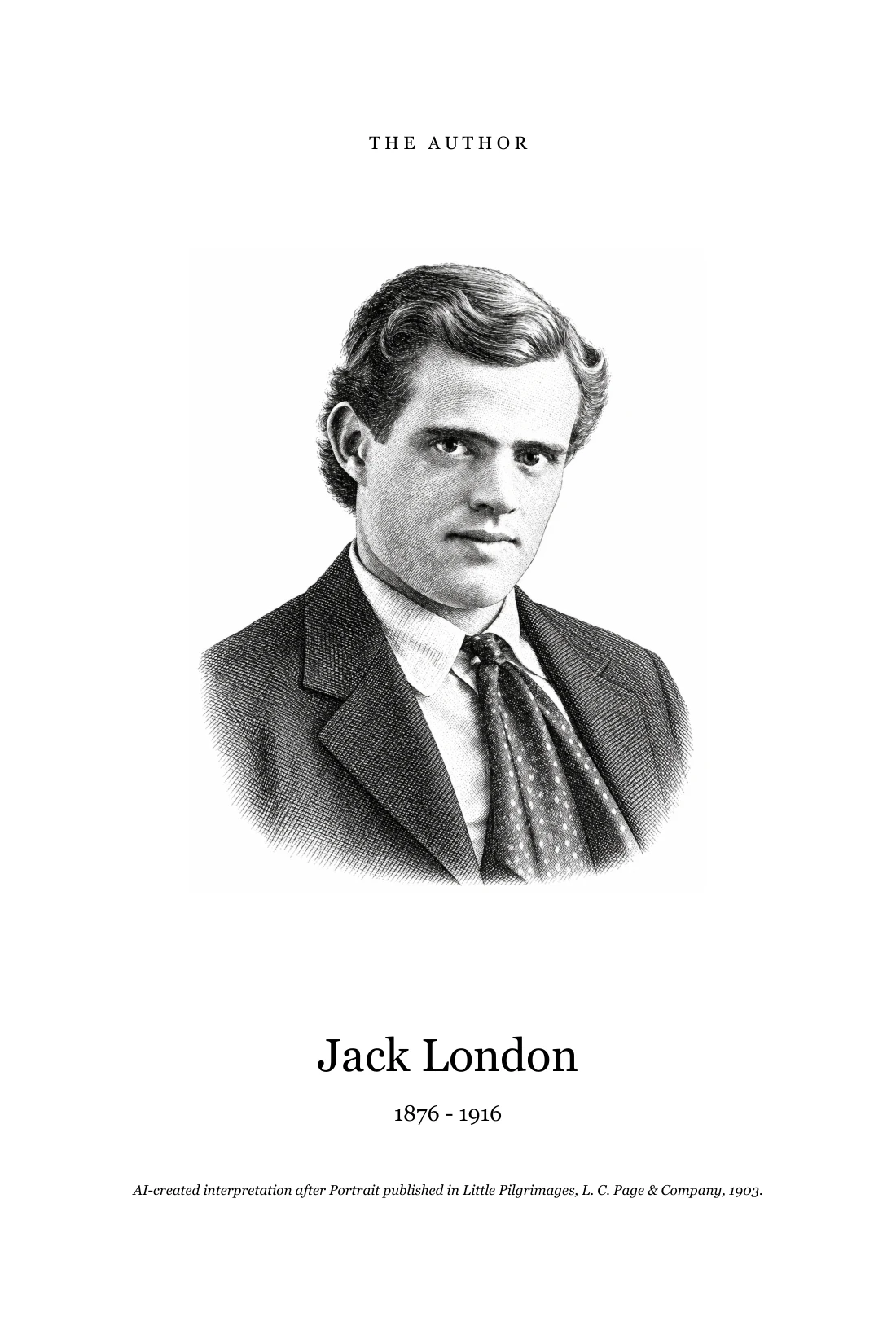
1912. Decades after a plague in 2013 emptied the world, an old man tells his savage grandsons what life used to be like. Jack London’s short novel feels startlingly modern.
- $20.99
The Night Land
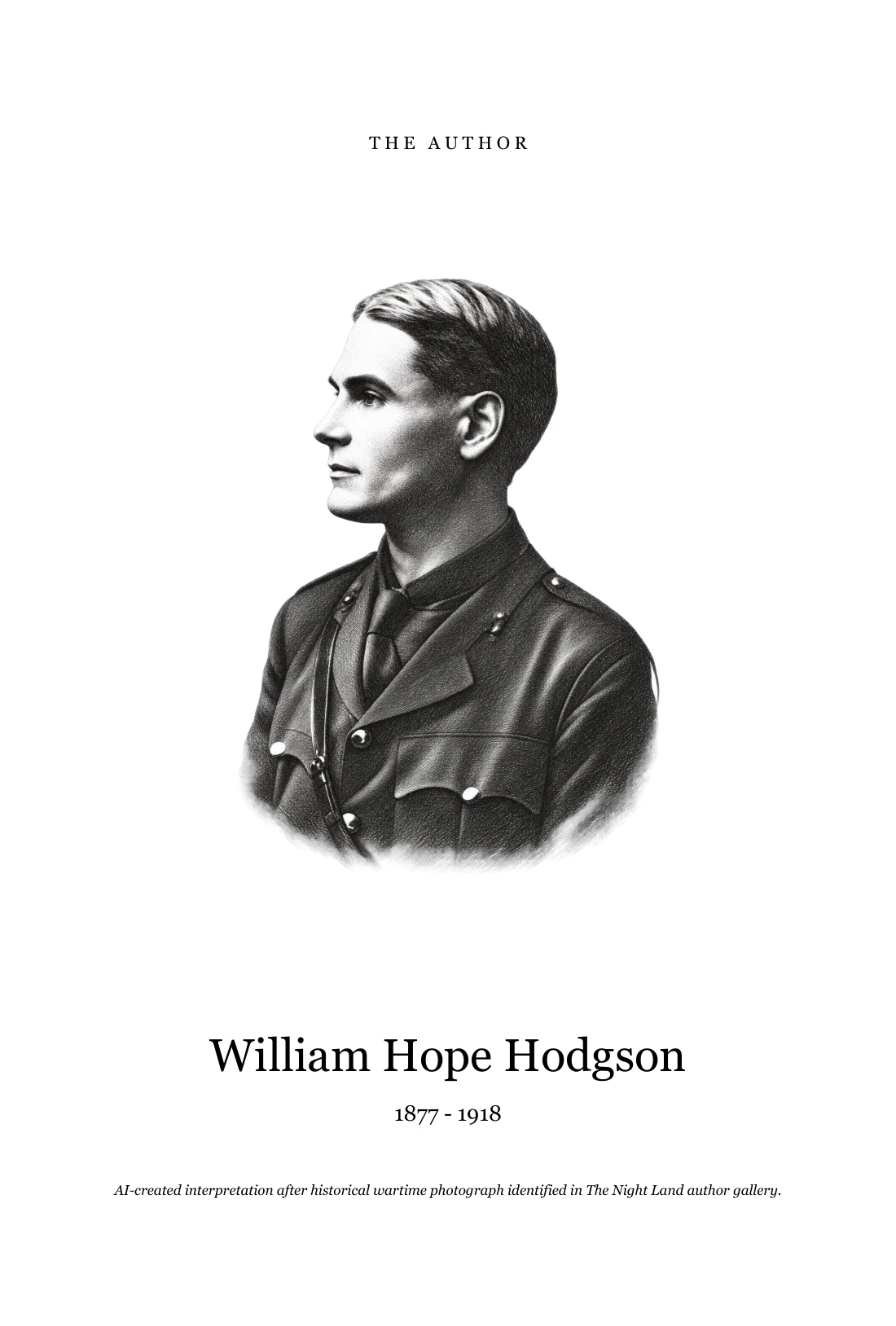
1912. Millions of years from now, with the sun gone out, the last humans shelter in a vast metal pyramid surrounded by monstrous forces. William Hope Hodgson wrote it in a deliberately archaic style; it is difficult, but unforgettable.
- $10.99
The Poison Belt
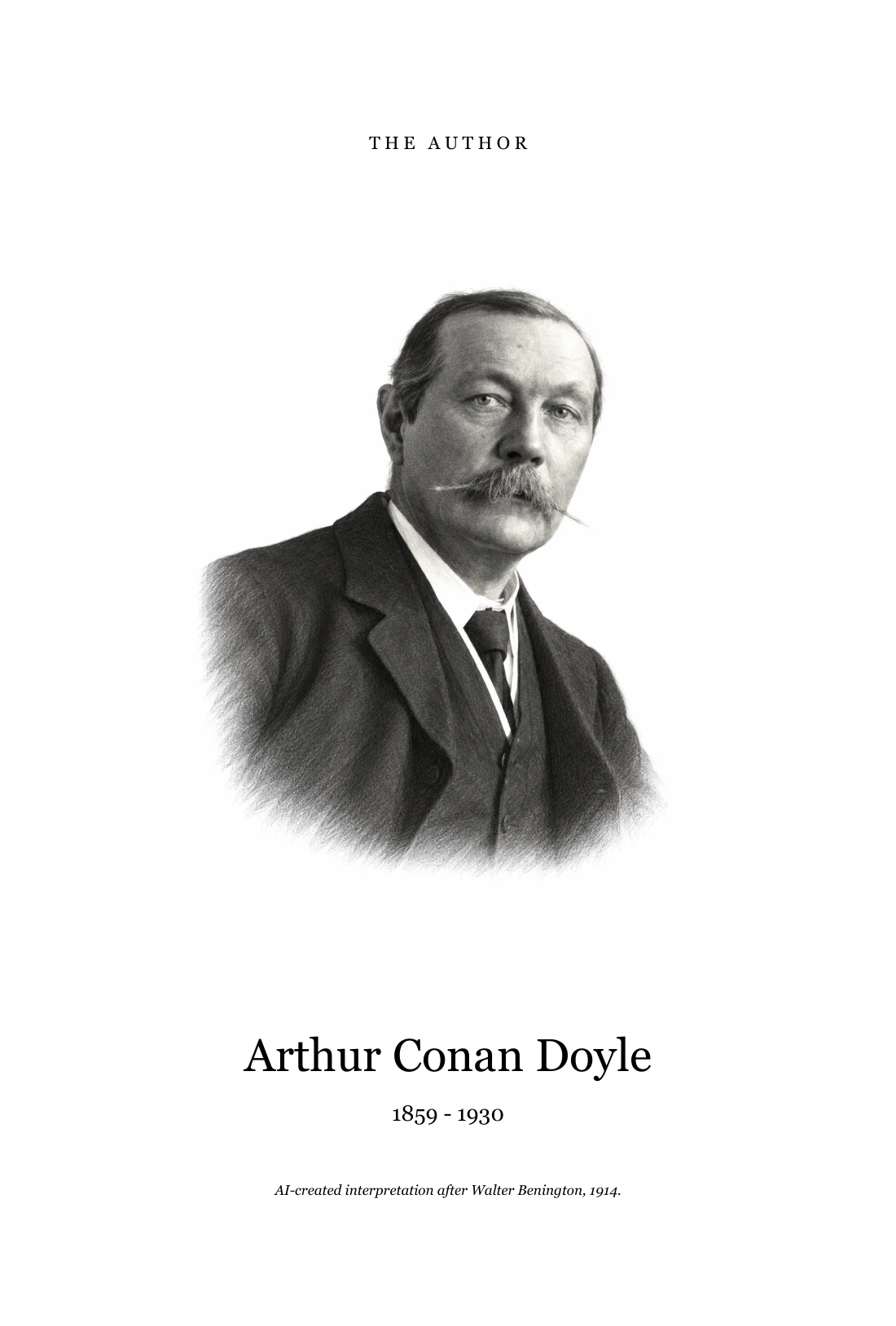
1913. Professor Challenger and his companions from The Lost World seal themselves in a room as the Earth passes through a band of poisonous ether. Conan Doyle at his most playful about the end of everything.
- $13.99
The World Set Free
1914. Wells imagines a world war fought with atomic bombs, and the struggle to rebuild afterwards. The physicist Leo Szilard later said the book helped set him thinking about the chain reaction.


What did early post-apocalyptic novels fear?
Disease, first of all. Shelley and London both end the world by plague, and both books feel uncomfortably fresh after recent years. Then chemistry and physics: poison gas in Shiel and Conan Doyle, atomic weapons in Wells. And behind several of them is a quieter fear, that nature would simply take back what we had built. After London has no villain at all, just forest, water and time.
These books are also surprisingly divided about whether the end would be a disaster. Jefferies seems half in love with his empty England; Shiel’s survivor finds a terrible freedom in it. That ambivalence is one reason they still feel modern.
How do they compare with modern post-apocalyptic fiction?
Almost every modern theme is here. The lone survivor walking through empty cities comes from The Last Man and The Purple Cloud. The storyteller passing on a lost world to children who can’t imagine it is the heart of The Scarlet Plague. The last fortress of humanity besieged by the dark is The Night Land. If you enjoy modern stories of the end of the world, you are reading their grandchildren.
Which post-apocalyptic classic should you read first?
- For something short: The Scarlet Plague, which can be read in an evening.
- For the classic last-man story: The Purple Cloud.
- For a literary landmark: The Last Man. More on its author in Did you know Frankenstein was written by a teenager?
- For what came before the collapse: dystopian novels written before Nineteen Eighty-Four, and for prophecy in general, books that predicted the future.
Browse the rest of our science fiction shelf for more. But if you want to feel the chill these writers felt, start with The Scarlet Plague: a short book about an old man, a campfire and a world that ended because nobody thought it could.
Questions readers ask
What was the first post-apocalyptic novel?
Mary Shelley’s The Last Man (1826) is often called the first modern post-apocalyptic novel. It follows the narrator’s survival after a plague wipes out the rest of humanity.
What are the best classic post-apocalyptic novels?
The Last Man, After London, The Purple Cloud, The Scarlet Plague and The Night Land are the best post-apocalyptic classics written before the atomic age.
Did H. G. Wells predict the atomic bomb?
In The World Set Free (1914) Wells described ‘atomic bombs’ used in a world war. The physicist Leo Szilard later said the book had influenced his thinking about nuclear chain reactions.