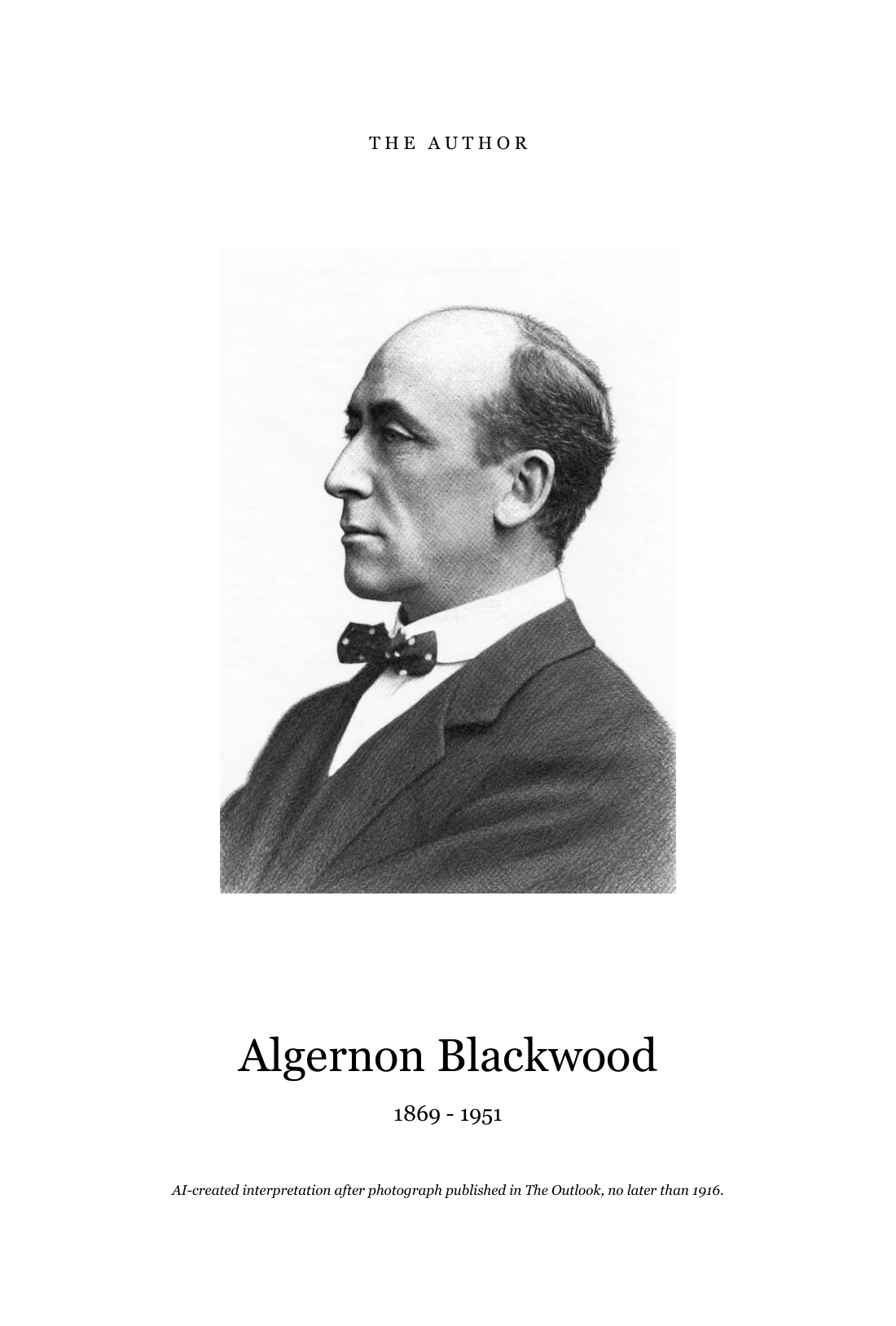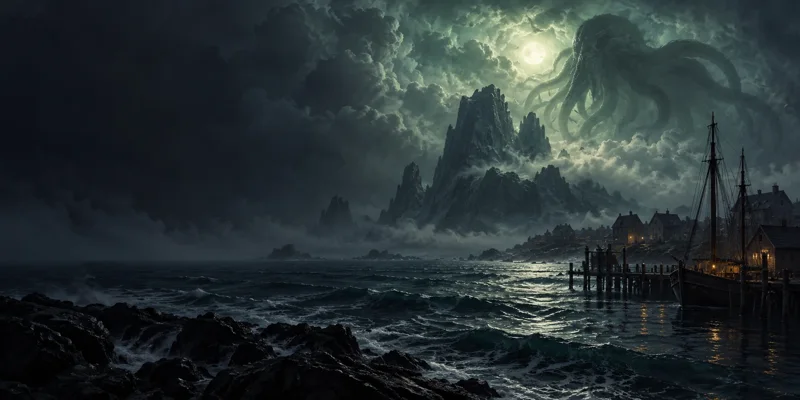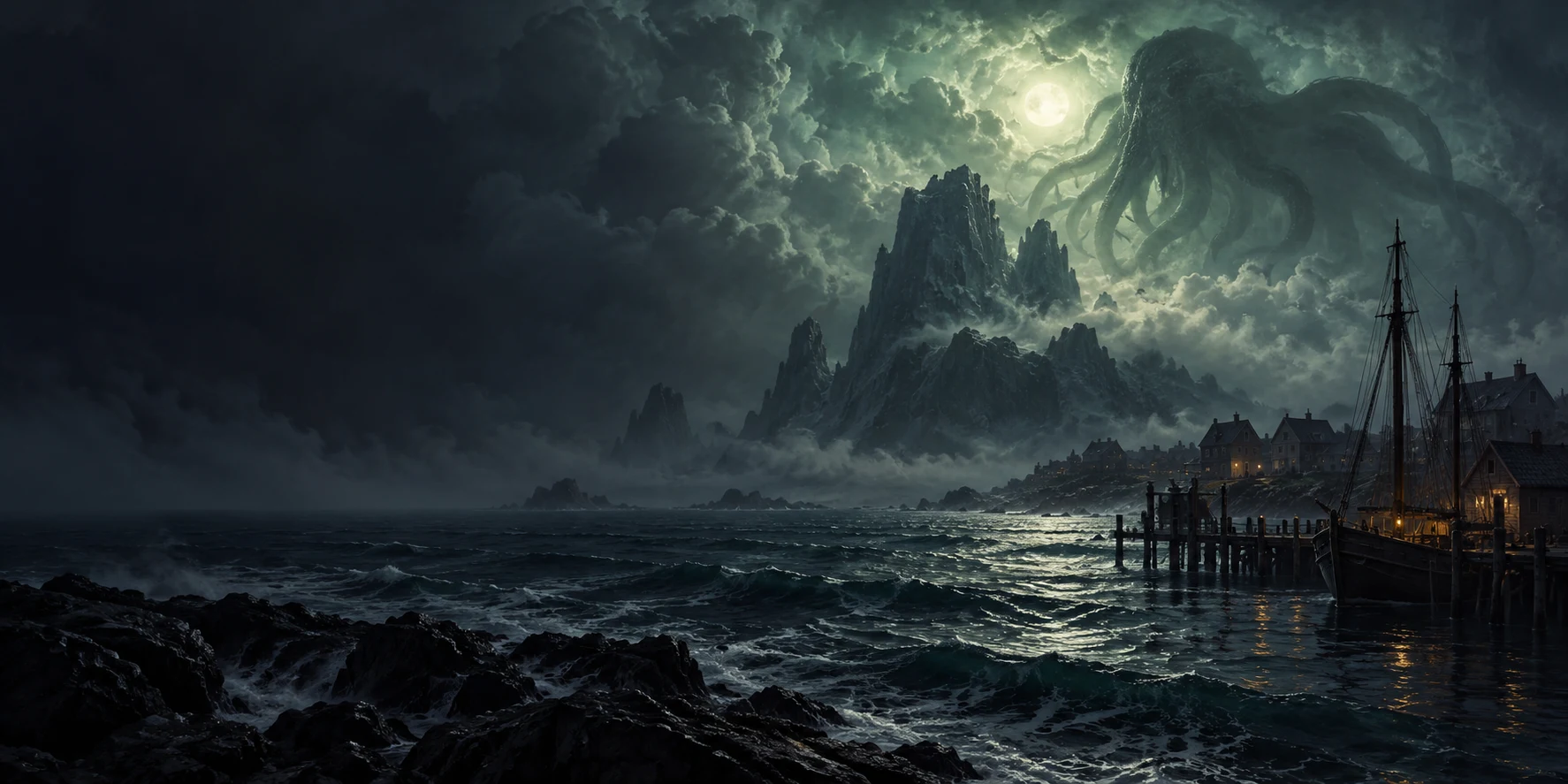
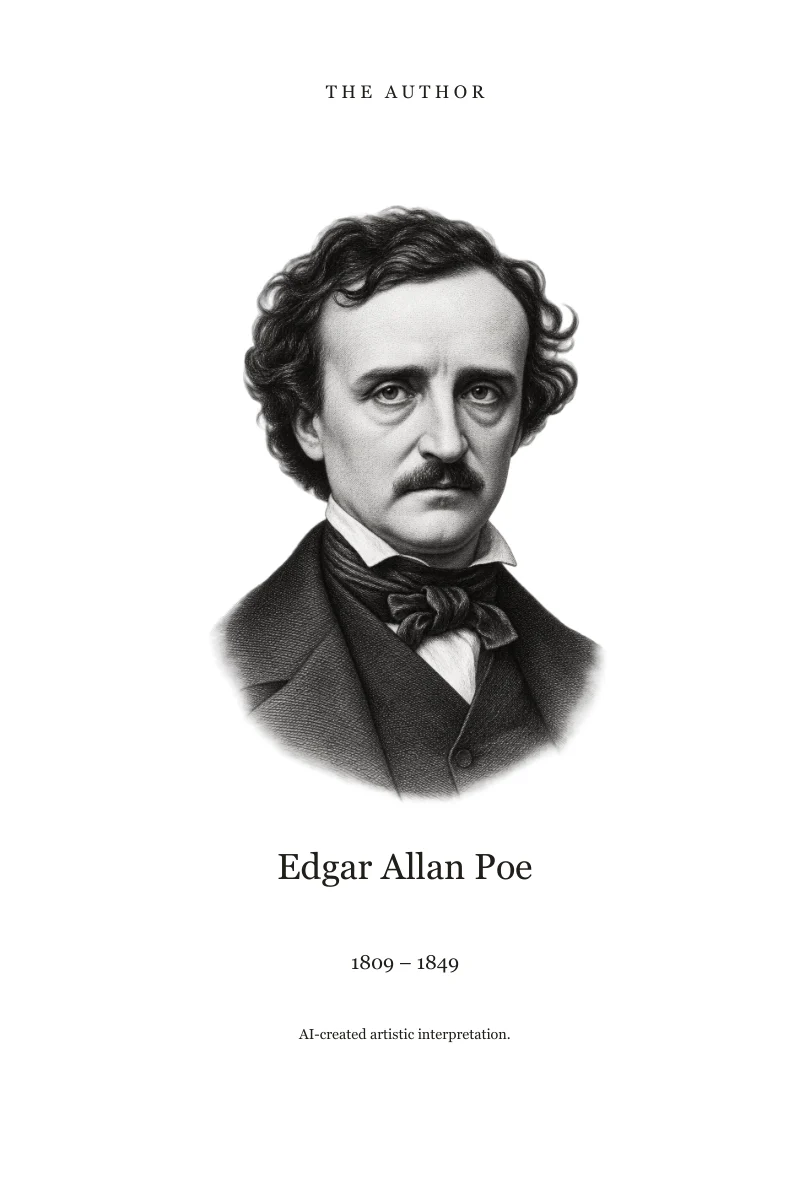
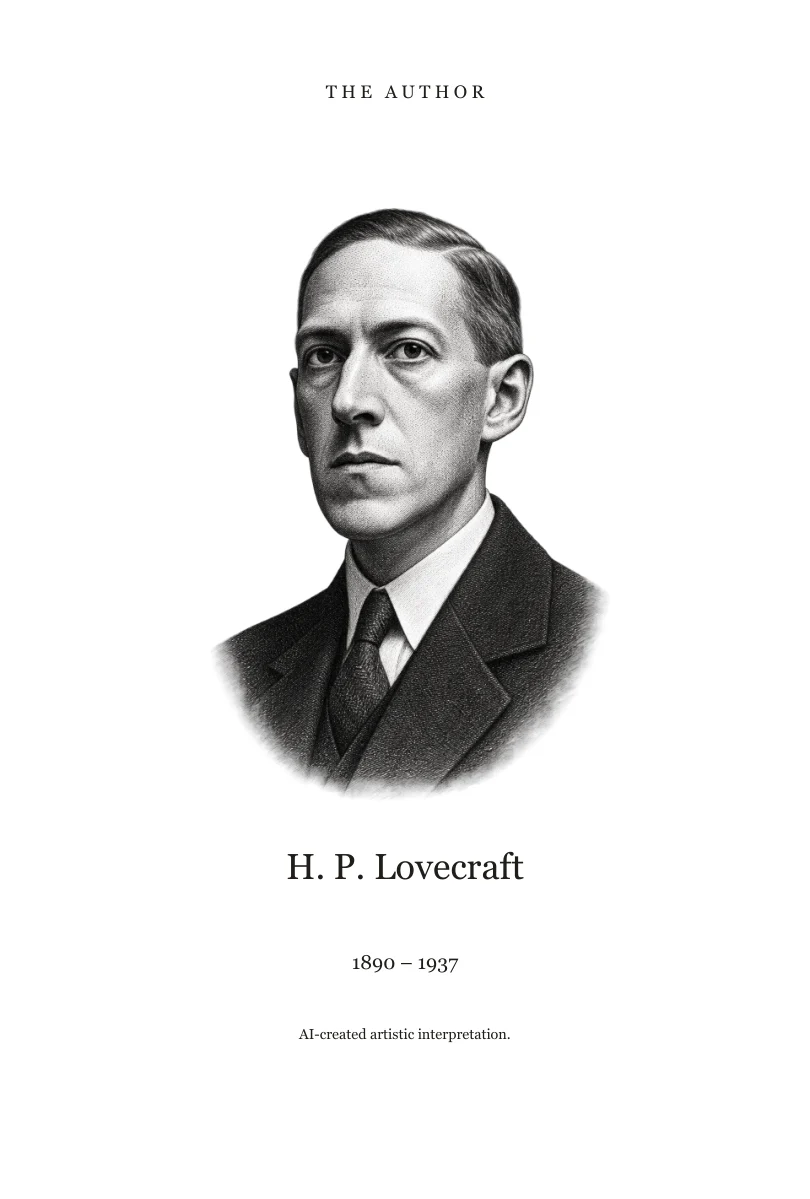
Open “The Call of Cthulhu” and the first words you read are not Lovecraft’s. Above the famous opening line sits an epigraph signed by Algernon Blackwood, a passage about ancient powers surviving from a time before humanity, remembered only as “gods, monsters, mythical beings of all sorts and kinds”. It is a fitting doorway. H. P. Lovecraft built his cosmic horror out of other people’s nightmares, and he spent years cataloguing exactly whose.
The catalogue is his long essay Supernatural Horror in Literature, written between 1925 and 1927 and revised in the 1930s. It surveys the frightening story from its earliest beginnings and closes with the writers he called the modern masters: Arthur Machen, Algernon Blackwood, Lord Dunsany and M. R. James. Add the two Americans who came before and beside them, Poe and Robert W. Chambers, and the sea-haunted William Hope Hodgson, whom he discovered late, and you have the core of Lovecraft’s influences.
The most merciful thing in the world, I think, is the inability of the human mind to correlate all its contents.
H. P. Lovecraft, “The Call of Cthulhu” (Weird Tales, February 1928)
Edgar Allan Poe: the first master
Poe is the one American writer to whom Supernatural Horror in Literature gives a whole chapter, and his fingerprints are all over Lovecraft’s work. The clearest debt is in the novella At the Mountains of Madness, where an Antarctic expedition hears a piping cry of “Tekeli-li”, lifted straight from Poe’s only novel. The narrator’s companion even wonders what forbidden sources Poe might have tapped. We cover Poe’s other great invention in Did you know Edgar Allan Poe invented the detective story?
The Narrative of Arthur Gordon Pym of Nantucket
1838. A voyage south into ever stranger waters, ending on the edge of the unknown. Lovecraft answered it with his own Antarctic horror nearly a century later.
At the Mountains of Madness
Lovecraft’s Antarctic novella, the one most openly in conversation with Poe.


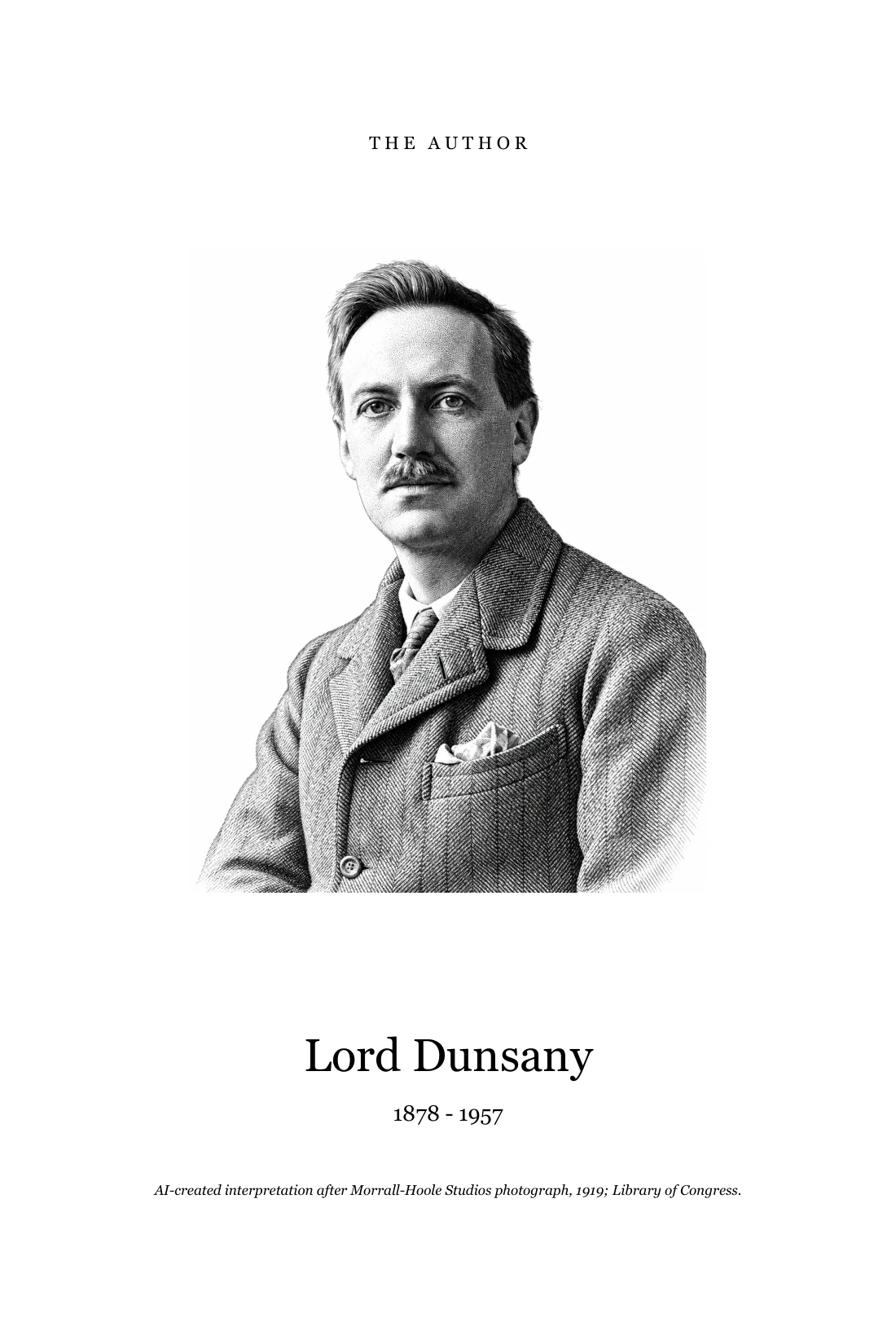
Lord Dunsany: the dreamer
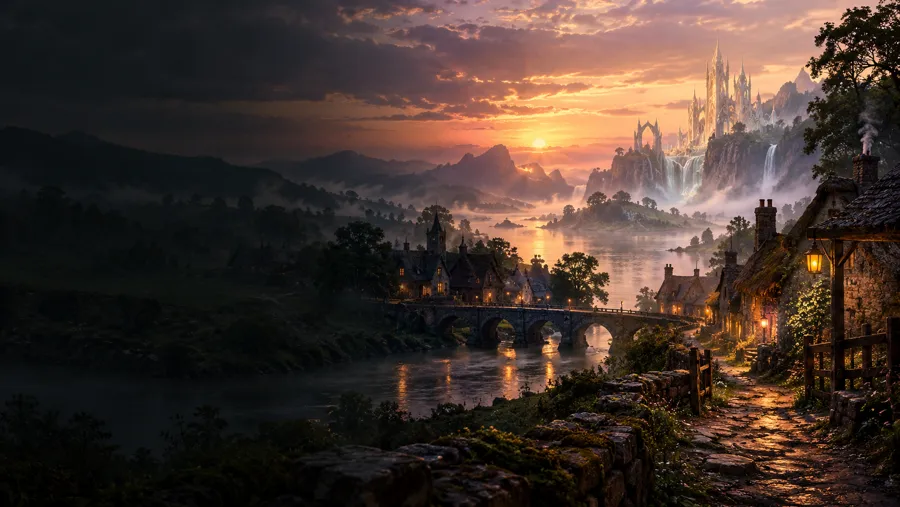
In 1919 Lovecraft read Dunsany’s A Dreamer’s Tales and was transformed. That October he went to hear Dunsany lecture at the Copley Plaza in Boston, and over the following years he wrote a run of dreamlike fantasies in Dunsany’s manner. Dunsany’s invented pantheon in The Gods of Pegana is also among the sources scholars cite for the gods of the Cthulhu stories. More in Lord Dunsany, the fantasist who shaped Tolkien and Lovecraft.
The King of Elfland’s Daughter
1924. The heir of Erl marries the daughter of the King of Elfland, and two worlds pull at each other. Dunsany’s lyrical masterpiece of the long form.
The Gods of Pegana
1905. Dunsany’s first book: a mythology of invented gods, told in short, scripture-like chapters.


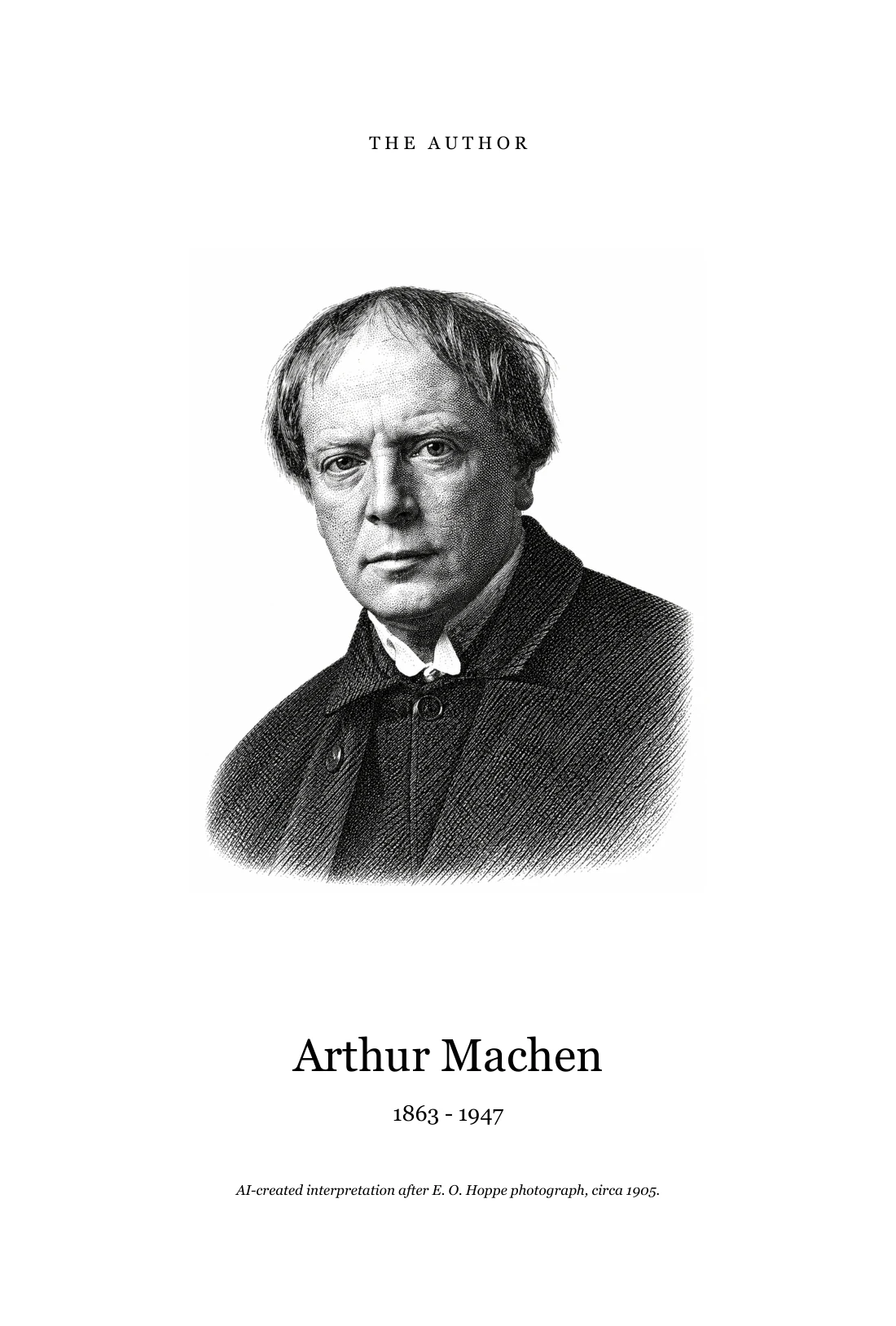
Arthur Machen: the hidden world
Lovecraft found Machen in the summer of 1923 and never got over him. Machen’s stories suggest that something ancient and inhuman survives just beneath the Welsh hills and the London streets, and that learning about it can destroy you. One of his tales, “The Novel of the Black Seal”, is named among the sources for “The Call of Cthulhu”, and The Great God Pan is often traced in “The Dunwich Horror”. See Arthur Machen, the Welsh master of the weird.
The House of Souls
Machen’s key collection, gathering “The Great God Pan” and “The White People”, the second written as a girl’s secret notebook of half-understood rites.
The Three Impostors
1895. Linked tales of London conspirators, including “The Novel of the Black Seal” and “The Novel of the White Powder”.


Algernon Blackwood: the haunted landscape
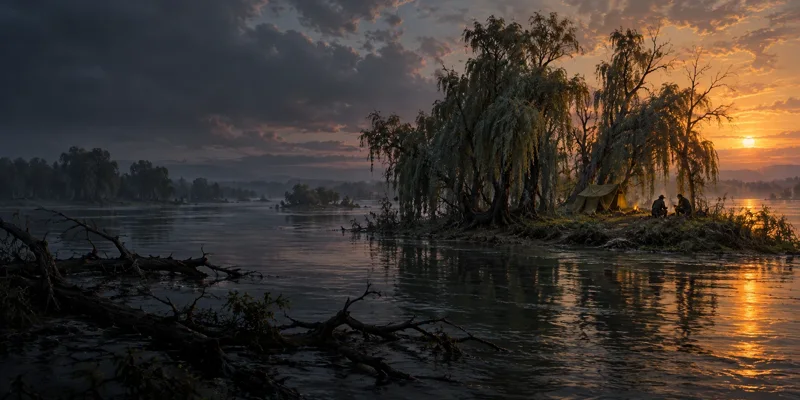
Where Machen hid his horrors underground, Blackwood found his in open country: a flooded river, a northern forest. Lovecraft prized the sense of vast, indifferent forces pressing in on a small human camp, and he is said to have considered The Willows the finest weird tale in English. We look at why in Why did H. P. Lovecraft rate The Willows so highly?
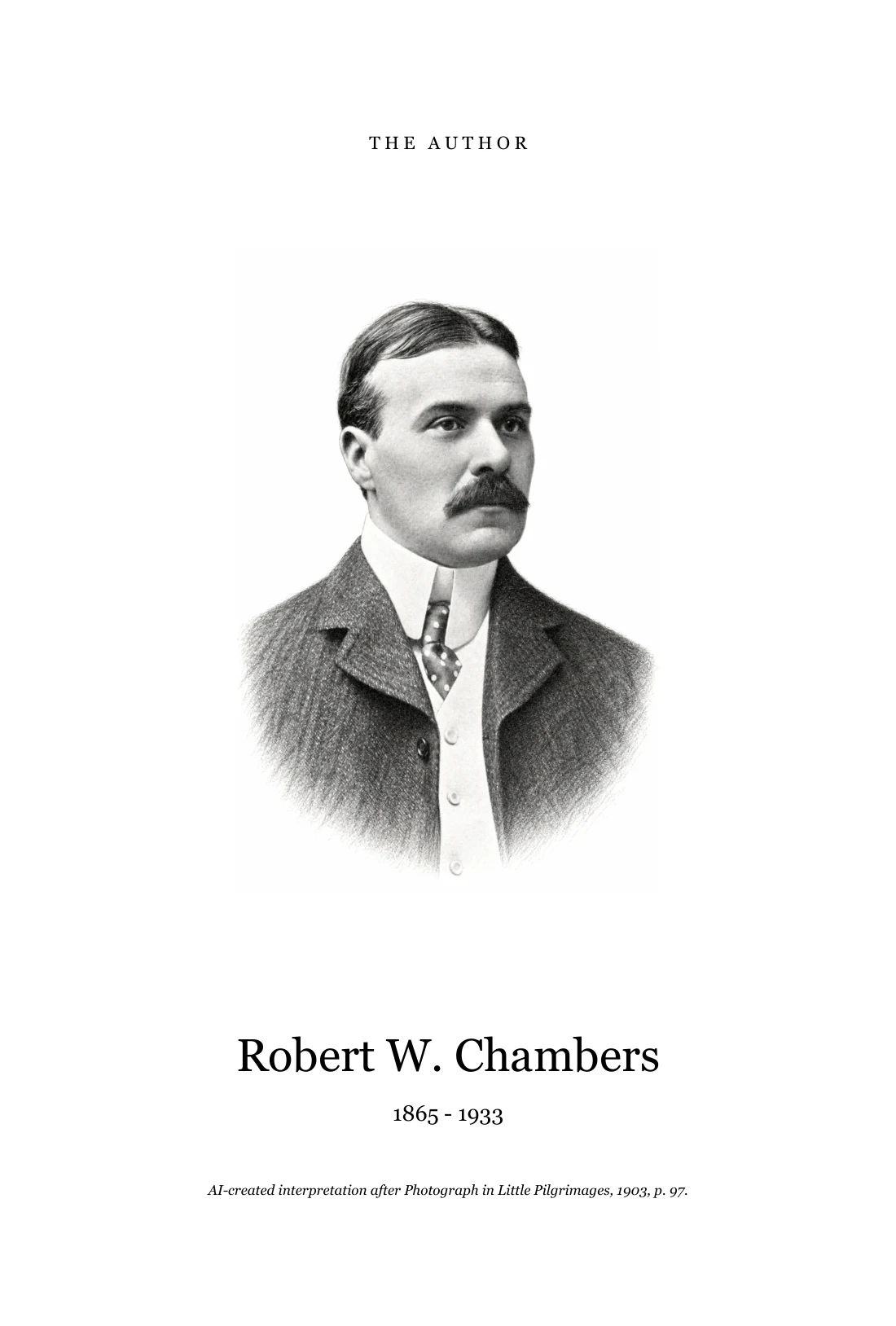
Robert W. Chambers: the forbidden book
Lovecraft read The King in Yellow in early 1927, late enough to slip it into his essay. Its first four stories circle a play that drives its readers mad, and the idea of a text too dangerous to read is close kin to Lovecraft’s own Necronomicon. In “The Whisperer in Darkness” he tipped his hat with passing references to the Yellow Sign and the Lake of Hali. Chambers himself had borrowed names such as Carcosa and Hastur from Ambrose Bierce. More in The King in Yellow and True Detective.
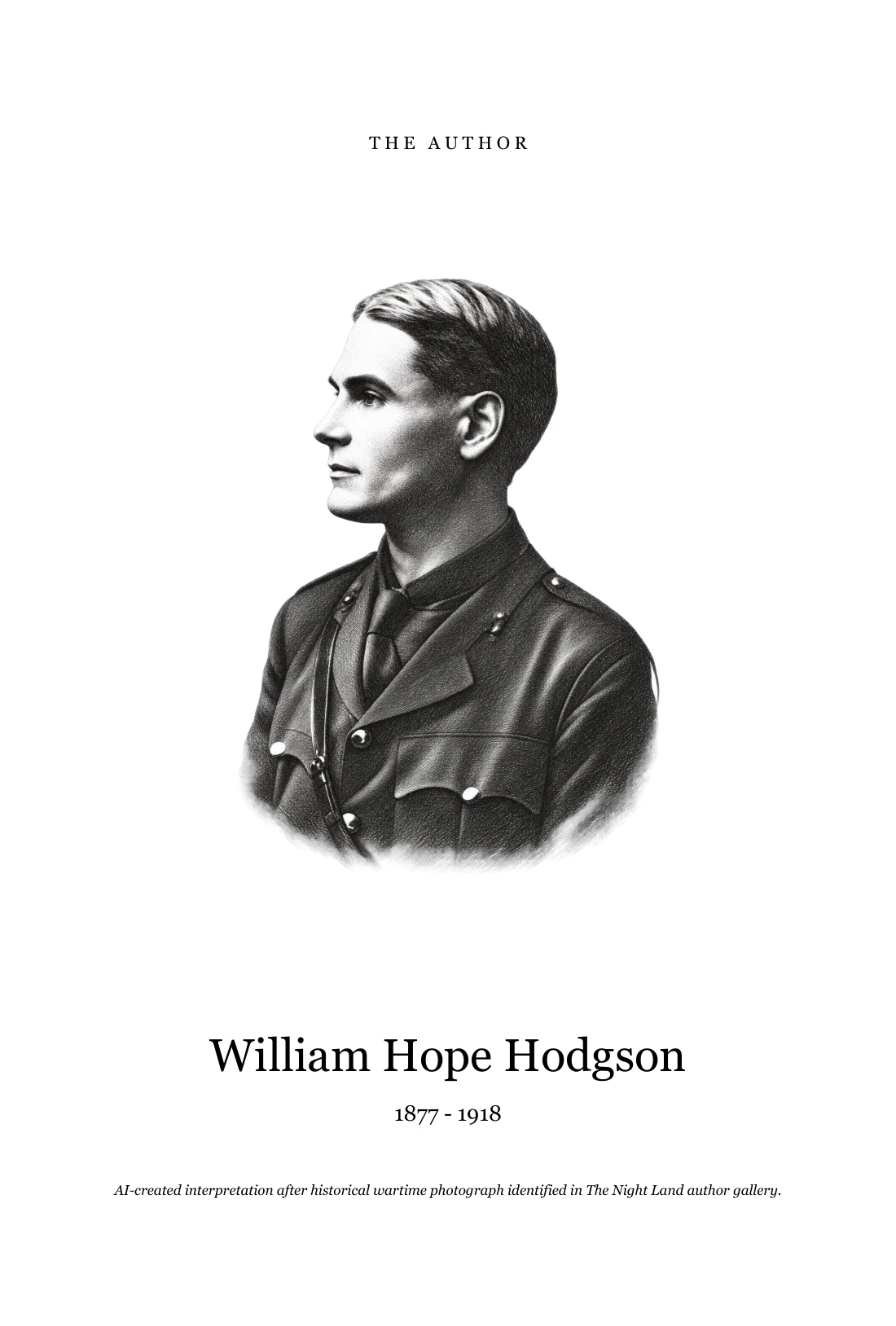
William Hope Hodgson: the late discovery
Hodgson had been dead for sixteen years when a friend, H. C. Koenig, introduced Lovecraft to his books in 1934. Lovecraft was delighted, and added him to the revised essay, judging The Night Land one of the most potent works of macabre imagination ever written. The House on the Borderland is the one to start with: a lonely house in the west of Ireland, a pit beneath it, and a vision that expands to the end of the solar system. See William Hope Hodgson: sea horror and the Night Land.
Reading Lovecraft’s influences today
A word of warning that applies to Lovecraft himself more than to these writers: his fiction and letters contain open racism, visible even in “The Call of Cthulhu”. Readers can admire the architecture of his horror without excusing the prejudices built into parts of it.
If you want the full genealogy, read The Call of Cthulhu first, then the influences, and come back to it. For more of the field around them, see weird fiction before Lovecraft and our gothic collection.
Or start where the epigraph points. Take The Willows on a windy night, and you will hear the voice Lovecraft chose to stand at the threshold of his most famous story.
Questions readers ask
Who influenced H. P. Lovecraft the most?
Lovecraft’s influences include Edgar Allan Poe, Lord Dunsany, Arthur Machen, Algernon Blackwood, Robert W. Chambers and William Hope Hodgson. In Supernatural Horror in Literature he named Machen, Blackwood, Dunsany and M. R. James as the modern masters of the field.
What was Lovecraft’s favourite weird story?
He is widely reported to have considered Algernon Blackwood’s The Willows the finest weird tale in English, and in Supernatural Horror in Literature he praised its restraint and atmosphere.
Did Lovecraft read The King in Yellow?
Yes. He read Robert W. Chambers’s collection in early 1927, discussed it in Supernatural Horror in Literature, and referred to the Yellow Sign and the Lake of Hali in “The Whisperer in Darkness”.
What should I read if I like Lovecraft?
Start with Blackwood’s The Willows, Machen’s The Great God Pan and Hodgson’s The House on the Borderland. All three share Lovecraft’s sense of vast, hostile forces beyond human understanding.