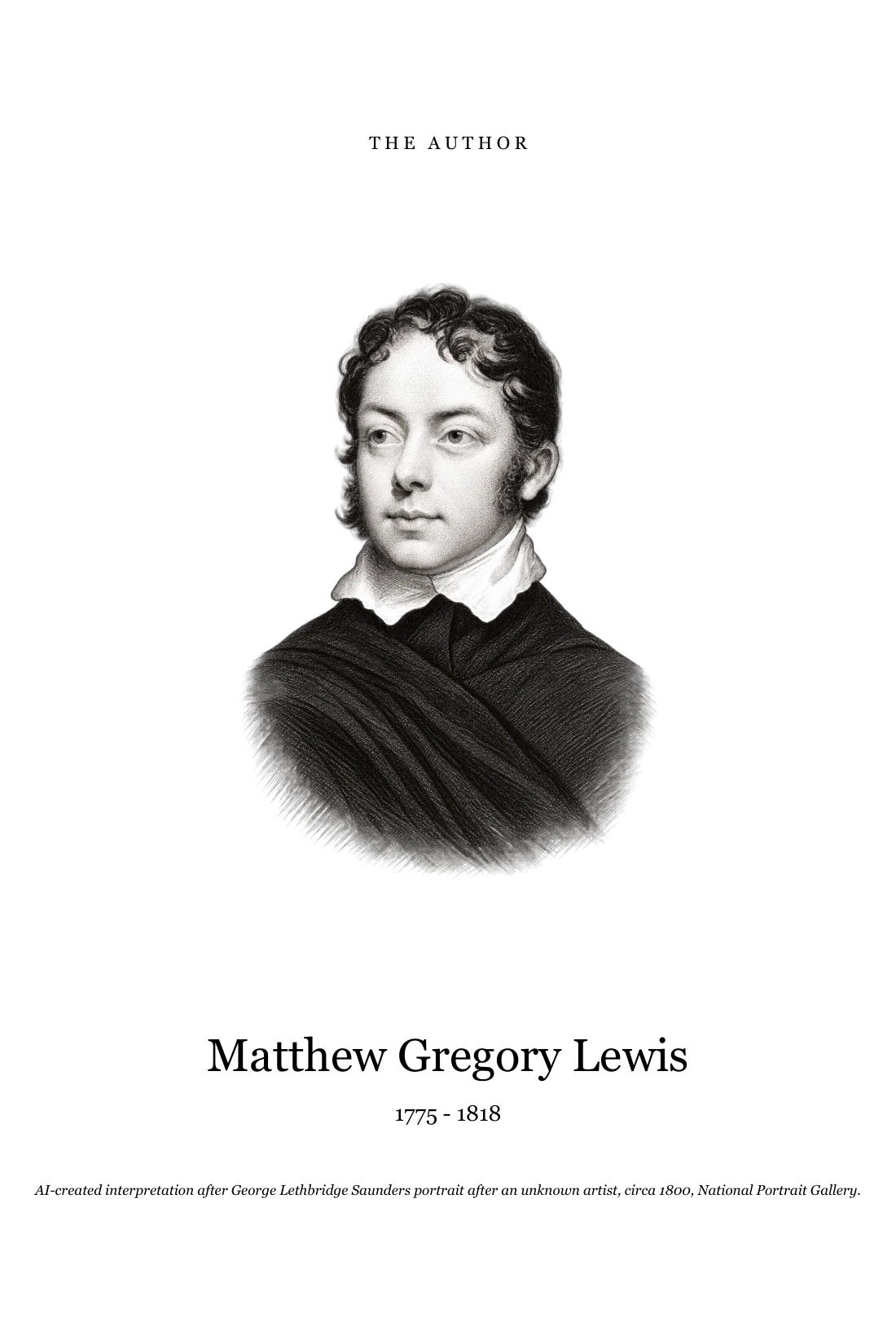
Matthew Lewis was twenty when The Monk came out in 1796. He claimed in a letter to have written it in ten weeks. It was so lurid that one critic argued a passage made it liable to prosecution. Lewis put his name to the second edition, adding the letters “M.P.” now that he sat in the House of Commons, and for the fourth edition, in 1798, he quietly cut the most offensive passages. He was known as “Monk” Lewis for the rest of his life.
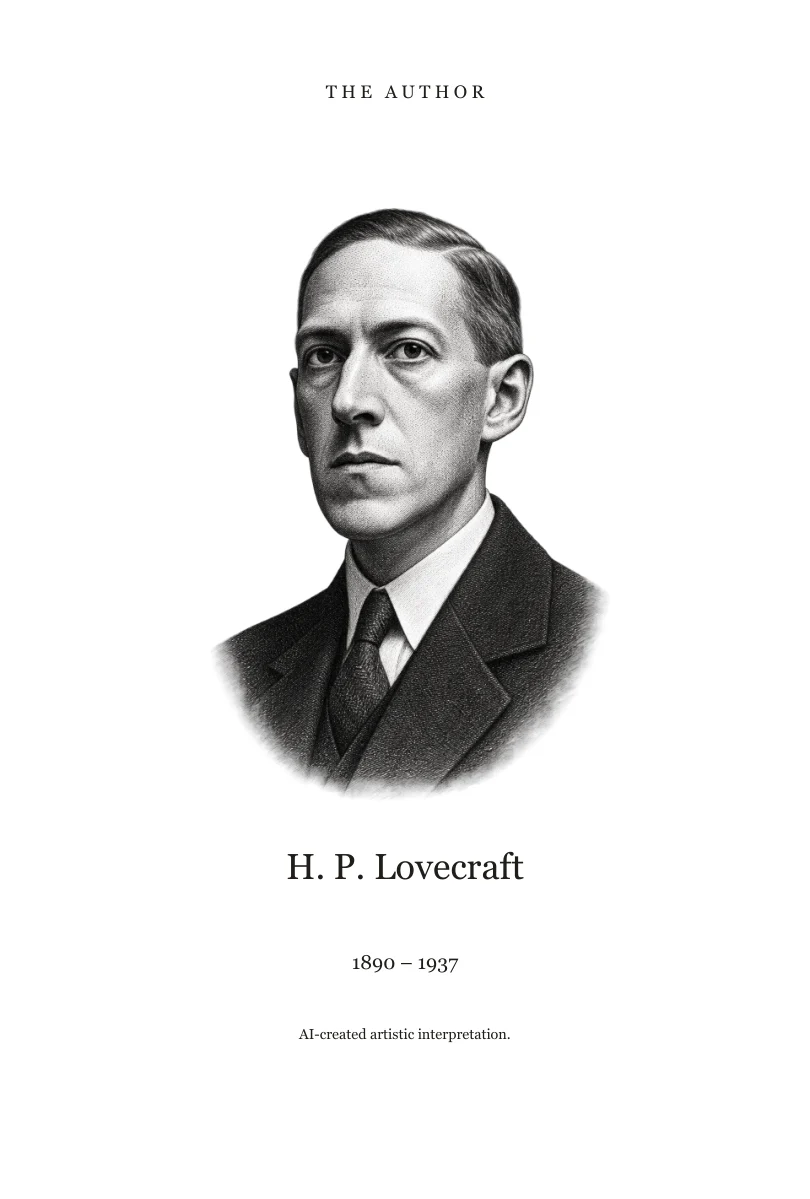
Classic horror books have always had that power to shock, but the ones that still frighten do something more. They find a fear that is older than their period trappings. H. P. Lovecraft put it bluntly at the start of his 1927 essay Supernatural Horror in Literature:
The oldest and strongest emotion of mankind is fear, and the oldest and strongest kind of fear is fear of the unknown.
H. P. Lovecraft, Supernatural Horror in Literature
So rather than rank these books, we have grouped them by the kind of fear they deal in. Pick the one that troubles you most.
The fear of what we might become
The Monk
1796. A famous Madrid preacher, admired for his purity, is tempted and falls, and keeps falling, into crimes that end in a bargain with the Devil. Lewis never explains his supernatural away, which was daring for its time and is still unnerving.
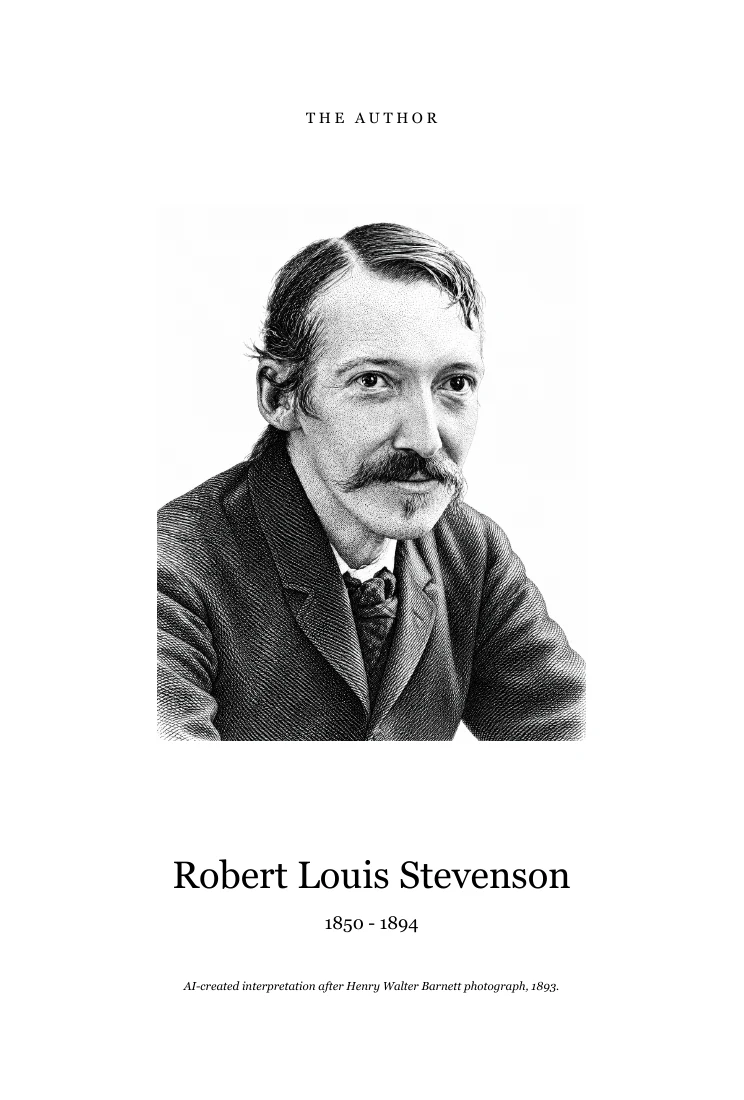
Strange Case of Dr Jekyll and Mr Hyde
1886. The respectable man and the thing inside him. Stevenson’s short novel is a study of double life, written in clipped, lawyerly prose that makes the violence more shocking when it comes.
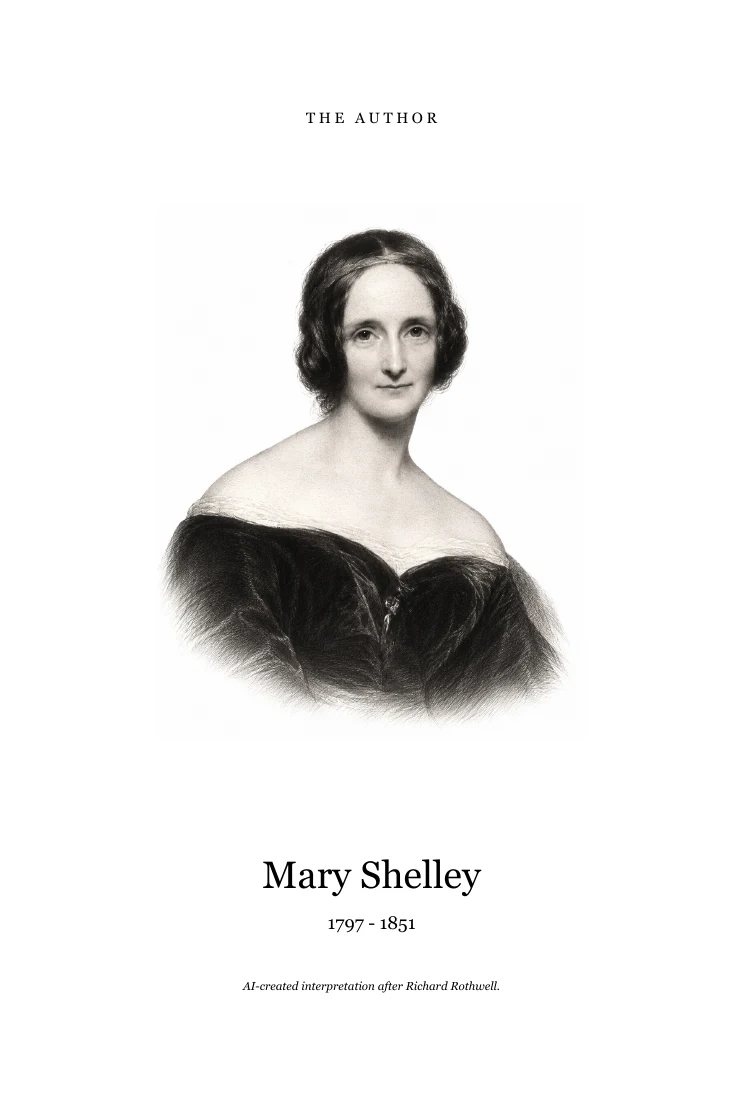
Frankenstein
1818. The horror here is not the creature but the creator who runs from his own work. Shelley’s book asks what we owe the things we make, and the answer it gives is chilling.


The fear of the thing that hunts you
Dracula
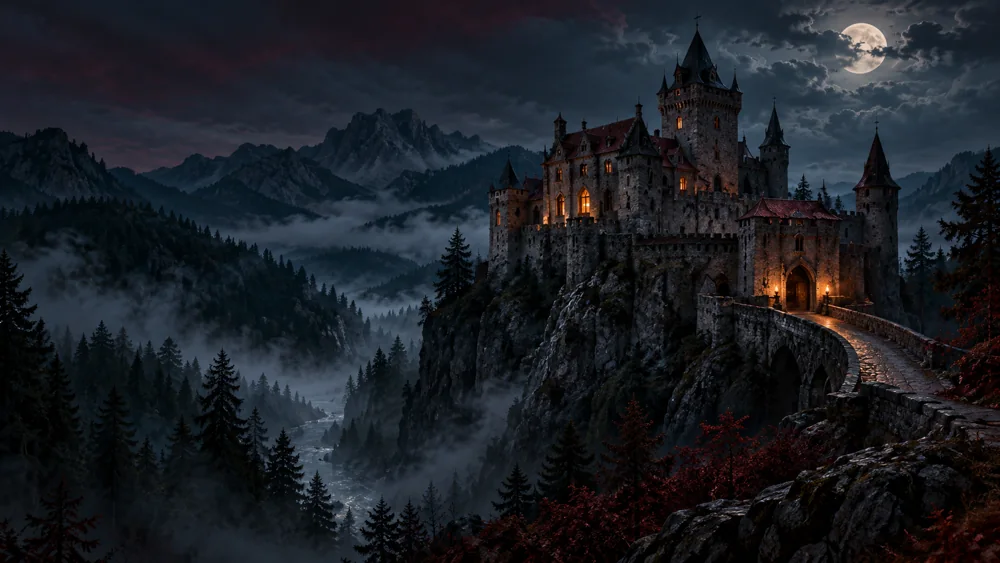
1897. A predator who is patient, intelligent and older than history, moving into the heart of modern London. The early chapters in the castle remain some of the most claustrophobic pages in English fiction.
The Lair of the White Worm
1911. Stoker’s last novel, published the year before his death, sets an ancient serpent-creature loose in the Derbyshire countryside under the guise of a society lady. Wildly strange, and the source of Ken Russell’s 1988 film.


The fear of knowing too much
This is the strand Lovecraft himself made famous, and it is the most modern-feeling of all: the terror that the universe is vast, ancient and utterly indifferent, and that learning the truth about it will break your mind.
- $14.99
The King in Yellow
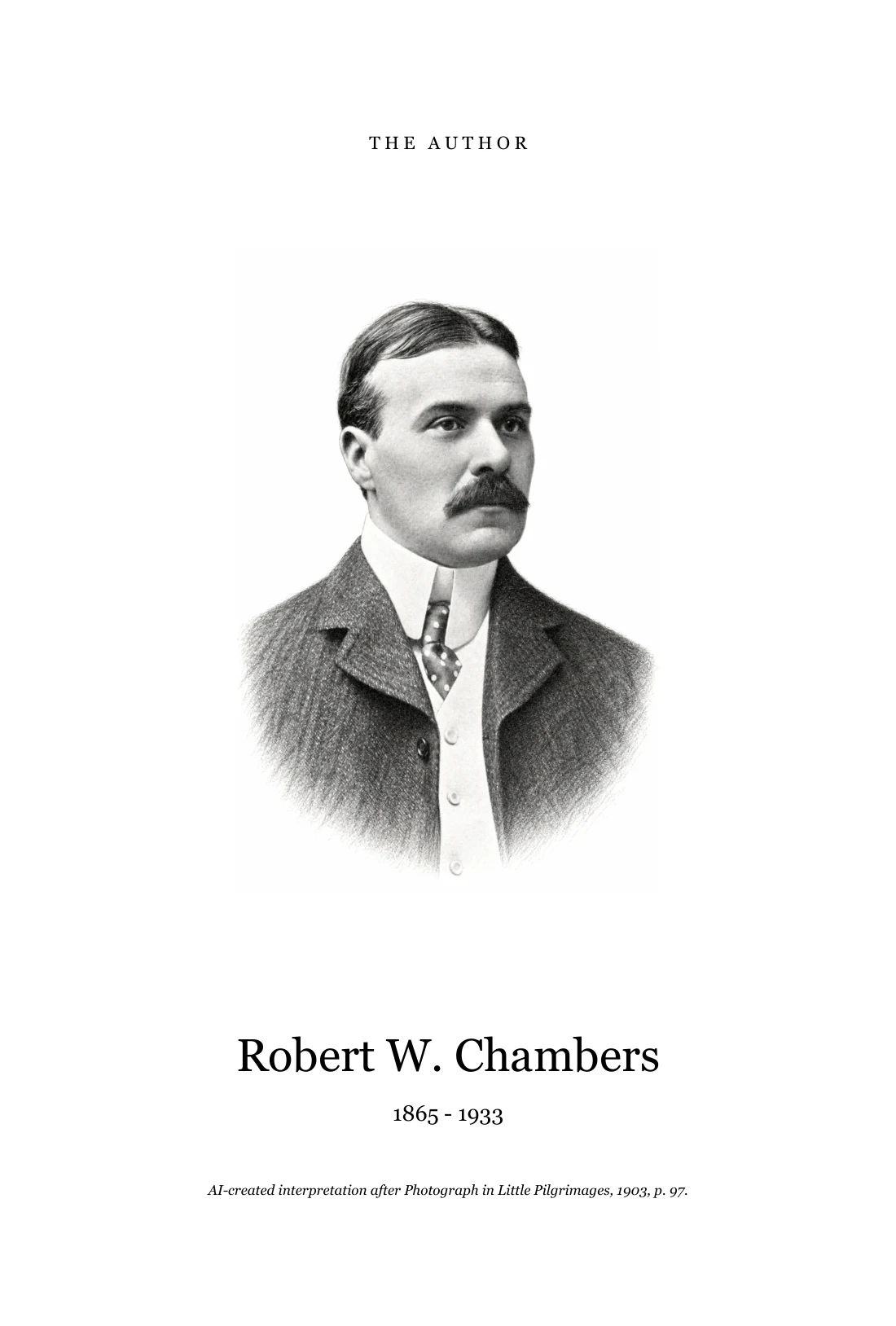
1895. The first four of Robert W. Chambers’s stories turn on a forbidden play that drives its readers mad. He borrowed the names Carcosa and Hastur from Ambrose Bierce, and his Yellow King returned to haunt the first season of television’s True Detective in 2014.
- $12.99
The House on the Borderland
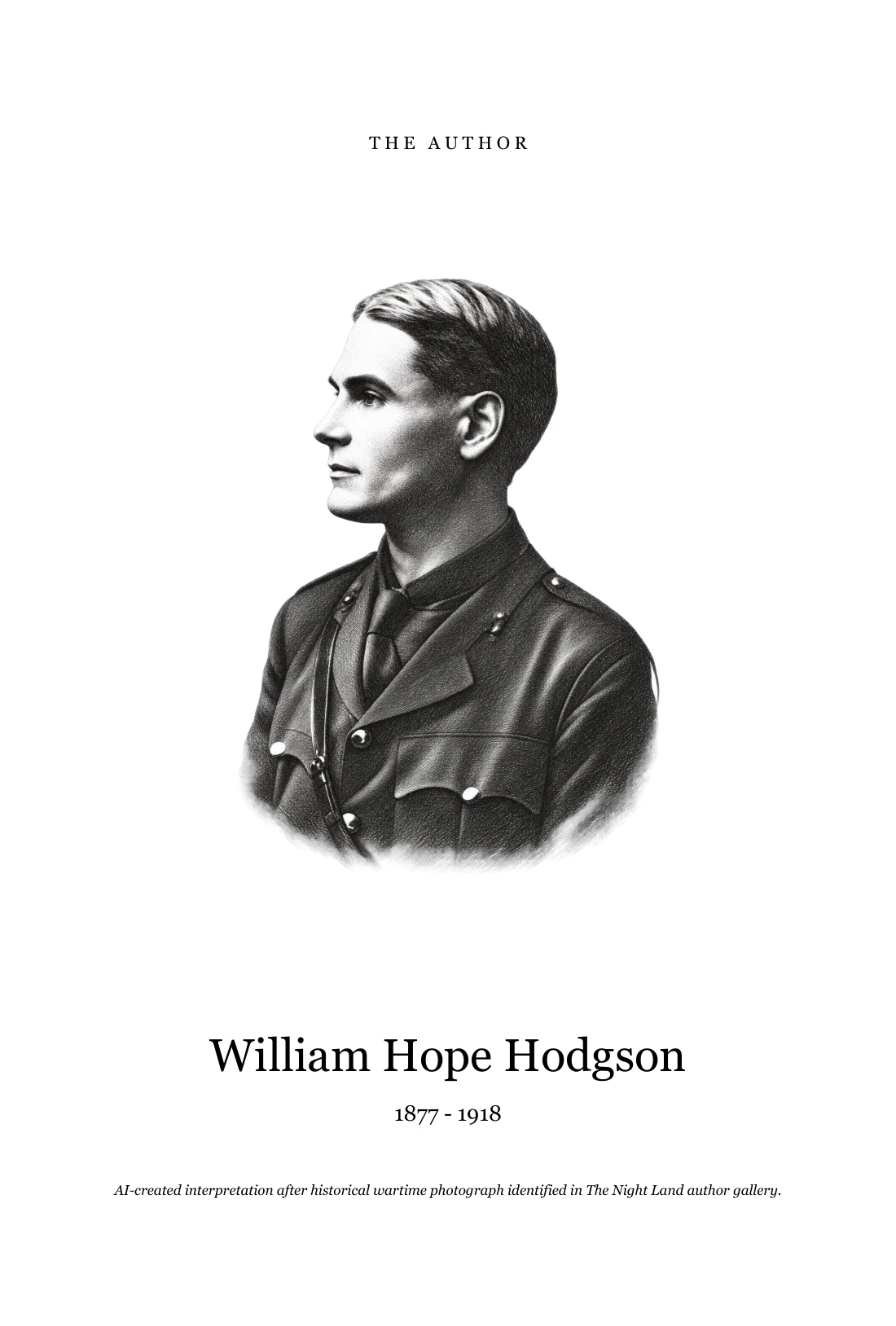
1908. A recluse in a lonely house in the west of Ireland is besieged by swine-like creatures from a pit, then swept out on a journey through time to the death of the solar system. William Hope Hodgson’s strangest book, and the one Lovecraft thought perhaps his greatest.
- $9.99
The Call of Cthulhu
1928. A dead man’s papers, a sailor’s testimony and a sculptor’s dreams point to something sleeping beneath the Pacific. Lovecraft’s best-known story, and the first to bring Cthulhu into the world.


Which classic horror book is the scariest?
It depends on what gets under your skin. Readers who fear violation and guilt tend to find The Monk the most disturbing. For sustained dread, nothing on this list beats the first four chapters of Dracula, with Jonathan Harker slowly realising he is a prisoner. For cosmic unease, try The House on the Borderland late at night: its central chapters, as the narrator watches the sun die, are unlike anything else written in its decade.
For something you can finish tonight, Jekyll and Hyde and The Call of Cthulhu are both short. For the purest pleasure, the kind where you keep reading although you would rather not, start with Dracula.
Are classic horror books still scary today?
Yes, though they rarely frighten through shock. Their authors had no special effects and little appetite for gore, so they worked on suggestion and on the slow build of evidence. Many of them are told through journals, letters or found manuscripts, a device that puts you in the position of someone piecing together a disaster after it has happened. It is the same trick modern found-footage films use, and it still works.
For gentler October reading, see Halloween reads: classic tales for October. For the roots of the genre, read The best Gothic novels, from Otranto to Dracula, and for the cosmic strand, Weird fiction before Lovecraft and The authors who influenced H. P. Lovecraft.
Then choose your fear. Our pick for a first night is The King in Yellow: read the first four stories, and see whether you dare turn to the second act of that play.
Questions readers ask
What are the best classic horror books?
Frankenstein, Dracula and Strange Case of Dr Jekyll and Mr Hyde are the essential three. For something less familiar, try The Monk, The King in Yellow, The House on the Borderland or Lovecraft’s The Call of Cthulhu.
What was the first horror novel?
Horace Walpole’s The Castle of Otranto (1764) is usually called the first Gothic novel, and so the ancestor of horror fiction. The Monk (1796) pushed the genre much further into explicit horror.
What is cosmic horror?
Horror built on the idea that the universe is vast, ancient and indifferent to humanity, so that knowledge itself is dangerous. Lovecraft is its best-known writer, but Chambers’s The King in Yellow and Hodgson’s The House on the Borderland came first.