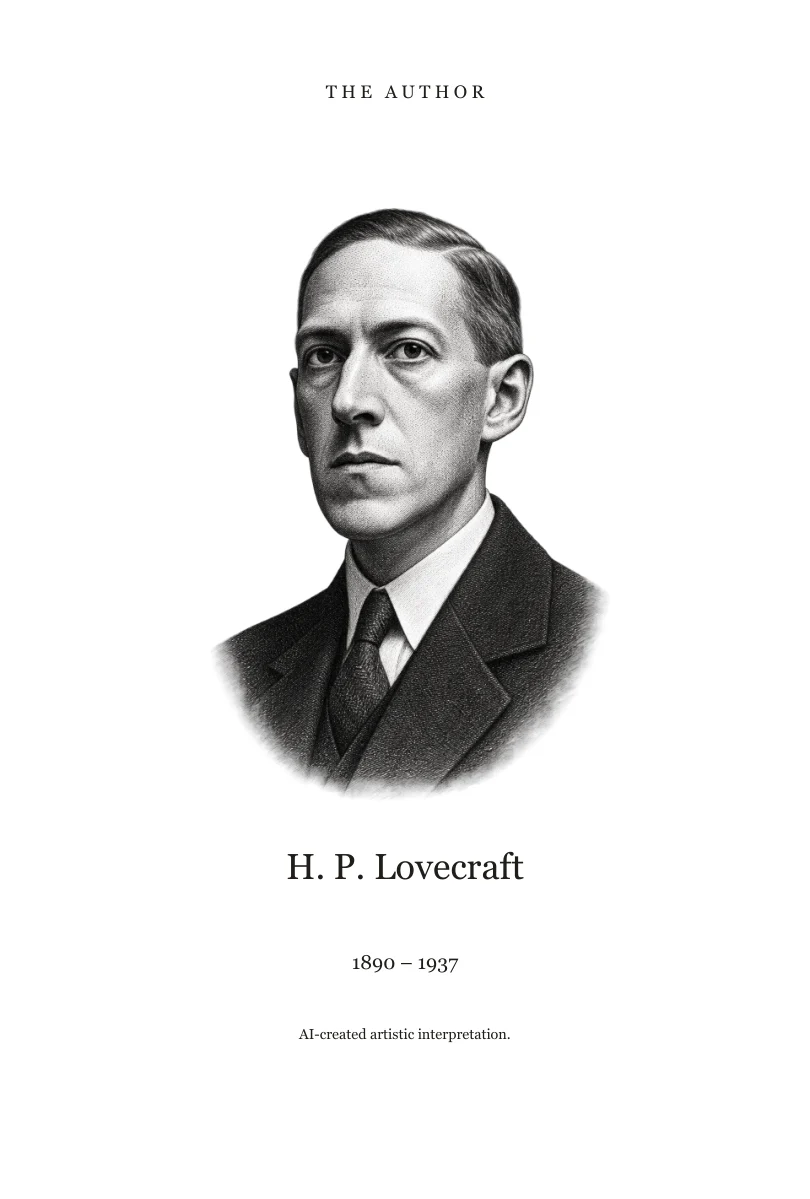
In the summer of 1926, back home in Providence after two unhappy years in New York, H. P. Lovecraft wrote a story about a sculpture, a cult and a city at the bottom of the Pacific. He sent it to Weird Tales, the pulp magazine that had been publishing his stories since 1923. Its editor, Farnsworth Wright, rejected it.
So yes, The Call of Cthulhu was first turned down by Weird Tales, the very magazine that made it famous. Wright changed his mind only later, and according to Lovecraft’s biographer S. T. Joshi, he did so after Lovecraft’s young friend Donald Wandrei let it be understood, untruthfully, that Lovecraft was thinking of sending his work to another market. The story finally appeared in the February 1928 issue, a year and a half after it was written.
Why did Weird Tales reject The Call of Cthulhu?
Wright’s exact objection is not recorded in most accounts, but he turned down a number of Lovecraft’s best stories over the years. One biographer suggests he refused “In the Vault” at the end of 1925 because it was too gruesome, and in 1931 he would reject At the Mountains of Madness on the grounds of its length. Writer and editor never had an easy relationship.
Lovecraft himself was not much help to the story’s cause. He called it “rather middling — not as bad as the worst, but full of cheap and cumbrous touches”. That is a harsh verdict on a tale that would give its name to a whole body of fiction and, eventually, to films, games and a role-playing system played around the world.
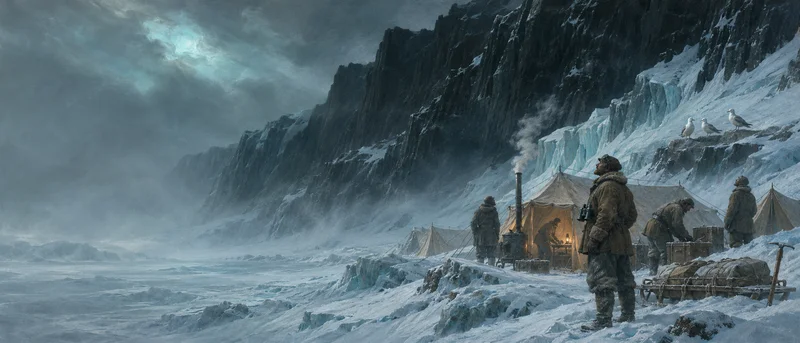
What is The Call of Cthulhu about?
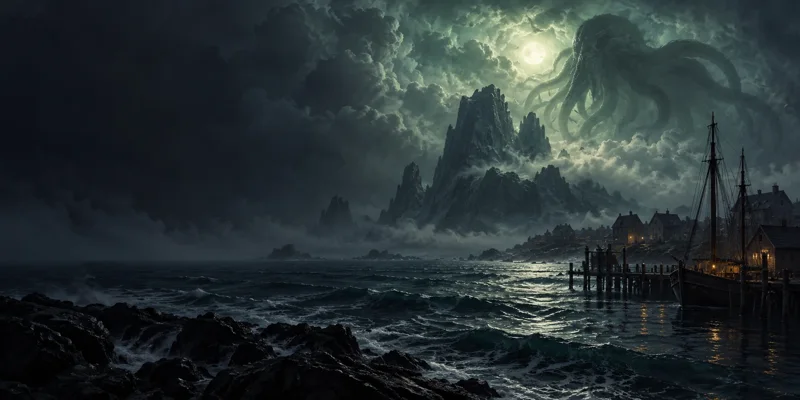
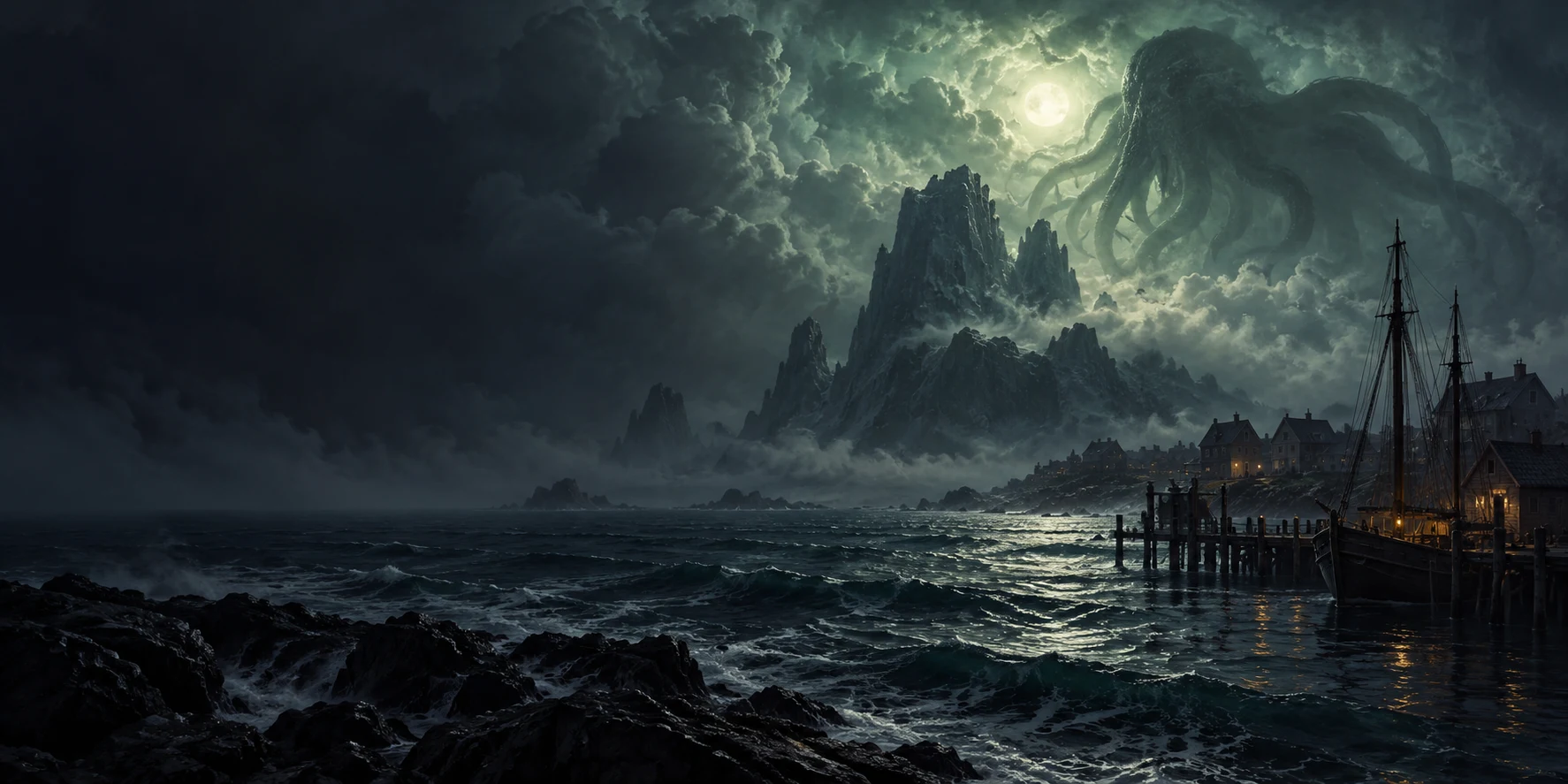
It is told in three parts, each a different kind of evidence. In “The Horror in Clay”, the Boston narrator, Thurston, sorts through the papers of his late great-uncle, a Brown University professor, and finds a clay bas-relief made by a young sculptor from his own feverish dreams. In “The Tale of Inspector Legrasse”, the professor’s notes recall a New Orleans police officer who once raided a ritual in the Louisiana swamps and brought back a statuette that matches the dream sculpture. In “The Madness from the Sea”, a sailor’s account describes what his crew found on an uncharted island in the South Pacific.
The horror is in the piecing together. No one character sees the whole picture until the narrator does, and the closer he gets, the less he wants to know. The cultists’ chant, “Ph’nglui mglw’nafh Cthulhu R’lyeh wgah’nagl fhtagn”, is translated in the story with a line that has outlived its author: “In his house at R’lyeh dead Cthulhu waits dreaming.”
The most merciful thing in the world, I think, is the inability of the human mind to correlate all its contents. We live on a placid island of ignorance in the midst of black seas of infinity, and it was not meant that we should voyage far.
H. P. Lovecraft, The Call of Cthulhu
Why is it so influential?
That opening paragraph is the heart of what critics call Lovecraft’s cosmicism. Earlier ghost stories frightened readers with the dead coming back. Lovecraft’s idea was colder: that human beings are a brief and unimportant accident in a universe that does not notice them, and that real knowledge of our position would destroy us. The Call of Cthulhu intensified that idea and added another: that alien beings older than humanity have influenced it all along, a notion that came to dominate the rest of his work.
Other writers in Lovecraft’s circle soon borrowed its names and gods for their own stories, and after his death in 1937 the borrowing became a tradition. Much of what is now called Lovecraftian horror, from the forbidden book to the scholar who reads too much, is already here in some twelve thousand words.
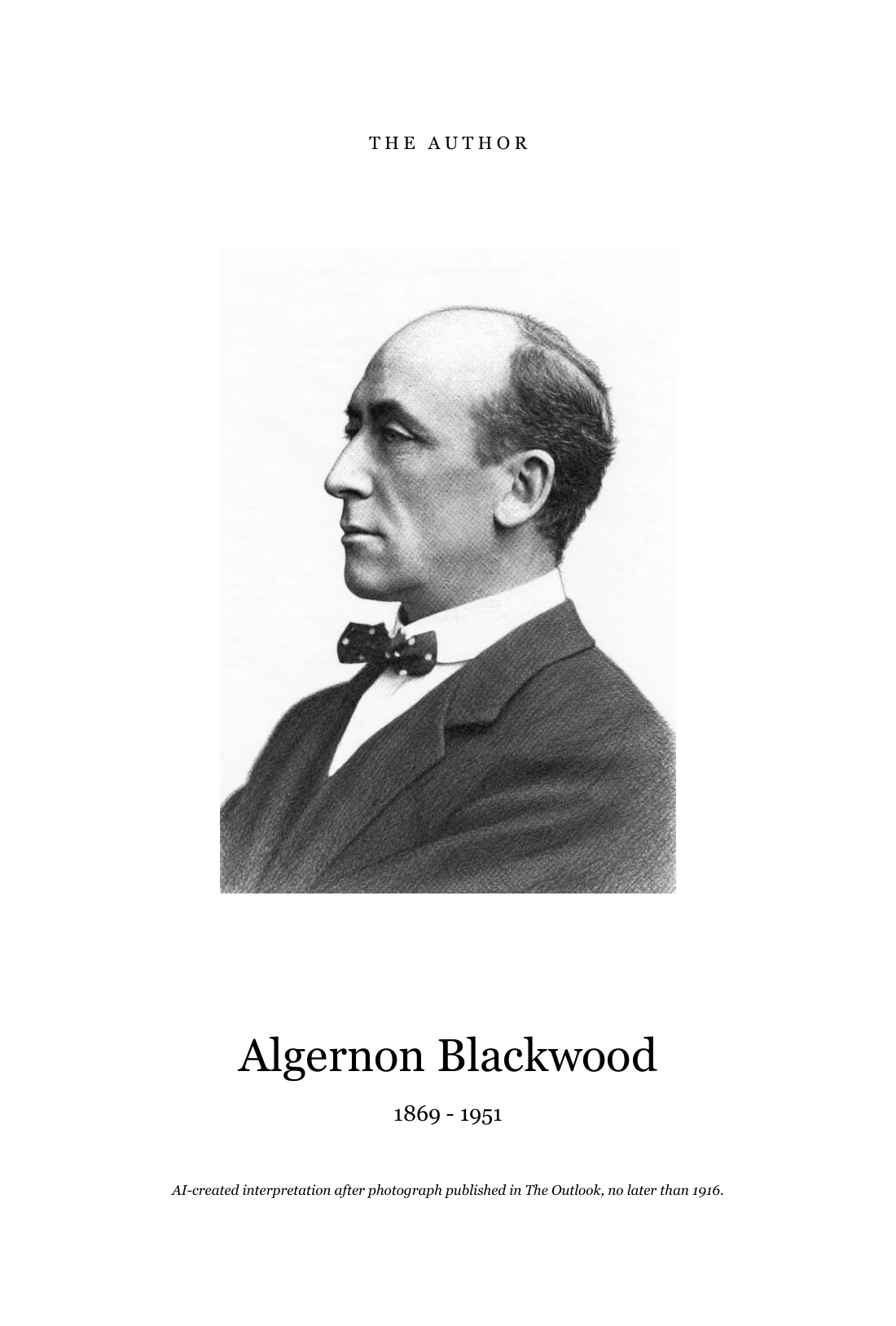
He did not invent it from nothing. The story’s epigraph comes from Algernon Blackwood, and scholars have pointed to Arthur Machen’s technique of assembling a horror from scattered documents, and to Lord Dunsany’s sleeping gods, as models.
The Call of Cthulhu
1928. A professor’s papers, a police raid in the Louisiana swamps and a sailor’s last testament, assembled into one slow revelation. Short enough for an evening, if you can sleep afterwards.
At the Mountains of Madness
Written in 1931 and rejected by Weird Tales for its length. An Antarctic expedition finds a vast ruined city, and Lovecraft’s cosmic horror becomes something close to science fiction.
The Willows
1907. Algernon Blackwood’s two canoeists camp on a Danube island and sense something enormous and indifferent around them. Lovecraft considered it the finest supernatural tale in English.



Further into the weird
Lovecraft’s high opinion of Blackwood is explored in Why did H. P. Lovecraft rate The Willows so highly?, and the wider family tree in The authors who influenced H. P. Lovecraft and Weird fiction before Lovecraft. For more stories that frighten without a single ghost, see Classic horror novels that still frighten.
Wright nearly let it get away. Don’t make the same mistake: The Call of Cthulhu takes an hour, and that first paragraph alone will make the placid island of your evening feel very small.
Questions readers ask
Was The Call of Cthulhu rejected?
Yes. Weird Tales editor Farnsworth Wright first rejected it. He accepted it later, reportedly after Donald Wandrei suggested Lovecraft might submit his work elsewhere, and it appeared in the February 1928 issue.
When was The Call of Cthulhu written?
Lovecraft wrote it in the summer of 1926, after returning to Providence from New York. It was published in Weird Tales in February 1928.
How long is The Call of Cthulhu?
It is a long short story of roughly twelve thousand words, divided into three chapters. Most readers can finish it in an hour or so.
What does “Ph’nglui mglw’nafh Cthulhu R’lyeh wgah’nagl fhtagn” mean?
In the story, the cultists’ chant is translated as “In his house at R’lyeh dead Cthulhu waits dreaming.”