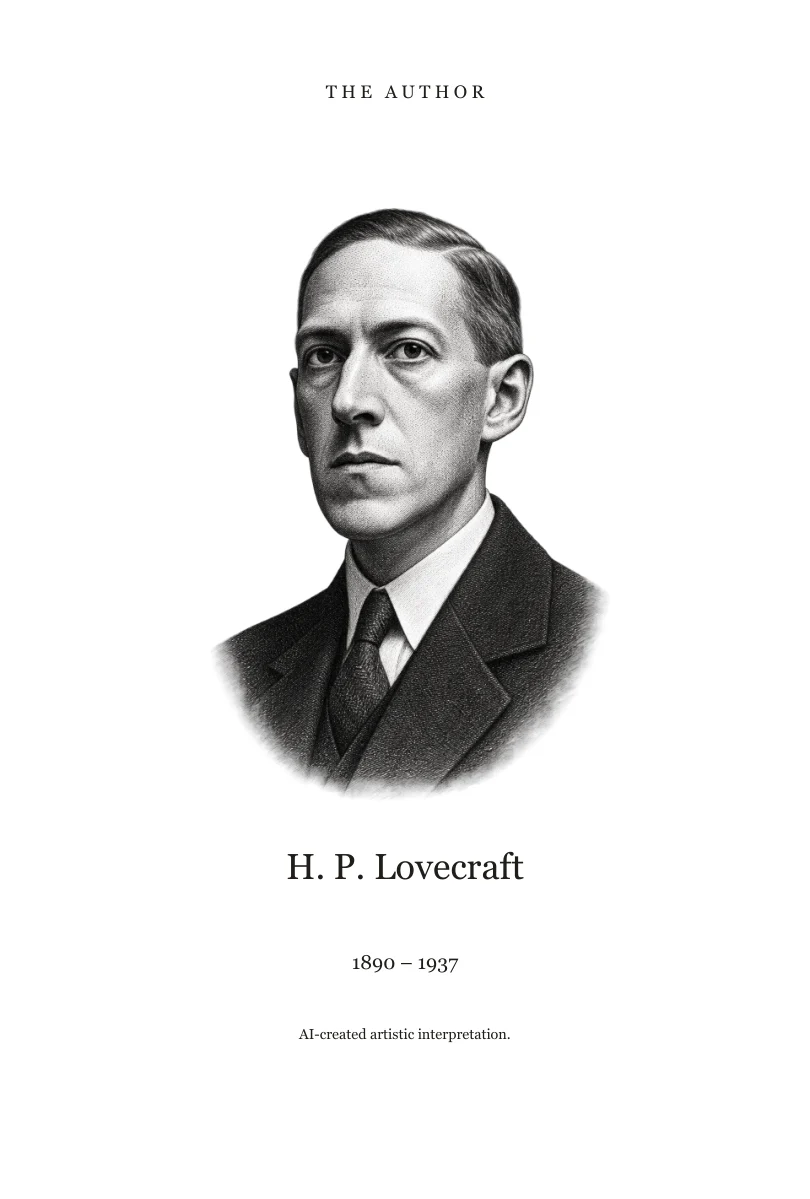
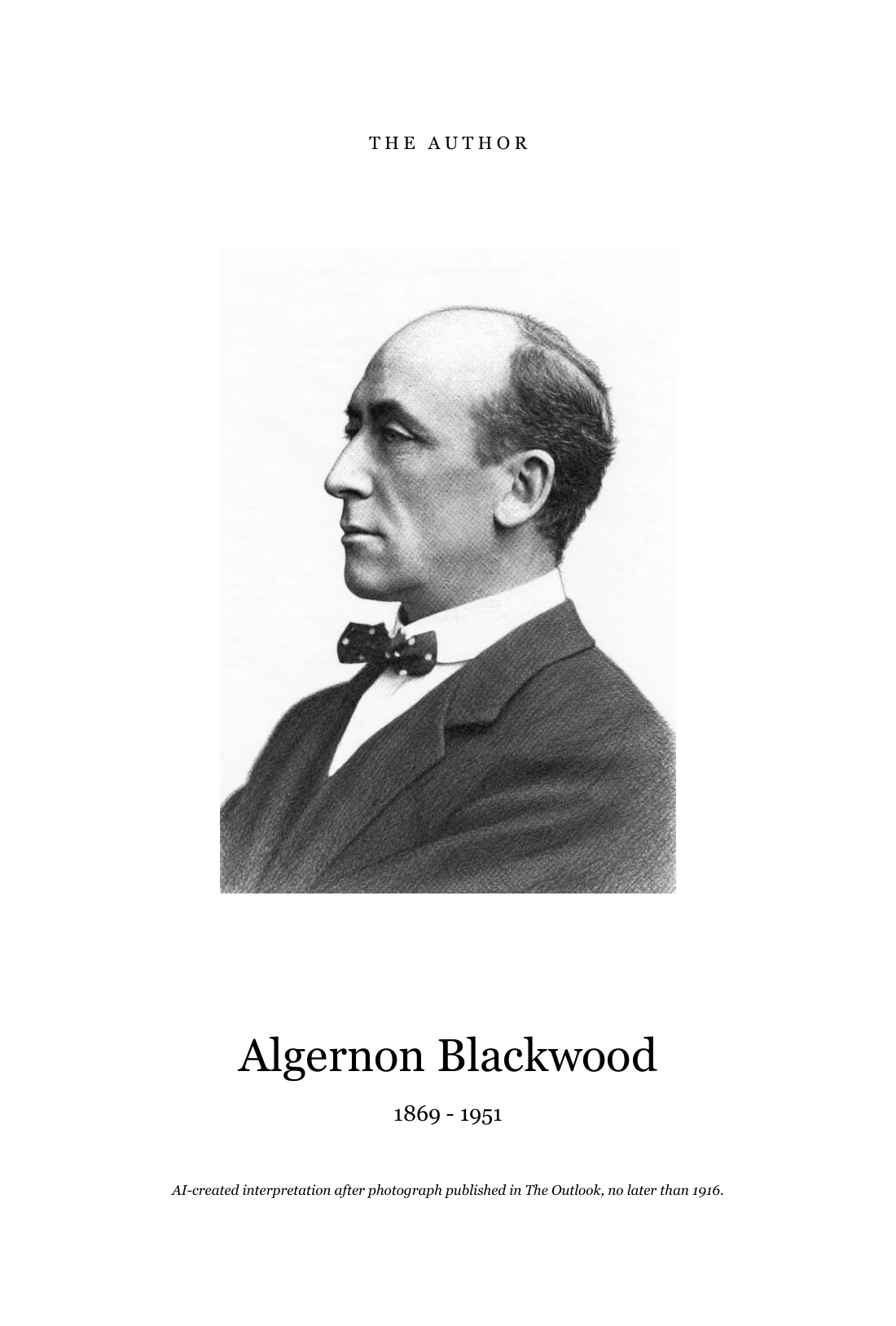
The Willows, a long story by Algernon Blackwood first published in 1907, held a special place for H. P. Lovecraft. In his long essay Supernatural Horror in Literature, finished in 1927, Lovecraft put it at the head of Blackwood’s work and praised its restraint, its atmosphere and its absence of a single false note. In his letters, by most accounts, he went further and called it the finest weird tale in the language.
Coming from the writer who would shape a century of horror fiction, that is quite a compliment. It is also a useful guide to what The Willows does: it frightens not with a monster, but with the growing certainty that the world is much larger and stranger than human beings were meant to know.
What is The Willows about?
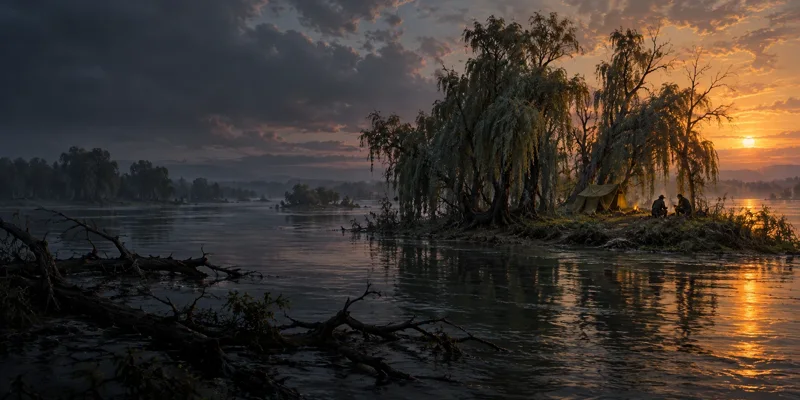
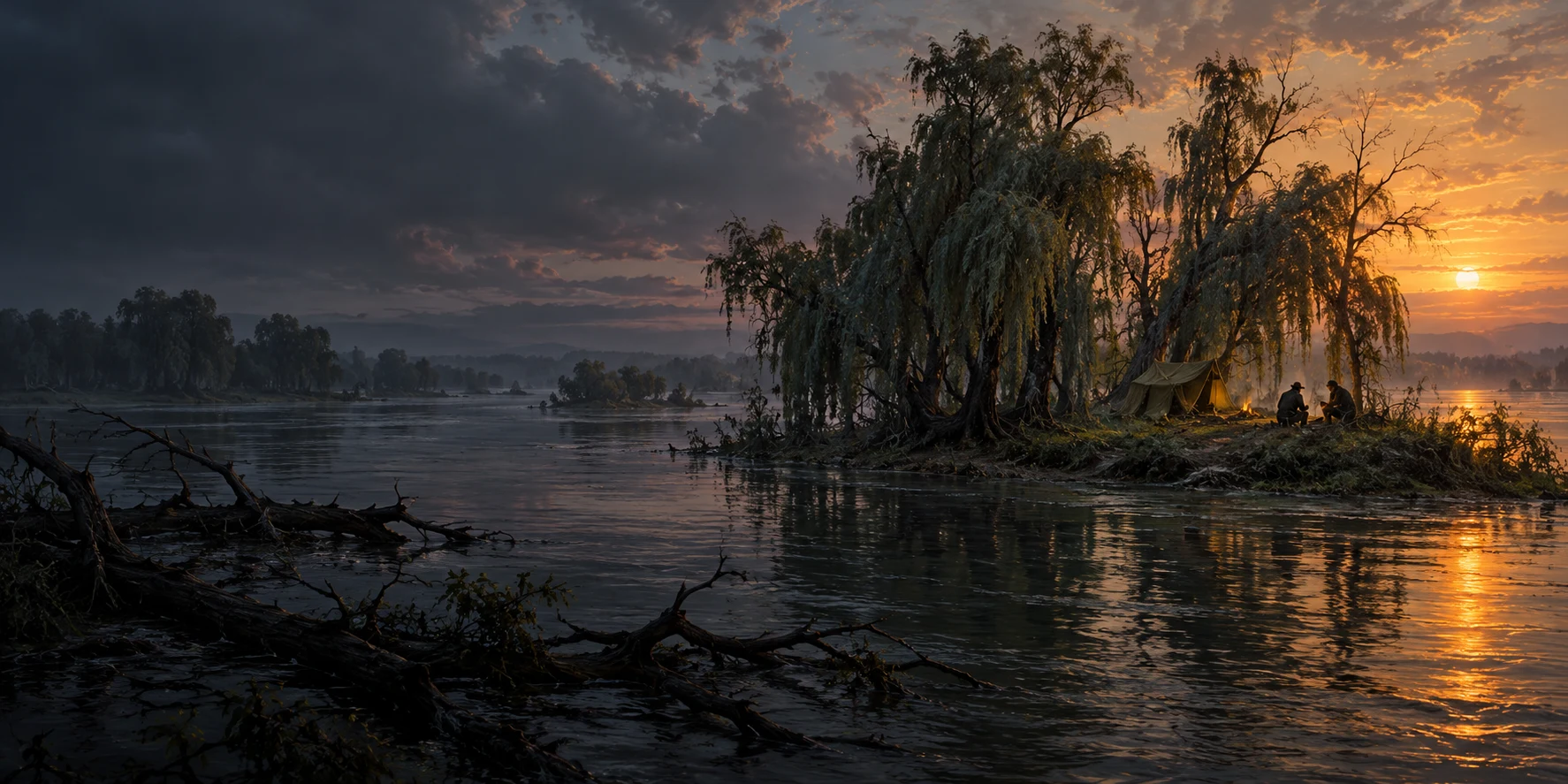
The narrator and his companion, a practical, unflappable man he calls the Swede, are canoeing down the Danube below Vienna. The river is in flood, and it spreads out into a wilderness of marshes and sandbanks covered with low, endlessly moving willow bushes. They camp for the night on one of these islands, and begin to notice things.
The wind will not stop. The willows seem to shift and crowd closer. There are sounds that may be a gong or may be the river. Something in the landscape, both men slowly feel, is aware of them — and does not want them there. Blackwood lets the dread build hour by hour, without ever quite telling you what is happening.
Why did Lovecraft love The Willows?
Lovecraft believed the best weird fiction should convey a sense of what he called cosmic fear: the feeling that the laws of nature are thin and that vast, indifferent forces lie just beyond them. Most ghost stories of his day, he thought, were too cosy, or too eager to explain themselves. The Willows does neither. Its horror is not a ghost with a grievance but something utterly alien, glimpsed at the edge of human understanding.
You can see its influence in Lovecraft’s own work, where ordinary men stumble upon things from outside, and are never the same afterwards. If you have read The Call of Cthulhu, you will recognise the family resemblance at once. We trace the line from Blackwood and his contemporaries to Lovecraft in the authors who influenced Lovecraft.
The Willows
1907. Two men, a canoe and a flooded island on the Danube. Blackwood’s masterpiece of creeping, wordless dread.
The Wendigo
1910. A hunting trip in the Canadian backwoods, a terrified guide and a legend of something that moves through the forest faster than anything should.
The Empty House and Other Ghost Stories
1906. Blackwood’s first story collection: haunted houses, spectral visitors and the occult, in a more traditional ghost-story vein.
The Call of Cthulhu
Lovecraft’s most famous tale, built from the same sense of ancient, indifferent powers that he admired in Blackwood.


The Wendigo and Blackwood’s other tales
If The Willows is Blackwood’s Danube nightmare, The Wendigo is his Canadian one. Blackwood went out to Canada as a young man and came to love its wilderness, and in this story a moose-hunting party in the northern woods confronts a creature from local legend. Lovecraft admired it too, and it is often read as a companion piece: another small group of people, out of their depth in a landscape that is far bigger than they are.
Blackwood wrote a great many stories over a long career, from straightforward hauntings to mystical tales about nature and childhood, and later became well known on BBC radio, telling ghost stories to a new generation. We look at his work more widely in Algernon Blackwood’s ghost stories.
What is The Willows like to read today?
Slow, atmospheric and genuinely unsettling. It is a long short story rather than a novel — an evening’s reading — and much of it is landscape description, which is where the fear lives. Readers raised on fast-paced horror may need to adjust to its patience, but the payoff is a story that lingers for days. It is best read at night, ideally with the wind up.
It suits anyone who loves Lovecraft, folk horror or the eerie side of nature writing. For more weird fiction from the same years, see weird fiction before Lovecraft, and for other tales that fit into a single sitting, classics you can read in one evening.
Then push off from Vienna with Blackwood’s two travellers. The Willows begins as a holiday on a river in flood — and the island looks like the perfect place to camp.
Questions readers ask
What did Lovecraft say about The Willows?
In Supernatural Horror in Literature (1927), Lovecraft placed The Willows first among Blackwood’s stories and praised its restraint and atmosphere. In his letters he is reported to have called it the finest weird tale ever written.
What is The Willows by Algernon Blackwood about?
Two men canoeing down the flooded Danube camp on a small island covered in willows and become aware of an alien presence in the landscape around them.
How long is The Willows?
It is a long short story, or novelette, that most readers finish in an hour or two.
Is The Willows scary?
It is unsettling rather than gory. The horror comes from atmosphere and suggestion, and many readers find it more frightening for what it never shows.