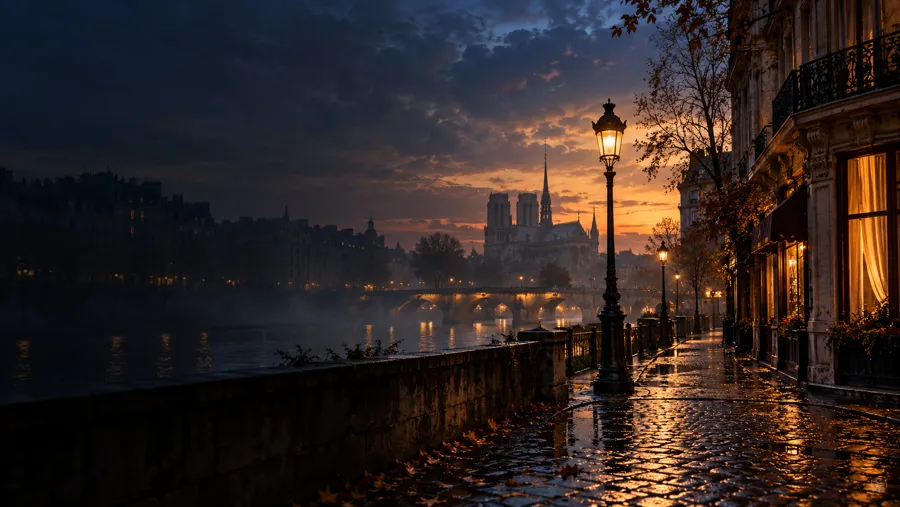
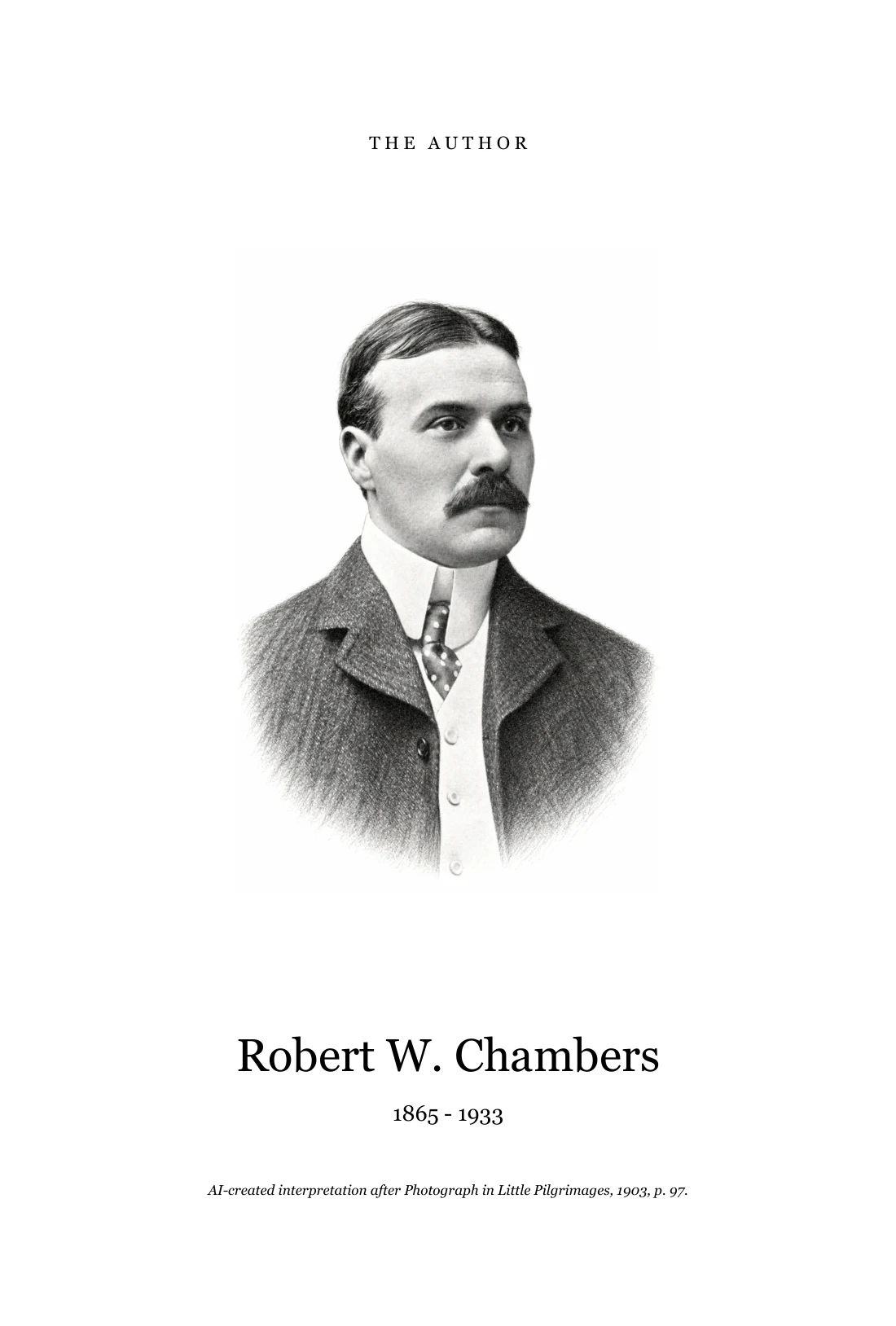
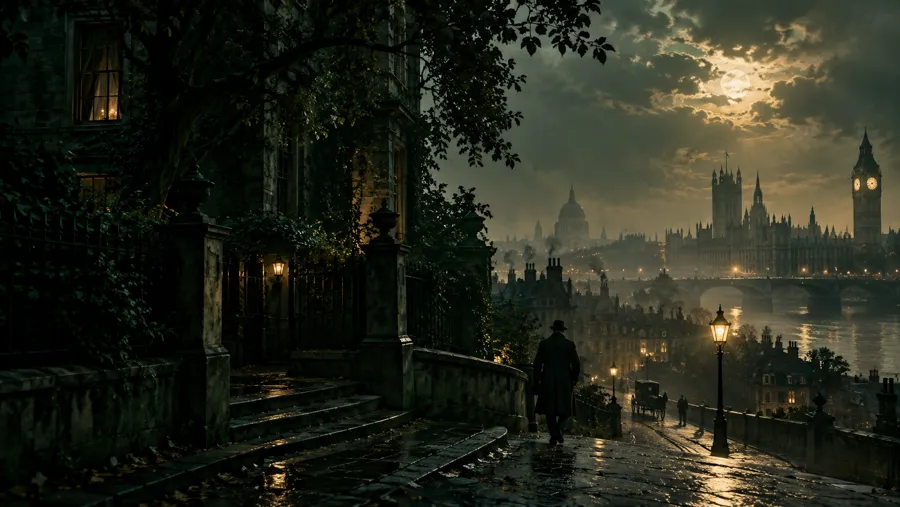
On 13 April 1920, according to a story published in 1895, the United States government opened its first Lethal Chamber on the south side of Washington Square in New York. It stands in a garden of lawns behind a gilded railing, and an official declares it open with the promise of “a painless death” for anyone who “can no longer bear the sorrows of this life”. The story is “The Repairer of Reputations”, the first tale in Robert W. Chambers’s The King in Yellow, and its narrator is not to be trusted about anything.
That mix of the ordinary and the impossible, told in a perfectly level voice, is what readers now call weird fiction. The term belongs to the 1920s, when the pulp magazine Weird Tales gave it a home and Lovecraft became its most famous practitioner. But the best weird fiction books came earlier, from a handful of British and American writers who had already found ways to make the universe feel enormous, indifferent and slightly wrong.
The weird fiction books that came first
- $14.99
The King in Yellow
1895. Four linked stories haunt a play that drives its readers mad, and a symbol, the Yellow Sign, that no one should see. The rest of the book drifts off into romances of artists in Paris, so read the first four in a row.
- $14.99
The House of Souls
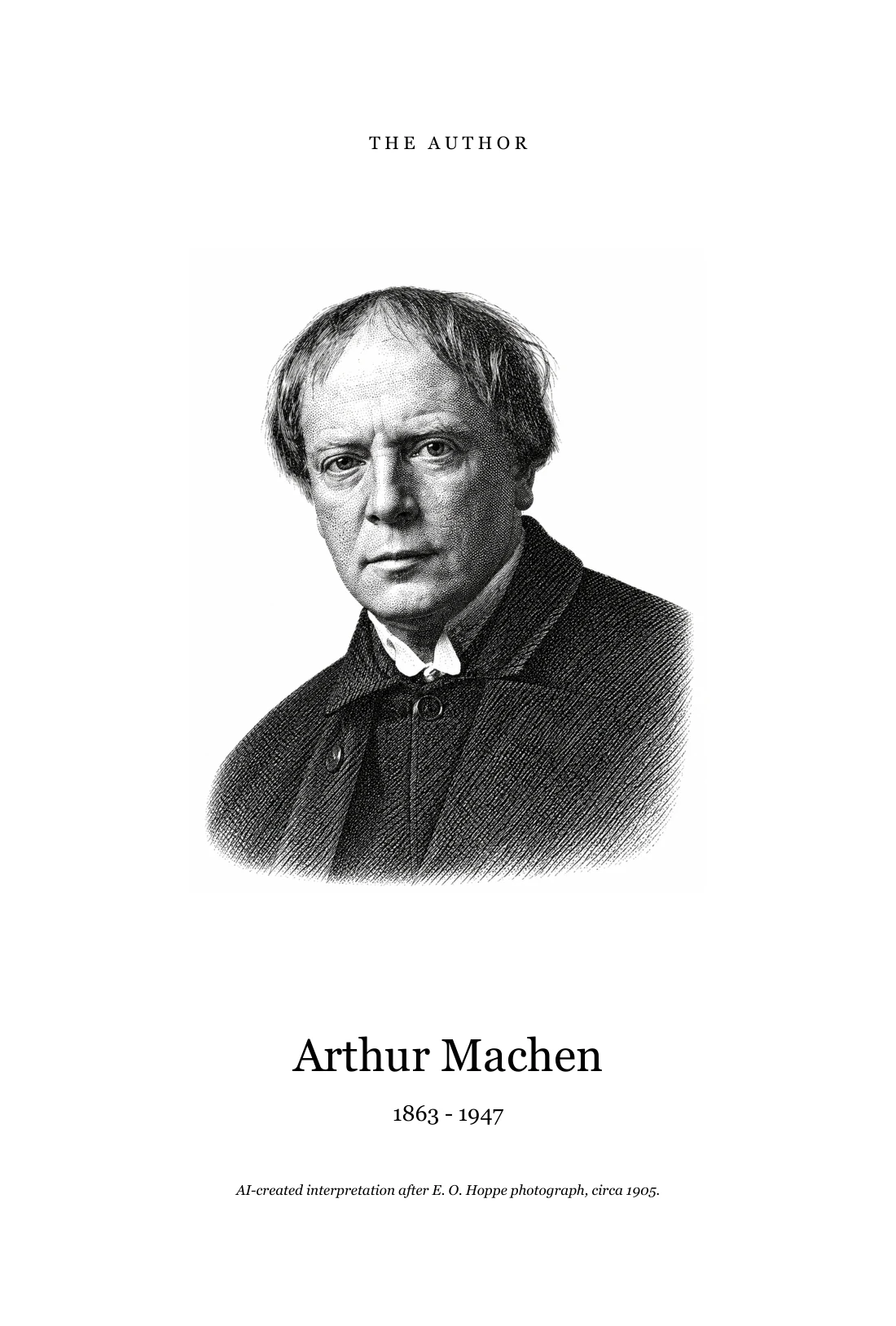
Arthur Machen’s great 1890s tales, collected in 1906, including “The Great God Pan” and “The White People”. Old gods survive in the Welsh borders, and the people who glimpse them do not come back whole.
- $9.99
The Gods of Pegana
1905. Dunsany’s first book invents a whole religion, with its own gods, prophets and scripture, in prose like an older Bible. No horror, only an awe that leaves you a little cold.
- $9.99
The Willows
1907. Two men camp on an island in the flooded Danube and slowly realise the willows are aware of them. A long story with almost nothing on the page that could be called a monster.
- $12.99
The House on the Borderland
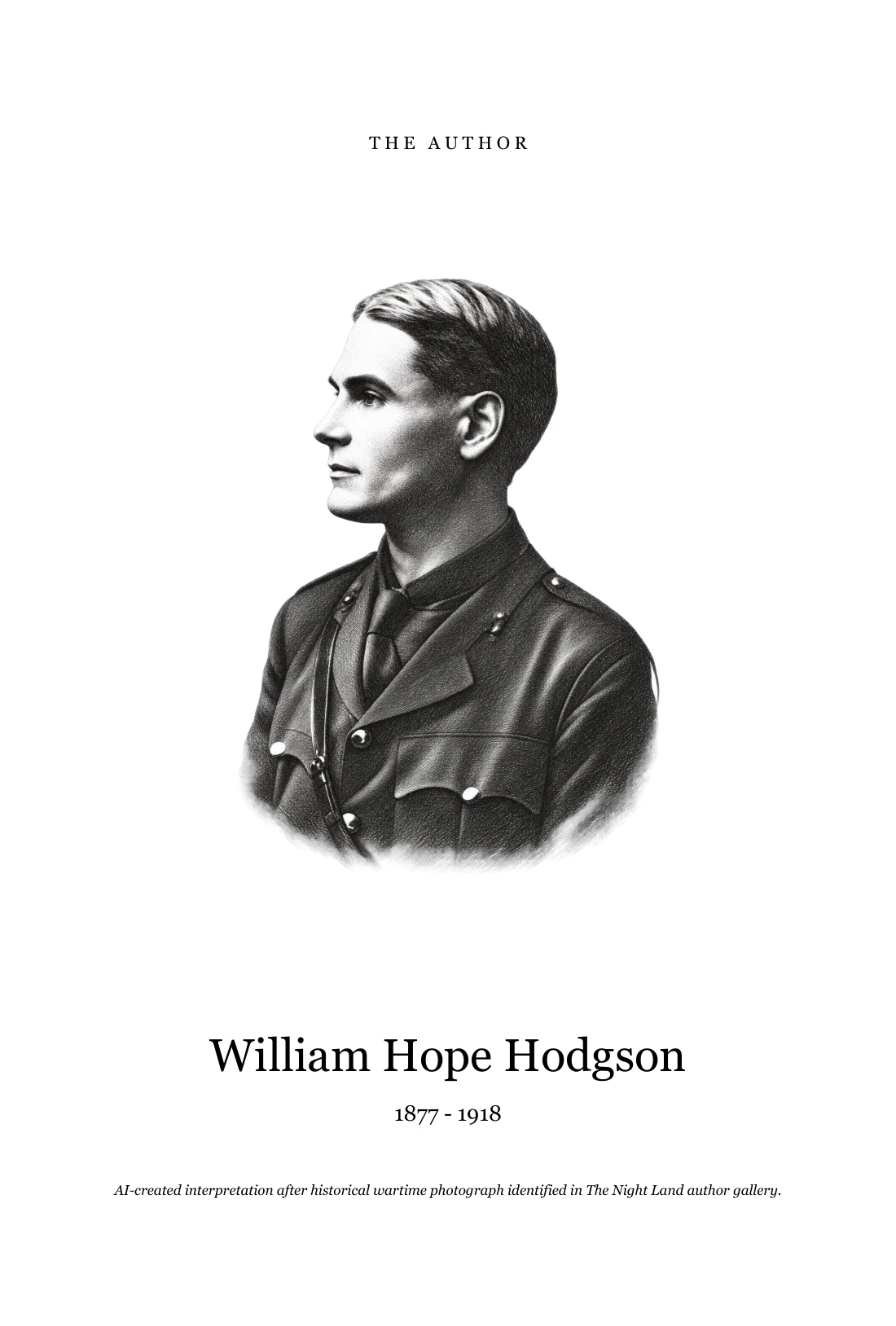
1908. A recluse in the west of Ireland defends his house from pig-faced creatures, then watches time accelerate until the sun dies. A manuscript found in a ruin, told in a fever.
- $20.99
The Night Land
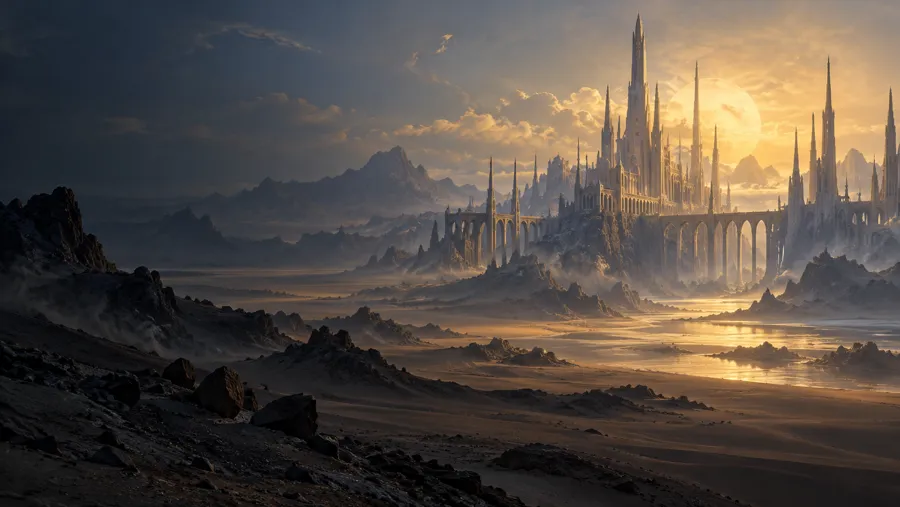
1912. Millions of years from now, the sun has gone out and the last of humanity lives in a metal pyramid nearly eight miles high. One man walks out into the dark to find the woman he loves.


What makes fiction “weird”?
A ghost story usually has rules. Someone was wronged, someone returns, a debt is paid. Weird fiction breaks the rules on purpose. The thing in the dark is not a dead person with a grievance but something that has nothing to do with us at all, and which may not even notice we are there. Fear sits alongside awe, and the horror comes from scale rather than gore.
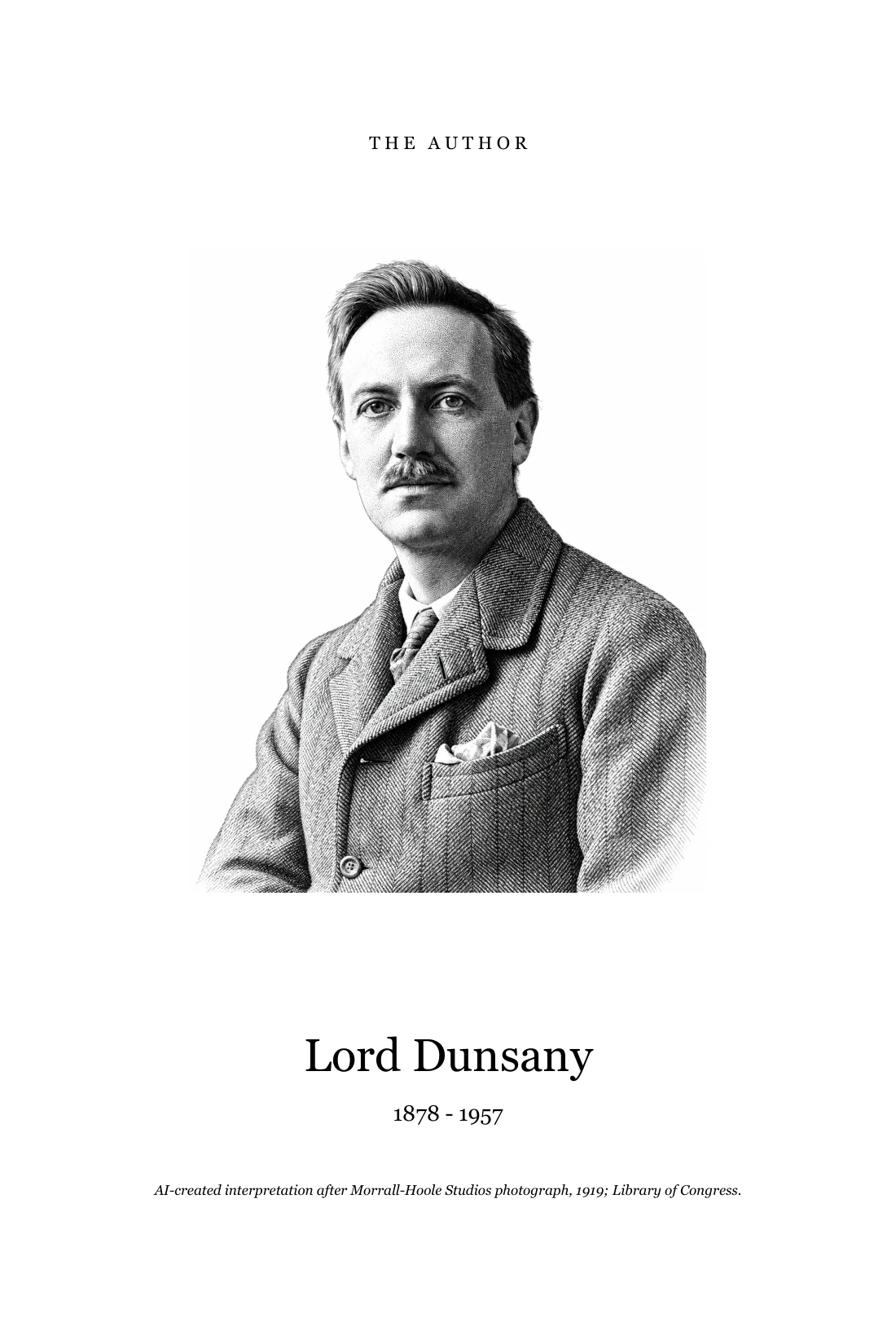
Critics had used “weird” for this sort of writing long before it became a label: a Scottish review of 1859 praised the “weird imagination” of Poe, Hoffmann and Scott. What changed around 1890 was the science. Darwin, the geologists’ deep time and the astronomers’ vast distances made human beings look small, and the writers on this list took that smallness seriously. Lord Dunsany put it into a single image, the drummer whose beat keeps the sleeping creator from waking:
Sometimes the arm of Skarl grows weary; but still he beateth his drum, that the gods may do the work of the gods, and the worlds go on, for if he cease for an instant then MANA-YOOD-SUSHAI will start awake, and there will be worlds nor gods no more.
Lord Dunsany, The Gods of Pegana (1905)
A timeline of weird fiction before Lovecraft
- 1894
Machen’s The Great God Pan appears in John Lane’s Keynotes series and is widely denounced, which helps it sell.
- 1895
Chambers publishes The King in Yellow, borrowing the names Carcosa and Hastur from Ambrose Bierce.
- 1905
Dunsany’s The Gods of Pegana, his first book.
- 1906
The House of Souls brings Machen’s 1890s stories to a new audience.
- 1907
Blackwood’s “The Willows” appears in The Listener and Other Stories.
- 1908
Hodgson’s The House on the Borderland.
- 1912
Hodgson’s The Night Land, written in a mock-seventeenth-century style.
- March 1923
The first issue of Weird Tales, the magazine that made Lovecraft’s name.
- 1927
Lovecraft’s essay Supernatural Horror in Literature is first published.
So Hodgson is less an influence on Lovecraft than a parallel: two writers arriving separately at the same cold vision of deep time. The others did shape him, and we follow those debts in The authors who influenced H. P. Lovecraft. For the reasons he ranked one story above all the rest, see Why did H. P. Lovecraft rate The Willows so highly?
Where to start with classic weird fiction
For a single evening, read The Willows: it is short, and nothing else on the list does as much with a river, some bushes and the wind. For a weekend, take The King in Yellow and stop after “The Yellow Sign”, the fourth story, before the book turns into a romance. The Night Land is the summit and the hardest climb. Hodgson wrote it in an invented archaic English with almost no dialogue, and the opening chapters are slow going. Persist, and you will find few books like it.
Machen is the writer to read if you want to know where the whole tradition starts. His stories are told at second and third hand, pieced together by London gentlemen from letters, rumours and a dead friend’s notebook. Lovecraft used the same method in “The Call of Cthulhu”, which is assembled from a dead man’s papers. Arthur Machen: the Welsh master of the weird has more.
And after
The Three Impostors
1895. Machen’s episodic novel of London conspirators, which contains “The Novel of the Black Seal” and “The Novel of the White Powder”, two of his most frightening tales.
The Boats of the Glen Carrig
1907. Hodgson’s first novel: survivors of a wreck find a land where something sobs all night, then drift into a weed-choked sea where things with tentacles wait.
The Call of Cthulhu
1928. The story where Lovecraft gathers everything on this page into one mythology, and opens with an epigraph from Algernon Blackwood.


But begin where the strangeness begins, in a New York that never existed. Open The King in Yellow, read the first line of “The Repairer of Reputations” and notice how calmly Chambers describes the impossible. That calm is the whole trick, and once you have felt it you will recognise it everywhere.
Questions readers ask
What is weird fiction?
Weird fiction is supernatural or fantastic writing in which the terror comes from forces beyond human understanding rather than from traditional ghosts or vampires. The term was popularised in the 1920s by Weird Tales and by H. P. Lovecraft.
What are the best weird fiction books before Lovecraft?
The essentials are The King in Yellow by Robert W. Chambers, Arthur Machen’s The Great God Pan and The White People, Algernon Blackwood’s The Willows, Lord Dunsany’s The Gods of Pegana and William Hope Hodgson’s The House on the Borderland and The Night Land.
Who influenced H. P. Lovecraft?
Lovecraft named Poe, Machen, Blackwood, Dunsany and M. R. James among his masters, and he admired Robert W. Chambers. He discovered William Hope Hodgson only in 1934.