Some of the most famous novels of the nineteenth century were published by ‘men’ who did not exist. Currer, Ellis and Acton Bell were the Brontë sisters. George Eliot was Mary Ann Evans. Ralph Iron was Olive Schreiner. Each had her own reasons, but the commonest was simple: a book by a man was more likely to be published, reviewed seriously and judged on its merits.
We have gathered the female authors with male or male-sounding pseudonyms in our library, with the book that best shows what each pen name was protecting. Some of these disguises lasted a few months; one held for nearly eighty years.
The Brontës: Currer, Ellis and Acton Bell
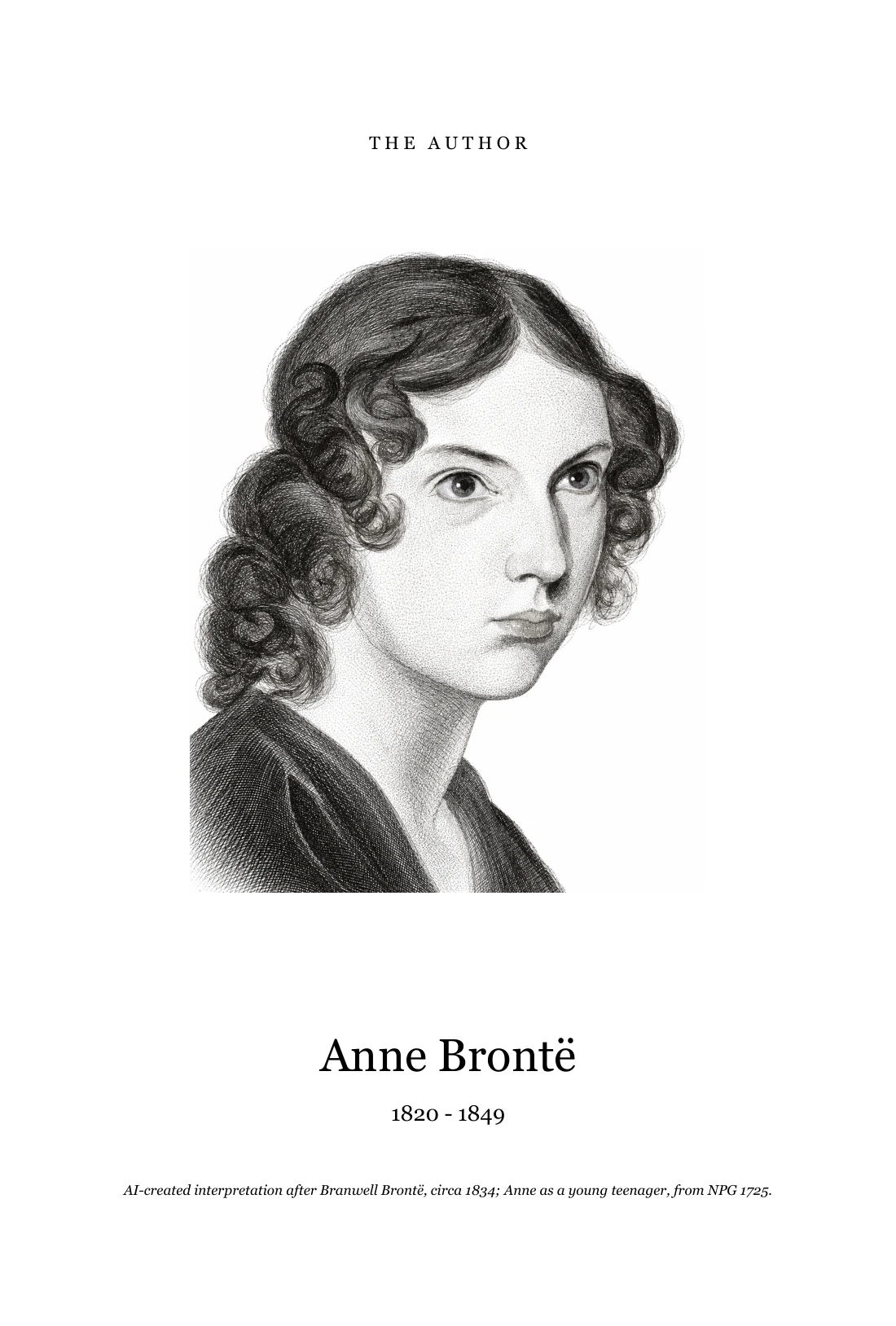
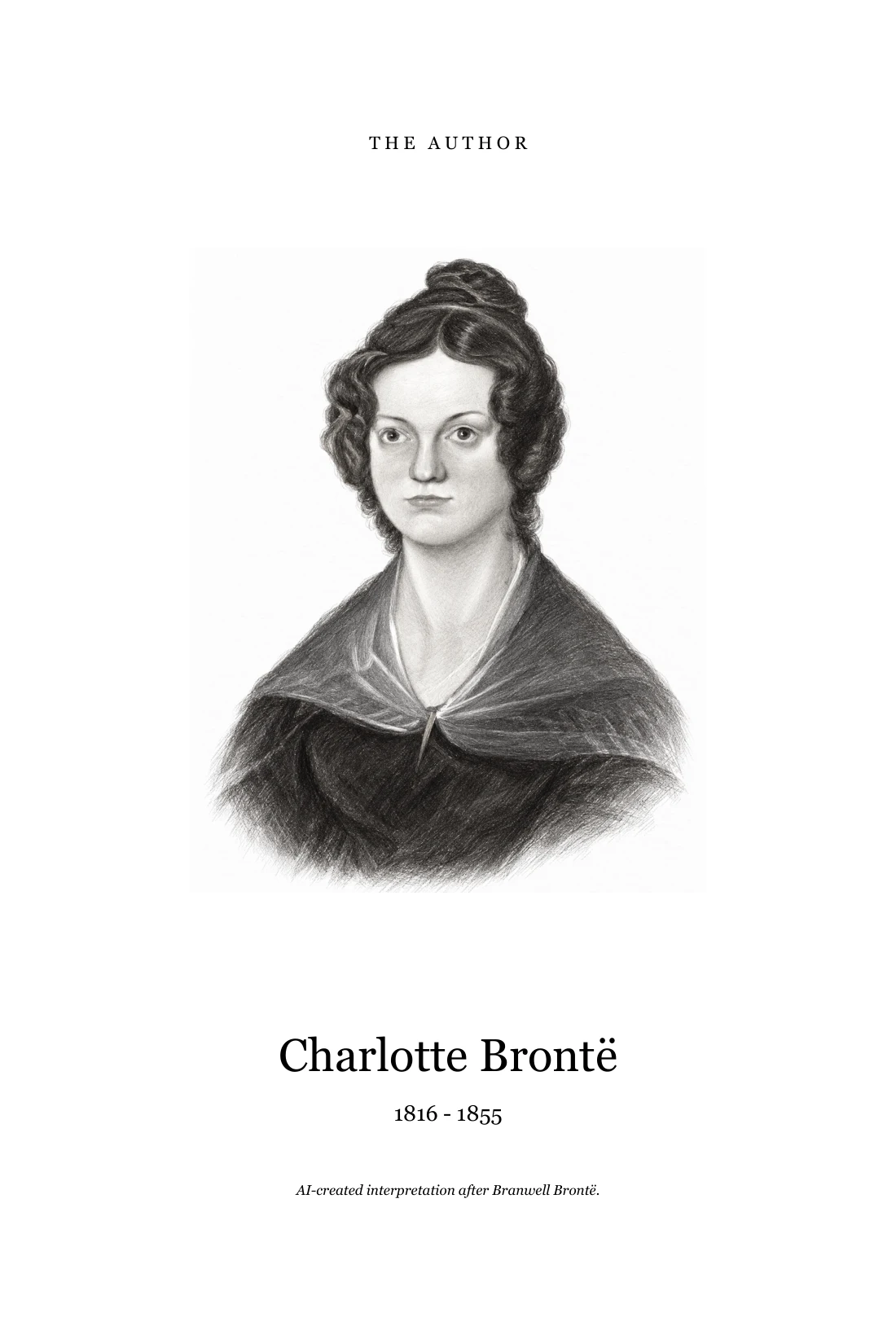
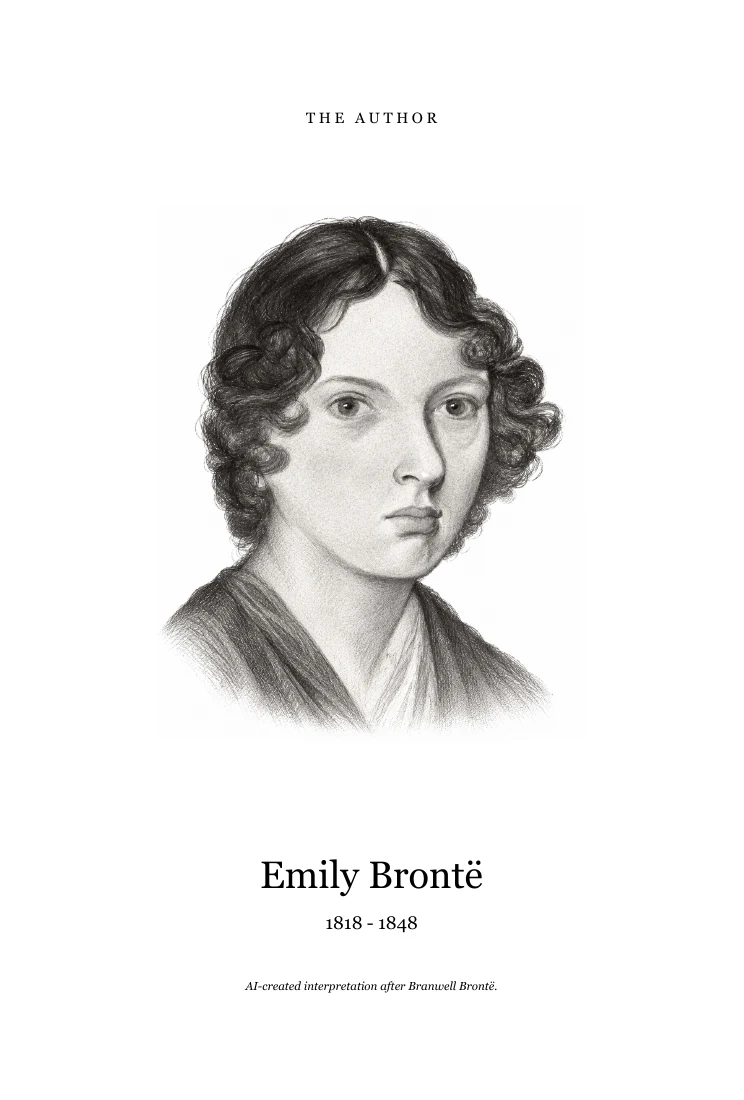
In 1846 Charlotte, Emily and Anne Brontë published a joint book of poems as Currer, Ellis and Acton Bell, keeping their own initials. Charlotte later explained that they chose names that were ambiguous rather than plainly masculine, because they had sensed that women writers were judged with prejudice. Reviewers mostly assumed they were men, and some suspected that all three were one person.
Jane Eyre
1847, by ‘Currer Bell’. A sensation on publication, and the subject of intense guessing about its author’s identity and sex.
Wuthering Heights
1847, by ‘Ellis Bell’. Reviewers were startled by its violence, and many took its author for a man. Emily died the following year, before the pen name was publicly dropped.
Agnes Grey
1847, by ‘Acton Bell’. Anne’s first novel drew on her own years as a governess.
The Tenant of Wildfell Hall
1848, by ‘Acton Bell’. Anne’s second novel sold strongly, and confusion over whether it was by the author of Jane Eyre led directly to the sisters’ trip to London.



George Eliot: the most famous male pseudonym
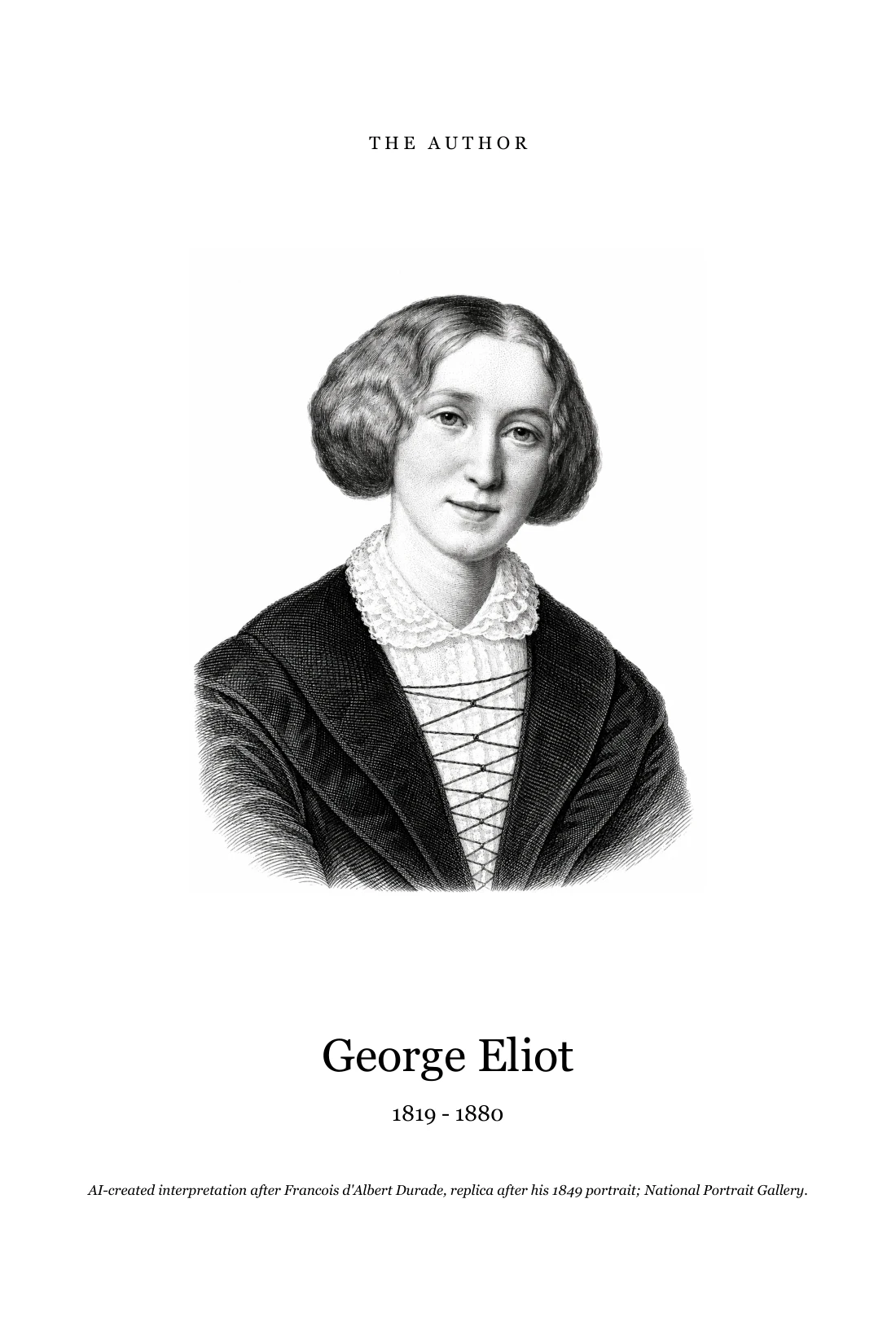
Mary Ann Evans was already a respected translator, critic and editor when she began writing fiction in her late thirties. She chose ‘George Eliot’ for her first stories in 1857 partly so her novels would be taken seriously, and partly to keep them apart from her private life: she was living openly with George Henry Lewes, a married man. Her secret was out within a couple of years, but she kept the name.
Middlemarch
1871–72. Her masterpiece: the lives, marriages and ambitions of a Midlands town. Often named the greatest novel in English.
Silas Marner
1861. A short, perfect fable of a miser, a lost fortune and a child who finds her way to his hearth. The best place to start with Eliot.


Eliot’s disguise was so convincing that a local man, Joseph Liggins, was put forward as the author of her early fiction, and the claim had to be publicly denied. It was one of the reasons she let her identity become known.
Other women who wrote as men
The Story of an African Farm
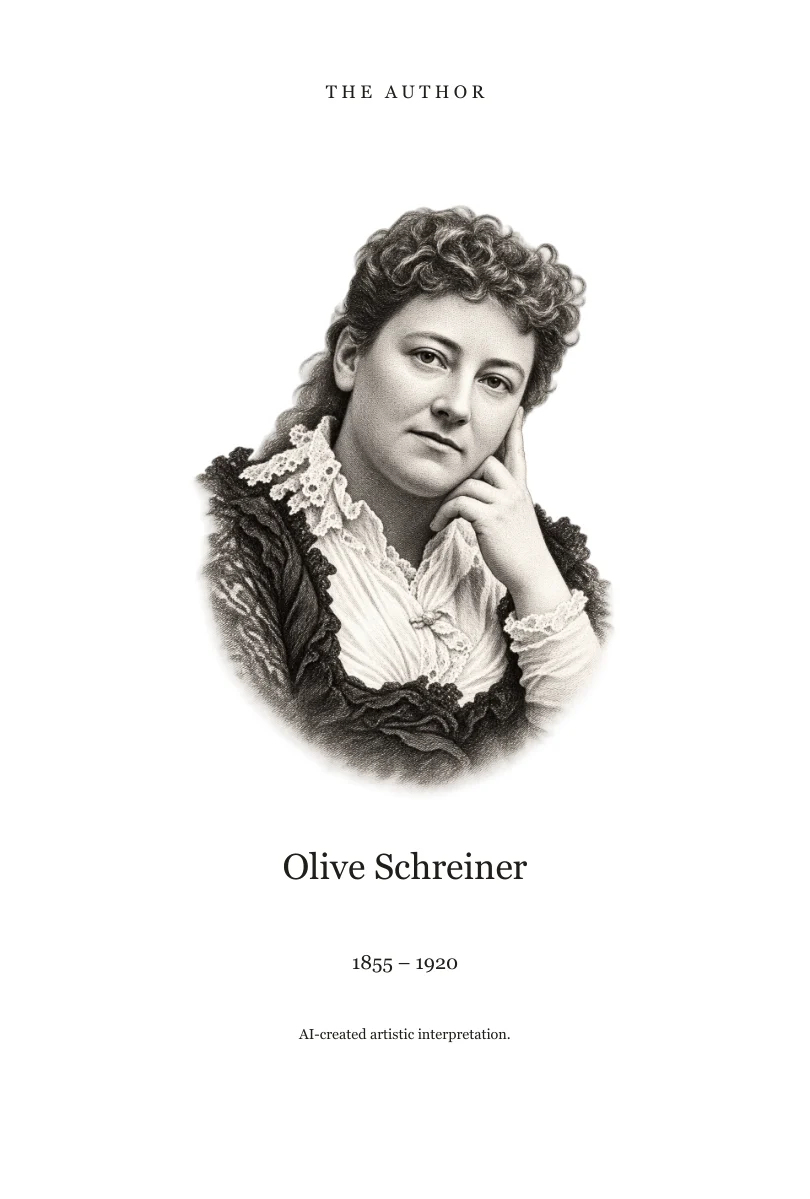
1883, by ‘Ralph Iron’. Olive Schreiner’s novel of a young woman’s fierce independence on a South African farm was a sensation in London, and its author’s identity soon became known.
Behind a Mask; or, a Woman's Power
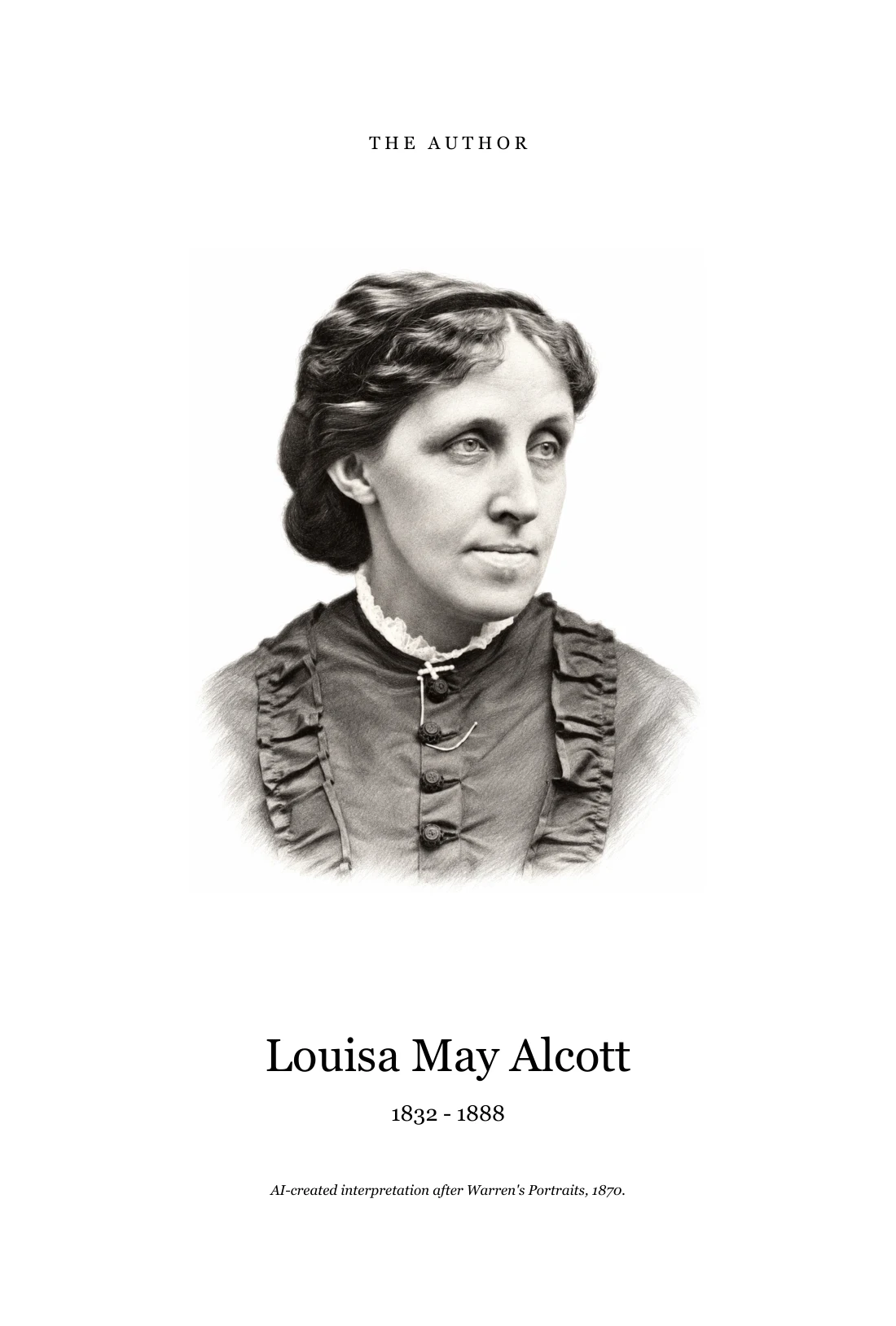
1866, by ‘A. M. Barnard’. Louisa May Alcott wrote sensational thrillers for magazines under these neutral initials. They were only traced back to her by researchers in the 1940s.
The Diamond Coterie
By ‘Lawrence L. Lynch’. Emma Murdock Van Deventer wrote detective novels under a name said to have belonged to her first husband.



Why did women writers use male pen names?
- To be reviewed fairly. Critics routinely judged books by women as minor, sentimental or improper.
- To protect their privacy. The Brontës lived quietly in a Yorkshire parsonage; Evans’s private life would have been a scandal.
- To write what was not expected of a woman. Alcott’s thrillers, full of revenge and drugs, would have sat badly beside Little Women.
- To get published at all. Many editors and publishers simply took a man’s manuscript more seriously.
Not every woman writer took a man’s name. Jane Austen published anonymously, as ‘A Lady’, and Edith Wharton wrote under her own name. Pen names also worked the other way: Agatha Christie wrote romantic novels as Mary Westmacott, which you can read about in Agatha Christie’s other name.
Where to start
For the full story of the Brontës’ disguise, read the Brontë sisters’ pen names, and for Eliot, why George Eliot used a male name. Alcott’s hidden career has its own post in Louisa May Alcott’s secret thrillers, and you’ll find more literary disguises in famous pen names in classic literature.
Then pick up the book that started the guessing. Jane Eyre came out under the name Currer Bell in October 1847, and readers spent months trying to work out who had written it.
Questions readers ask
Which female authors used male pseudonyms?
The best known are the Brontë sisters (Currer, Ellis and Acton Bell), Mary Ann Evans (George Eliot) and Olive Schreiner (Ralph Iron). Louisa May Alcott also wrote thrillers as A. M. Barnard.
Why did George Eliot use a male name?
Mary Ann Evans wanted her fiction to be taken seriously and judged apart from her private life, since she was living with a married man, George Henry Lewes.
Why did the Brontë sisters use pen names?
They wanted privacy and feared that books known to be by women would be judged with prejudice. They chose deliberately ambiguous names that kept their initials.