
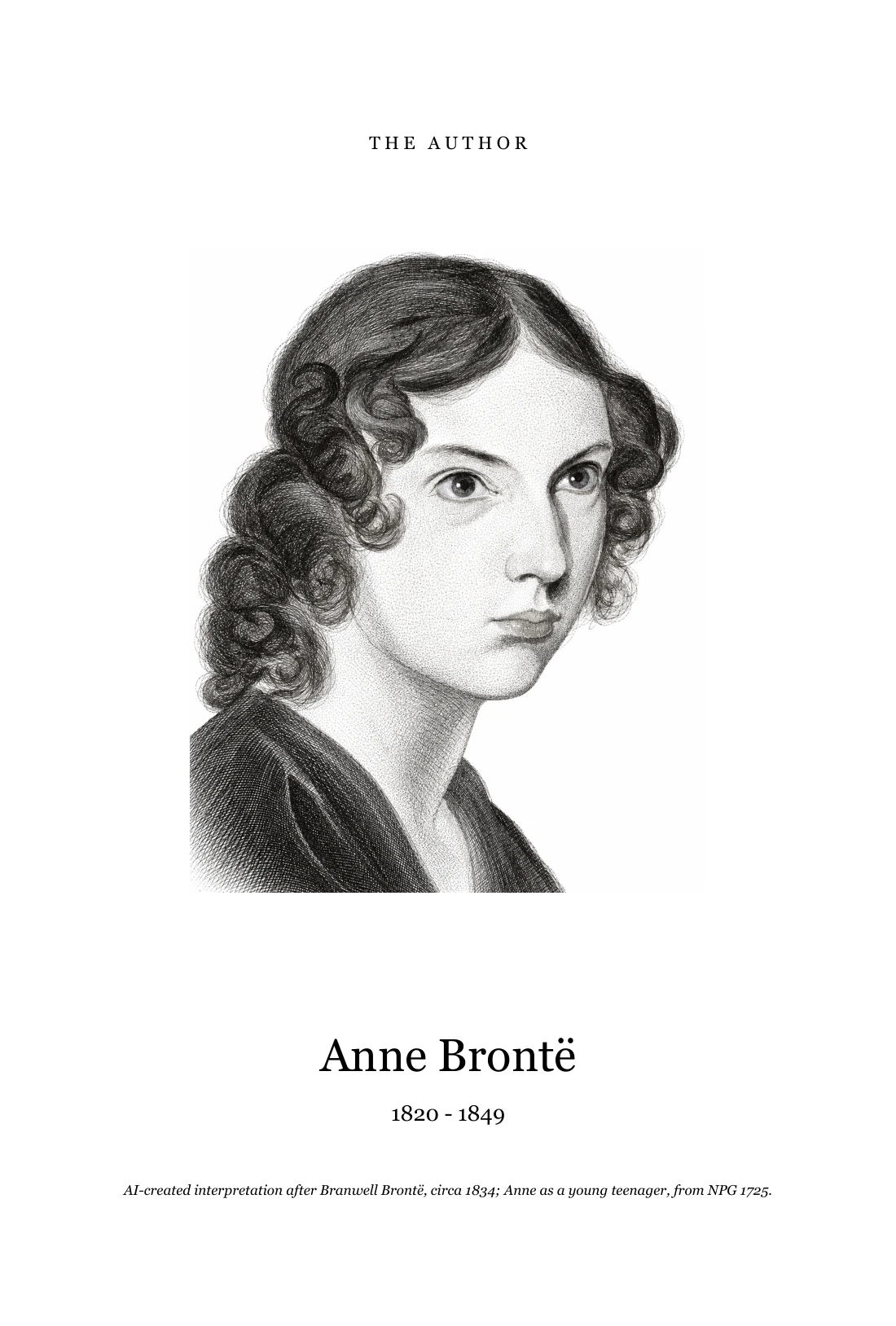
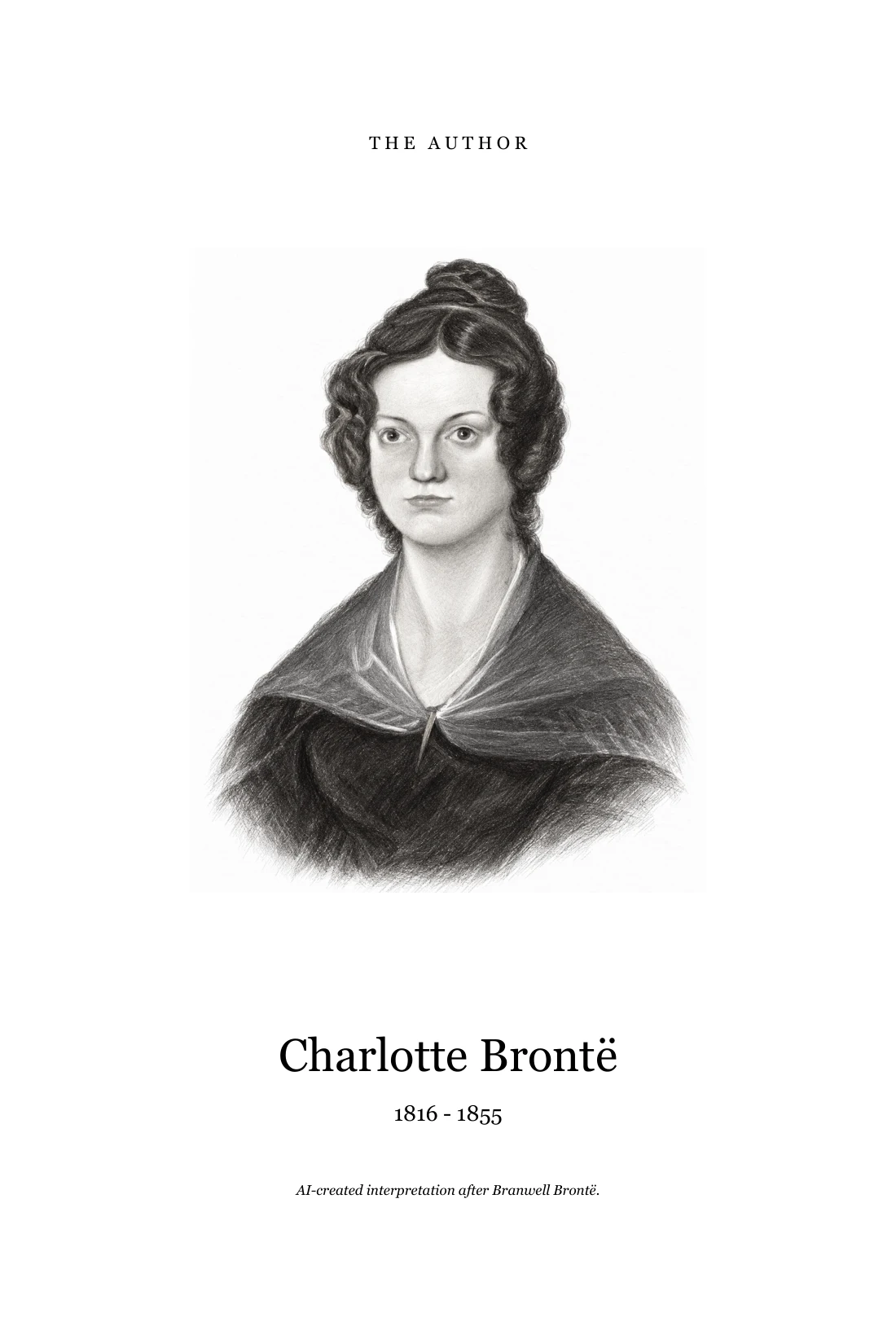
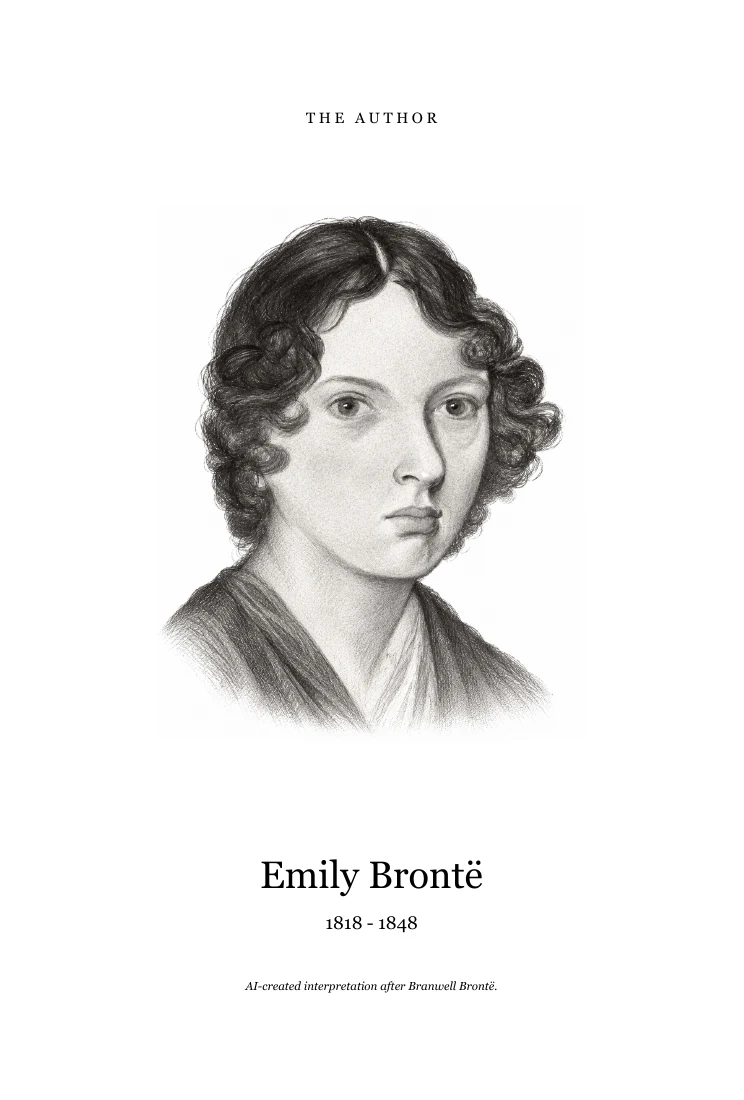
The Brontë sisters’ pseudonyms were chosen with care. Each sister kept her own initials: Charlotte became Currer Bell, Emily became Ellis Bell, and Anne became Acton Bell. The names were deliberately ambiguous, not obviously male, but not obviously female either, and that was the point.
Under those names they published a book of poems in 1846 and then, in the space of two years, Jane Eyre, Wuthering Heights, Agnes Grey and The Tenant of Wildfell Hall. Readers and critics argued over the Bells’ identity for years. The truth only became public after two of the three “brothers” had died.
Why did the Brontës use pen names?
Charlotte explained in 1850, in a short memoir of her sisters written for a new edition of their novels. They wanted privacy, and they did not want to claim names that were plainly masculine. But they did not want to announce themselves as women either, because they suspected, rightly, that critics treated women writers differently.
we did not like to declare ourselves women, because—without at that time suspecting that our mode of writing and thinking was not what is called ‘feminine’—we had a vague impression that authoresses are liable to be looked on with prejudice
Charlotte Brontë, “Biographical Notice of Ellis and Acton Bell” (1850)
There was a family reason for secrecy too. The sisters lived quietly with their father, the parson at Haworth, and their brother Branwell, whose drinking and debts were already a source of worry. Publishing anonymously kept their writing out of the village and away from the family’s troubles.

Where did the name Bell come from?
Nobody knows for certain. Some biographers have pointed out that their father’s curate at the time was Arthur Bell Nicholls, the man Charlotte would eventually marry, but there is no firm evidence that he inspired the choice. The first names, Currer, Ellis and Acton, may have been borrowed from local families or simply chosen for their unusual sound.
The poems that sold two copies
The sisters’ first venture was Poems by Currer, Ellis, and Acton Bell (1846), which they paid to have published themselves. It received a few polite reviews and, according to Charlotte’s later account, sold only two copies in its first year. Undeterred, each sister had already written a novel.
Jane Eyre was an immediate success. Wuthering Heights and Agnes Grey followed together that December from a different, less scrupulous publisher, and reviews puzzled over how one family could produce such different books, or whether the Bells were really one writer under three names.

The Brontë novels published as the Bells
Jane Eyre
Currer Bell, 1847. An orphan governess with an unbreakable will and her mysterious employer, Mr Rochester. The book that made the Bells famous.
Wuthering Heights
Ellis Bell, 1847. Heathcliff, Catherine and two families bound together on the Yorkshire moors. Emily’s only novel, wild and unlike anything before it.
Agnes Grey
Acton Bell, 1847. A clergyman’s daughter endures life as a governess to spoiled, cruel children. Quiet, sharp and drawn from Anne’s own experience.
The Tenant of Wildfell Hall
Acton Bell, 1848. A mysterious woman moves into a crumbling hall with her young son, and the village wants to know why. A bold novel about marriage and independence.


How the secret came out
The confusion came to a head in 1848. The publisher of Emily’s and Anne’s books let it be suggested to an American firm that The Tenant of Wildfell Hall was by the author of Jane Eyre. Charlotte’s own publisher, Smith, Elder, was understandably alarmed. So in July 1848 Charlotte and Anne took the train to London and presented themselves in person, to prove that Currer and Acton Bell were two different women.
Tragedy followed within the year. Branwell died in September 1848, Emily in December, and Anne in May 1849. Charlotte, the last of the six Brontë children, went on to write Shirley and Villette, and her identity gradually became known in London literary society. In 1850 she publicly confirmed who Ellis and Acton Bell had been, partly to defend her sisters’ reputations against reviewers who had found their books coarse.
The Brontës were not alone. A decade later Mary Ann Evans chose a man’s name for very similar reasons, as we explain in why George Eliot used a male name. Many more are gathered in women writers who used male pen names and famous pen names, and Anne’s often-overlooked achievement gets its own post in the forgotten Brontë sister.
Which Brontë novel should you read first?
Jane Eyre is the natural starting point: gripping from its first page and the most accessible of the four. Readers who love it should go straight on to Wuthering Heights, which is stranger and fiercer. And do not miss Anne. The Tenant of Wildfell Hall was considered so shocking in 1848 that even Charlotte did not want it reprinted after Anne’s death, and it now reads as one of the boldest novels of its century.
Whichever you pick, read it knowing that the first people to hold it had no idea it was written by a young woman in a parsonage on the edge of the moors. Charlotte, Emily and Anne Brontë made sure of that, and then made sure we would never forget their names.
Questions readers ask
What pen names did the Brontë sisters use?
Charlotte wrote as Currer Bell, Emily as Ellis Bell and Anne as Acton Bell. Each pseudonym kept the sister’s own initials.
Why did the Brontë sisters use male pseudonyms?
Charlotte later explained that they wanted privacy and feared that books known to be by women would be judged with prejudice. They chose deliberately ambiguous names rather than obviously male ones.
When did people find out the Bells were the Brontë sisters?
Charlotte and Anne revealed themselves to Charlotte’s publisher in 1848, and Charlotte’s identity spread in literary circles over the next year or two. She publicly identified her sisters in 1850.
What books did the Brontës publish as the Bells?
Poems (1846), Jane Eyre, Wuthering Heights and Agnes Grey (all 1847), The Tenant of Wildfell Hall (1848), and Charlotte’s Shirley (1849) and Villette (1853).