Many of the best-known names on a bookshop shelf were invented. Mark Twain was Samuel Langhorne Clemens; Lewis Carroll was Charles Lutwidge Dodgson; Voltaire was François-Marie Arouet; George Eliot was Mary Ann Evans. Writers took pen names to keep a day job respectable, to escape a prison record, to be taken seriously or simply because they liked the sound of something new.
Below are twelve famous author pen names from our library, each with the real name behind it and, where it is known, the story of how the name was chosen. Where the origin is disputed, we say so.
Famous pen names and the real names behind them
The Adventures of Tom Sawyer
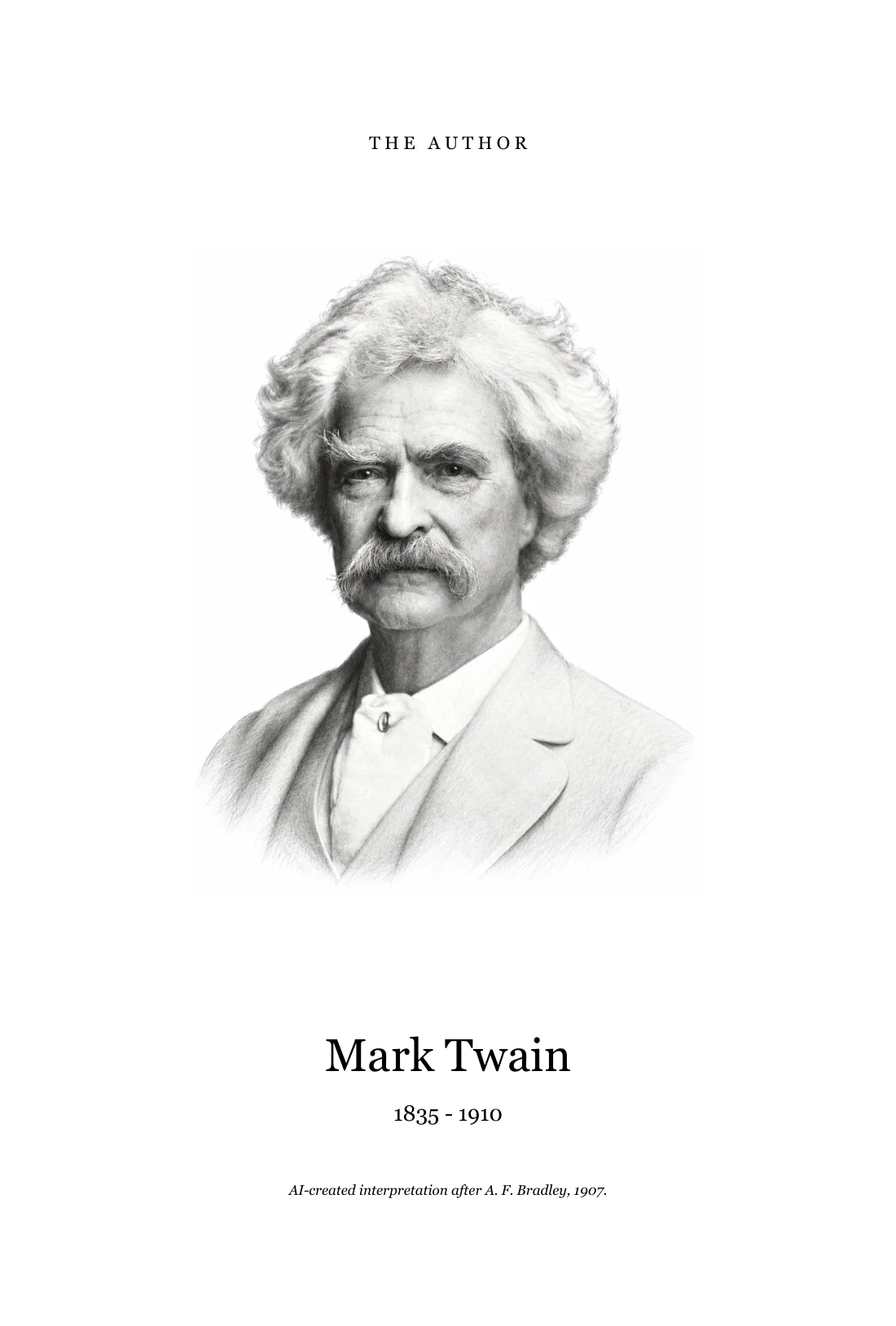
Mark Twain: Samuel Langhorne Clemens. ‘Mark twain’ was a riverboat call meaning two fathoms, safe water, and Clemens had been a Mississippi pilot before he was a writer.
Alice's Adventures in Wonderland
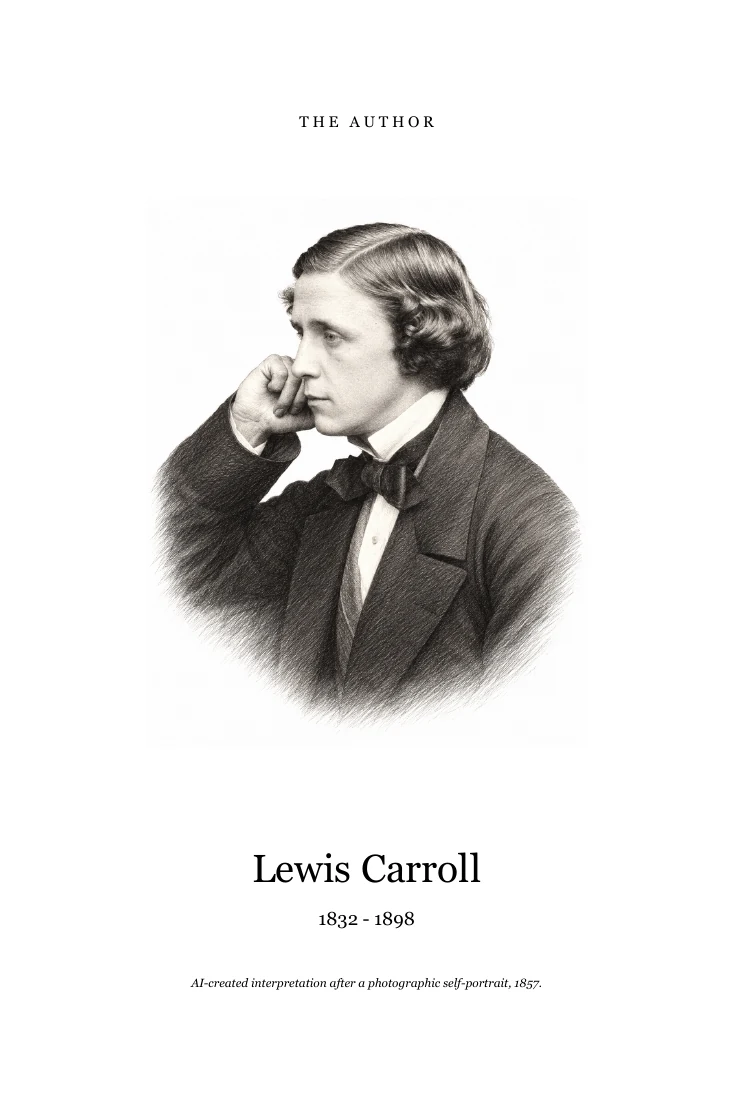
Lewis Carroll: Charles Lutwidge Dodgson, an Oxford mathematician. He turned his first two names into Latin, reversed them and turned them back into English: Carolus Ludovicus became Lewis Carroll.
Candide
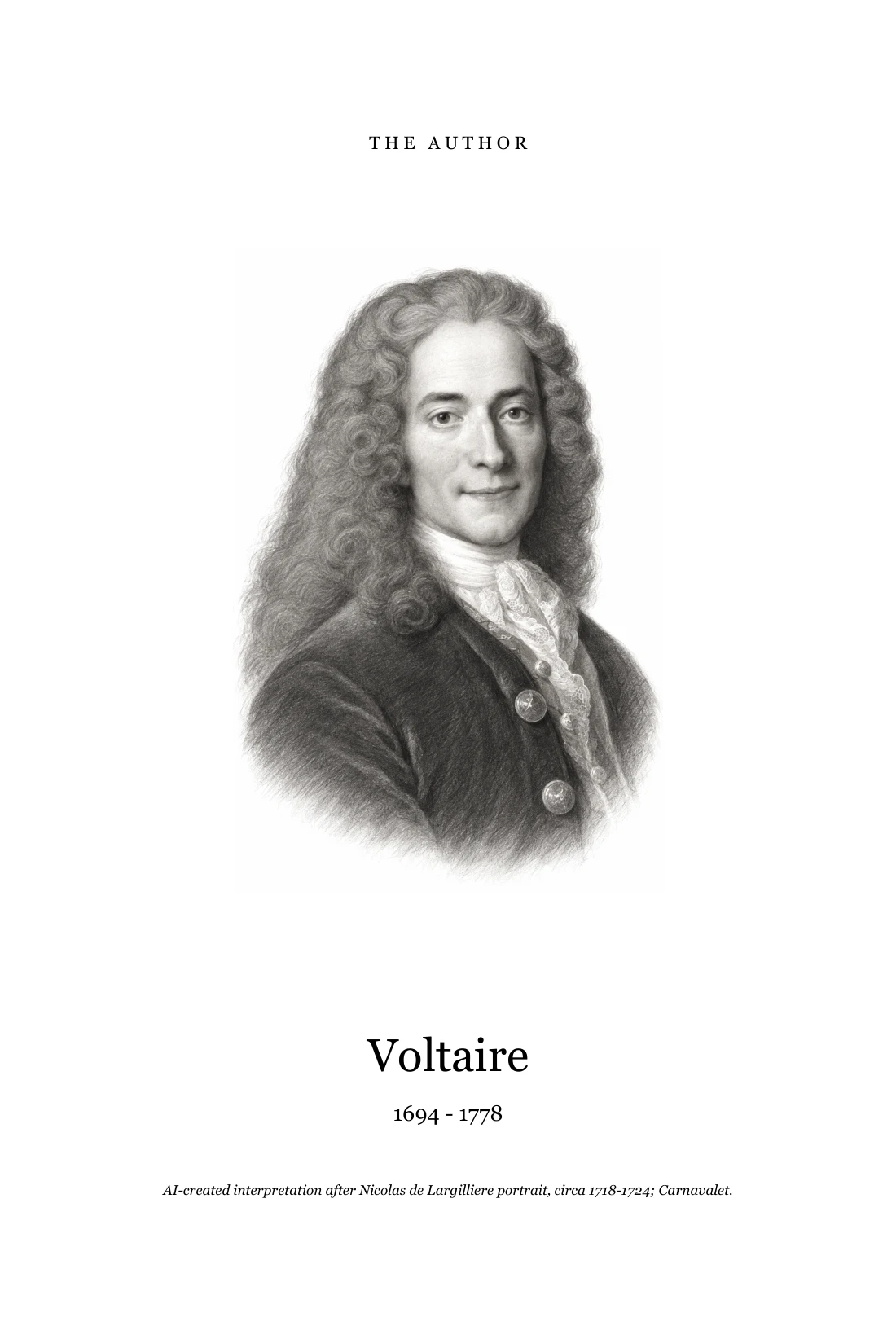
Voltaire: François-Marie Arouet. The origin of the name is debated; one popular theory is that it is an anagram of a Latinised spelling of Arouet with the initials of ‘le jeune’.
The Red and the Black
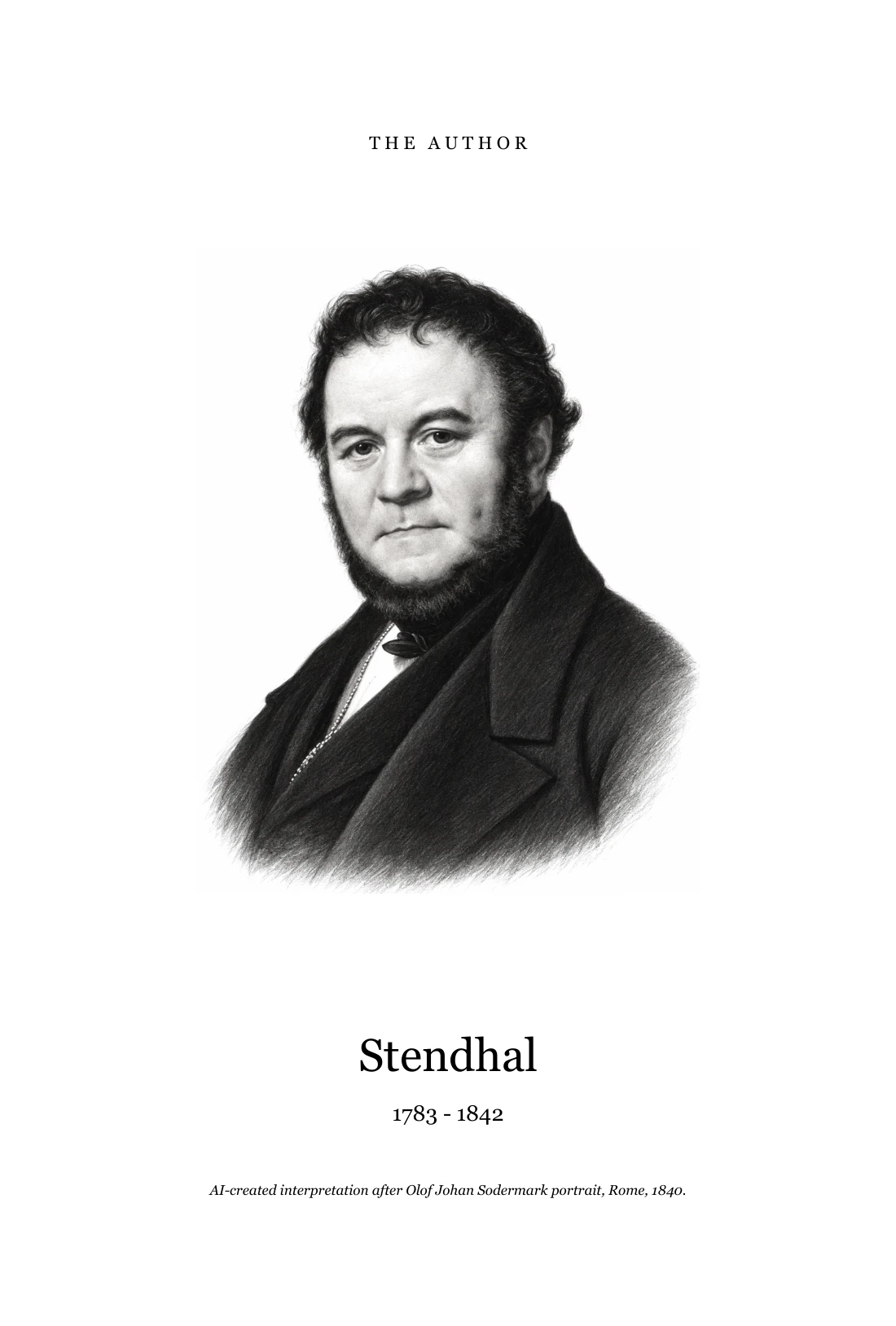
Stendhal: Marie-Henri Beyle, who used dozens of pseudonyms. This one is usually thought to come from Stendal, a small town in Germany.
Middlemarch
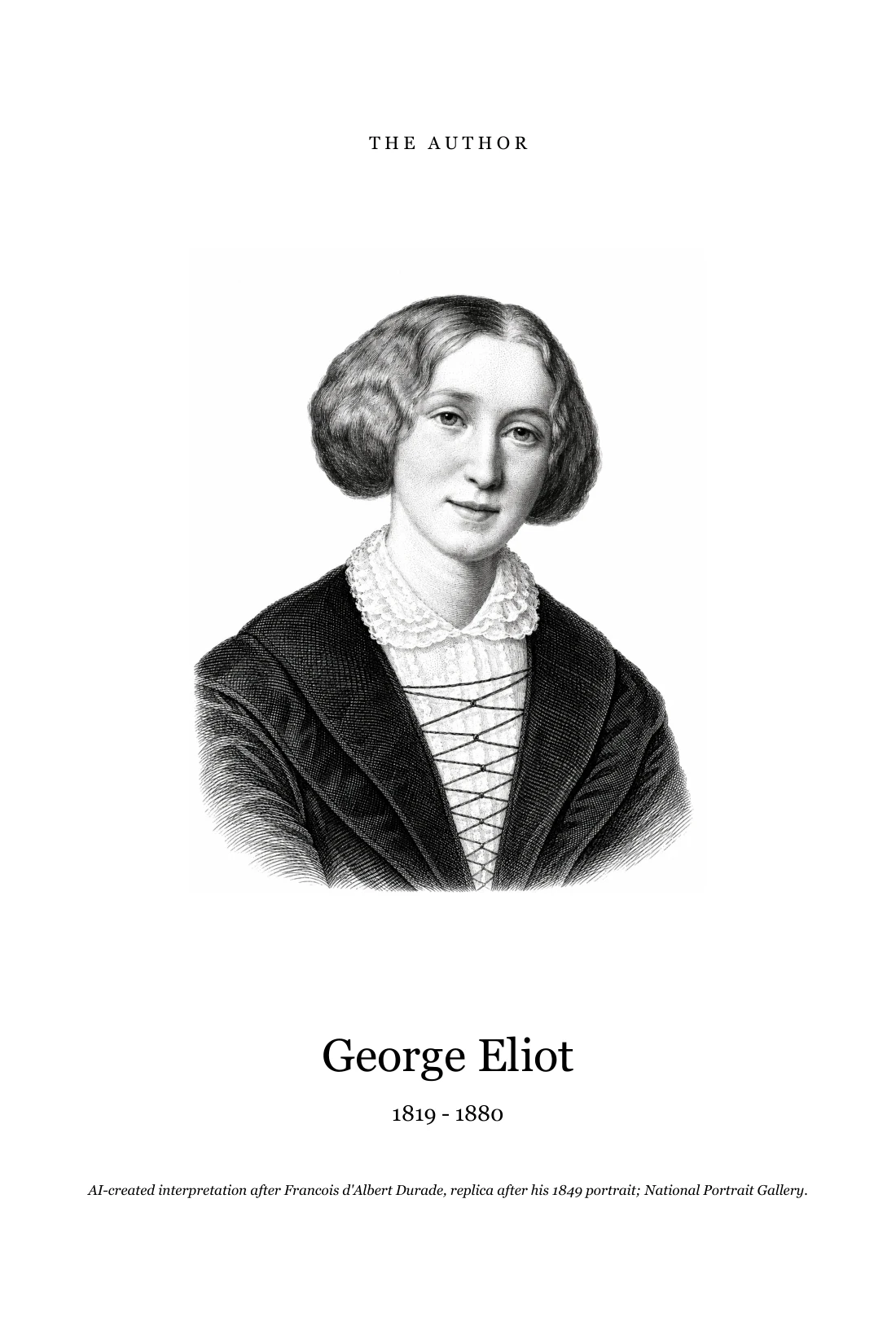
George Eliot: Mary Ann Evans. She wanted her novels judged apart from her sex and her private life, and kept the name long after the secret was out.
The Four Million
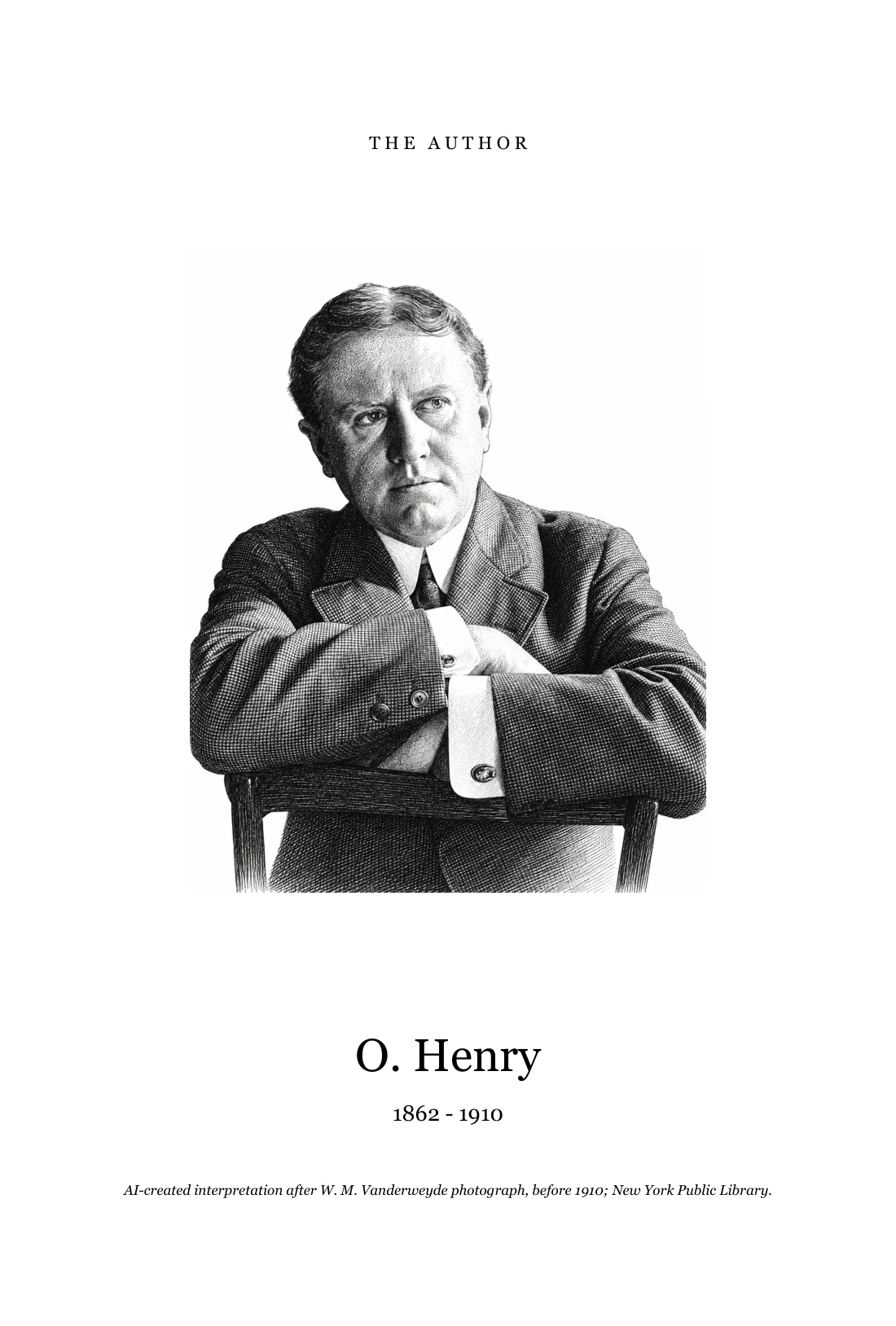
O. Henry: William Sydney Porter. He began publishing stories while serving a prison sentence for embezzlement, and nobody is quite sure where the name came from.
Beasts and Super-Beasts
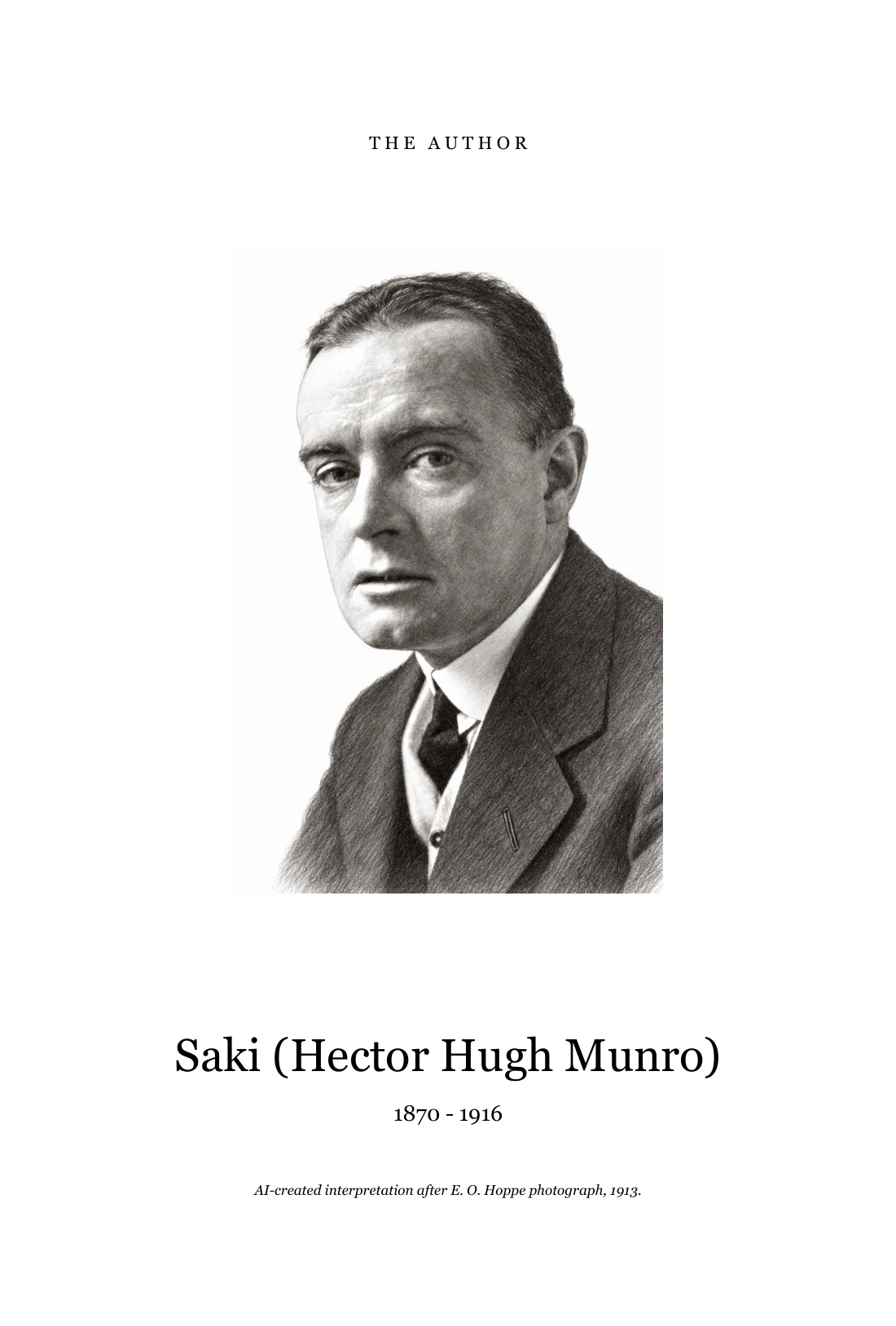
Saki: Hector Hugh Munro. The name is usually traced to the cupbearer in Edward FitzGerald’s version of the Rubáiyát of Omar Khayyám.
Bull-dog Drummond: The Adventures of a Demobilised Officer Who Found Peace Dull
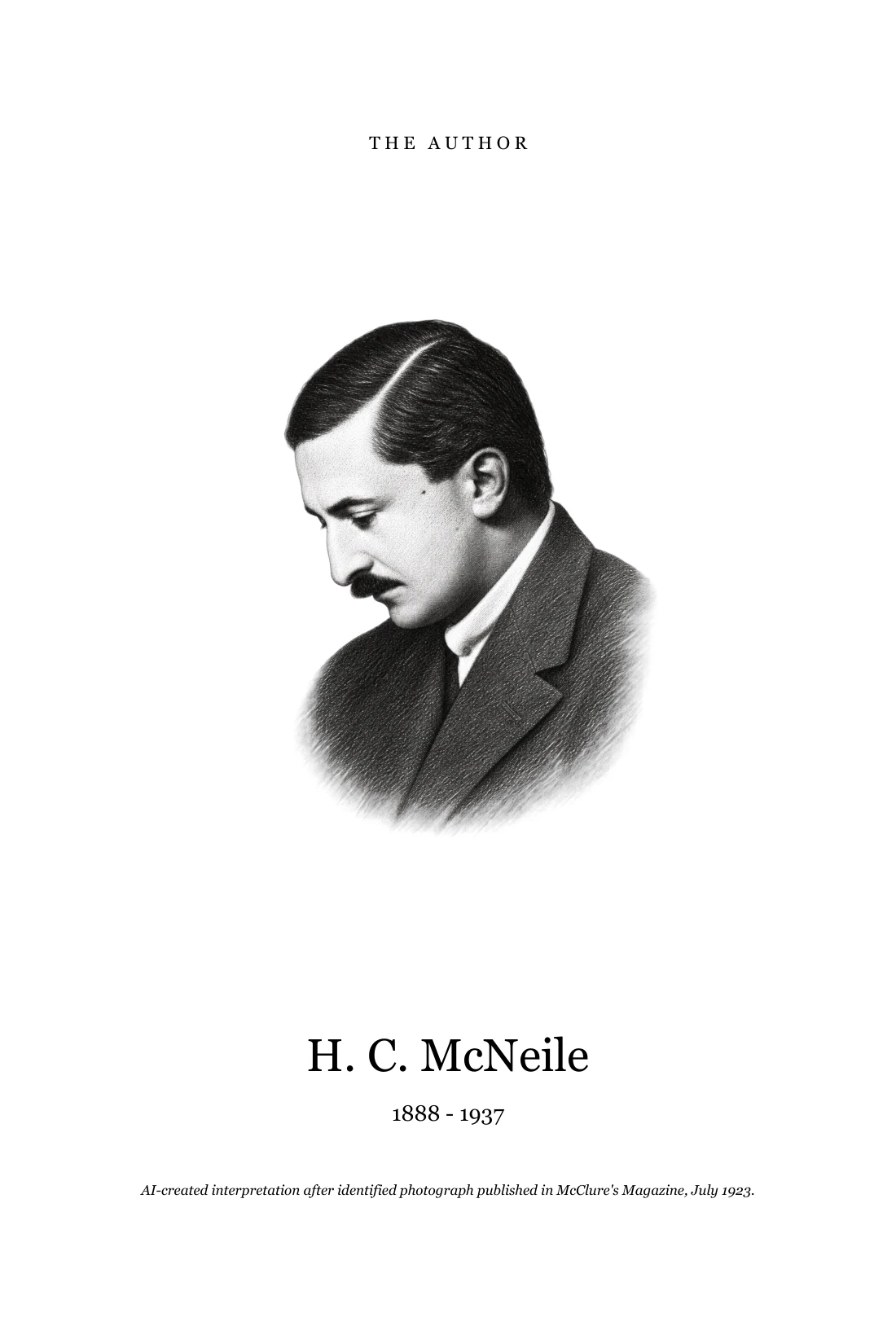
Sapper: Herman Cyril McNeile. A sapper is a soldier of the Royal Engineers, the corps he served in. It is often said that serving officers were not permitted to publish under their own names.
The Bishop murder case
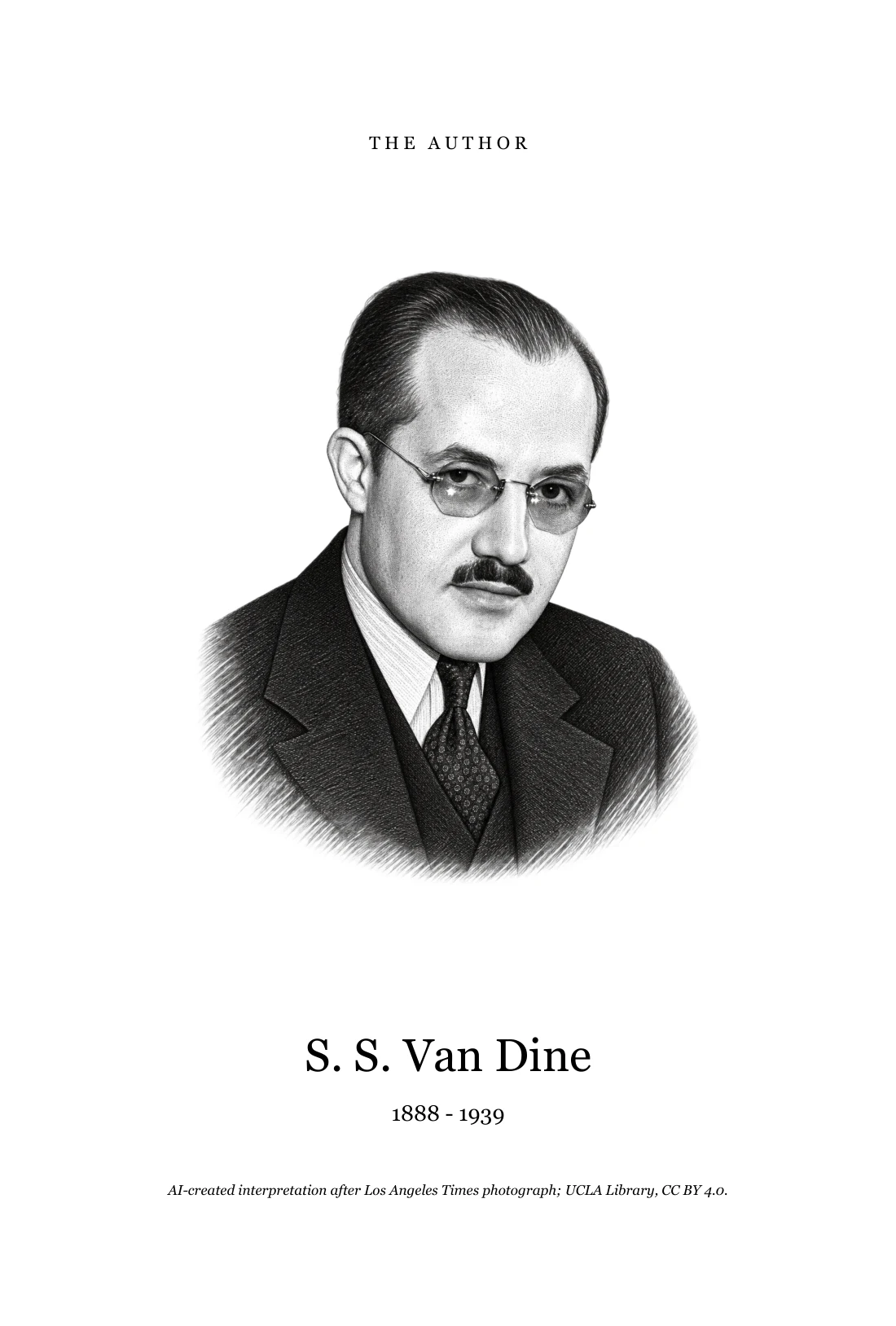
S. S. Van Dine: Willard Huntington Wright, an art critic who kept his detective novels at arm’s length from his serious reputation.
The Brass Bottle
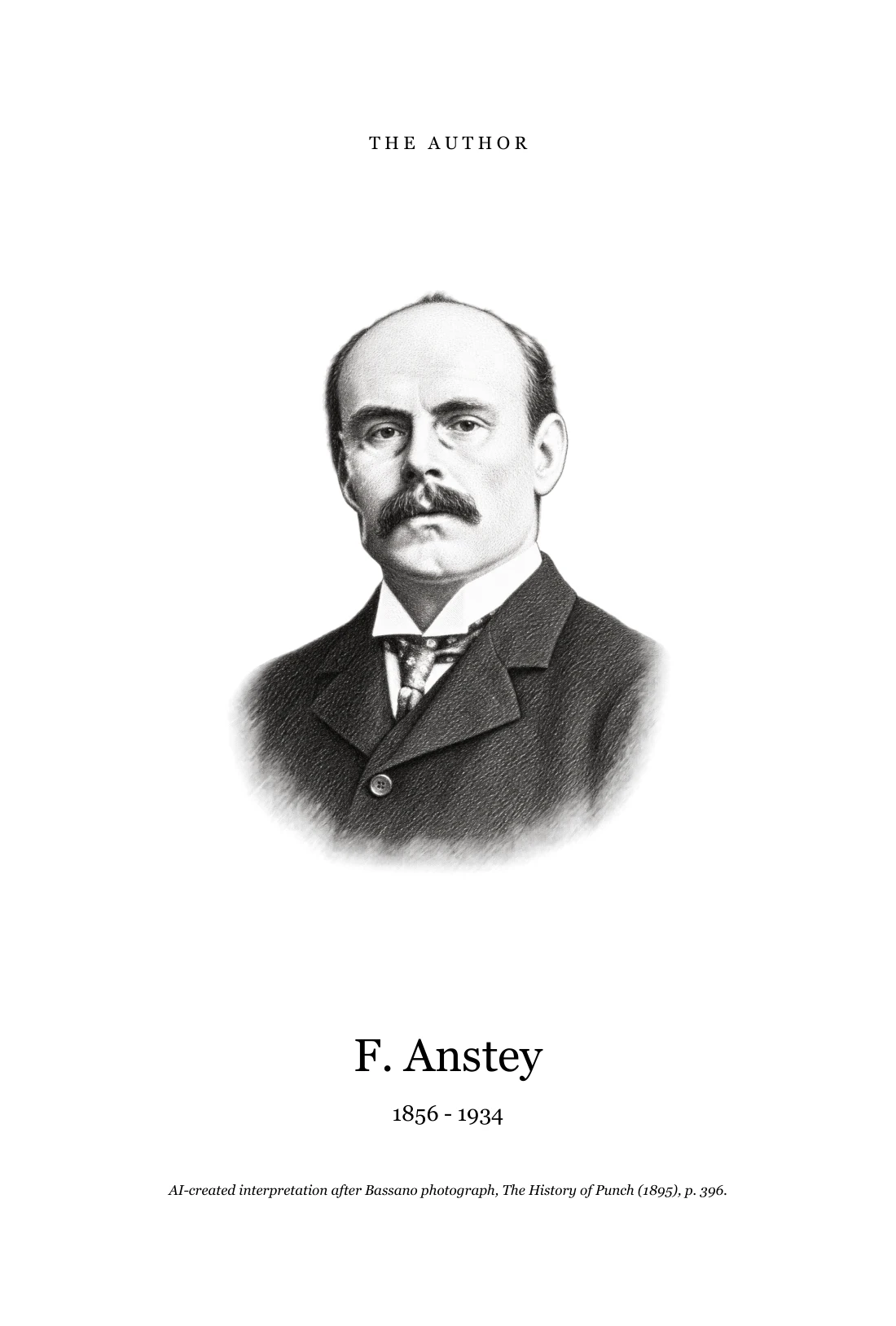
F. Anstey: Thomas Anstey Guthrie, who made his comic name with fantasies in which magic upends polite Victorian life.
What Katy Did
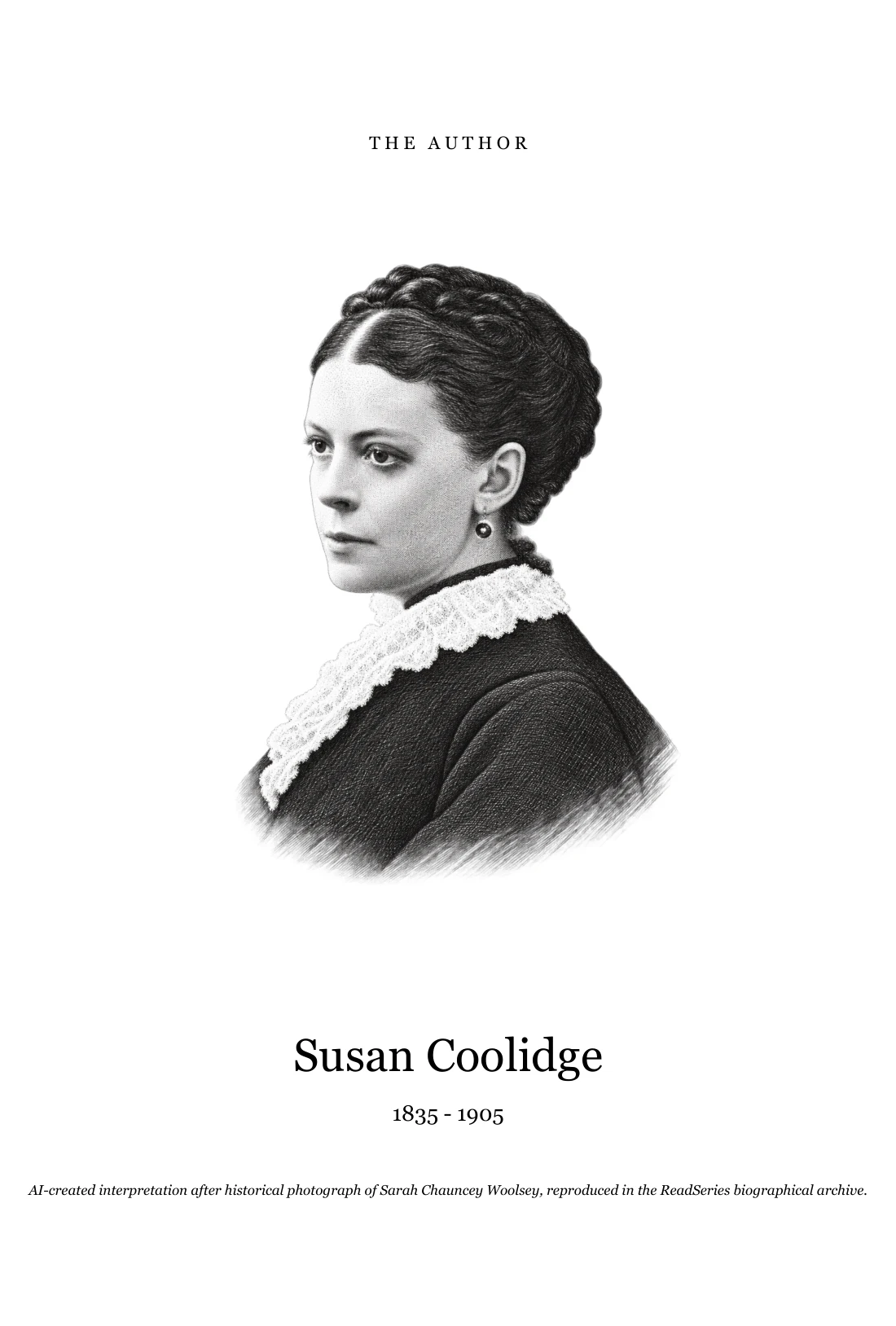
Susan Coolidge: Sarah Chauncey Woolsey. What Katy Did drew on her own childhood.
The Secret of the Old Clock
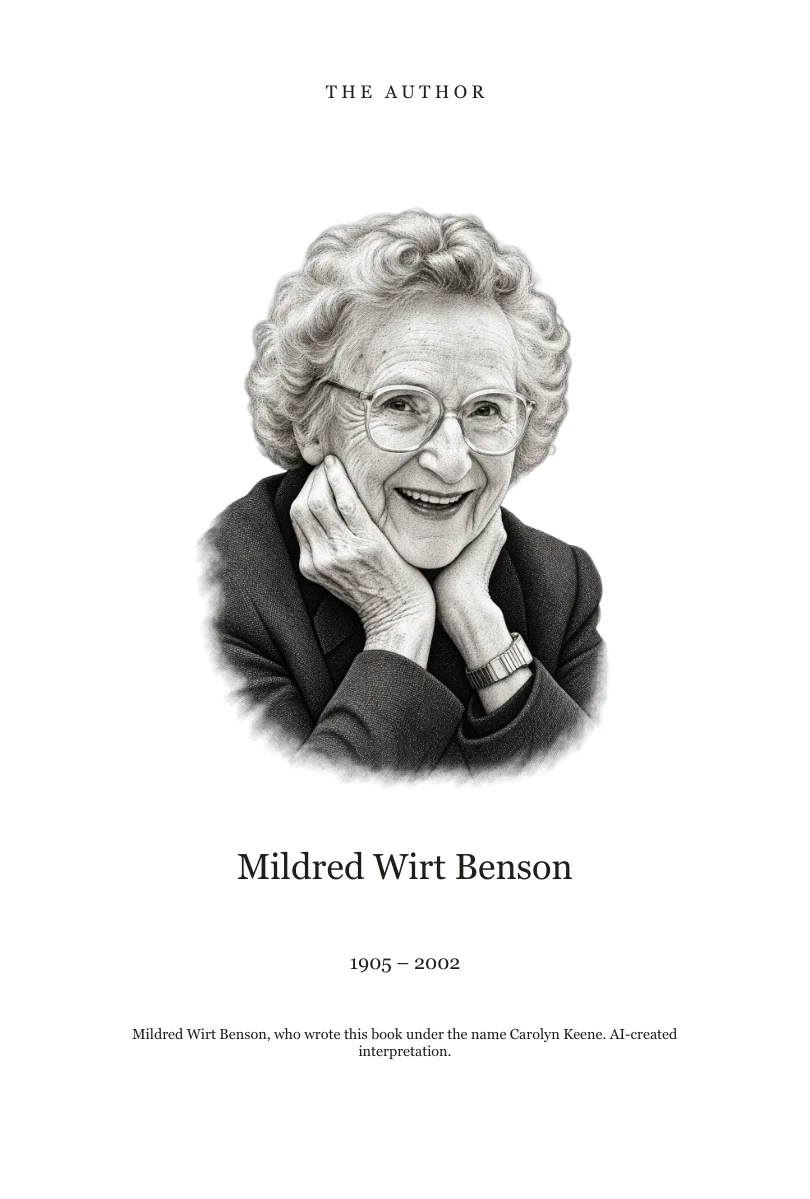
Carolyn Keene: nobody. The name belonged to the Stratemeyer Syndicate, which commissioned the Nancy Drew books. Mildred Wirt Benson wrote the original text of this first one.


Why did classic authors use pen names?
- To protect a career. Dodgson was an Oxford lecturer and an ordained deacon; Wright was a serious critic. A pen name kept the nonsense or the thrillers separate.
- To escape a past. William Sydney Porter had been in prison; ‘O. Henry’ had not.
- To be judged fairly. Women writers from the Brontës to George Eliot hid their sex to get a fair hearing, as we explain in women writers who published under men’s names.
- To build a brand. Publishers found that a single name on a series sold books, whoever was writing them. Carolyn Keene, like the Stratemeyer Syndicate’s other house names, belonged to the company, not to a writer.
- Because the rules said so. Some soldiers and officials were expected not to publish under their own names.
The stories behind three famous pen names
Mark Twain is the best story. Clemens trained as a steamboat pilot on the Mississippi in the late 1850s, and on the river ‘mark twain’ was the leadsman’s call for a depth of two fathoms, about twelve feet. He first used the name as a Nevada newspaper reporter in 1863. Read the whole tale in Mark Twain the riverboat pilot.
Carolyn Keene is the strangest. The Nancy Drew books, launched in 1930, were plotted by the Stratemeyer Syndicate and written by a series of ghostwriters, all under the same name. Readers believed for decades that Carolyn Keene was a real woman. We explain how it worked in Did you know Carolyn Keene was not a real person?
And O. Henry is the most mysterious. Porter never gave a consistent explanation of the name, and several theories still compete. What is certain is that he wrote some of his first stories in an Ohio prison, which is why he also appears in our list of classic books written in prison.
Which pen-named classic should you read first?
For a laugh, Saki’s Beasts and Super-Beasts, whose short, savage stories are perfect for a train journey. For a classic everyone should know, The Adventures of Tom Sawyer. For a dose of Enlightenment wit, Candide, which takes an afternoon and skewers everything.
Or start where many readers met their first pen name, without ever knowing it: Alice’s Adventures in Wonderland, by a quiet Oxford mathematician who first told the story to three young sisters on a summer boat trip in 1862.
Questions readers ask
What was Mark Twain’s real name?
Mark Twain’s real name was Samuel Langhorne Clemens. He took the pen name from a Mississippi riverboat call meaning two fathoms of water.
What was Lewis Carroll’s real name?
Lewis Carroll was Charles Lutwidge Dodgson, a mathematics lecturer at Christ Church, Oxford. He made the pen name by Latinising, reversing and re-anglicising his first two names.
Who was the real Carolyn Keene?
Carolyn Keene was a house pen name owned by the Stratemeyer Syndicate. Several ghostwriters wrote the Nancy Drew books under it, beginning with Mildred Wirt Benson.
What are some famous pen names in literature?
Famous examples include Mark Twain (Samuel Clemens), George Eliot (Mary Ann Evans), Voltaire (François-Marie Arouet), Lewis Carroll (Charles Dodgson) and O. Henry (William Sydney Porter).