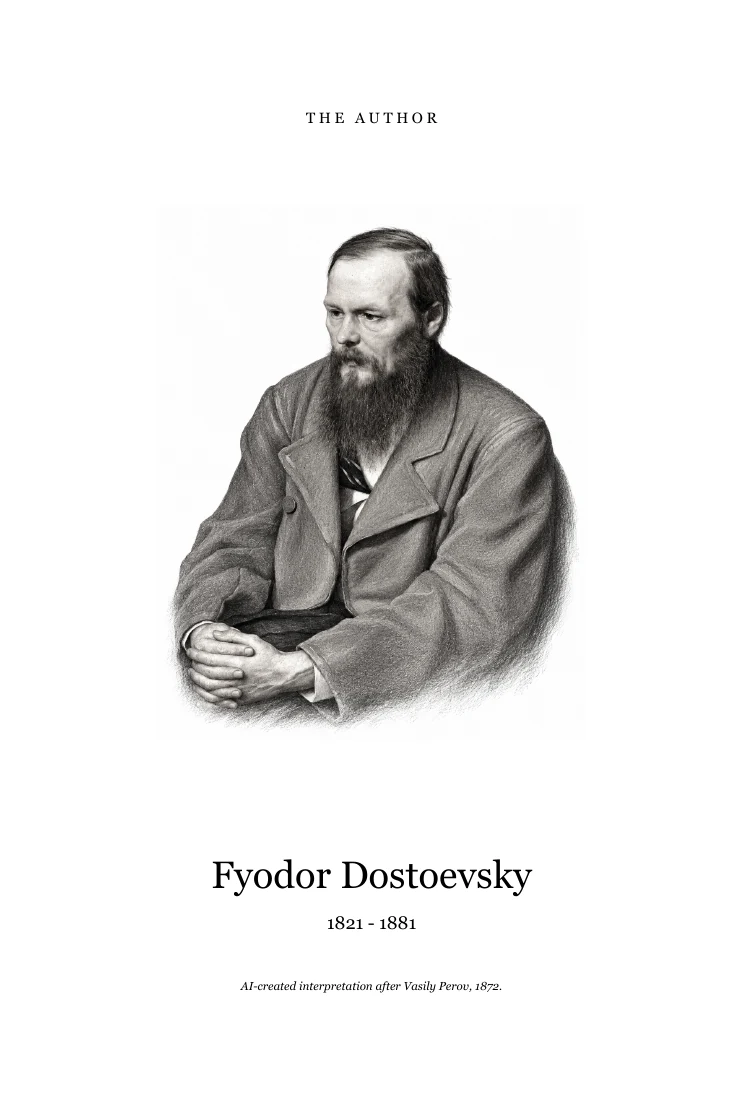
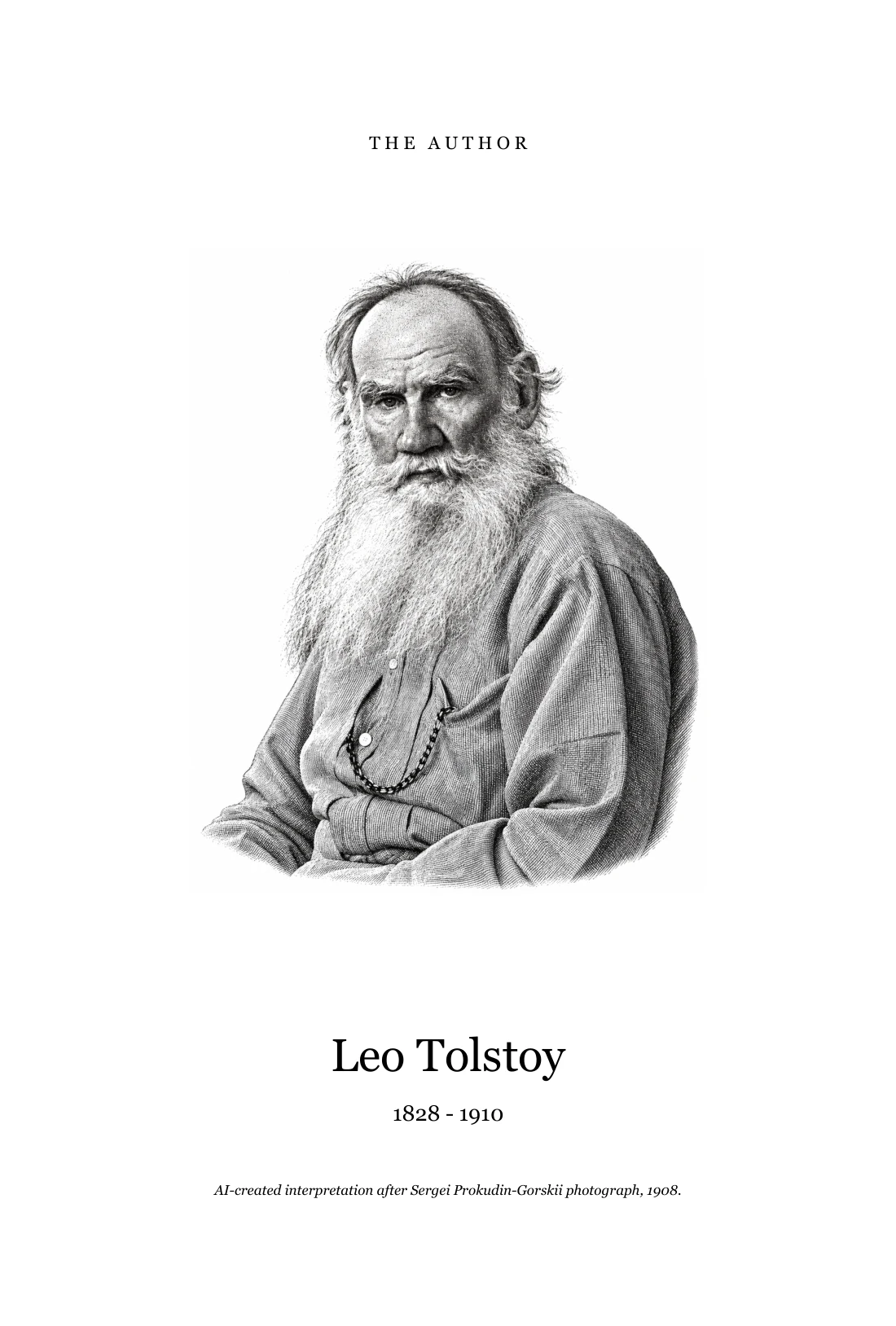
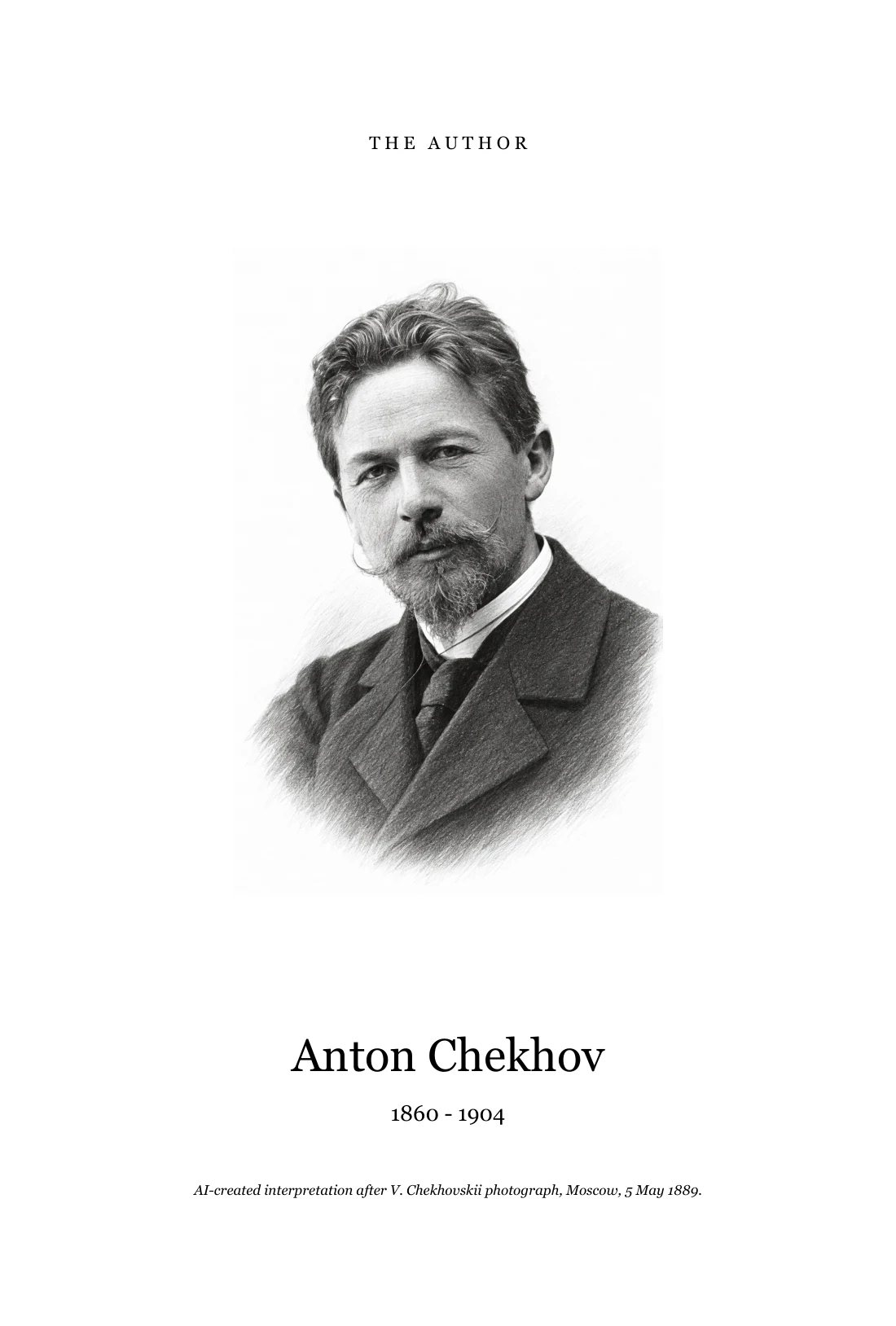
If you are looking for Russian literature for beginners, the secret is to start small. Dostoevsky, Tolstoy, Turgenev, Gogol and Chekhov all wrote short novels and stories that carry the full flavour of their big books — the passion, the comedy, the arguments about how to live — without the commitment of eight hundred pages.
This list is arranged as a path. It begins with the shortest and most welcoming books, moves on to the classic short novels, and ends with two of the great long ones, for when you are ready. Eleven books in all, by five great writers plus one anthology, most of them written between the 1840s and the end of the nineteenth century.
Russian literature for beginners: start here
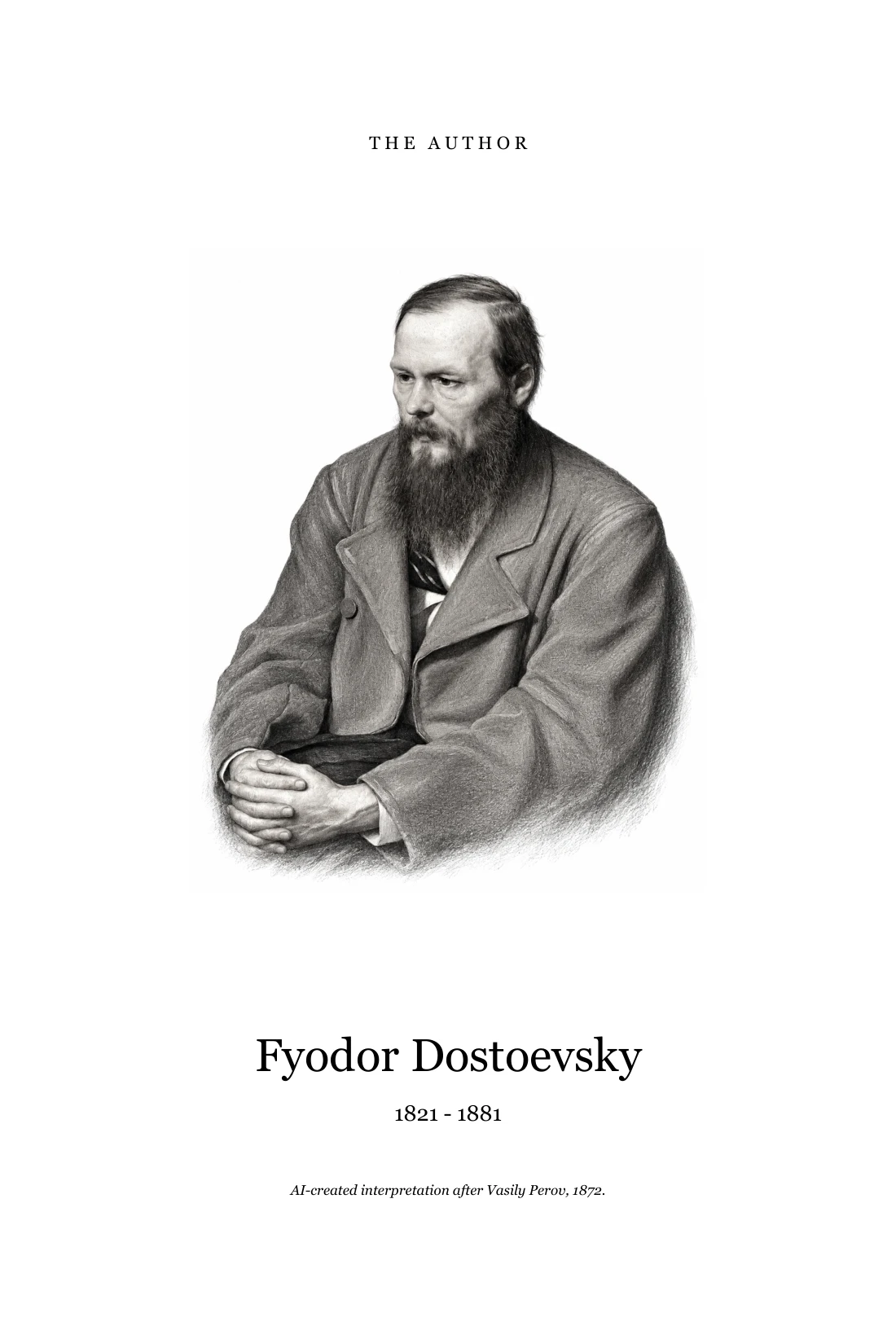
White Nights
1848. A lonely young dreamer meets a girl by a St Petersburg canal during the pale midsummer nights, and over four nights tells her his life. Dostoevsky at his most tender, and very short.
The Lady with the Dog and Other Stories
Chekhov’s stories are the gentlest way into Russian literature: small moments, ordinary people, endings that leave you thinking. The title story follows an affair begun on holiday in Yalta.
Best Russian Short Stories
An anthology that lets you sample many Russian writers in one volume, and find out whose voice you want more of.


Anton Chekhov was a practising doctor as well as a writer, and he once described medicine as his lawful wife and literature as his mistress. His stories are where many readers first fall for Russian fiction.

The best Russian short novels
Once you have found your feet, these short novels show each writer at full strength.
The Gambler
1866. A tutor in a German spa town is swept up in roulette, debt and an impossible love. Dostoevsky dictated it in under a month to meet a ruinous publishing deadline.
Notes from Underground
1864. A bitter, brilliant, self-mocking narrator rants from his “underground” against reason, progress and himself. Short but strong medicine, and the seed of Dostoevsky’s great novels.
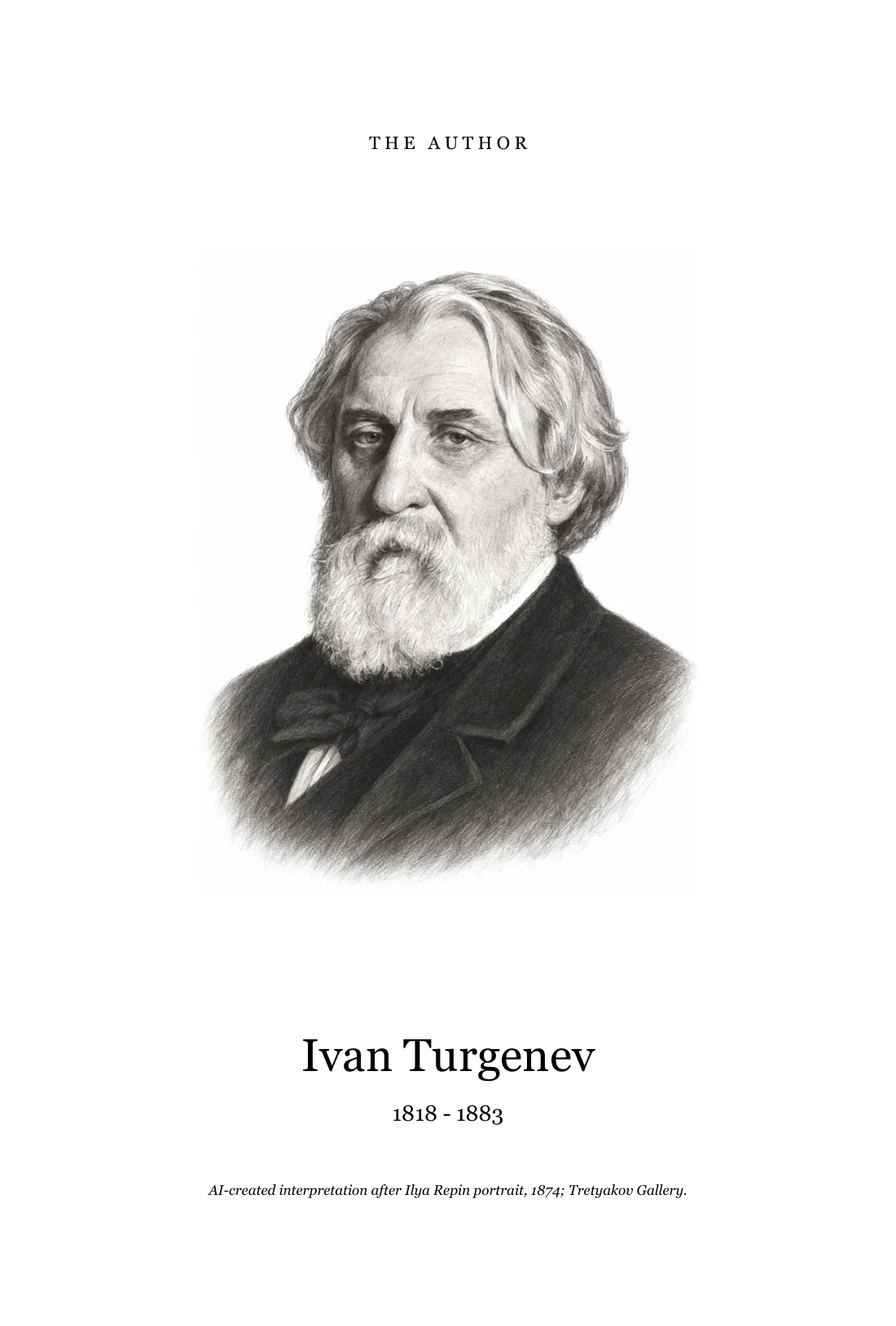
Fathers and Sons
1862. A young medical student who believes in nothing comes to stay with a friend’s family and unsettles everyone he meets. Turgenev’s most famous novel, and the clearest, most balanced of the Russian classics.
The Cossacks: A Tale of 1852
1863. A young Moscow aristocrat flees society for a Cossack village in the Caucasus and falls for the life and a village girl. Tolstoy drew on his own years in the region.
The Kreutzer Sonata and Other Stories
Tolstoy’s later short fiction, including a fierce, disturbing story of jealousy told on an overnight train. It caused a scandal and was censored in Russia.


We tell the story of that deadline in Did you know Dostoevsky wrote The Gambler in 26 days? And Turgenev’s hero Bazarov did more than anyone to make a word famous; see Did you know Fathers and Sons made “nihilist” famous?
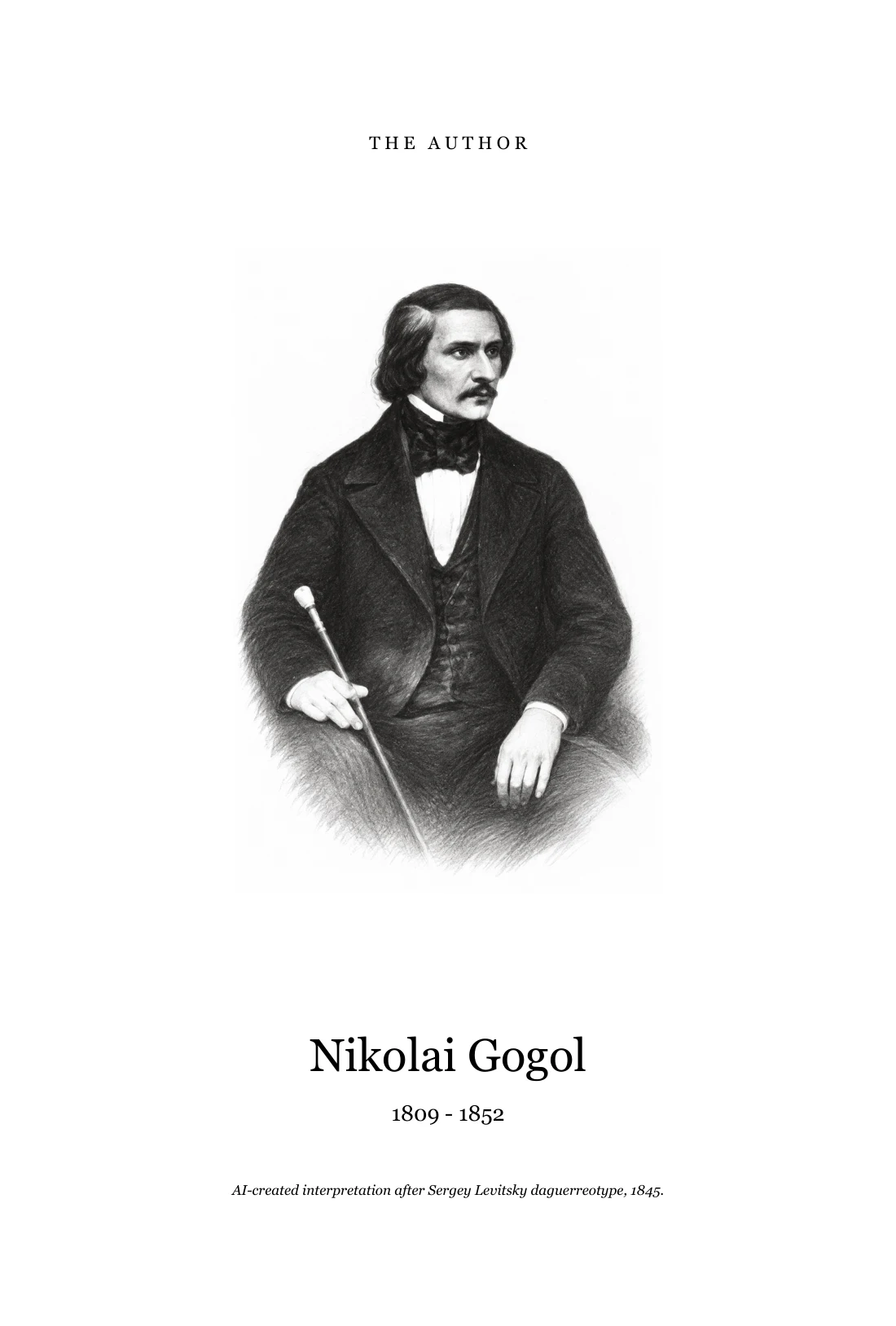
The comic masterpiece
Nikolai Gogol planned a second and third part, and burned much of the manuscript of the second shortly before his death. Only fragments survive — read more in Did you know Gogol burned the second part of Dead Souls?
When you’re ready: the great Russian novels
Crime and Punishment
1866. A penniless former student commits a murder to prove a theory, then is hunted by a patient detective and his own conscience. A psychological thriller, and the best first big Russian novel.
Anna Karenina
1878. A married woman’s love affair set against a landowner’s search for meaning. Long, but so clear and human that it reads far more easily than its size suggests.


After those, The Brothers Karamazov and The Idiot are waiting. Some of Fyodor Dostoevsky’s other books, including his first novel, Poor Folk, are listed under an alternative spelling of his name.
Tips for reading Russian novels
- Names are the biggest hurdle. Characters have a first name, a patronymic (from the father’s name) and a surname, plus affectionate nicknames. Jot them down on a bookmark as you meet them.
- Don’t worry about catching every reference. The emotions are universal even when the politics are not.
- Read the short books first. A writer’s style is easier to learn over a hundred pages than over eight hundred.
- If one writer doesn’t suit you, try another. Chekhov and Dostoevsky could hardly be more different.
Which Russian classic should a beginner read first?
For most readers, White Nights is the perfect first step: it is short, romantic and unmistakably Dostoevsky. If you prefer quiet realism, start with Chekhov. If you want a single novel that shows what all the fuss is about, go straight to Crime and Punishment — it is a gripping story first and a great book second. For more on building a classics habit, see How to get into classic literature.
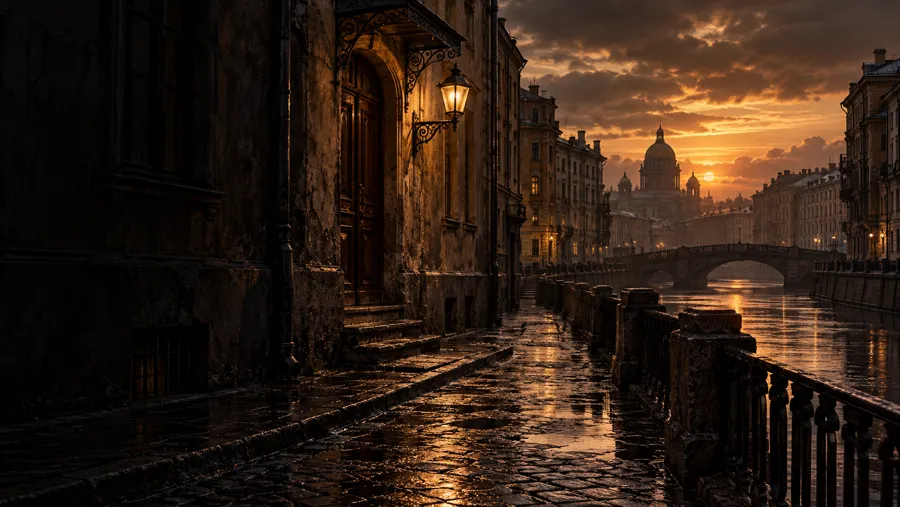
Whichever door you choose, open it on a long evening. Start on the canal embankment, in the white night, with a young man who has been alone too long and is about to meet someone.
Questions readers ask
What is the easiest Russian classic to read?
Dostoevsky’s White Nights and Chekhov’s short stories are the easiest starting points. Turgenev’s Fathers and Sons is the most approachable full novel.
Should I read Dostoevsky or Tolstoy first?
Try a short book by each before committing to a long one. White Nights or Notes from Underground for Dostoevsky, and The Cossacks for Tolstoy, will tell you quickly which you prefer.
What is the best Russian literature for beginners?
Short works such as White Nights and Chekhov’s stories are the gentlest start. For a full novel, Crime and Punishment is usually recommended as the first big Russian novel: it has a thriller’s plot and a small central cast. Fathers and Sons is a shorter alternative.