How short can a great Russian book be? Tolstoy’s Master and Man runs to fifty-eight pages in our edition, and it contains a whole moral universe: a greedy merchant, his patient servant, a horse, a sledge and a blizzard that will not stop. You can read it between dinner and bedtime on a Friday, and you will think about it all weekend.
The Russian novella (in Russian, the povest, a form longer than a story and shorter than a novel) was a favourite of the great nineteenth-century writers. Below, the best of them are sorted by appetite: the Friday-night reads, the Saturday books and the short novels that will fill a whole Sunday.
Friday night: Russian novellas for one sitting
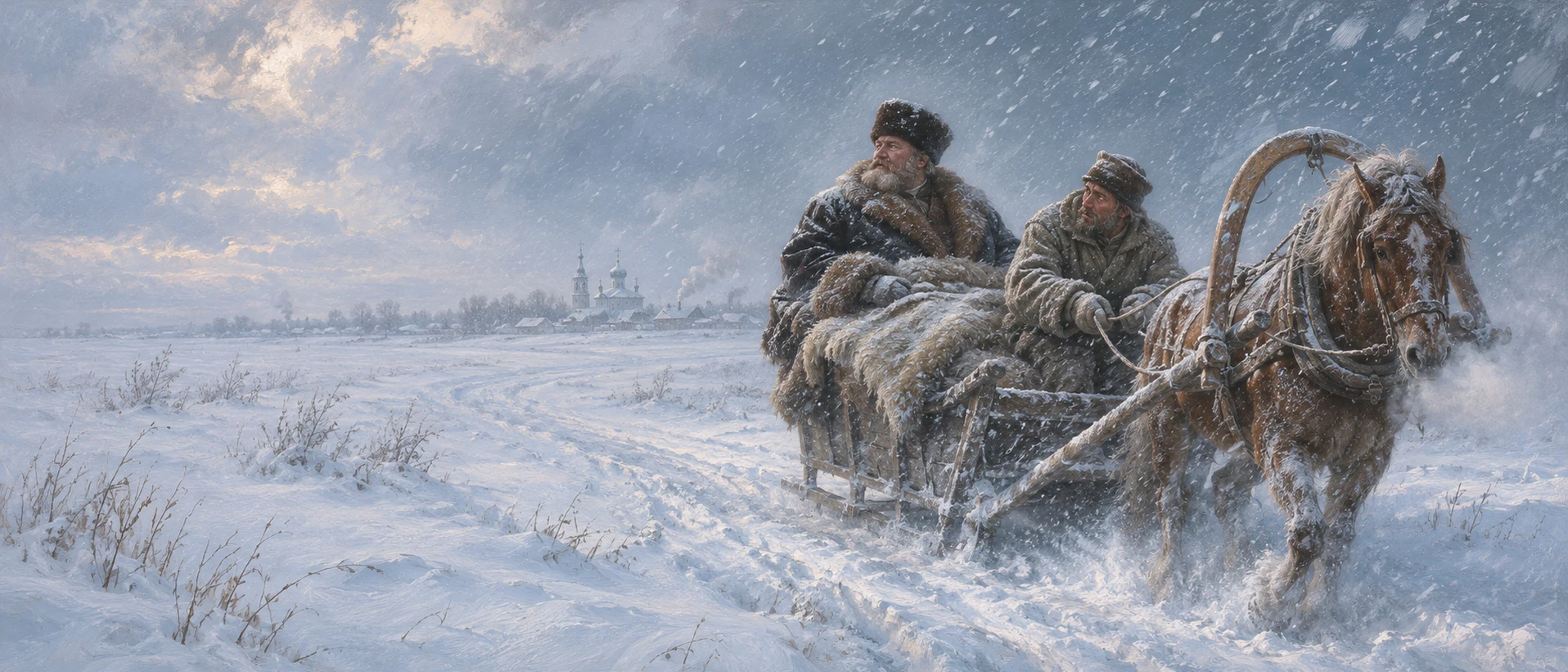
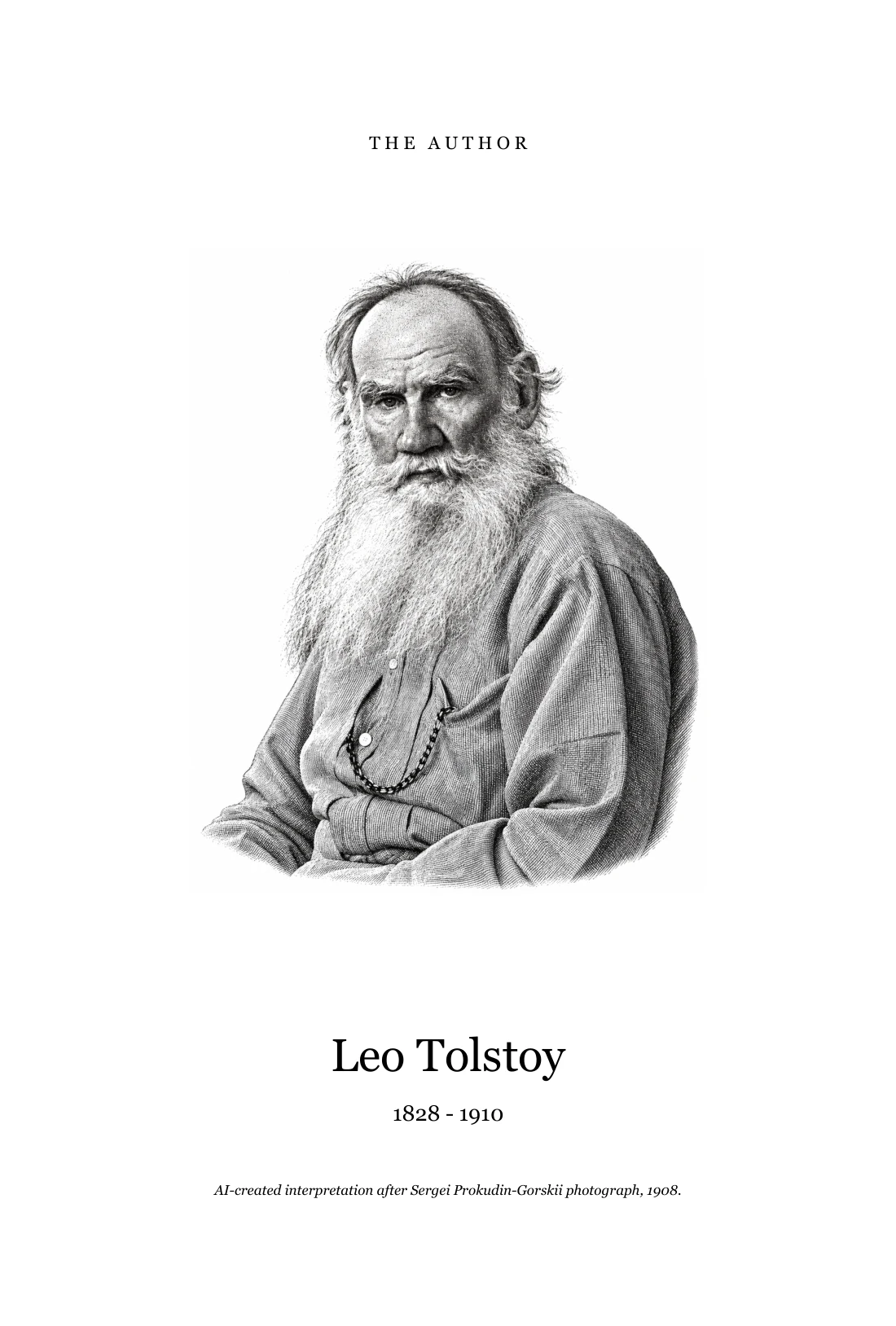
Master and Man
1895. Brekhunov, a merchant and church elder, sets off by sledge with his servant Nikita to beat rival buyers to a bargain grove, and drives into a snowstorm. Late Tolstoy at his plainest and most powerful.
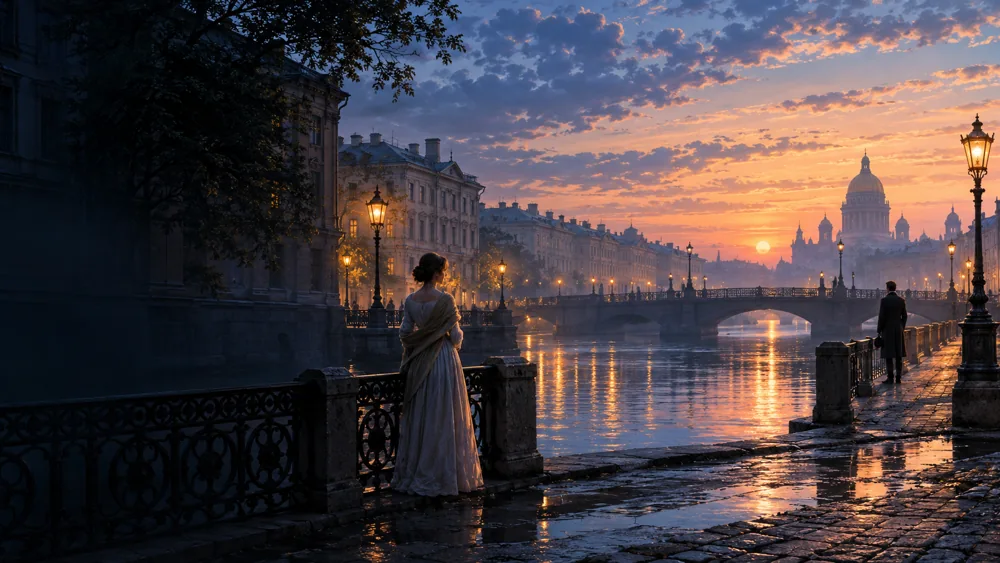
White Nights
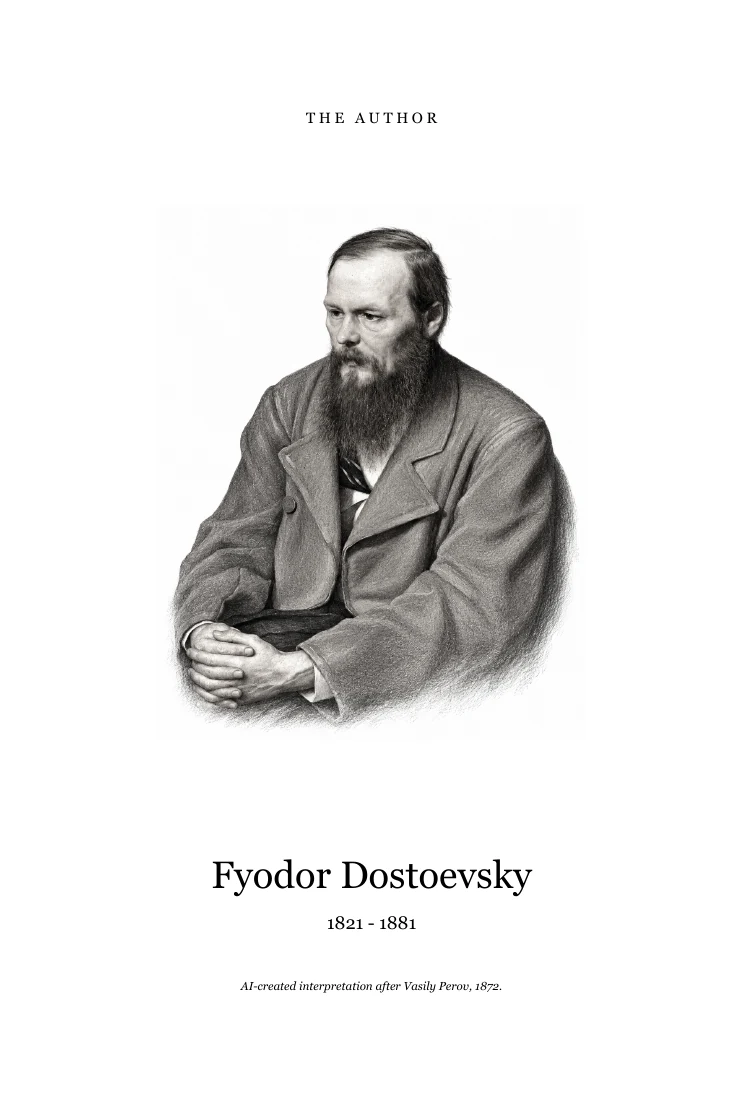
1848. A lonely dreamer meets a young woman, Nastenka, crying by a canal in St Petersburg, and over four light summer nights tells her everything. Early Dostoevsky, tender and slightly absurd.


Tolstoy published Master and Man in 1895, long after the moral and spiritual crisis he described in A Confession had turned him towards religious and ethical writing. The surprise is how little it preaches. The storm does the work. For more of his shorter books, see Tolstoy beyond War and Peace.
Saturday: the classic short novels
Notes from Underground
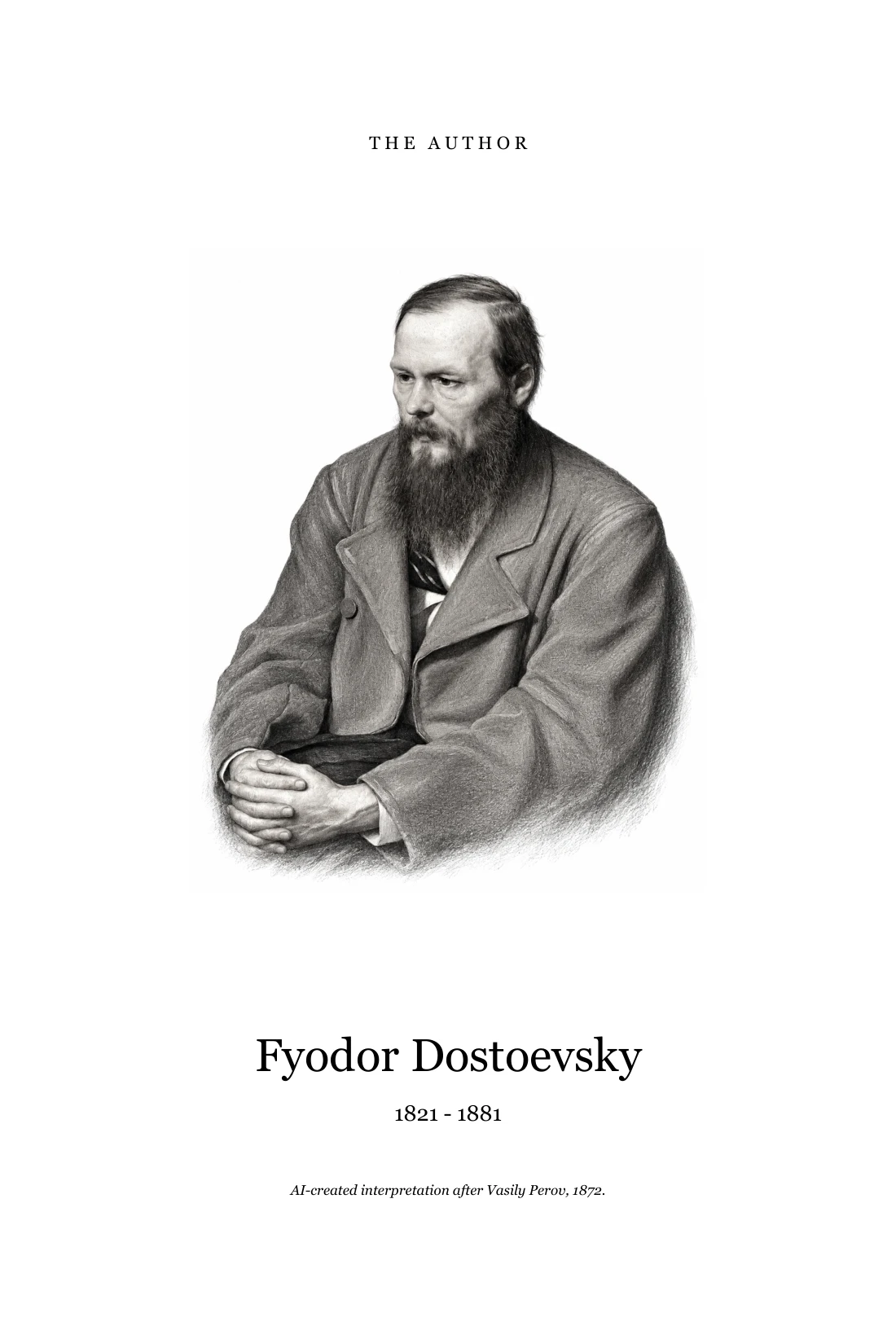
1864. A retired civil servant rants from his “underground” against reason, progress and his own readers, then tells the humiliating story of a dinner party and a young woman named Liza. Short, bitter and enormously influential.
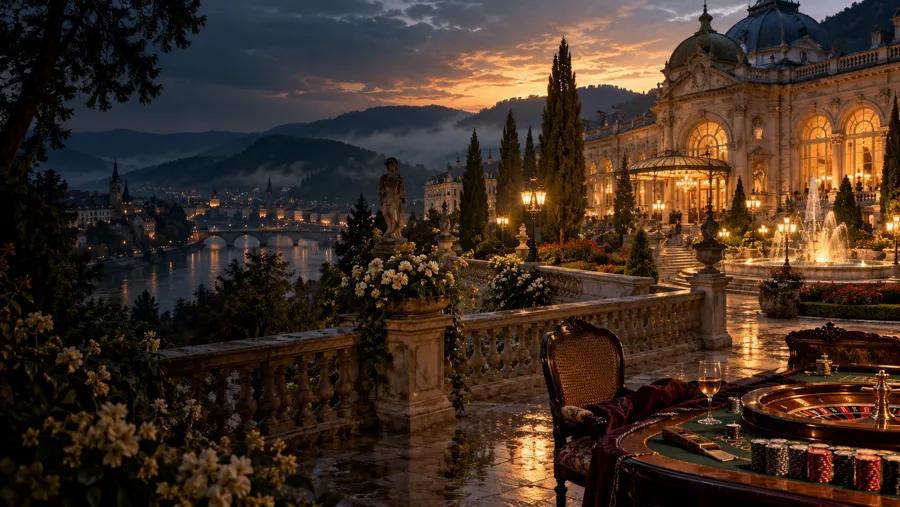
The Gambler
1866. A tutor in a German spa town gambles for love, money and self-respect, and loses all three at roulette. Dostoevsky dictated it in a race against a ruinous publishing deadline.
The Kreutzer Sonata and Other Stories
1889. On an overnight train, a man explains to a stranger why he killed his wife. Tolstoy’s title novella was censored by the Russian authorities, and it is still unsettling. Other stories fill out the book.


We tell that story in full in Did you know Dostoevsky wrote The Gambler in 26 days to keep the rights to his books?
Sunday: short novels for a whole day
A Hero of Our Time
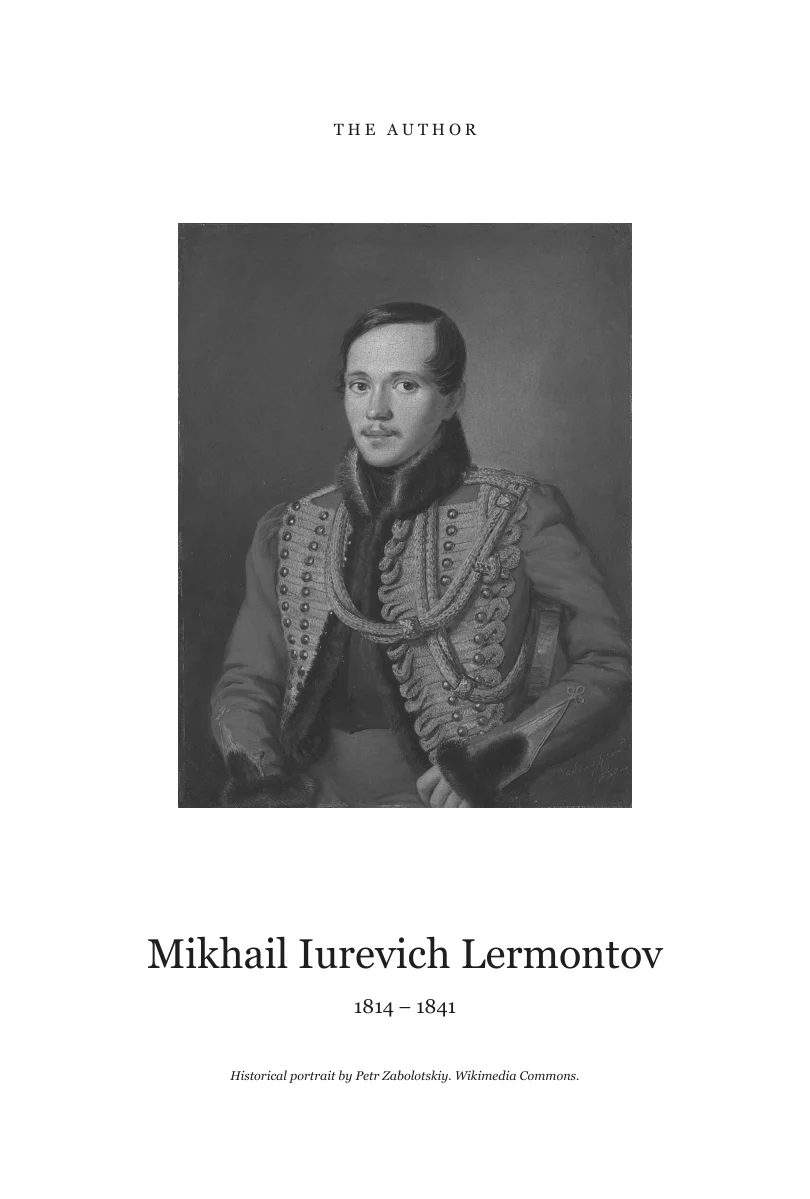
1840. Five linked tales about Pechorin, a bored, brilliant officer in the Caucasus, told first by people who met him and then by Pechorin himself. Often called the first psychological novel in Russian.
The Cossacks: A Tale of 1852
1863. A young Moscow nobleman joins the army in the Caucasus, hunts with an old Cossack and falls for a village girl who is promised to someone else. Turgenev called it his favourite of Tolstoy’s works.


Mikhail Lermontov was a poet before he was a novelist, and A Hero of Our Time was his only completed novel. He was killed in a duel with a fellow officer in July 1841, aged twenty-six, the year after it appeared. Readers who know the book find it hard not to see Pechorin’s own duel, in the section called “Princess Mary”, as a rehearsal.
The Cossacks had a long gestation. Tolstoy began it in 1853, drawing on his own years in the Caucasus, and finished it in 1862, reportedly in part to pay off a gambling debt. It appeared in 1863.
A sampler for the train home
If you would rather taste a dozen writers than finish one, an anthology does the job. Best Russian Short Stories, compiled by Thomas Seltzer, opens with Pushkin’s novella “The Queen of Spades” and Gogol’s “The Cloak” (better known as “The Overcoat”) before moving on to Turgenev, Chekhov, Gorky and others. Chekhov has three stories, among them “The Darling” and “Vanka”, and Tolstoy is represented by the parable “God Sees the Truth, but Waits”.
Which Russian novella should you read first?
If you have one evening, read Master and Man. If you have a weekend and want a single book that feels like a full Russian novel in miniature, take A Hero of Our Time. For a gentler start to the whole tradition, our guide to Russian classics for beginners lays out a longer reading path, and Where to start with Dostoevsky goes deeper into the novels that followed Notes from Underground.
Start, though, with the snow. Open Master and Man on a winter Friday, and follow Brekhunov out of the village before the light goes.
Questions readers ask
What are the best Russian novellas?
Strong choices include Tolstoy’s Master and Man (1895) and The Kreutzer Sonata (1889), Dostoevsky’s White Nights (1848), Notes from Underground (1864) and The Gambler (1866), and Pushkin’s The Queen of Spades.
What is the shortest Russian classic?
Many of the great Russian writers wrote stories you can read in an hour or two. Among the novellas, Tolstoy’s Master and Man and Dostoevsky’s White Nights are two of the shortest and best.
Is A Hero of Our Time a novel or a collection of stories?
Both, in a sense. Lermontov’s book (1840) is made up of five linked stories about the same man, Pechorin, but it was conceived and published as a single novel.