An 1850s Cossack village near the Caucasus with low houses and distant snowy peaks
PIPCUB CINEMATIC EDITIONS / PAPERBACK BOOKS

The Cossacks: A Tale of 1852

Leo Tolstoy

Leaving Moscow behind, Olenin travels to the Caucasus in search of a simpler and more meaningful existence.

$13.99

Printed for you. Shipping calculated at checkout.

Checkout opening soon. Shipping & delivery Returns
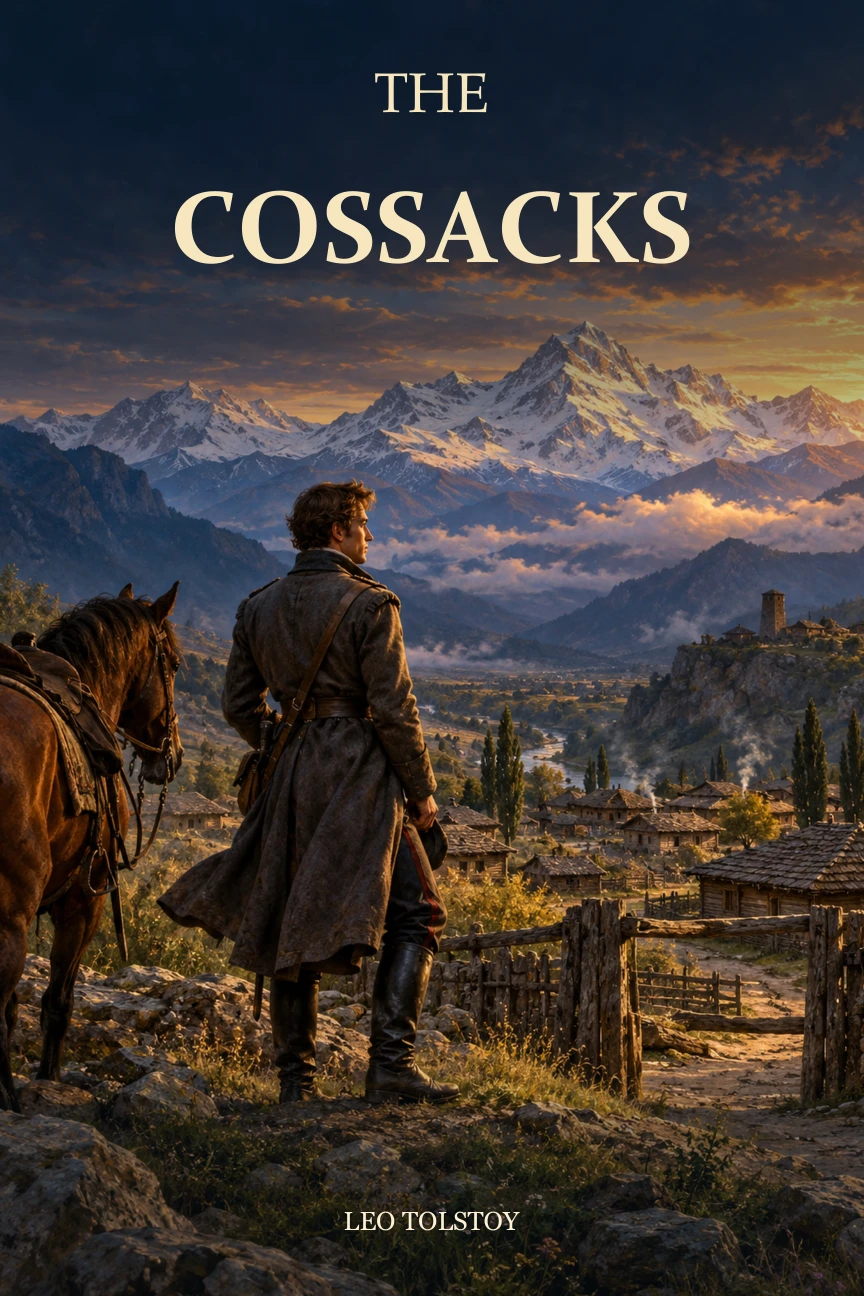
The Cossacks: A Tale of 1852 — actual Pipcub paperback cover
SCROLL INTO THE STORYAN IMAGINED WORLD · ORIGINAL AI ART
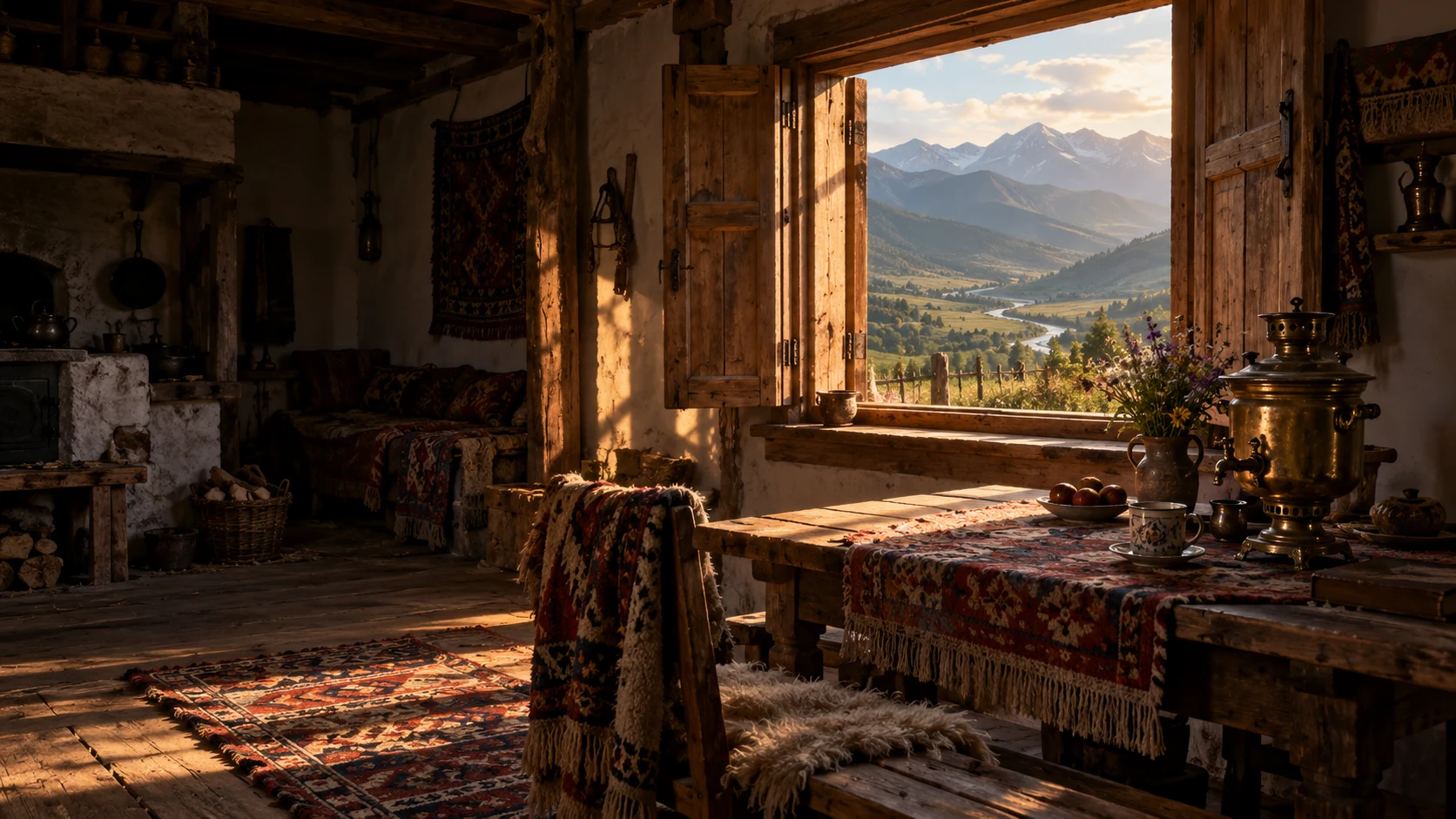
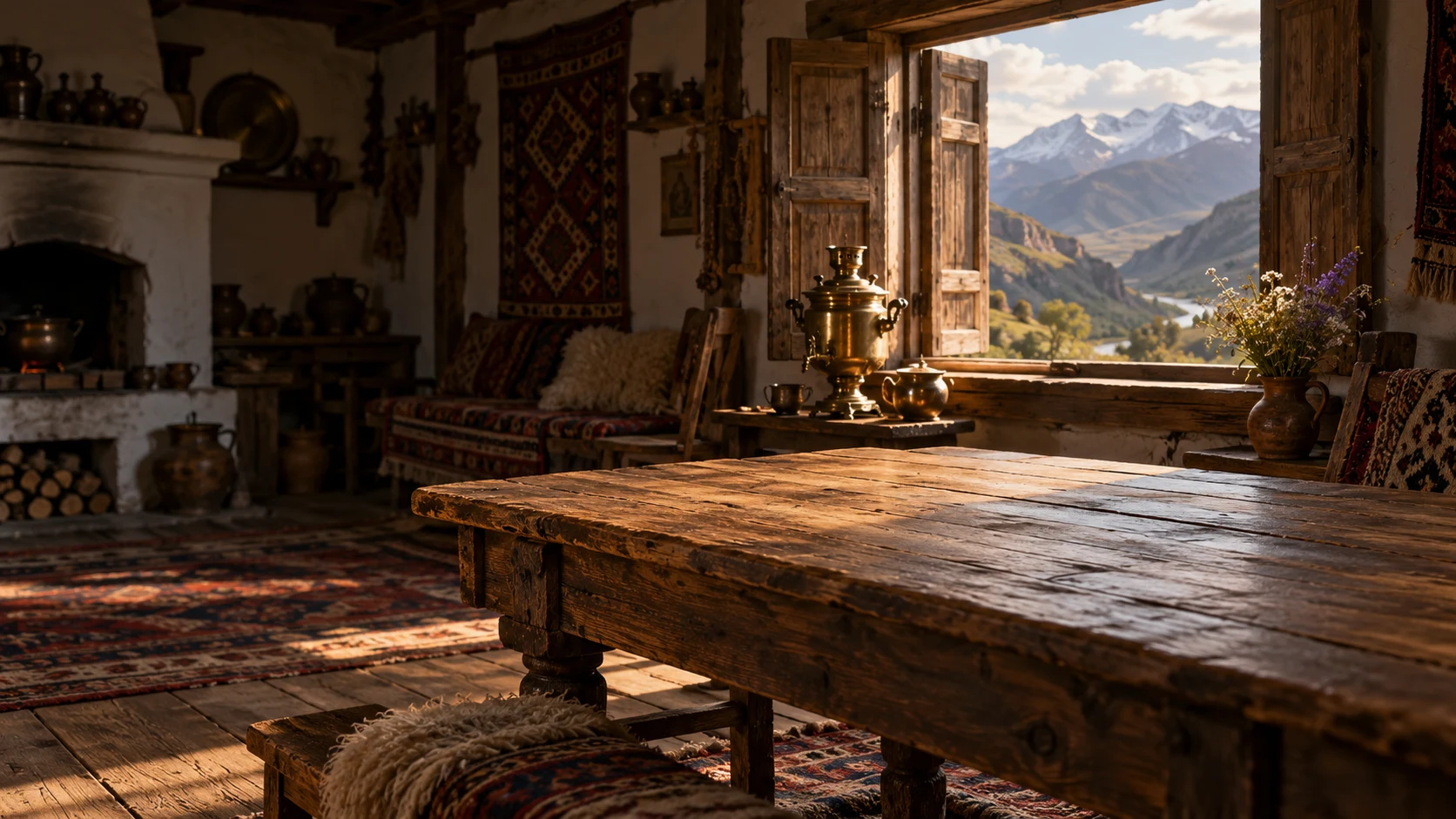
A modest Cossack home with woven rugs, a samovar and open wooden shutters

THE STORY

At the edge of another life.

Leaving Moscow behind, Olenin travels to the Caucasus in search of a simpler and more meaningful existence.

A wild river at the foot of the Caucasus beneath immense mountain light

THE WORLD OF THE BOOK

Beneath the Caucasus peaks.

The independence of village life, the beauty of the landscape, and his love for Maryanka seem to promise renewal. Tolstoy explores the distance between admiring a world and truly belonging to it.
The Cossacks: A Tale of 1852 front cover
Read the interior preview

LOOK INSIDE

Open a book.
Enter a world.

Preview six pages from this edition. Select a page to enlarge it, or use the arrows to keep reading.

Spread 1 of 3
The Cossacks: A Tale of 1852 · PDF page 4
Actual interior PDF page 4 of The Cossacks: A Tale of 1852
Read accessible text

2 Chapter I All is quiet in Moscow. The squeak of wheels is seldom heard in the snow-covered street. There are no lights left in the windows and the street lamps have been extinguished. Only the sound of bells, borne over the city from the church towers, suggests the approach of morning. The streets are deserted. At rare intervals a night-cabman’s sledge kneads up the snow and sand in the street as the driver makes his way to another corner where he falls asleep while waiting for a fare. An old woman passes by on her way to church, where a few wax candles burn with a red light reflected on the gilt mountings of the icons. Workmen are already getting up after the long winter night and going to their work—but for the gentlefolk it is still evening. From a window in Chevalier’s Restaurant a light—illegal at that hour—is still to be seen through a chink in the shutter. At the entrance a carriage, a sledge, and a cabman’s sledge, stand close together with their backs to the curbstone. A three-horse sledge from the post-station is there also. A yard-porter muffled up and pinched with cold is sheltering behind the corner of the house. “And what’s the good of all this jawing?” thinks the footman who sits in the hall weary and haggard. “This always happens when I’m on duty.” From the adjoining room are heard the voices of three young men, sitting there at a table on which are wine and the remains of supper. One, a rather plain, thin, neat little man, sits looking with tired kindly eyes at his friend, who is about to start on a journey. Another, a tall man, lies on a sofa beside a table on which are empty bottles, and plays with his watch-key. A third, wearing a short, fur-lined coat, is pacing up and down the room stopping now and then to crack an almond between his strong, rather thick, but well-tended fingers. He keeps smiling at something and his face and eyes are all aglow. He speaks warmly and gesticulates, but evidently does not find the words he wants and those that occur to him seem to him inadequate to express what has risen to his heart. “Now I can speak out fully,” said the traveller. “I don’t want to defend myself, but I should like you at least to understand me as I understand myself, and not look at the matter superficially. You say I

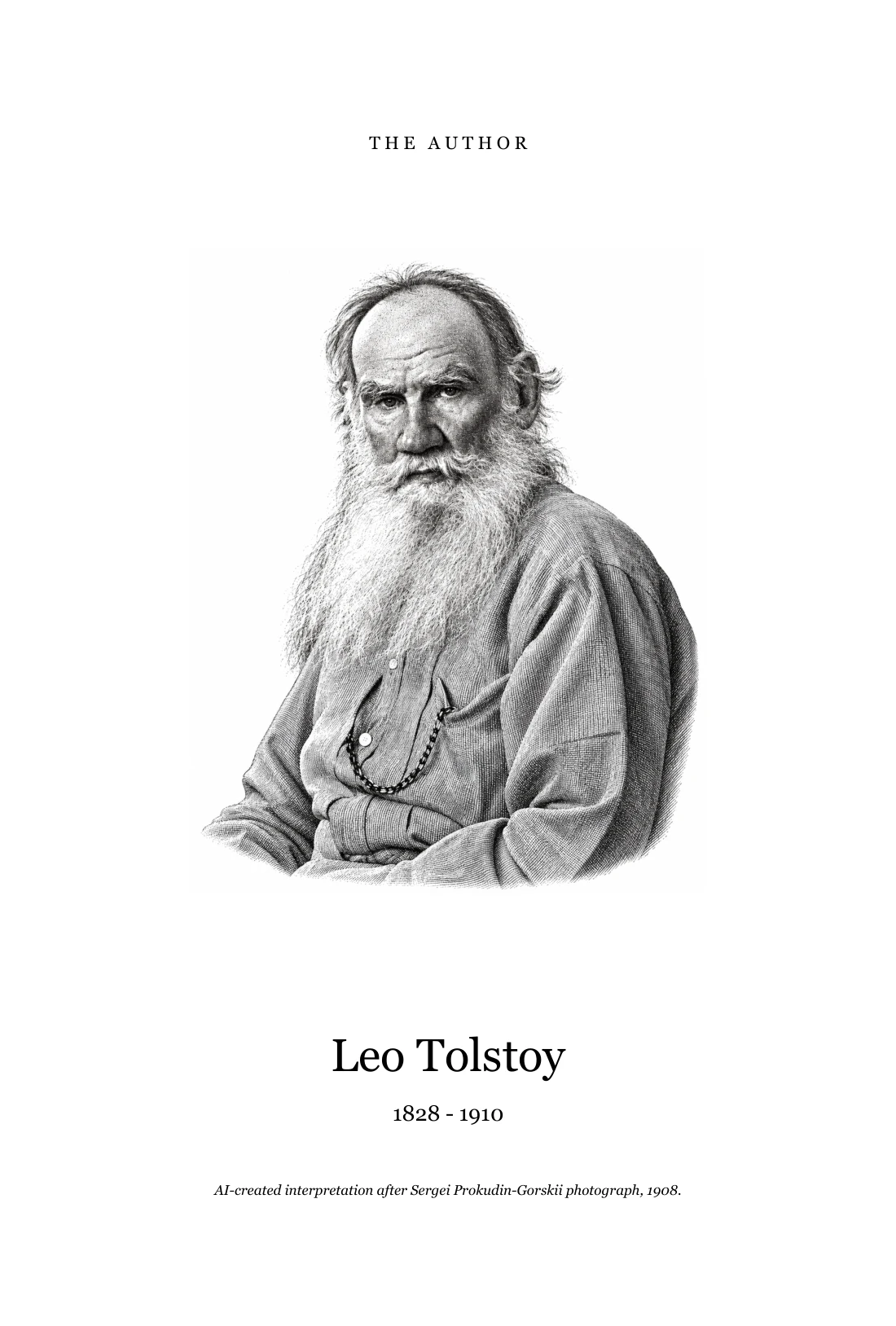
Leo Tolstoy portrait page from this edition

ABOUT THE AUTHOR

Leo Tolstoy

Leo Tolstoy was a Russian novelist, short-story writer and thinker, born into an aristocratic family. His early writing drew on youth and military experience, including service during the Crimean War. These beginnings already show his interest in the difference between what people imagine about themselves and what they discover through experience.

More about the author ↗

Discover the author behind the story. This portrait and biography are included in your edition.

FREE TO READ

Take it with you.

The Cossacks: A Tale of 1852 is in the public domain, so its words belong to everyone. Download our edition free. No account needed.

Read it in your browser ↗
Add it to your reading app
iPhone & iPad
Tap download, then open the file from Safari’s downloads, tap Share and choose Books. It stays in your Apple Books library.
Android
Tap download, open the file and choose Google Play Books. Or, in Play Books, go to Library, tap ⋮ and choose Upload files.
Kindle
Send the file to your Kindle library with Amazon’s Send to Kindle.
Kobo, Moon+ Reader and other apps
Open the downloaded file with the app, or use the app’s import option.

KEEP BROWSING

More from the library.

The Corner House Girls' Odd Find Where they made it, and What the Strange Discovery led to cover

The Corner House Girls' Odd Find Where they made it, and What the Strange Discovery led to

Grace Brooks Hill

The Corsair King cover

The Corsair King

Mór Jókai

The Corsican Brothers cover

The Corsican Brothers

Alexandre Dumas

The Count of Monte Cristo — Volume 1 cover

The Count of Monte Cristo — Volume 1

Alexandre Dumas

The Count of Monte Cristo — Volume 2 cover

The Count of Monte Cristo — Volume 2

Alexandre Dumas

The Count of Monte Cristo — Volume 3 cover

The Count of Monte Cristo — Volume 3

Alexandre Dumas

Browse the complete library ↗
YOUR NEXT CHAPTER

Your book bag 0

A little escape. A story to keep.

Loading your book bag…