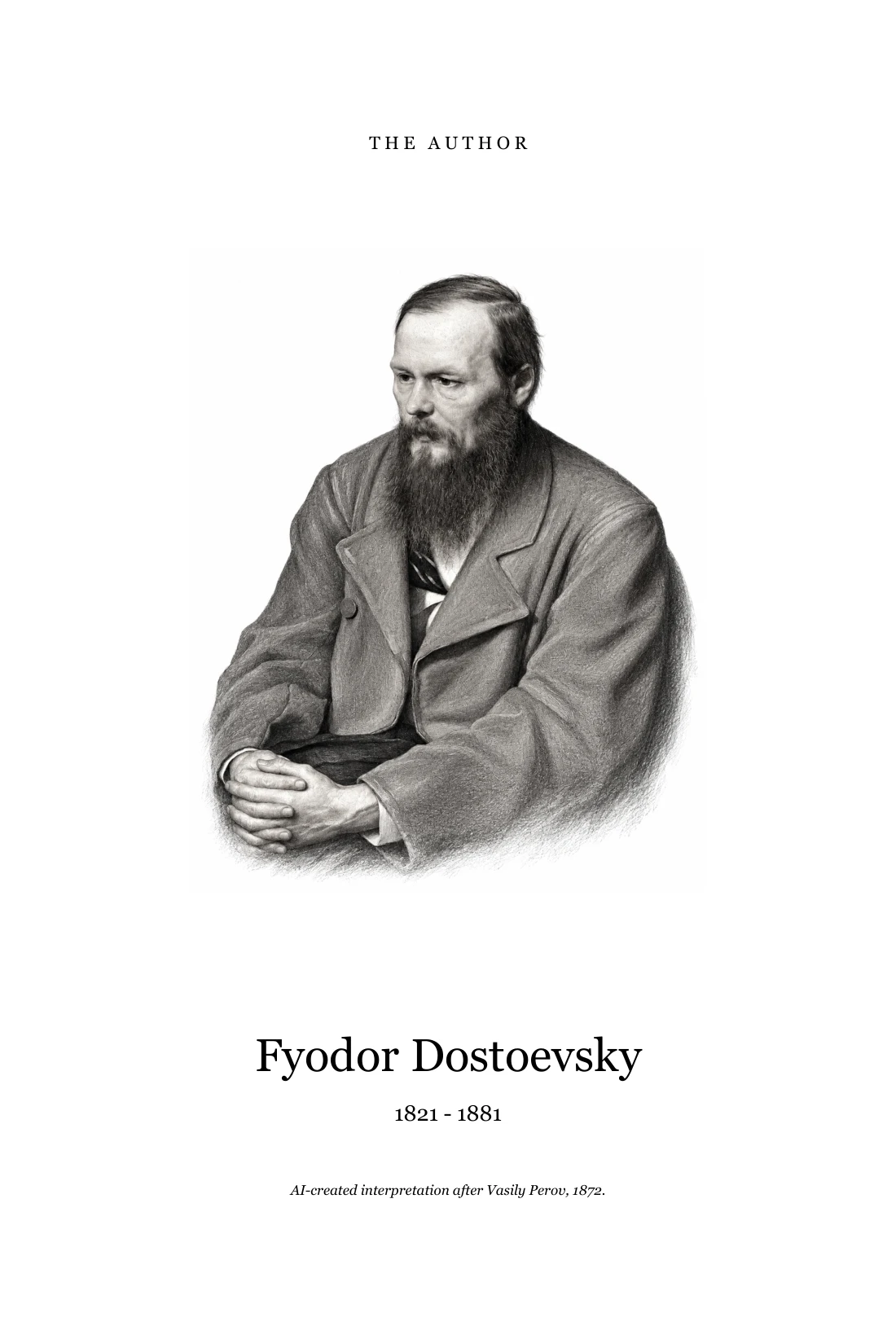
In December 1849 Fyodor Dostoevsky, then a promising young writer of twenty-eight, was marched with other members of a Petersburg discussion circle onto a parade ground to be shot. The first three prisoners had been tied to stakes when the drums sounded, the rifles were lowered and a pardon from the tsar was read out. The whole ceremony had been planned in advance. Instead of death he got four years of hard labour in Siberia and years of army service after that.
Everything he wrote afterwards carries the knowledge of that morning: what a person thinks in the minutes before the end, and what they owe to the life they get back. It is why his novels feel urgent rather than gloomy. And it is why the right Dostoevsky reading order matters, because the big books ask a lot of you, and the small ones teach you how to read them.
The Dostoevsky reading order we recommend
Start short, move to the novel that made him famous, and finish with the one he died shortly after completing. Six books, in rising order of commitment.
- $9.99
White Nights
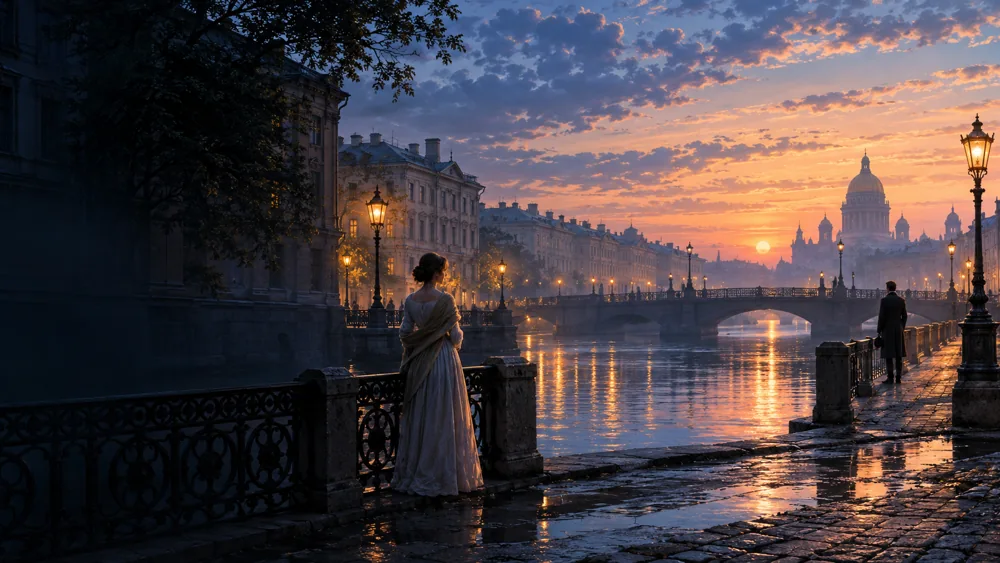
1848. A lonely young dreamer meets a girl on a Petersburg embankment and they talk through four white nights of midsummer. Tender, funny and sad, written before his arrest, and the gentlest possible introduction to his voice.
- $11.99
Notes from Underground
1864. A bitter retired civil servant rants at the reader from his “underground”, then tells the story of the humiliations that made him. Short, savage and the key to everything that follows.
- $12.99
The Gambler
1866. A tutor in a German spa town gambles his way into ruin for love of a woman who toys with him. Written at speed and reads that way: the most purely entertaining thing he wrote.
- $22.99
Crime and Punishment
1866. A penniless student kills an old pawnbroker to prove a theory, and the rest of the novel is the fight for his soul. The murder comes early; the suspense is psychological, and it is relentless.
- $24.99
The Idiot
1868–69. Prince Myshkin, gentle, epileptic and almost unbearably honest, returns from a Swiss clinic to Petersburg society, and goodness turns out to be the most disruptive force in the room.
- $29.99
The Brothers Karamazov
1879–80. A murdered father, three brothers, a servant who may be a fourth, and every question Dostoevsky ever asked about faith and freedom. His last novel and his largest, and the one readers save for last.


Why not start with Crime and Punishment?
You can. It is the most gripping of the great novels, and plenty of readers have begun there and never looked back. But it runs to nearly five hundred pages, and its hero spends long stretches arguing with himself in fever. Readers who have already met that kind of voice in Notes from Underground tend to find it exhilarating rather than exhausting.
I am a sick man.... I am a spiteful man. I am an unattractive man.
Fyodor Dostoevsky, Notes from Underground (1864), translated by Constance Garnett
That opening is the Dostoevsky narrator in miniature: confessional, contradictory, daring you to dislike him. Give it an evening. If you can stay with the Underground Man for a hundred pages, Raskolnikov will feel like an old acquaintance.
How to read the long novels
Dostoevsky’s first readers took him in monthly portions. Crime and Punishment, The Idiot and The Brothers Karamazov were all serialised in the Moscow journal The Russian Messenger, and they still read best a few chapters at a time, with space to think in between.
- Keep a note of names. Russians use first name and patronymic, surnames and pet names for the same person, so Rodion Romanovitch Raskolnikov is also plain Rodya.
- Let the scenes run. His big set pieces, a party, a funeral, a confrontation in a crowded room, can go on for chapters. That is where the drama lives.
- Do not hurry the arguments. The famous chapter in Karamazov in which Ivan tells his brother the story of the Grand Inquisitor is a story within the story, and it repays slow reading.
- Expect comedy. Dostoevsky is much funnier than his reputation, especially in his liars, drunks and buffoons.
Where do Poor Folk and The House of the Dead fit?
Poor Folk (1846), a novel in letters between a poor copying clerk and a young woman he tries to protect, was the debut that made his name. It fits well beside White Nights as an early, warm-hearted book. The House of the Dead, serialised between 1860 and 1862, is a lightly fictionalised account of prison life in Siberia, drawn from his own four years there. Read it after Notes from Underground if you want to know where the darkness came from.
The Idiot was written abroad, where Dostoevsky and his young wife had gone partly to escape his creditors, and he said he wanted to portray a positively good man. The Brothers Karamazov was meant as the first part of a larger work. He died in February 1881, less than four months after it was published in book form, and the sequel was never written.
Which Dostoevsky should you read first?
For most readers, White Nights, followed by Notes from Underground. If you already know you love long novels, go straight to Crime and Punishment. For more Russian writers in the same spirit, see Russian classics for beginners, and if you are wondering how long the biggest of them really is, How long is The Brothers Karamazov? has the numbers.
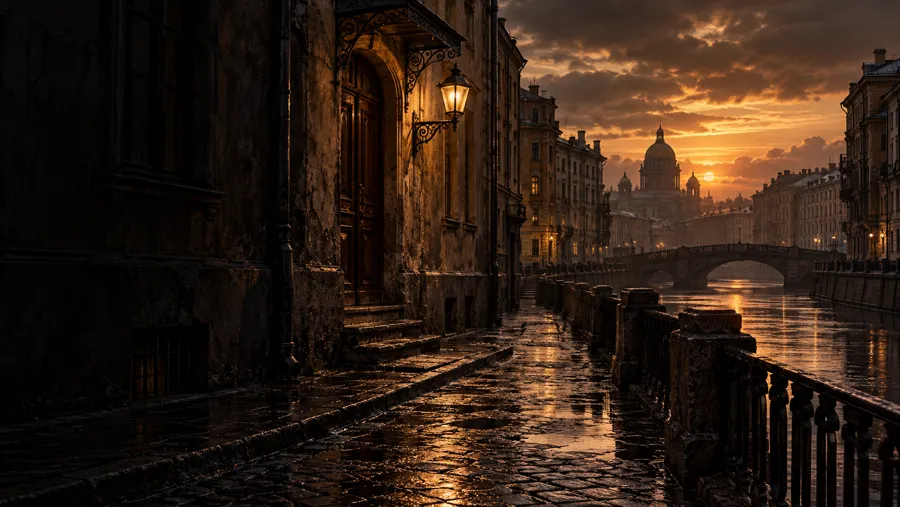
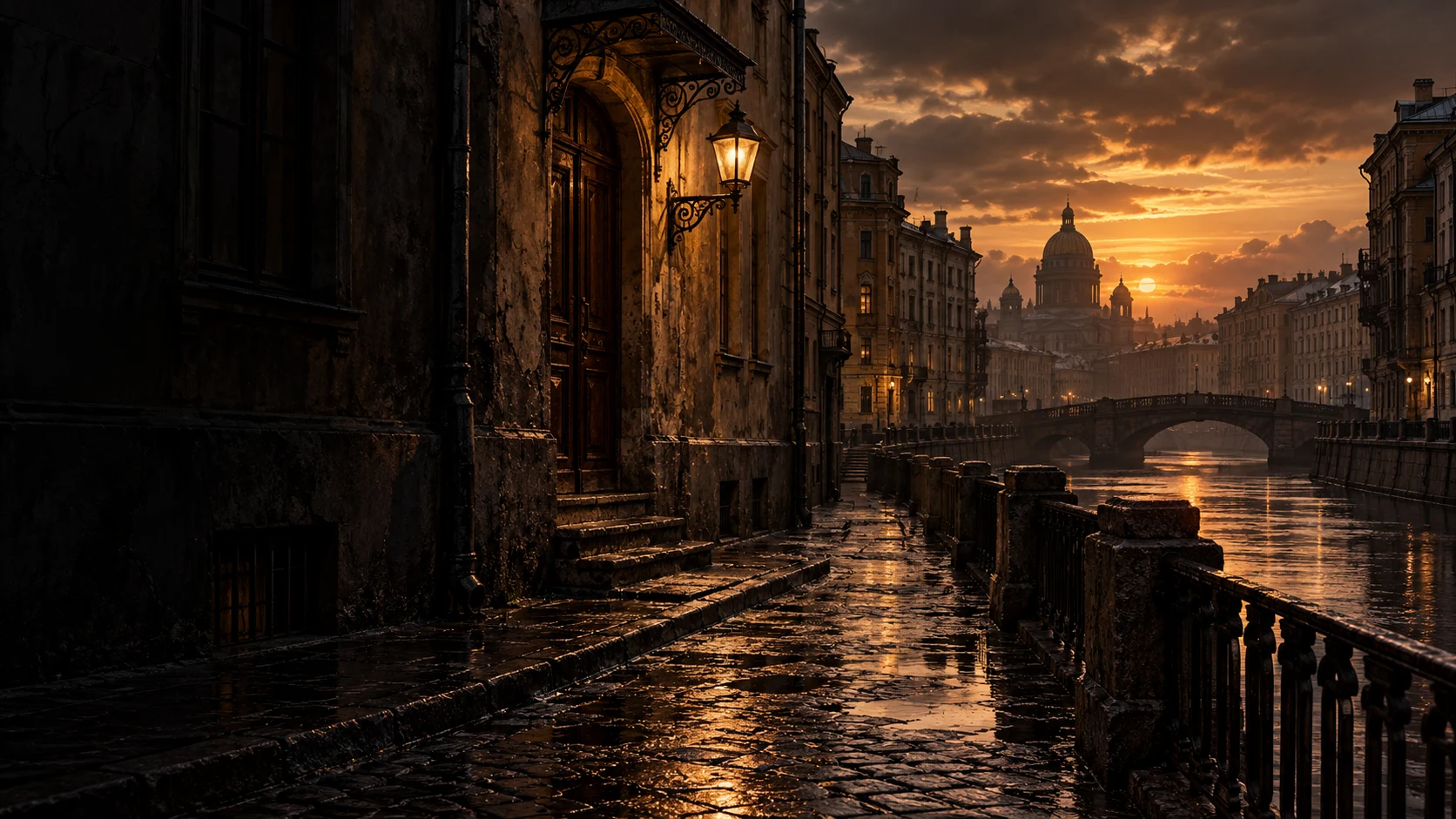
Whatever you choose, start where his dreamer did, on a Petersburg embankment on a summer night. Open White Nights, and see how quickly a stranger’s loneliness becomes your own.
Questions readers ask
What order should I read Dostoevsky in?
A good Dostoevsky reading order is White Nights, Notes from Underground, The Gambler, Crime and Punishment, The Idiot and finally The Brothers Karamazov. It moves from short books to long ones and roughly follows the order he wrote them.
What is the easiest Dostoevsky book to start with?
White Nights is the easiest: a short, tender story told over four nights. The Gambler is the most fast-moving of his short novels.
Should I read Crime and Punishment or The Brothers Karamazov first?
Crime and Punishment. It is shorter, more tightly plotted and easier to follow, and it prepares you for the scale and the arguments of The Brothers Karamazov.