An imagined setting inspired by Crime and Punishment
PIPCUB CINEMATIC EDITIONS / PAPERBACK BOOKS

Crime and Punishment

Fyodor Dostoevsky

A young former student commits a terrible crime and discovers that his theory of exceptional freedom cannot silence his conscience.

$22.99

Printed for you. Shipping calculated at checkout.

Checkout opening soon. Shipping & delivery Returns
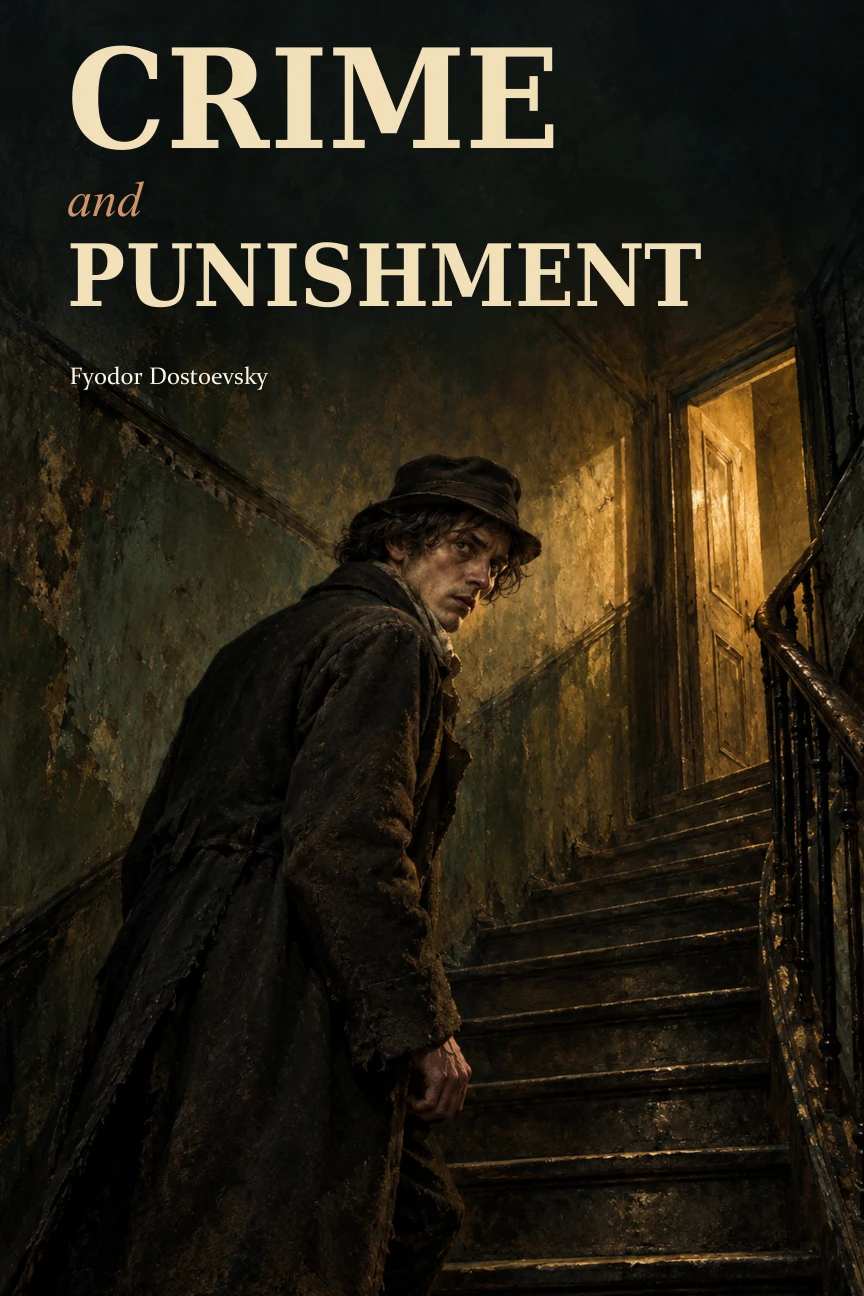
Crime and Punishment — actual Pipcub paperback cover
SCROLL INTO THE STORYAN IMAGINED WORLD · ORIGINAL AI ART
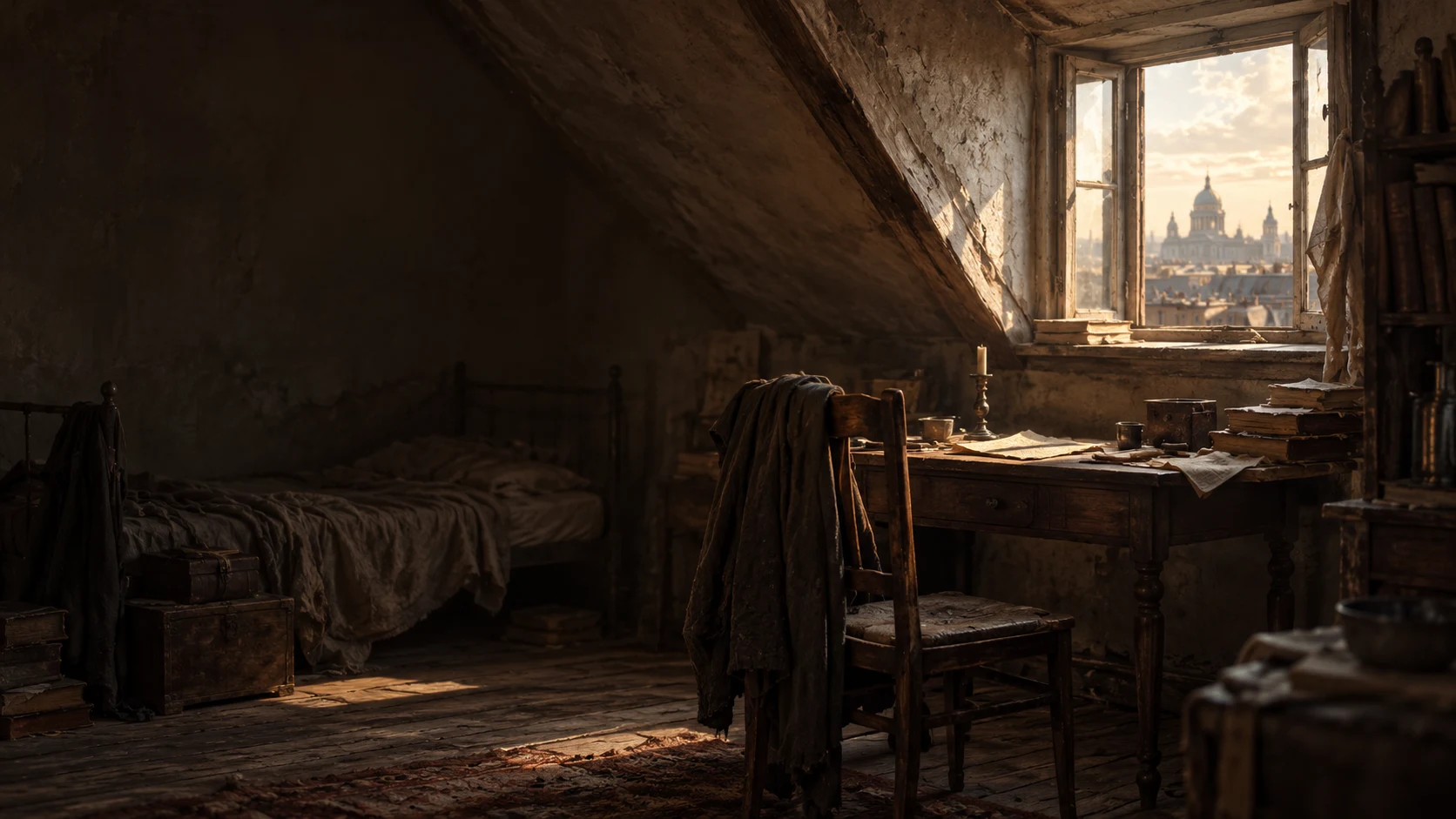
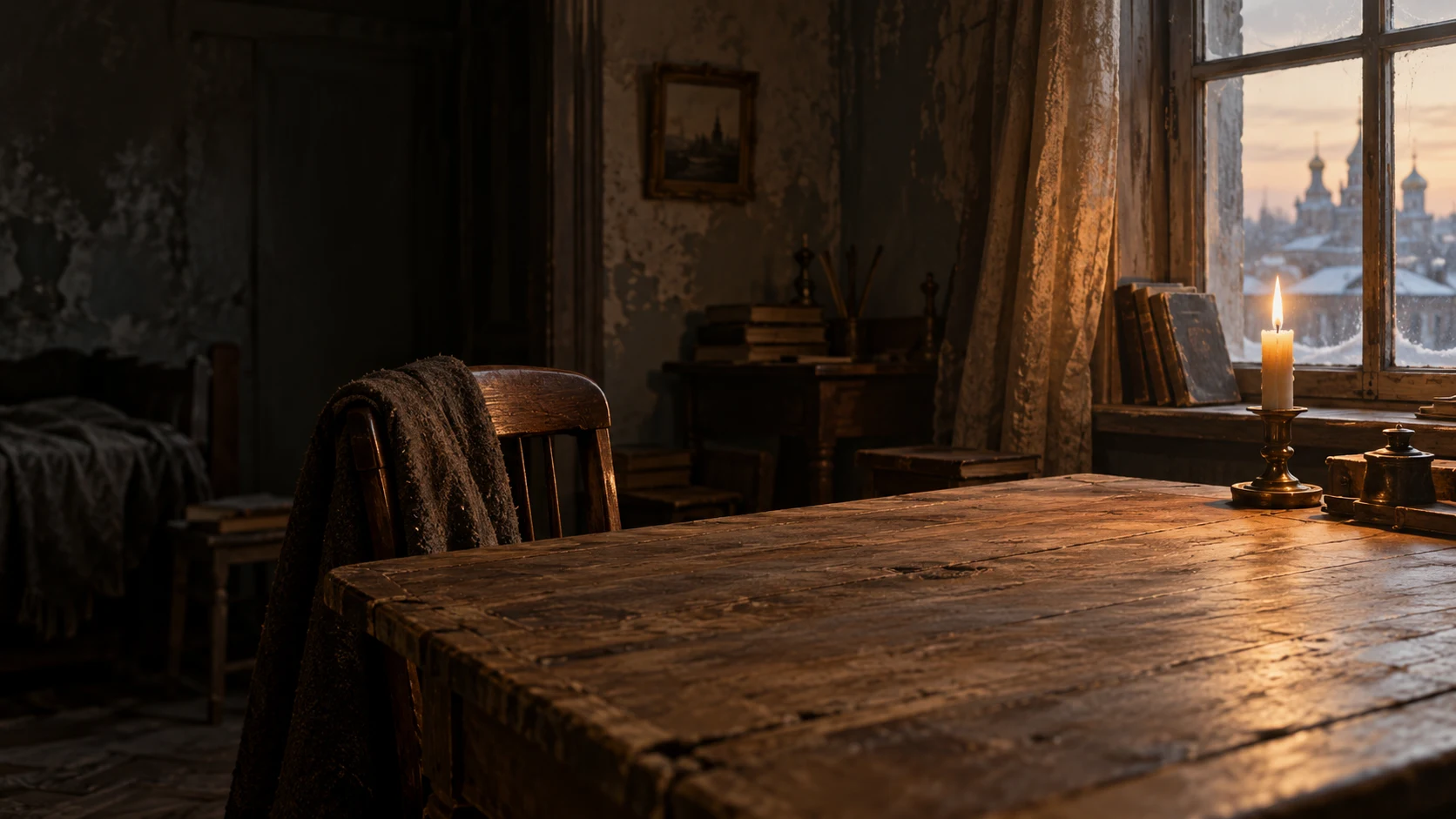
A cramped nineteenth-century Saint Petersburg attic room, low sloping roof, desk and dim summer light

THE STORY

A mind at war with itself.

A young former student commits a terrible crime and discovers that his theory of exceptional freedom cannot silence his conscience.
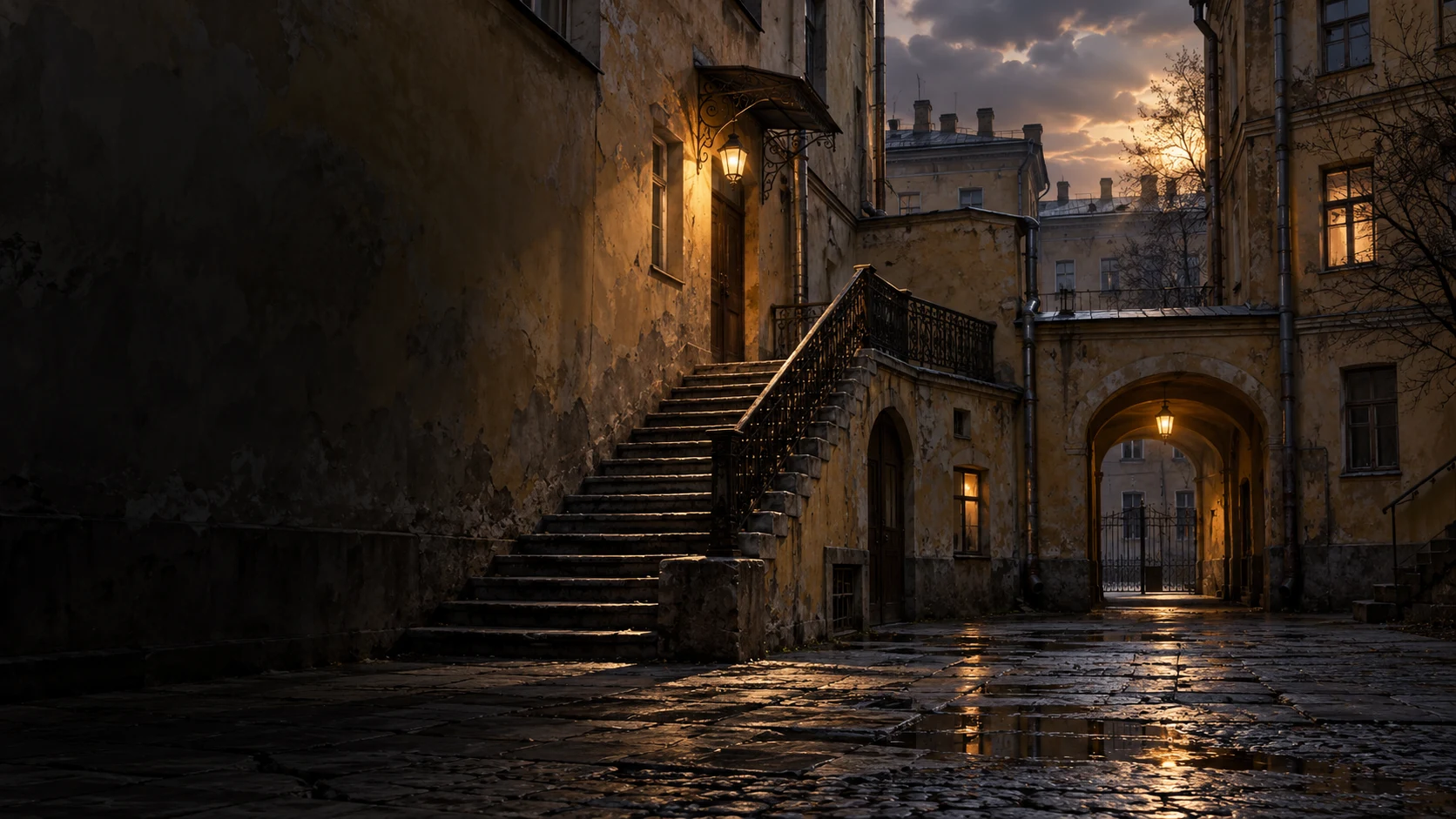
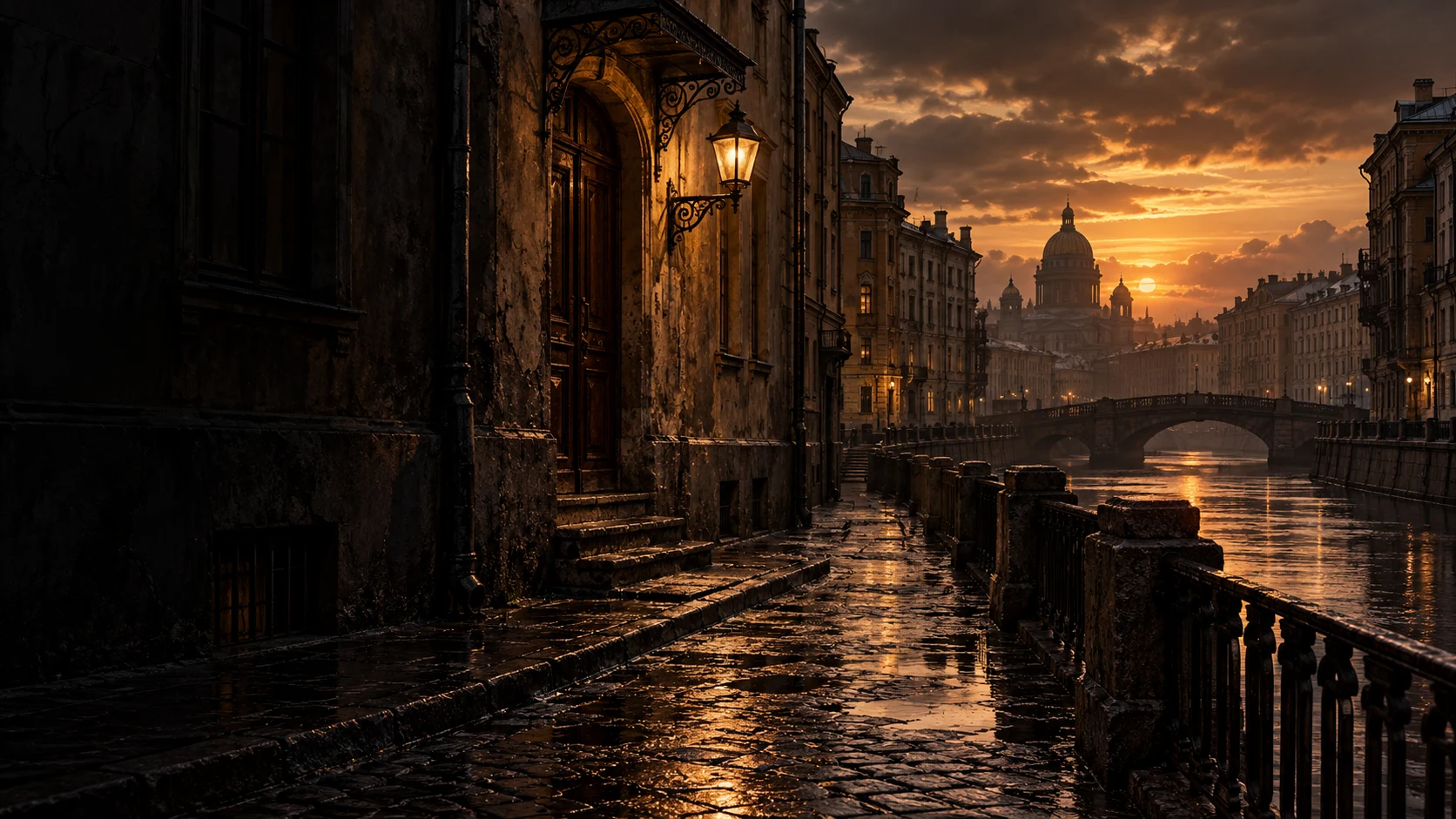
A narrow Saint Petersburg courtyard enclosed by worn yellow buildings, stark staircase and evening shadows

THE WORLD OF THE BOOK

Through a feverish city.

In cramped rooms and crowded streets, guilt turns the city itself into an inescapable presence.
Crime and Punishment front cover
Read the interior preview

LOOK INSIDE

Open a book.
Enter a world.

Preview six pages from this edition. Select a page to enlarge it, or use the arrows to keep reading.

Spread 1 of 3
Crime and Punishment · PDF page 6
Actual interior PDF page 6 of Crime and Punishment
Read accessible text

4 The intense suffering of this experience left a lasting stamp on Dostoevsky’s mind. Though his religious temper led him in the end to accept every suffering with resignation and to regard it as a blessing in his own case, he constantly recurs to the subject in his writings. He describes the awful agony of the condemned man and insists on the cruelty of inflicting such torture. Then followed four years of penal servitude, spent in the company of common criminals in Siberia, where he began the “Dead House,” and some years of service in a disciplinary battalion. He had shown signs of some obscure nervous disease before his arrest and this now developed into violent attacks of epilepsy, from which he suffered for the rest of his life. The fits occurred three or four times a year and were more frequent in periods of great strain. In 1859 he was allowed to return to Russia. He started a journal—“Vremya,” which was forbidden by the Censorship through a misunderstanding. In 1864 he lost his first wife and his brother Mihail. He was in terrible poverty, yet he took upon himself the payment of his brother’s debts. He started another journal—“The Epoch,” which within a few months was also prohibited. He was weighed down by debt, his brother’s family was dependent on him, he was forced to write at heart-breaking speed, and is said never to have corrected his work. The later years of his life were much softened by the tenderness and devotion of his second wife. In June 1880 he made his famous speech at the unveiling of the monument to Pushkin in Moscow and he was received with extraordinary demonstrations of love and honour. A few months later Dostoevsky died. He was followed to the grave by a vast multitude of mourners, who “gave the hapless man the funeral of a king.” He is still probably the most widely read writer in Russia. In the words of a Russian critic, who seeks to explain the feeling inspired by Dostoevsky: “He was one of ourselves, a man of our blood and our bone, but one who has suffered and has seen so much more deeply than we have his insight impresses us as wisdom... that wisdom of the heart which we seek that we may learn from it how to live. All his other gifts came to him from nature, this he won for himself and through it he became great.”

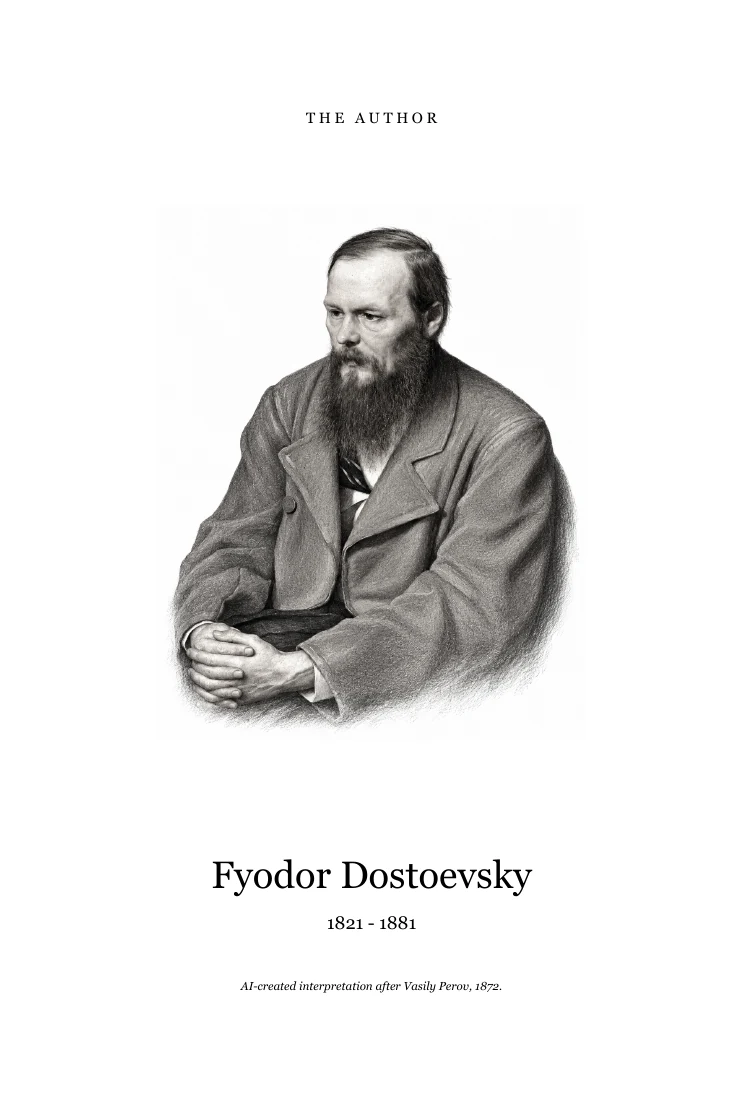
Fyodor Dostoevsky portrait page from this edition

ABOUT THE AUTHOR

Fyodor Dostoevsky

Fyodor Dostoevsky was a Russian novelist, short-story writer and journalist. His fiction places questions of conscience, faith and freedom within the pressures of ordinary life. Characters argue, confess, deceive themselves and search for ways to live with one another.

More about the author ↗

Discover the author behind the story. This portrait and biography are included in your edition.

FREE TO READ

Take it with you.

Crime and Punishment is in the public domain, so its words belong to everyone. Download our edition free. No account needed.

Read it in your browser ↗
Add it to your reading app
iPhone & iPad
Tap download, then open the file from Safari’s downloads, tap Share and choose Books. It stays in your Apple Books library.
Android
Tap download, open the file and choose Google Play Books. Or, in Play Books, go to Library, tap ⋮ and choose Upload files.
Kindle
Send the file to your Kindle library with Amazon’s Send to Kindle.
Kobo, Moon+ Reader and other apps
Open the downloaded file with the app, or use the app’s import option.

KEEP BROWSING

More from the library.

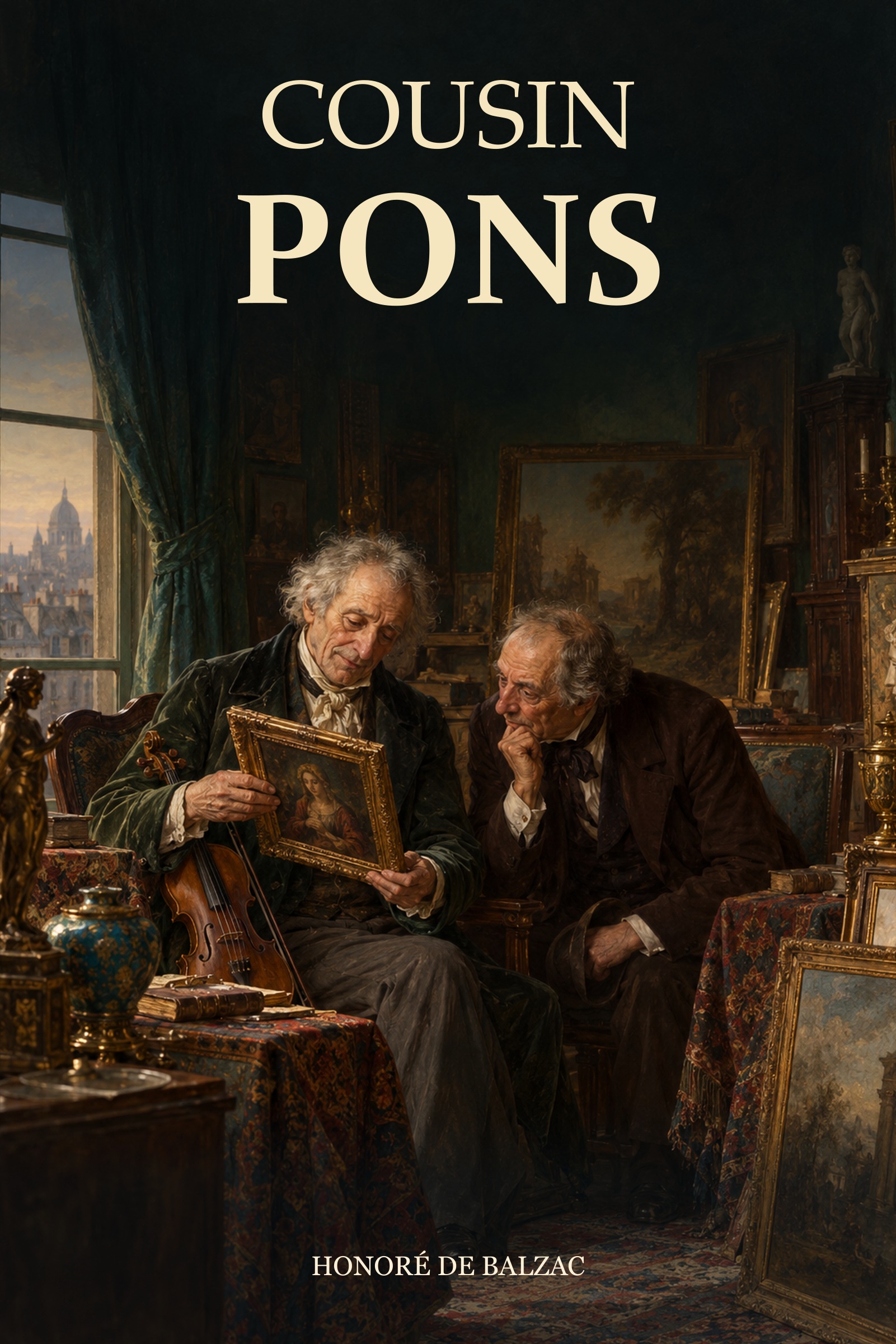
Cousin Pons cover

Cousin Pons

Honoré de Balzac

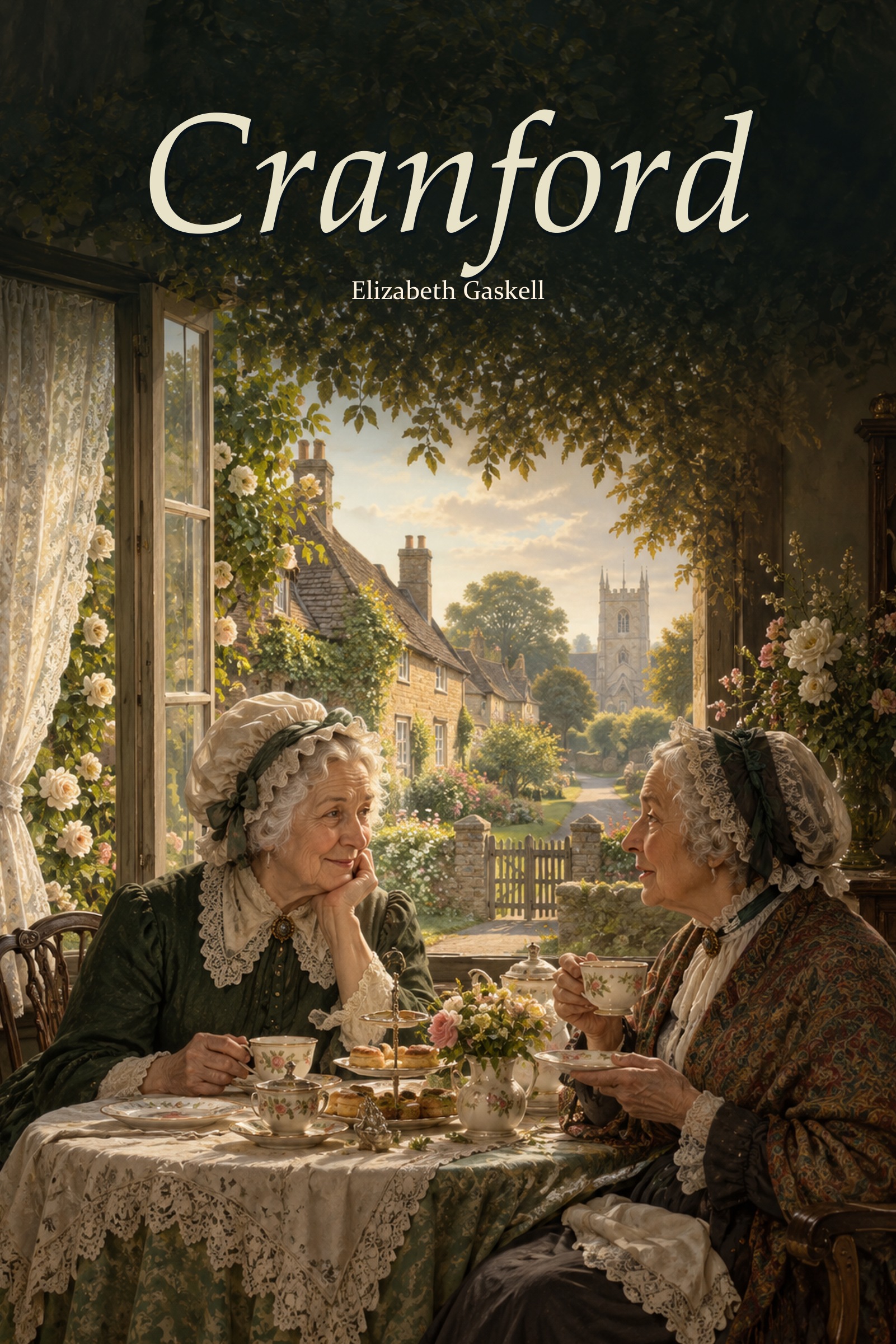
Cranford cover

Cranford

Elizabeth Gaskell

Creative Unity cover

Creative Unity

Rabindranath Tagore

Crome Yellow cover

Crome Yellow

Aldous Huxley

Cross Roads in Ireland cover

Cross Roads in Ireland

Padraic Colum

Cruel as the Grave cover

Cruel as the Grave

E. D. E. N. Southworth

Browse the complete library ↗
YOUR NEXT CHAPTER

Your book bag 0

A little escape. A story to keep.

Loading your book bag…