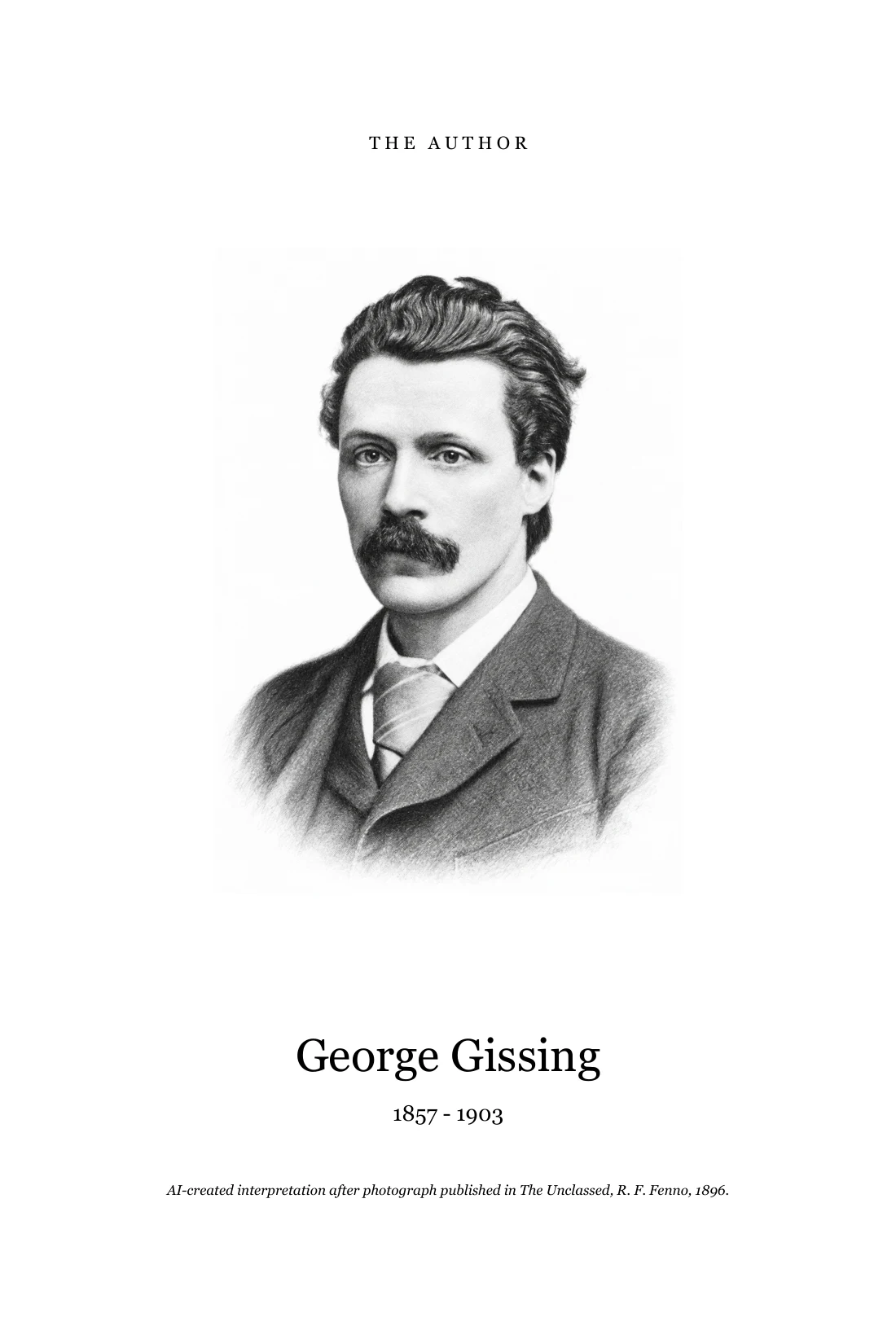
“Half a million more women than men,” says Rhoda Nunn in George Gissing’s The Odd Women (1893), and she means it as a call to arms. If that many women were never going to marry, she argues, then they had better be trained, employed and taken seriously. Rhoda is one of the first great examples of the figure the 1890s called the New Woman.
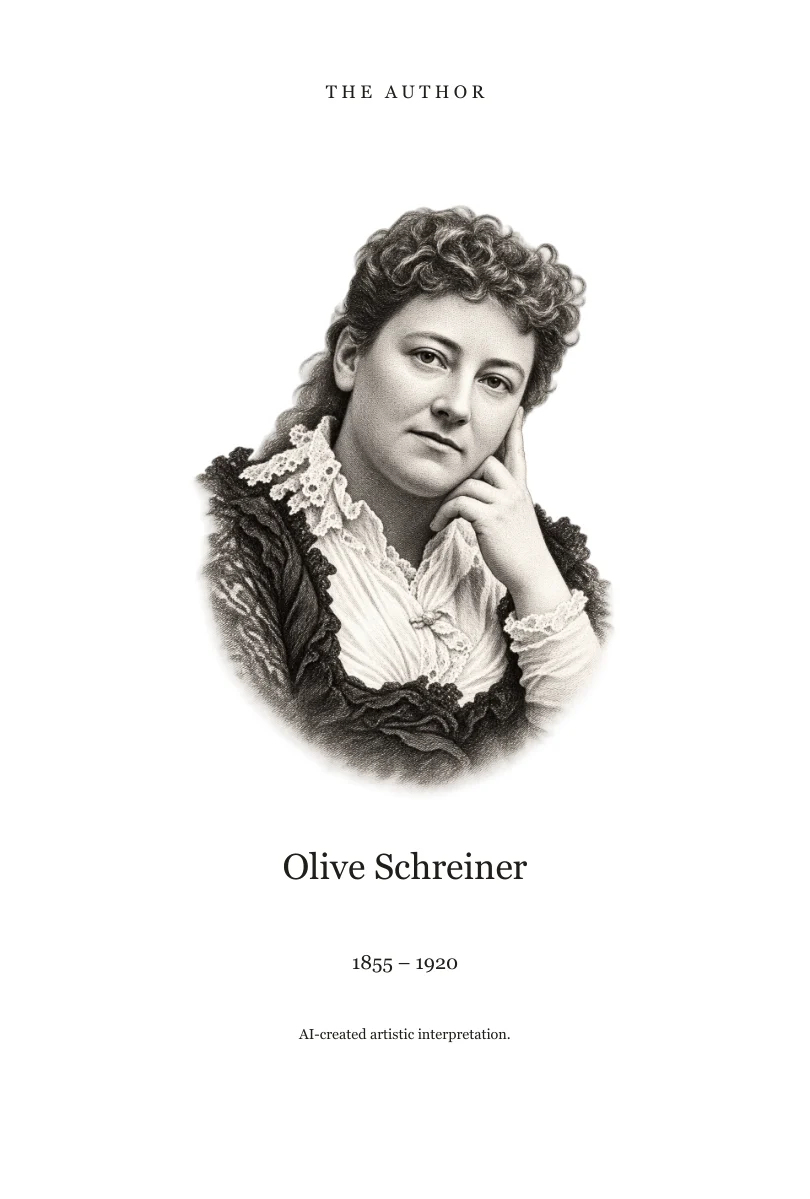
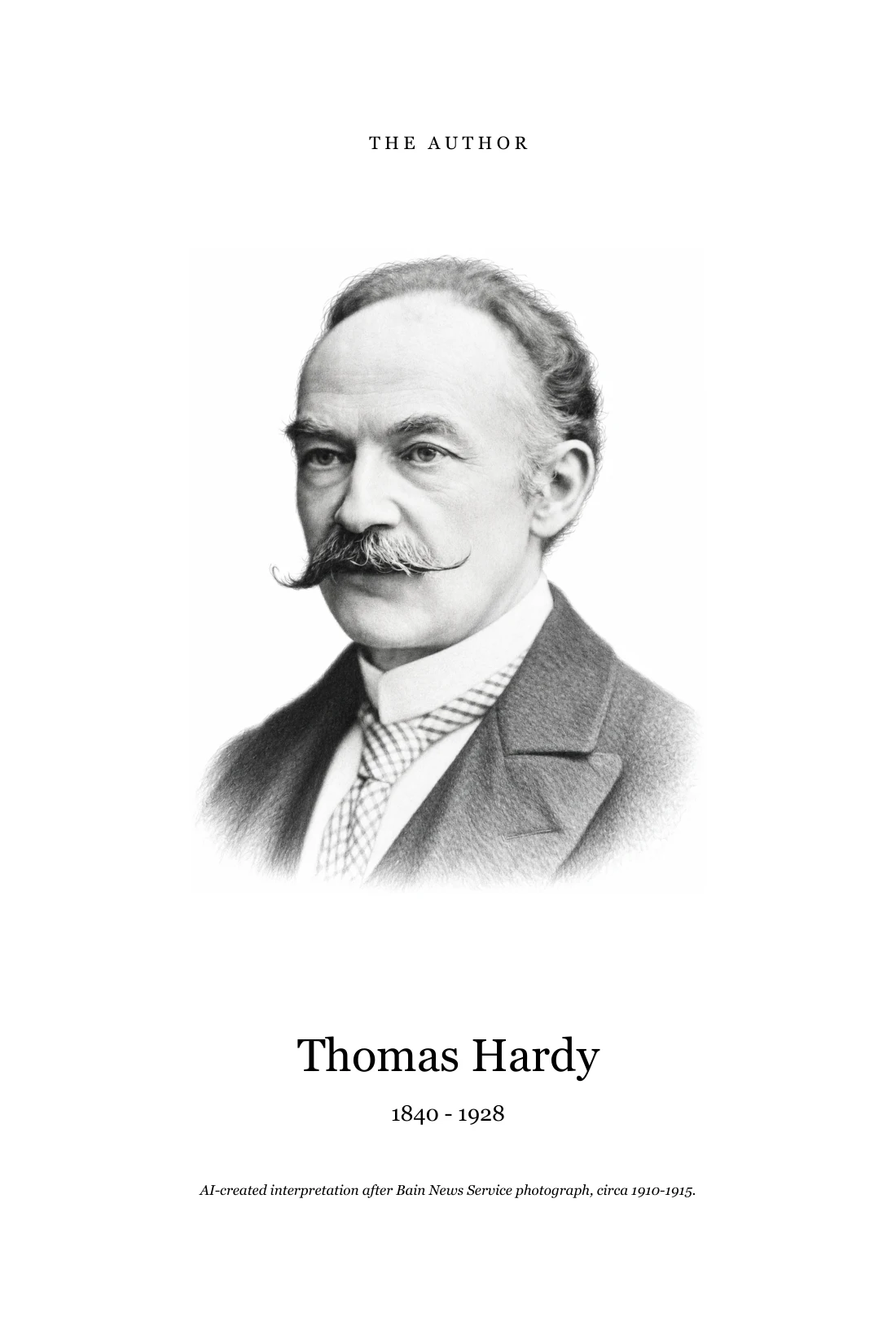
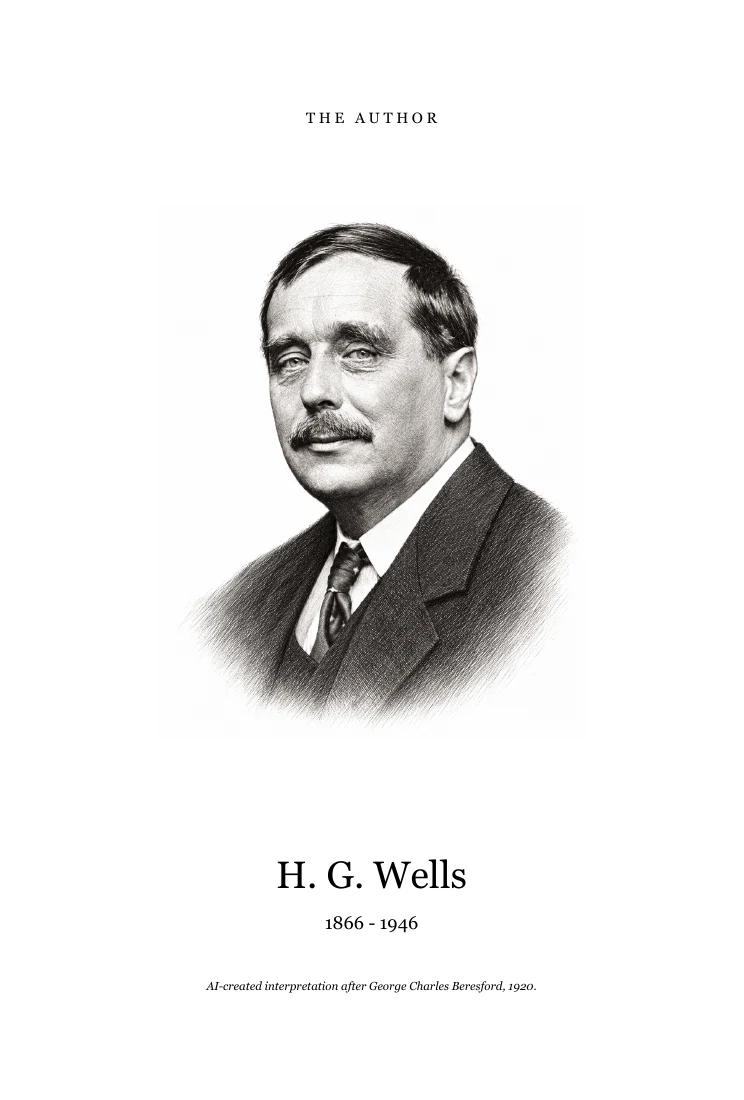
New Woman fiction is the name now given to a wave of novels, roughly from the 1880s to the years before the First World War, that put that figure at the centre. Its heroines want education, work and a say over marriage, sex and money. The best starting points are Olive Schreiner’s The Story of an African Farm, Gissing’s The Odd Women, Thomas Hardy’s Jude the Obscure and, a little later, H. G. Wells’s Ann Veronica.
Who named the New Woman?
Scholars disagree about who first used the phrase, so treat any single answer with care. The exchange that put it into general circulation came in 1894, in the American magazine the North American Review. In March the novelist Sarah Grand published “The New Aspect of the Woman Question”, describing a new kind of woman impatient with the old arrangements. In May the novelist Ouida replied with a mocking essay of her own, titled simply “The New Woman”.
Some historians point earlier, to Henry James, whose independent American heroines such as Daisy Miller were seen as a type of their own. Either way, by the mid-1890s the label was everywhere: in reviews, in cartoons, on the stage, and attached to the bicycle, which gave women a new and much-discussed freedom of movement.
- 1883
The Story of an African Farm appears in London under the pen name Ralph Iron
- 1893
Gissing’s The Odd Women and Sarah Grand’s best-seller The Heavenly Twins
- March 1894
Sarah Grand’s “The New Aspect of the Woman Question” in the North American Review
- May 1894
Ouida answers with “The New Woman” in the same magazine
- 1895
Grant Allen’s The Woman Who Did and Hardy’s Jude the Obscure scandalise reviewers
- 1909
Wells’s Ann Veronica revives the argument for a new generation
The New Woman novels to read first
The Story of an African Farm
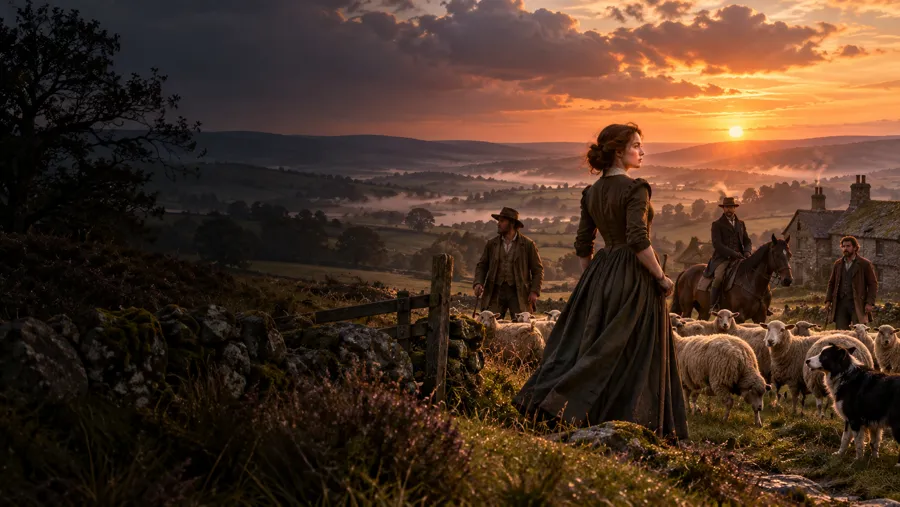
1883. Lyndall grows up on an isolated Karoo farm and refuses every role offered to her, including wife. The book that made the type before it had a name.
The Odd Women
1893. Two women run a school training middle-class women for office work, while a third marries for security and regrets it. Gissing’s fiercest and fairest novel.
Jude the Obscure
1895. Sue Bridehead, clever, nervous and unconventional, lives with Jude without marrying him. The last novel Hardy wrote, and the most attacked.
Ann Veronica
1909. A biology student walks out of her father’s house, joins the suffragettes and chooses her own lover. Wells’s answer to the question twenty years on.


What New Woman fiction argued about
These are novels of ideas, but not dry ones. Their quarrels are practical: can a woman of no fortune earn a decent living? Should marriage be a contract either side can leave? Is a woman who lives with a man outside marriage brave or doomed? The novelists did not agree, and that is what makes reading several of them side by side so rewarding.
Schreiner’s Lyndall puts the case most sharply. Talking to her friend Waldo, she says the world shapes girls from childhood, telling boys to work and girls only to seem, and that a pretty face will carry a woman further than any learning. It is one of the novel’s most quoted passages, and it still lands.
So many odd women—no making a pair with them. The pessimists call them useless, lost, futile lives. I, naturally—being one of them myself—take another view. I look upon them as a great reserve.
George Gissing, The Odd Women
Gissing, a man writing about women’s lives, is often surprising. Rhoda is not a mouthpiece; she is proud, funny and sometimes wrong, and the novel tests her principles against a love affair. Our guide to George Gissing follows the same eye for money and work through his other books.
Why the New Woman shocked the critics
The reaction was fierce. One reviewer renamed Hardy’s novel “Jude the Obscene”, and Hardy later said it had been burnt by a bishop, “probably in his despair at not being able to burn me.” Grant Allen’s The Woman Who Did, about a Cambridge-educated woman who has a child without marrying, was a sensation in the same year. By 1894 there was even a satirical stage comedy, Sydney Grundy’s The New Woman, and the type had become a stock joke. Even the best-sellers took their knocks: Mark Twain filled the margins of his copy of Sarah Grand’s The Heavenly Twins with complaints, writing after one chapter, “A cat could do better literature than this.”
Behind the jokes was a real campaign. Women were entering universities and offices in growing numbers, and the fight for the vote was gathering pace. By the time Ann Veronica storms Parliament with the suffragettes in 1909, the novel is reporting events, not imagining them. We follow that thread in classics of the suffrage era.
Where to start
For a single book, read The Odd Women: it is the most balanced, the best plotted and the clearest about what was at stake. Then go back to Olive Schreiner, whose novel first appeared under a man’s name, a story we tell in women writers who published under men’s names. For Wells’s lighter side, see H. G. Wells beyond science fiction.
Begin with The Odd Women by George Gissing, and meet Rhoda Nunn before she meets anyone who might change her mind.
Questions readers ask
What is New Woman fiction?
New Woman fiction is a group of late-Victorian and Edwardian novels, mostly from the 1880s to about 1910, whose heroines seek education, paid work and freedom in love and marriage. Key examples include The Story of an African Farm, The Odd Women and Ann Veronica.
Who coined the term New Woman?
It is disputed. The phrase was brought into wide use by an 1894 exchange in the North American Review between Sarah Grand and Ouida, though some historians trace it to earlier writing, including Henry James’s portraits of independent American women.
Is Jude the Obscure a New Woman novel?
It is often read as one. Sue Bridehead, who refuses conventional marriage, is one of the most discussed New Woman characters, and the novel was attacked on publication in 1895 for its treatment of marriage.