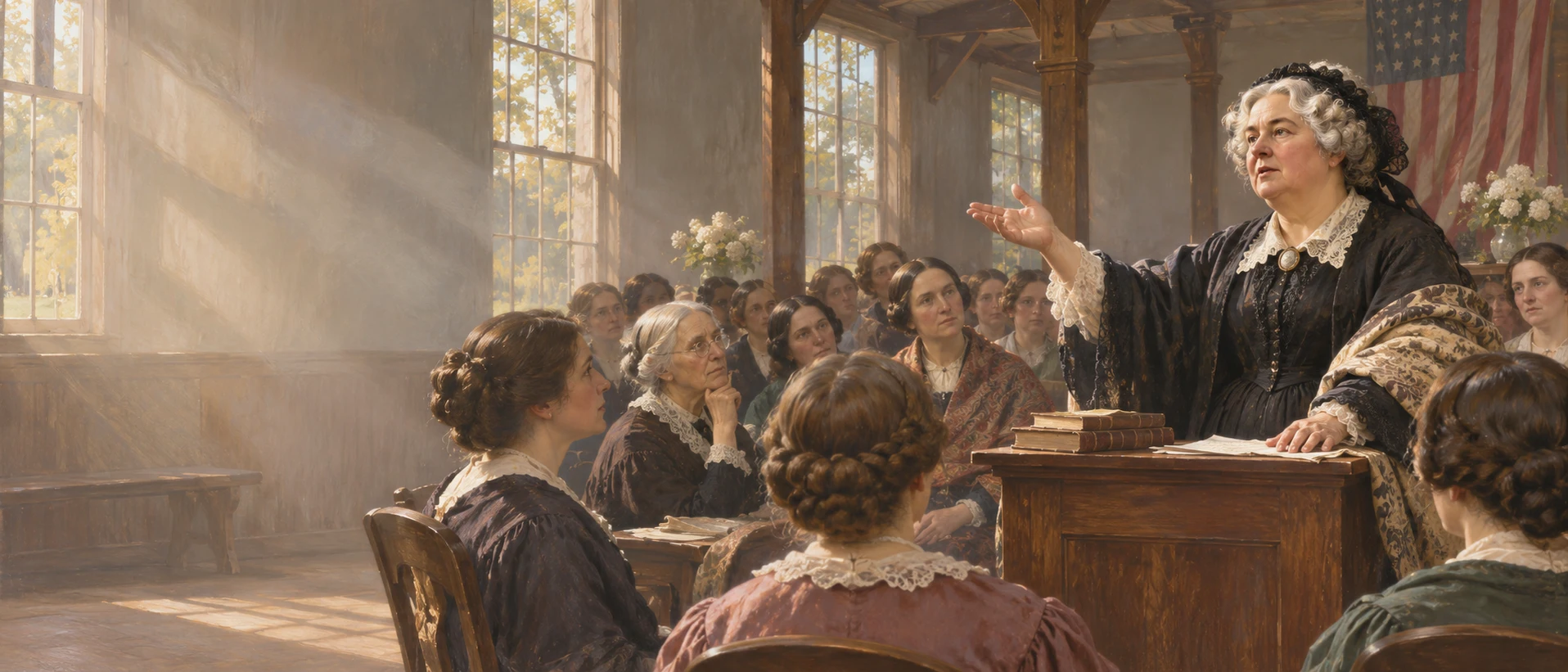
On 19 July 1848, in a Methodist church in Seneca Falls, New York, about three hundred women and men met for the first convention called purely to discuss women’s rights. Elizabeth Cady Stanton read out a Declaration of Sentiments, and the meeting voted on a set of resolutions. Every one passed unanimously except the ninth, which said it was the duty of the women of the country to secure to themselves “their sacred right to the elective franchise”. Even in that room, the vote was the hard part. It was carried only after a debate in which Frederick Douglass spoke up for it.
The books below come from the long campaign that followed, and from the argument that came before it. Some are about the vote directly, some about the work, marriage and money questions that made women want it. Together they make a reading list for women’s suffrage that runs from a furious pamphlet of 1792 to a utopia of 1915.
A timeline of the fight for women’s votes
- 1792
Mary Wollstonecraft publishes A Vindication of the Rights of Woman.
- 1848
The Seneca Falls convention adopts its resolution on the vote, the only one not passed unanimously.
- 1878
A women’s suffrage amendment is first introduced in the US Congress.
- 1893
New Zealand gives women the vote in national elections; Gissing publishes The Odd Women.
- 1898
Stanton publishes her memoirs, Eighty Years and More.
- 1903
Emmeline Pankhurst founds the Women’s Social and Political Union in Manchester.
- 1906
The Daily Mail coins “suffragette” as an insult; the movement adopts it.
- 1909
H. G. Wells sends Ann Veronica on a raid of Parliament.
- 1918
British women over thirty who meet a property qualification win the vote.
- 1920
The Nineteenth Amendment is ratified in the United States.
- 1928
British women win the vote on the same terms as men.
The argument before the campaign
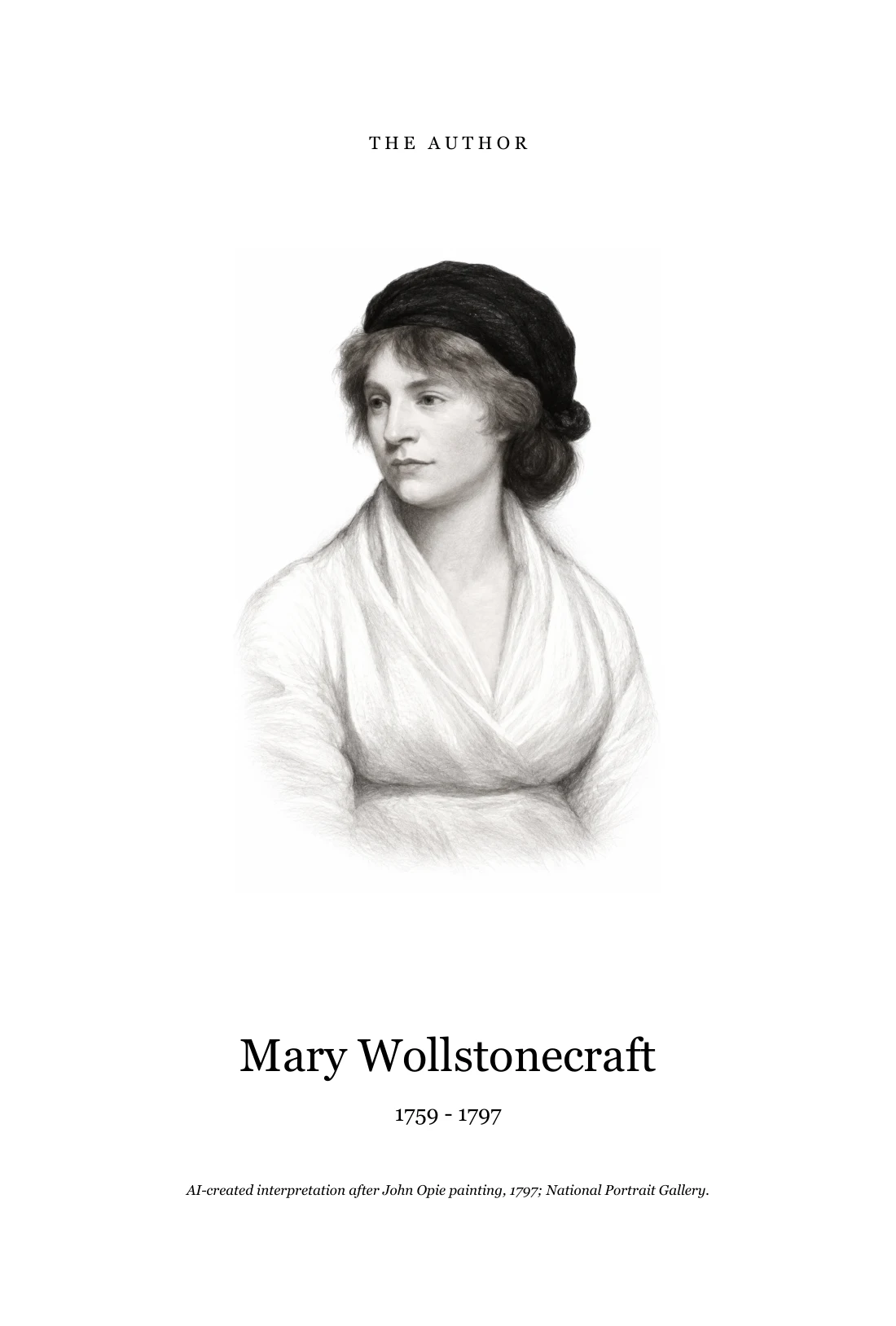
Mary Wollstonecraft wrote A Vindication of the Rights of Woman in 1792, mostly about education: give girls the same training of the mind as boys, she argued, and the supposed weakness of women would vanish. The vote is barely mentioned. But it is there, dropped in almost as an aside that she knew would cause trouble.
I may excite laughter, by dropping an hint, which I mean to pursue, some future time, for I really think that women ought to have representatives, instead of being arbitrarily governed without having any direct share allowed them in the deliberations of government.
Mary Wollstonecraft, A Vindication of the Rights of Woman (1792)
She never did pursue it; she died in 1797. It was more than half a century before a women’s rights convention put the demand to a vote.
Books from the American campaign
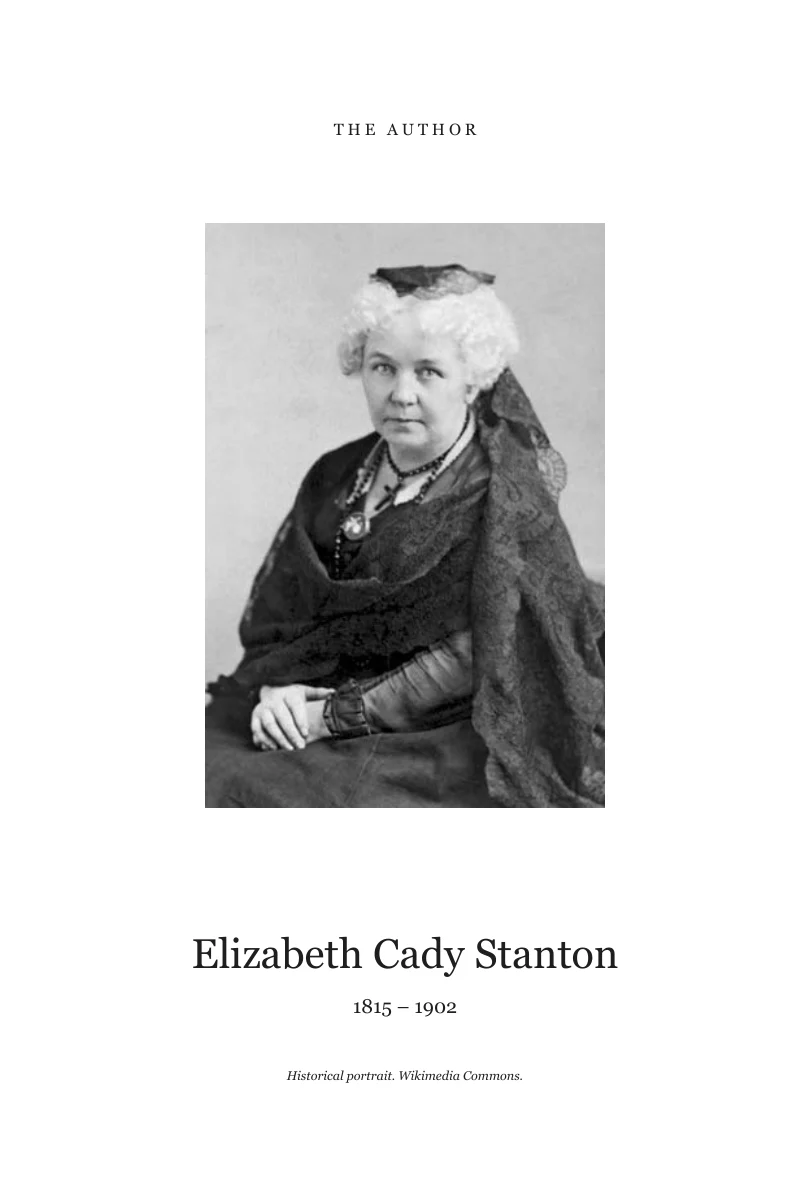
Stanton spent the rest of her life on the cause she had pressed at Seneca Falls, much of it in partnership with Susan B. Anthony. Her memoirs, published in 1898, are lively, sociable and frequently funny, the record of someone who spent fifty years being laughed at and kept going. She remembers the press reaction to the 1848 convention with some relish:
All the journals from Maine to Texas seemed to strive with each other to see which could make our movement appear the most ridiculous.
Elizabeth Cady Stanton, Eighty Years and More (1898)
Read it knowing what it leaves out. The book smooths over the bitter split in the movement after the Civil War, when Stanton opposed the Fifteenth Amendment because it enfranchised Black men but not women, and wrote about it in elitist and racially condescending terms. She died in 1902, eighteen years before American women won the vote.
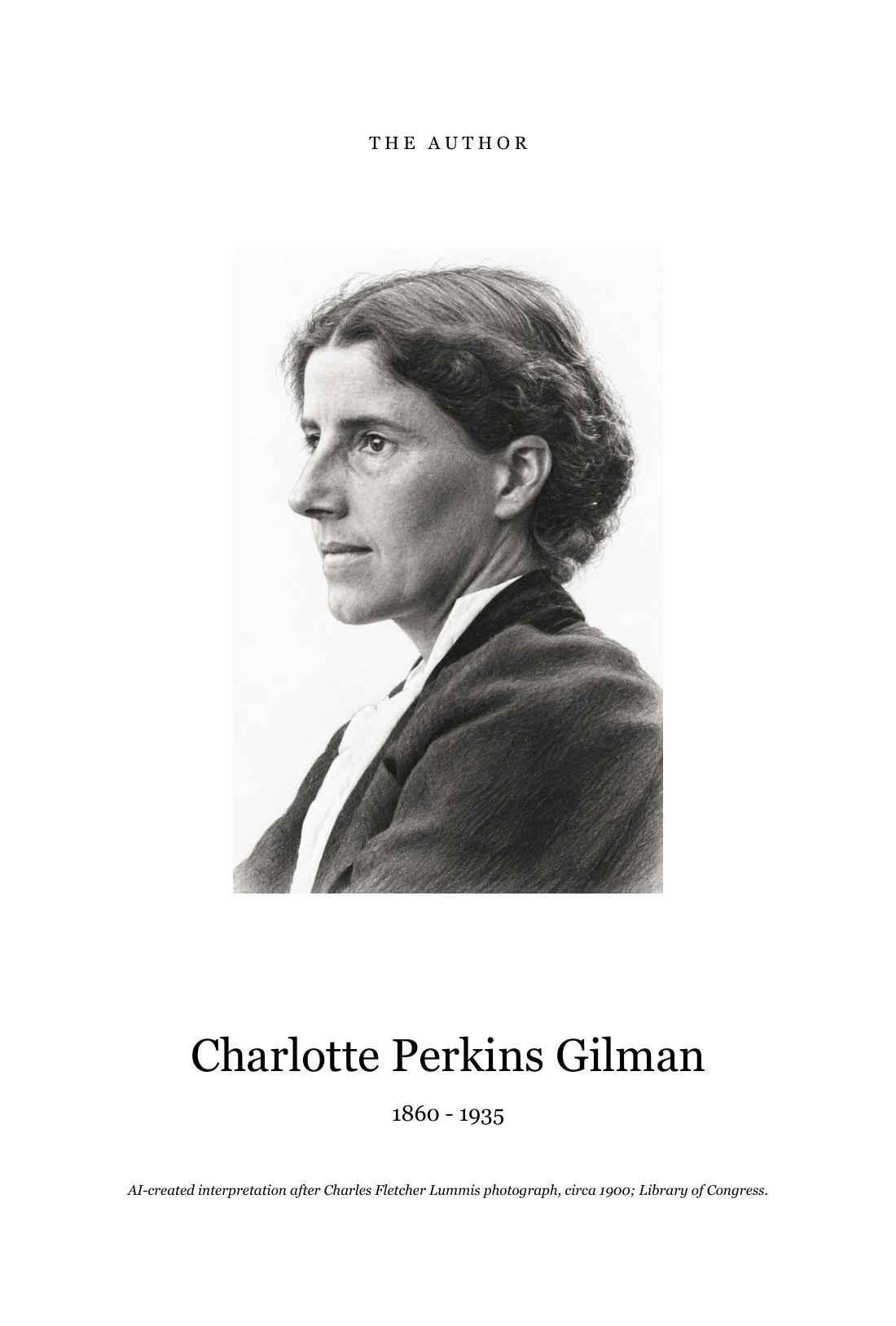
Charlotte Perkins Gilman belonged to the next generation. She represented California at the national suffrage convention in 1896 and published Suffrage Songs and Verses in 1911. Her novel Herland skips the argument altogether: it imagines a country of women who have run their own affairs successfully for two thousand years, seen through the eyes of three bewildered male explorers. It ran as a serial in her own magazine, The Forerunner, in 1915, and was not published as a book until 1979. Gilman’s later enthusiasm for eugenics shadows parts of her work, and it is visible here too.
Books from the British campaign
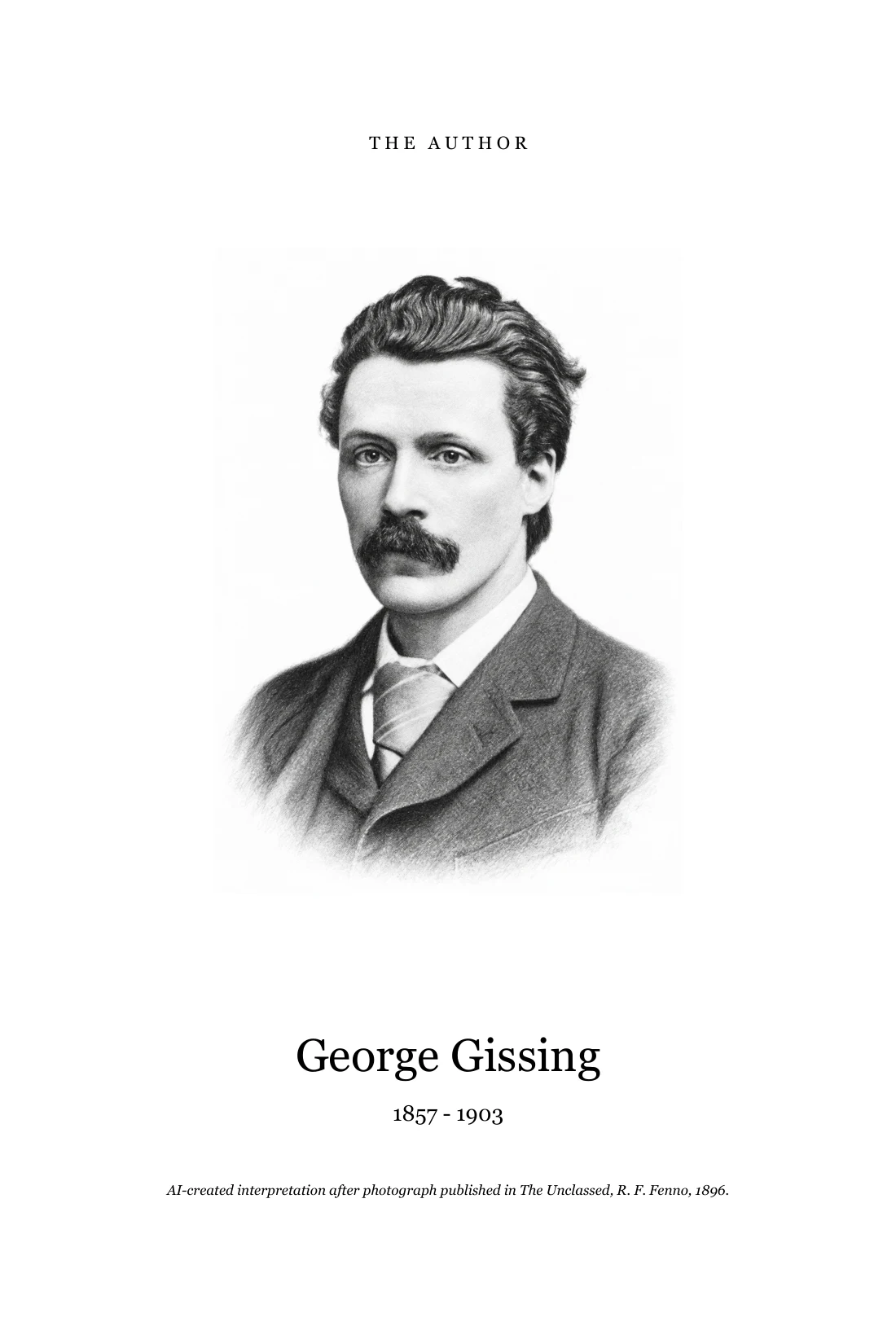
George Gissing’s The Odd Women appeared in 1893, the year New Zealand, then a self-governing British colony, became the first country to give women the vote in national elections. It is not about the vote at all. Its subject is the surplus of unmarried women in Victorian England, the “odd” ones left over, and what they were supposed to live on. Two of its heroines run a school training middle-class women as typists and clerks. The novel shows exactly why economic independence and political rights came to feel like the same fight.
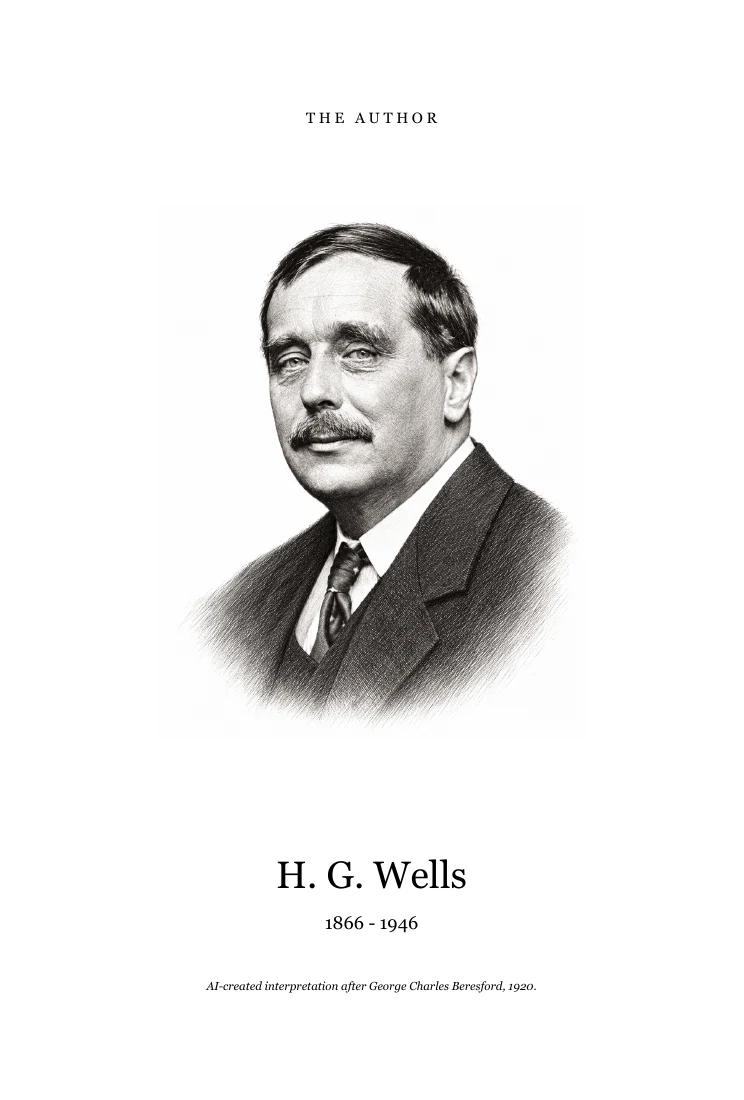
By 1909 the fight had turned militant. The Women’s Social and Political Union, founded by Emmeline Pankhurst in 1903, was breaking the law to force arrests, and H. G. Wells put the movement straight into Ann Veronica. His heroine, a biology student who has walked out of her father’s house, joins a raid on the House of Commons in which the women are smuggled to Westminster in furniture vans. In court she is offered the choice of being bound over or a month in prison. She chooses prison. A month inside sobers her, and she comes out ready to compromise, which makes the book a more uneasy and interesting witness than a tract would be.
The suffrage-era classics on our shelves
A Vindication of the Rights of Woman
1792. The founding argument: educate women as rational beings, and stop treating them as ornaments. The vote appears in one sly sentence.
Eighty Years and More
1898. Stanton’s own story, from a Johnstown childhood to the Seneca Falls convention and years on the lecture circuit. Partial, charming and full of names.
The Odd Women
1893. Gissing’s London of unmarried women, typing schools and miserable marriages. A novel about money that explains a great deal about votes.
Ann Veronica
1909. A suffragette raid, a month in Canongate Prison and a heroine who will not be told what to do. Many readers in 1909 found it scandalous.
Herland
1915. Three men stumble into a land without men and find it runs better than theirs. Gilman’s comic utopia, still sharp a century on.


For a broader shelf that includes Ibsen and Kate Chopin, see Feminist classics everyone should read; for the 1890s heroines who walked out before Ann Veronica did, The New Woman novels of the 1890s; and for Gilman’s whole career, Charlotte Perkins Gilman: from The Yellow Wallpaper to Herland.
If you read only one, start with Stanton. Eighty Years and More is the campaign told by someone who was there at the start, and you can hear her enjoying every hostile newspaper she quotes.
Questions readers ask
What are the best books about women’s suffrage from the time?
Elizabeth Cady Stanton’s memoir Eighty Years and More (1898) and H. G. Wells’s novel Ann Veronica (1909) both come from inside the campaign. Wollstonecraft’s Vindication (1792) and Gissing’s The Odd Women (1893) explain the arguments that led to it.
Which novel features a suffragette raid on Parliament?
H. G. Wells’s Ann Veronica (1909). Its heroine joins a raid on the House of Commons and chooses a month in prison rather than be bound over.
When did women get the vote in Britain and the United States?
In Britain, women over thirty who met a property qualification could vote from 1918, and women won equal voting rights with men in 1928. In the United States the Nineteenth Amendment was ratified in August 1920.