The feminist classics on this list were written between 1792 and 1915, when women in Britain and most of the United States could not vote in national elections, and for much of that time married women could not easily own property, keep their own earnings or leave a violent husband. Some of these books are arguments, some are novels and one is a play, but all of them ask the same question: what would a woman’s life look like if she were allowed to choose it?
We picked eleven, in the order they were published. Most are by women; three are by men who took the ‘woman question’ seriously at a time when that was rare. Read together, they trace the shift from Wollstonecraft’s demand for education to the ‘New Woman’ of the 1890s, who wanted a job, a latchkey and a say in her own marriage.
The founding arguments
- $14.99
A Vindication of the Rights of Woman
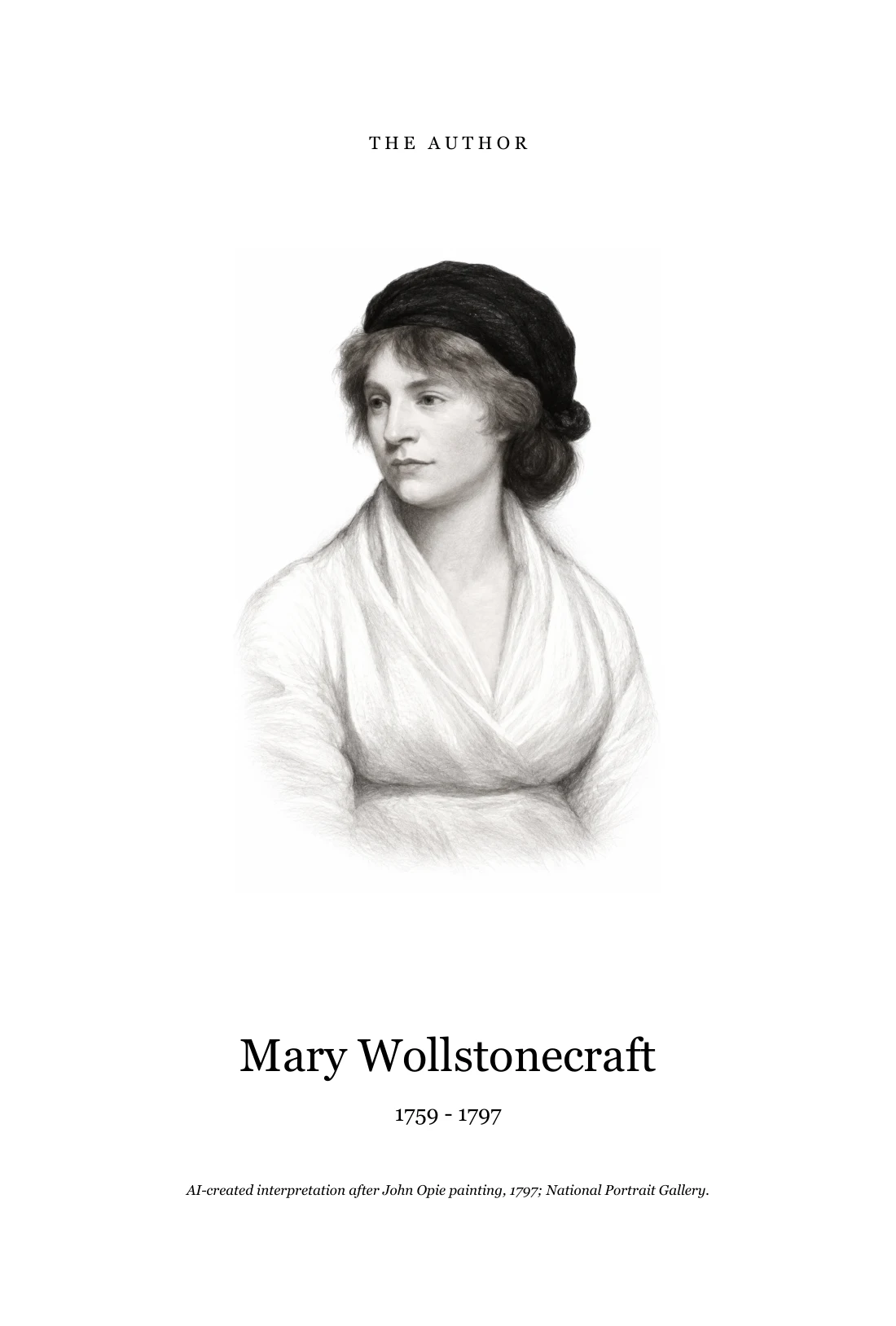
1792. Mary Wollstonecraft argues that women only seem less rational than men because they are denied education. The founding text of English feminism, and still sharp.
- $12.99
Maria
Unfinished at Wollstonecraft’s death in 1797 and published the following year. A woman locked in an asylum by her husband tells her story. Fiction as an argument about marriage law.
- $20.99
The Tenant of Wildfell Hall
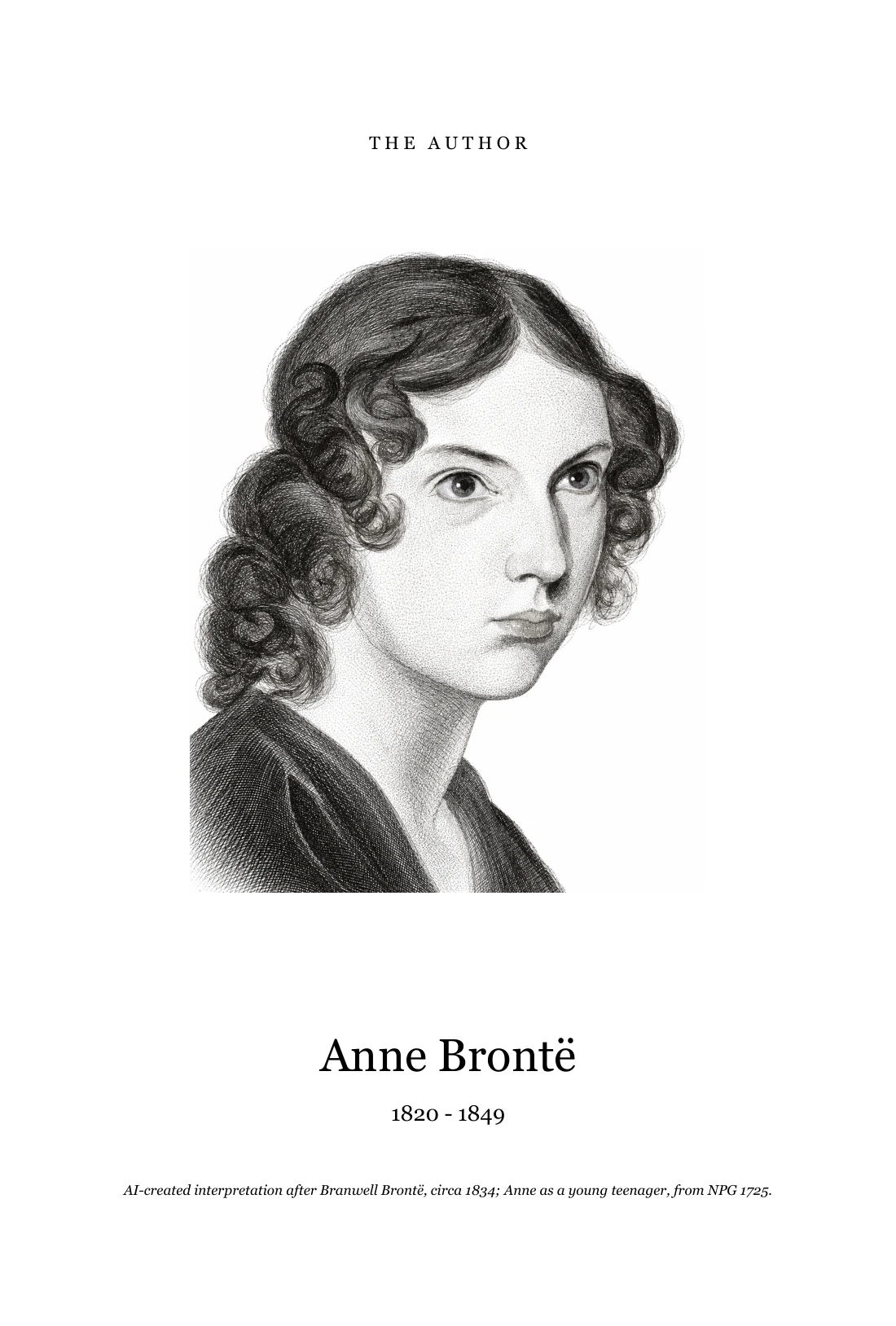
1848. Anne Brontë’s heroine leaves her abusive, alcoholic husband and takes their son with her: an almost unthinkable act in law and in fiction at the time.


Feminist classic books of the late nineteenth century
- $17.99
Work: A Story of Experience
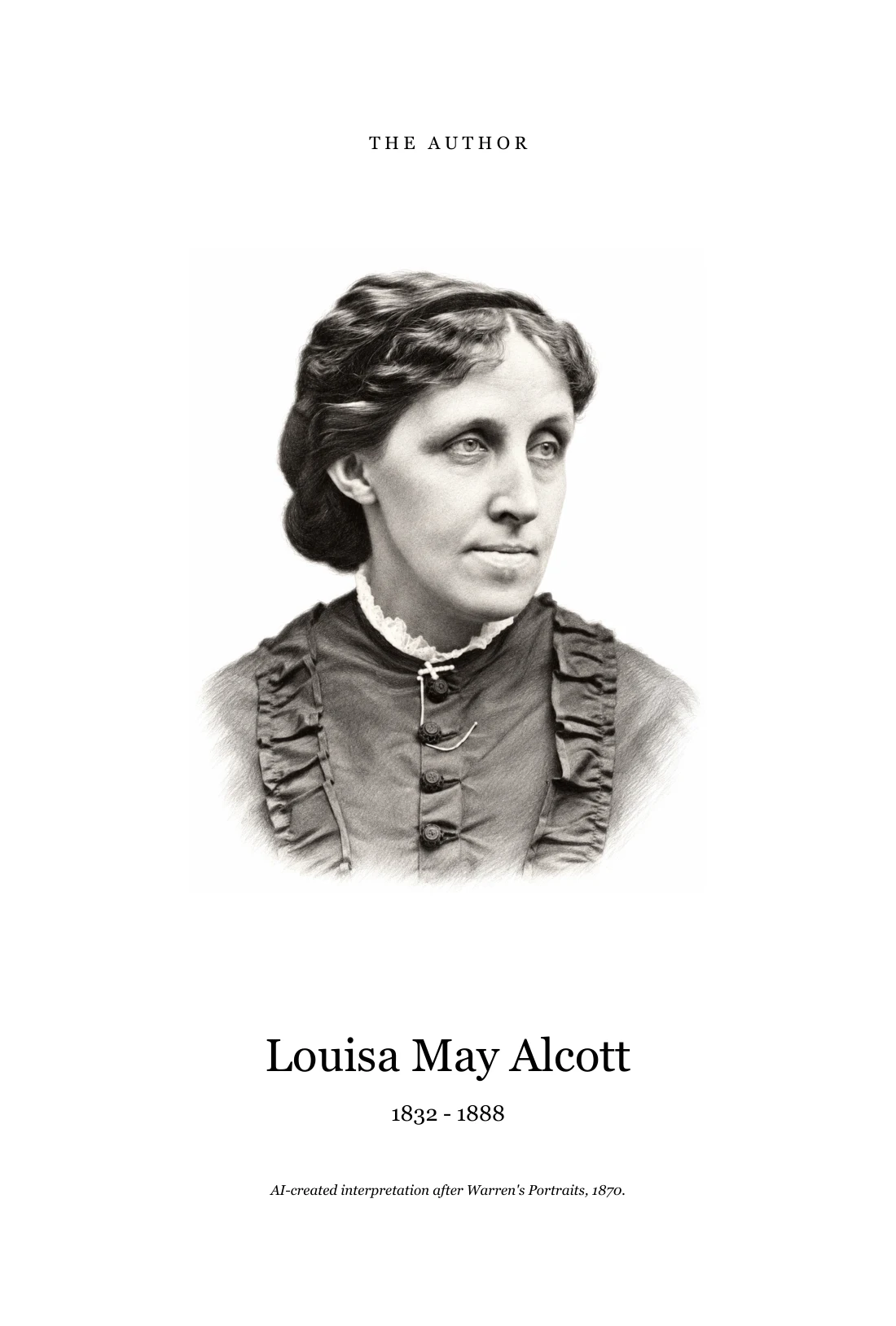
1873. Louisa May Alcott’s heroine leaves home to support herself, trying job after job as servant, actress, governess and seamstress. Drawn partly from Alcott’s own working life.
- $11.99
A Doll's House
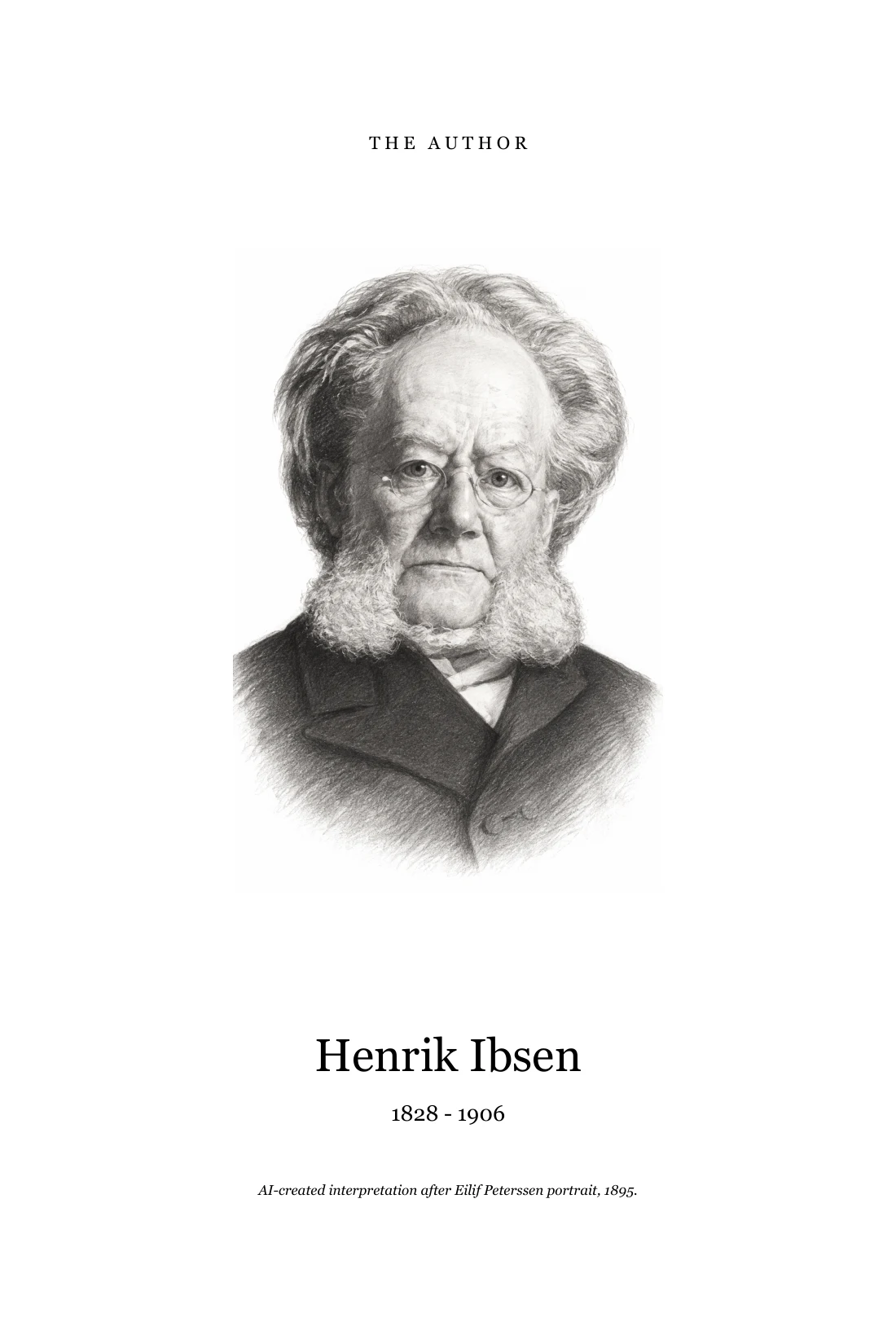
1879. Henrik Ibsen’s Nora seems the perfect wife, until a secret forces her to see her marriage clearly. The final scene caused such controversy that Ibsen wrote an alternative ending for a German production.
- $16.99
The Story of an African Farm
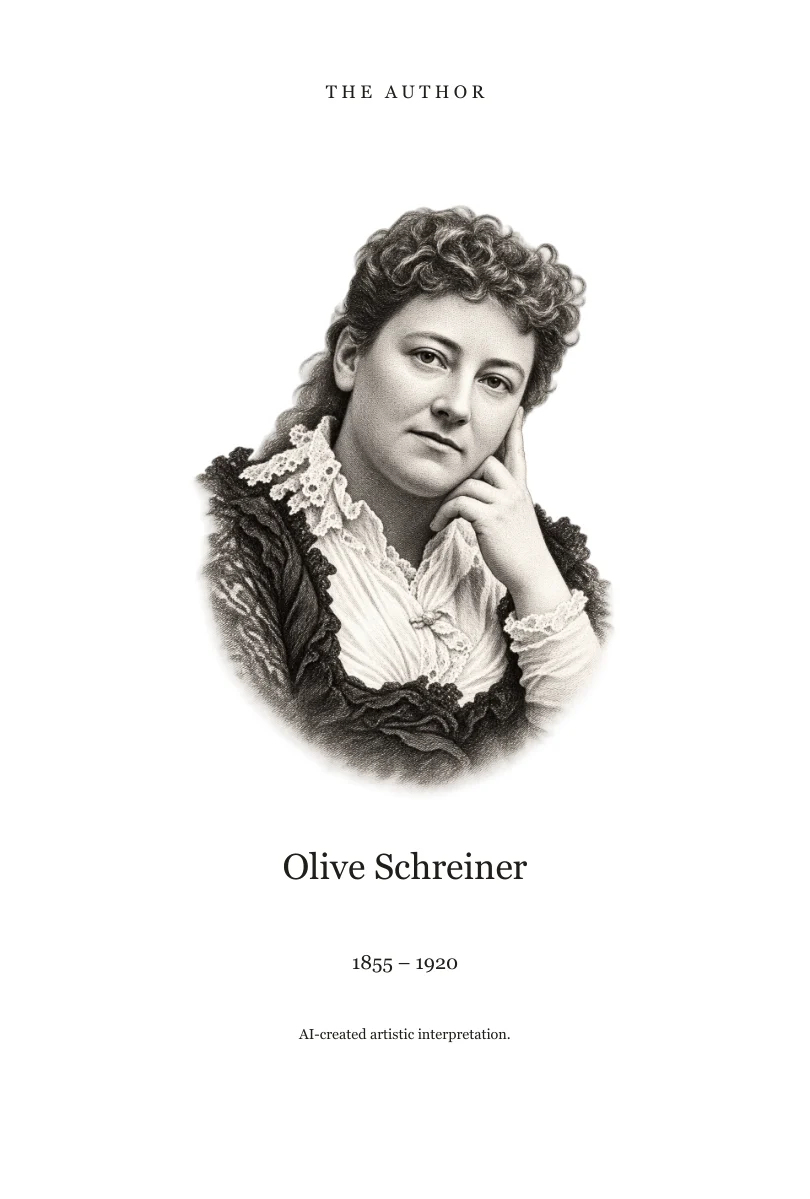
1883. On a remote South African farm, the independent Lyndall refuses to marry and argues against the narrow lives open to women. Olive Schreiner published it as ‘Ralph Iron’.
- $9.99
The Yellow Wallpaper
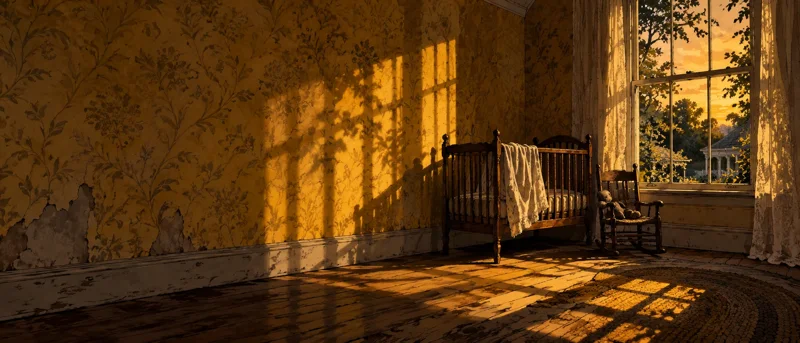
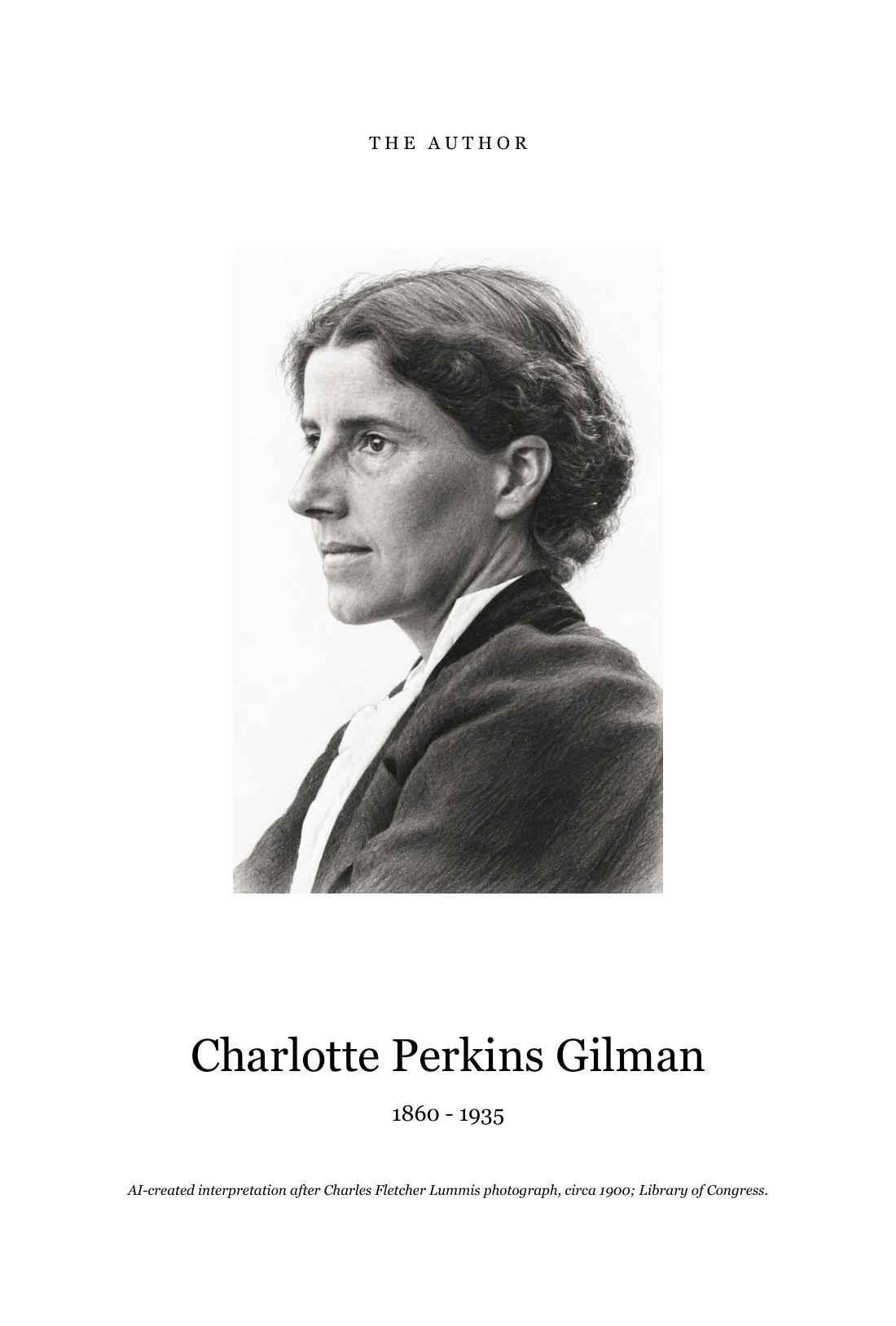
1892. A woman forbidden to work or write as part of a ‘rest cure’ slowly loses her grip in a room with yellow wallpaper. Charlotte Perkins Gilman drew on her own experience.
- $19.99
The Odd Women
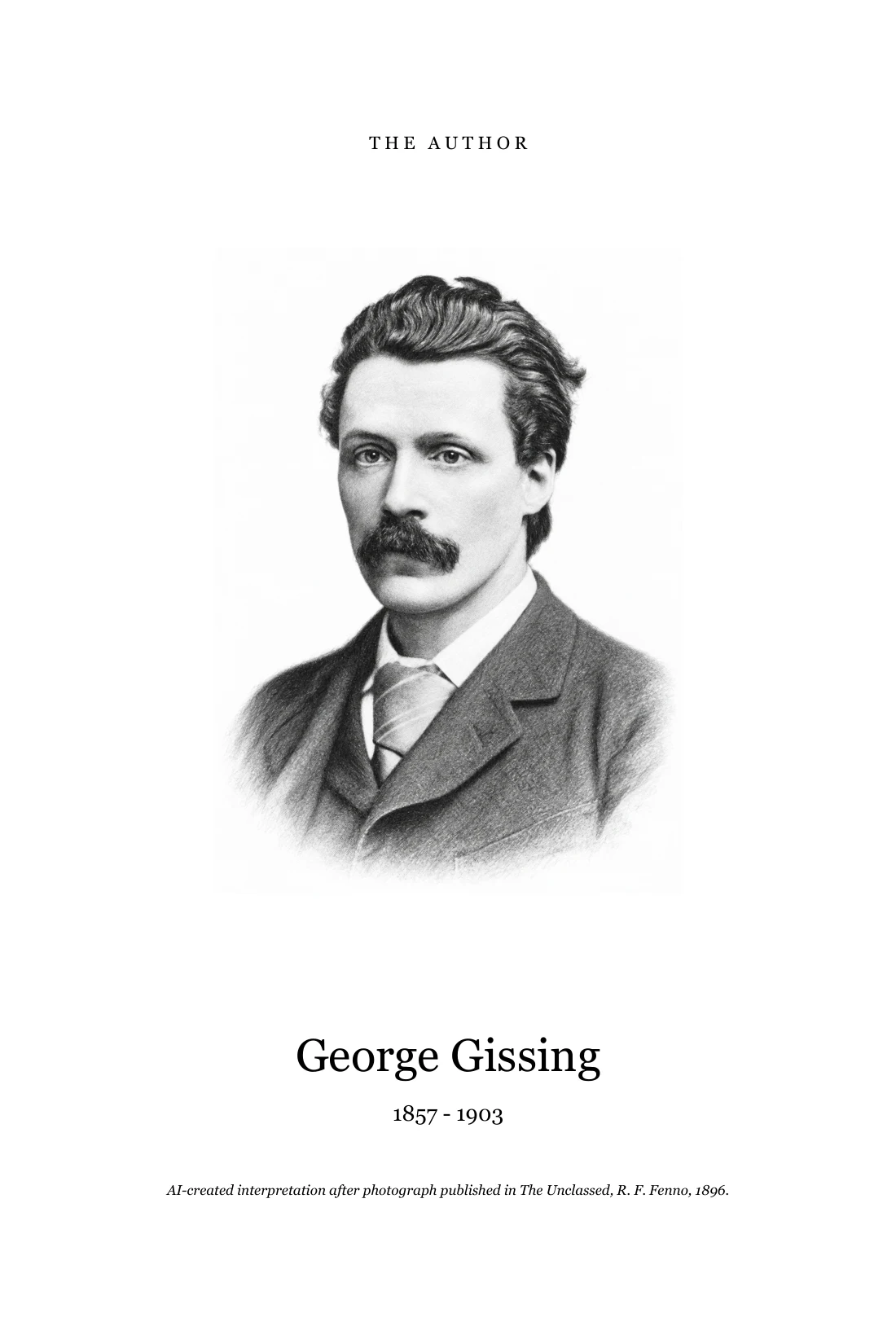
1893. George Gissing’s novel about the ‘surplus’ unmarried women of Victorian England and two friends who train them as clerks and typists so they can live independently.
- $13.99
The Awakening, and Selected Short Stories
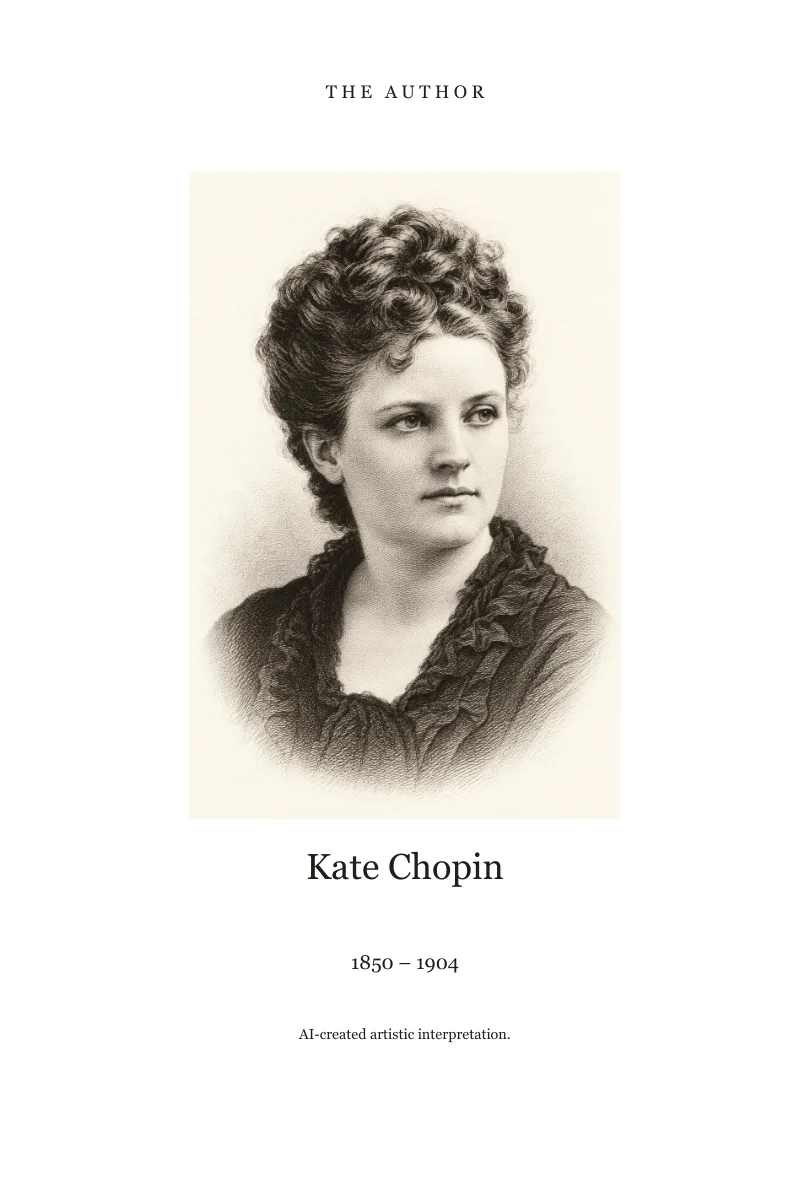
1899. On holiday on the Gulf coast of Louisiana, Edna Pontellier wakes up to her own desires and refuses to go back to sleep. Its frank treatment of a married woman’s longing shocked many reviewers.


The New Woman and beyond
- $16.99
Ann Veronica
1909. H. G. Wells’s heroine walks out of her father’s house to study science and live on her own terms, and joins the suffragettes along the way. It was attacked as immoral on publication.
- $12.99
Herland
1915. Three male explorers stumble on a country of women who have lived without men for some two thousand years, and find their assumptions dismantled one by one. Gilman’s satire is still very funny.


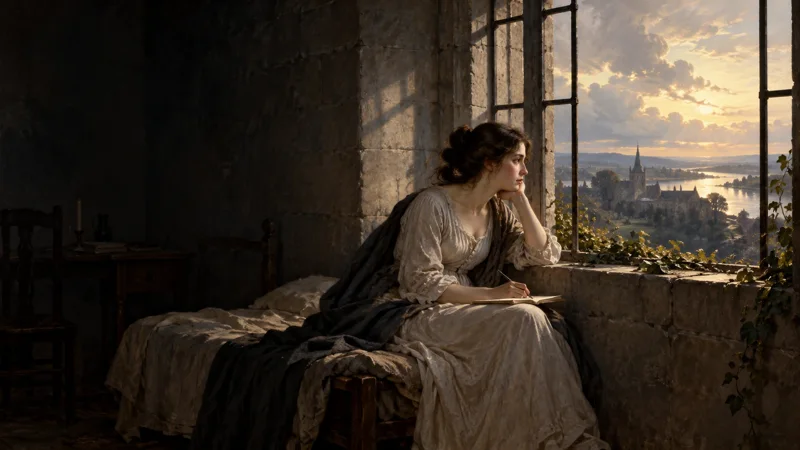
Why read feminist classics now?
Partly because they are good books. The Yellow Wallpaper is one of the most frightening stories in American literature; The Tenant of Wildfell Hall is a gripping mystery before it is a manifesto. But also because the questions they ask have not gone away. Who does the housework? Who gets to decide what a woman is ‘for’? What happens when a doctor won’t listen?
These books are also products of their time. Some reflect the class and racial assumptions of their authors, and Gilman’s later work in particular contains views that modern readers find troubling. Reading them critically is part of the point.
Where to start with feminist classics
- For a short, shattering read: The Yellow Wallpaper. Read more in Did you know The Yellow Wallpaper was a protest against the rest cure?
- For a novel: The Awakening or The Tenant of Wildfell Hall.
- For the argument itself: A Vindication of the Rights of Woman. Read a chapter at a time.
- For a laugh: Herland.
Two of these writers, Anne Brontë and Olive Schreiner, first published under men’s names; we tell their stories in women writers who published under men’s names. For more from the same period, see classics by Black writers, including Harriet Jacobs’s account of what slavery meant for women.
If you read only one, make it The Yellow Wallpaper. It takes less than an hour, and you will never look at a patterned wall the same way again.
Questions readers ask
What is the first feminist book?
Mary Wollstonecraft’s A Vindication of the Rights of Woman (1792) is usually called the founding text of modern feminism, though earlier writers such as Mary Astell and Christine de Pizan had made similar arguments.
What are the best feminist classic novels?
The Awakening, The Tenant of Wildfell Hall, The Story of an African Farm and Herland are among the best. The Yellow Wallpaper is the essential short story.
Why is The Awakening considered feminist?
Kate Chopin’s novel follows a married woman who rejects the roles of wife and mother expected of her and seeks independence and self-expression, which shocked many readers in 1899.