Yes: My Fair Lady is based on Pygmalion, the play by George Bernard Shaw first staged in 1913. Alan Jay Lerner and Frederick Loewe turned it into a musical that opened on Broadway in 1956 with Julie Andrews and Rex Harrison, and George Cukor’s 1964 film starred Audrey Hepburn opposite Harrison. Much of the dialogue is Shaw’s, and so are the characters: Eliza Doolittle, Henry Higgins, Colonel Pickering and Eliza’s gloriously disreputable father.
The big difference is the ending, and it is not a small one. Shaw called his play a romance, but it is not quite one. It is a comedy about class, language and what happens to a person who is made over to win a bet.
What happens in Pygmalion?
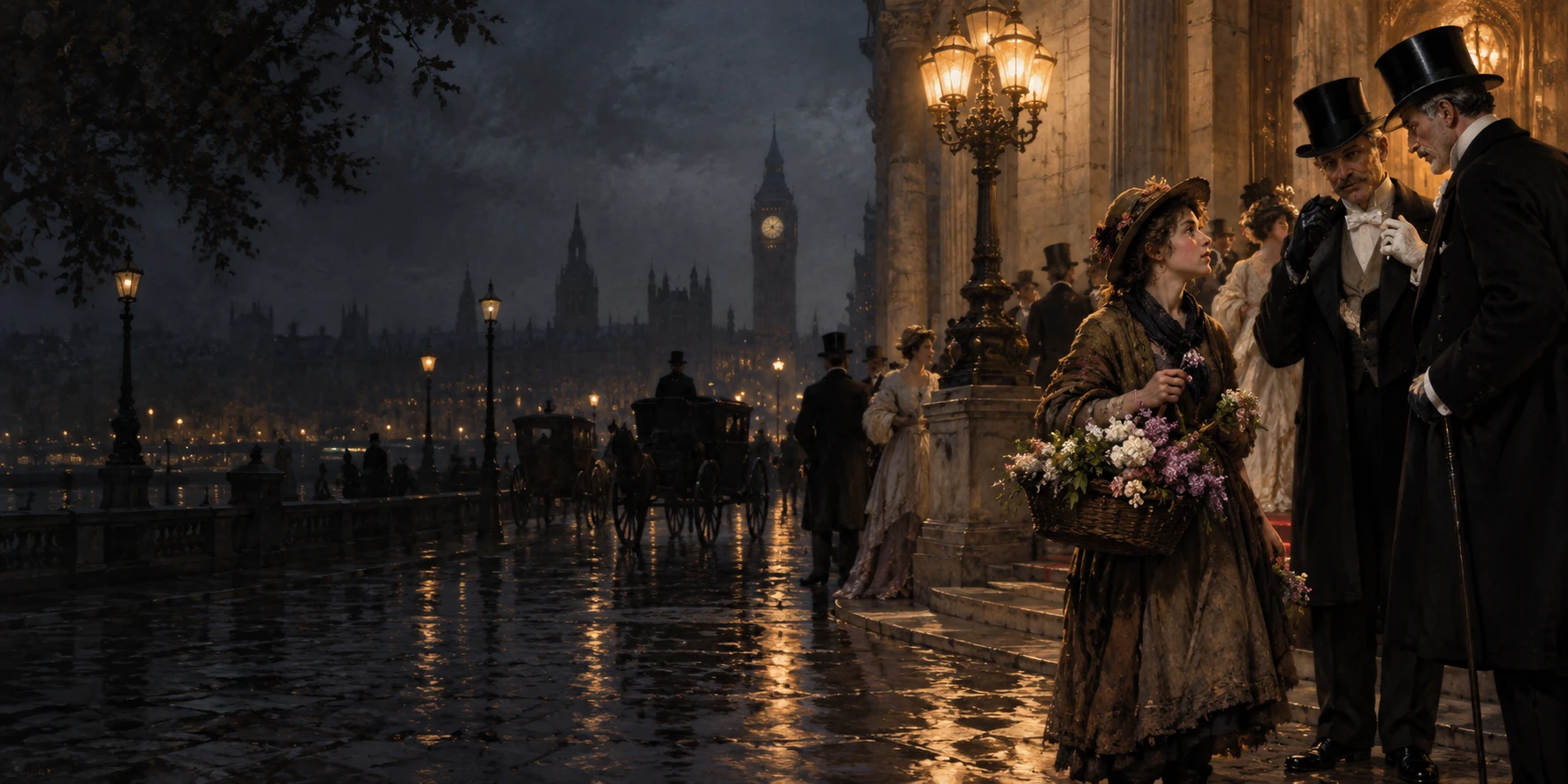
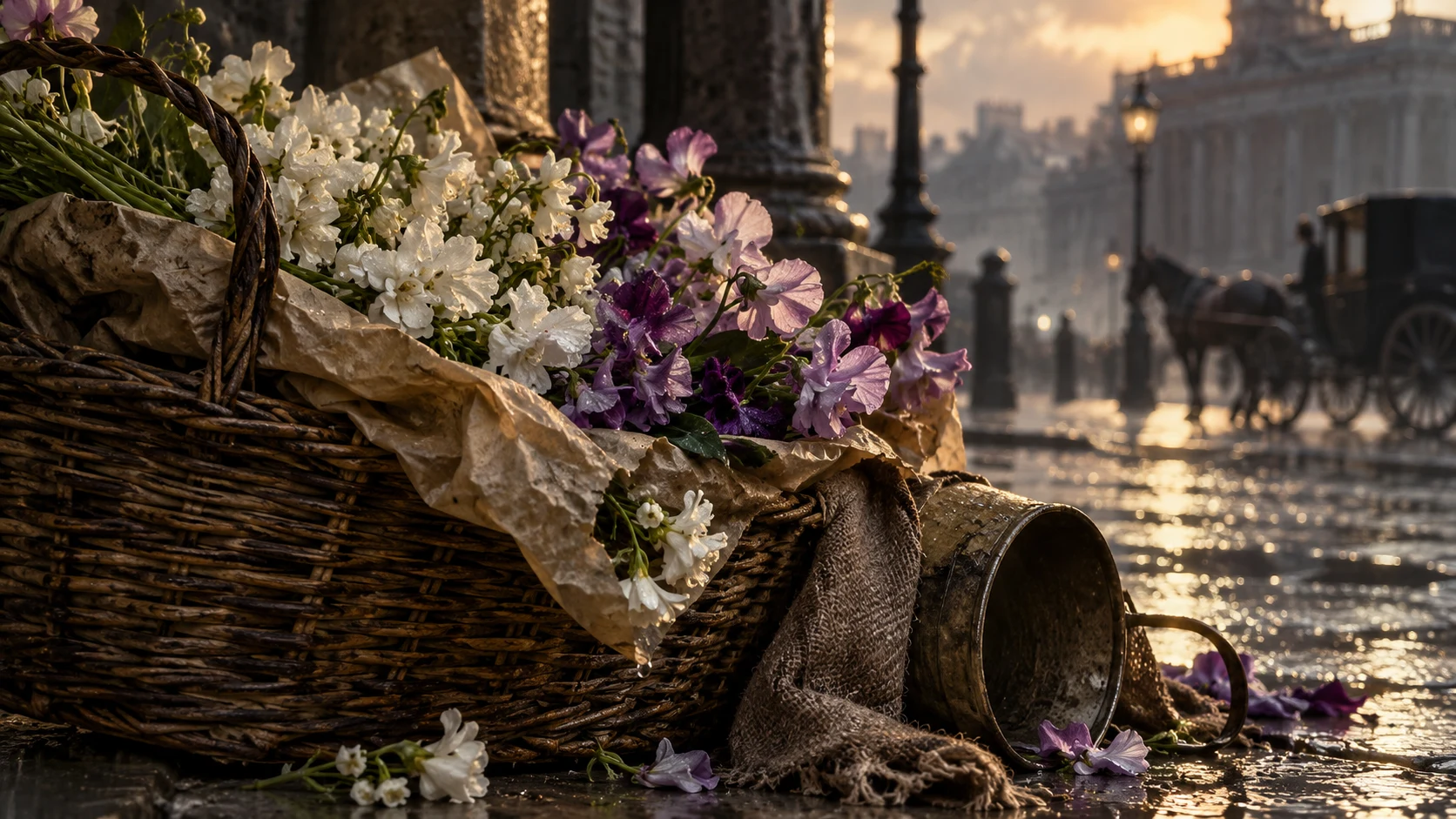
Henry Higgins, a professor of phonetics, overhears a Cockney flower girl in Covent Garden and boasts that in a few months he could pass her off as a duchess. Eliza Doolittle takes him at his word and turns up at his house, asking for lessons so she can work in a proper flower shop. Colonel Pickering, a fellow expert in speech, bets Higgins he cannot do it and offers to pay for the lessons.
The experiment works, but Shaw is more interested in what comes after. Eliza has a new voice and new manners, but no money and no place in the world, and Higgins treats her as a finished project rather than a person. Her anger in the last two acts is the heart of the play.
the difference between a lady and a flower girl is not how she behaves, but how she’s treated.
Eliza Doolittle, in George Bernard Shaw, Pygmalion

Pygmalion vs. My Fair Lady: what changed
- The ending. Shaw’s play closes with Eliza leaving Higgins’s mother’s house, and it is far from certain that she will come back to him. My Fair Lady brings her back.
- The ball. In Shaw’s original text, Eliza’s triumph at an ambassador’s garden party happens offstage, between the acts. The 1938 film added an embassy ball, and the musical makes the ball a centrepiece.
- Ascot. The musical sends Eliza to the races to try out her new accent. Shaw sets the scene in Mrs Higgins’s drawing room, where Eliza scandalises the guests with her small talk.
- The songs. Every song is Lerner and Loewe’s own, including “Wouldn’t It Be Loverly”, “The Rain in Spain” and “I Could Have Danced All Night”.
Why Shaw fought the romantic ending
Audiences wanted Eliza and Higgins to end up together from the first London production in 1914, and the actor-manager playing Higgins, Herbert Beerbohm Tree, is said to have nudged the ending that way. Shaw resisted. When the play was published, he added a long prose epilogue explaining that Eliza marries Freddy Eynsford Hill, the sweet, penniless young man who adores her, and that she and Higgins never become a couple.
The 1938 film of Pygmalion, directed by Anthony Asquith and Leslie Howard, with Howard as Higgins and Wendy Hiller as Eliza, ends with Eliza returning to Higgins’s house, and My Fair Lady followed that lead. Shaw shared the Academy Award for the film’s screenplay. He had already won the Nobel Prize in Literature for 1925, which made him the first person to win both.
Should you read Pygmalion if you love My Fair Lady?
Yes. It is short, it is funny, and almost every scene you love is there in some form, with Shaw’s sharper dialogue. Alfred Doolittle, the dustman who explains with perfect logic why he is one of the undeserving poor, is even better on the page. And Eliza’s outburst at Mrs Higgins’s at-home, ending with a word that shocked London audiences in 1914, still lands.
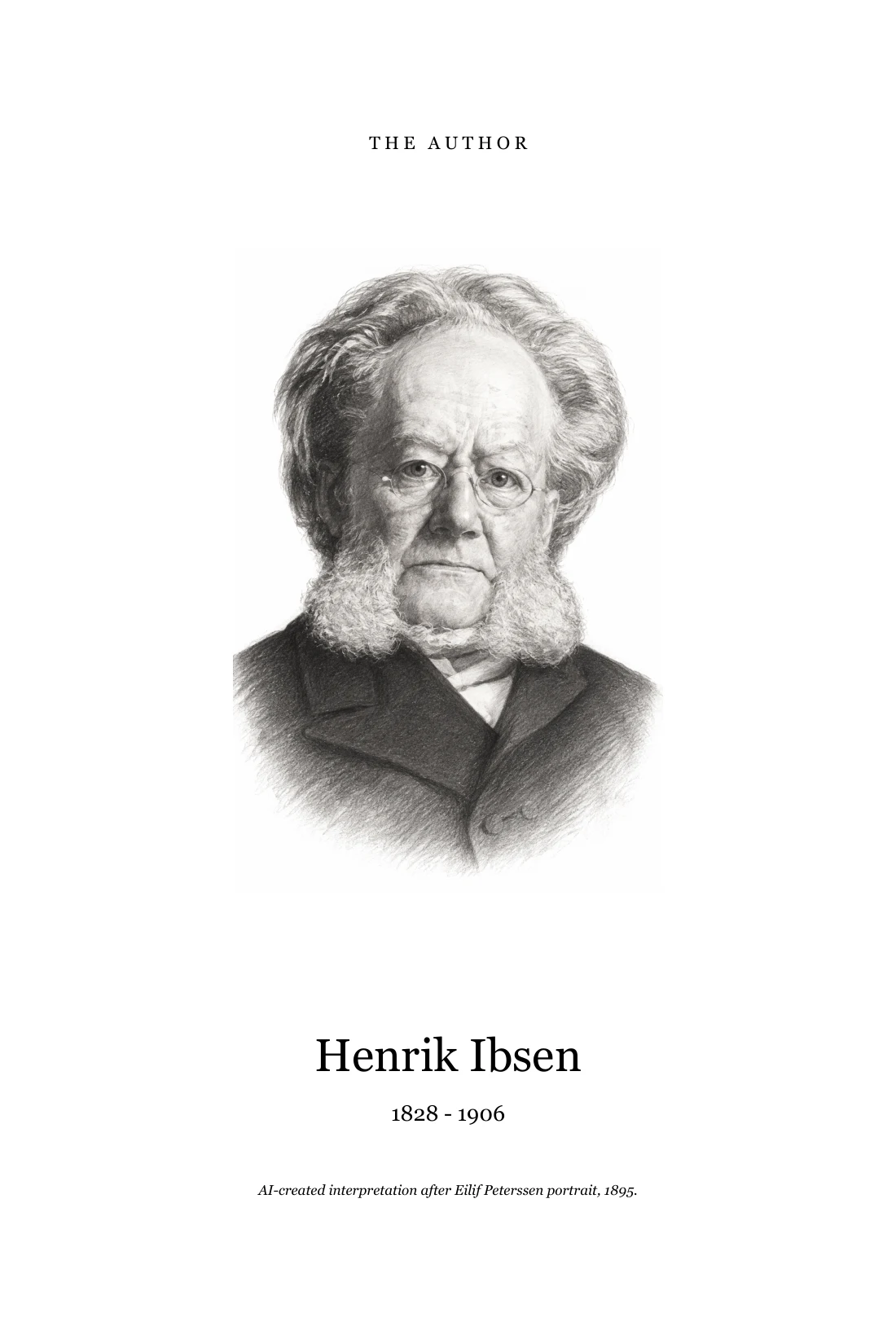
Eliza’s final exit has a famous ancestor. Shaw was one of Henrik Ibsen’s great champions in England, and it is hard not to think of Nora walking out on her husband at the end of A Doll’s House when Eliza makes her last exit.
Pygmalion
1913. Shaw’s comedy of a flower girl, a phonetics professor and a bet. Short enough to read in an evening, and sharper than the musical.
A Doll's House
1879. Ibsen’s play about a wife who walks out, the drama Shaw championed and the ancestor of Eliza’s last exit.


For more films with classics hiding inside them, see how She’s All That reworked the same story in teen films secretly based on classics, and the many films you didn’t know were Shakespeare.
Start with Pygmalion, and listen for the line that made London gasp in 1914. Then decide for yourself whether Eliza should go back.
Questions readers ask
Is My Fair Lady based on Pygmalion?
Yes. My Fair Lady, which opened on Broadway in 1956 and was filmed in 1964, adapts George Bernard Shaw’s play Pygmalion, with music by Frederick Loewe and book and lyrics by Alan Jay Lerner.
How does Pygmalion end?
Shaw’s play ends with Eliza leaving, and it is left uncertain whether she will return to Higgins. In a later prose epilogue Shaw said she marries Freddy Eynsford Hill, not Higgins.
Why is it called Pygmalion?
The title refers to the Greek myth of Pygmalion, a sculptor who falls in love with a statue he has made, which comes to life. Higgins, who remakes Eliza, is Shaw’s modern Pygmalion.
Where was Pygmalion first performed?
It premiered in Vienna in 1913, in a German translation, before its London premiere in 1914 with Mrs Patrick Campbell as Eliza.
 Saint Joan170 pages · $13.99
 Arms and the Man104 pages · $11.99