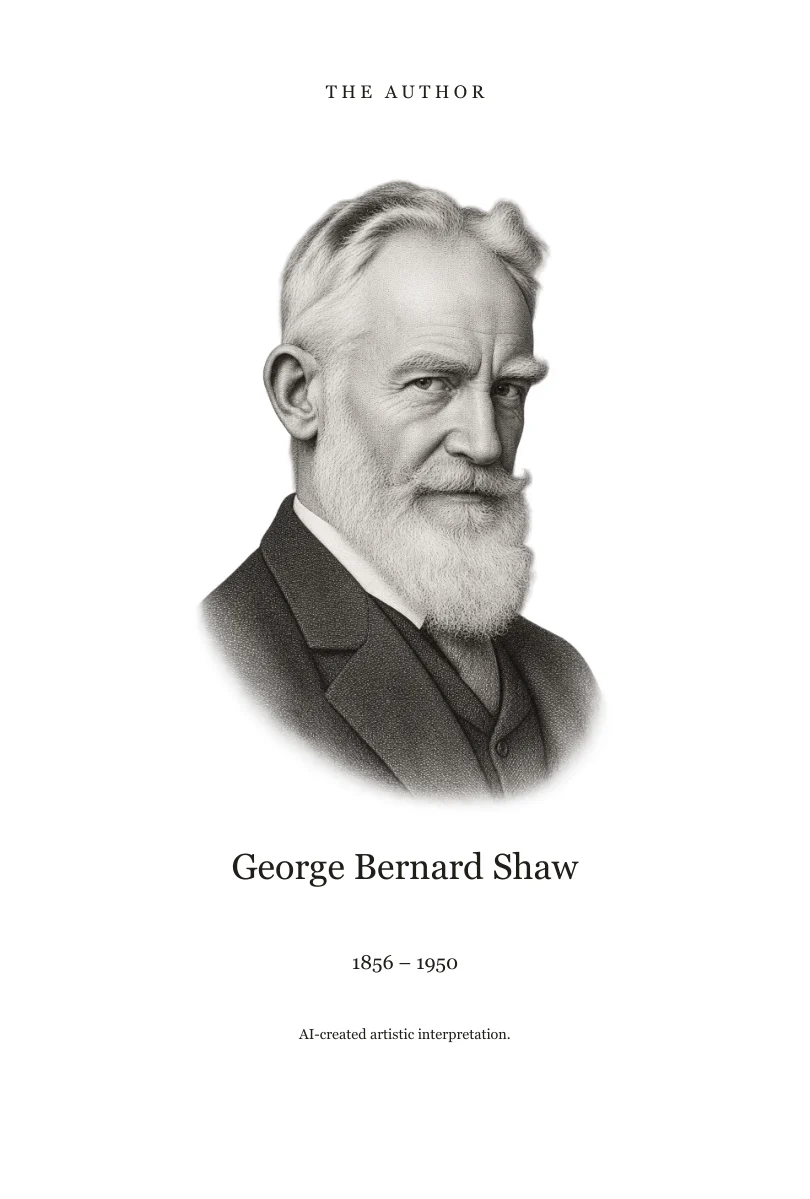
“A trodden worm, scanty of flesh, scanty of hair, who might be any age from 18 to 55, being the sort of man whom age cannot wither because he has never bloomed.” That is George Bernard Shaw introducing a steward who is about to be shouted at about eggs, in a castle on the Meuse in 1429, at the start of Saint Joan. No audience in a theatre ever hears the sentence. It exists only for the reader.
That is the secret of how to read a play. A script is a story with the narrator taken out, and the stage directions are what is left of the narrator. Some playwrights, like Shaw, write them as lavishly as novelists; others, like Shakespeare, leave almost nothing. Either way, your job is to supply the rest: the room, the faces, the silences. The six plays below show six different ways that job works.
How to read a play: start before the first line
Read the cast list and the opening directions slowly, as if they were the first page of a novel. They are usually where the writer hides the most information.
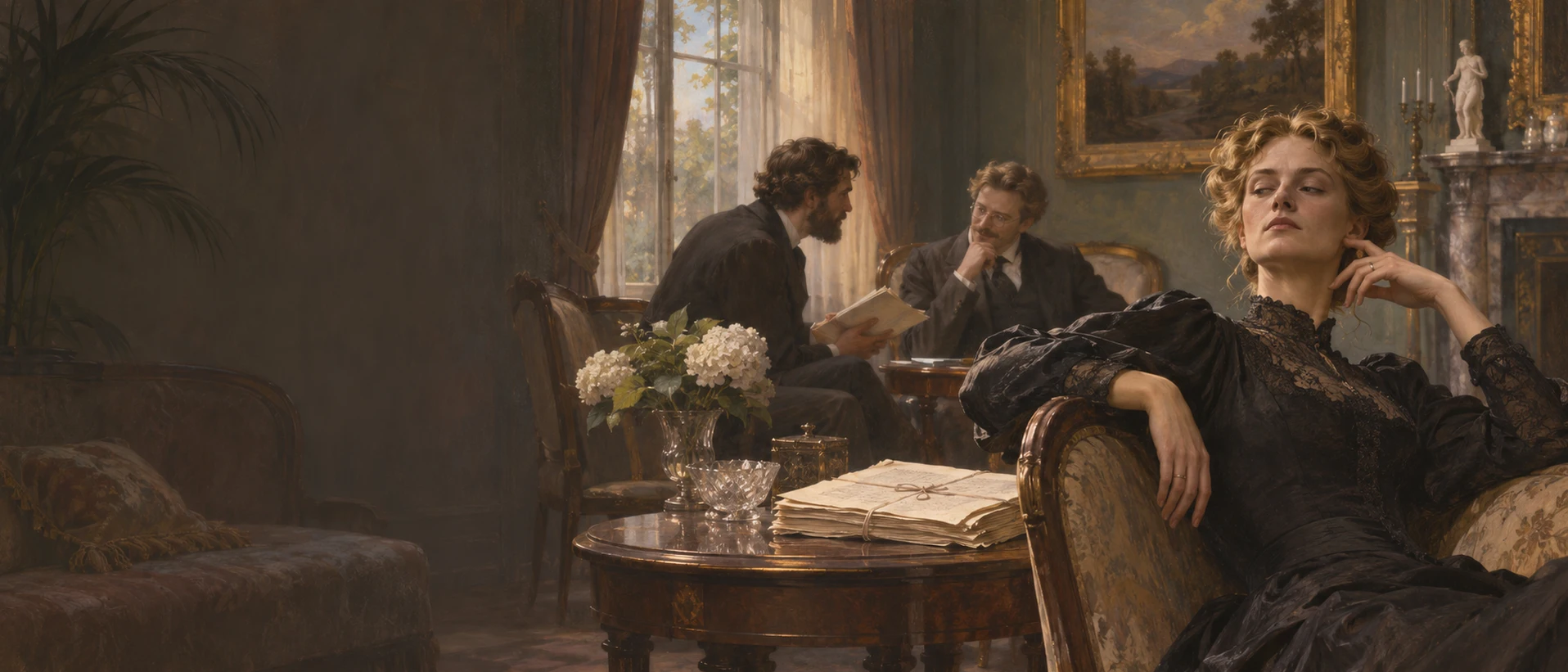
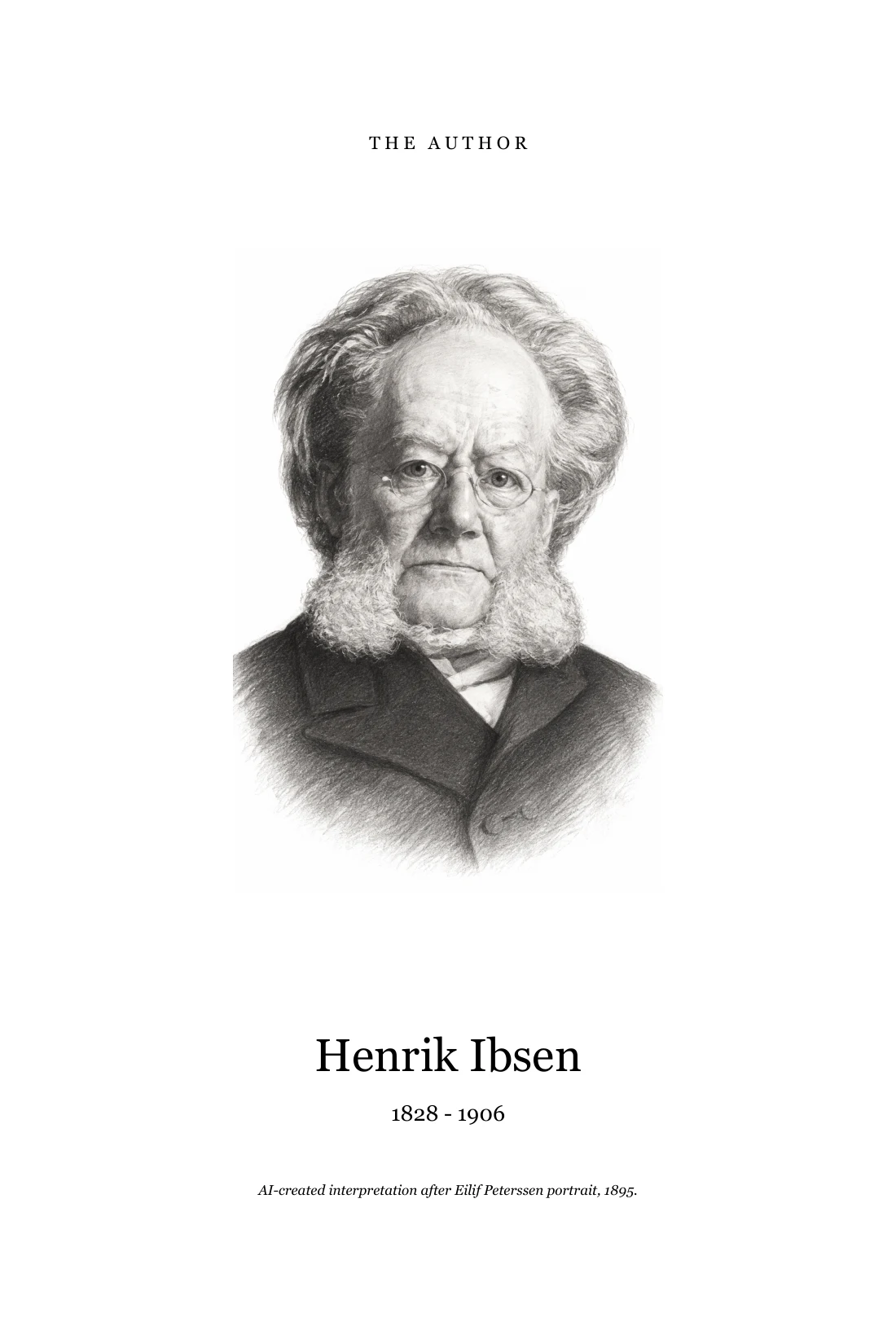
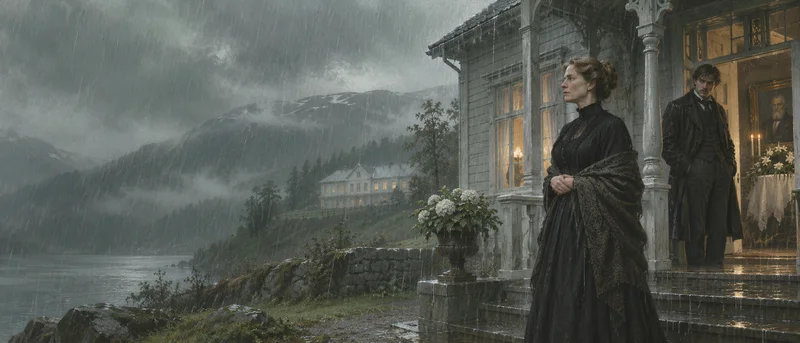
Ibsen is a master of this. Hedda Gabler opens with a long description of a drawing room: dark colours, a piano, flowers everywhere, autumn leaves outside the glass door. Then one detail that matters more than all the rest:
Over the sofa hangs the portrait of a handsome elderly man in a General’s uniform.
Henrik Ibsen, Hedda Gabler (1890), tr. Edmund Gosse and William Archer
That is Hedda’s father, and he watches over the whole play. Ibsen said he called it Hedda Gabler, by her maiden name, to show that she was more her father’s daughter than her husband’s wife. A reader who skips the opening directions misses the point of the title.
Hear the silences
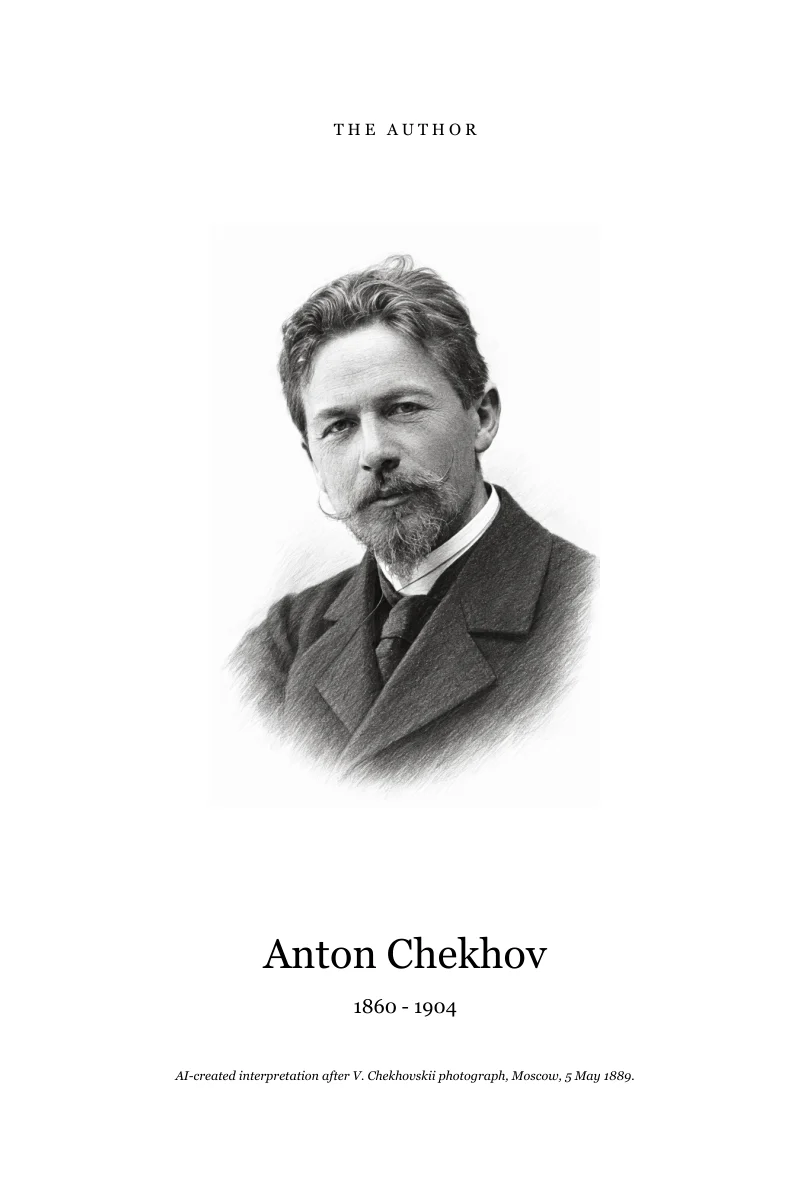
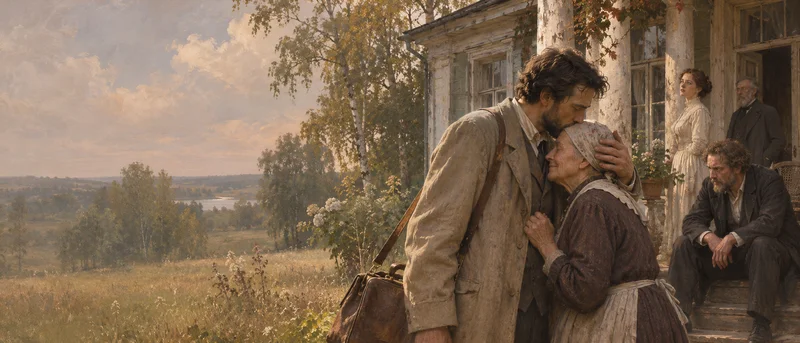
Chekhov’s characters often say the opposite of what they feel, or nothing at all. In the Project Gutenberg translation of Uncle Vanya, the direction “A pause” appears more than thirty times. On stage a pause is a held breath; on the page it is easy to read straight through. Don’t. Stop, and ask what the person who has just fallen silent is not saying. That gap is where the play lives.
Read Shakespeare aloud
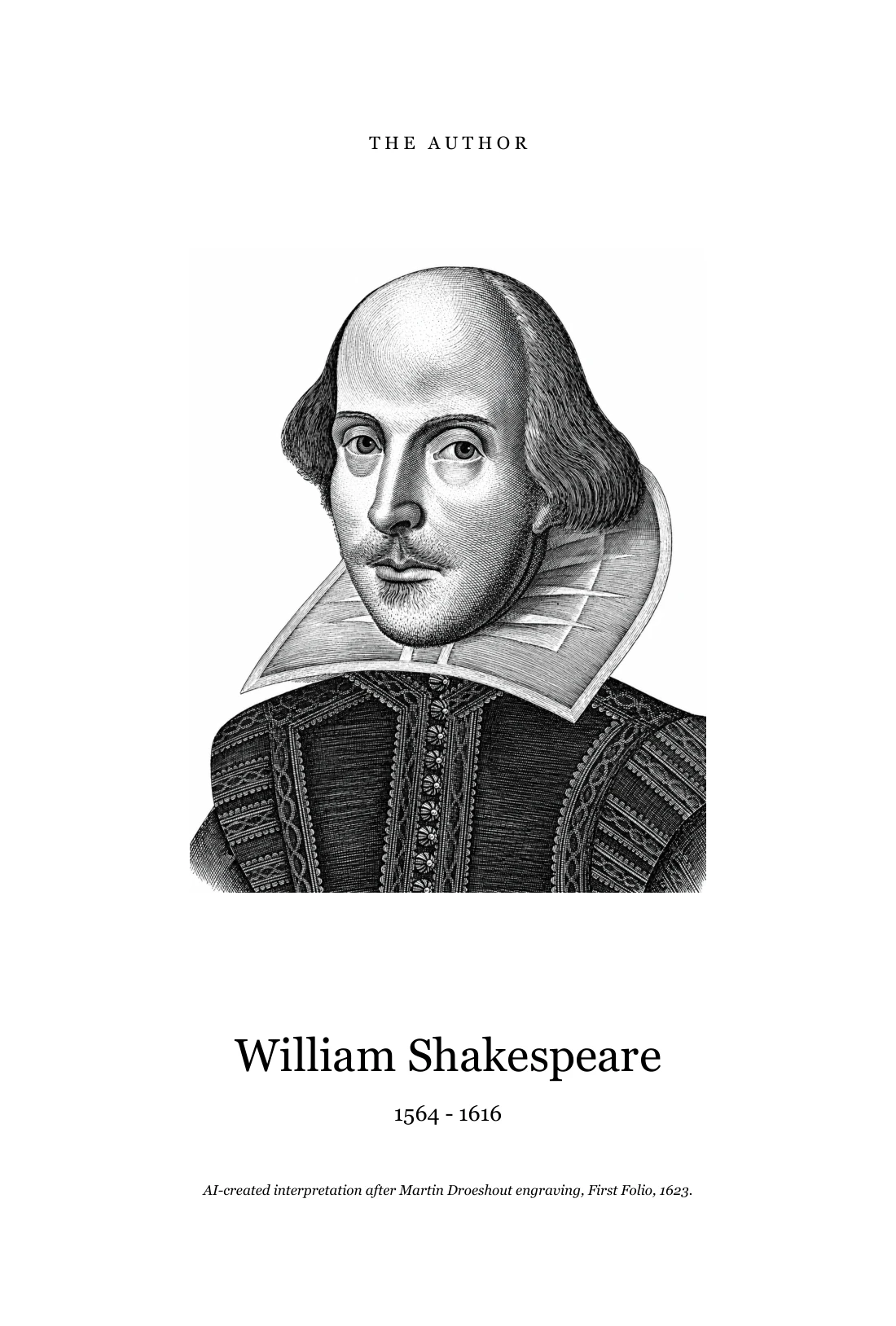
Shakespeare gives you almost no help: an entrance, an exit, a storm. Act One of Julius Caesar has a scene that opens with nothing more than “Thunder and lightning. Enter, from opposite sides, Casca with his sword drawn, and Cicero.” Everything else is in the verse. That is why his plays read best aloud, or at least half aloud, at the speed of speech. The rhythm tells you where the stress falls and who is in command of a scene, and the famous moments, including three words of Latin from a dying man, land harder when you hear them.
Let the chorus slow you down
Greek tragedy adds a voice modern plays have lost: the chorus. In Oedipus King of Thebes the elders of the city comment, pray and lament between the scenes, in verse that can feel like an interruption when you are eager for the plot. Treat those passages as the audience’s pulse. They are the city watching its king and getting more frightened, and their dread builds the tension that the action releases.
Sophocles’ play was probably first performed around 425 BC, and it has been read as closely as any drama ever written. Sigmund Freud used it in The Interpretation of Dreams, published in November 1899 and dated 1900. You will get far more from it if you do not look up the ending first.
Six plays to practise on
Uncle Vanya
1897. A professor and his young wife descend on a country estate, and everyone falls a little apart. The shortest play here, and the one with the most silence in it.
Ghosts
1881. A widow about to open an orphanage in her husband’s memory discovers how much of him lives on. It caused a scandal in its day.
Oedipus King of Thebes
c. 425 BC. A plague, a king determined to find its cause, and the most famous plot in Western drama. With a chorus of Theban elders.
Julius Caesar
1599. Conspiracy, assassination and two great speeches over a body. Shakespeare at his most direct, with stage directions to match.
Hedda Gabler
1890. A general’s daughter, newly married and bored, and a pair of pistols she cannot leave alone. Every object on Ibsen’s stage earns its place.
Saint Joan
1923. Shaw’s Joan of Arc, from farm girl to trial, told with wit and a long preface. The stage directions read like a novelist’s.


A good order is to start with Uncle Vanya, which is short, then Julius Caesar for verse, then Hedda Gabler, then Oedipus, and to finish with Saint Joan, whose preface alone runs to about 19,000 words by our count. That is longer than the whole of Uncle Vanya.
Then go and see one
Reading a play is not a substitute for seeing it, and it is not meant to be. But it is the best preparation there is. You will notice what a director has cut, what an actor does with a pause, and which lines you heard differently in your head. Saint Joan was first performed in New York by the Theatre Guild on 28 December 1923, and three months later in London with Sybil Thorndike, the actress Shaw had written it for. Every production since has been an argument with the text, and you can only join the argument if you have read it.
For more on individual playwrights, see Where to start with Henrik Ibsen, Where to start with Chekhov and Which Shakespeare play should you read first?. If you would rather laugh, The funniest classic plays has a shelf of comedies. The playwrights’ pages for Ibsen, Chekhov, Sophocles, Shakespeare and Shaw list every play we stock.
Start tonight with Uncle Vanya. Read the opening direction, picture the samovar on the terrace on a cloudy afternoon, and wait for the first pause.
Questions readers ask
How do you read a play script for the first time?
Read the cast list and opening stage directions carefully, picture the set before the dialogue starts, and read at the speed of speech. Pause where the writer marks a pause, and read verse aloud if you can.
Should you read a play before seeing it?
It helps. Reading first lets you notice what a production adds or cuts, and the stage directions often contain details an audience never hears.
What is a good first play to read?
Chekhov’s Uncle Vanya is short and needs no background, and Ibsen’s Hedda Gabler is gripping on the page. For Shakespeare, Julius Caesar is direct and quick.