


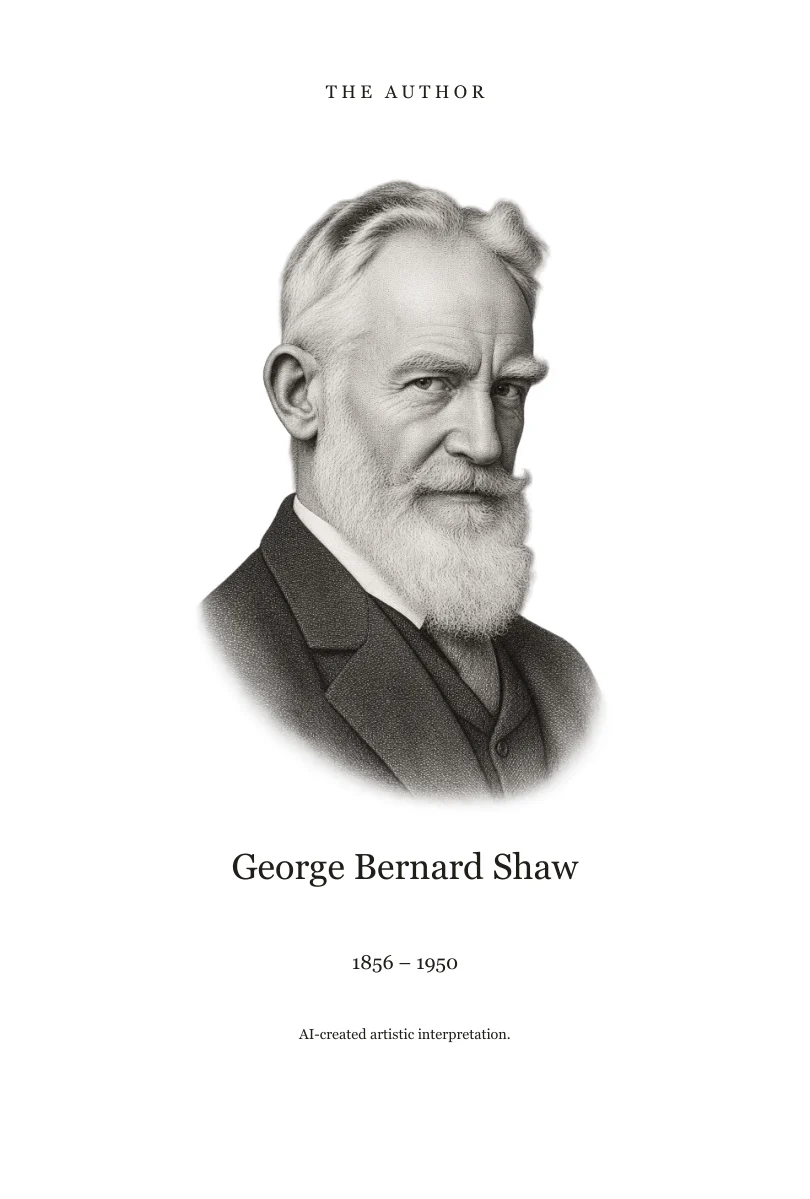
Shaw had been burned once. An operetta called The Chocolate Soldier had been made from his play Arms and the Man, and after that bad experience, when a producer acquired the film rights to Pygmalion in the 1930s, Shaw refused permission for a musical version. He died in 1950. In March 1956, My Fair Lady opened on Broadway.
Musicals based on books are older than Broadway itself, but a handful of nineteenth- and early twentieth-century classics have produced some of the best-loved shows ever staged. Below are the books and plays behind them, in rough order of how far the music strayed from the page.
The musicals based on books that everyone knows
Pygmalion → My Fair Lady
Shaw’s play premiered, oddly, in German, in Vienna in October 1913, before reaching London the next year. Lerner and Loewe’s musical drew heavily on his play, and on scenes he had written for the 1938 film, and turned the phonetics professor Henry Higgins and the flower seller Eliza Doolittle into one of the great sparring double acts. It ran for 2,717 performances, a Broadway record at the time, and the 1964 film with Audrey Hepburn and Rex Harrison won eight Academy Awards, including Best Picture.
What the musical changed is the ending. Shaw was so irritated by audiences assuming Eliza would marry Higgins that he added a prose sequel to the published play explaining why she does not.
people in all directions have assumed, for no other reason than that she became the heroine of a romance, that she must have married the hero of it. This is unbearable
George Bernard Shaw, sequel to *Pygmalion*
My Fair Lady leaves the door open for exactly the romance Shaw found unbearable. We take the argument further in My Fair Lady and Pygmalion.
The Phantom of the Opera
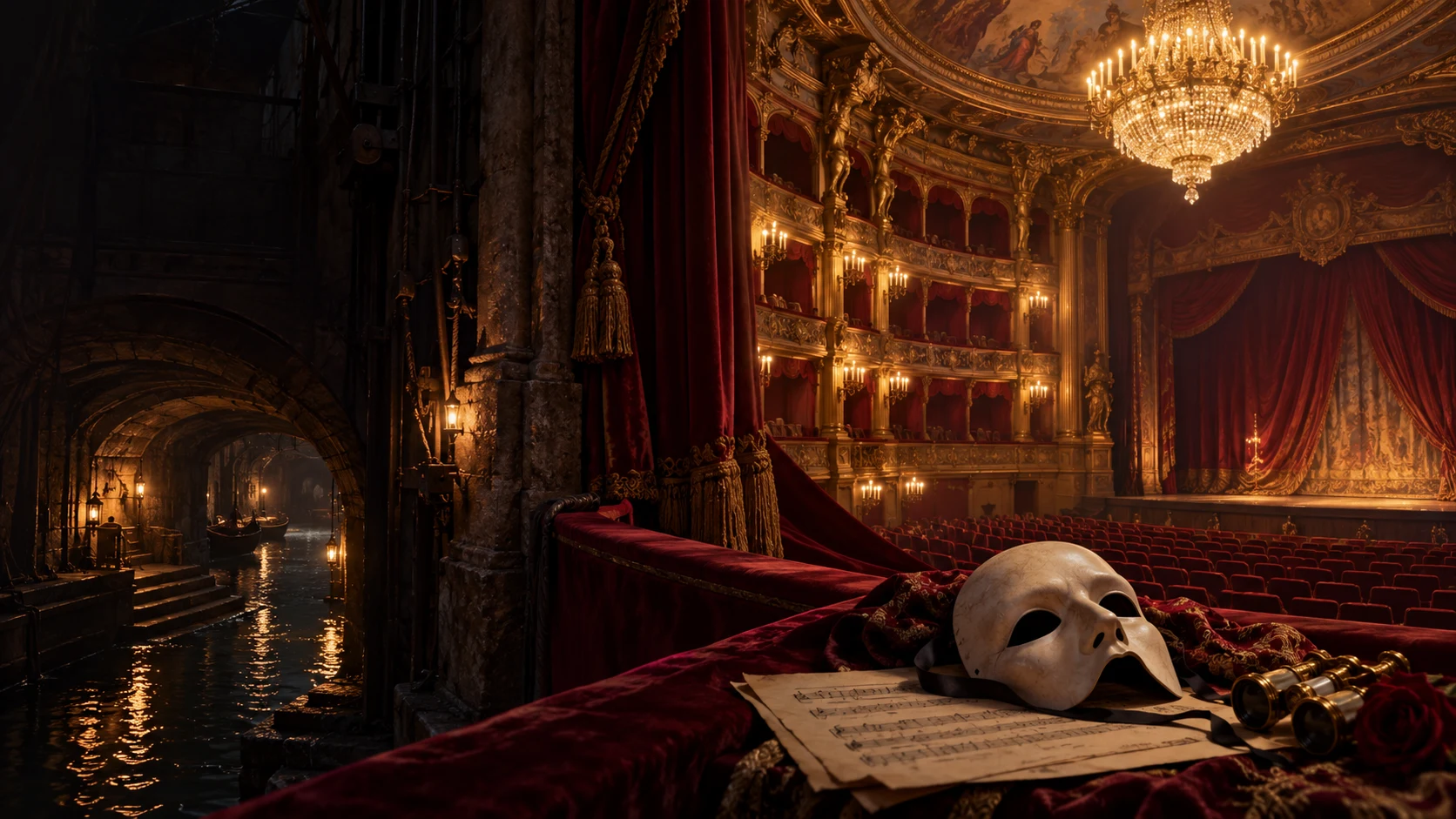
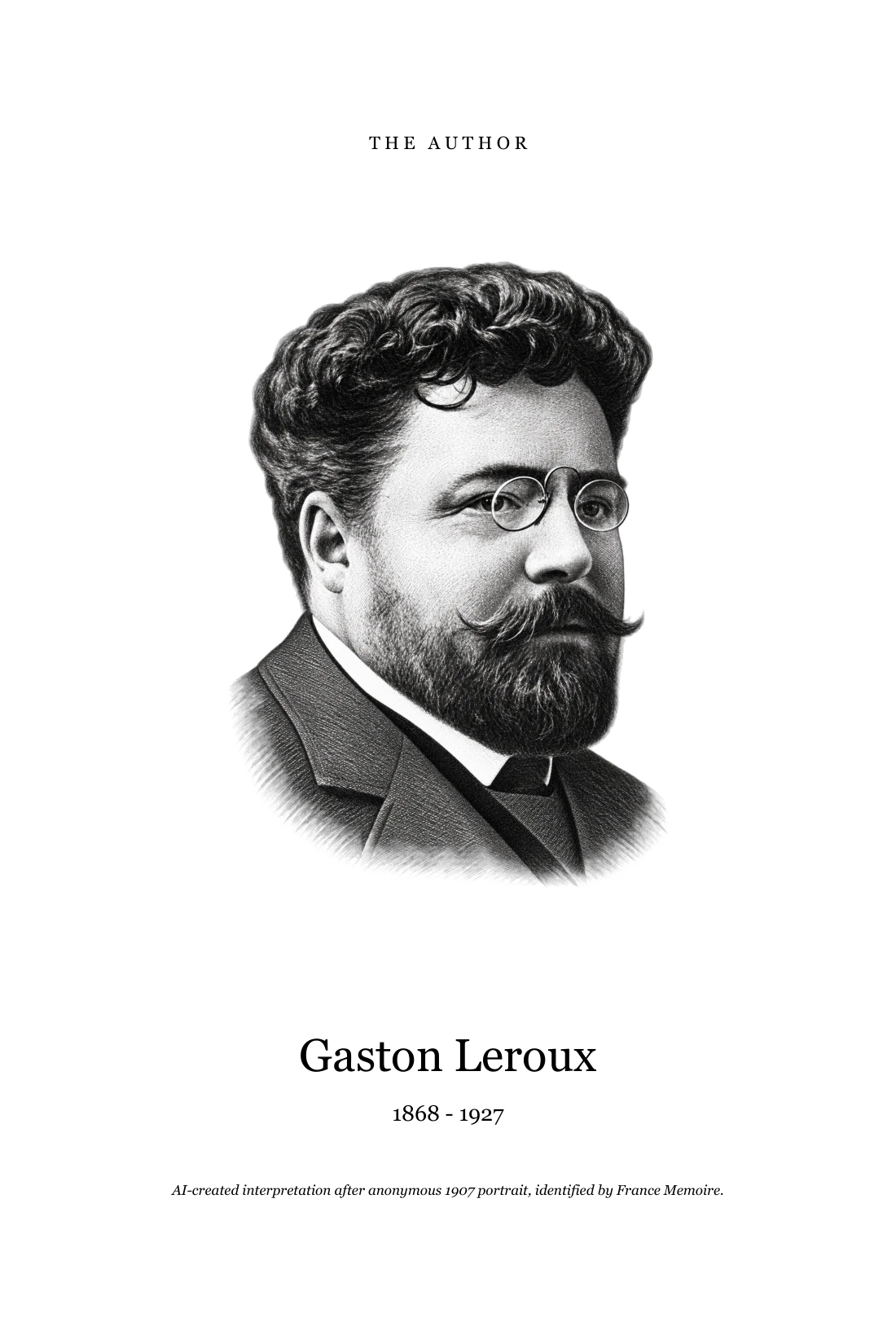
Gaston Leroux’s novel first ran as a newspaper serial in Le Gaulois from September 1909 to January 1910. It is part detective story, part Gothic horror, with a narrator who presents the whole thing as investigative journalism. Andrew Lloyd Webber’s musical opened in London in October 1986 and on Broadway in January 1988, and it became the longest-running show in Broadway history before closing there in April 2023.
The musical turns the Phantom into a tragic romantic lead. Leroux’s Erik is more frightening and more grotesque, a man of terrible ingenuity who has booby-trapped his home beneath the opera house. See The Phantom of the Opera: book vs. musical for the full comparison.
Oliver Twist → Oliver!
Lionel Bart’s Oliver! opened in London in June 1960 and ran for 2,618 performances, a record for a London musical at the time. Carol Reed’s 1968 film won six Academy Awards, including Best Picture. Bart softened Dickens considerably: whole stretches of the novel’s second half disappear, and Fagin becomes more comic character than villain. Dickens’s own Oliver Twist is angrier, and its Fagin is a darker figure drawn on antisemitic stereotypes that Dickens himself later toned down in revised editions.
A Christmas Carol → Scrooge and The Muppet Christmas Carol
Dickens’s 1843 ghost story has been sung more often than almost any other book. Scrooge (1970), directed by Ronald Neame with songs by Leslie Bricusse, won Albert Finney a Golden Globe for his Scrooge. The Muppet Christmas Carol (1992), directed by Brian Henson, cast Michael Caine opposite the Muppets, with Gonzo playing Dickens as narrator, a device the writer Jerry Juhl chose so the film could keep Dickens’s own prose. For how the book was written, see A Christmas Carol was written in six weeks.
Cyrano de Bergerac → Cyrano
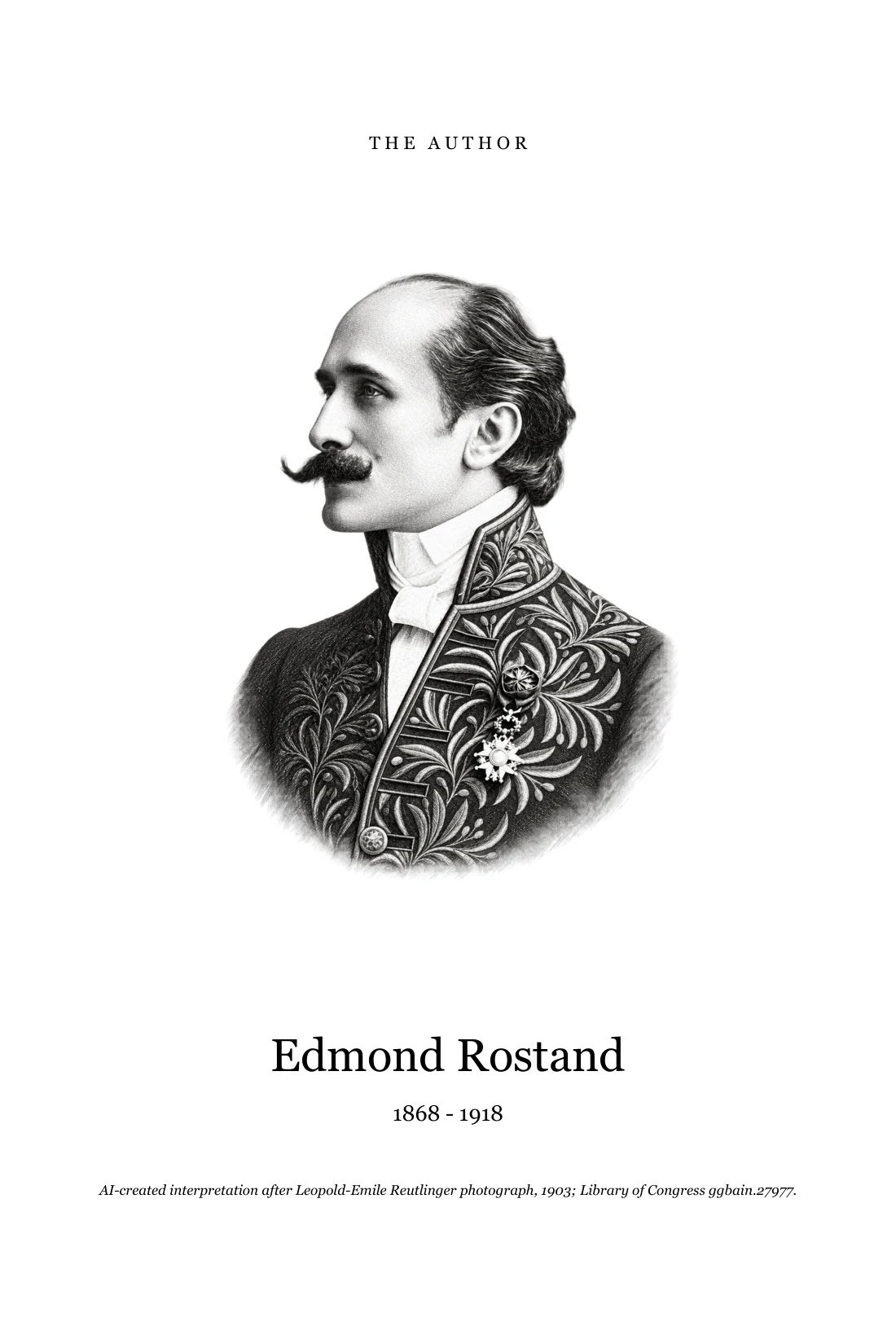
Edmond Rostand’s play, first staged in Paris in December 1897, has tempted composers ever since. A 1973 Broadway musical lasted only 49 performances, but Christopher Plummer won a Tony Award for his Cyrano. Joe Wright’s 2021 film Cyrano, starring Peter Dinklage, came from a 2018 stage musical by Erica Schmidt with music by Aaron and Bryce Dessner. It drops the famous nose and makes Cyrano’s difference his height instead, but keeps the balcony scene and the letters.

More classic books that became musicals
Some musicals based on classic novels are best known in particular places or by particular audiences:
- Anne of Green Gables was staged as a musical every summer from 1965 until the pandemic at the Charlottetown Festival on Prince Edward Island, making it Canada’s longest-running mainstage musical.
- The Secret Garden reached Broadway in 1991 with music by Lucy Simon and book and lyrics by Marsha Norman, who won a Tony for the book.
- The Scarlet Pimpernel became a Frank Wildhorn musical on Broadway in 1997, all swordplay and disguises.
- Little Women had a Broadway musical in 2005, and Daddy-Long-Legs, told entirely in letters, became a two-person chamber musical that reached London’s West End in 2012.
The originals
Pygmalion
1913. Shaw’s comedy of class and accent, sharper and less sentimental than the musical, with a sequel that argues with its own audience.
The Phantom of the Opera
1910. The original Phantom: a Paris opera house, a lake beneath it, and a story told as a reporter’s investigation.
Cyrano de Bergerac
1897. Rostand’s verse play of swordsmanship, wit and a love letter written for someone else.
A Christmas Carol
1843. The ghost story every Christmas musical returns to, short enough to read in an evening.
Oliver Twist
1838. Dickens’s second novel, a far darker London than the one that sings “Consider Yourself”.


Reading the book after the musical is often the more surprising order. You know the tunes, so you notice what was cut to make room for them: the anger in Dickens, the horror in Leroux, the stubbornness in Shaw. For more page-to-stage stories, see classic stories that became operas and Peter Pan was a play first.
Start with Pygmalion by George Bernard Shaw. It is short, it is funny, and its ending is the one argument My Fair Lady never quite won.
Questions readers ask
What musicals are based on books?
Many famous musicals began as books or plays, including My Fair Lady (Shaw’s Pygmalion), The Phantom of the Opera (Gaston Leroux), Oliver! (Dickens’s Oliver Twist), Les Misérables (Victor Hugo), The Secret Garden (Frances Hodgson Burnett) and Kiss Me, Kate (Shakespeare’s The Taming of the Shrew).
Is The Phantom of the Opera based on a book?
Yes. Andrew Lloyd Webber’s 1986 musical is based on Gaston Leroux’s novel, first serialised in the French newspaper Le Gaulois in 1909–10 and published as a book in 1910.
Did George Bernard Shaw approve of My Fair Lady?
He never saw it. Shaw refused permission for a musical version of Pygmalion during his lifetime, and My Fair Lady was written after his death in 1950, opening on Broadway in 1956.
Which musical won the first Tony Award for Best Musical?
Cole Porter’s Kiss Me, Kate won the first Tony Award for Best Musical in 1949. It is built around a staging of Shakespeare’s The Taming of the Shrew.



