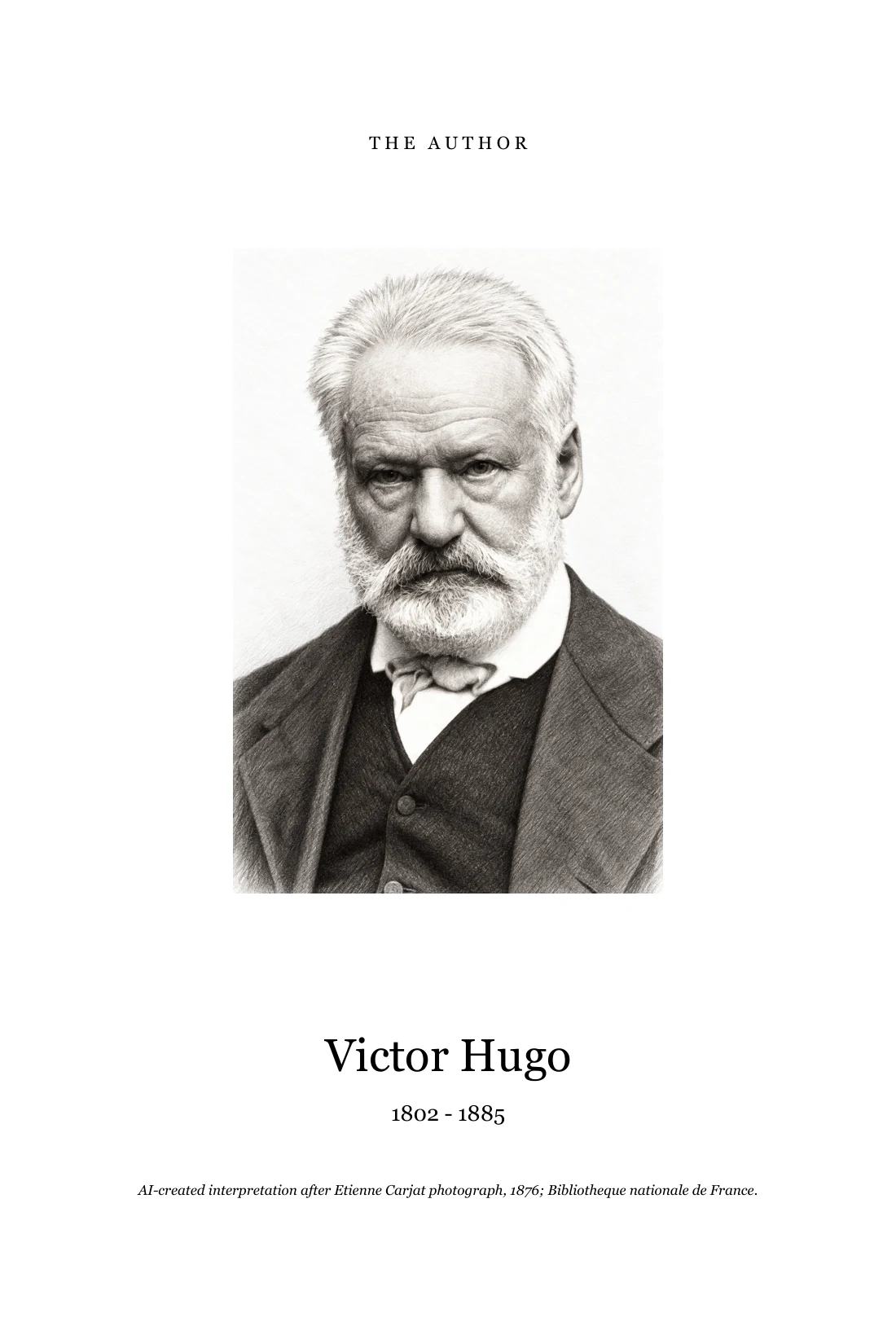
Victor Hugo never wrote a book called The Hunchback of Notre-Dame. His 1831 novel is Notre-Dame de Paris, named for the cathedral, which is its real hero. The hunchback arrived in 1833, when Frederic Shoberl’s English translation gave Quasimodo top billing, and English readers have been reading a slightly different book ever since.
That is the first thing to know about French classic novels in translation: you are always reading two writers at once. The second thing is that the trouble is worth it. Between 1830 and 1885 a handful of French novelists worked out most of what the modern novel does, from the ambitious young man arriving in the city to the case history of a marriage. Six of them belong on any shelf.
Six French classic novels to start with
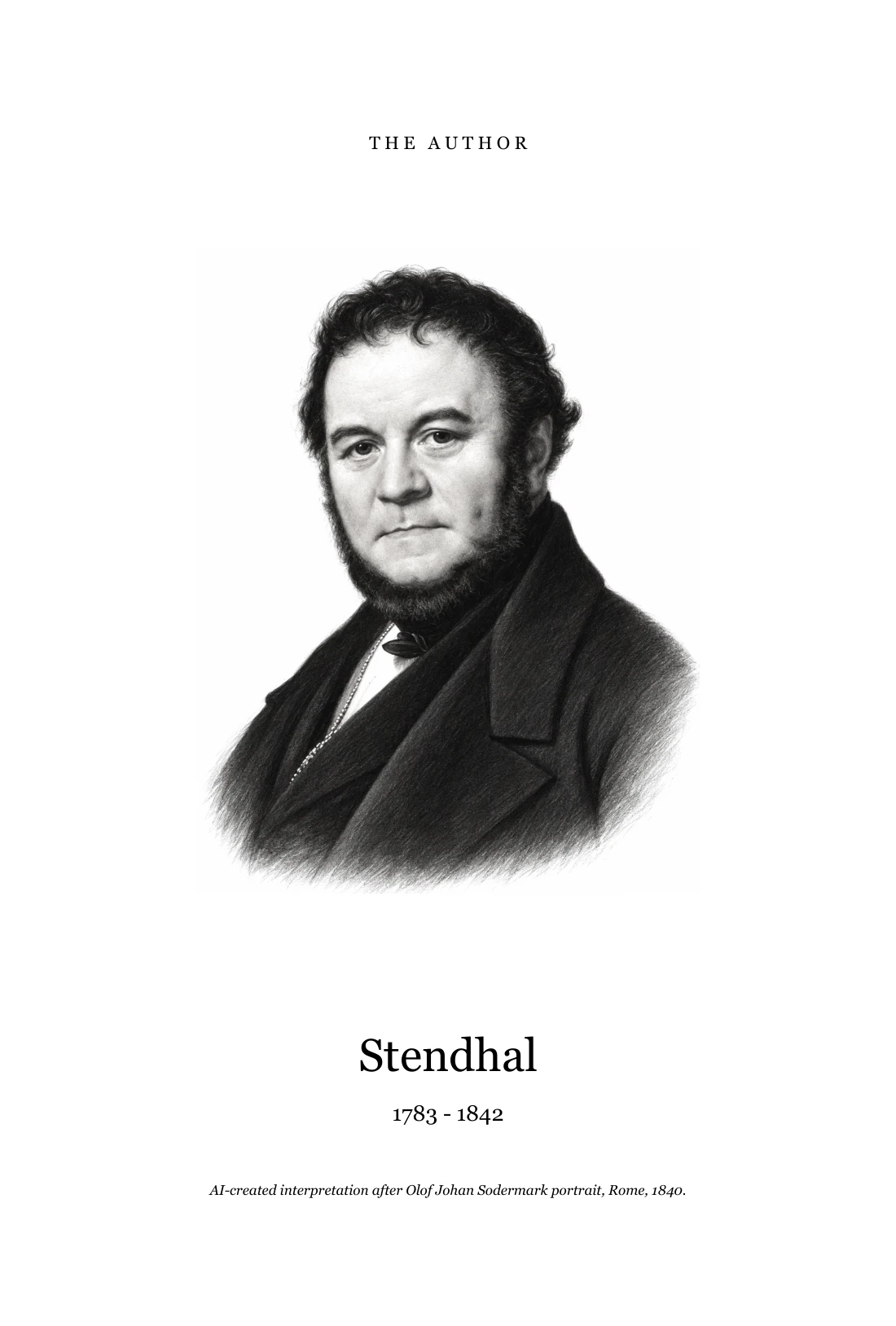
The Red and the Black
1830. Julien Sorel, a sawmill owner’s son who reveres Napoleon and Rousseau, climbs through French society by seduction and hypocrisy. The title is usually read as the army’s red against the Church’s black, the two careers open to a clever boy without money.
Notre-Dame de Paris
1831. Fifteenth-century Paris seen from the towers of its cathedral: a dancer, a priest, a bell-ringer and a mob. Hugo stops the plot for whole chapters to argue for Gothic architecture, and the argument mattered.
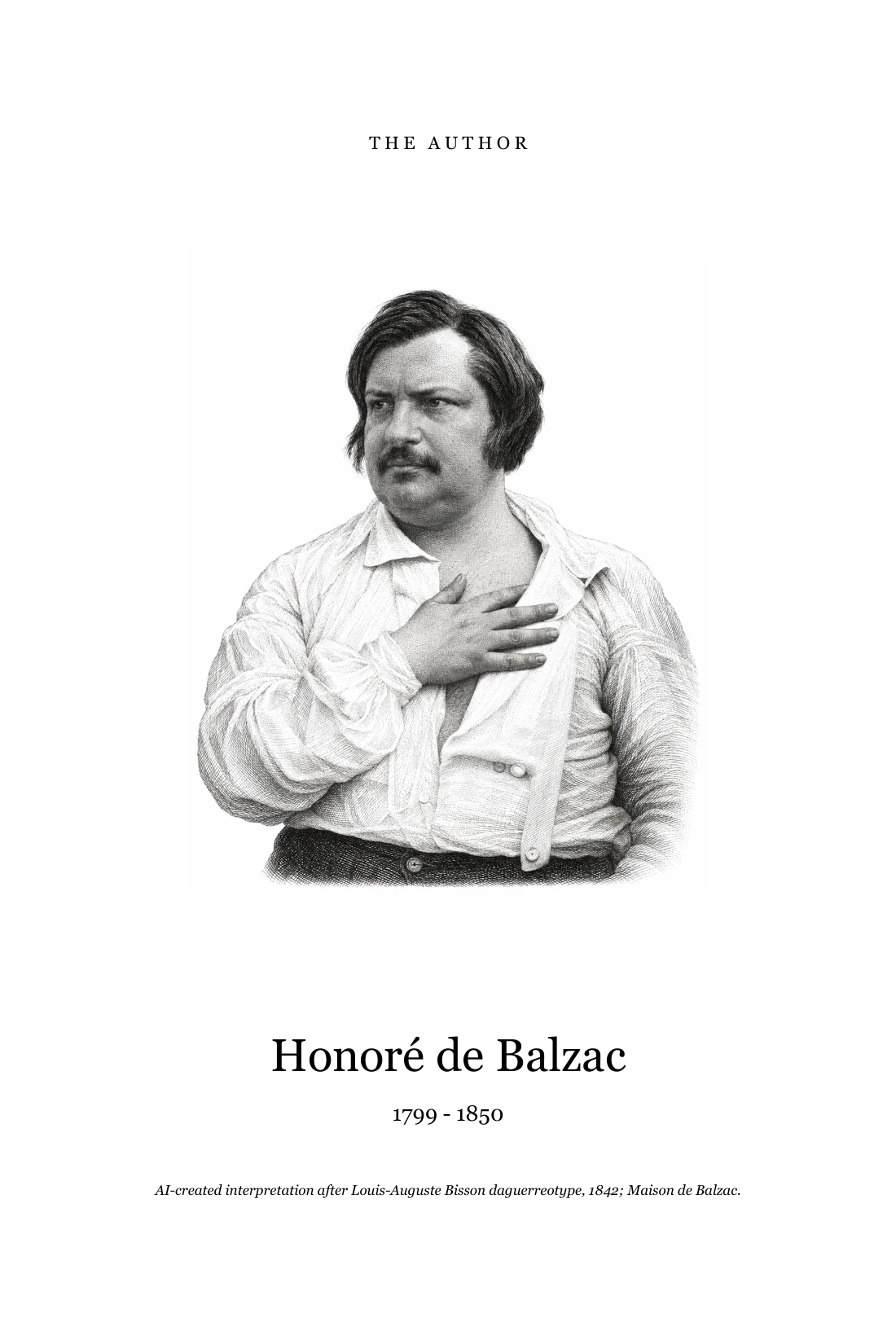
Father Goriot
1835. A boarding house in Paris, a father ruined by love for his daughters, and the young student Rastignac learning what the city costs. The first novel in which Balzac brought characters back from book to book in earnest.
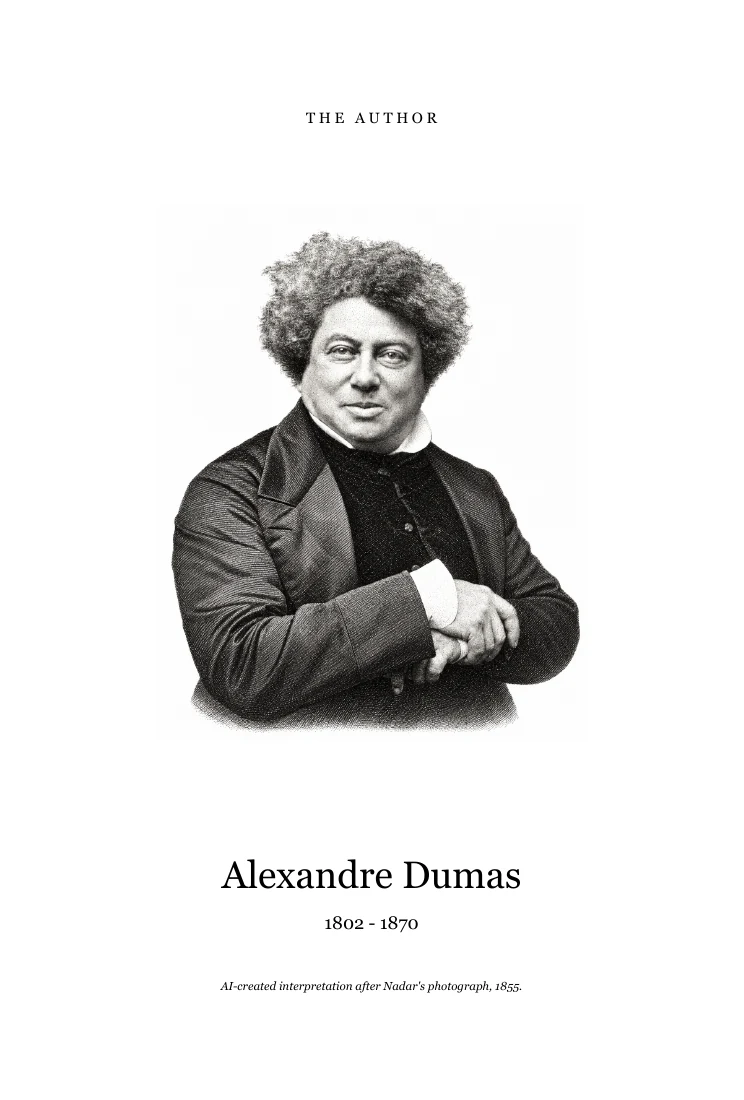
The Three Musketeers
Serialised from March to July 1844. D’Artagnan, Athos, Porthos and Aramis. Dumas wrote it with his collaborator Auguste Maquet, and the pace has hardly dated.
Madame Bovary
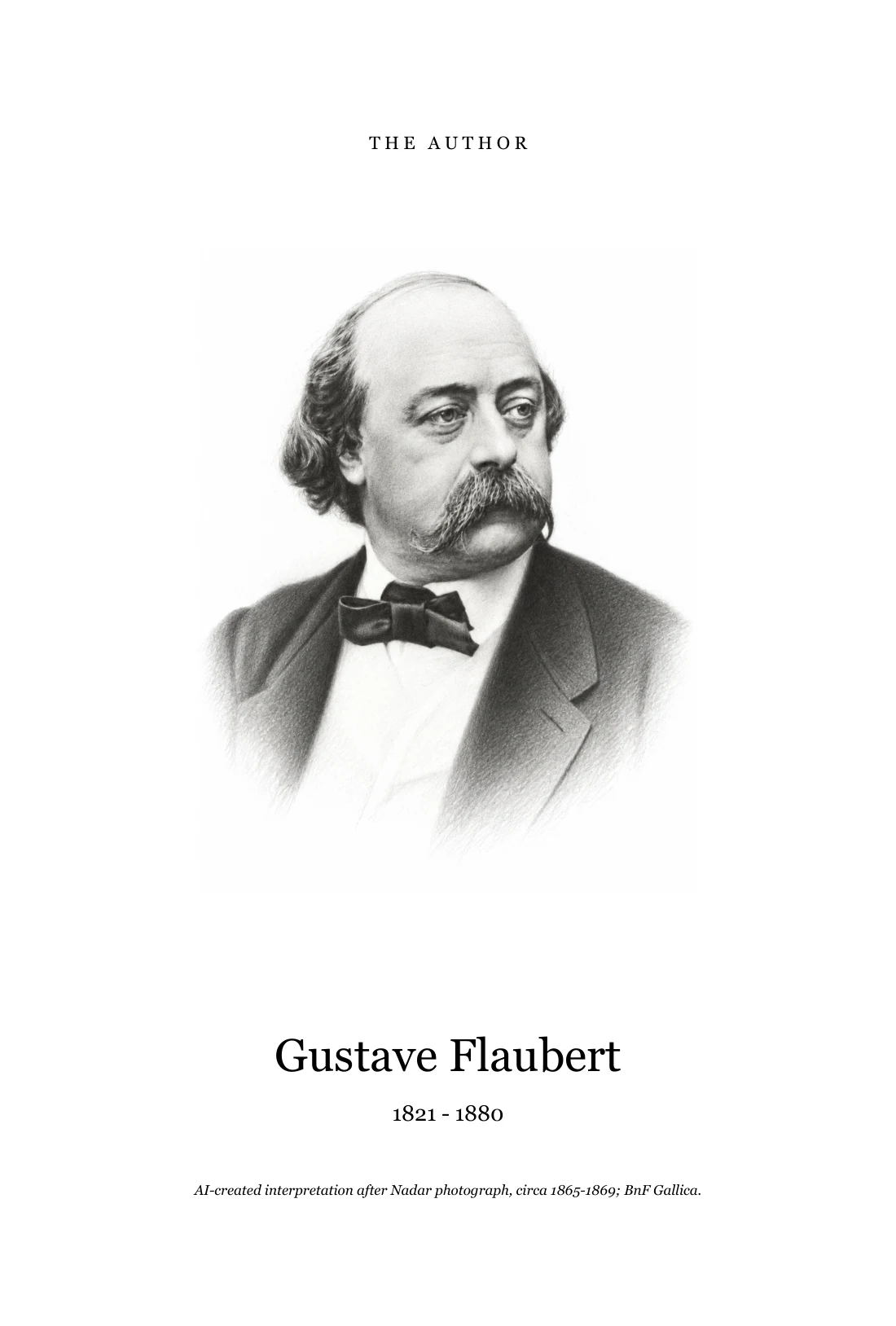
Serialised in 1856, a book in 1857. A doctor’s wife in Normandy reads too many romances and tries to live one. Flaubert was tried for offending public morals over it, and acquitted.
Germinal
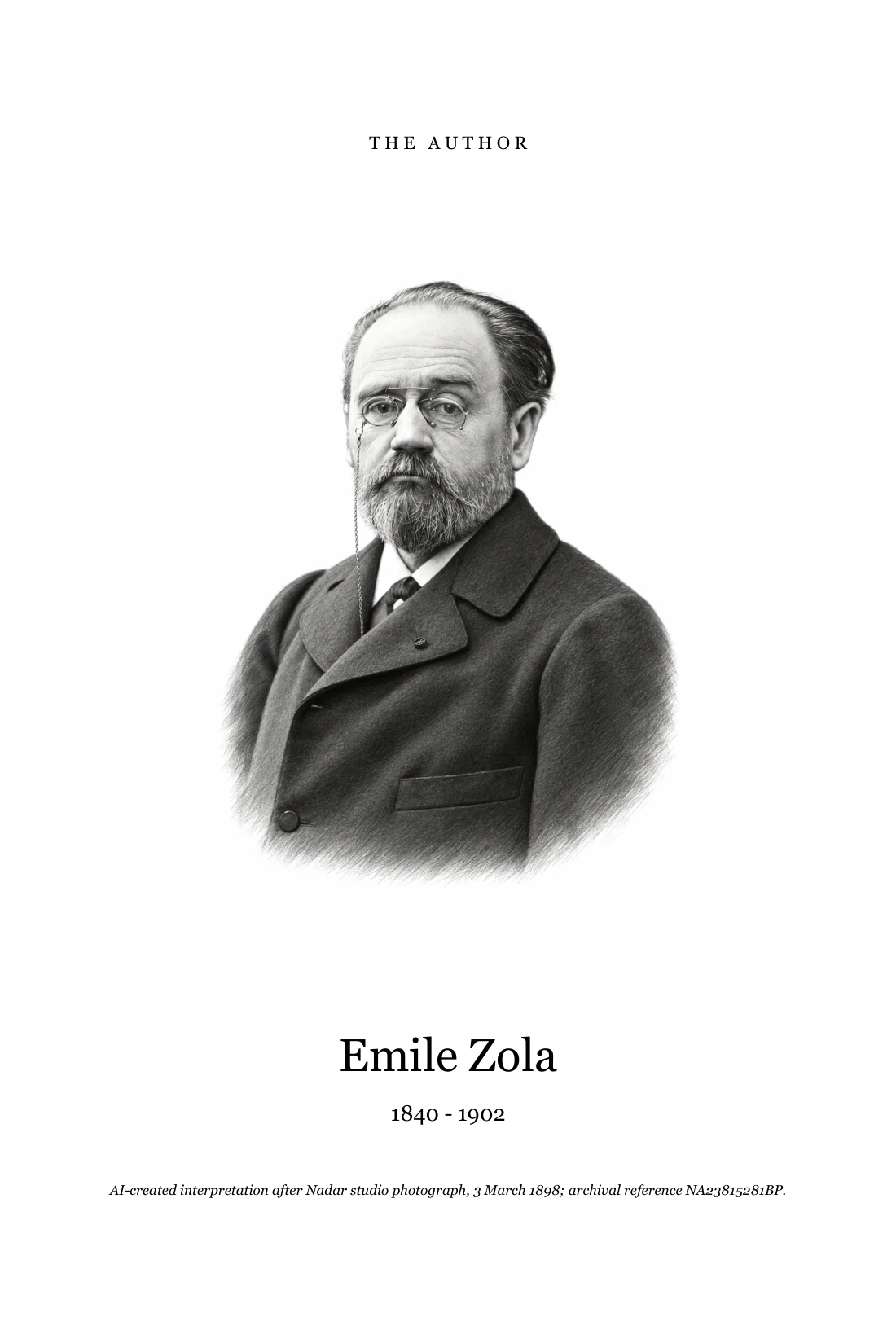
1885. A coalminers’ strike in northern France, told from the pit up. The thirteenth of Zola’s twenty Rougon-Macquart novels, and the one most often read on its own.



How French fiction changed in fifty years
Read in order, these books trace a line from Romantic spectacle to something closer to documentary.
- 1759
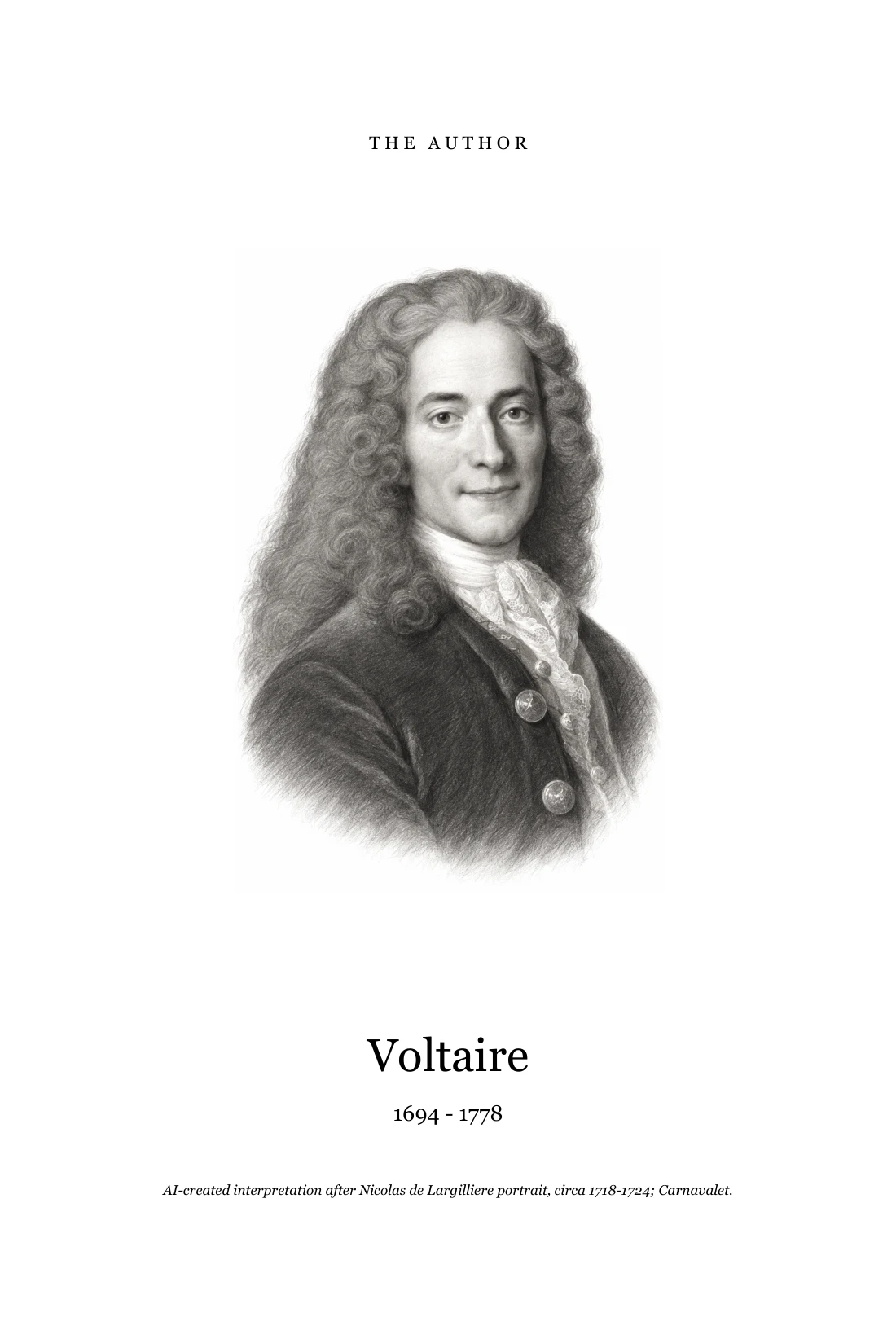
Voltaire’s Candide appears anonymously and is widely banned for blasphemy and sedition.
- 1830
Stendhal publishes The Red and the Black, subtitled a chronicle of its century.
- 1831
Hugo’s Notre-Dame de Paris turns a cathedral into a character.
- 1835
Father Goriot comes out as a volume after serialisation over the winter of 1834–35.
- 1844
The Three Musketeers runs as a newspaper serial.
- 1857
Madame Bovary is published in two volumes after its author’s obscenity trial.
- 1885
Germinal finishes its serial run in the periodical Gil Blas and appears as a book.
- 1913
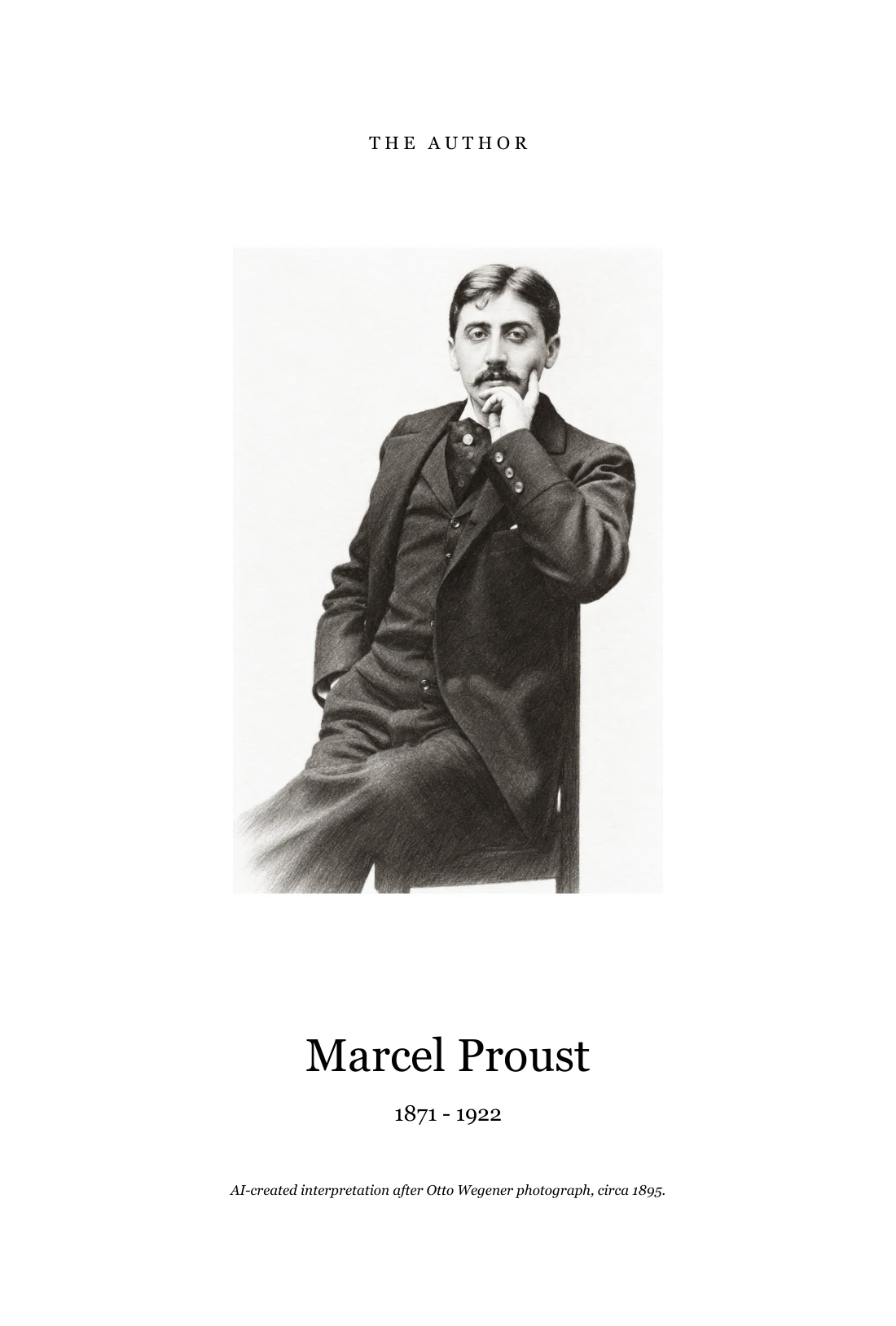
Marcel Proust pays for the publication of Swann’s Way after leading publishers turn it down.
What gets lost (and found) in translation
Titles are where translation shows first. Le Père Goriot has been Old Goriot and Father Goriot. Le Rouge et le Noir has been Red and Black and Scarlet and Black, usually without Stendhal’s subtitle. Proust’s great sequence was known in English for decades as Remembrance of Things Past, the title chosen by C. K. Scott Moncrieff; In Search of Lost Time, the literal rendering of the French, came later.
Some translators were remarkable people in their own right. Madame Bovary was put into English in 1886 by Eleanor Marx. Others paid for the job. The London publisher Henry Vizetelly issued Zola in English in the 1880s, was prosecuted for obscene libel over La Terre, and, after carrying on selling Zola, was fined again and sentenced to three months in prison.
None of this should put you off. Every book on this list has been translated many times, and a plain, faithful version will give you the story, the characters and most of the wit. The music of Flaubert’s sentences is the hardest thing to carry across; Dumas’s dialogue the easiest. How to choose a translation goes further.

Where should you begin with French fiction?
For pure pleasure, start with The Three Musketeers. It is long but never slow, and it shows why Alexandre Dumas was made for the newspaper serial. For a short, sharp first taste of Honoré de Balzac, Father Goriot is the classic way into his whole interlinked world; where to start with Balzac maps the rest.
If you want the novel that changed how novels are written, read Madame Bovary, then read the story of its trial. And if you want to finish the century in a hurry, take two shorter books:
Candide
1759. A cheerful young man is taught that this is the best of all possible worlds, then thrown into war, earthquake and shipwreck. Voltaire’s satire is fast, cruel and very funny.
Swann's Way
1913. The first volume of Proust’s great sequence: a madeleine, a childhood in the country, and the long story of Swann’s jealous love. Slower than the rest, and worth every page.


Read more about Émile Zola in Émile Zola: where to start, and about Hugo’s cathedral in how The Hunchback saved Notre-Dame. But if you only pick one book tonight, take Notre-Dame de Paris up to the bell towers with Quasimodo and look down on the medieval city the way Victor Hugo wanted you to: as something worth saving.
Questions readers ask
What are the best French classic novels to read in English?
Good places to start are The Three Musketeers, Notre-Dame de Paris (The Hunchback of Notre-Dame), Father Goriot, Madame Bovary, The Red and the Black and Germinal. All have been translated into English many times.
Why is The Hunchback of Notre-Dame called Notre-Dame de Paris?
Notre-Dame de Paris is Victor Hugo’s original 1831 title. The Hunchback of Notre-Dame was the title of Frederic Shoberl’s English translation in 1833, and it stuck in English.
Which French novel should I read first?
The Three Musketeers is the most purely enjoyable starting point. If you prefer something shorter and more serious, try Father Goriot or Candide.