
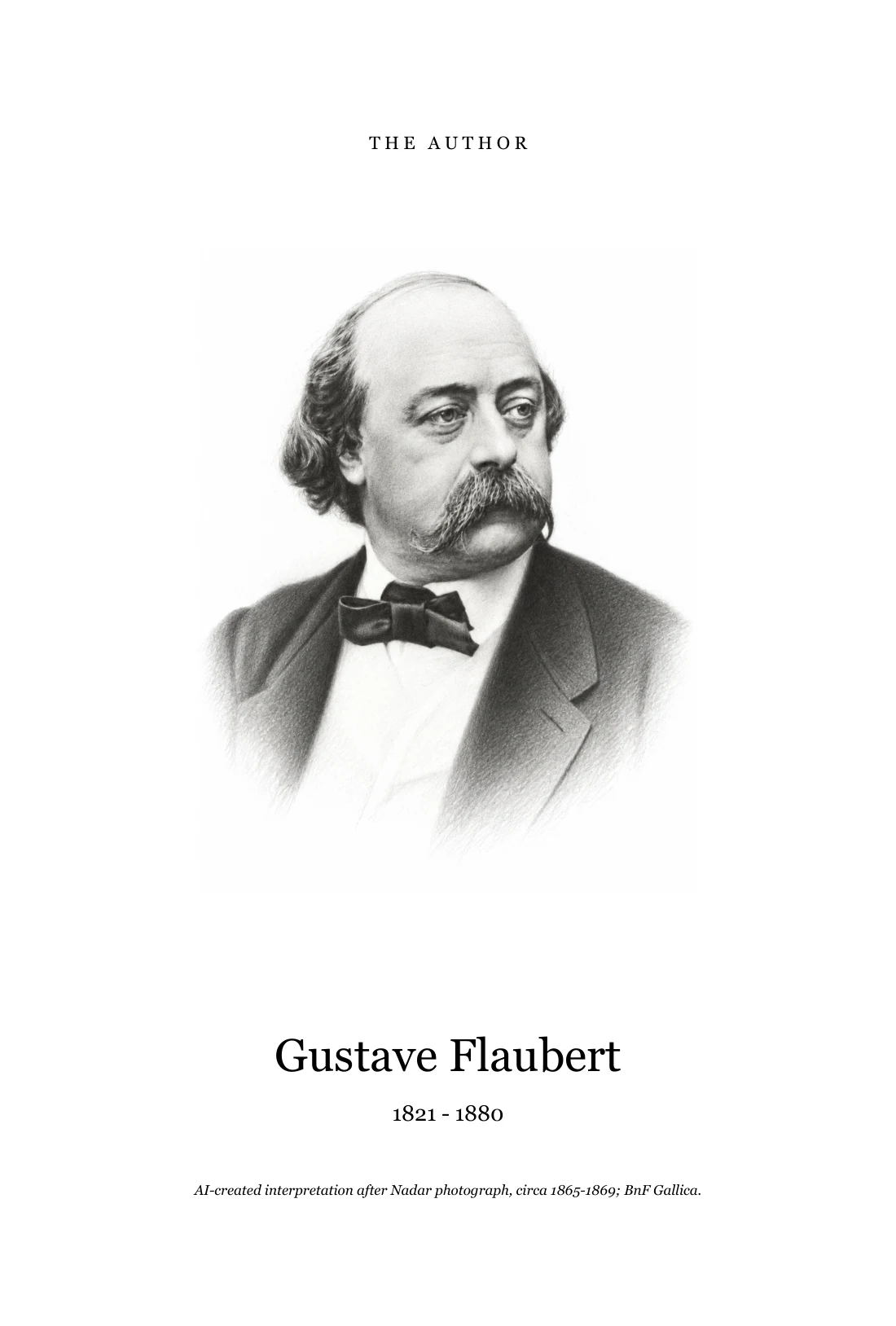

Madame Bovary first appeared in instalments in a Paris magazine, the Revue de Paris, at the end of 1856. Within weeks the French government had charged Gustave Flaubert, the magazine’s editor and its printer with offending public morals and religion. The case was heard in January 1857, and on 7 February all three men were acquitted.
The Madame Bovary trial did the book no harm at all. When it came out as a novel that April, readers who had heard about the scandal wanted to see for themselves, and Flaubert, until then almost unknown, became one of the most talked-about writers in France.
Why was Madame Bovary put on trial?
France under Napoleon III kept a close watch on the press, and the Revue de Paris already had a reputation for liberal politics. Some historians think the magazine was as much the target as the novel. Even so, the charge focused on the story: a doctor’s wife in provincial Normandy who, bored by her marriage, looks for the life she has read about in romantic novels and finds adultery, debt and disaster instead.
The prosecution argued that Flaubert made adultery attractive and painted it in too vivid colours. The editors had already cut some passages before publication, including a famous scene in a closed carriage, but it was not enough to keep the book out of court.

How did Flaubert win?
His lawyer, Antoine-Jules Sénard, argued that the novel was deeply moral: Emma’s choices lead to misery, and no reader could finish the book wanting to follow her. The court agreed that the work was serious and the author’s intentions were not to corrupt, though it still scolded him for a realism it found distasteful.
Flaubert was grateful. When the novel appeared in book form, he dedicated it to Sénard. It is one of the few dedications in literature that doubles as a thank-you note to a defence lawyer.
Madame Bovary
1857. Emma Bovary, married to a dull country doctor, tries to live like the heroine of a novel. The book that went on trial, and one of the founding books of the realist novel.
Camille (La Dame aux camélias)
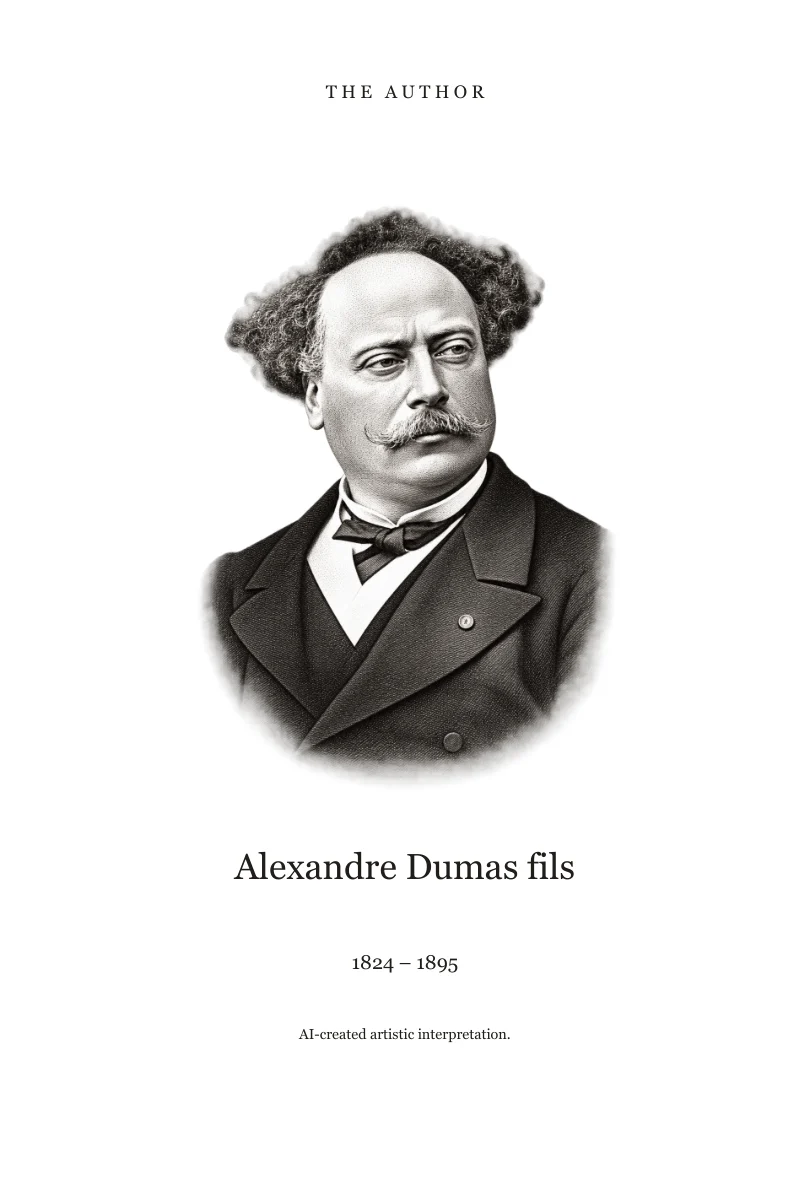
1848. Alexandre Dumas fils’s story of a Paris courtesan who gives up everything for love. Another French novel of desire that shocked respectable readers.
Theresa Raquin
1867. Émile Zola’s dark tale of adultery and guilt in a Paris backstreet, set in a gloomy Paris arcade and written a decade after Flaubert’s trial.


What is Madame Bovary like to read today?
Far less shocking and far more entertaining than its reputation. Flaubert spent around five years on the novel, weighing every sentence, and the result is precise, ironic and often very funny: the pompous chemist Homais, the agricultural fair where love speeches are drowned out by prize announcements for pigs and manure. Emma herself is maddening and sympathetic in equal measure.
It suits anyone who likes character more than plot, and it rewards a book club. People argue about Emma, and about whether Flaubert pities or mocks her. The famous line attributed to him, “Madame Bovary, c’est moi”, has no reliable source and may never have been said, but it captures how close he came to his heroine.
Flaubert lived most of his life at Croisset, on the Seine near Rouen, and worked famously slowly. He is said to have spent days on a single page, and he tested his sentences by reading them aloud. That obsessive craft is part of what the prosecution missed: the novel’s cool, exact style keeps a careful distance from Emma even as it shows her desires from the inside.
Translations differ a good deal in tone, so if one version feels stiff, it is worth trying another. Our guide on How to choose a translation of a classic explains what to look for.

Where to go next
Flaubert has plenty of company in the dock. Banned and challenged classics follows other books that ran into the law, and French classics everyone should read leads on to Balzac, Zola and Hugo. For readers who like a group discussion, Classics that make great book club picks is a good next stop.
But begin with Emma. Madame Bovary is the rare scandal that lives up to the noise, and it is worth reading to see what all the fuss was about.
Questions readers ask
Why was Madame Bovary put on trial?
In 1857 French prosecutors charged Gustave Flaubert, along with the editor and printer of the magazine that serialised it, with offending public morals and religion over the novel’s depiction of adultery.
What was the verdict in the Madame Bovary trial?
Flaubert and his co-defendants were acquitted on 7 February 1857. The book was published in full that April and became a bestseller.
Was Madame Bovary banned?
No. Despite the prosecution, the court acquitted Flaubert and the novel was never banned in France. The trial actually boosted its sales.