
When Samuel Butler published his prose Odyssey in 1900, he did something unusual in the preface. So that readers could see “how far I have departed from strict construe”, he reprinted the opening of a rival translation, the one by S. H. Butcher and Andrew Lang from 1879, and let readers compare. Put the two first sentences side by side and you can see the whole problem of translation in miniature.
Tell me, Muse, of that man, so ready at need, who wandered far and wide, after he had sacked the sacred citadel of Troy
Homer, The Odyssey, Book I, translated by S. H. Butcher and Andrew Lang (1879)
Tell me, O Muse, of that ingenious hero who travelled far and wide after he had sacked the famous town of Troy.
Homer, The Odyssey, Book I, translated by Samuel Butler (1900)
Butcher and Lang keep closer to the Greek word order and give their English an antique, Biblical sound. Butler wants plain, readable prose and is willing to loosen the original to get it. Neither is wrong. They are answers to different questions, and the best translation of a classic is simply the one whose question matches yours.
What makes a good translation?
Every translator balances three things that pull against each other: closeness to the original’s meaning, faithfulness to its sound and form, and natural English. Push hard on one and the others give. A word-for-word version can be stiff; a smooth one may tidy away the author’s strangeness; a rhymed verse version may have to bend the sense to land the rhyme.
Age matters too. Translations made a century or more ago are often beautifully written and are free of copyright, which is why so many affordable editions, ours included, use them. But their English has aged, and modern scholars sometimes work from better texts. Newer translations can be more exact and more contemporary in idiom, at the cost of the period flavour that some readers love.

How to choose: a quick checklist
- Read the first page of two versions. Five minutes of comparison tells you more than any review. Choose the voice you want to spend three hundred pages with.
- Decide between prose and verse. For epics such as the Odyssey, prose gets you through the story fastest; verse gives you more of the music.
- Check that it is complete. Some older editions were abridged or softened. A reputable full translation will say so.
- Look at the names. Older English versions of Homer use Roman names (Ulysses, Minerva, Jove), and Russian translations differ in how they spell names and patronymics.
- Ask whether the translation is a classic in its own right. Alexander Pope’s Homer or Constance Garnett’s Dostoevsky are worth reading partly because so many writers learned their Homer and their Russians from them.
The Odyssey in English
Homer is the clearest case, because the Odyssey has been translated so often. A few landmarks show how tastes have changed:
- c. 1615
George Chapman’s rhyming version, the first complete English translation of the poem.
- 1725–26
Alexander Pope’s heroic couplets, with four books by Elijah Fenton and eight by William Broome.
- 1879
S. H. Butcher and Andrew Lang’s archaic, Biblical prose.
- 1900
Samuel Butler’s plain, brisk prose, with Roman names for the gods.
- 1946
E. V. Rieu’s prose version, the first Penguin Classic.
- 1996
Robert Fagles’s verse translation in contemporary English.
- 2017
Emily Wilson’s iambic pentameter, matching Homer’s line count and widely reported as the first English Odyssey by a woman.

Dostoevsky, Tolstoy and Constance Garnett
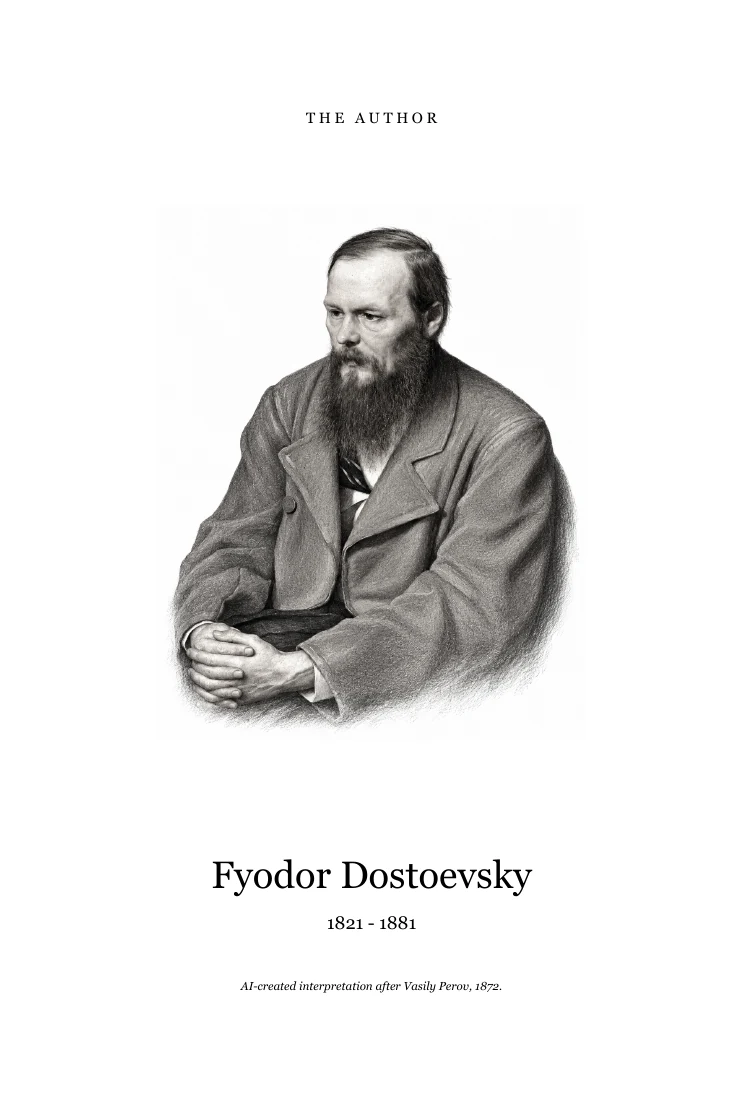
For many English readers, the great Russians first arrived in the voice of one woman. Constance Garnett translated 71 volumes of Russian literature, including Anna Karenina (1901), The Brothers Karamazov (1912) and Crime and Punishment (1914), and her versions are the ones in our editions of those books. Joseph Conrad and D. H. Lawrence admired her, and Ernest Hemingway said he could not get through War and Peace until he found her translation.
She has had fierce critics too. Vladimir Nabokov called her work “dry and flat”, and Joseph Brodsky complained that English readers could barely tell Tolstoy from Dostoevsky because they were really reading Garnett. Newer translators, most famously Richard Pevear and Larissa Volokhonsky, whose Brothers Karamazov appeared in 1990, have tried to restore the roughness she smoothed away. Even the title Crime and Punishment loses something: the Russian word for crime literally means “a stepping across”.
Our view: start with Garnett if you want an easy, flowing read, then try a modern version of the same book if it grips you. Comparing two is one of the great pleasures of reading in translation. See Where to start with Dostoevsky for which novel to try first.
The Odyssey
Samuel Butler’s 1900 prose Odyssey. Plain, quick and readable, with the gods under their Roman names. The translation to choose if you want the story first.
Crime and Punishment
Constance Garnett’s 1914 translation. Smooth and gripping, the version through which generations of English readers met Raskolnikov.
Madame Bovary
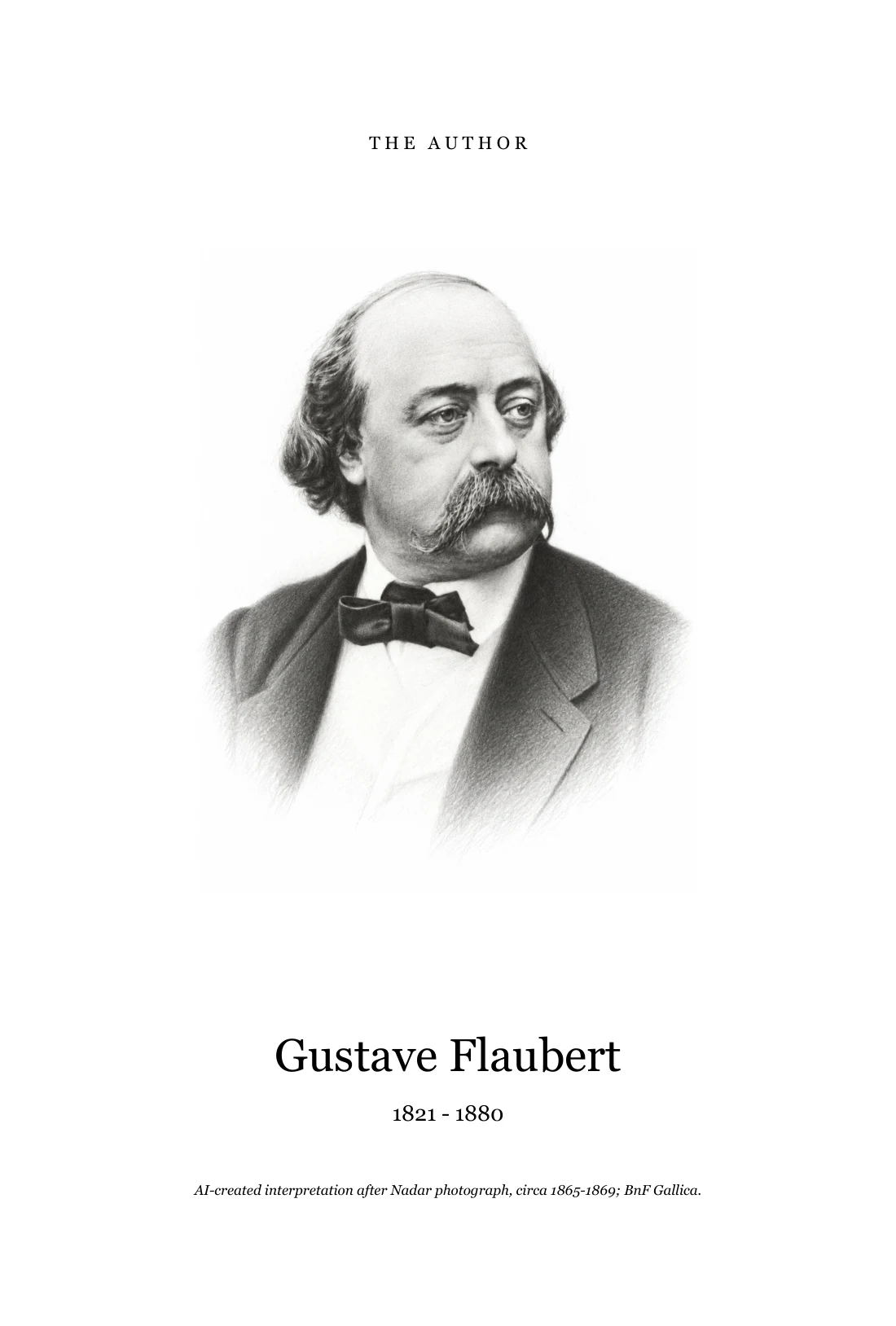
Eleanor Marx’s 1886 translation of Flaubert’s novel of provincial longing. Style mattered above almost everything to Flaubert; read a page aloud and judge how much of it survives the crossing.


The best translation is the one you finish
Hunting for the perfect version can become a way of never starting. Any complete, honest translation will give you the story, the characters and most of the author’s mind, and you can always read the book again in another voice later. For more on French fiction in English, see French classics in translation; for Homer, How to read The Odyssey for the first time.
If you are still unsure, try the experiment Butler invited a century and a quarter ago. Read his first page of The Odyssey slowly, aloud, and ask whether you want to hear that voice for twenty-four books. If the answer is yes, you have found your translation.
Questions readers ask
What is the best translation of a classic?
There is no single best one. Older translations are often elegant and free, newer ones closer to the original and more modern in style. Compare the first page of two versions and choose the voice you enjoy.
Are old translations of classics still good?
Many are. Translations like Samuel Butler’s Odyssey or Constance Garnett’s Dostoevsky remain very readable, though their English has aged and modern scholars sometimes prefer newer versions for accuracy.
Is Constance Garnett’s translation good?
It is smooth, readable and historically important; it introduced most English readers to Tolstoy and Dostoevsky. Critics such as Nabokov found it too bland, and newer translations aim to be closer to the Russian.
Should I read the Odyssey in prose or verse?
Prose is quicker and clearer for a first reading of the story. Verse translations give more of the poem’s rhythm and grandeur. Many readers start with prose and return in verse.