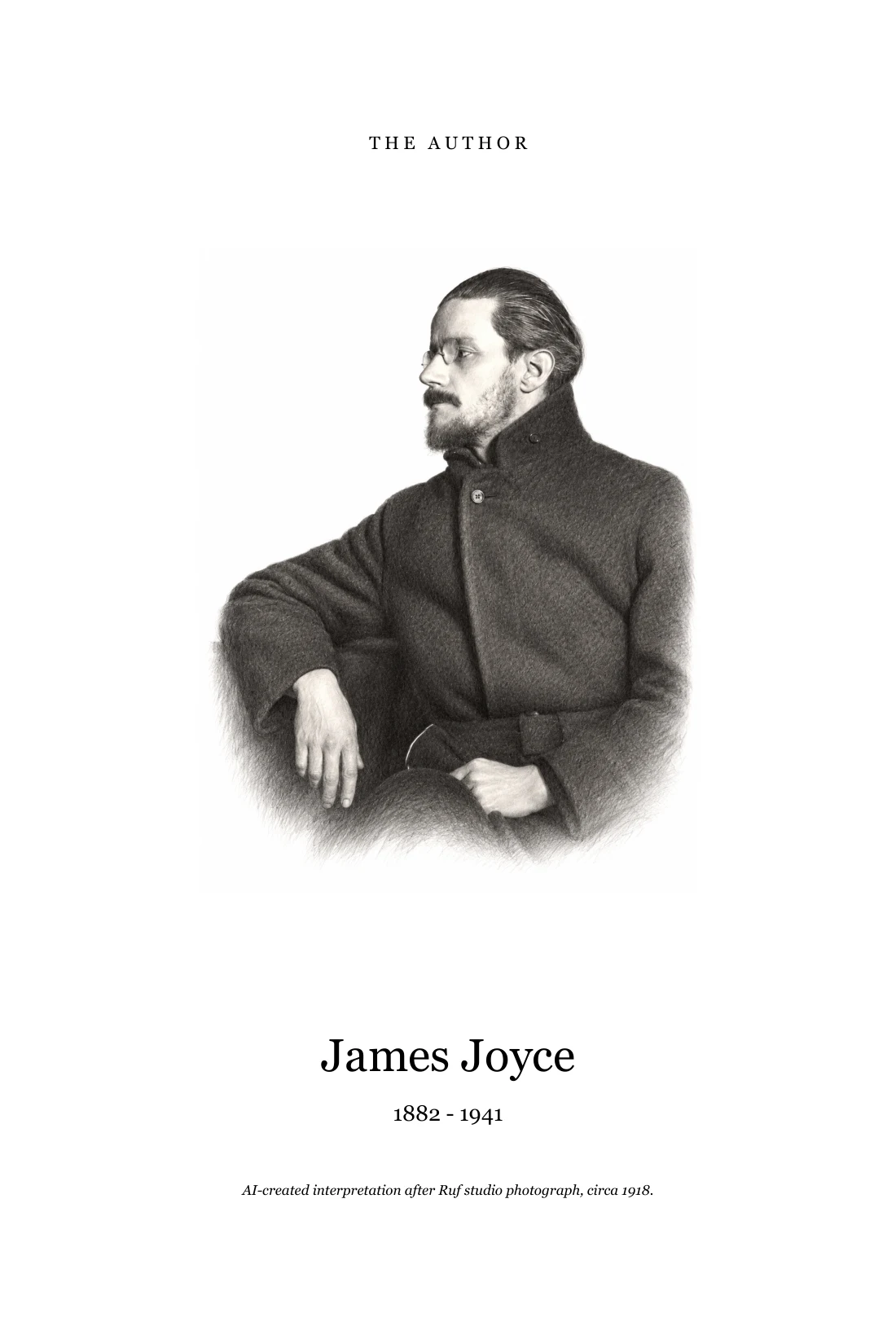
Between 1905 and 1914, James Joyce sent Dubliners out eighteen times to fifteen different publishers. A London printer refused to set one of the stories. A Dublin firm went further: its printer refused to hand over the printed sheets and burned them, and Joyce escaped with a single copy. The book finally appeared in June 1914 and is now on almost every list of classic short stories ever gathered between two covers.
What made Joyce fight so hard was the shape of the thing. Dubliners is fifteen stories arranged as one portrait of a city, moving from childhood to public life. The best collections all have that quality: a place, a voice or a hero that turns separate stories into a book. Here are seven worth owning, grouped by the kind of pleasure they give.
Collections that build a whole town
Dubliners
1914. Joyce planned the order as childhood, adolescence, maturity and public life. Begin with “Araby”, end with “The Dead”, and notice how rarely anyone says what they mean.
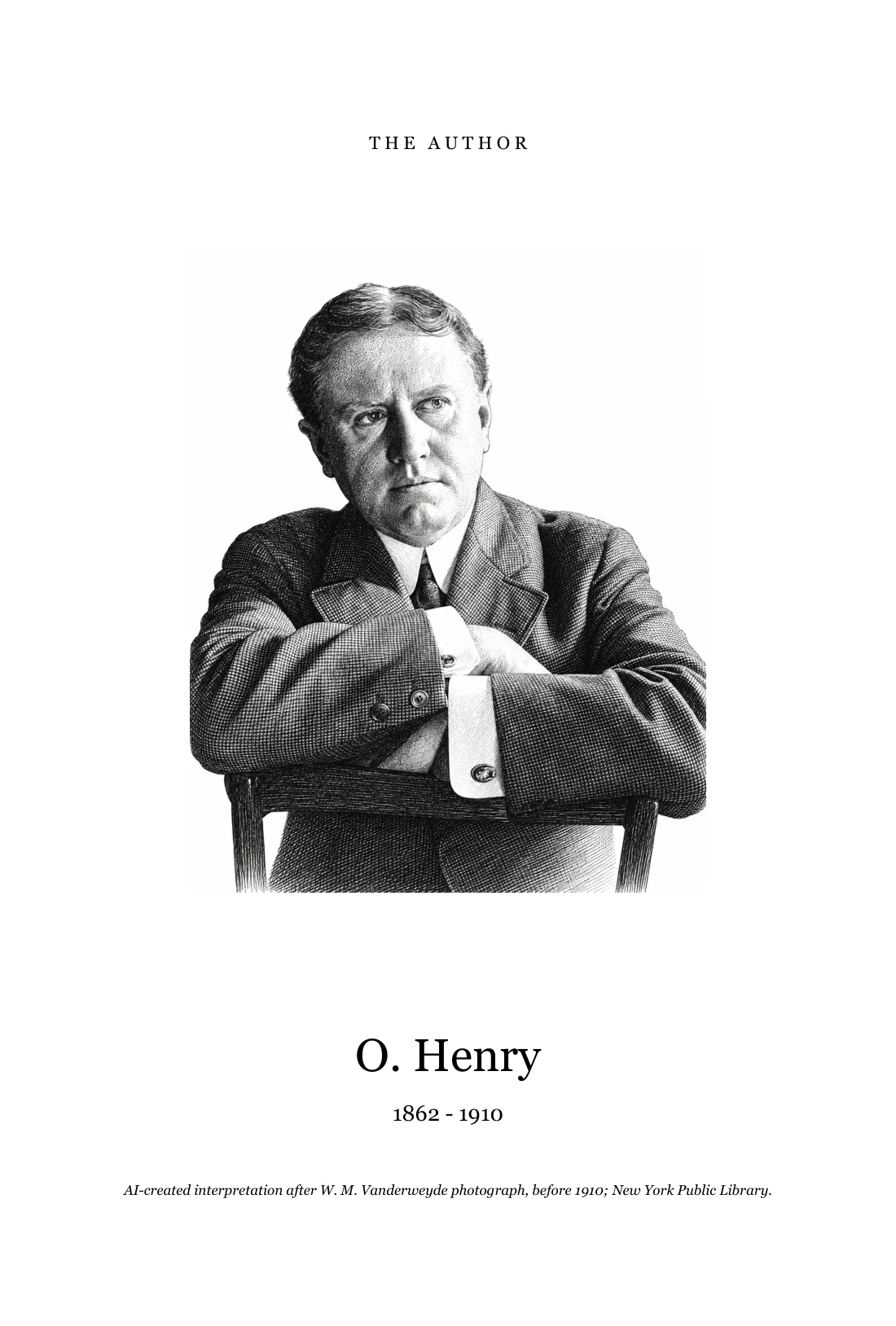
The Four Million
1906. Twenty-five stories of shopgirls, clerks and tramps, including “The Gift of the Magi” and “The Cop and the Anthem”. The title mocks the society host Ward McAllister’s claim that only four hundred New Yorkers really counted; O. Henry counted the whole city.
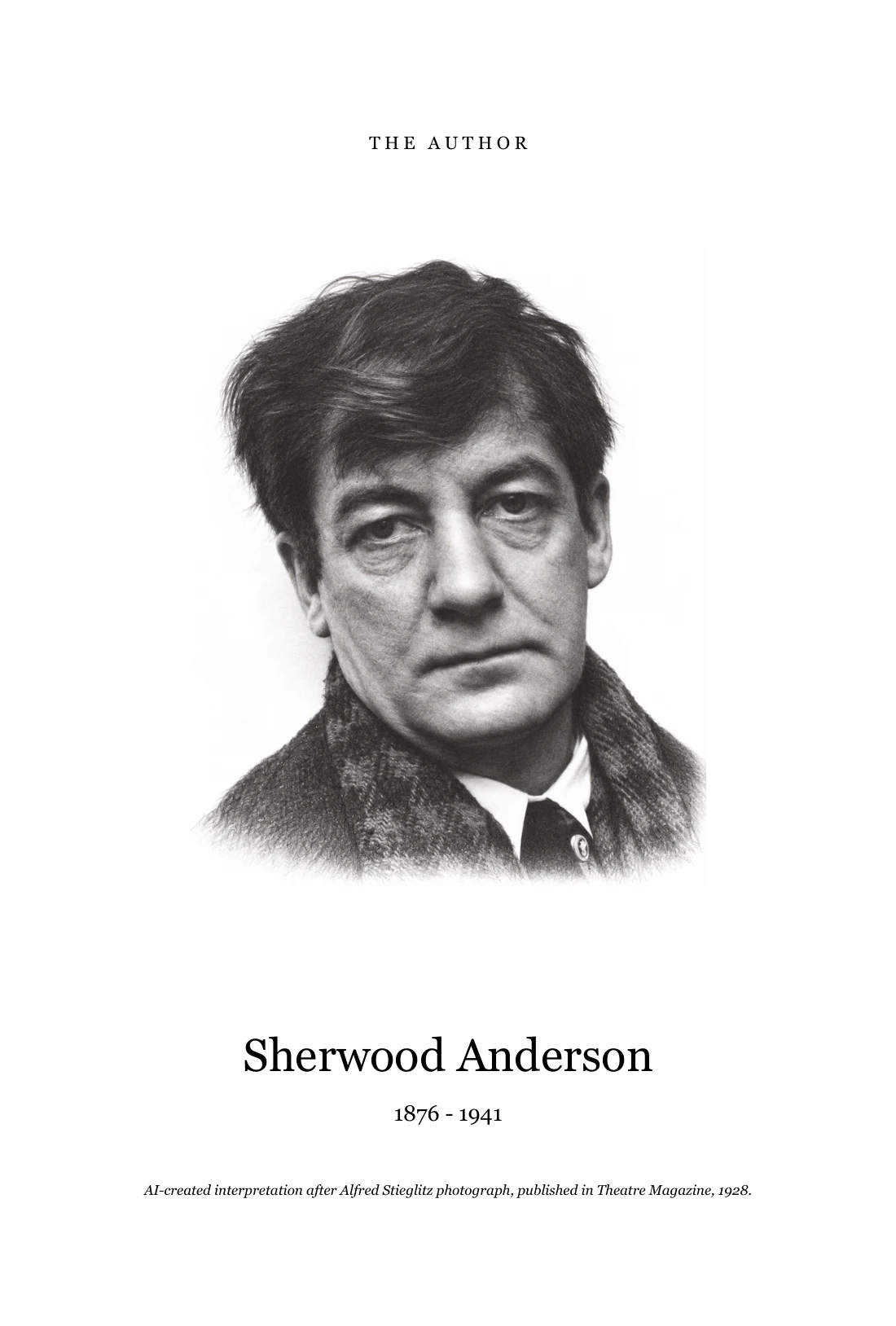
Winesburg, Ohio: A Group of Tales of Ohio Small Town Life
1919. Twenty-two linked tales from one small Ohio town, threaded together by George Willard, the young reporter on the local paper. Read it in order and it becomes half a novel.


Sherwood Anderson opens Winesburg, Ohio with a short fable about an old writer who has a theory of the people he has known. It is the key to the whole book, and to a good deal of American fiction after it:
It was his notion that the moment one of the people took one of the truths to himself, called it his truth, and tried to live his life by it, he became a grotesque and the truth he embraced became a falsehood.
Sherwood Anderson, “The Book of the Grotesque”, Winesburg, Ohio (1919)
Critics still argue whether the book is a collection or a novel; the usual compromise is to call it a short story cycle. Either way, its lonely schoolteachers and doctors share a street, and by the end you know which windows they sit behind. More in Sherwood Anderson and the small-town story.
The quiet ending: Chekhov and Mansfield
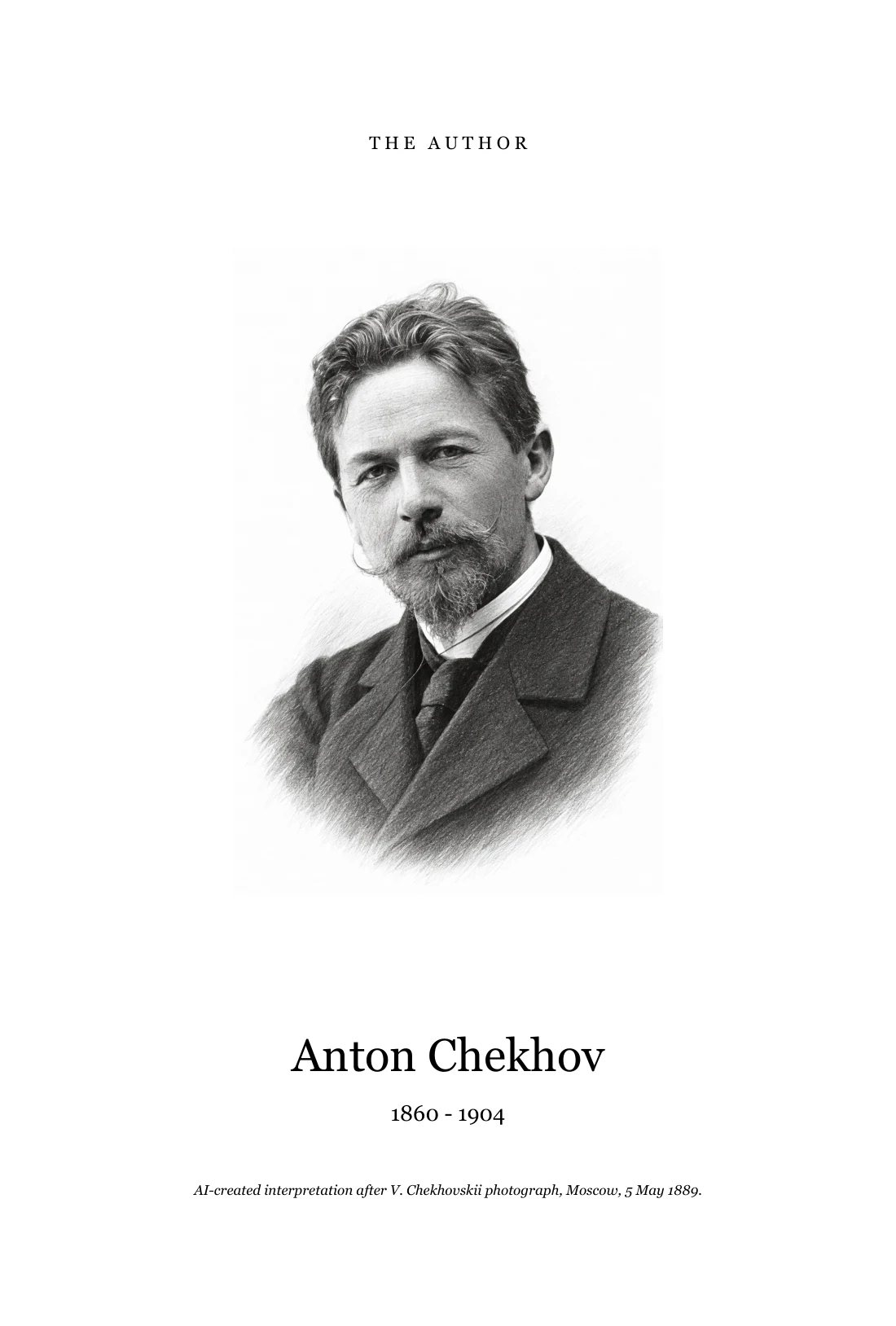
The other great tradition of the short story refuses the neat finish. Nothing explodes; something shifts, and the story stops a moment before you are ready. Anton Chekhov wrote “The Lady with the Dog” in Yalta, where he had moved for his health, and it appeared in the magazine Russian Thought in December 1899. A bored Moscow banker begins a holiday affair with a young married woman and finds, to his alarm, that he cannot forget her. The last sentence is one of the most quoted in the form:
And it seemed as though in a little while the solution would be found, and then a new and splendid life would begin; and it was clear to both of them that they had still a long, long road before them, and that the most complicated and difficult part of it was only just beginning.
Anton Chekhov, “The Lady with the Dog”, translated by Constance Garnett
The Lady with the Dog and Other Stories
Constance Garnett’s translation, the third volume of her Tales of Chekhov. After the title story, try “The Black Monk”, a stranger tale about a scholar who starts to see a phantom.
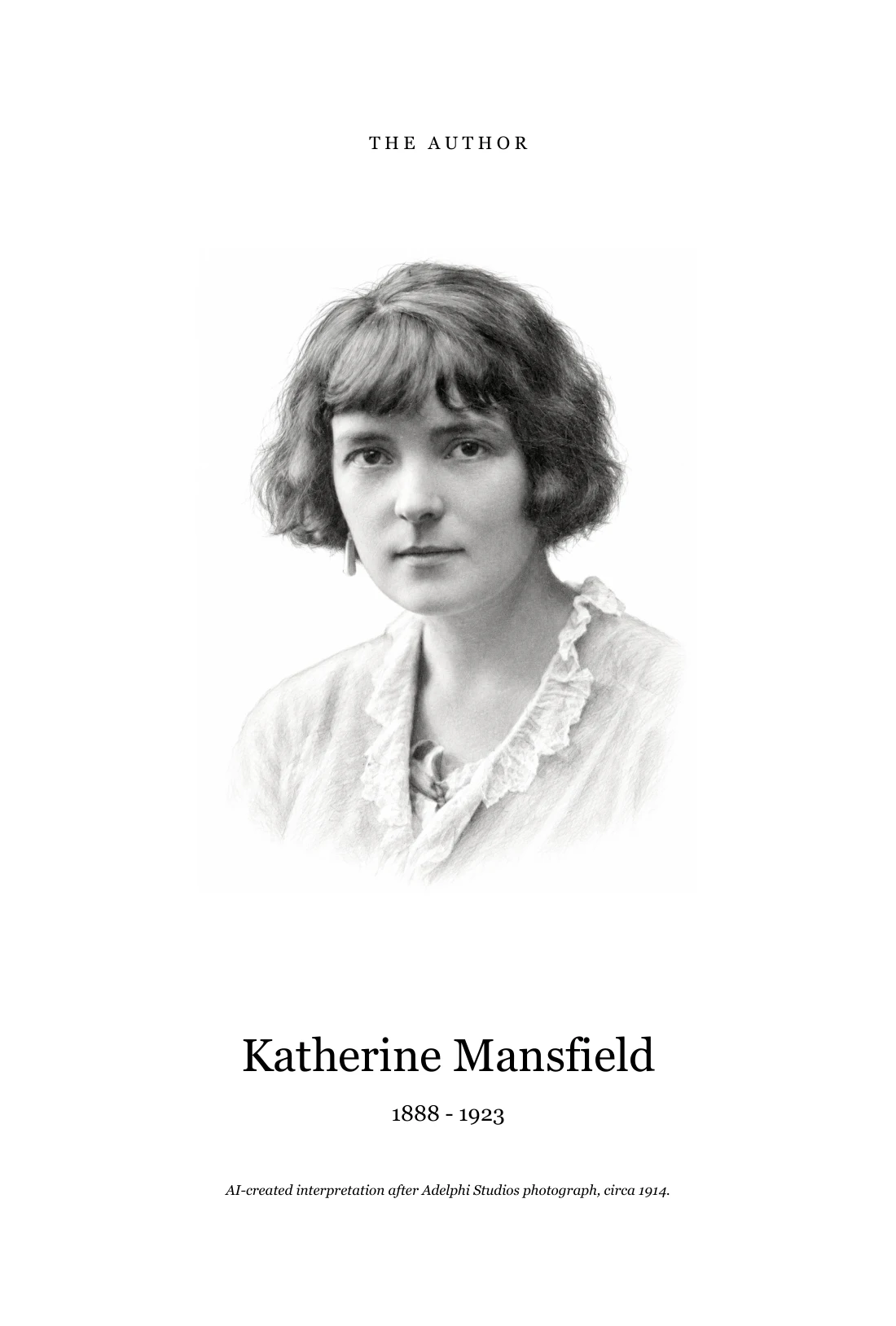
The Garden Party, and Other Stories
1922. Fifteen stories, among them “At the Bay”, “The Garden Party” and “The Daughters of the Late Colonel”. It was the last book Katherine Mansfield saw published; she died the following January, aged thirty-four.


Several of the best stories in The Garden Party were written in a rented chalet in the Swiss Alps in 1921, while Mansfield was ill with tuberculosis and working against time. You would never guess it from the stories themselves, which are full of light, hats, sandwiches and summer sea. Our guide to Katherine Mansfield’s short stories suggests where to go next.
Classic short stories with a sting in the tail
If Chekhov leaves the door open, Saki slams it on your fingers. His stories are drawing-room comedies in which children, animals and liars take polite society apart, usually in the last line.
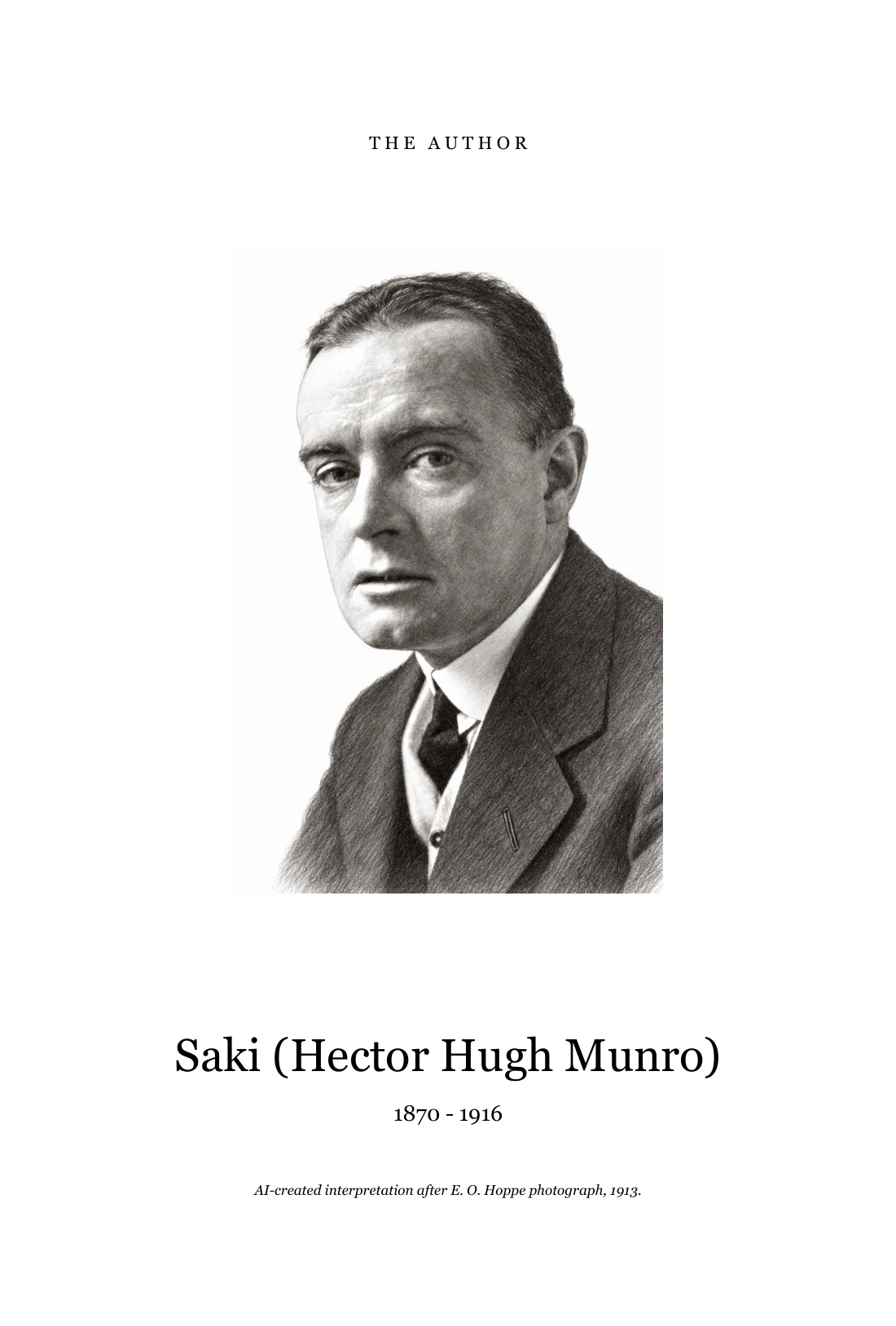
Beasts and Super-Beasts
1914. The last collection Saki published before he was killed in the First World War. “The Open Window” is the famous one; “The Story-Teller”, about a bachelor on a train who tells three children a deeply improper tale, is the one to read aloud.
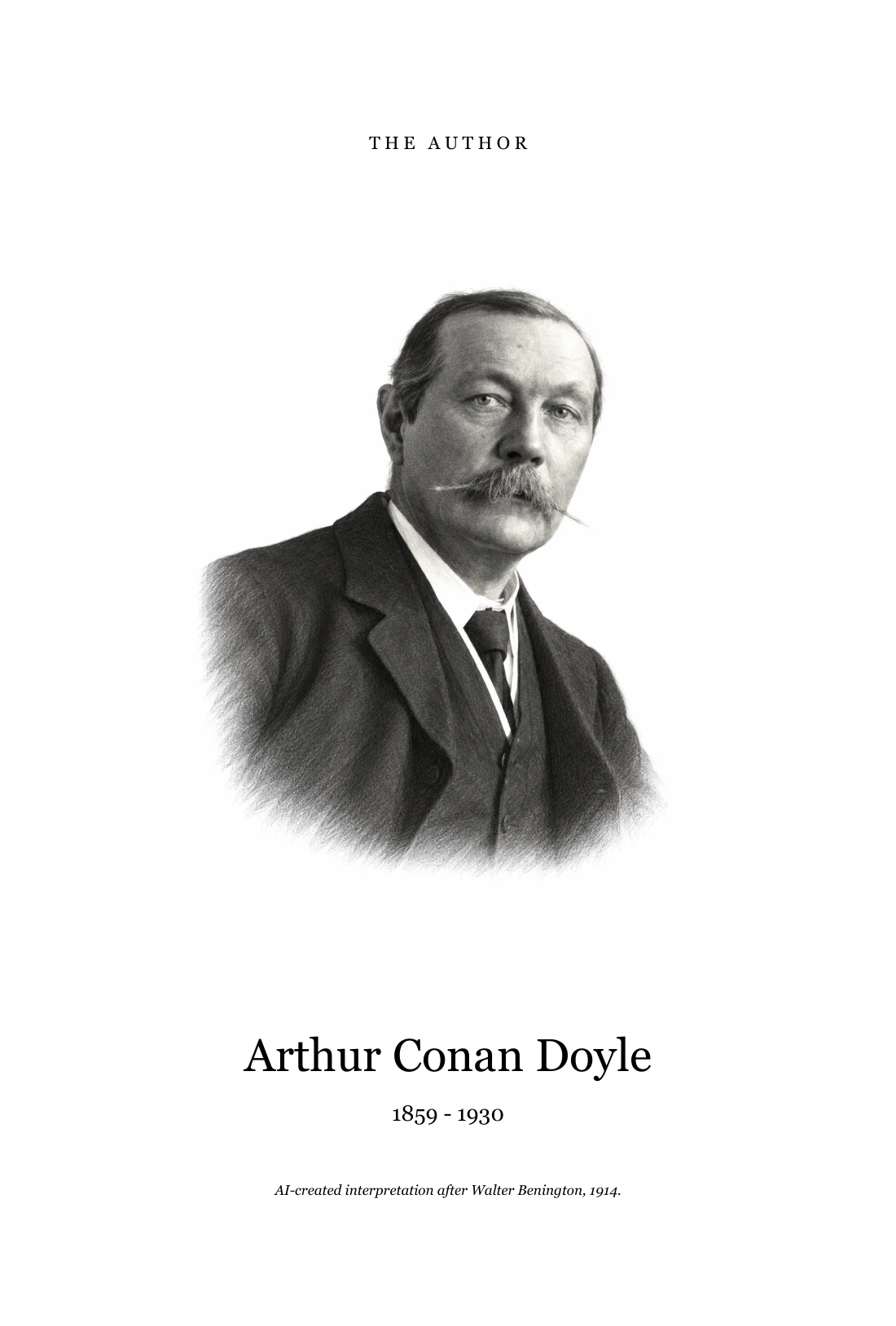
The Adventures of Sherlock Holmes
1892. The first twelve Holmes short stories, printed month by month in The Strand from July 1891 to June 1892. A client at the door, an impossible puzzle, an answer before the fire goes out: the series story in its first perfect form.


The Adventures of Sherlock Holmes is the outlier here, a set of stories held together by a character rather than a place, and it changed the business of short fiction. The stories lifted The Strand’s sales, and for decades afterwards the magazines filled up with detectives hoping to be the next Holmes. We rank every Holmes story in the best Sherlock Holmes short stories.
Two more for the shelf
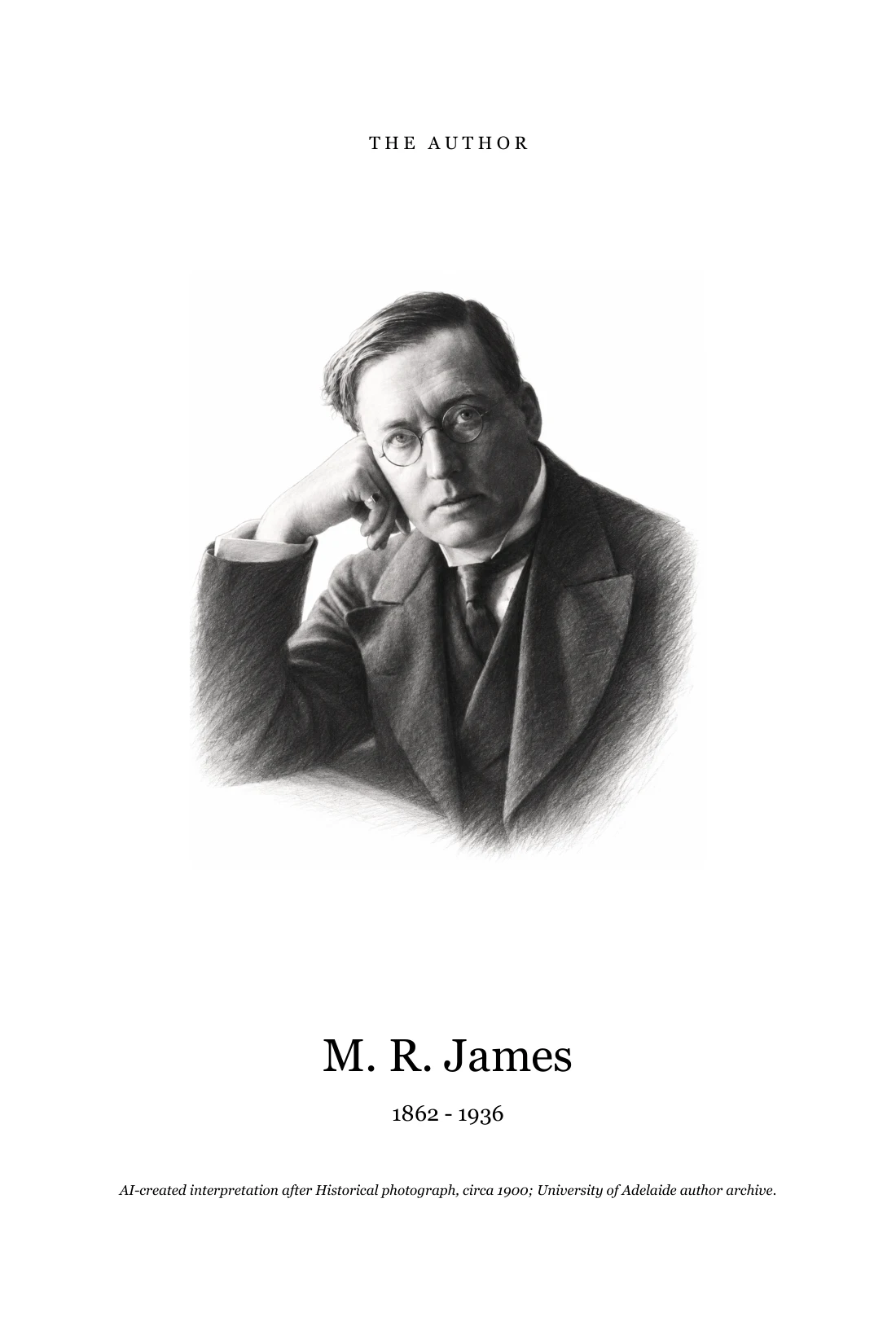
Ghost Stories of an Antiquary
1904. Eight ghost stories by the Cambridge scholar M. R. James, including “Oh, Whistle, and I’ll Come to You, My Lad”. Dry, donnish and quietly appalling.
The Open Boat and Other Stories
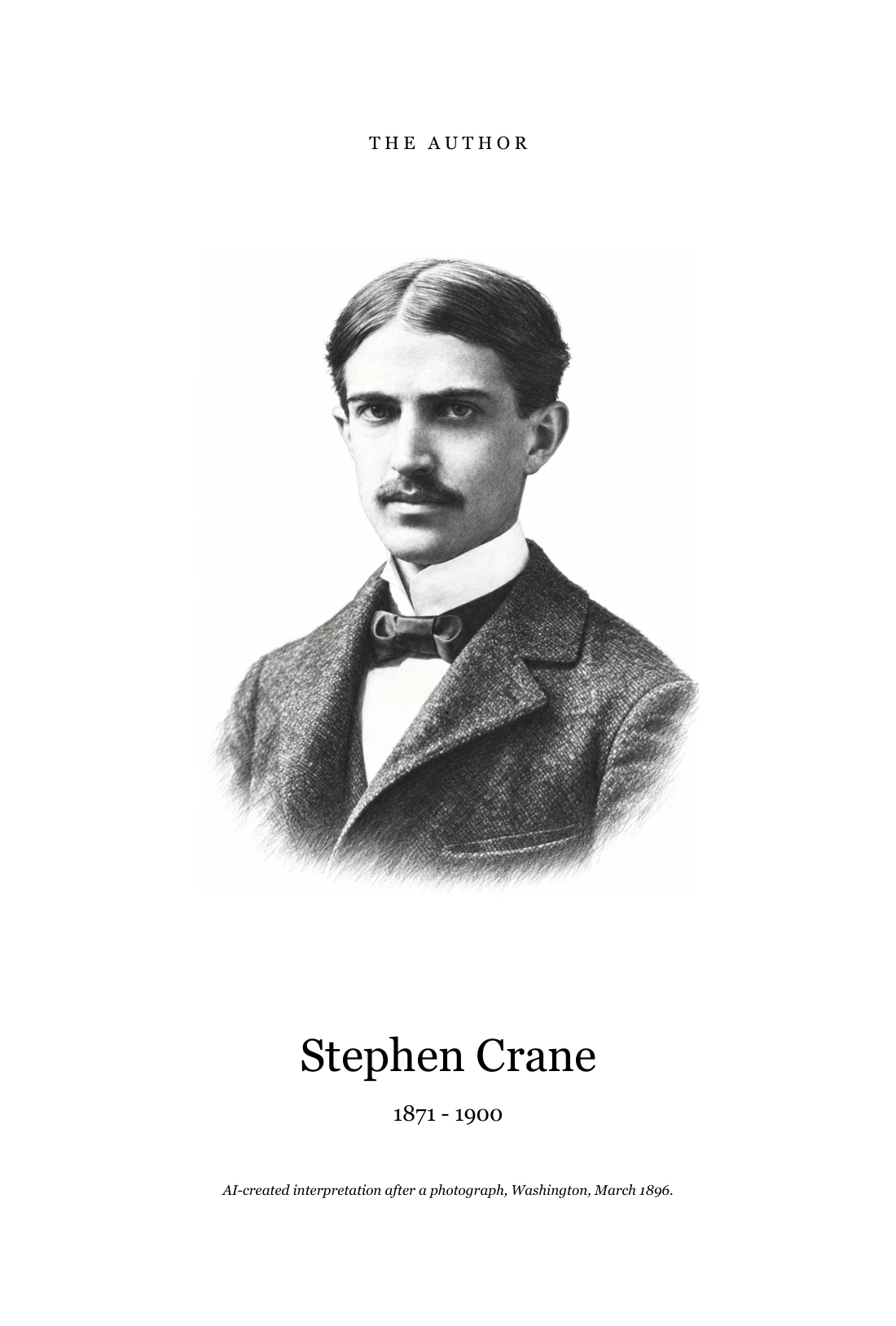
Stephen Crane’s title story grew out of his own shipwreck off Florida in 1897, when he spent more than a day in a lifeboat. Four men, one small boat, and the sea entirely indifferent to them.


Which classic short story collection should you read first?
For pure entertainment, start with Holmes or O. Henry: you can read one story on a bus and feel finished. For the book that shows what the form can do at full stretch, start with Dubliners and read it in order, saving “The Dead” for a winter evening when you will not be interrupted. And if you like your fiction short but not slight, browse the short reads shelf.
Or take the smallest step of all. Open The Four Million at “The Gift of the Magi”, which begins with a woman counting her savings: “One dollar and eighty-seven cents.” Within three pages you will know why people still tell that story every Christmas.
Questions readers ask
What are the best classic short story collections?
Strong choices are Dubliners by James Joyce, The Four Million by O. Henry, The Garden Party by Katherine Mansfield, Chekhov’s The Lady with the Dog and Other Stories, Winesburg, Ohio by Sherwood Anderson, Saki’s Beasts and Super-Beasts and The Adventures of Sherlock Holmes.
What is a short story cycle?
A short story cycle is a collection whose stories share a setting or characters, so the book reads as a loose whole. Winesburg, Ohio is the classic example, and Dubliners is often described the same way.
Which classic short stories are good for beginners?
Start with stories built on a clear twist or puzzle: O. Henry’s “The Gift of the Magi”, Saki’s “The Open Window” or any story from The Adventures of Sherlock Holmes. Then try Chekhov and Mansfield, whose endings are quieter.