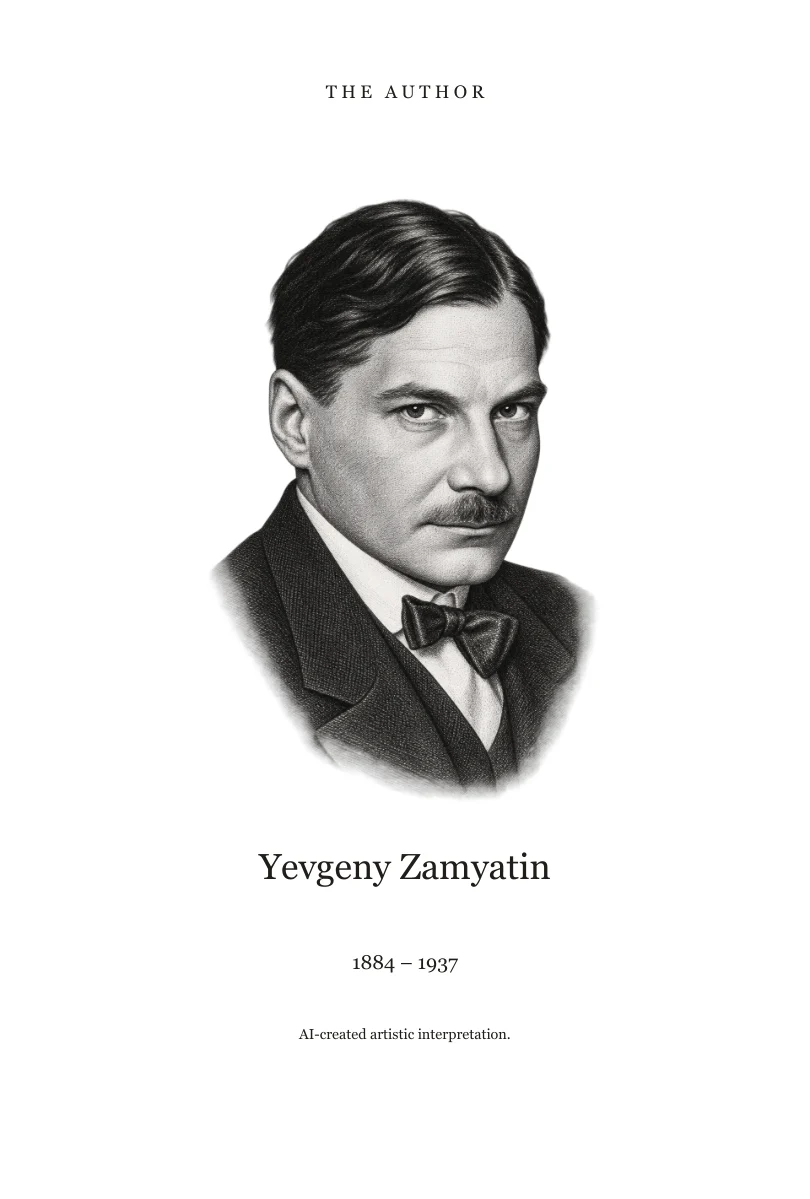
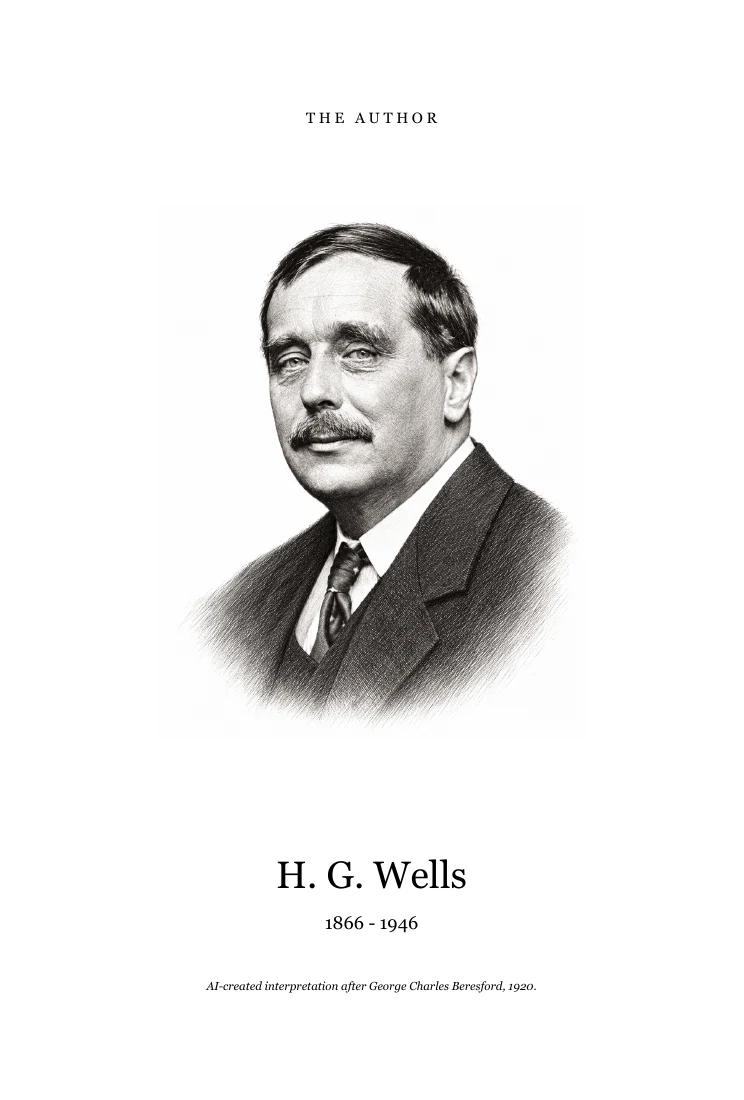

When George Orwell published Nineteen Eighty-Four in 1949, he was writing in a tradition already more than half a century old. Yevgeny Zamyatin’s We, which Orwell reviewed in 1946, had imagined a state of numbered citizens living in glass houses under an all-seeing leader. Jack London’s The Iron Heel had shown an oligarchy crushing democracy. H. G. Wells had sent his heroes into future Londons that were brilliant, efficient and monstrous.
These dystopian classics are the books that came before. We have included the utopias that started the conversation, because a dystopia is usually an answer to someone else’s dream of perfection. They are listed in the order they were published.
Before dystopia: the perfect societies
- $11.99
Utopia
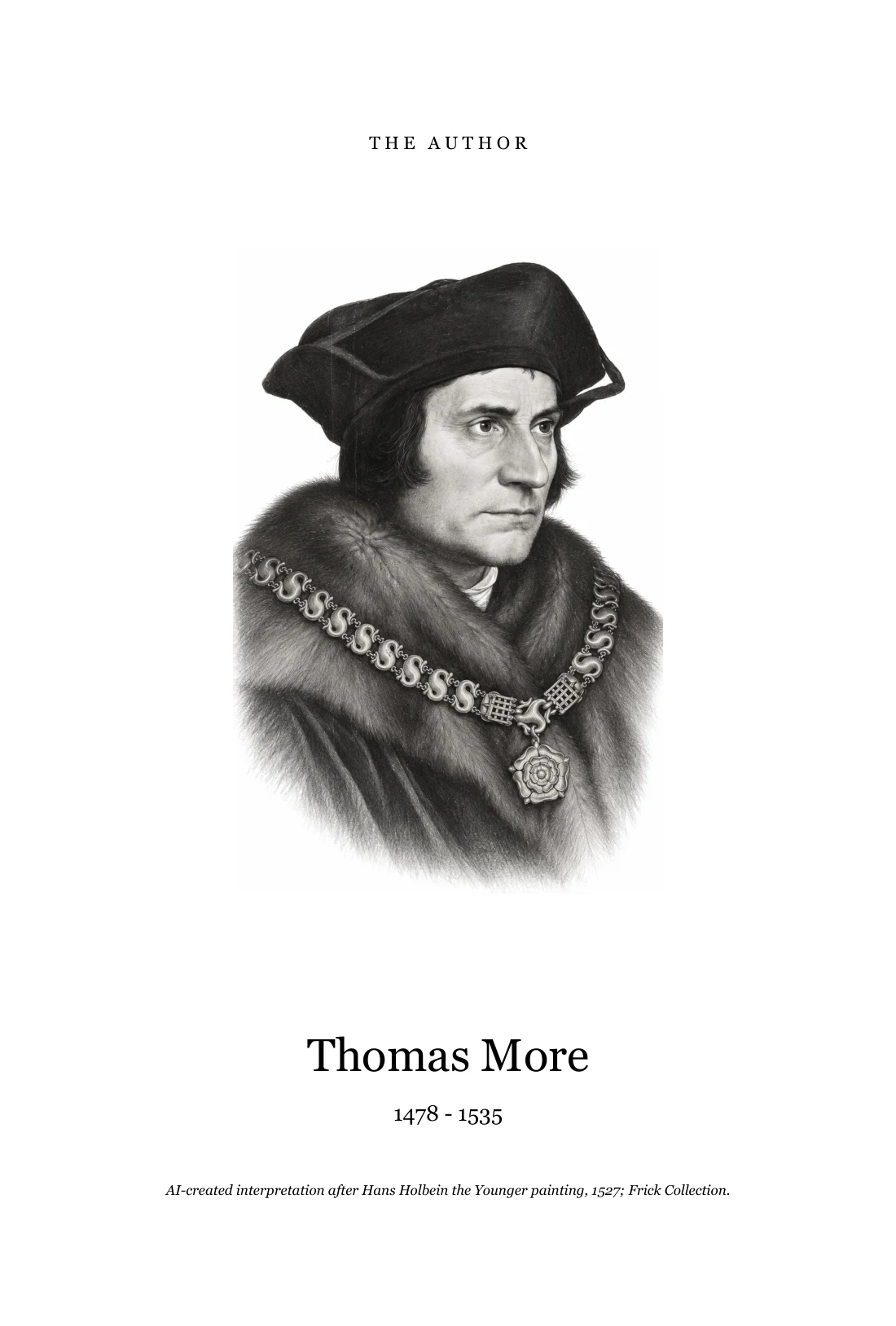
1516. Thomas More’s imagined island coined the word ‘utopia’ itself, a Greek pun meaning both ‘no place’ and ‘good place’. Every later utopia and dystopia descends from it.
- $14.99
Gulliver's Travels
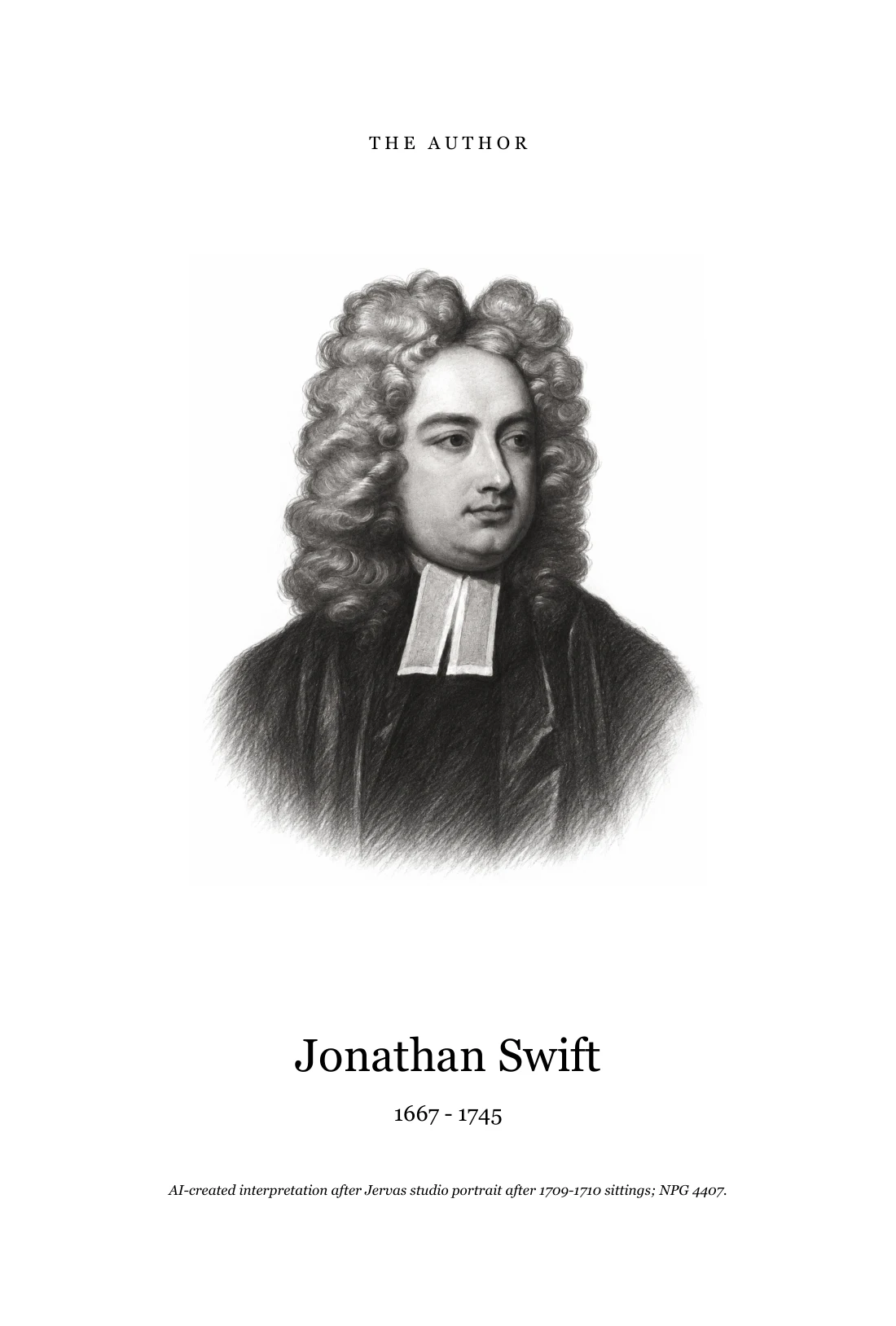
1726. Swift’s traveller visits a series of societies, each a satire on our own. The flying island of Laputa and the rational horses of the final voyage are the ancestors of many later dystopias.
- $14.99
Looking Backward, 2000 to 1887
1888. A Bostonian falls asleep in 1887 and wakes in a peaceful, cooperative America in the year 2000. One of the best-selling novels of its century, and it provoked many replies, including William Morris’s News from Nowhere.



The first dystopian classics
- $12.99
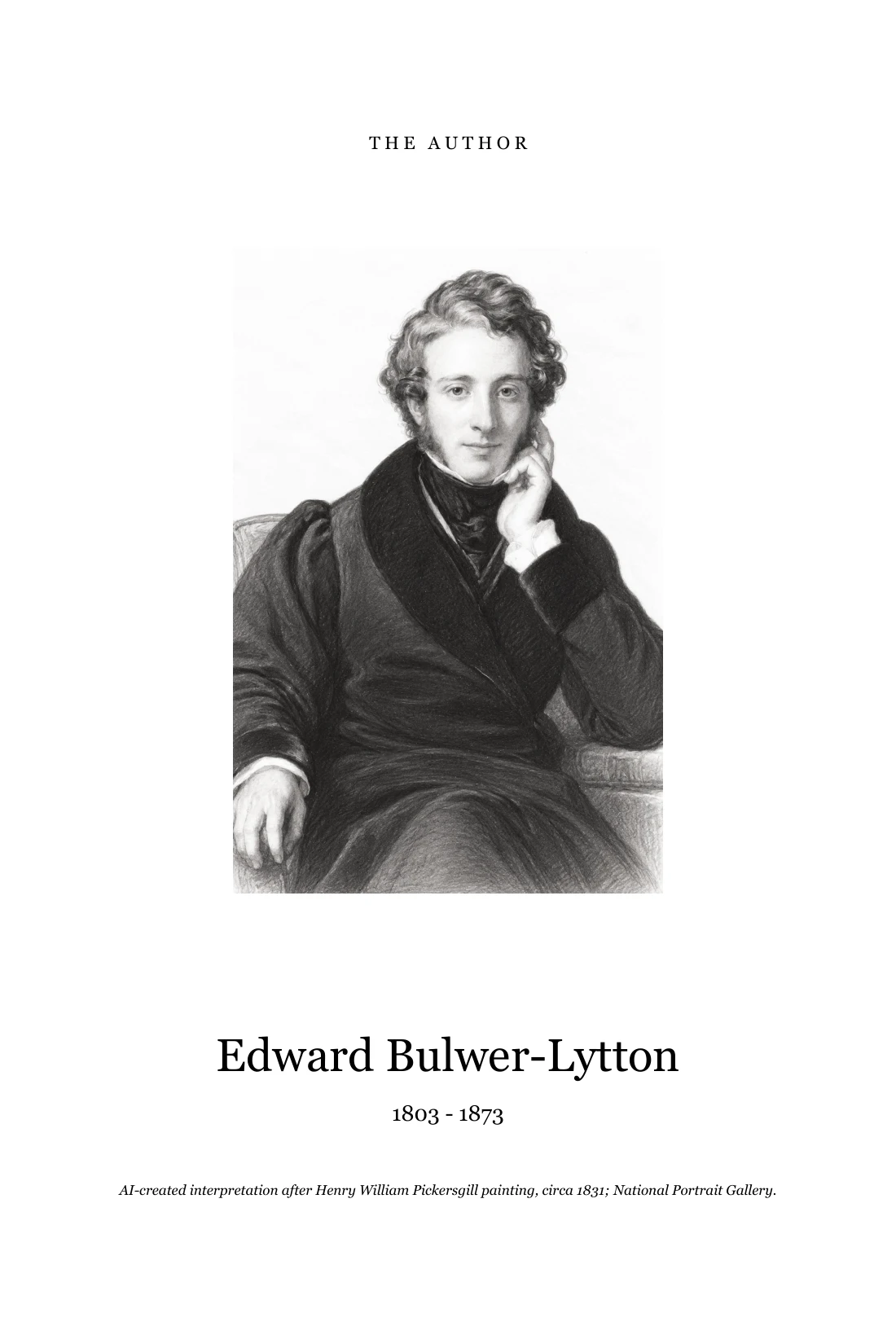
The Coming Race
1871. A traveller descends a mine shaft and stumbles into an underground civilisation that has mastered an all-powerful energy called ‘vril’. Their perfect society is calm, rational and deeply sinister.
- $11.99
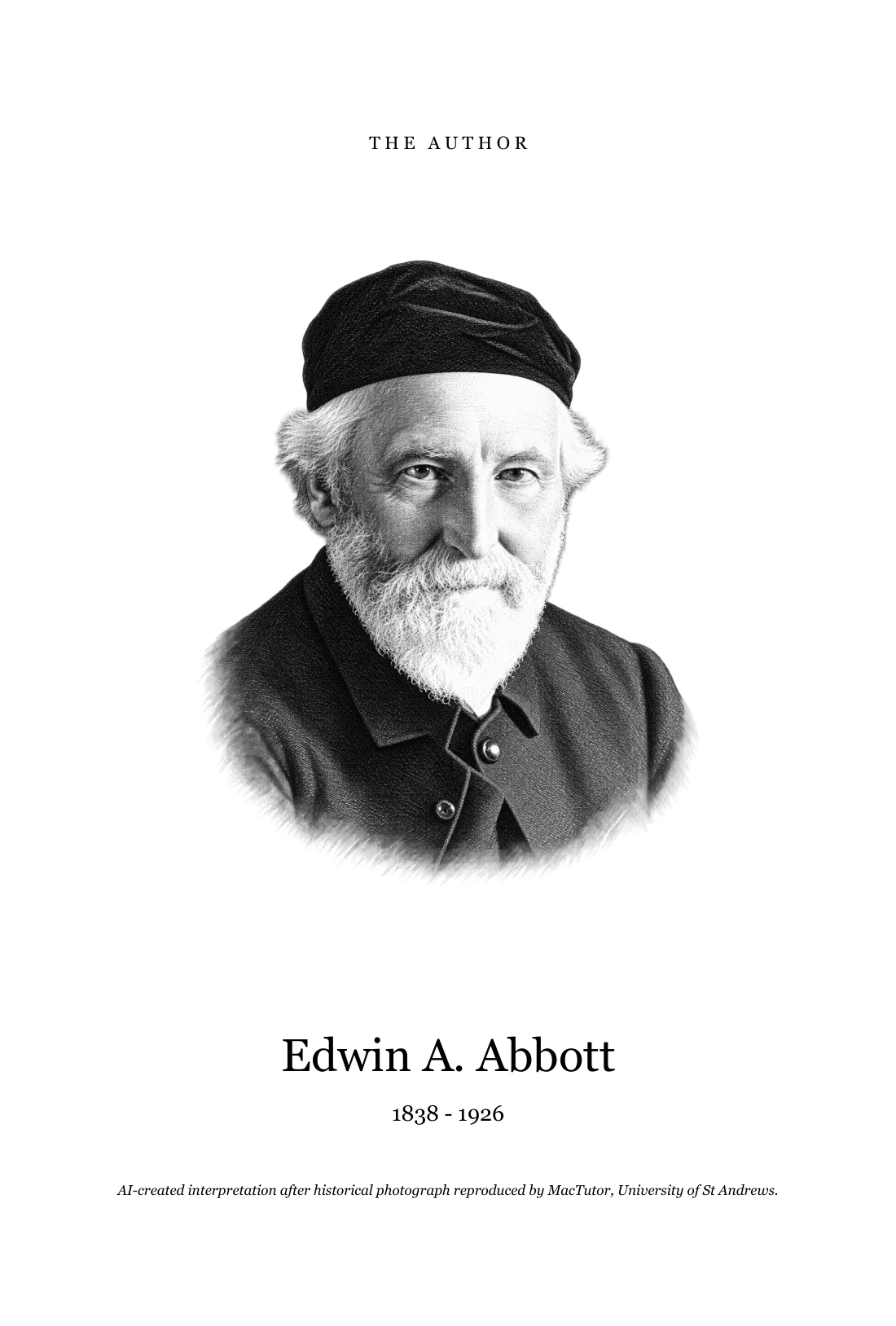
Flatland: A Romance of Many Dimensions
1884. A two-dimensional world where your number of sides fixes your social rank, and women are mere lines. A mathematical fable and a sharp satire of Victorian hierarchy.
- $11.99
The Time Machine
1895. Wells’s Time Traveller finds humanity split into two species: the gentle, helpless Eloi and the Morlocks who toil below. Class division taken to its logical end.
- $14.99
The Sleeper Awakes
1899, revised 1910. A man falls into a trance and wakes more than two centuries later to find he owns half the world, and that his wealth props up a vast, oppressive city under glass.
- $12.99
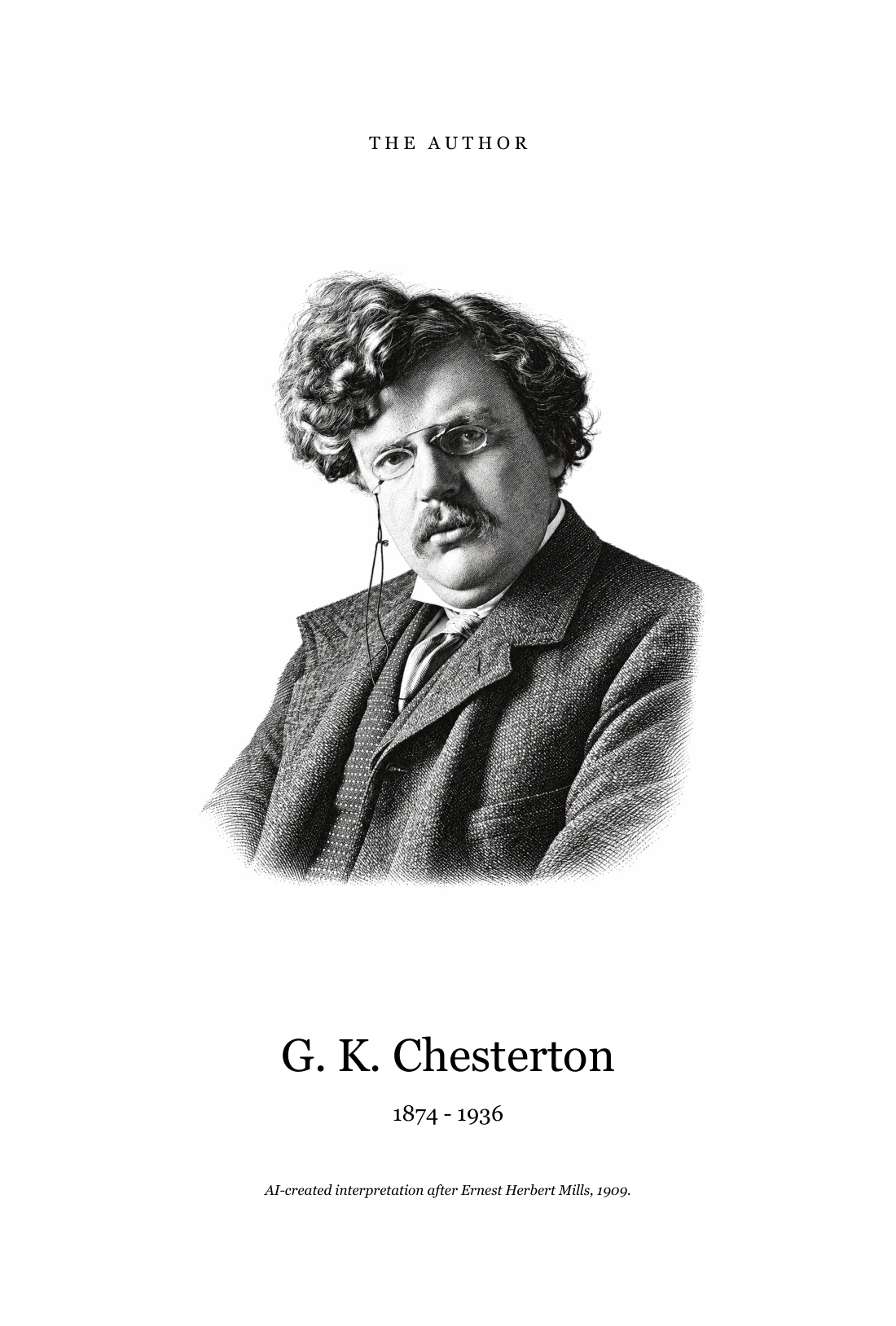
The Napoleon of Notting Hill
1904. G. K. Chesterton’s comic fantasy is set in a London of 1984, where the king is chosen from an official rotation list, like a juryman. A playful forerunner, and an odd coincidence of dates.
- $15.99
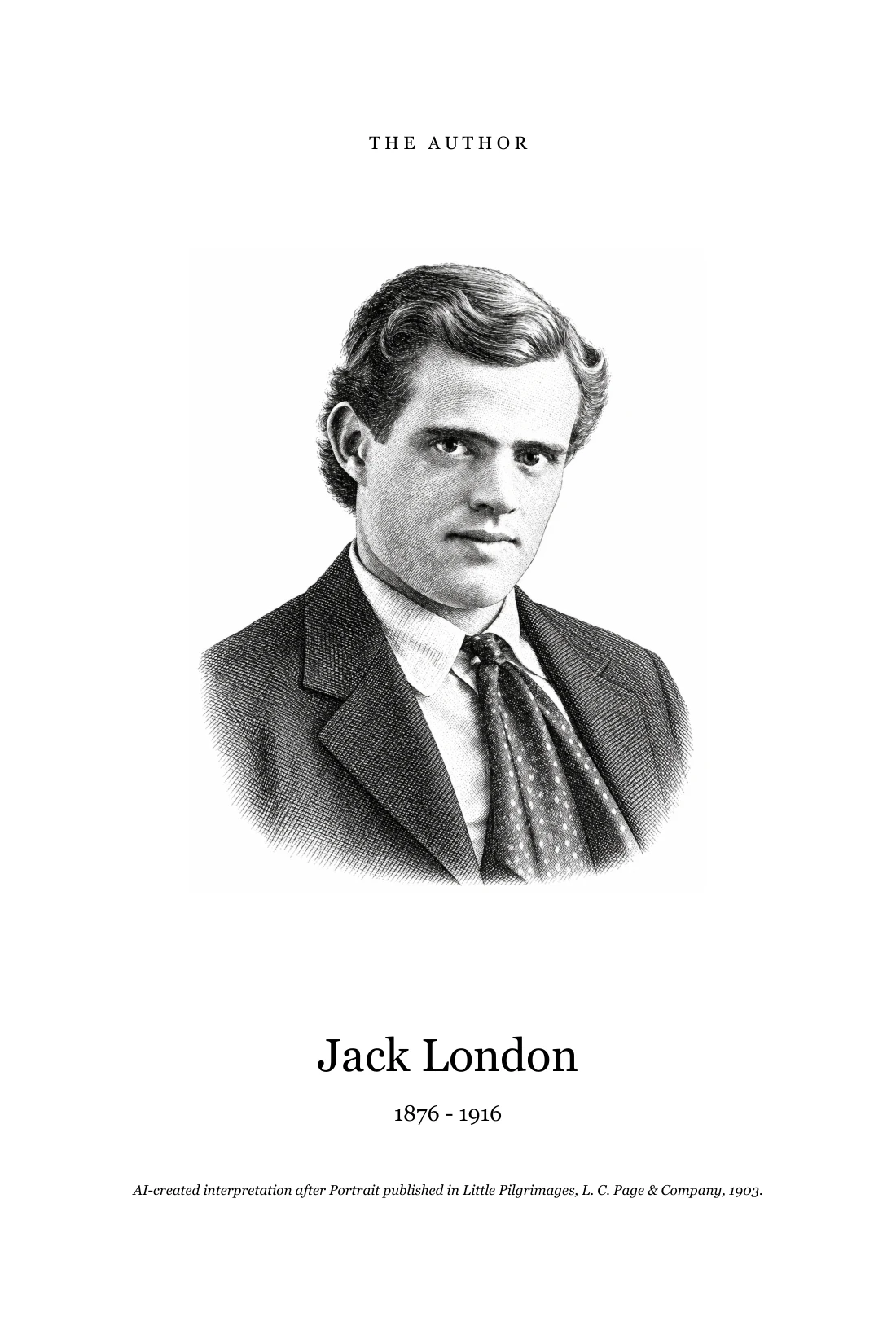
The Iron Heel
1908. A capitalist oligarchy crushes the socialist movement in America, told through a rediscovered manuscript annotated by a scholar from the far future. Grim, angry and prophetic.
- $14.99
We
Written around 1920–21, first published in English in 1924. In the glass city of the One State, D-503 lives by the timetable until he falls for a woman who wants to tear it down. Banned in the Soviet Union for decades.


Did We inspire Nineteen Eighty-Four?
Most readers who know both books think so. Orwell reviewed We in 1946, three years before Nineteen Eighty-Four appeared, and the parallels are striking: a single ruler, a rebellious hero, a forbidden love affair, and a state that wants to remake the human mind. Orwell also thought Aldous Huxley’s Brave New World drew on Zamyatin, which Huxley denied. The full story is in Did We inspire Nineteen Eighty-Four?
But Orwell had other models too. He admired The Iron Heel and wrote about it, and Wells’s visions of a scientifically managed future were part of the air he breathed. Reading these books is a way of seeing the materials Orwell built with.
What the early dystopias got right
Surveillance, propaganda and the reduction of people to numbers all appear here decades before they became twentieth-century realities. So does the idea that the worst tyranny might be comfortable: Bulwer-Lytton’s Vril-ya and Wells’s Eloi live in peace and plenty, and that is precisely the horror. For more on prophetic fiction, see books that predicted the future and Did you know H. G. Wells predicted the atomic bomb?
And not every early dystopia is grim. The Coming Race gave its name to a beef drink, as we explain in Did you know Bovril was named after a novel?
Which early dystopian classic should you read first?
- If you have read Nineteen Eighty-Four: We. You’ll recognise more than you expect.
- For something short: The Time Machine, which you can read in an evening.
- For politics: The Iron Heel.
- For something lighter: Flatland or The Napoleon of Notting Hill.
- For what came after the collapse: post-apocalyptic novels from before the atomic age.
Our science fiction shelf has many more. But the place to start is We. It is short, strange and surprisingly funny, and once you have read it you will never read Orwell in quite the same way again.
Questions readers ask
What was the first dystopian novel?
There is no single answer, but early examples include Edward Bulwer-Lytton’s The Coming Race (1871), H. G. Wells’s When the Sleeper Wakes (1899) and Jack London’s The Iron Heel (1908). Yevgeny Zamyatin’s We (1924) is often called the first great modern dystopia.
What dystopian novels influenced Nineteen Eighty-Four?
Zamyatin’s We is the most often cited, since Orwell reviewed it in 1946. Jack London’s The Iron Heel and the work of H. G. Wells are also thought to have shaped Orwell’s thinking.
What are the best dystopian classics?
We, The Iron Heel, The Time Machine and The Sleeper Awakes are the best dystopian classics from before Nineteen Eighty-Four. Brave New World (1932) is the other great early dystopia.