
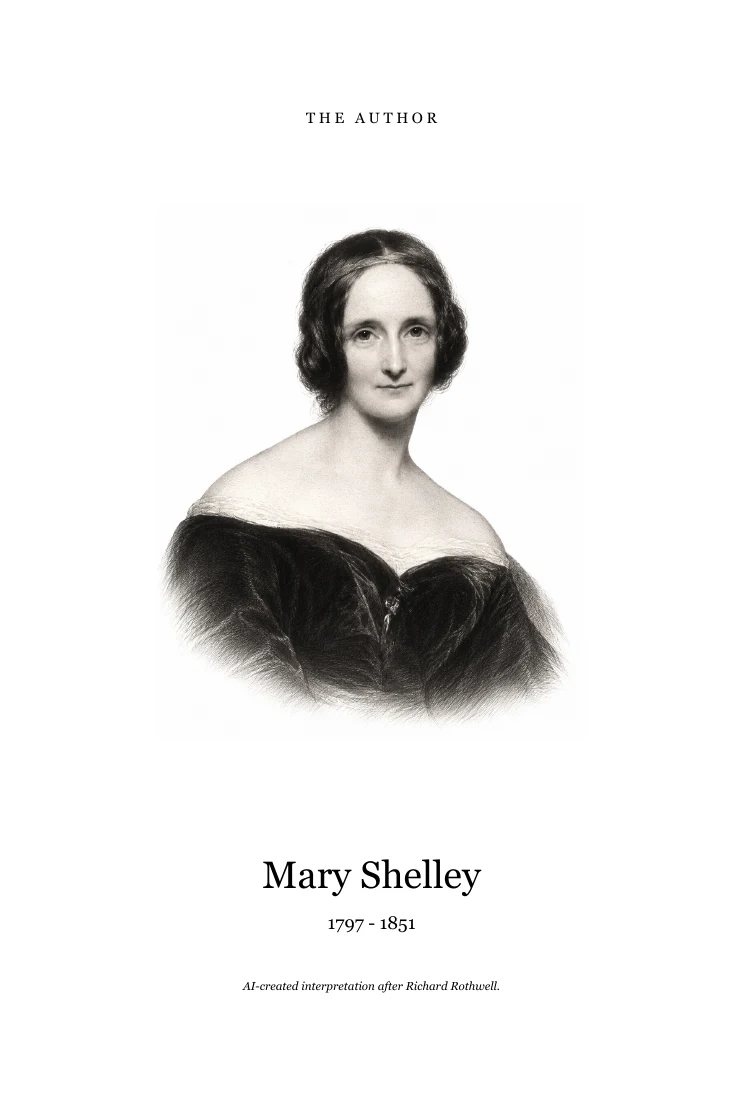
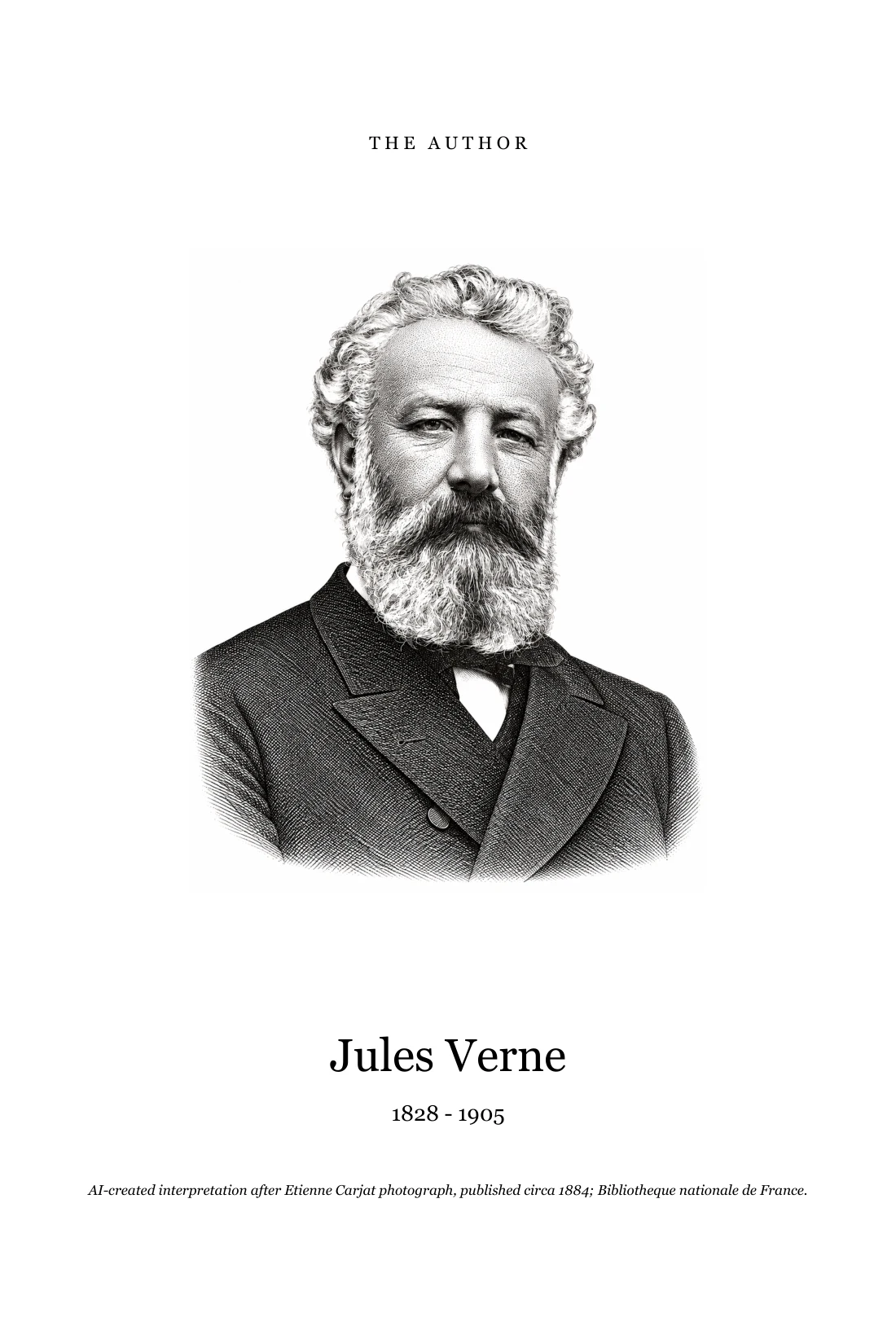
Which were the first science fiction novels? Scholars still argue, and you can trace imaginary voyages back to the ancient world. But many critics agree that the modern genre begins with Mary Shelley’s Frankenstein in 1818, and that it took its recognisable shape in the hands of Jules Verne and H. G. Wells later in the century. The word “science fiction” itself was only popularised in the late 1920s, by the American magazine editor Hugo Gernsback.
This list follows the genre from its beginnings to the dawn of the space opera, in order of publication. For each of the twelve books we have noted the idea it introduced or made famous. Taken together, they are a short course in where science fiction came from.
The first science fiction novels
Frankenstein
1818. A young scientist builds a living being and abandons it. Often called the first true science fiction novel, most influentially by Brian Aldiss, because a scientific experiment, not magic, drives its story.
The Last Man
1826. Mary Shelley’s second great novel imagines a plague destroying humanity in the late twenty-first century. One of the first novels about the end of the world.


Read the full story in Did you know Frankenstein was written by an 18-year-old?
Jules Verne and the scientific voyage
Jules Verne made science fiction popular. His “extraordinary voyages” took readers to places that real technology might one day reach, and they were packed with plausible engineering.
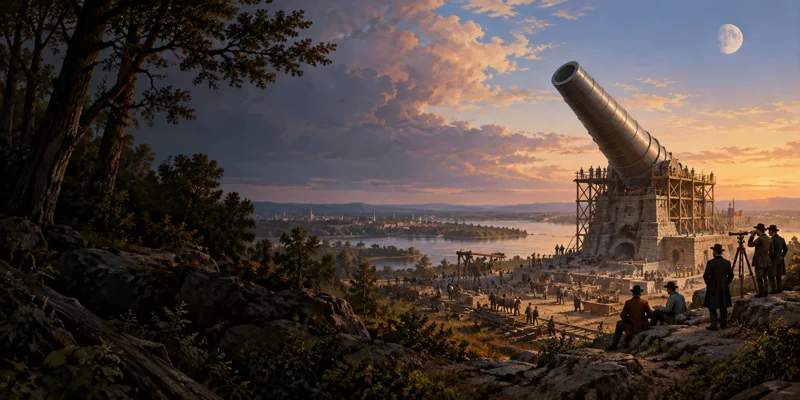
From the Earth to the Moon
1865. A club of American gunnery enthusiasts decides to fire a projectile at the Moon, and then three men decide to ride inside it. A landmark of space-travel fiction, with the ballistics worked out in earnest.
Twenty Thousand Leagues Under the Sea
1870. Captain Nemo’s electric submarine, the Nautilus, and its voyage through the oceans of the world. The book that made the submarine an icon.


Other worlds and other dimensions
The Coming Race
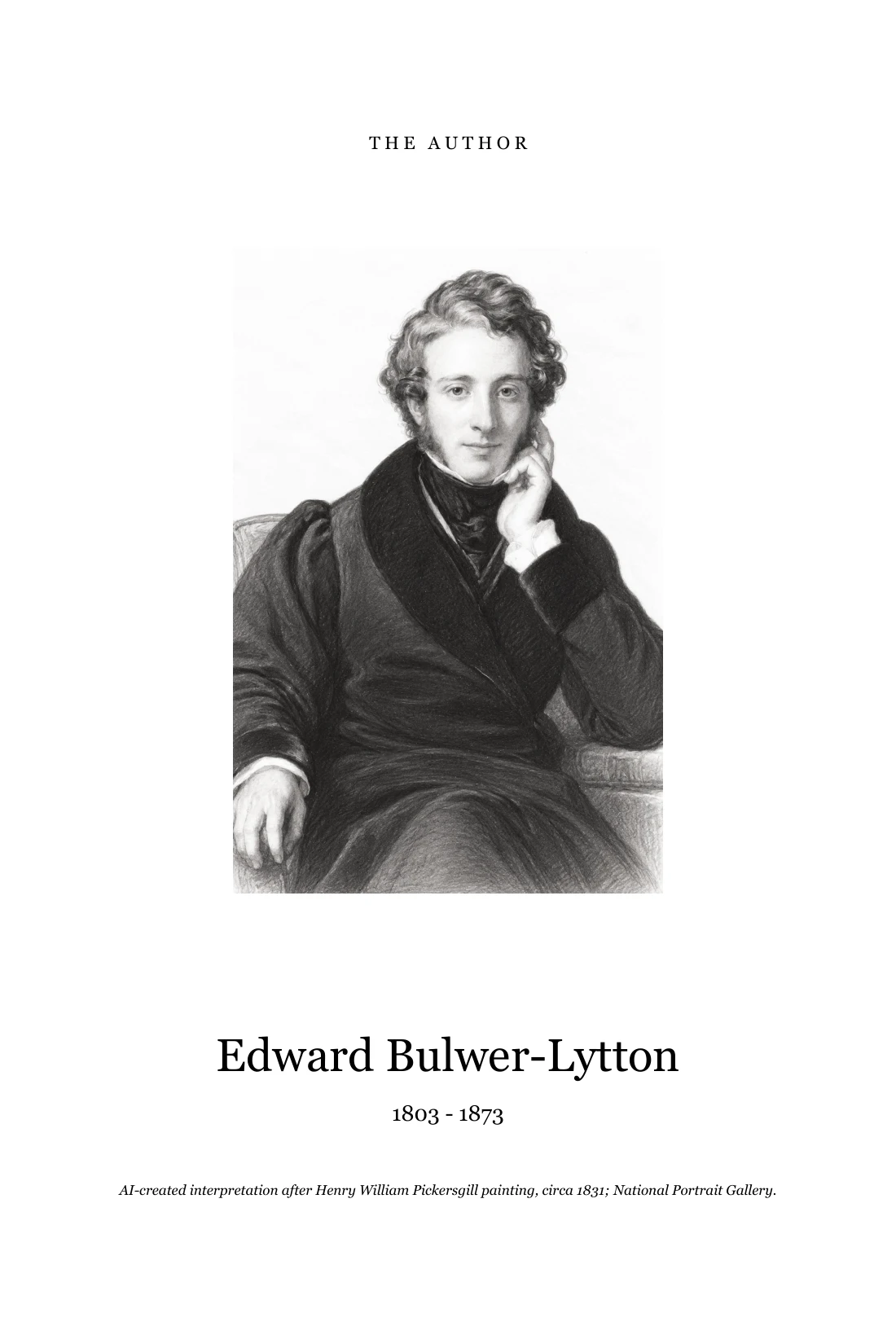
1871. A hidden civilisation beneath the Earth, powered by a mysterious universal energy. An early vision of a superior race and the threat it might pose.
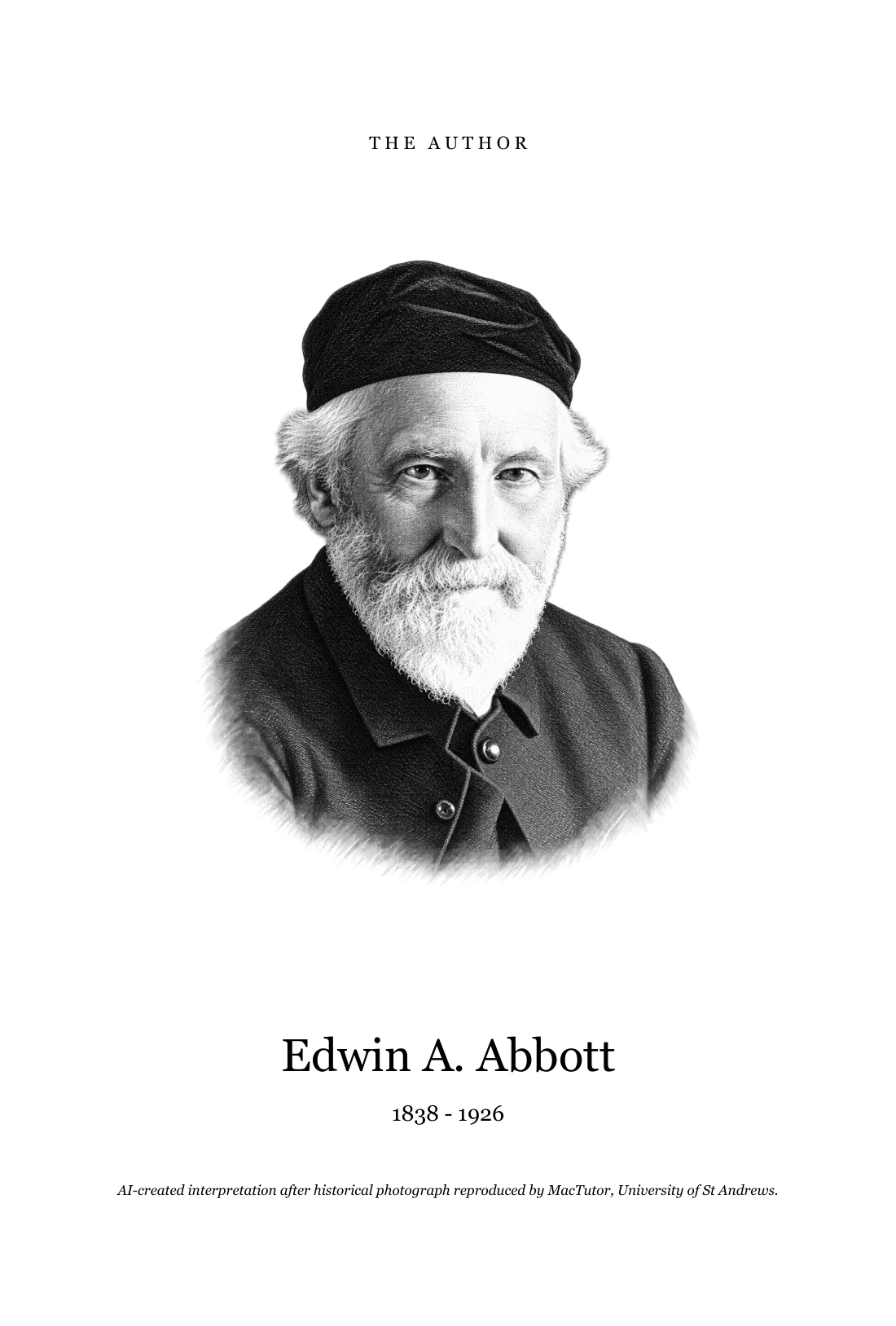
Flatland: A Romance of Many Dimensions
1884. A square living in a two-dimensional world is visited by a sphere from the third. A mathematical fable and a satire of Victorian social order, all in one short book.



H. G. Wells and the science fiction toolkit
In just a few years in the 1890s, H. G. Wells wrote a run of short novels that between them introduced many of the genre’s most enduring ideas.
The Time Machine
1895. A Victorian inventor travels to the year 802,701 in a machine of his own making. It made the idea of time travel by machine a fixture of fiction.
The Island of Doctor Moreau
1896. A shipwrecked man lands on an island where a scientist is surgically reshaping animals into people. The template for countless stories of science without conscience.
The War of the Worlds
1898. Martian cylinders land in the Surrey countryside, and nothing humanity can build will stop what emerges. One of the earliest alien-invasion novels, and the model for many that followed.


The War of the Worlds found a second life in 1938, when Orson Welles’s radio adaptation was reported to have frightened some listeners into thinking the invasion was real. For Wells’s more practical forecasts, see Classic books that predicted the future.
Planetary romance, dystopia and the space opera
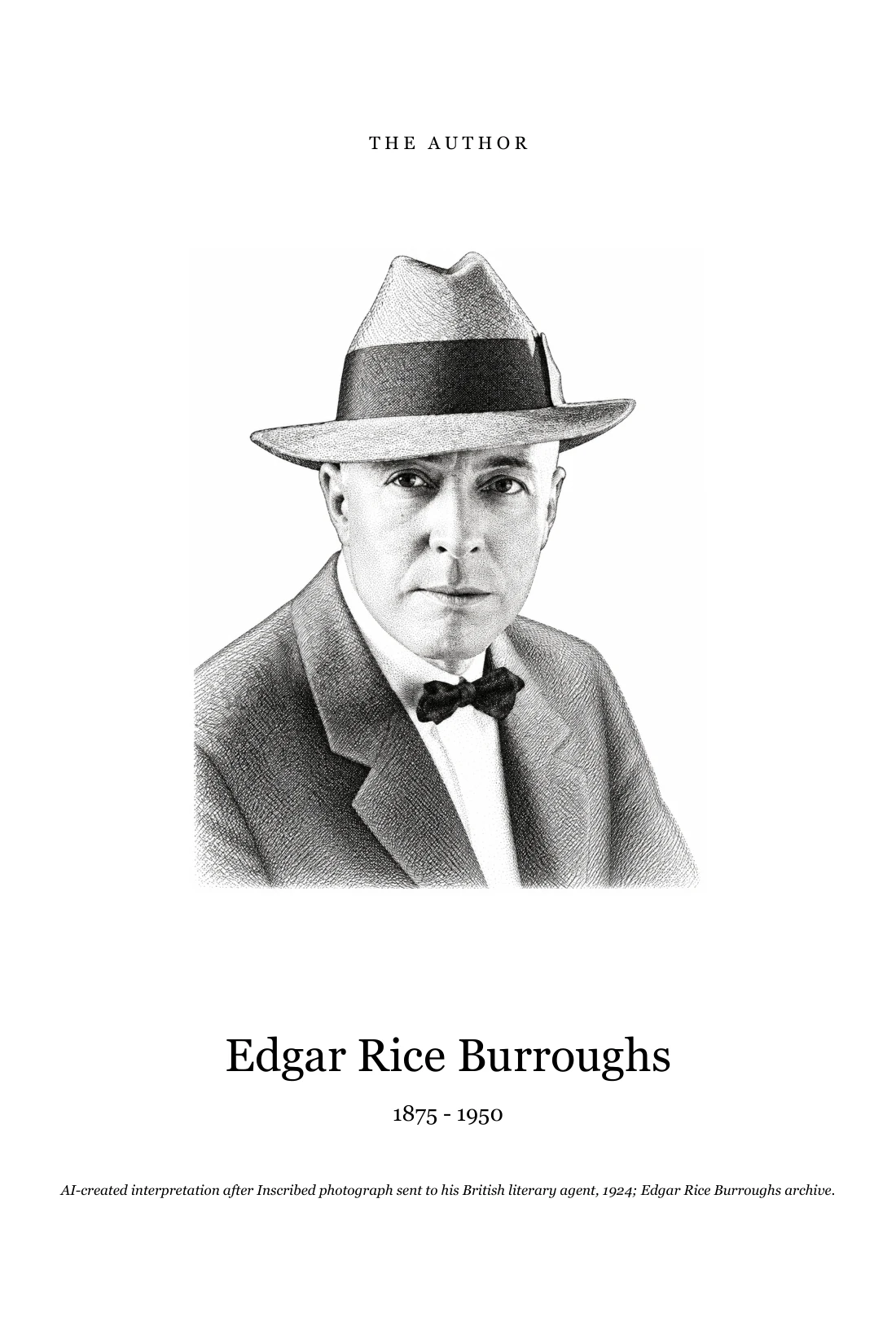
A Princess of Mars
1912. A Civil War veteran is transported to Mars, where he fights alongside towering green warriors and falls for a princess. Often credited with popularising the planetary romance.
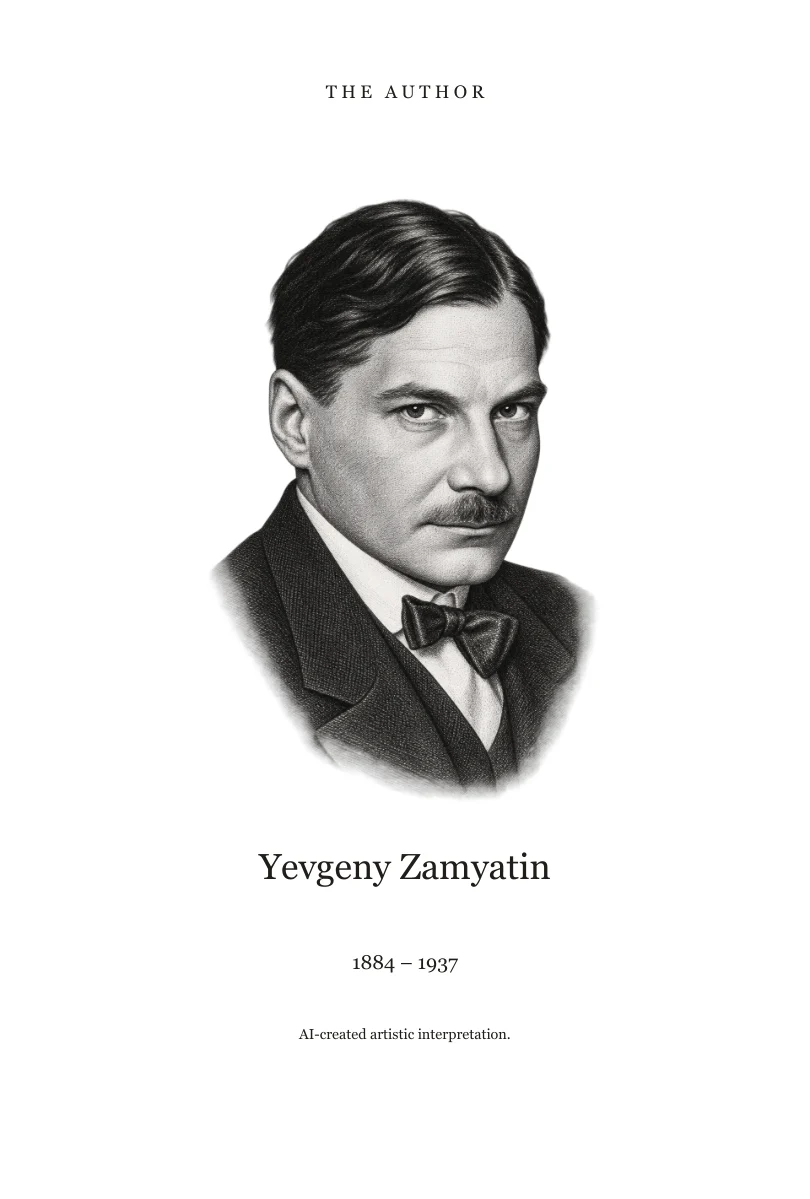
We
Written around 1920. A numbered citizen of a glass-walled future state begins to discover an inner life. One of the first great dystopian novels, and a direct ancestor of Nineteen Eighty-Four.
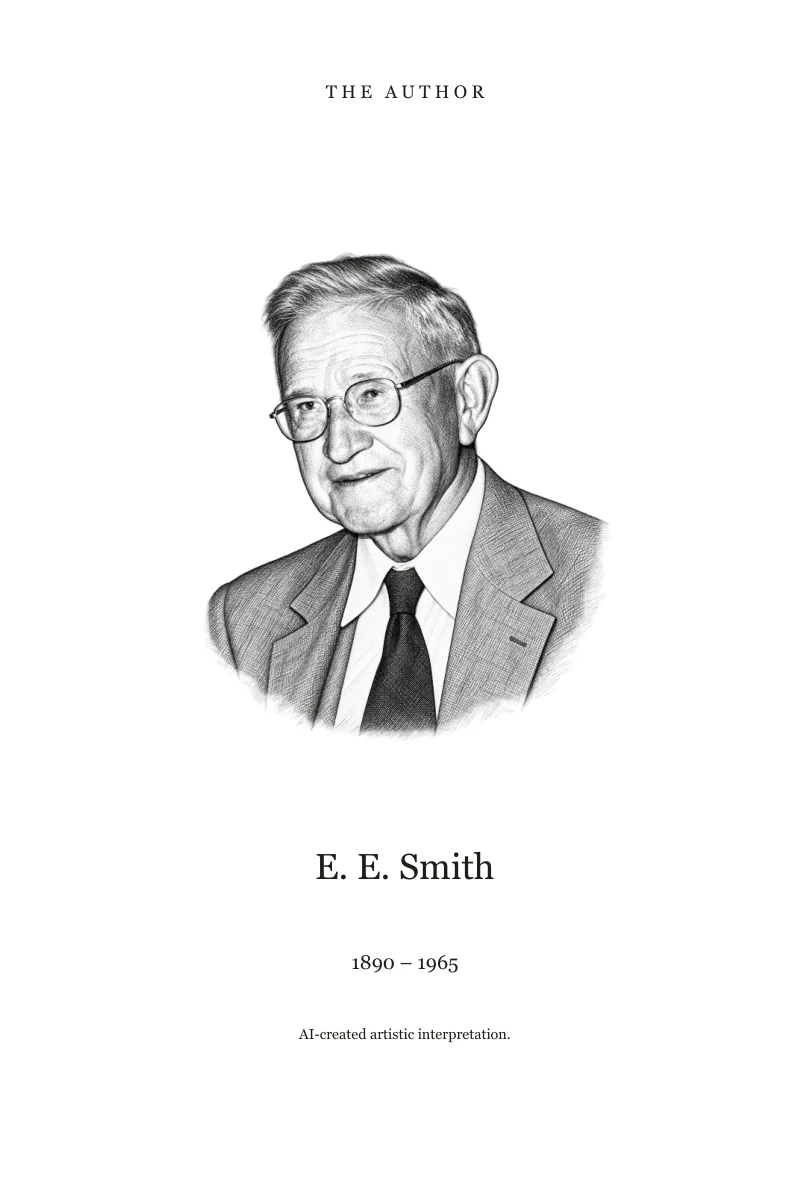
The Skylark of Space
1928. A chemist discovers a way to release vast energy, builds a spaceship and is drawn into a duel with a ruthless rival far beyond the solar system. Often called one of the first space operas.


Edgar Rice Burroughs started a long series of Mars books with A Princess of Mars; see The Barsoom books in order. Zamyatin’s influence on Orwell is the subject of Did you know We inspired Nineteen Eighty-Four?
What was the first science fiction book?
If you want a single answer, Frankenstein is the one most often given, because, as Brian Aldiss argued in Billion Year Spree (1973), it is the first major novel built on a scientific premise rather than a supernatural one. Earlier candidates exist, from ancient satires to Johannes Kepler’s Somnium, a dream of a voyage to the Moon written in the early seventeenth century. But Shelley’s novel is where the line of descent becomes unbroken.
To start reading, take Frankenstein for the origin, The Time Machine for a perfect short novel, and The War of the Worlds for pure excitement. The whole science fiction shelf is waiting, and every book on it owes something to these twelve.
Questions readers ask
What is considered the first science fiction novel?
Mary Shelley’s Frankenstein (1818) is most often named as the first science fiction novel, because its story rests on a scientific experiment rather than magic.
Who is the father of science fiction?
Jules Verne and H. G. Wells are both often called the father of science fiction, and Hugo Gernsback, who popularised the term, is sometimes given the title too.
What are the first science fiction novels to read?
Start with Frankenstein (1818), From the Earth to the Moon (1865), The Time Machine (1895) and The War of the Worlds (1898). Between them, these first science fiction novels introduced many of the genre’s core ideas.
What was the first space opera?
E. E. Smith’s The Skylark of Space (1928), written with Lee Hawkins Garby, is often cited as one of the first space operas, with its interstellar journeys and galaxy-spanning conflict.