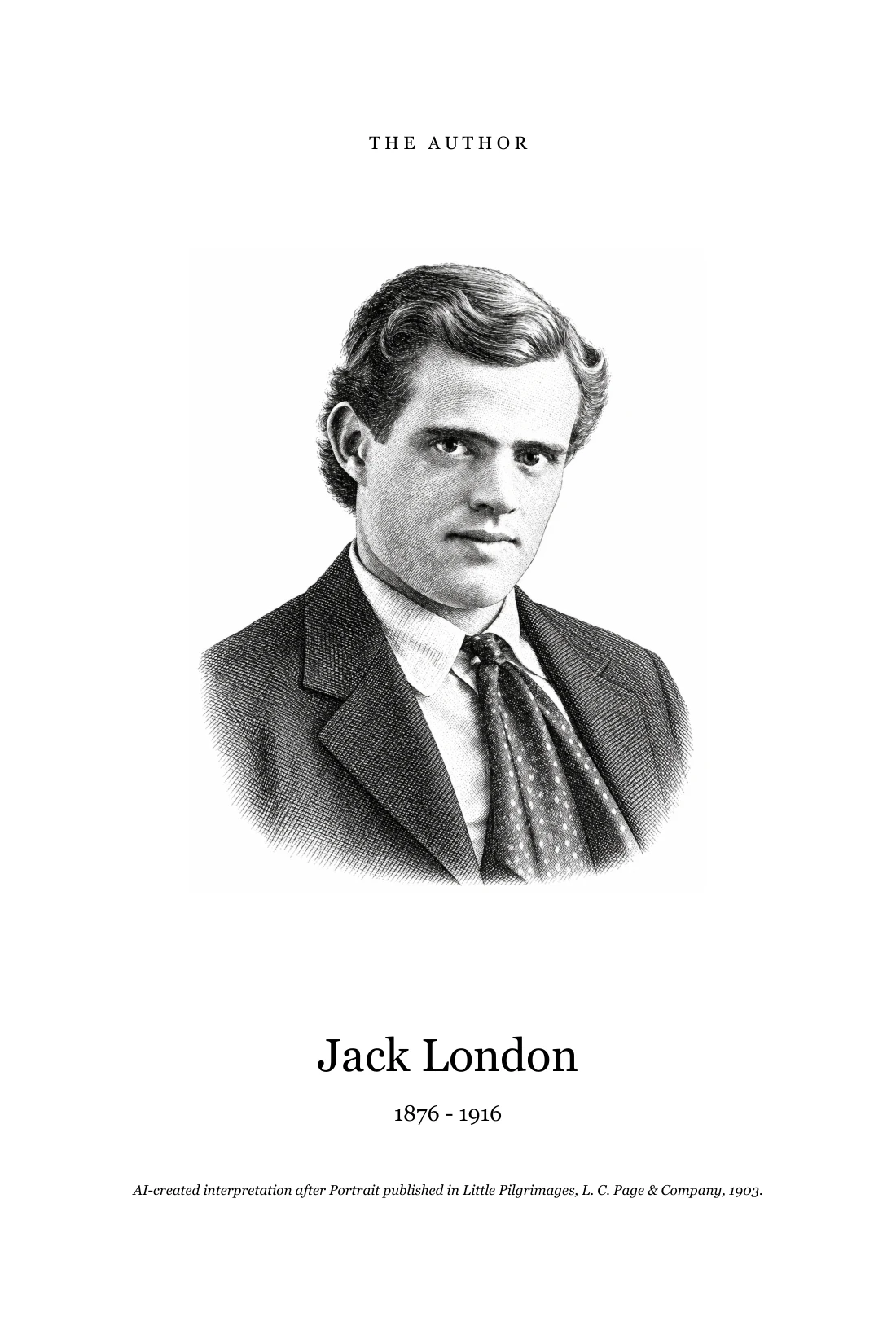
The classic books that predicted the future did not do it by magic. Their authors read the science and politics of their day, followed the lines forward, and asked what ordinary people would make of the result. Sometimes the guess was uncannily close: a three-man crew launched to the Moon from Florida, a city bombed from the air, a society run on cards instead of cash.
This list gathers nine of the best. We chose books where the forecast is part of the story rather than a passing gadget, and we have tried to be honest about the misses as well as the hits. Prophecy, it turns out, is mostly a matter of getting the shape right and the details wrong.
H. G. Wells: the books that predicted the future
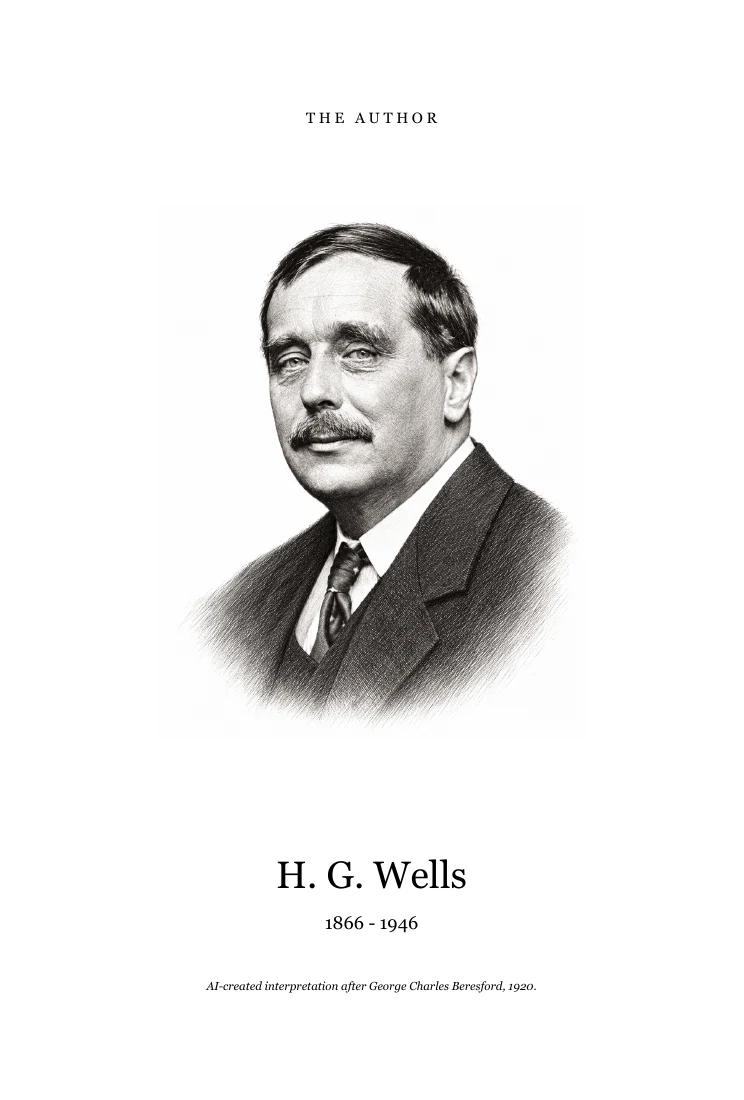
No novelist made more predictions, or took the job more seriously, than H. G. Wells. He wrote non-fiction forecasts as well as novels, and three of his books belong near the top of any list of books that predicted the future.
The World Set Free
1914. Wells imagines “atomic bombs” built on radioactive decay and dropped from aeroplanes. The physicist Leo Szilard read it in 1932, the year before he conceived the nuclear chain reaction, and later wrote that he knew what a chain reaction would mean “because I had read H.G. Wells”.
The War in the Air
1908. Published less than five years after the Wright brothers first flew, it imagines a German air fleet bombing New York. Its hero, a hapless bicycle-shop man named Bert Smallways, is swept along for the ride.
The Sleeper Awakes
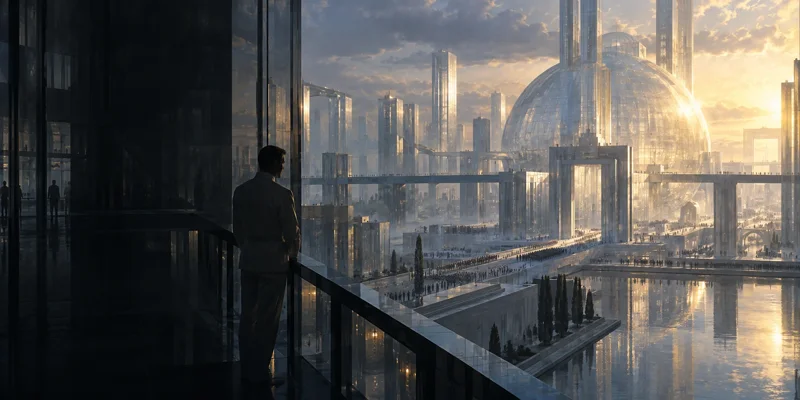
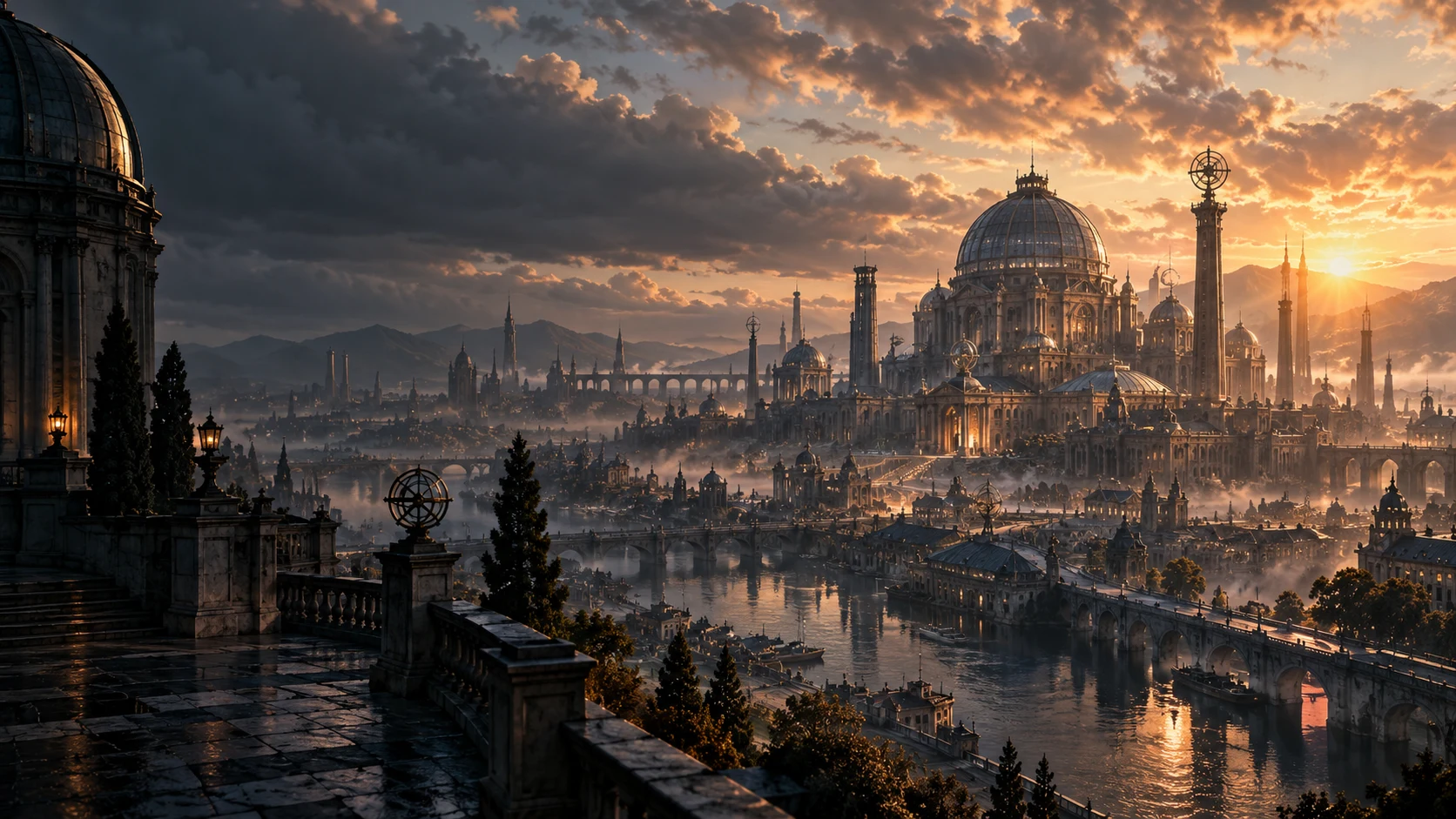
A man falls into a trance in 1890s London and wakes two centuries later in a vast, glass-roofed city where “Babble Machines” pour news and propaganda into its public halls and private apartments. First published as When the Sleeper Wakes and later revised under this title.


Wells’s bombs are not quite the real thing: in his version they go on exploding indefinitely. But the larger idea — that a new kind of weapon could make war between great powers unthinkable, and force the world to govern itself differently — is exactly the argument that followed 1945. We tell the whole story in Did H. G. Wells predict the atomic bomb?
Moon shots, flying machines and credit cards
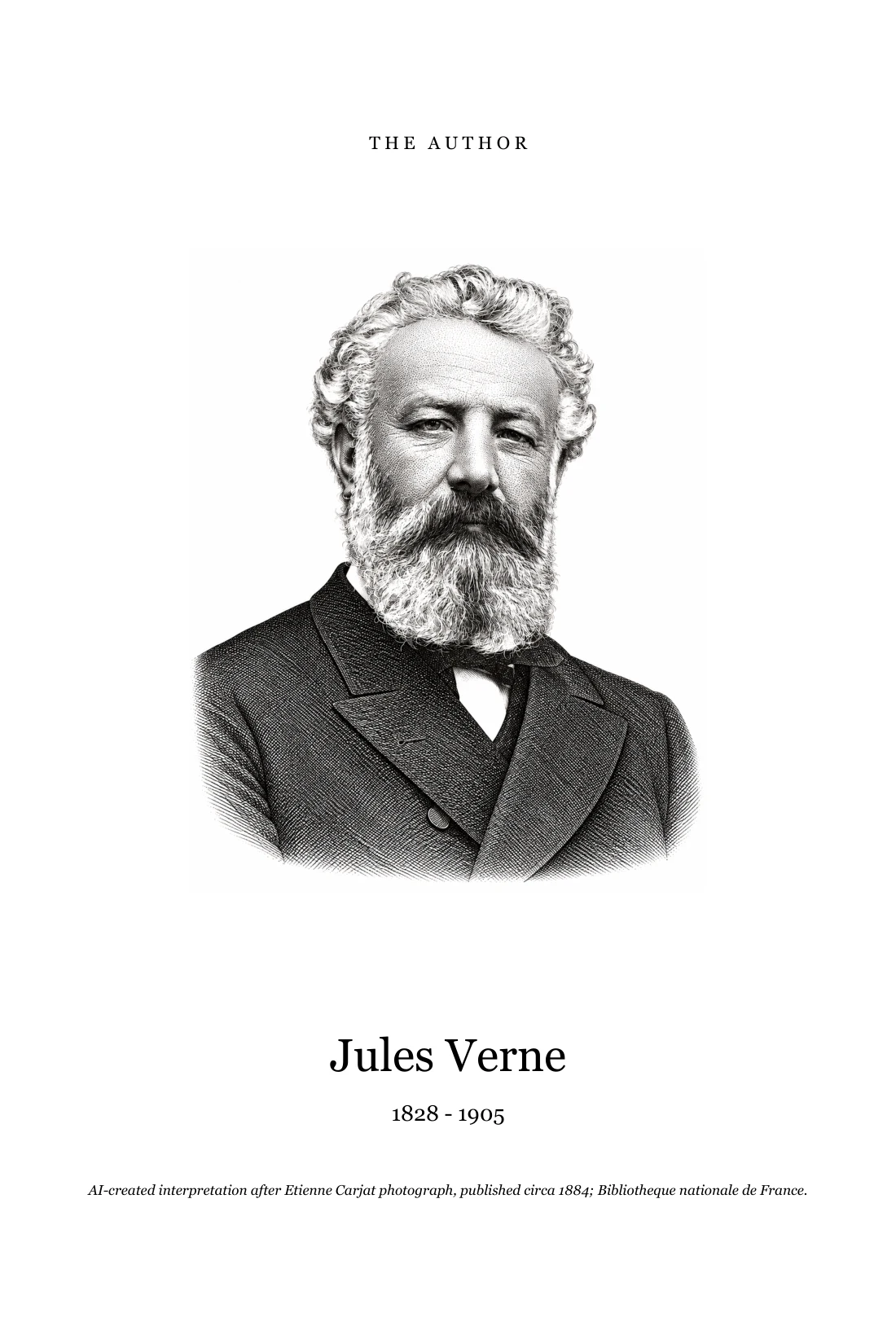
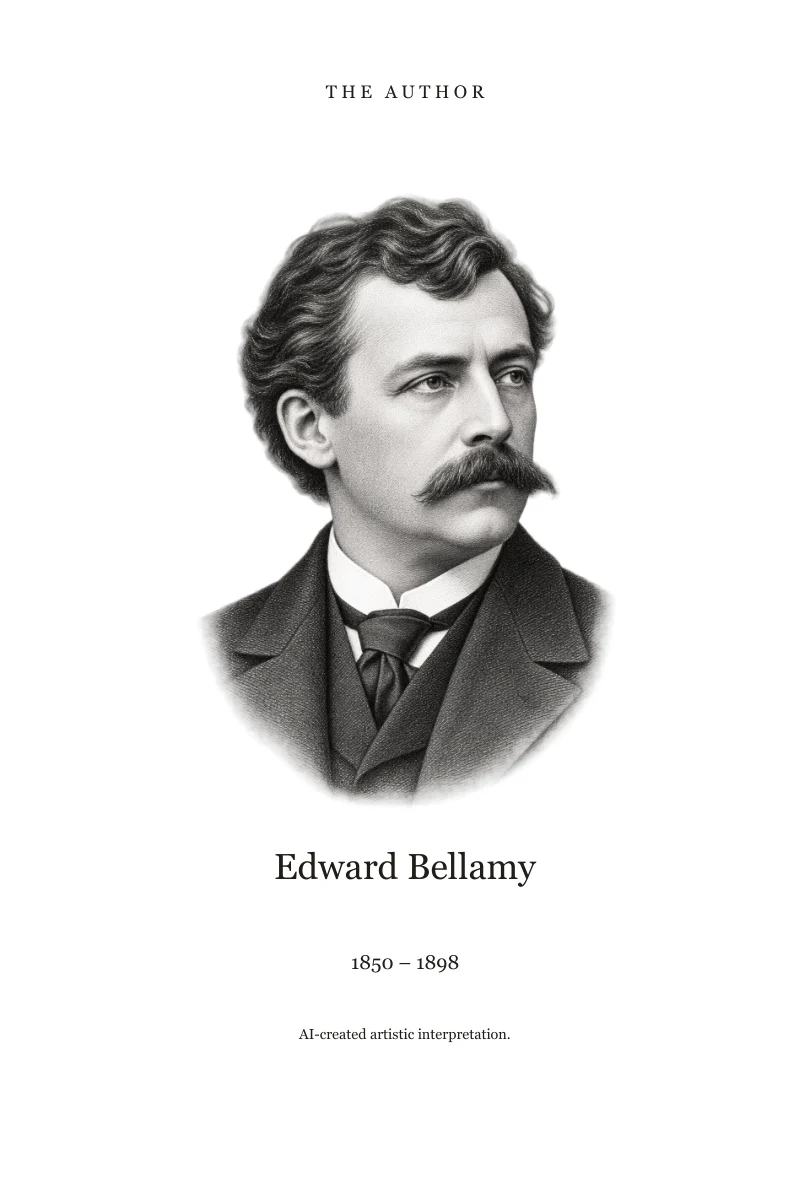
Wells had rivals. Jules Verne grounded his adventures in real engineering, and Edward Bellamy wrote one of the most widely read American novels of the nineteenth century about a world remade by economics rather than machines.
From the Earth to the Moon
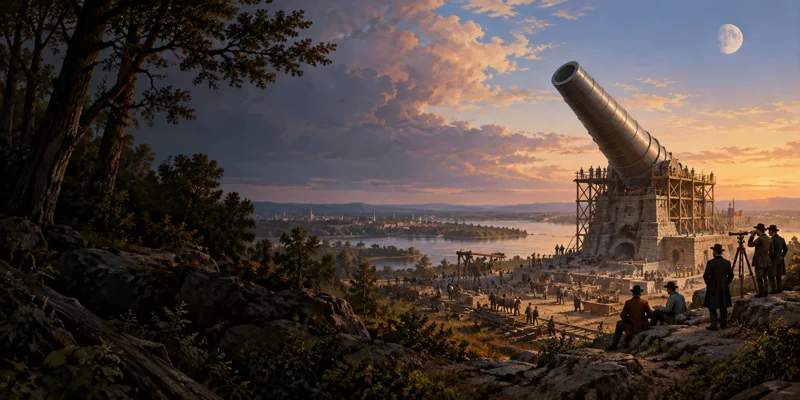
1865. Three men, a launch site in Florida and a projectile bound for the Moon. A giant cannon would have flattened its passengers, but the outline of Apollo is startlingly close.
Robur the Conqueror
1886. While a club of balloon enthusiasts insists the future belongs to lighter-than-air craft, Robur arrives in a heavier-than-air flying machine driven by propellers. Verne backed the right horse.
Looking Backward, 2000 to 1887
1888. Julian West falls asleep in 1887 and wakes in the year 2000, in a Boston where citizens shop with a card that records their credit. The phrase “credit card” appears in the book.


Bellamy got a great deal wrong — his tidy, cooperative America never arrived — but Looking Backward inspired clubs and political movements in its own day, and its picture of shopping from a central warehouse with goods delivered by tube reads now like an early sketch of online retail.
The dark predictions
The forecasts that age best are often the bleakest. Several novelists saw that new technology would be used by whoever held power, and that the twentieth century might bring tyranny on a new scale.
The Iron Heel
1908. Jack London imagines a small oligarchy crushing American democracy by force. Many later readers saw in it a warning of the fascist states of the 1920s and 1930s.
We
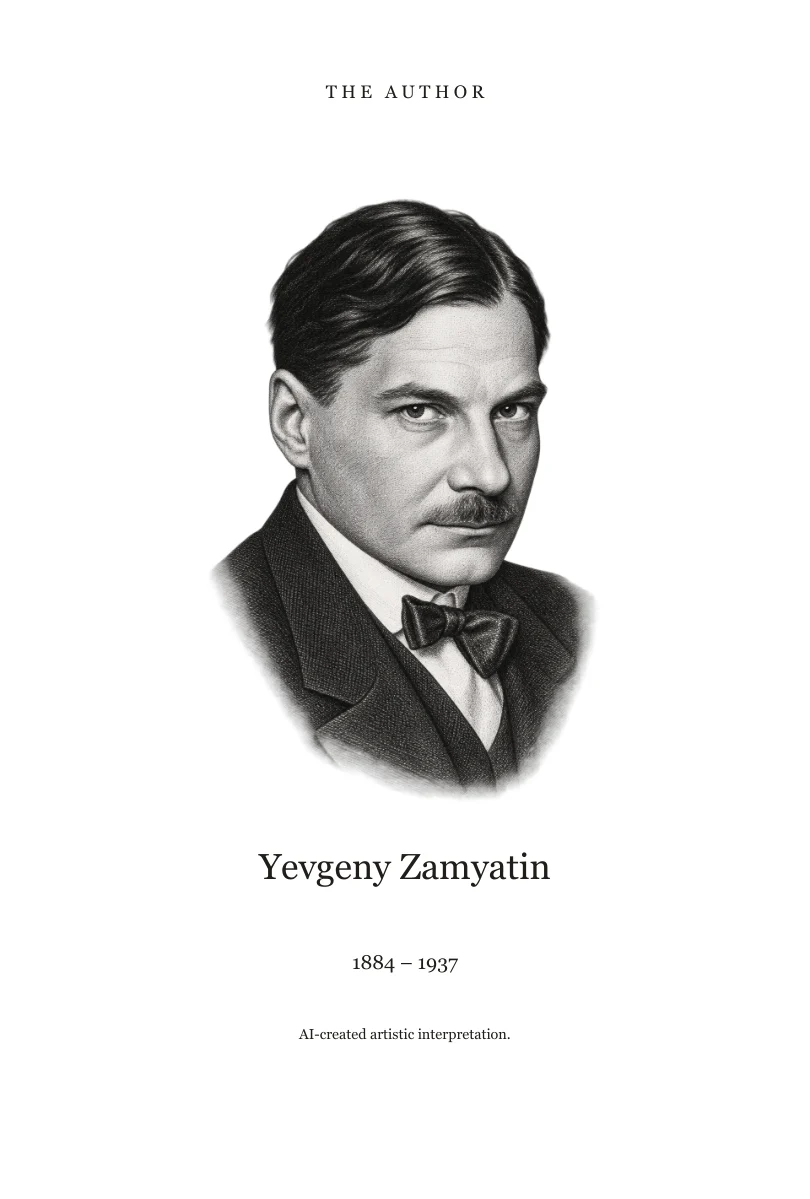
Written around 1920. A glass city where every citizen is numbered and watched, and the state engineers away the imagination. It was banned in the Soviet Union and is widely thought to have influenced Orwell’s Nineteen Eighty-Four.
The Last Man
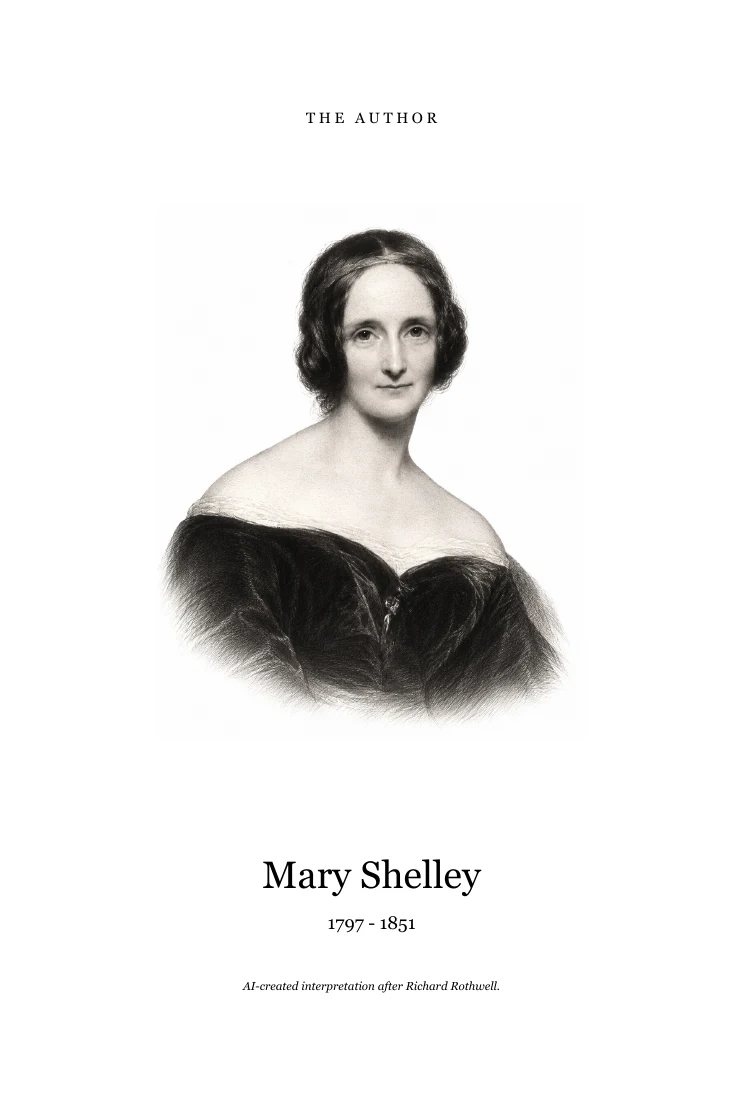
1826. Mary Shelley’s other great novel follows a plague that spreads across the world in the late twenty-first century. One of the first novels to imagine humanity’s end.


Yevgeny Zamyatin wrote We in the early years of the Soviet state, and it was first published not in Russia but in English translation in 1924. Orwell reviewed it in 1946, a few years before Nineteen Eighty-Four appeared. Read more in Did you know We inspired Nineteen Eighty-Four? and our list of dystopian novels before 1984.
Did these books really predict the future?
It is fairer to say they anticipated it. Verne’s cannon would not work; Bellamy’s utopia never came; Wells’s atomic war is not the one we got. What they share is a habit of mind: taking the newest idea in the room seriously and asking what it would do to ordinary lives. That is why they still feel modern.
It also explains why prediction and science fiction grew up together. For the books that founded the genre, from Frankenstein to The War of the Worlds, see The science fiction firsts, or browse the whole science fiction shelf.
Where to start
If you want the most striking single prediction, begin with The World Set Free. If you want a story you will race through, From the Earth to the Moon is Verne at his most playful. And if you prefer your futures as warnings, We is short, strange and still unsettling — the book that taught later writers how a perfect society could become a prison.
Questions readers ask
Which book predicted the atomic bomb?
H. G. Wells’s The World Set Free (1914) describes “atomic bombs” dropped from aeroplanes. The physicist Leo Szilard, who later conceived the nuclear chain reaction, had read it.
Did Jules Verne predict the Moon landing?
In From the Earth to the Moon (1865) Verne fires three men towards the Moon from Florida. The method, a giant cannon, was impossible, but the three-man crew and the Florida launch site both anticipate Apollo 11.
What book predicted credit cards?
Edward Bellamy’s Looking Backward (1888) imagines citizens of the year 2000 paying with a card that draws on their share of the national product, and uses the phrase “credit card”.
What are the best books that predicted the future?
Good places to start are The World Set Free and The War in the Air by H. G. Wells, From the Earth to the Moon by Jules Verne, Looking Backward by Edward Bellamy and We by Yevgeny Zamyatin.