On 15 February 1894 a young French anarchist named Martial Bourdin was killed in Greenwich Park when the bomb he was carrying went off near the Royal Observatory. Nobody has ever been sure what he meant to blow up. Thirteen years later Joseph Conrad turned the incident into The Secret Agent, and the political novel got its darkest comedy.
That is the pattern of the best classic political novels. They start from something real (a Reform Act, a bombing, factory conditions, a Southern town closed against change) and then ask what politics does to the people inside it. Most of the nine books below fall into three families: radicals who want to change the vote, anarchists who want to tear the whole thing down, and reformers who try to mend one town or one factory at a time.
Radicals and the vote
The nineteenth-century political novel grew up alongside the fight over who should be allowed to vote, and its two great English practitioners came at it from opposite sides of the House.
Felix Holt, the Radical
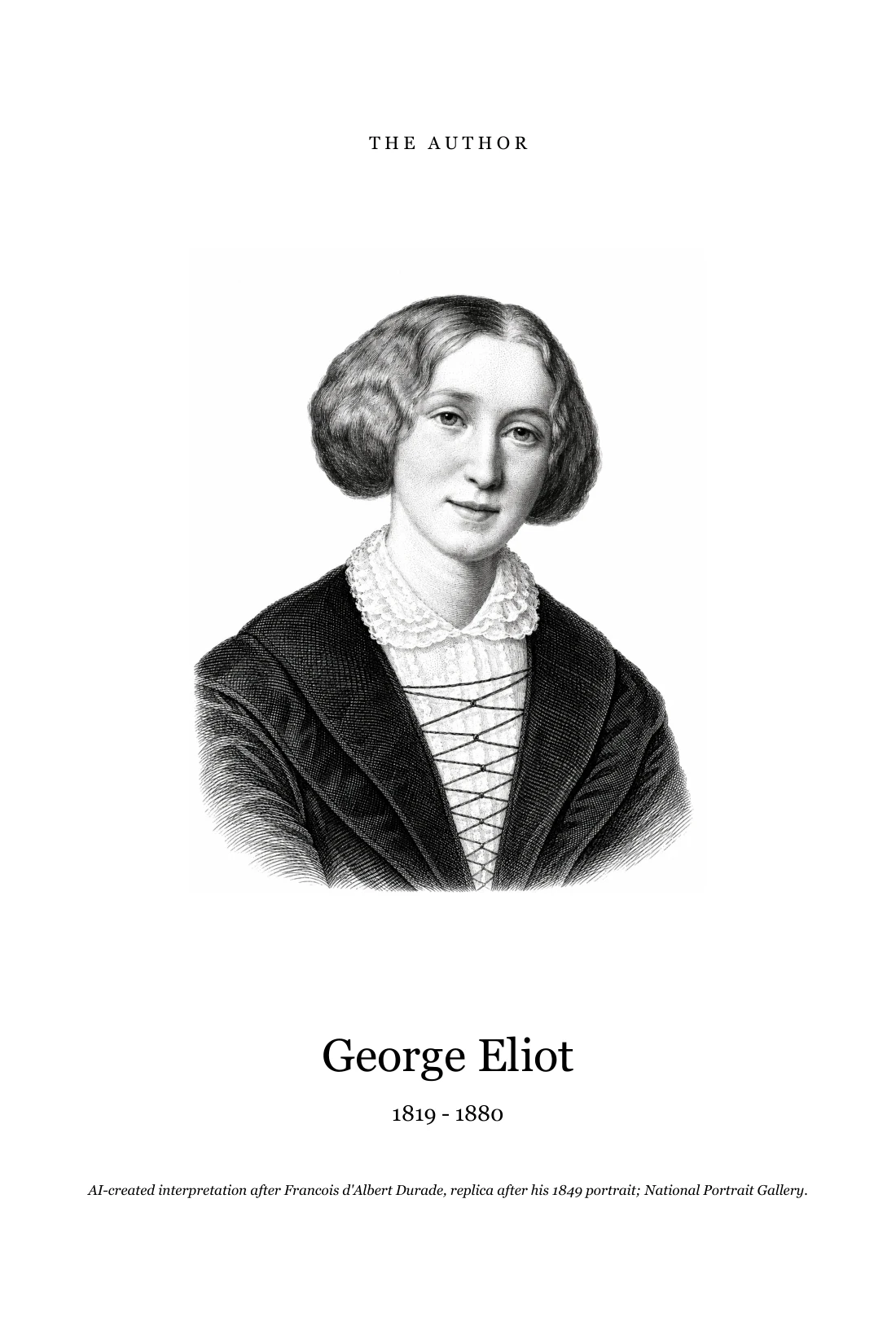
1866, set in 1832, the year of the First Reform Act. A landowner stands for Parliament as a Radical for his own reasons, while Felix Holt, a blunt young working man, despises the beer and bribery of the campaign. George Eliot’s most openly political book, and a sharp picture of an English election.
Tancred; Or, The New Crusade
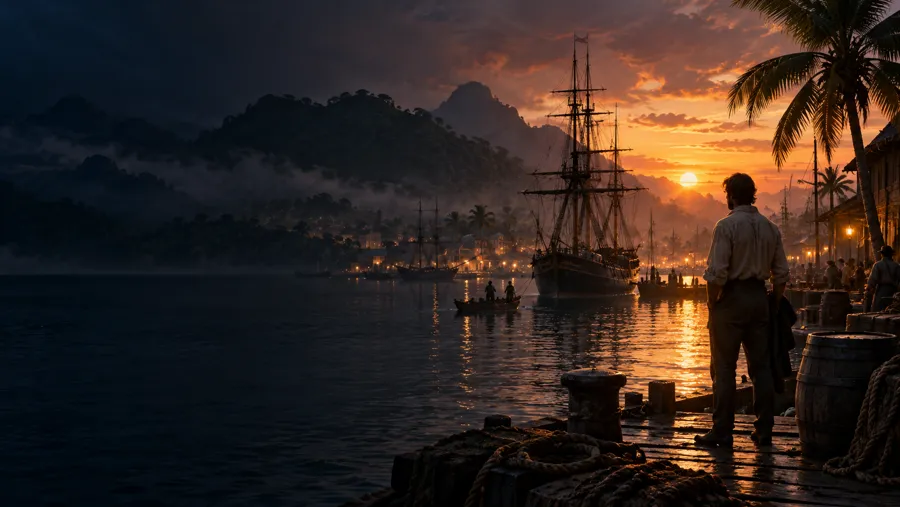
1847. A young duke’s heir, bored by fashionable London, sails for the Holy Land in search of faith and finds himself tangled in Lebanese intrigue instead. The last of Disraeli’s three “Young England” novels, after Coningsby and Sybil, and the strangest.


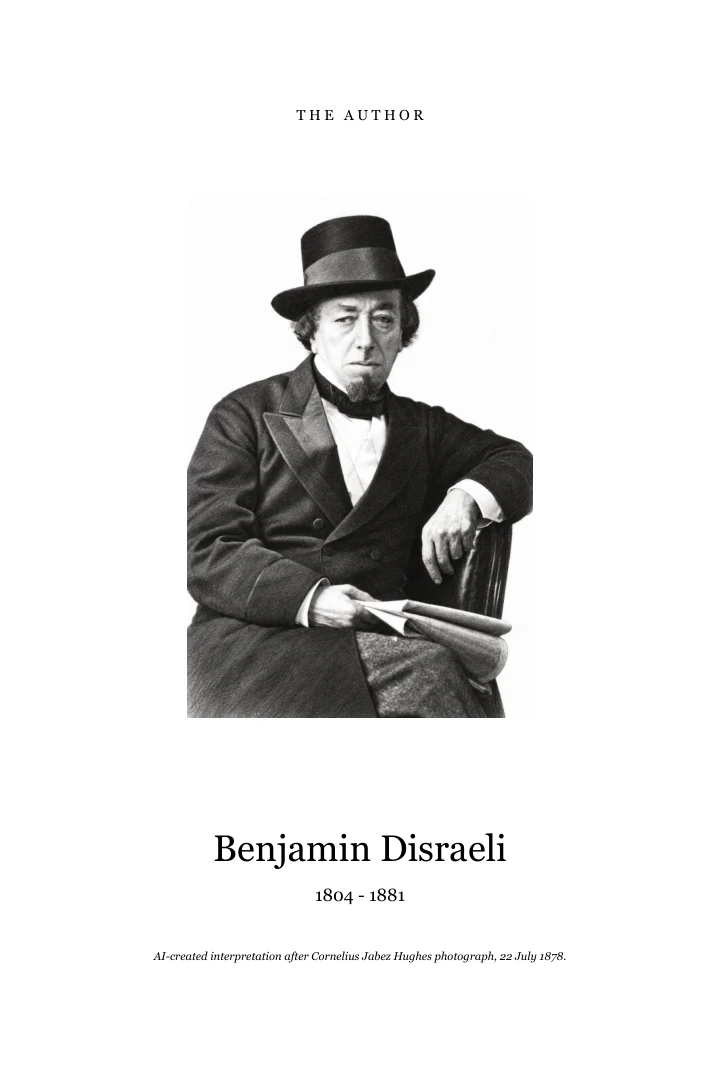
Benjamin Disraeli was a sitting MP when he wrote Tancred, and went on to be prime minister in 1868 and again from 1874 to 1880. We tell the rest of that double life in Did you know Benjamin Disraeli was a novelist before he was prime minister? For Eliot’s other books, see Where to start with George Eliot.
The anarchist novels
Between the 1880s and the First World War, anarchist bombings and assassinations frightened the governments of Europe, and novelists rushed to imagine the people behind them. What is striking is how sceptical the best of these books are, of the revolutionaries and of the police alike.
The Princess Casamassima: A Novel
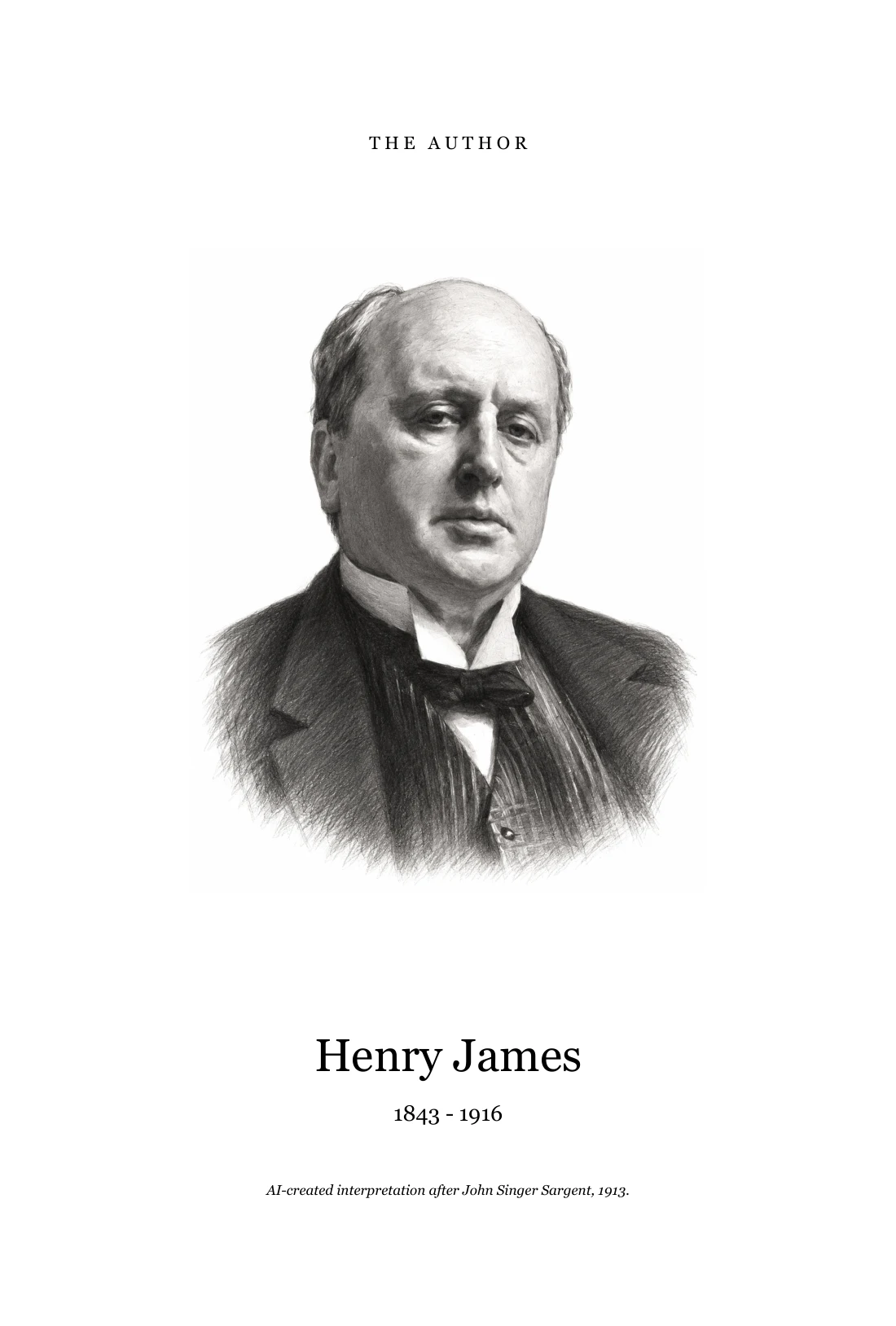
1886. Hyacinth Robinson, a gifted London bookbinder of uncertain birth, joins a secret revolutionary circle and pledges himself to an act of violence, just as a glimpse of Paris and Venice makes him love the world he has sworn to attack. Henry James at his most unexpected.
The Secret Agent
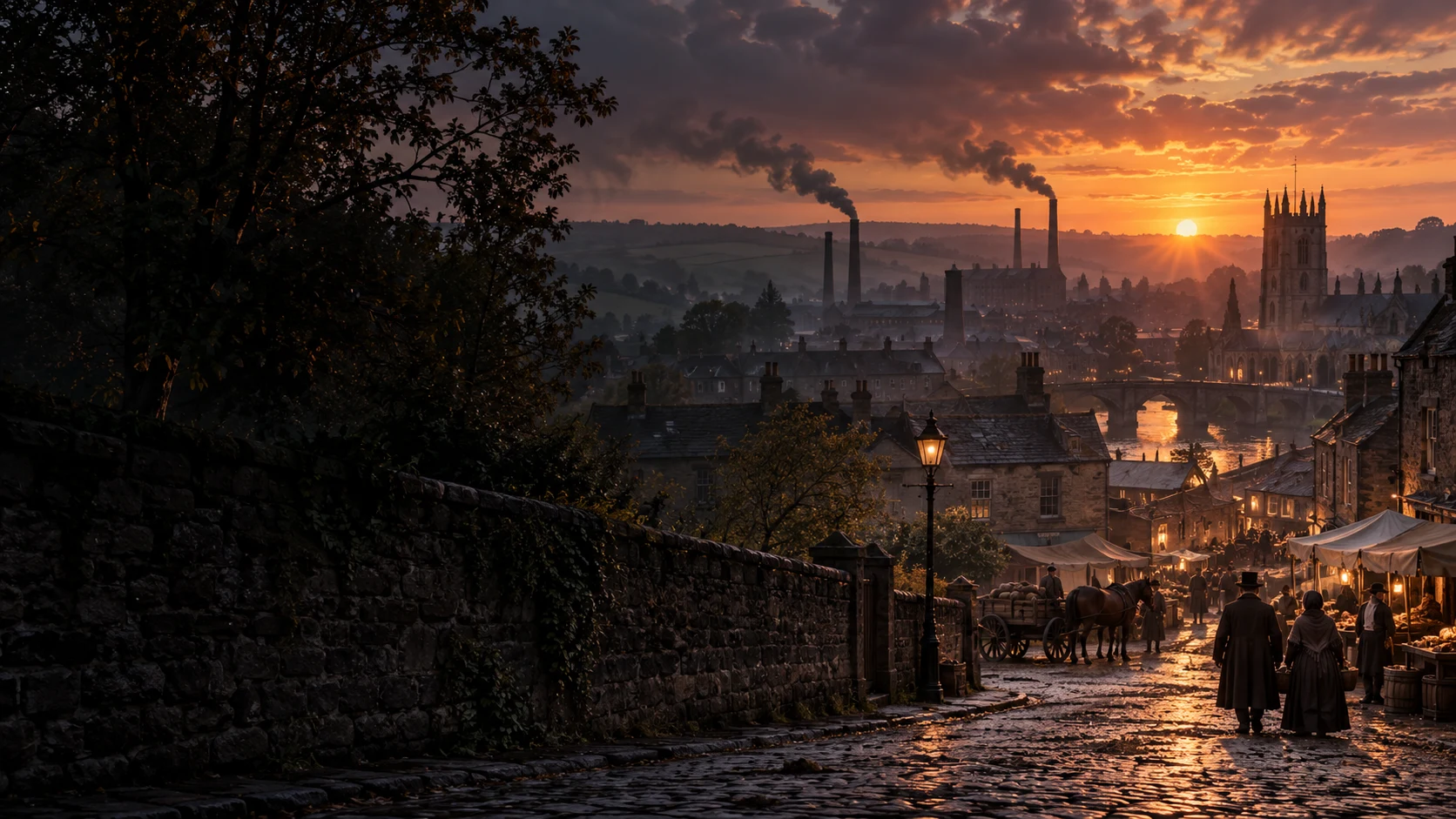
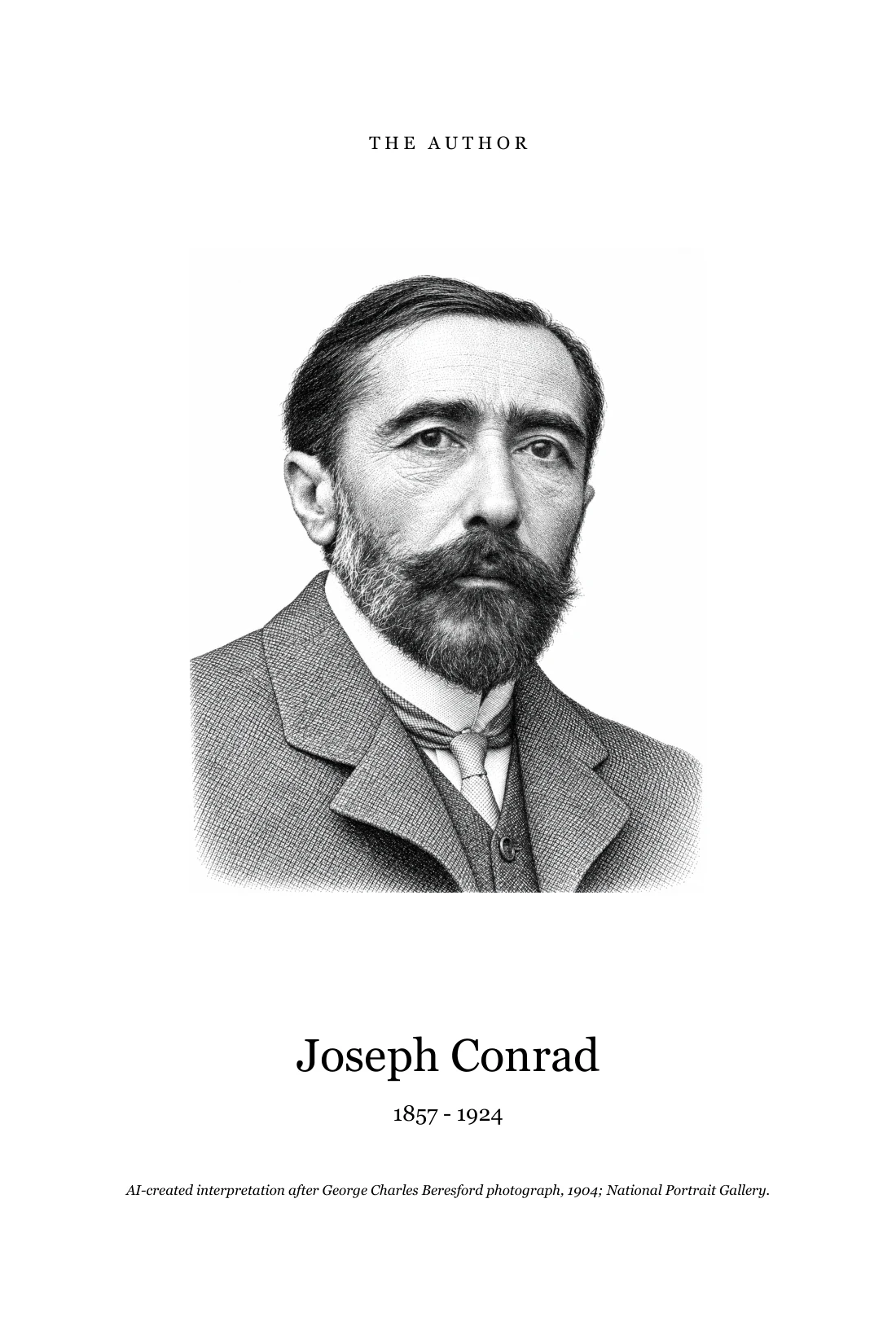
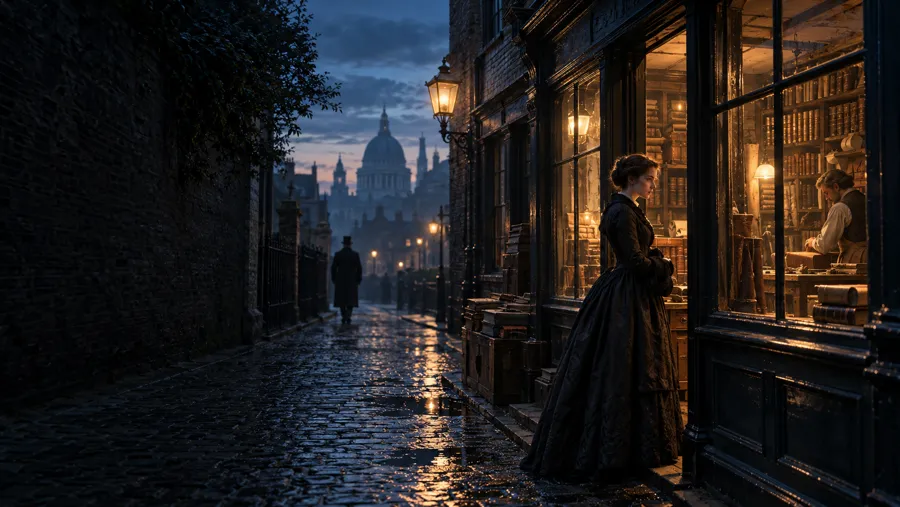
1907. Mr Verloc keeps a shabby shop in Soho, spies for a foreign embassy and is ordered to bomb the Greenwich Observatory. Conrad called it “a simple tale”; it is really a pitch-black study of laziness, cruelty and London fog.
Under Western Eyes
1911. A St Petersburg student who wants nothing to do with politics finds an assassin hiding in his rooms, and the choice he makes follows him to the émigré revolutionaries of Geneva. Conrad’s reply, many critics think, to Crime and Punishment.
The Man Who Was Thursday
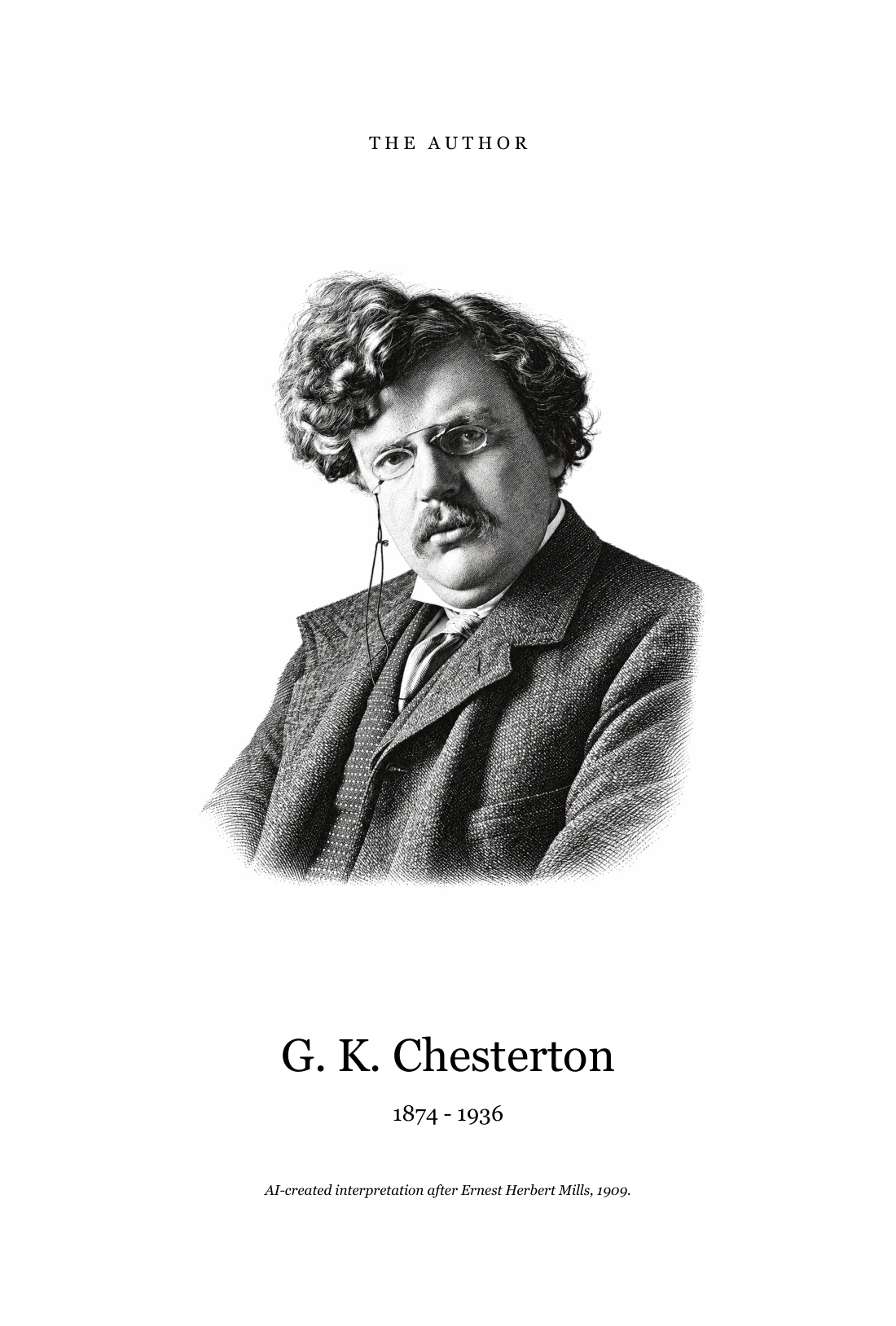
1908. G. K. Chesterton’s “nightmare”: a poet joins a secret anti-anarchist police corps and gets himself elected to a council of seven anarchists, each named after a day of the week. A comic thriller that turns into something much stranger.


More on Conrad’s life in Did you know Joseph Conrad didn’t learn English until his twenties?, and on James in Where to start with Henry James.
Reformers in the town and the mill
The American political novel tends to be less about parliaments and more about money: who owns the mill, who works in it, and who is kept out of the town’s future altogether.
The Colonel's Dream
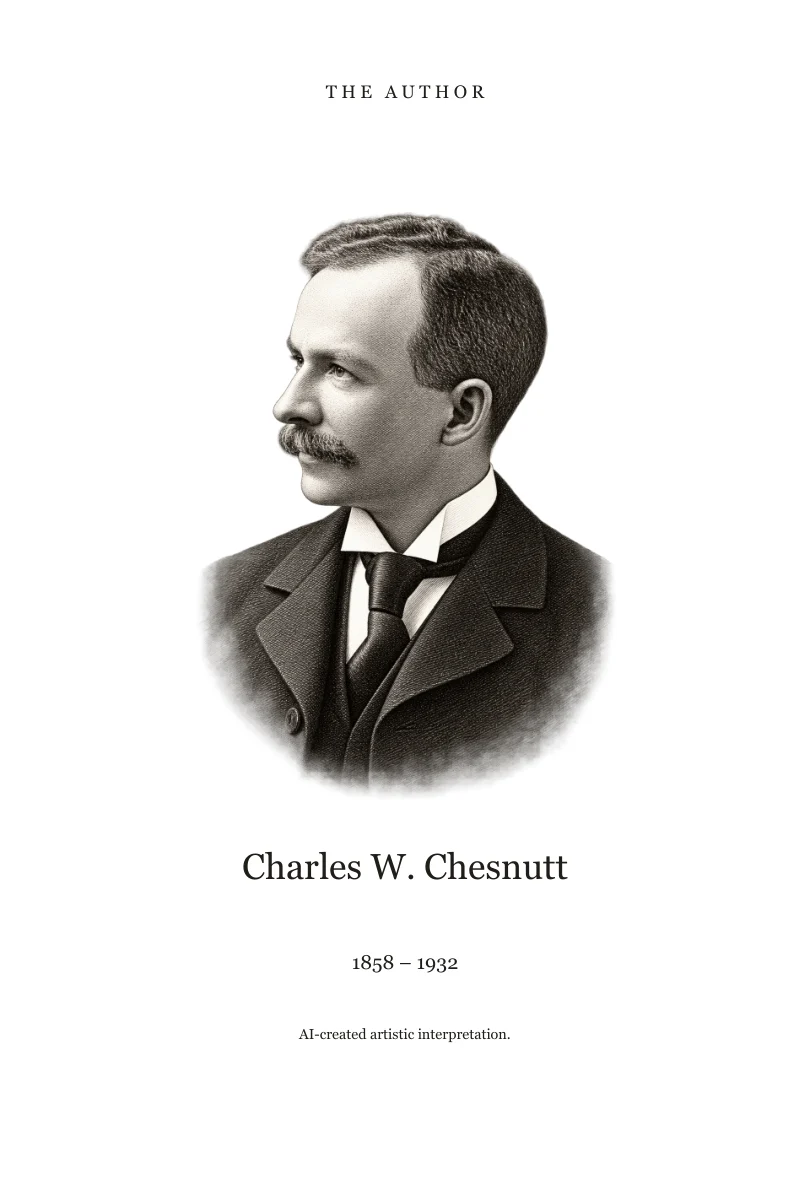
1905. A former Confederate colonel, made rich in New York, returns to his North Carolina hometown and tries to modernise it with a new cotton mill, fair wages and help for its neglected Black school. Charles W. Chesnutt’s last novel published in his lifetime, and his most sorrowful.
The Fruit of the Tree
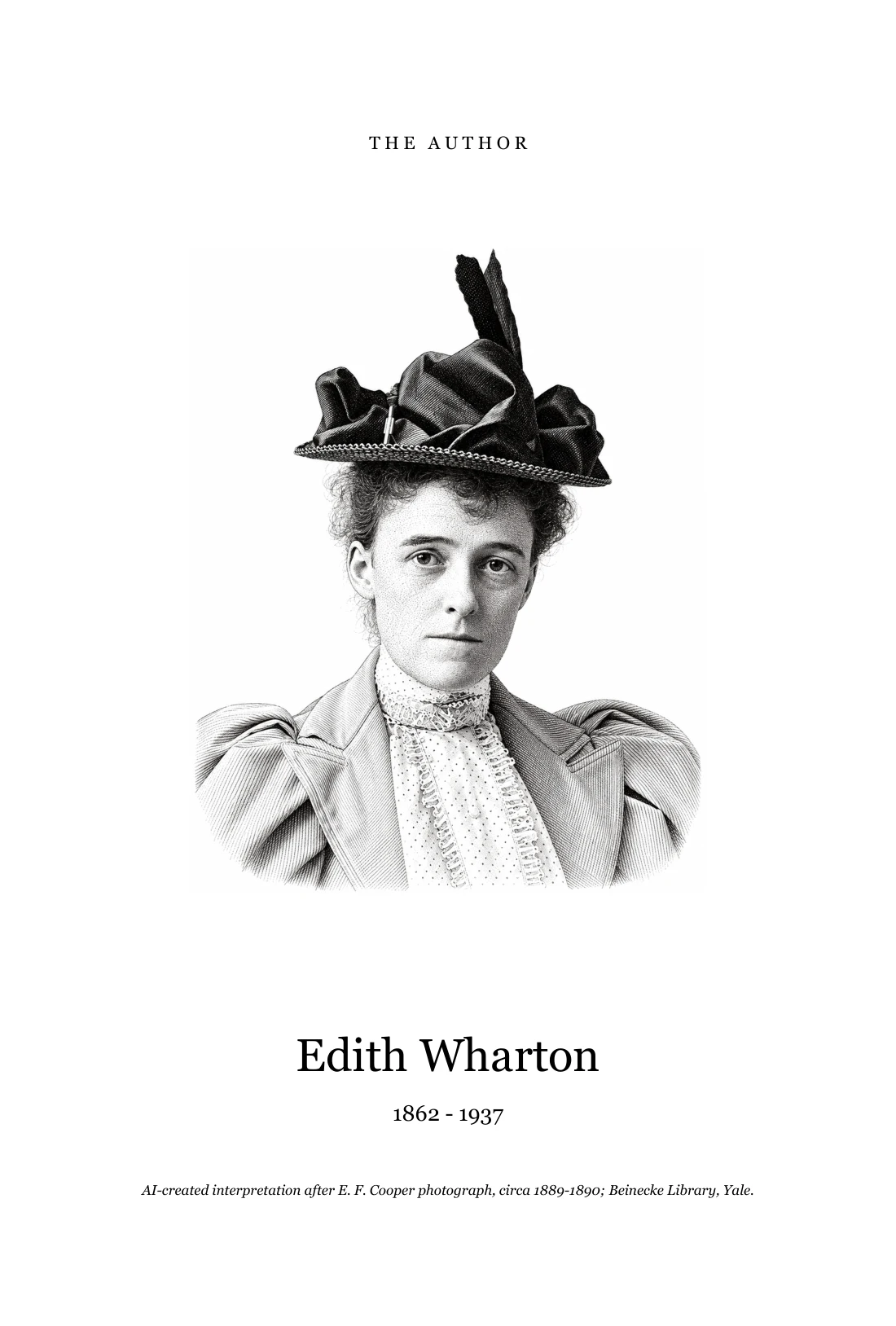
1907. An idealistic assistant manager at a Massachusetts cotton mill marries the owner’s widow to win the power to reform it, and discovers how little marriage changes. Often called Edith Wharton’s “problem novel”, it takes on factory conditions and, later, the ethics of mercy killing.


Chesnutt’s whole career is mapped in Charles W. Chesnutt: where to start.
Which political novel predicted the twentieth century?
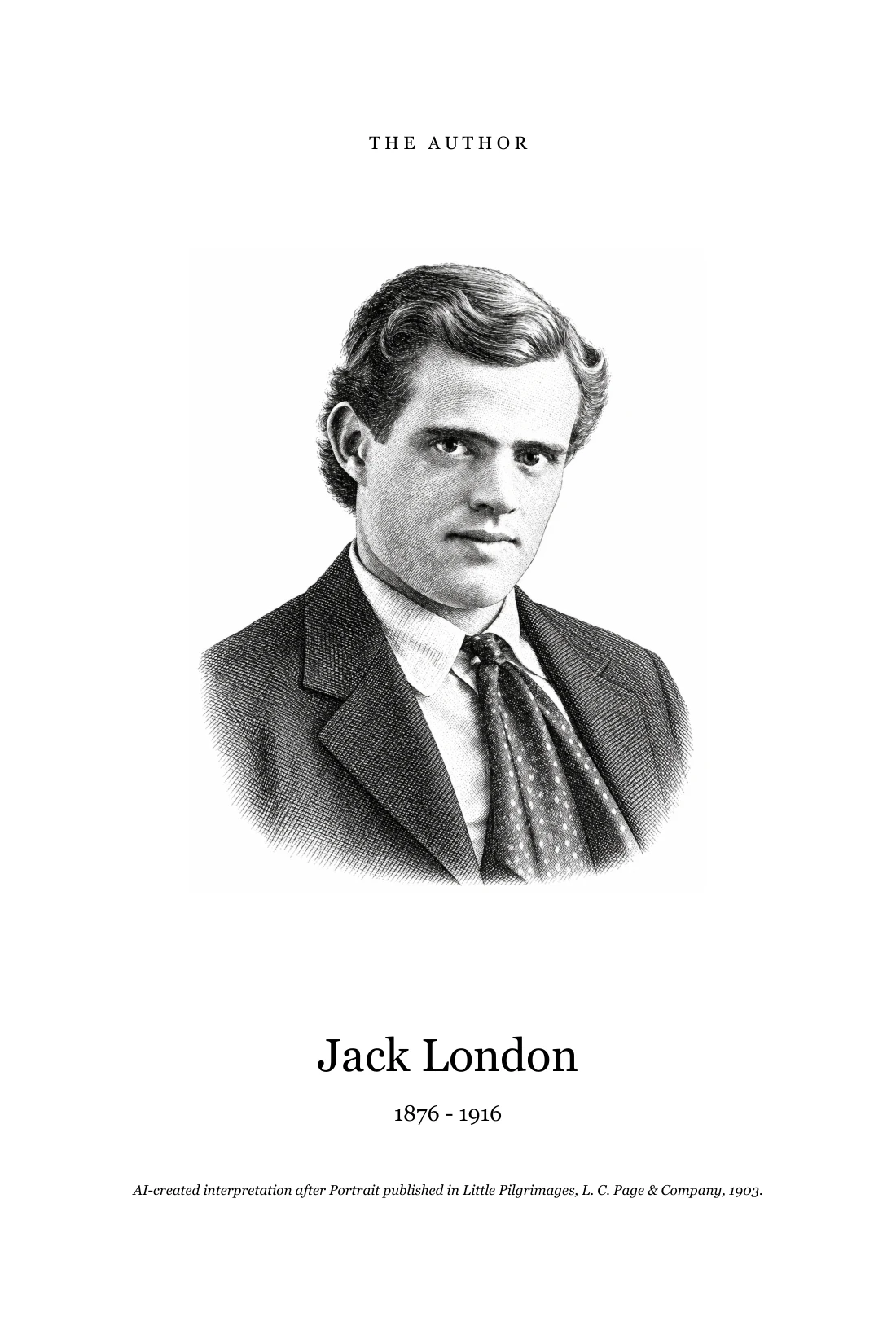
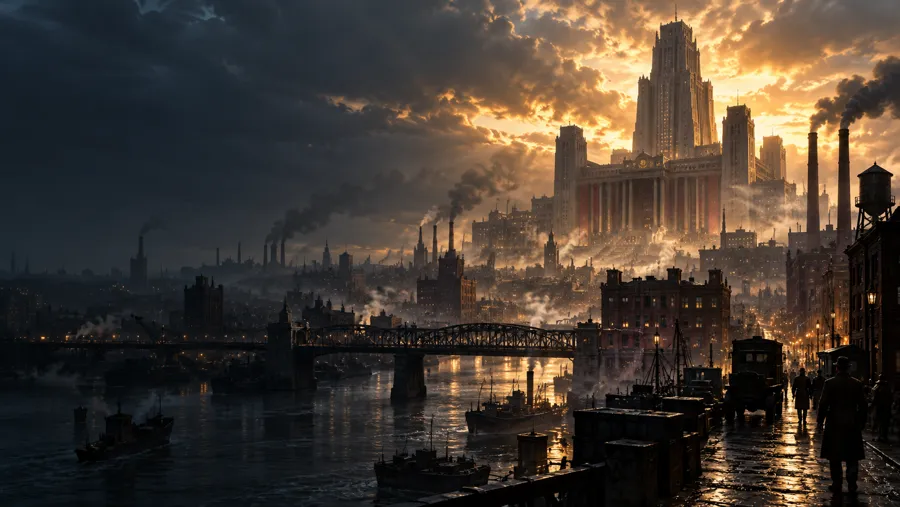
Jack London’s The Iron Heel came out in February 1908 and imagines an American socialist movement on the edge of winning power, until a corporate oligarchy crushes it. It is told through the memoir of Avis Everhard, the wife of the movement’s leader, rediscovered and footnoted by a historian seven centuries later.
It sits at the start of a whole shelf of warnings, which we gather in Dystopian novels before 1984.
Where to start with classic political novels
If you want plot first, begin with The Secret Agent: it is short, savage and set in a London you can almost smell. If you prefer a big, humane Victorian novel, Felix Holt shows an election from the pub, the chapel and the manor house at once. And if your interest is in how politics settles into one place, read Chesnutt and Wharton side by side.
For a first book, go to Soho, where Mr Verloc stands behind his shop counter in The Secret Agent, waiting for an order he would rather not carry out.
Questions readers ask
What are the best classic political novels?
Strong choices include George Eliot’s Felix Holt, the Radical (1866), Henry James’s The Princess Casamassima (1886), Joseph Conrad’s The Secret Agent (1907) and Under Western Eyes (1911), and Jack London’s The Iron Heel (1908).
What real event inspired The Secret Agent?
Conrad drew on the 1894 Greenwich bombing, when the French anarchist Martial Bourdin was killed by his own bomb in Greenwich Park near the Royal Observatory.
Which classic novels are about anarchists?
The Princess Casamassima, The Secret Agent, Under Western Eyes and G. K. Chesterton’s The Man Who Was Thursday all deal with anarchist or revolutionary plots, each from a very different angle.