James Bond is a latecomer. When Ian Fleming published Casino Royale in 1953, the British spy novel had already been thriving for half a century, and most of its furniture was in place: the amateur drawn into a plot, the foreign agent next door, the chase, the cipher, the club in Pall Mall where nobody believes you.
The classic spy novels below were written between 1901 and 1922, when Britain was nervous about Russia, then Germany, then revolution. Some are pure adventure, some are as dark as anything written since, and they read, in order, like the making of a modern genre.
The Great Game and the invasion scare
The spy story grew out of two anxieties: the long rivalry with Russia in Asia, and the fear, in the years before 1914, that Germany was preparing to invade.
Kim
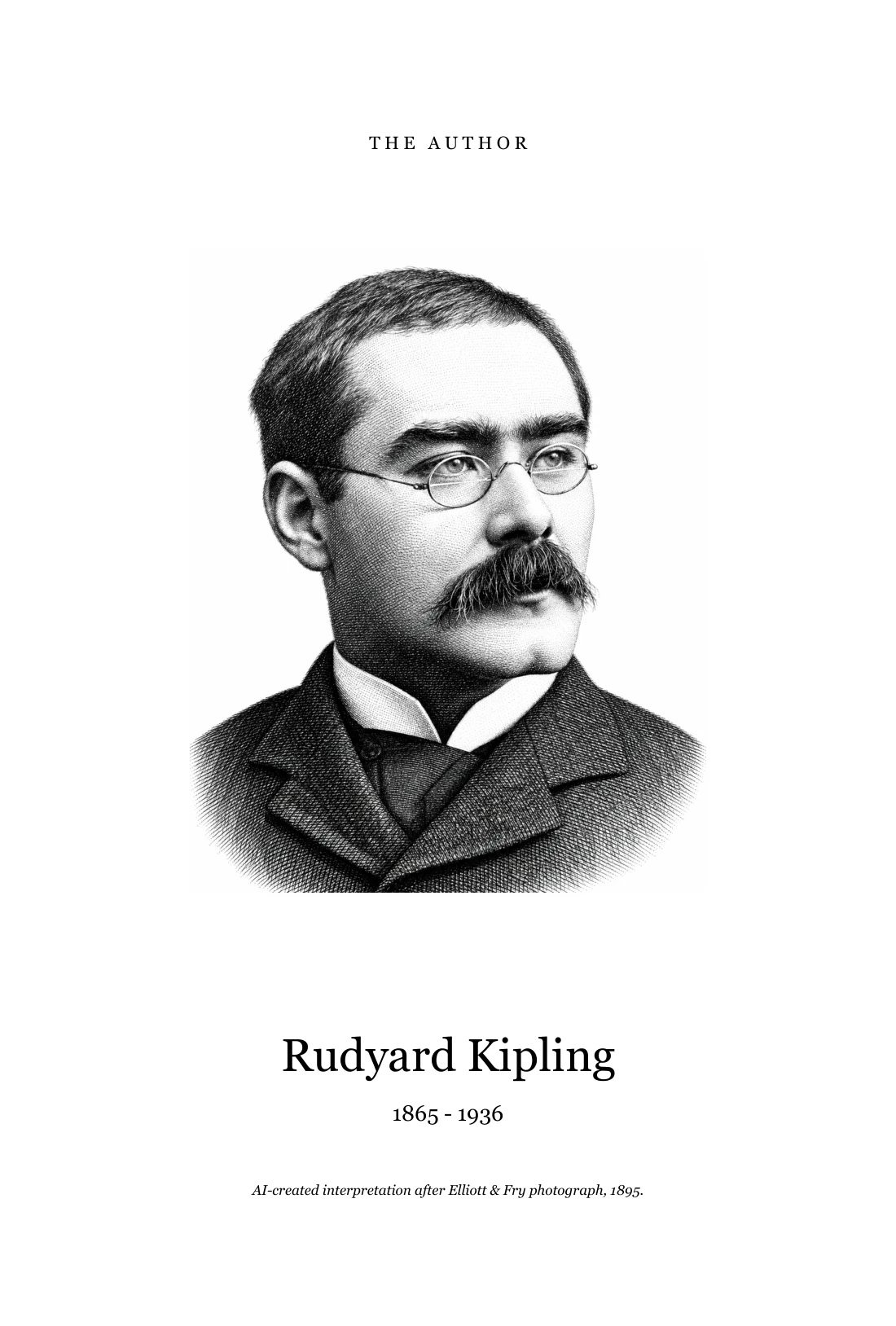
1901. An orphan boy in Lahore is recruited into British intelligence and carries messages across India in the rivalry with Russia. Kipling’s novel popularised the phrase “the Great Game”, and its view of empire is very much of its time.
The Riddle of the Sands
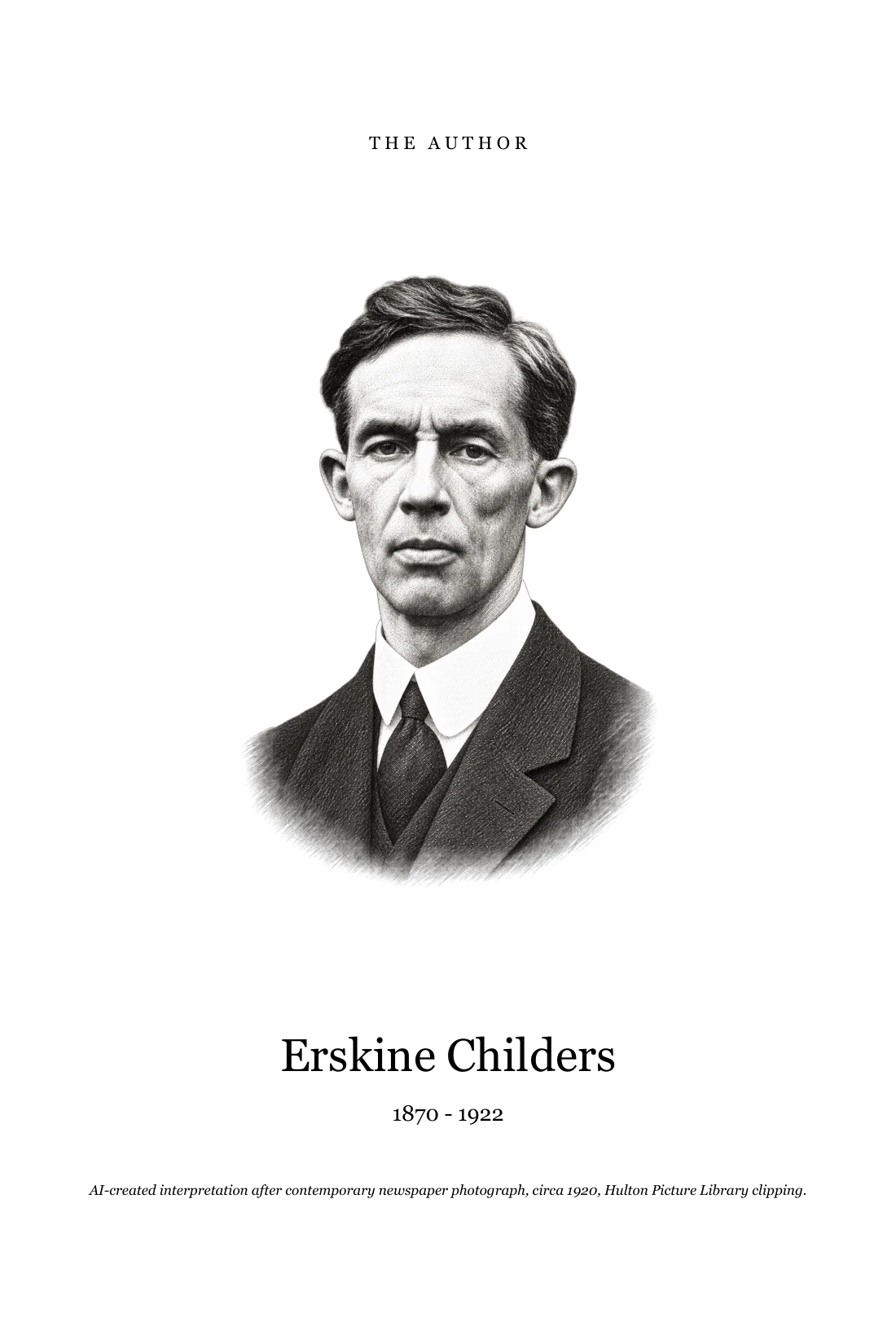
1903. Two young Englishmen sail a small yacht among the sandbanks of the German Frisian coast and stumble on preparations that threaten Britain itself. Slow, salty and utterly convincing. Ken Follett has called it “the first modern thriller”, and it influenced Buchan.
The Czar's Spy
1905. An Englishman standing in at the British consulate in Leghorn is drawn into the mystery of an English steam yacht run aground off the Italian coast. William Le Queux at his most breathless.


Le Queux mattered more than his prose. His invasion fantasy The Invasion of 1910 was serialised in the Daily Mail from March 1906, publicised with men dressed as German soldiers parading down Regent Street, and became a bestseller. Childers’s quieter book had a more serious effect, which we describe in Did you know The Riddle of the Sands warned Britain about a German invasion?
Conrad’s secret agents
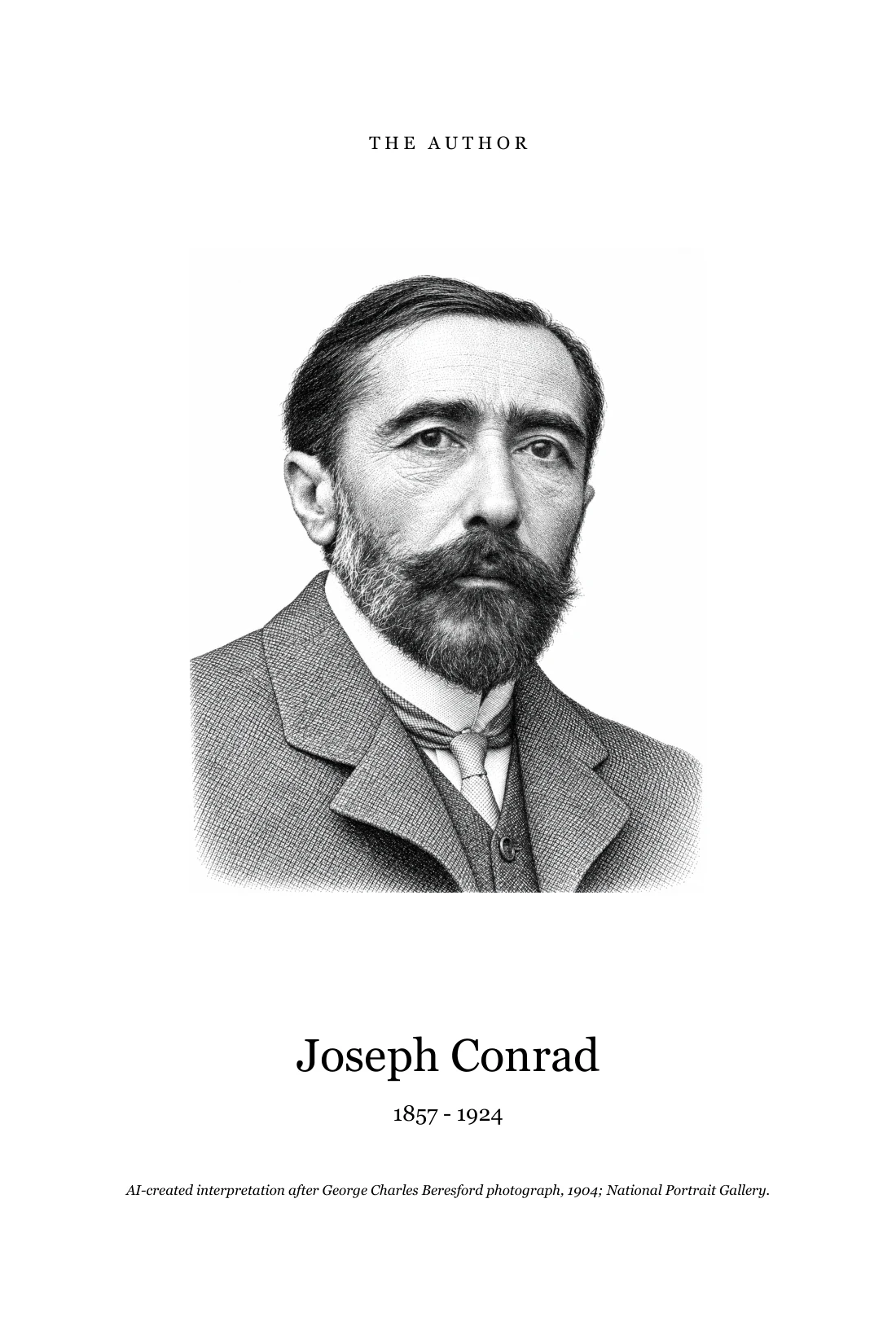
Joseph Conrad wrote the two darkest spy novels of the period, and neither has a hero. His spies are lazy, frightened, compromised and alone. The Secret Agent, a little surprisingly, is dedicated to his friend H. G. Wells.
The Secret Agent
1907. Verloc, a London shopkeeper paid by a foreign embassy to report on anarchists, is ordered to provoke an outrage. The spy as a seedy small businessman, and an ancestor of every disillusioned spy novel since.
Under Western Eyes
1911. A Russian student informs on a fellow student to the police and is then sent among the revolutionary exiles in Geneva, where everyone believes he is one of them. A study of guilt disguised as a political thriller.


Both novels also appear, for their politics rather than their spycraft, in Classic political novels: radicals, anarchists and reformers.
John Buchan and the shocker
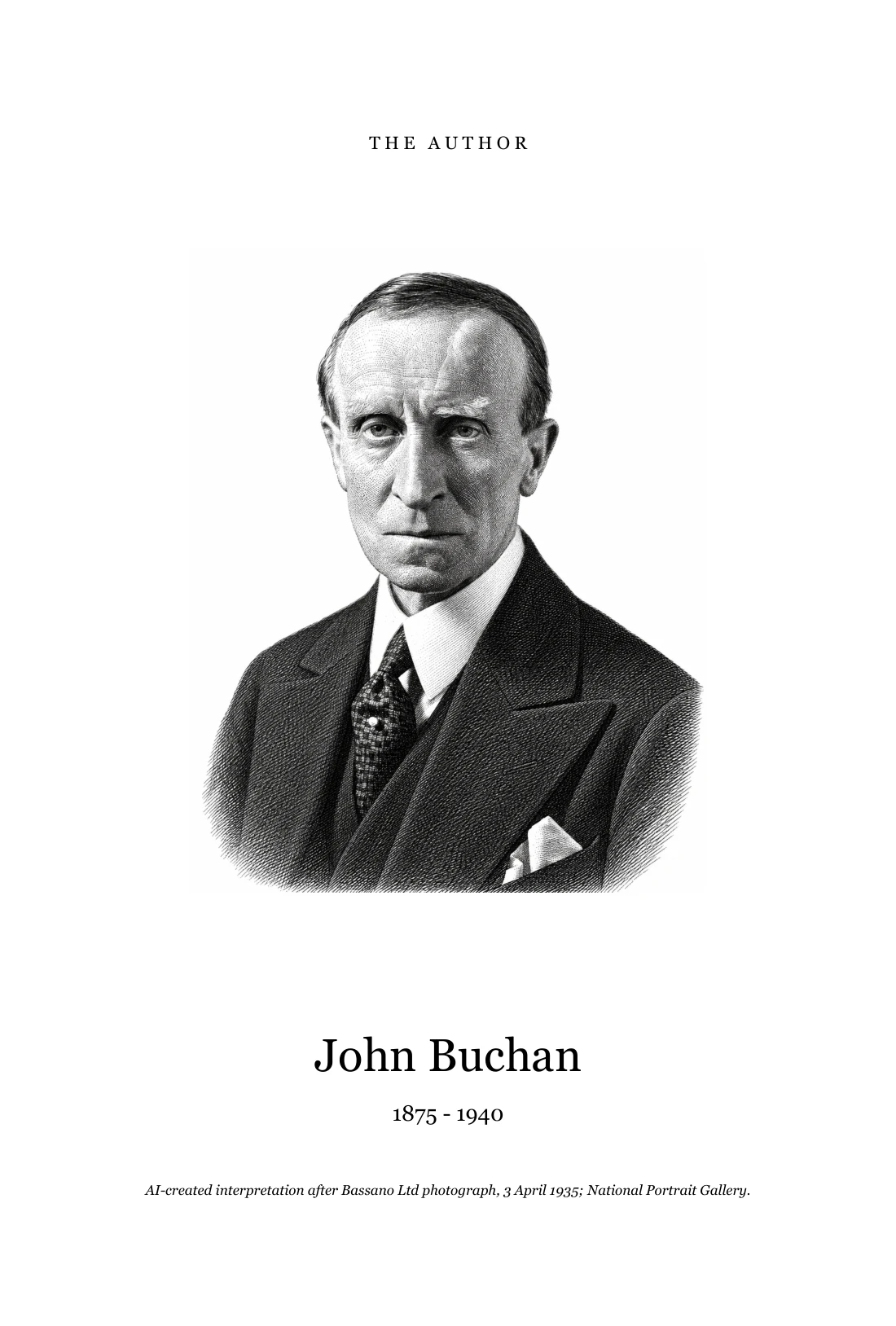
John Buchan dedicated The Thirty-Nine Steps to his friend Thomas Arthur Nelson with a definition of the kind of story he loved: the “shocker”, “the romance where the incidents defy the probabilities, and march just inside the borders of the possible.” He wrote it, he explained, during an illness, when he had run out of such books to read.
The Power-House
Serialised in Blackwood’s Magazine in 1913, published as a book in 1916. A young barrister, Edward Leithen, uncovers a conspiracy to bring down civilisation from inside a respectable London house. Short and genuinely creepy.
The Thirty-Nine Steps
1915. Richard Hannay finds a murdered American in his London flat and goes on the run across Scotland, pursued by the police and by a German spy ring. The chase thriller in its purest form.
Huntingtower
1922. Dickson McCunn, a newly retired Glasgow grocer on a walking holiday, joins a poet and a gang of Glasgow street boys to rescue a Russian princess from Bolshevik agents. The first of three McCunn books, and Buchan’s funniest and warmest thriller.


The Power-House contains the line that sums up the menace of the whole genre, spoken to Leithen by his host after dinner:
You think that a wall as solid as the earth separates civilisation from barbarism. I tell you the division is a thread, a sheet of glass.
John Buchan, The Power-House (1916)
The rest of Hannay’s adventures are listed in The Richard Hannay books in order, and Buchan’s own remarkable career in Did you know the author of The Thirty-Nine Steps became Governor General of Canada?

Which classic spy novel should you read first?
For pace, nothing beats The Thirty-Nine Steps: it is about a hundred pages long and never stops moving. For atmosphere and a real sense of danger, read The Riddle of the Sands. For the spy novel as literature, read The Secret Agent and Under Western Eyes, and you will see where le Carré’s grey world began.
Set sail first, though, into the fog among the sandbanks with Carruthers and Davies in The Riddle of the Sands.
Questions readers ask
What was the first spy novel?
There is no single agreed answer. James Fenimore Cooper’s The Spy (1821) is a much earlier example of the form, while Kipling’s Kim (1901) and Erskine Childers’s The Riddle of the Sands (1903) are both often named as early landmarks, and the novelist Ken Follett has called The Riddle of the Sands “the first modern thriller”.
What are the best classic spy novels?
Strong choices include The Riddle of the Sands (1903), Joseph Conrad’s The Secret Agent (1907) and Under Western Eyes (1911), and John Buchan’s The Thirty-Nine Steps (1915).
When was the first James Bond book published?
Casino Royale, Ian Fleming’s first James Bond novel, was published in 1953, half a century after The Riddle of the Sands.