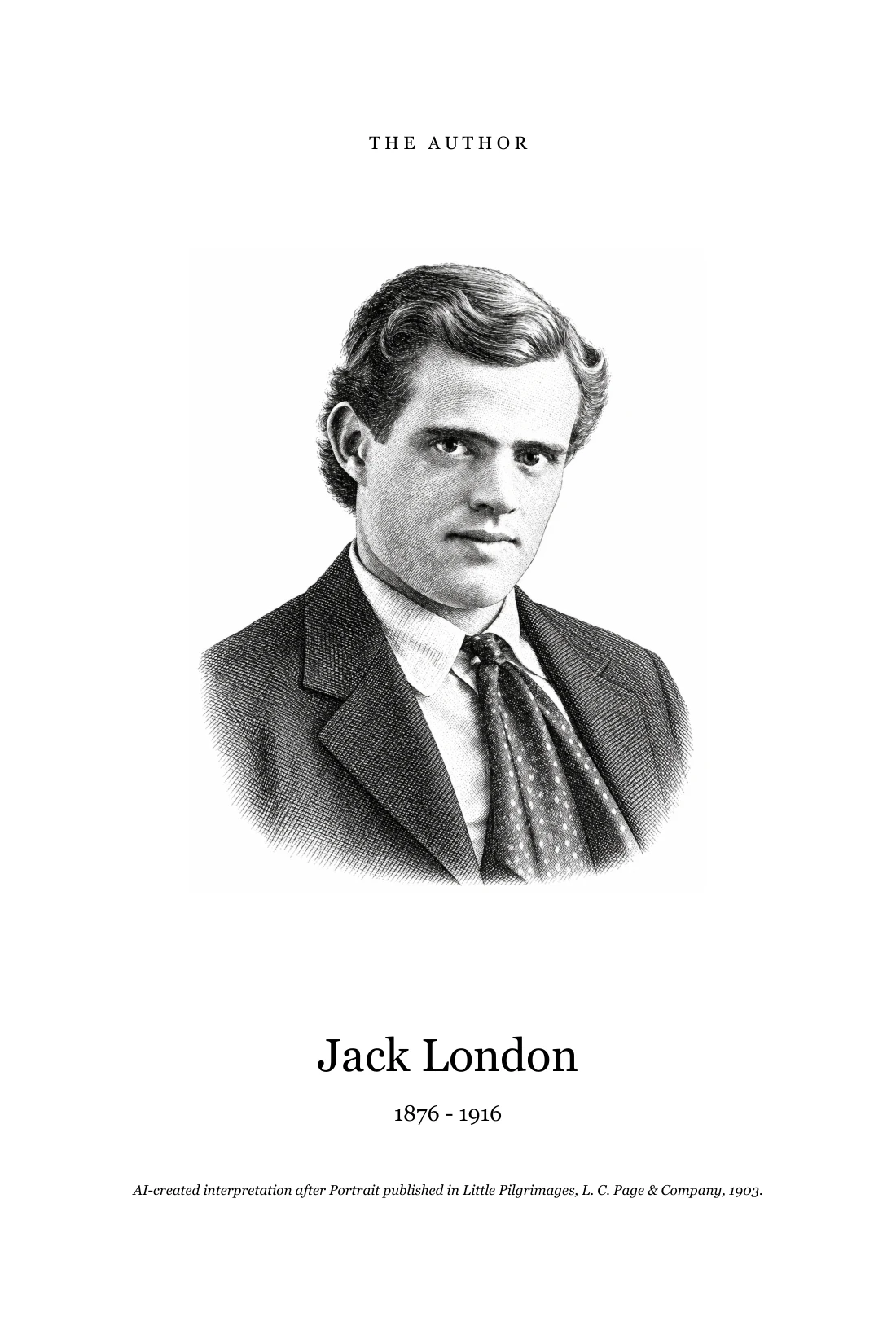
Jack London is filed under the frozen North, and yet he spent barely a year there. He was born in San Francisco in 1876, grew up across the bay in Oakland, worked its waterfront and its canneries, and in 1905 bought a ranch at Glen Ellen in Sonoma County, where his ashes are buried. California is where he lived, and it is where much of his fiction is set.
The Klondike books came first, and we cover them in Did you know Jack London went to the Klondike? This is the other half of the shelf. The Jack London California novels range from a gold-rush millionaire’s war on San Francisco’s financiers to a working-class couple looking for land, a professor serving life in San Quentin and a mountain boy turned prizefighter. Read The Valley of the Moon if you want his love letter to the place, and The Star Rover if you want his strangest book.
Which Jack London novels are set in California?
Five stand out, each tied to a particular corner of the state.
- The Oakland waterfront and its working streets: Martin Eden (1909) and the first half of The Valley of the Moon (1913).
- San Francisco and its money: the second part of Burning Daylight (1910) and the prize rings of The Abysmal Brute (1913).
- San Quentin State Prison: the frame of The Star Rover (1915).
- The Sonoma Valley around Glen Ellen, where London farmed: the endings of both Burning Daylight and The Valley of the Moon.
- $18.99
Martin Eden
1909. An Oakland sailor with rough hands and no schooling falls for Ruth Morse, a cultivated girl from a comfortable family, and decides to become a writer. The California book closest to London’s own life, and the darkest.
- $16.99
Burning Daylight
1910. Elam Harnish takes eleven millions out of the Klondike, is fleeced by New York financiers, forces his money back out of them at gunpoint and goes home to San Francisco to play the game harder than they do. His biggest seller in his lifetime.
- $10.99
The Abysmal Brute
1913. A young giant raised in a mountain cabin, who reads poetry and avoids women, is brought down to San Francisco to box. A short, brisk satire on a crooked sport.
- $22.99
The Valley of the Moon
1913. Billy, a teamster, and Saxon, a laundry worker, marry in strike-torn Oakland, then take to the road in search of a farm of their own. Long, warm and full of the land.
- $16.99
The Jacket (The Star-Rover)
1915. A professor in solitary confinement at San Quentin escapes his strait-jacket by travelling through his past lives. Prison novel, protest and reincarnation fantasy at once.



Burning Daylight: from the Yukon to Sonoma Mountain
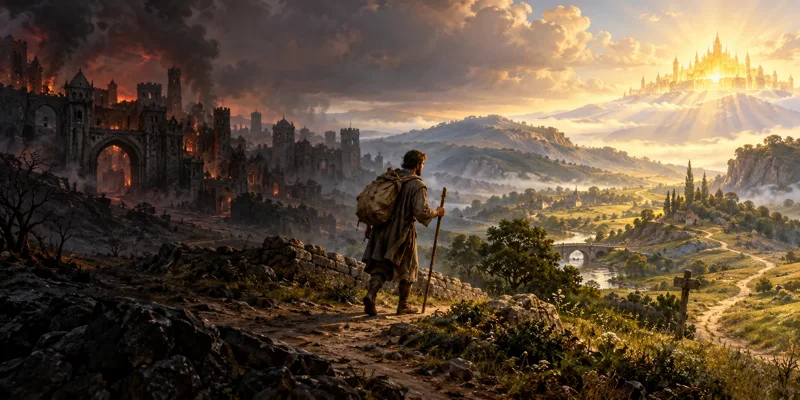
The hero earned his nickname in the North. Few men, London writes, knew Elam Harnish by any other name than Burning Daylight, given him “because of his habit of routing his comrades out of their blankets with the complaint that daylight was burning”. The novel opens with him in the Yukon, but most of it happens in San Francisco and around the bay, where he takes on the financiers, grows rich and hard, and falls for his stenographer, Dede Mason. London drew partly on the Oakland borax magnate Francis “Borax” Smith.
Then the book leaves the city for the country London knew best. Sent to look over a brickyard, Daylight rides out of Glen Ellen one Sunday morning on a hired horse.
The kilns were visible among the trees, when he glanced to the left and caught sight of a cluster of wooded knolls half a mile away, perched on the rolling slopes of Sonoma Mountain.
Jack London, Burning Daylight (1910)
Serialised in the New York Herald and published by Macmillan in 1910, it was one of the best-selling books of the year and his biggest seller in his lifetime. It was also filmed several times in the silent era.
The Valley of the Moon: Oakland to Glen Ellen
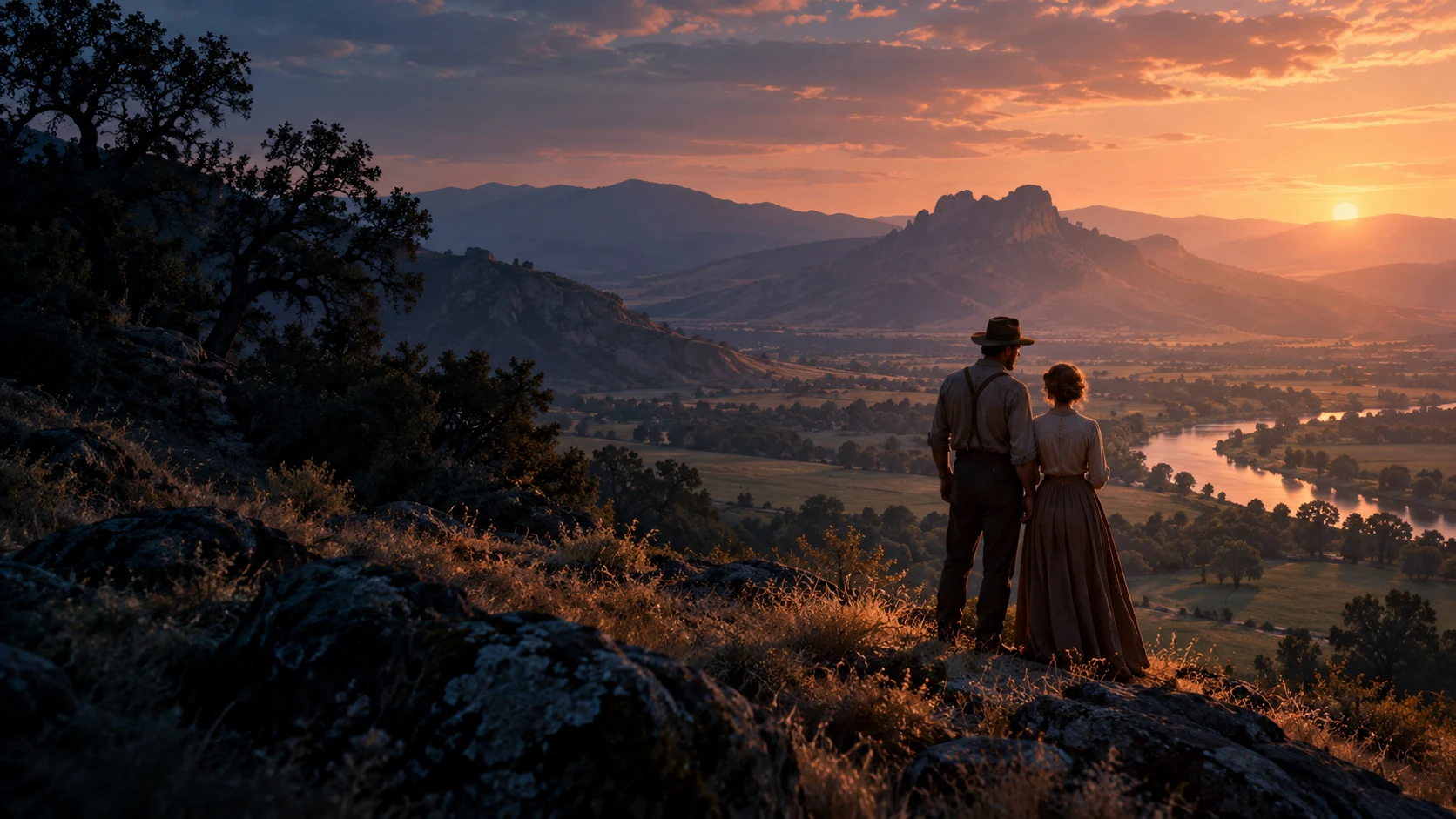
London’s longest California novel begins among the picnics and union dances of working-class Oakland. Saxon irons in a laundry; Billy drives a team for a living and has boxed for money. They marry, and then the strikes come, with violence, jail and grief. Saxon decides they must leave the city and find land, and the second half of the book is a long, curious journey through rural California, from Portuguese farmers to the artists’ colony at Carmel, where they meet a writer named Jack Hastings who is generally taken to be London himself.
Their search ends in the valley he farmed. A woman they meet there explains its name.
This is the Valley of the Moon. This is Sonoma Valley. Sonoma is an Indian word, and means the Valley of the Moon.
Jack London, The Valley of the Moon (1913)
That etymology is disputed, but London used it with conviction, and the novel is full of his ideas about farming the land well rather than wearing it out.
The Star Rover: a novel from San Quentin
The Star Rover, called The Jacket in Britain, is narrated by Darrell Standing, a former professor of agronomy serving life for murder. Guards punish him with “the jacket”, a canvas strait-jacket laced tight enough to crush, and he survives it by sending his mind out of his body into other lives.
Solitary confinement, they call it. Men who endure it, call it living death. But through these five years of death-in-life I managed to attain freedom such as few men have ever known.
Jack London, The Jacket (The Star-Rover) (1915)
The jacket was real. London based his account on interviews with Ed Morrell, a former San Quentin prisoner who had spent five of his fourteen years in California prisons in solitary, and he gave Morrell’s name to a character in the book. It is London’s most experimental novel, and his angriest about prisons.
Where should you start?
If you liked Martin Eden, go next to The Valley of the Moon, its sunnier counterpart about working people who refuse to be ground down. If you came from the Klondike stories, Burning Daylight is the bridge, since it begins in the snow and ends on a ranch. And if you want something nobody else at the table has read, take The Star Rover. London’s politics come out in full in The Iron Heel, one of the dystopian novels written before Nineteen Eighty-Four, and his undercover months in London’s East End are the subject of Did you know Jack London went undercover in the East End?
But the best way in is the road to Glen Ellen. Open The Valley of the Moon, follow Saxon and Billy out of Oakland, and see whether you can guess where they will end up before they do.
Questions readers ask
Which Jack London novels are set in California?
Martin Eden (1909), Burning Daylight (1910, after its Yukon opening), The Valley of the Moon (1913), The Abysmal Brute (1913) and The Star Rover (1915) are his main California novels.
Where is The Valley of the Moon set?
It begins in Oakland and ends in the Sonoma Valley near Glen Ellen, where Jack London had his ranch. In between, Billy and Saxon travel through much of rural California.
Is The Star Rover the same book as The Jacket?
Yes. Jack London’s 1915 novel was published as The Star Rover in the United States and as The Jacket in the United Kingdom.
Did Sinclair Lewis write plots for Jack London?
Yes. Around 1910 the young Sinclair Lewis sold London story ideas, 27 of them for $137.50 in all. London used about five, including the plot that became The Abysmal Brute.
 The Call of the Wild110 pages · $11.99
 White Fang170 pages · $13.99
 The Sea-Wolf290 pages · $16.99
 The Iron Heel242 pages · $15.99