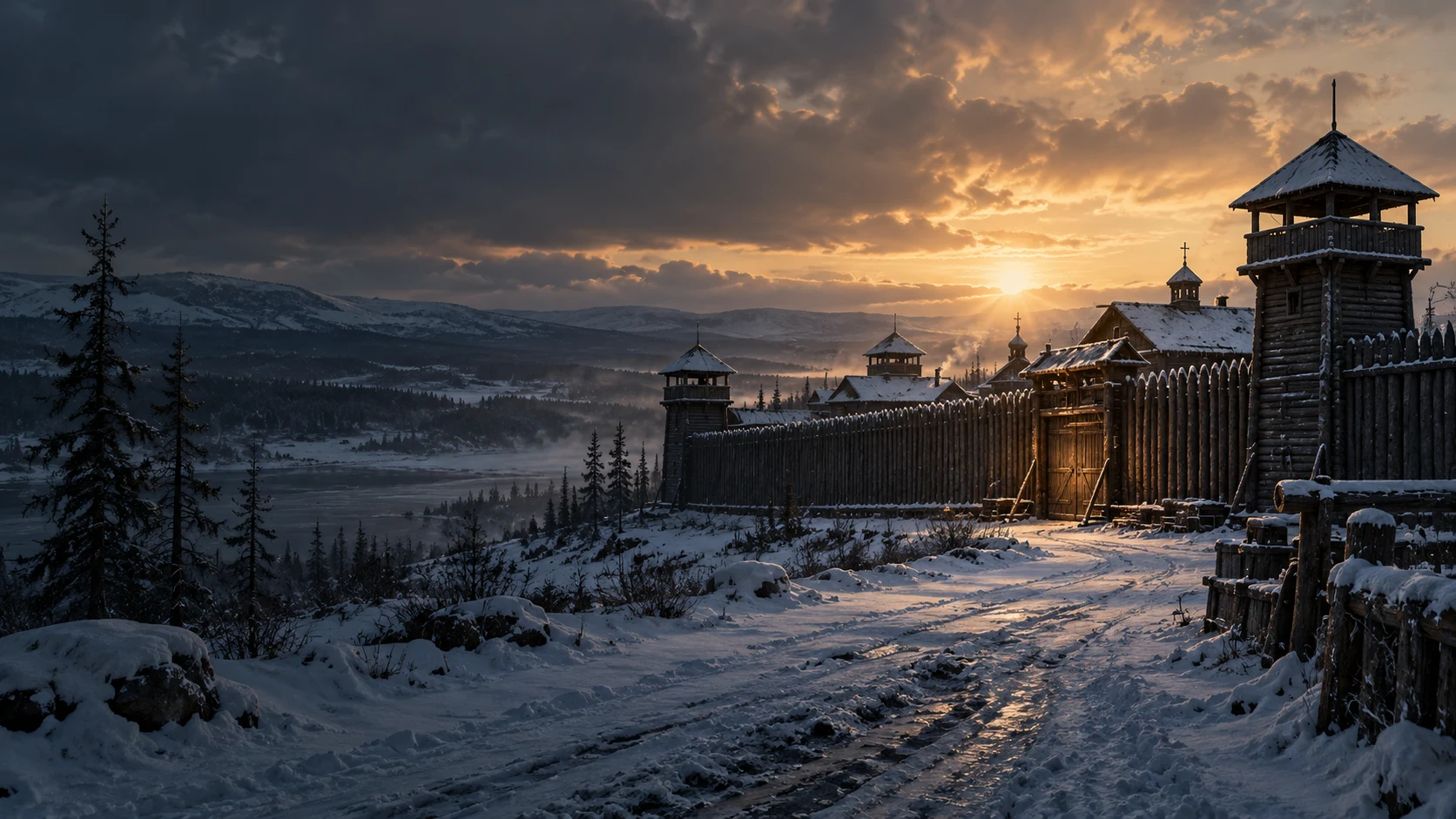
A nineteenth-century Siberian prison stockade seen from a snowy road, no people or violence
PIPCUB CINEMATIC EDITIONS / PAPERBACK BOOKS

The house of the dead : or, Prison life in Siberia

Fyodor Dostoyevsky

In a Siberian prison, daily routines expose cruelty, endurance, vanity, generosity, and unexpected fellowship.

$16.99

Printed for you. Shipping calculated at checkout.

Checkout opening soon. Shipping & delivery Returns
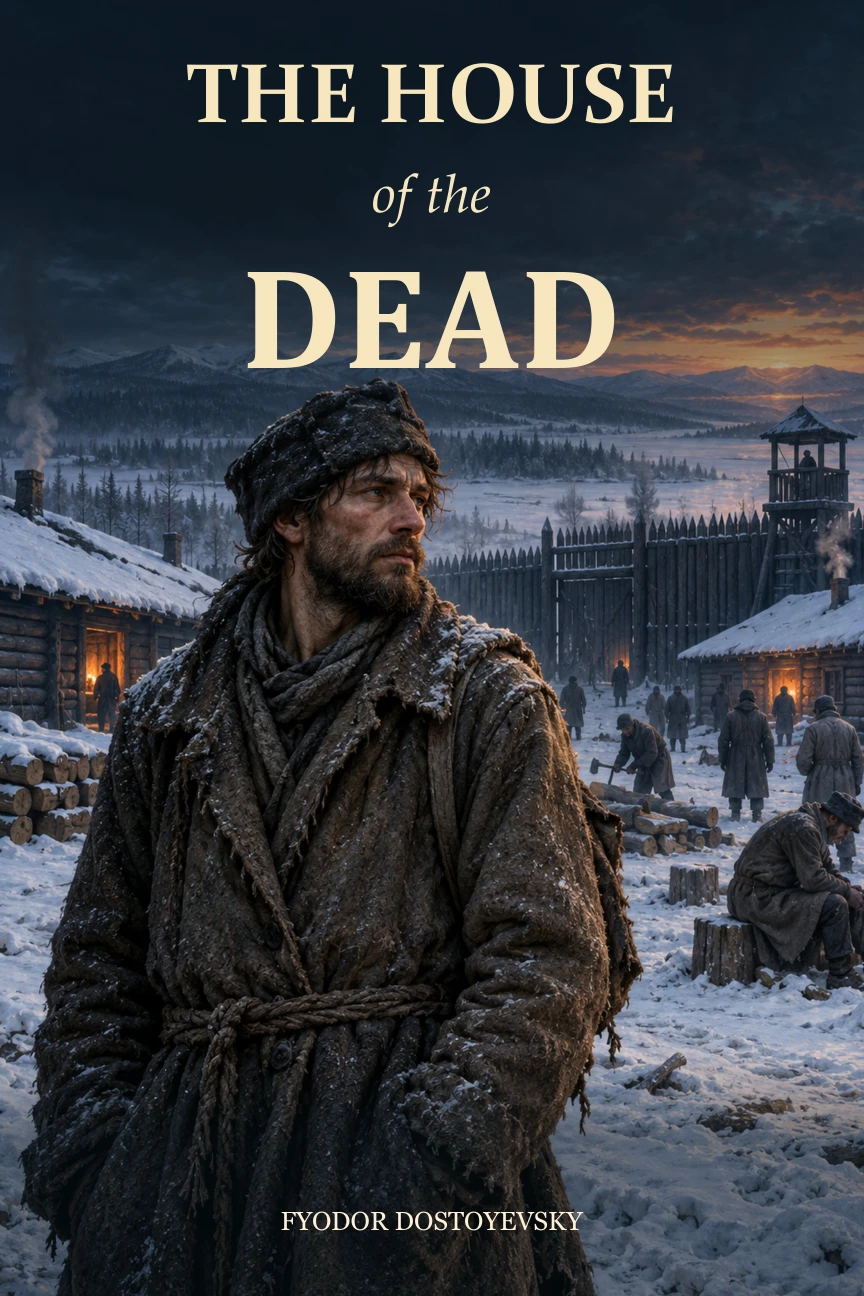
The house of the dead :  or, Prison life in Siberia — actual Pipcub paperback cover
SCROLL INTO THE STORYAN IMAGINED WORLD · ORIGINAL AI ART
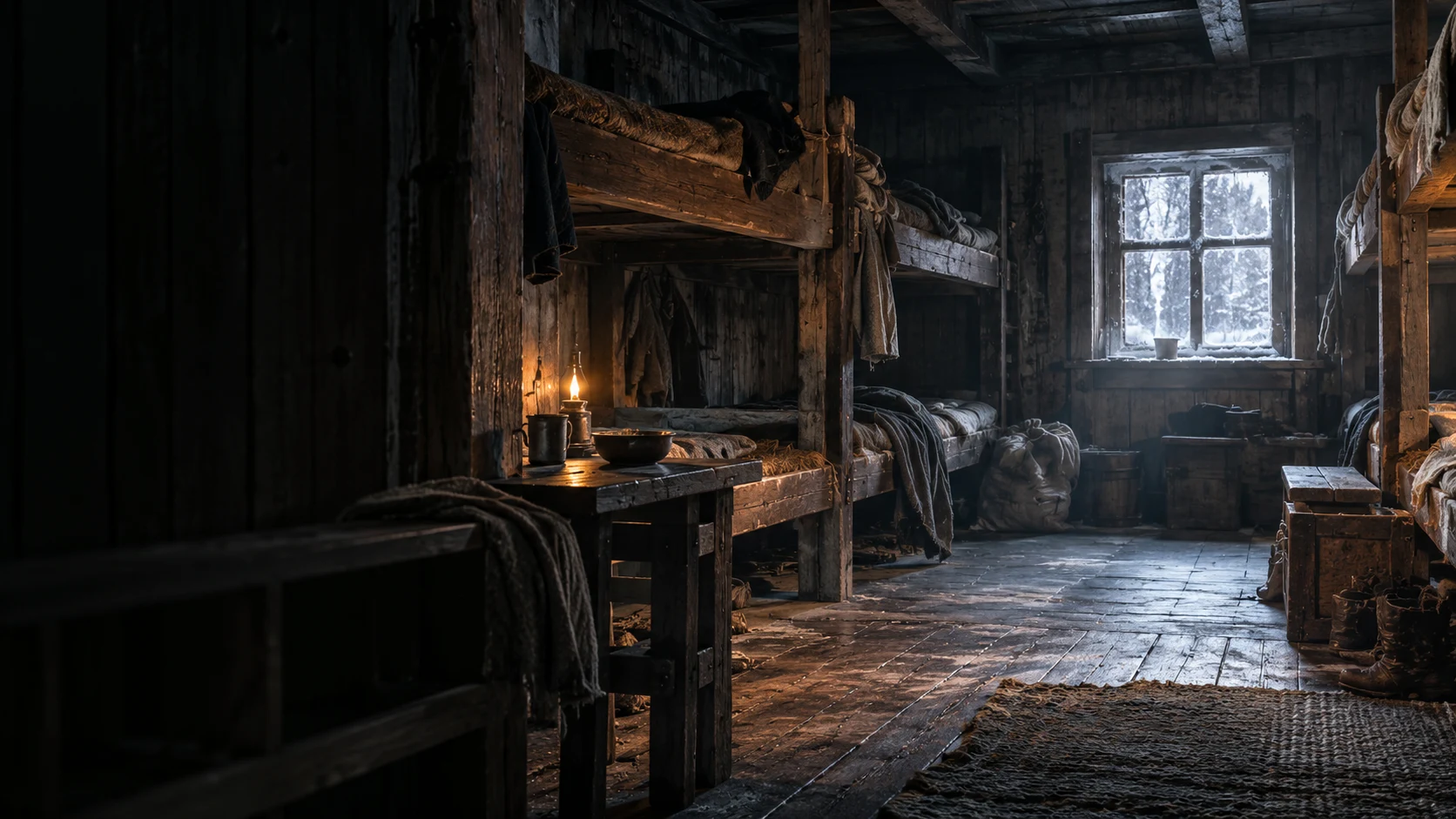
A plain nineteenth-century Siberian barracks room with timber bunks and a small frosted window

THE STORY

Human lives behind the stockade.

In a Siberian prison, daily routines expose cruelty, endurance, vanity, generosity, and unexpected fellowship.
A wide Siberian landscape beyond a wooden fence beneath a cold clear sunrise

THE WORLD OF THE BOOK

Beyond the stockade.

Drawing on his own imprisonment, Dostoyevsky observes the men whom society has reduced to sentences and numbers. This account looks beyond punishment to the stubborn complexity of human beings.
The house of the dead :  or, Prison life in Siberia front cover
Read the interior preview

LOOK INSIDE

Open a book.
Enter a world.

Preview six pages from this edition. Select a page to enlarge it, or use the arrows to keep reading.

Spread 1 of 3
The house of the dead : or, Prison life in Siberia · PDF page 4
Actual interior PDF page 4 of The house of the dead :  or, Prison life in Siberia
Read accessible text

2 PART I. CHAPTER I. TEN YEARS A CONVICT In the midst of the steppes, of the mountains, of the impenetrable forests of the desert regions of Siberia, one meets from time to time with little towns of a thousand or two inhabitants, built entirely of wood, very ugly, with two churches—one in the centre of the town, the other in the cemetery—in a word, towns which bear much more resemblance to a good-sized village in the suburbs of Moscow than to a town properly so called. In most cases they are abundantly provided with police-master, assessors, and other inferior officials. If it is cold in Siberia, the great advantages of the Government service compensate for it. The inhabitants are simple people, without liberal ideas. Their manners are antique, solid, and unchanged by time. The officials who form, and with reason, the nobility in Siberia, either belong to the country, deeply-rooted Siberians, or they have arrived there from Russia. The latter come straight from the capitals, tempted by the high pay, the extra allowance for travelling expenses, and by hopes not less seductive for the future. Those who know how to resolve the problem of life remain almost always in Siberia; the abundant and richly-flavoured fruit which they gather there recompenses them amply for what they lose. As for the others, light-minded persons who are unable to deal with the problem, they are soon bored in Siberia, and ask themselves with regret why they committed the folly of coming. They impatiently kill the three years which they are obliged by rule to remain, and as soon as their time is up, they beg to be sent back, and return to their original quarters, running down Siberia, and ridiculing it. They are wrong, for it is a happy country, not only as regards the Government service, but also from many other points of view. The climate is excellent, the merchants are rich and hospitable, the Europeans in easy circumstances are numerous; as for the young girls, they are like roses and their morality is irreproachable. Game is to be found in the streets, and throws itself upon the sportsman’s gun. People drink champagne in prodigious quantities. The caviare

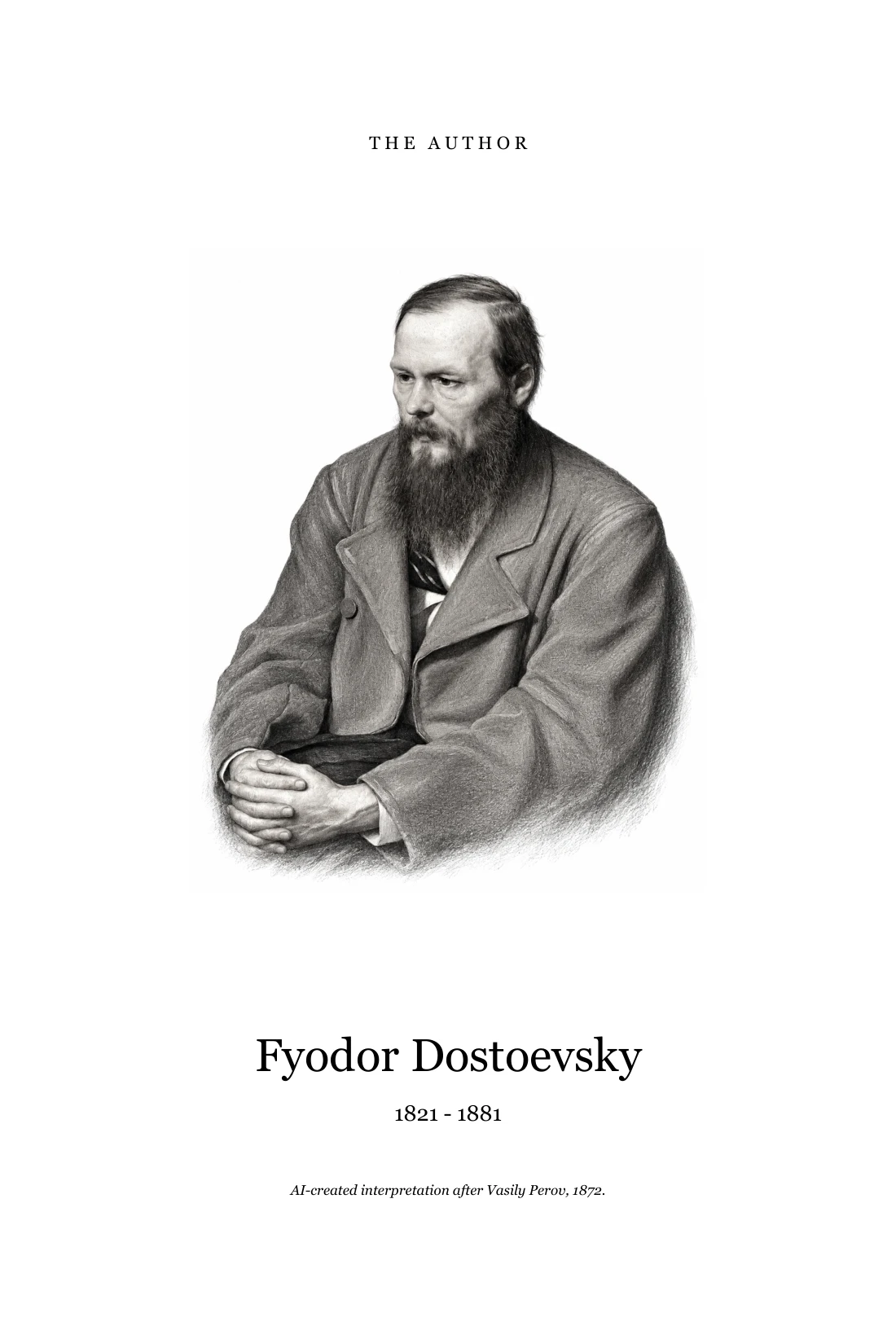
Fyodor Dostoyevsky portrait page from this edition

ABOUT THE AUTHOR

Fyodor Dostoyevsky

Fyodor Dostoevsky was a Russian novelist, short-story writer and journalist. His fiction places questions of conscience, faith and freedom within the pressures of ordinary life. Characters argue, confess, deceive themselves and search for ways to live with one another.

More about the author ↗

Discover the author behind the story. This portrait and biography are included in your edition.

FREE TO READ

Take it with you.

The house of the dead : or, Prison life in Siberia is in the public domain, so its words belong to everyone. Download our edition free. No account needed.

Read it in your browser ↗
Add it to your reading app
iPhone & iPad
Tap download, then open the file from Safari’s downloads, tap Share and choose Books. It stays in your Apple Books library.
Android
Tap download, open the file and choose Google Play Books. Or, in Play Books, go to Library, tap ⋮ and choose Upload files.
Kindle
Send the file to your Kindle library with Amazon’s Send to Kindle.
Kobo, Moon+ Reader and other apps
Open the downloaded file with the app, or use the app’s import option.

KEEP BROWSING

More from the library.

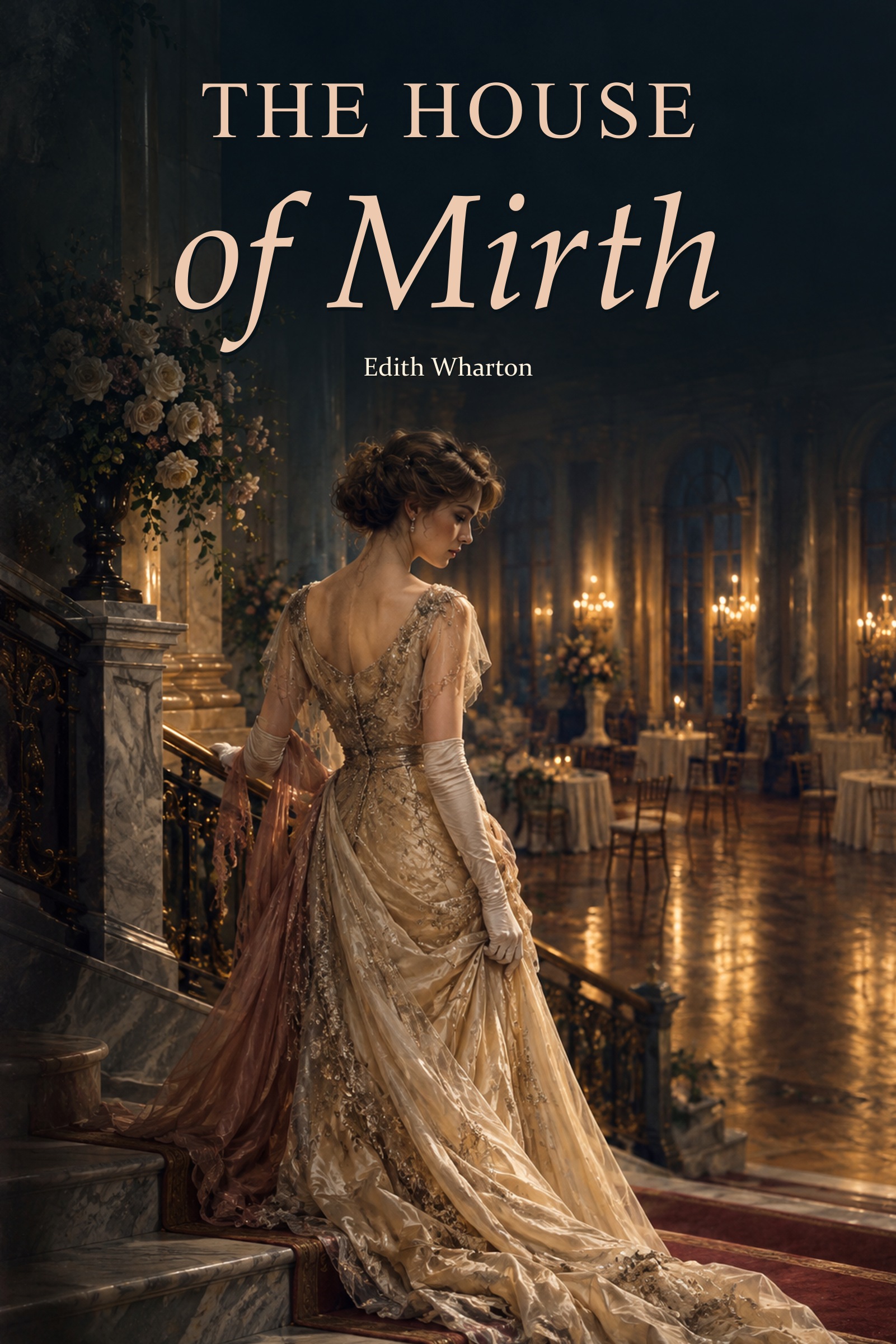
The House of Mirth cover

The House of Mirth

Edith Wharton

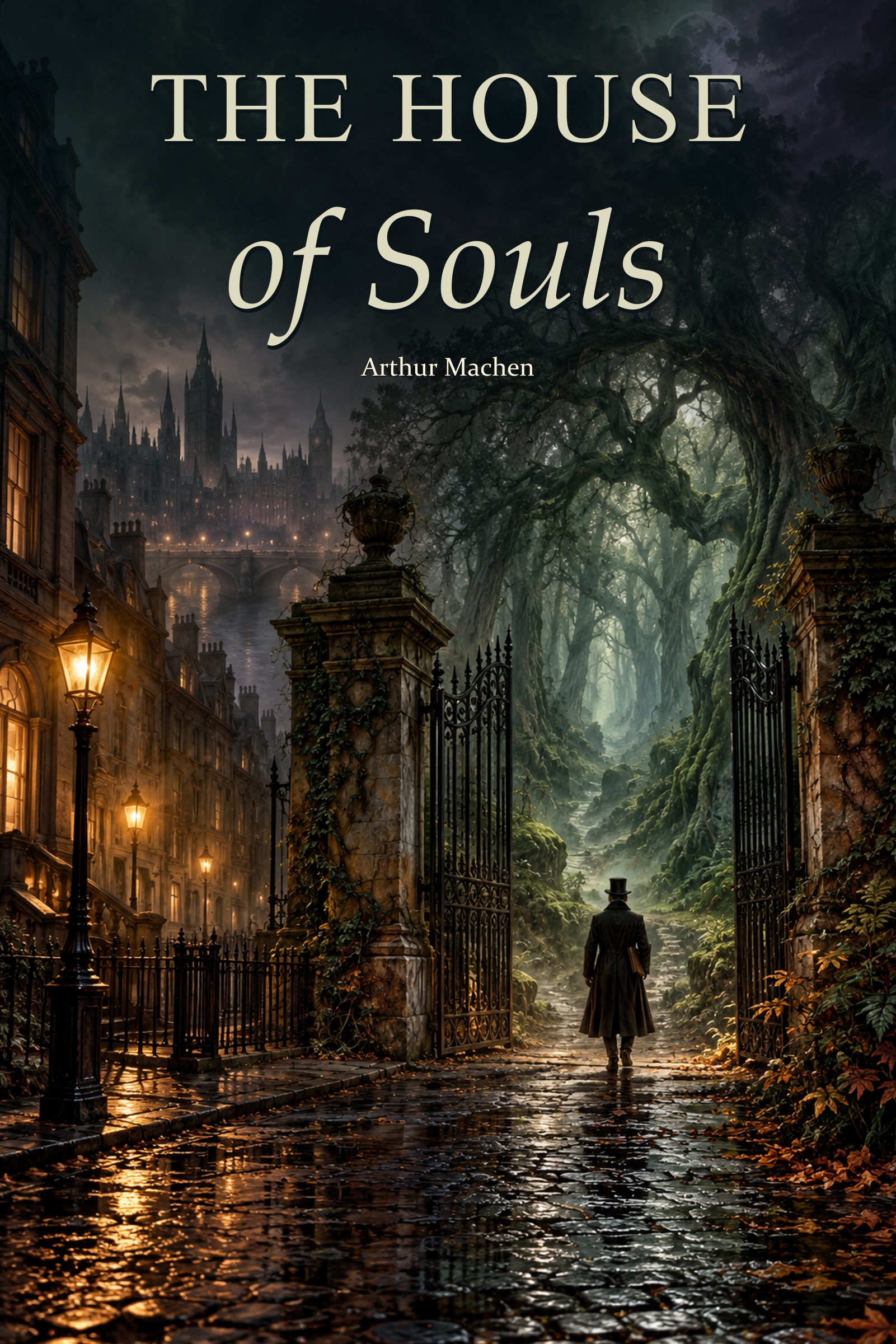
The House of Souls cover

The House of Souls

Arthur Machen

The House of the Arrow cover

The House of the Arrow

A. E. W. Mason

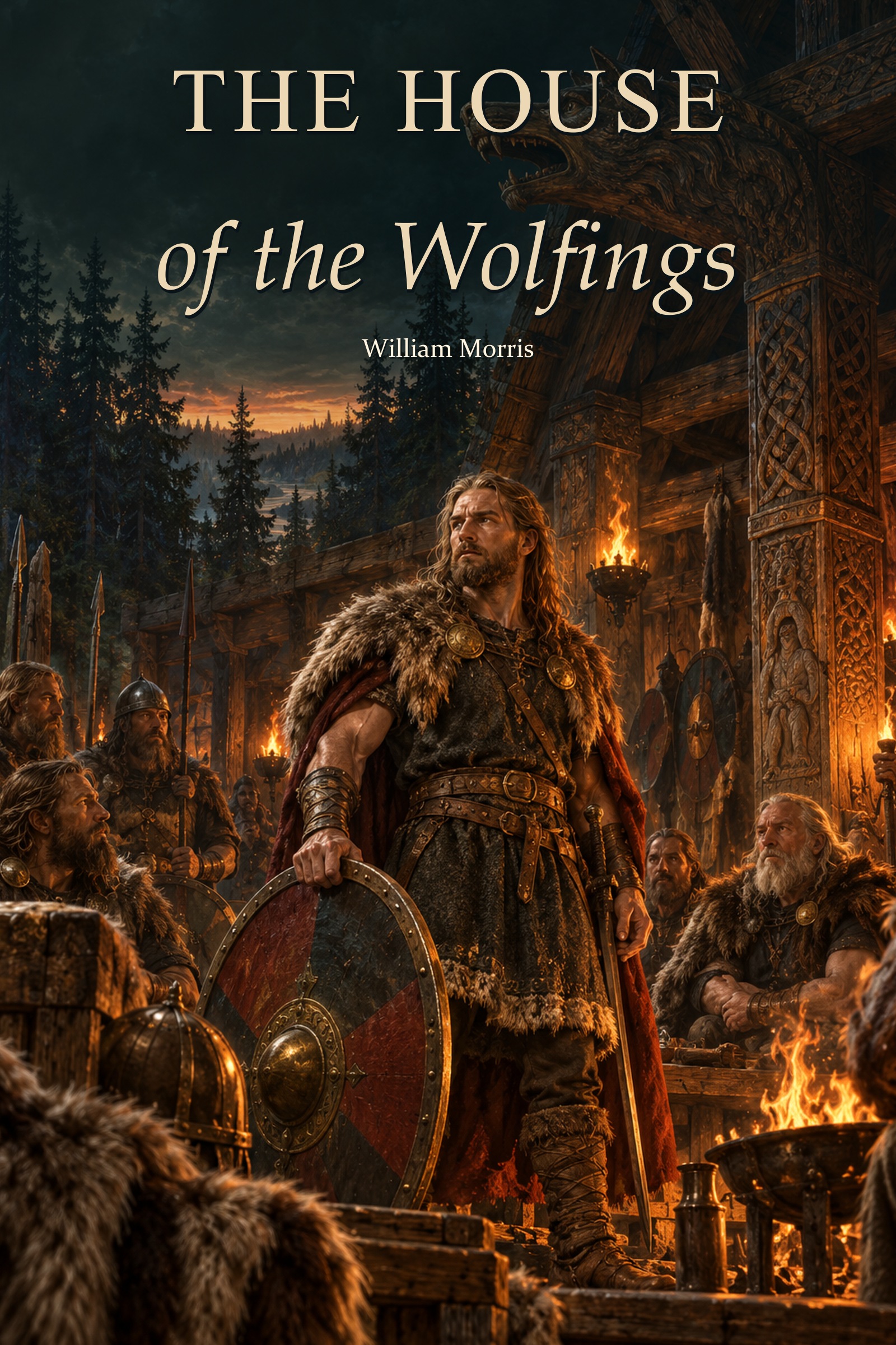
The House of the Wolfings cover

The House of the Wolfings

William Morris

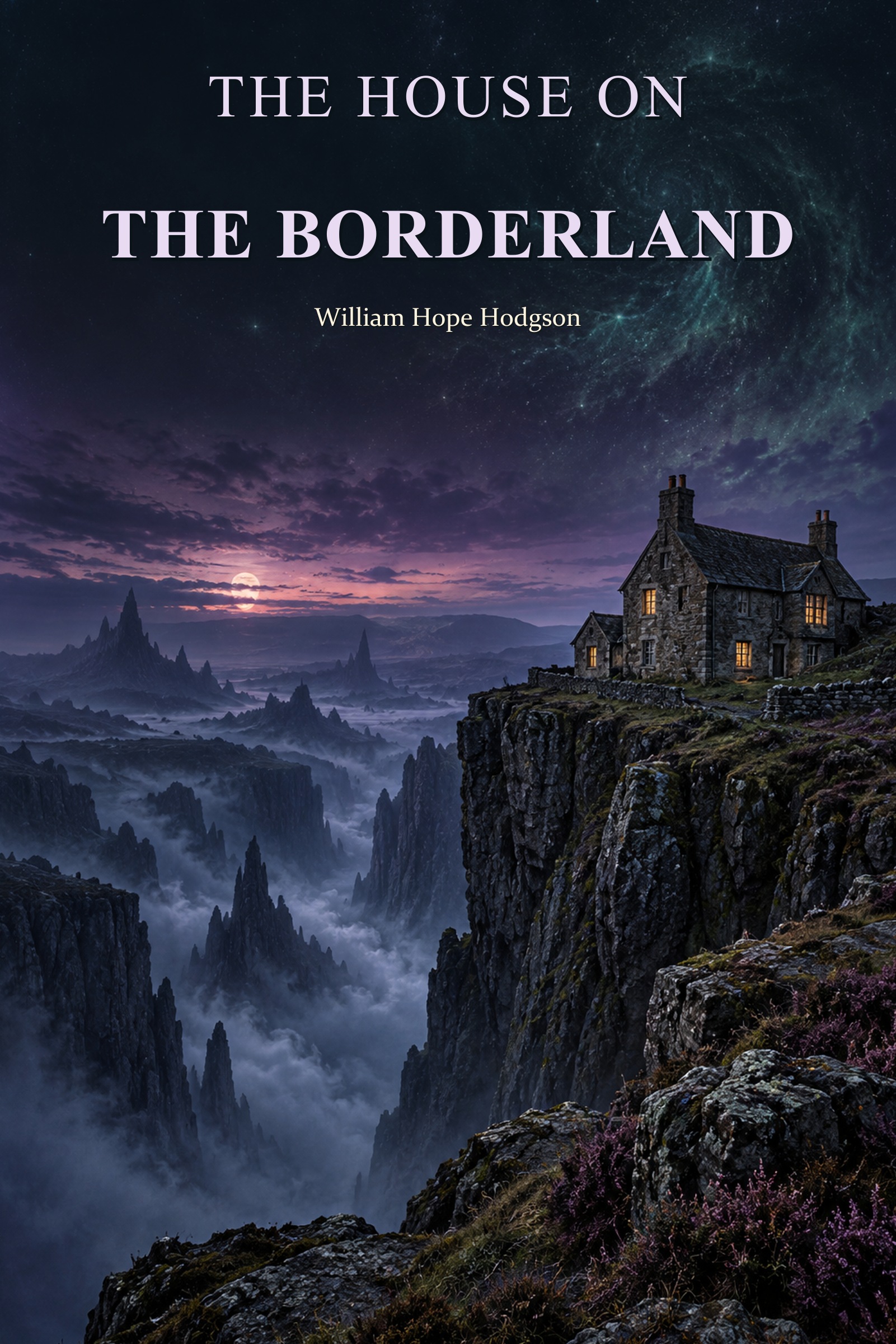
The House on the Borderland cover

The House on the Borderland

William Hope Hodgson

The House on the Cliff cover

The House on the Cliff

Franklin W. Dixon

Browse the complete library ↗
YOUR NEXT CHAPTER

Your book bag 0

A little escape. A story to keep.

Loading your book bag…