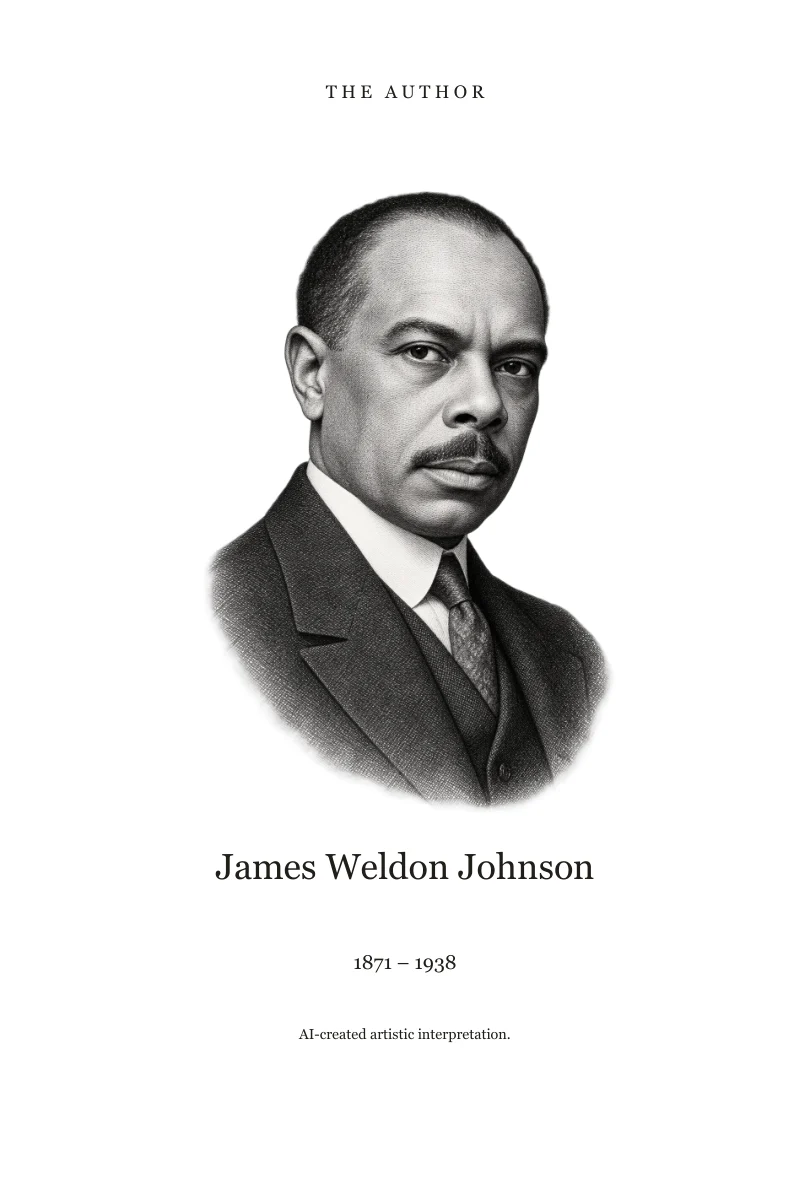
In 1912 a small Boston firm published a novel dressed as a memoir, with no author’s name on it. Its narrator, a man of mixed race who has ended up living as a white man, begins by confessing that he is “divulging the great secret of my life”. Fifteen years later Alfred A. Knopf reissued The Autobiography of an Ex-Colored Man with its author named at last: James Weldon Johnson, by then a leader of the NAACP. Between those two editions, the Harlem Renaissance had happened.
The Harlem Renaissance was the flowering of African American literature, music, art and ideas centred on Harlem in New York from the end of the First World War into the 1930s. At the time it was usually called the New Negro Movement, after Alain Locke’s 1925 anthology The New Negro. The best Harlem Renaissance books to start with are Jean Toomer’s Cane, Jessie Redmon Fauset’s There Is Confusion, and Johnson’s novel, with W. E. B. Du Bois’s The Souls of Black Folk as the essential background.
When was the Harlem Renaissance?
There is no agreed start or finish. Many historians begin around the end of the First World War, when the Great Migration had brought hundreds of thousands of Black Southerners to Northern cities and Harlem became the largest destination of all. James Weldon Johnson called what followed a “flowering of Negro literature”, and its peak is often dated from 1924, when the magazine Opportunity held a party for Black writers attended by many white publishers, to the stock market crash of 1929.
Some writers at the time doubted that there was a single movement at all. The radical journalist Hubert Harrison, who had founded what he called the first New Negro organisation and newspaper in 1917, challenged the idea of a “renaissance” in 1927. Treat the dates and even the name as a convenient label for something larger and messier.
- 1903
W. E. B. Du Bois publishes The Souls of Black Folk
- 1912
The Autobiography of an Ex-Colored Man appears anonymously
- 1920
Du Bois’s Darkwater
- 1923
Boni & Liveright publish Jean Toomer’s Cane
- 1924
Jessie Redmon Fauset’s first novel, There Is Confusion
- 1925
Alain Locke edits The New Negro
- 1927
Knopf reissues Johnson’s novel under his own name
- 1929
The Wall Street Crash ends the boom years

The roots: Du Bois and The Souls of Black Folk
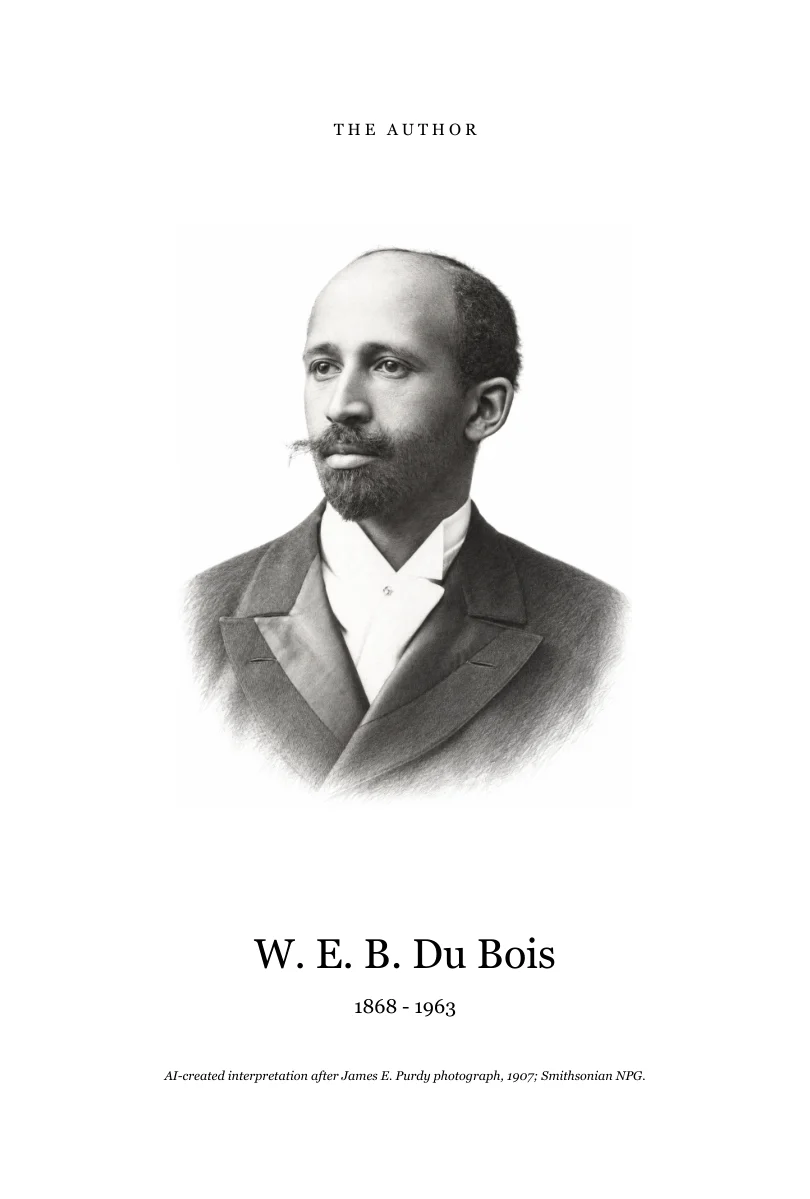
Almost every Harlem Renaissance writer had read Du Bois. The Souls of Black Folk (1903), a book of essays mixing history, sociology, autobiography and music, introduced the idea of “double consciousness” and made a famous prophecy, stated in its foreword and repeated in full at the start of its second chapter.
The problem of the twentieth century is the problem of the color-line,—the relation of the darker to the lighter races of men in Asia and Africa, in America and the islands of the sea.
W. E. B. Du Bois, The Souls of Black Folk
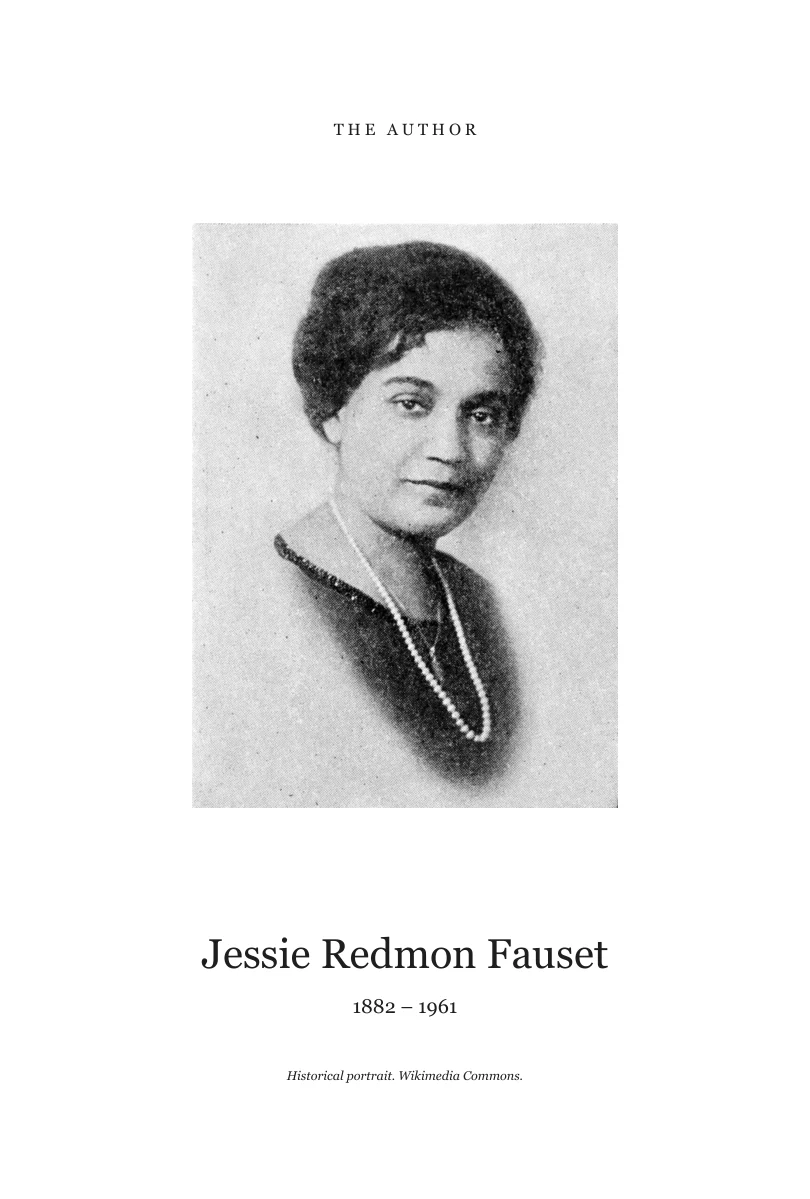
Du Bois also edited The Crisis, the NAACP’s magazine, where Jessie Redmon Fauset was literary editor from 1919. She was the first to publish Langston Hughes and helped the careers of Toomer, Countee Cullen, Claude McKay and Nella Larsen. Hughes later wrote that Fauset, Charles Johnson and Alain Locke had “midwifed” the new literature into being.
Harlem Renaissance books to read first
Cane
1923. Poems, sketches and stories, moving from rural Georgia to Washington and Chicago and back. Unlike anything before it, and a book many younger writers of the decade looked to.
The Autobiography of an Ex-Colored Man
1912, reissued 1927. A musician who could pass for white tells how he came to do it, and what it cost. Ragtime, Europe and the American South in one quiet, devastating confession.
There Is Confusion
1924. Joanna Mitchell, a gifted singer and dancer, sets her heart on the New York stage. Fauset’s novel of the educated Black middle class, a world few white readers then knew.
The Souls of Black Folk
1903. Fourteen essays, each headed by a few bars of a spiritual. The book behind the movement, still startlingly direct.
Darkwater
1920. Du Bois angrier and more experimental: essays mixed with poems and parables, published just after the First World War.


Why Cane matters
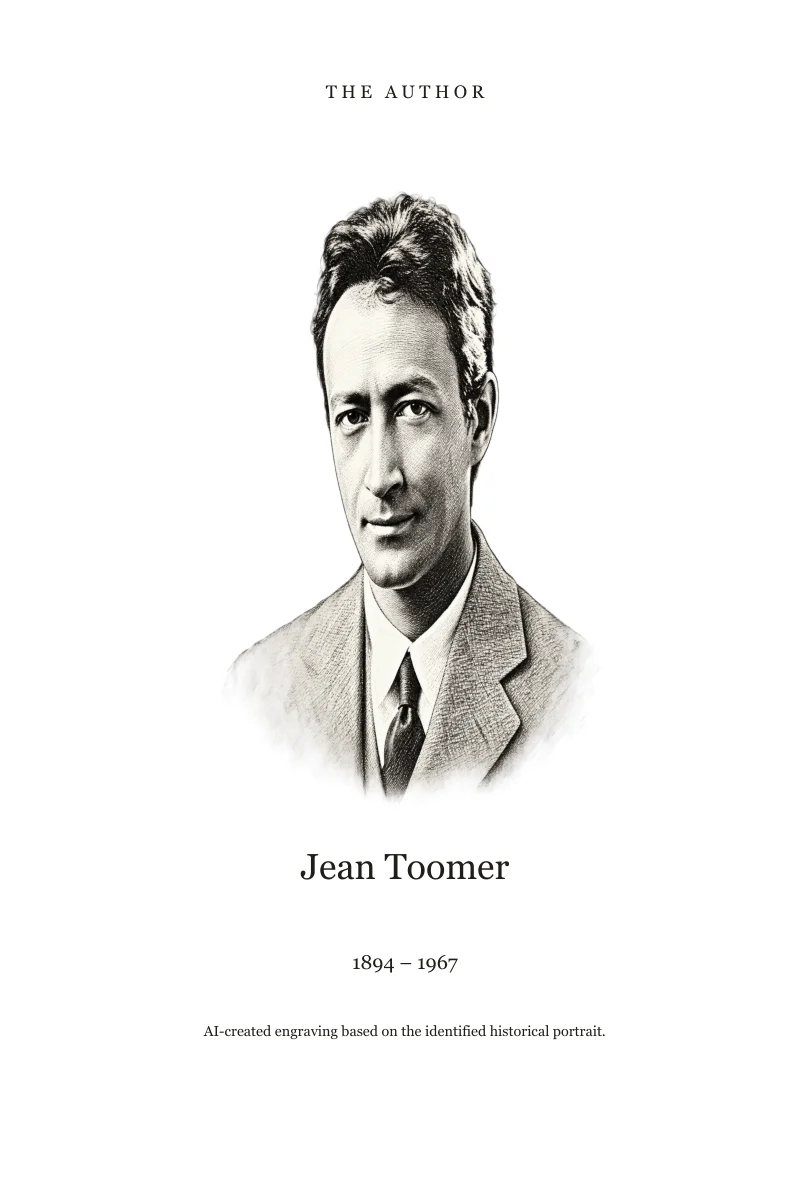
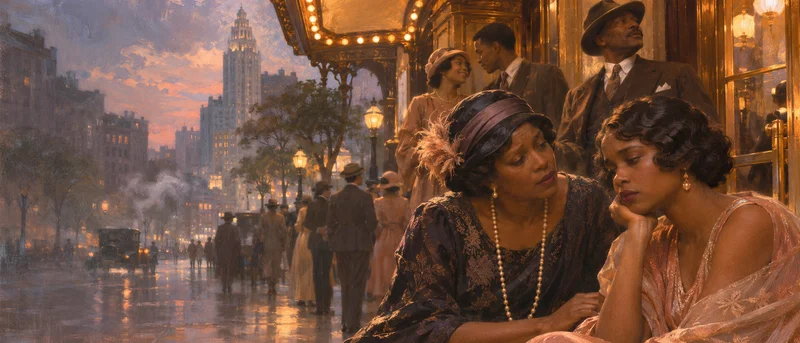
Cane is the strangest and most influential book on this list. Toomer began its Georgia sketches in November 1921 on a train from Georgia to Washington, and his friend Waldo Frank encouraged him to gather them with other pieces into one book. Its first section opens with a song-like refrain about a girl named Karintha: “Her skin is like dusk on the eastern horizon, / O cant you see it, O cant you see it”. Read our post on Cane, the book that opened the Harlem Renaissance for more.
Where to go next
From these books, the road leads to Langston Hughes, Claude McKay, Nella Larsen and Zora Neale Hurston. For the generation just before, read Charles W. Chesnutt, whose books from 1899 onwards anticipate many of the Renaissance’s themes, and Du Bois on double consciousness.
Begin with Cane by Jean Toomer, then read The Autobiography of an Ex-Colored Man by James Weldon Johnson and W. E. B. Du Bois’s essays beside them. Together they show a literature deciding, in public, what it wanted to say.
Questions readers ask
What are the most important Harlem Renaissance books?
Key works include Jean Toomer’s Cane (1923), Jessie Redmon Fauset’s There Is Confusion (1924), Alain Locke’s anthology The New Negro (1925), James Weldon Johnson’s The Autobiography of an Ex-Colored Man (reissued 1927), and the poetry of Langston Hughes and Claude McKay.
When did the Harlem Renaissance start and end?
Historians usually place it from around the end of the First World War to the mid-1930s, with its peak between about 1924 and 1929. Historians draw the boundaries differently, and some contemporaries doubted it was a single movement.
Why was it called the New Negro Movement?
Participants used the phrase “New Negro” for a confident, self-defining Black identity. Alain Locke’s 1925 anthology The New Negro gave the movement its contemporary name.