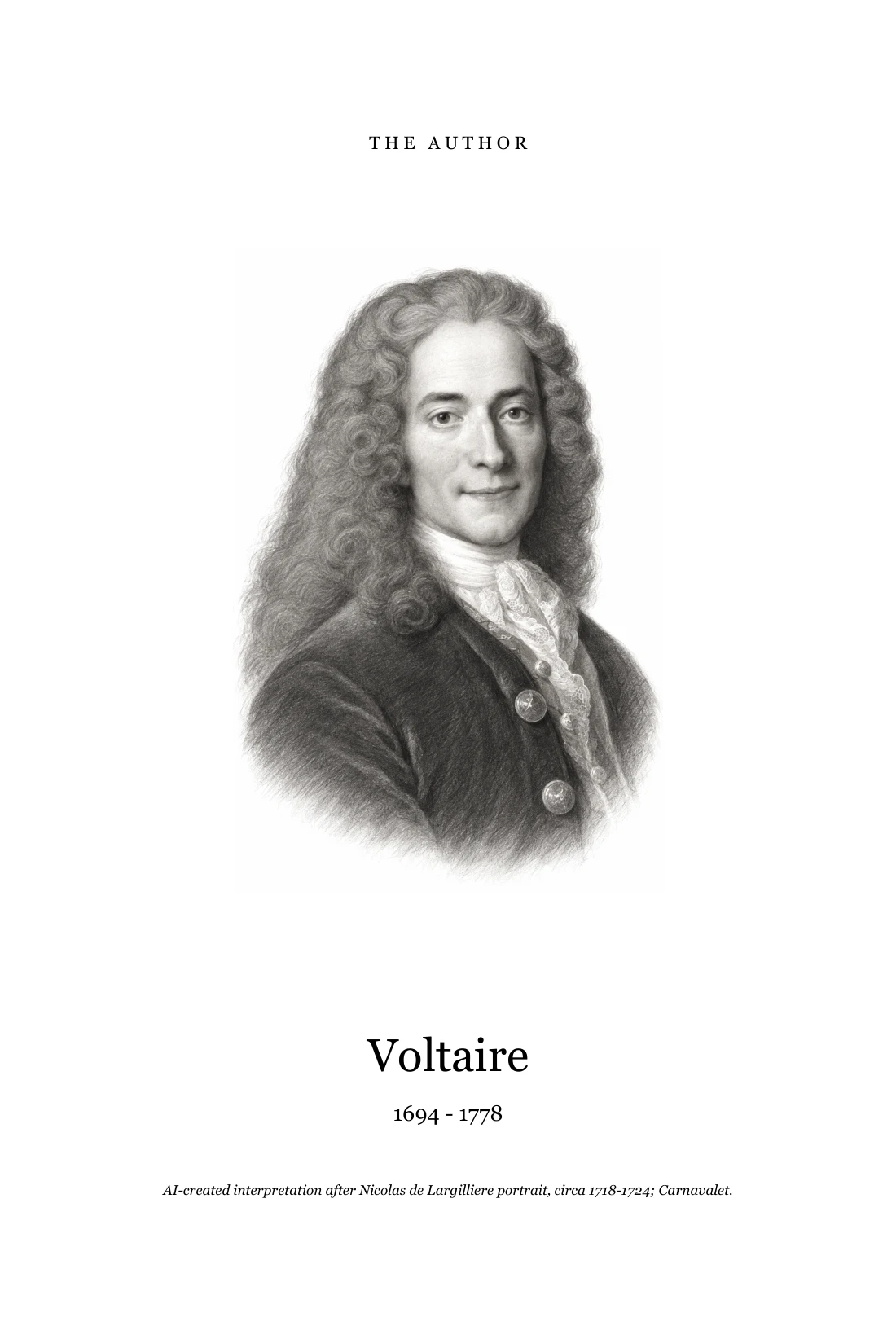
In February 1929 a United States customs officer in Boston stopped a consignment of books from reaching a Harvard French class. The books were copies of Candide, and the officer had decided they were obscene. They were released that August, by which time the course had finished. Voltaire’s satire was by then 170 years old.
That small episode says a great deal about banned classic books. Bans rarely come from one grand decree. They come from a magistrate, a library committee, a newspaper editor, a customs official or a parent with a complaint, and each one is specific. So is this list: every ban below names its place, its date and the person or body behind it.
Banned or challenged: what is the difference?
A challenge is an attempt to have a book removed, usually from a library or a school. A ban is what happens when the attempt succeeds, or when a court or government acts directly. Some books here were burned by the state; others were simply taken off one library’s shelves. Both count, but they are not the same thing, and the details matter.
- 1759
Geneva’s authorities order Candide burned within weeks of its anonymous publication
- 1857
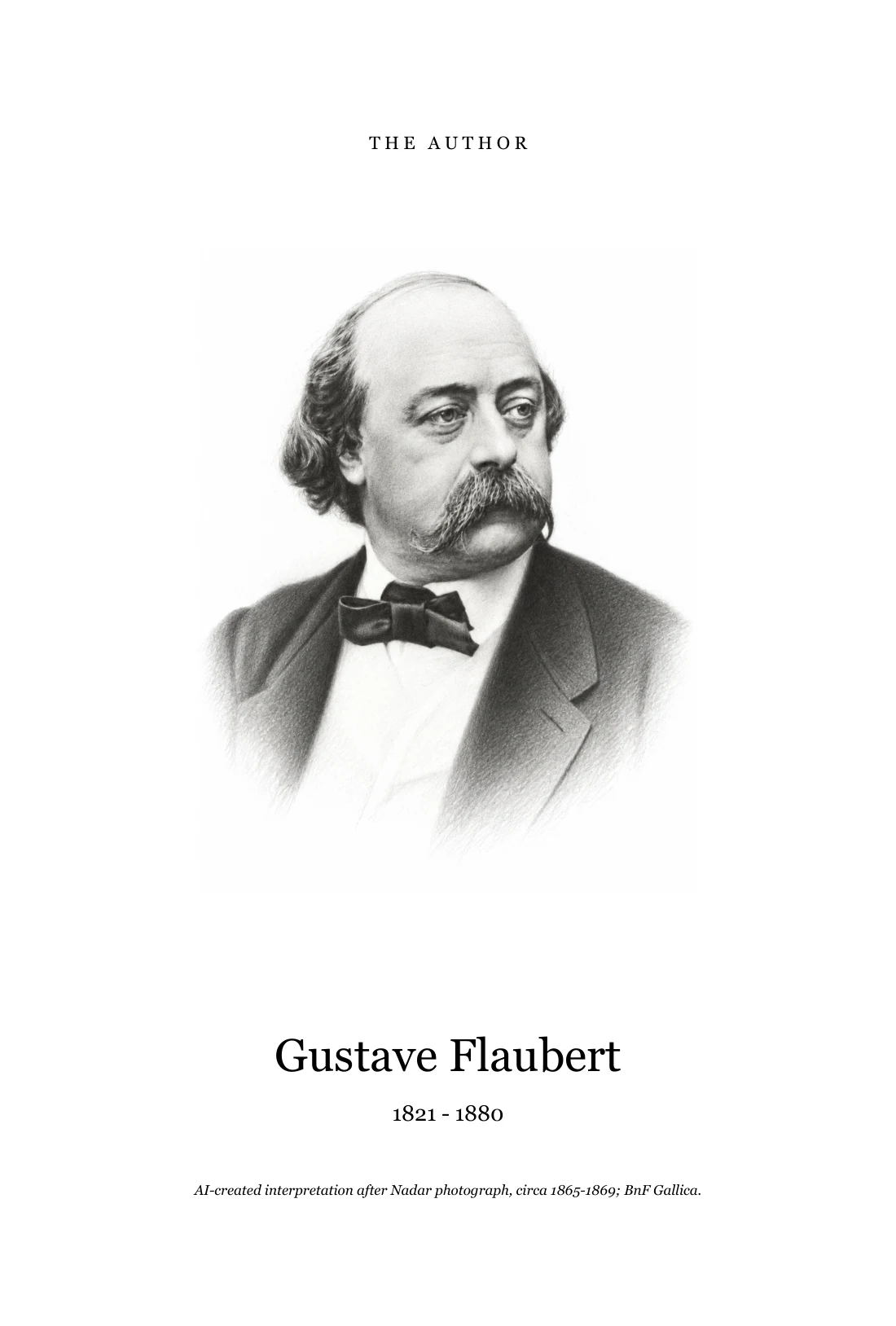
Flaubert is tried in Paris for Madame Bovary and acquitted on 7 February
- 1882
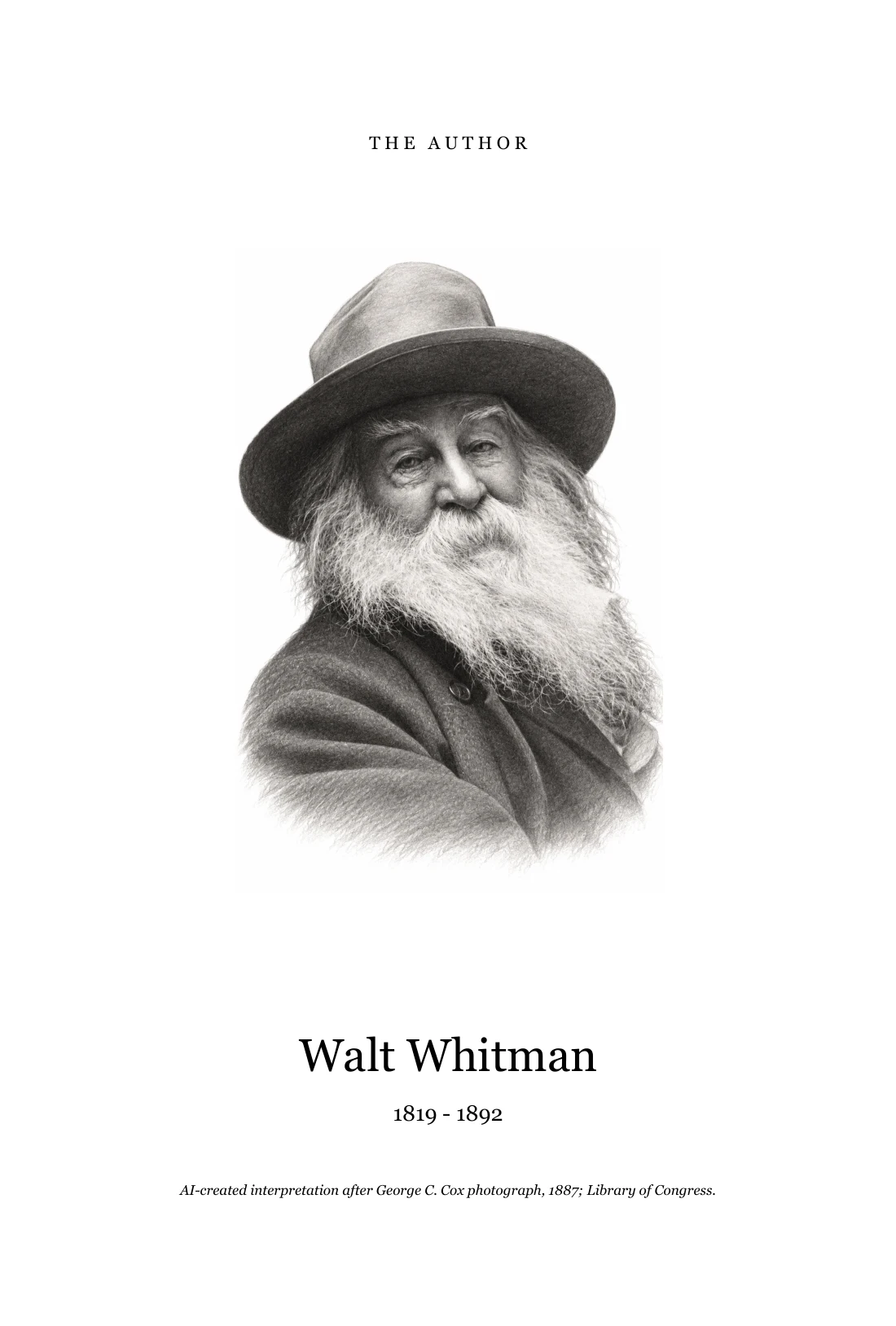
Boston’s district attorney declares Leaves of Grass obscene and its publisher withdraws it
- 1885
The Concord Public Library in Massachusetts excludes Huckleberry Finn
- 1915
Magistrates at Bow Street order 1,011 copies of Lawrence’s The Rainbow destroyed
- 1921
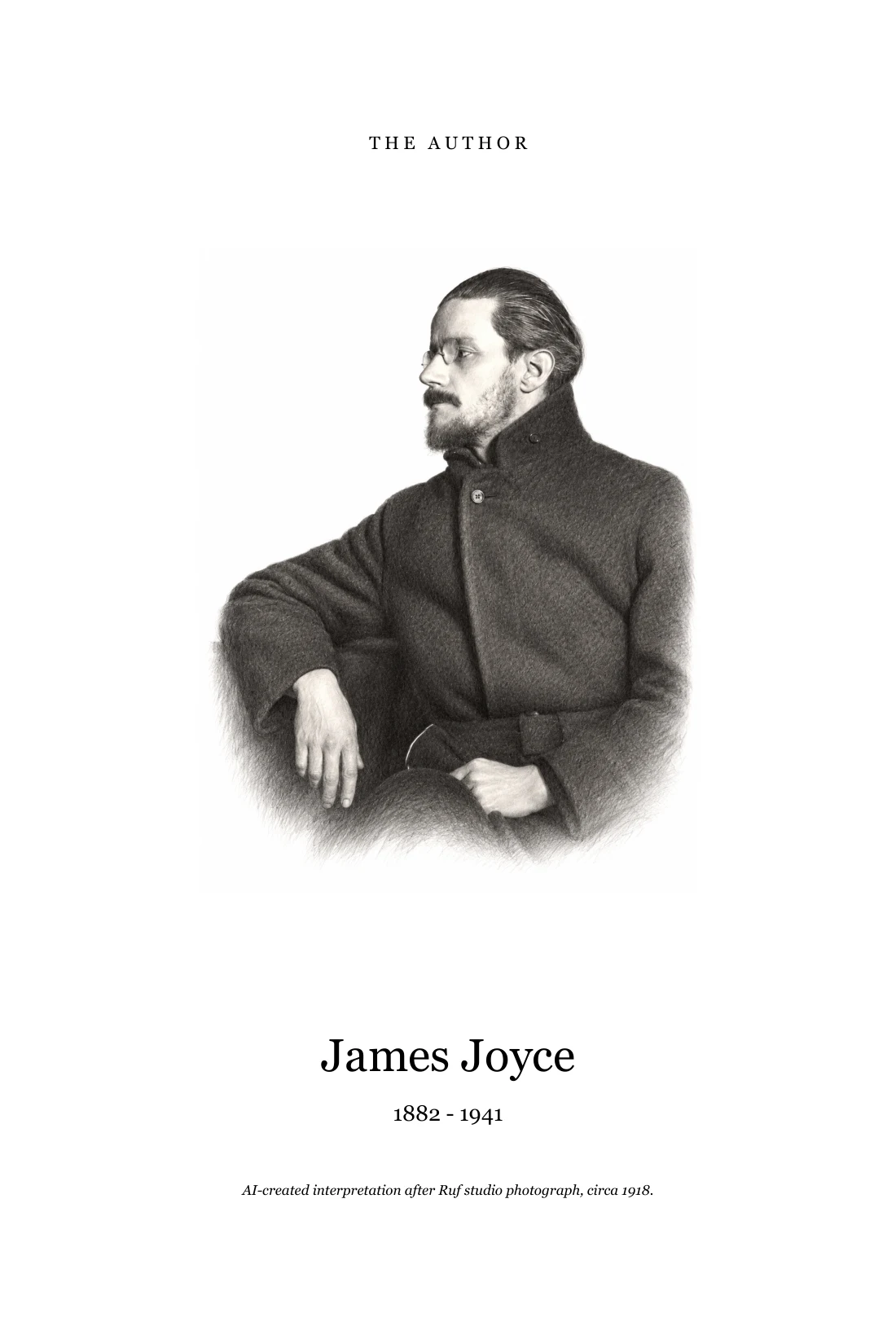
The editors of The Little Review are fined $100 for printing part of Ulysses
- 1928
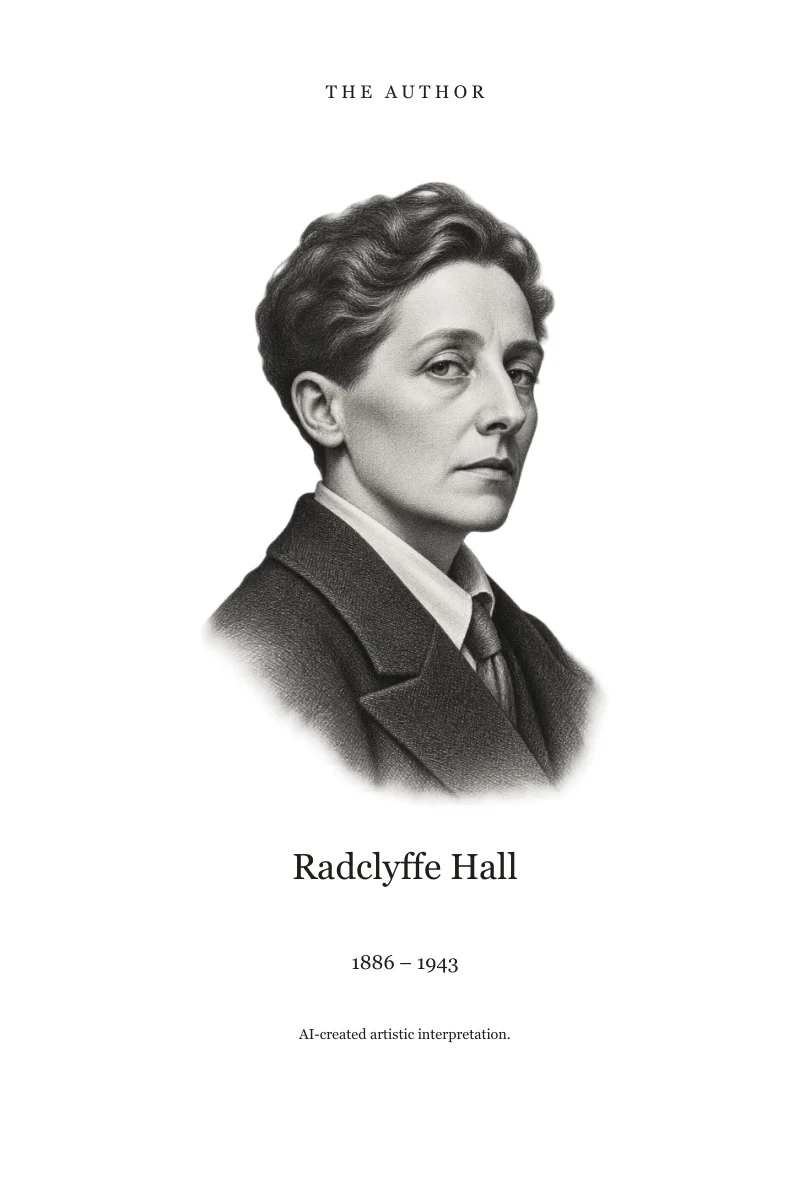
A London magistrate orders The Well of Loneliness destroyed
- 1933
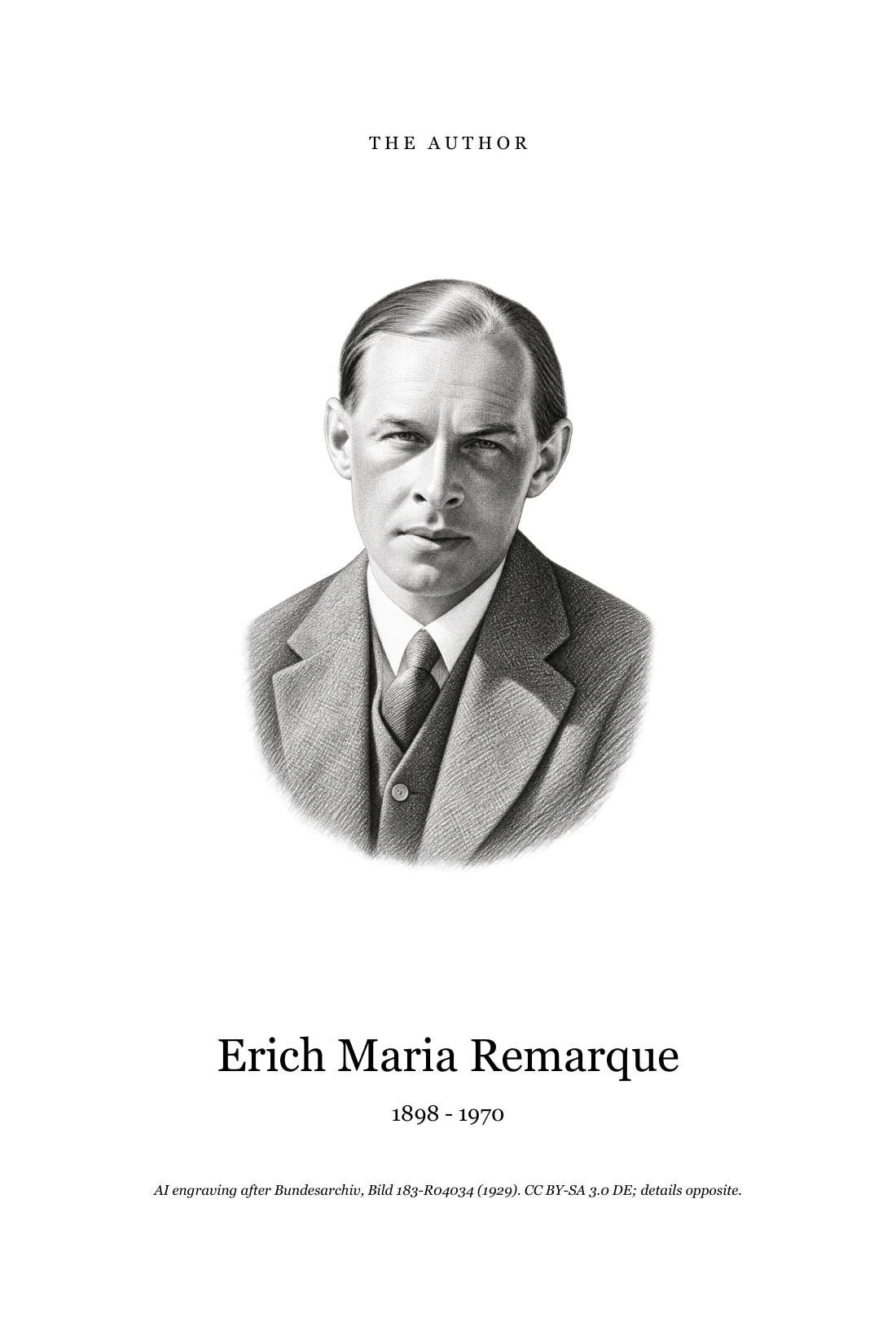
Remarque’s books are banned and burned in Nazi Germany
- 1960
Penguin is acquitted at the Old Bailey over Lady Chatterley’s Lover

The famous banned books, case by case
Candide
1759. Published anonymously as a translation “from the German of Dr. Ralph”. Geneva ordered it burned, Paris banned it, and in 1762 it went on the Catholic Church’s Index of prohibited books. It sold in tens of thousands anyway.
Madame Bovary
Serialised in the Revue de Paris in 1856. In January 1857 the prosecutor Ernest Pinard charged Flaubert with offending public and religious morality. Flaubert was acquitted, and the book became a bestseller that spring.
Adventures of Huckleberry Finn
In 1885 the library committee in Concord, Massachusetts, excluded it as coarse, one member calling it “the veriest trash”. Brooklyn Public Library pulled it in 1905, and in 2016 Accomack County schools in Virginia briefly pulled it over its racial slurs after a parent’s complaint, restoring it a week later.
The Well of Loneliness
In August 1928 the Sunday Express editor James Douglas demanded its suppression. The Home Secretary, William Joynson-Hicks, acted, and on 16 November the chief magistrate Sir Chartres Biron ordered it destroyed. It was not published again in England until 1949.
Lady Chatterley's lover
Printed privately in Florence in 1928 and banned for obscenity in the United States the following year. A New York federal court cleared it in 1959; in Britain, Penguin was prosecuted for publishing it in 1960 and won.
All quiet on the Western Front
Serialised in the Vossische Zeitung in 1928. Nazi mobs disrupted screenings of the 1930 Hollywood film, and in 1933 Remarque’s books were banned and burned. Germany stripped him of his citizenship in 1938.


Flaubert’s trial is a story in itself, told in Did you know Madame Bovary was put on trial?. So is the Customs saga of Candide, and the fate of Remarque’s novel in Did you know All Quiet on the Western Front was burned by the Nazis?
The trials that changed the law
Some bans ended in courtrooms that rewrote the rules. The prosecution of The Little Review in February 1921 made Ulysses unprintable in America for over a decade, until Judge John M. Woolsey ruled on 6 December 1933 that the novel was not obscene. Britain held out until 1936.
The Well of Loneliness was condemned in London without a single expert witness being allowed to give an opinion of the book; Biron ruled that its literary merit was irrelevant. Yet in New York the following April, the Court of Special Sessions read the whole novel and cleared it. Hall’s publisher there had kept printing throughout, and the case is told in full in Did you know The Well of Loneliness was banned in Britain for decades?
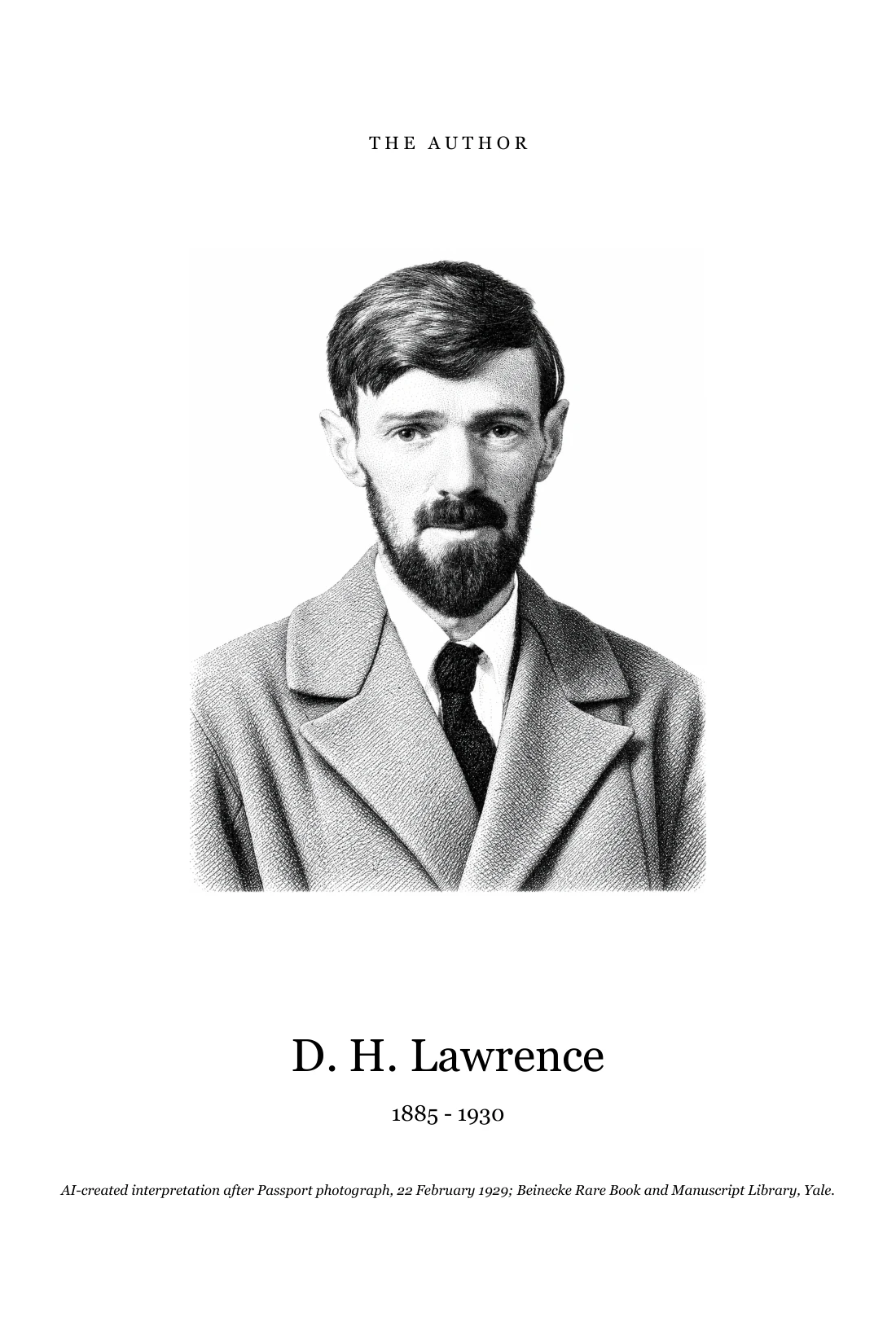
The case most people remember is R v Penguin Books, heard at the Old Bailey from 20 October to 2 November 1960. The prosecutor, Mervyn Griffith-Jones, asked the jury whether it was a book “you would even wish your wife or your servants to read”. The question became a joke against the prosecution, the jury acquitted, and Penguin’s first printing of 200,000 copies sold out on the day of publication. Lawrence had died thirty years earlier, and an earlier novel of his had already met a bonfire, as The Rainbow was seized and burned explains.
The Rainbow
1915. Prosecuted at Bow Street that November; 1,011 copies were seized and burned. Lawrence’s portrait of three generations of a Nottinghamshire family is now counted among his best.
Ulysses
1922. Its serialisation in The Little Review led to the 1921 obscenity conviction, and it was admitted to the United States only after the 1933 Woolsey ruling.
Leaves of Grass
In March 1882 Boston’s district attorney, Oliver Stevens, called it obscene literature and demanded cuts. Whitman refused, writing that “the list whole & several is rejected by me”, and found a new publisher.



Why read banned classic books now?
Partly to see what frightened people. Madame Bovary was charged as an offence against morality for describing adultery honestly; Candide for mocking the powerful and the Church; Huckleberry Finn first for being vulgar and later for its language about race, which still divides readers and teachers. All Quiet on the Western Front offended because it refused to make war glorious. Reading the book itself is the only way to judge the argument.
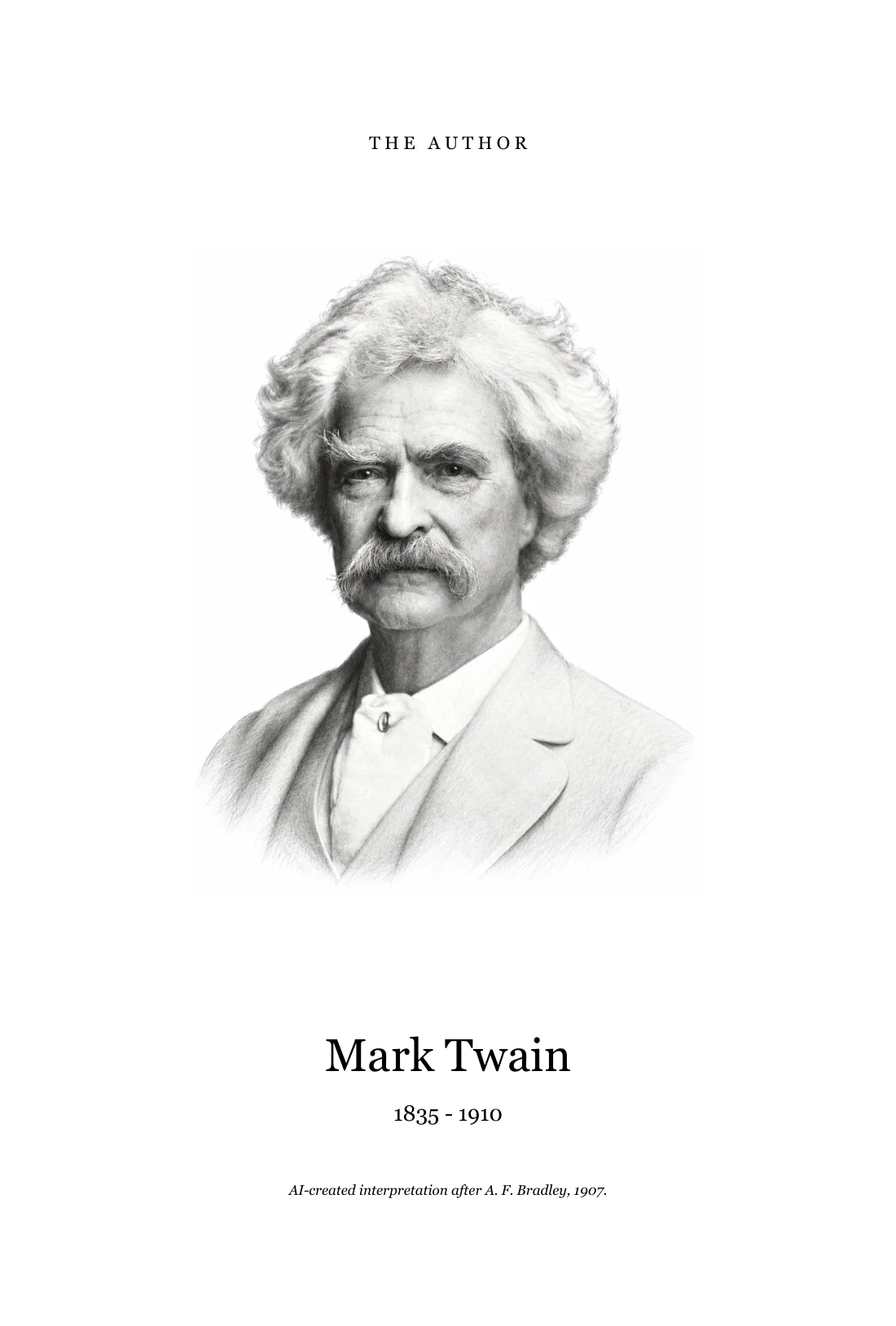
There is also a simpler reason. Many of these books were attacked precisely because they were alive in a way their neighbours were not. D. H. Lawrence, Radclyffe Hall, Gustave Flaubert, Voltaire, Erich Maria Remarque and Mark Twain all wrote something that their censors could not ignore. More on writers who suffered for their work is in Books written in prison.
If you want one to begin with, take Candide. It is short, savagely funny, and the book that a Boston customs man decided Harvard students should not see. Start with Candide and judge for yourself.
Questions readers ask
What are the most famous banned classic books?
Among the best known are Candide, Madame Bovary, Adventures of Huckleberry Finn, Ulysses, The Well of Loneliness, Lady Chatterley’s Lover and All Quiet on the Western Front. Each was prosecuted, seized, burned or removed from shelves by a specific authority.
Why was Lady Chatterley’s Lover banned?
For obscenity: its explicit sex scenes and four-letter words. It was banned in the United States in 1929 and could not be published unexpurgated in Britain until Penguin won its Old Bailey trial in 1960.
Why was Huckleberry Finn banned?
In 1885 the Concord Public Library excluded it as coarse and vulgar. In more recent decades schools have removed or challenged it because of its repeated racial slurs, as Accomack County schools in Virginia did for a week in 2016.
Is The Well of Loneliness still banned?
No. It was ordered destroyed in England in 1928 but cleared in New York in 1929, and it was republished in England in 1949.