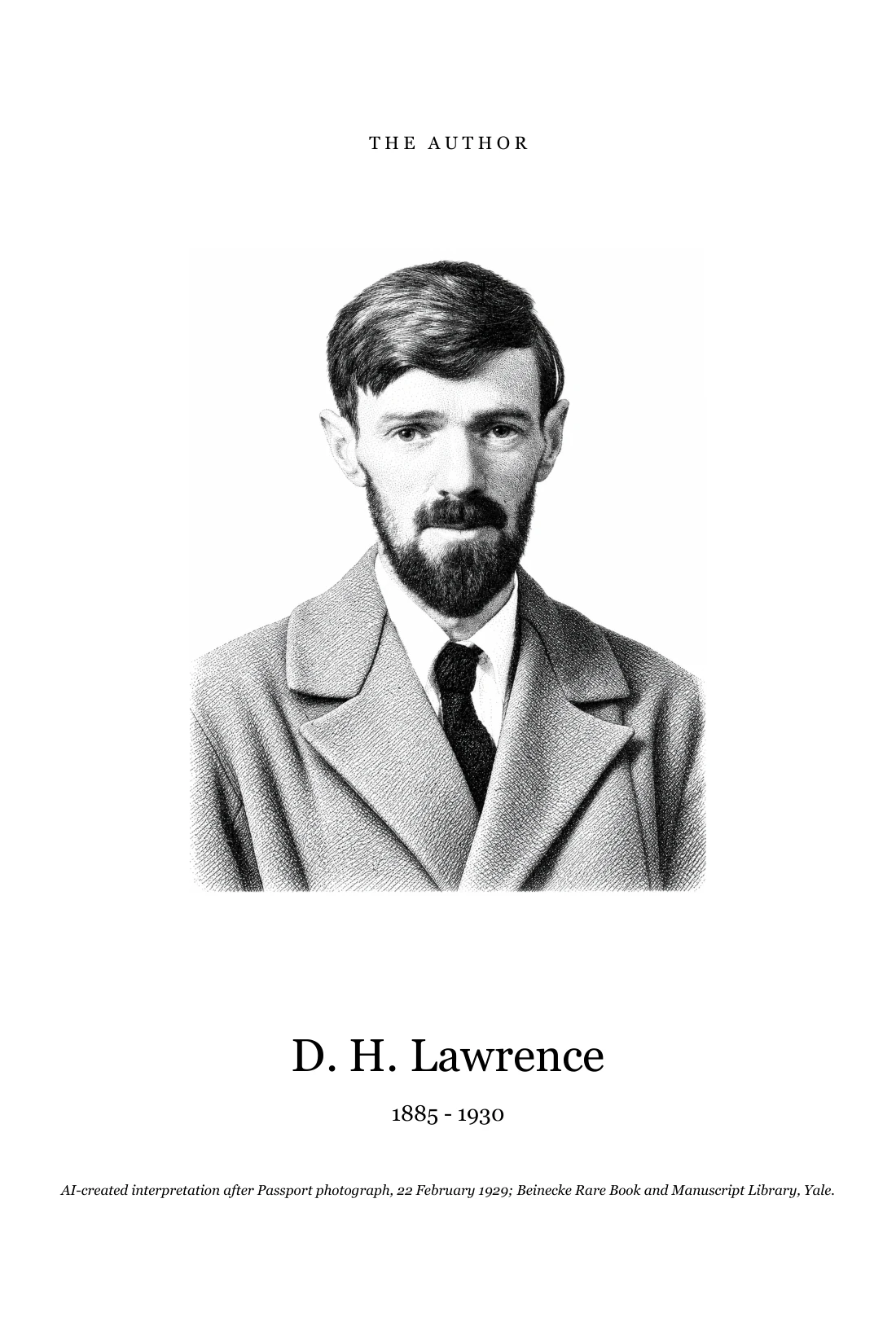
On Saturday 13 November 1915, the publishers Methuen and Co. were summoned to Bow Street Police Court in London to show why 1,011 copies of a novel should not be destroyed. They did not try. Their representative told the magistrate, Sir John Dickinson, that the firm regretted ever publishing the book. Dickinson ordered the copies destroyed and Methuen to pay ten guineas in costs. The novel was The Rainbow, by D. H. Lawrence, and the seized copies were burned.
So the story is true, and in some ways stranger than it sounds. There was no jury, no defence and no appearance by the author, and the book that came out of it is now counted among the great English novels of the century.
Why was The Rainbow banned?
Officially, for obscenity. Lawrence wrote about sexual desire, within marriage and outside it, with a frankness few English novelists had attempted, and treated it as a spiritual force rather than a vice. Reviewers had been hostile from the start. In court H. Muskett, appearing for the Commissioner of Police, read out extracts from the press notices and described the book, according to The Times, as “a mass of obscenity of thought, ideas, and action throughout”.
The scenes that seem to have mattered most were in the chapter called “Shame”, in which the young Ursula Brangwen has an intense relationship with a woman teacher. But the timing mattered too. Britain was more than a year into the war. Lawrence was openly contemptuous of militarism, and his wife Frieda was German. Biographers have argued that suspicion of the couple helped turn a hostile reception into a prosecution.
- July 1914
Methuen signs an agreement to publish the novel
- 1914–15
The manuscript goes back to Lawrence for changes, more than once
- June 1915
Methuen gets the text back on 4 June and objects again; after more changes Lawrence refuses to go further
- Sept 1915
The Rainbow is published to largely hostile reviews
- Autumn 1915
Police obtain a search warrant and seize copies from Methuen and the printers
- 13 Nov 1915
At Bow Street, 1,011 copies are ordered to be destroyed
- 1915
An American edition appears in New York from B. W. Huebsch
What happened in court?
The account in The Times two days later is short and remarkably meek. Detective Inspector Draper had executed a search warrant at Methuen’s offices, where he was given every facility, and collected further copies from the printers, Hazell, Watson and Viney. Methuen’s representative explained that the agreement to publish had been signed in July 1914, that the firm had twice asked Lawrence for alterations, and that after the second round he had refused to change anything more. The firm admitted it had acted unwisely in not scrutinising the book again.
The magistrate said it was greatly to be regretted that a firm of such repute had allowed its name to be soiled by the book, and had not withdrawn it once the reviews appeared. Methuen offered no opposition. Nobody spoke for the novel.
What did the ban do to Lawrence?
It came close to wrecking him. The Rainbow had been conceived as the first half of a single long novel about two sisters, and its sequel, Women in Love, now had no British publisher. It first appeared in New York, in a private edition sold to subscribers, in 1920. Lawrence and Frieda spent the rest of the war in poverty and under suspicion, and soon after it ended they left England. He spent most of his remaining years abroad.
The case also set a pattern. His last novel, Lady Chatterley’s Lover, was privately printed in Florence in 1928 and could not be published openly in Britain until Penguin won its famous trial in 1960. We tell that story in banned classic books, and set out the best order for reading him in where to start with D. H. Lawrence.
What is The Rainbow actually about?
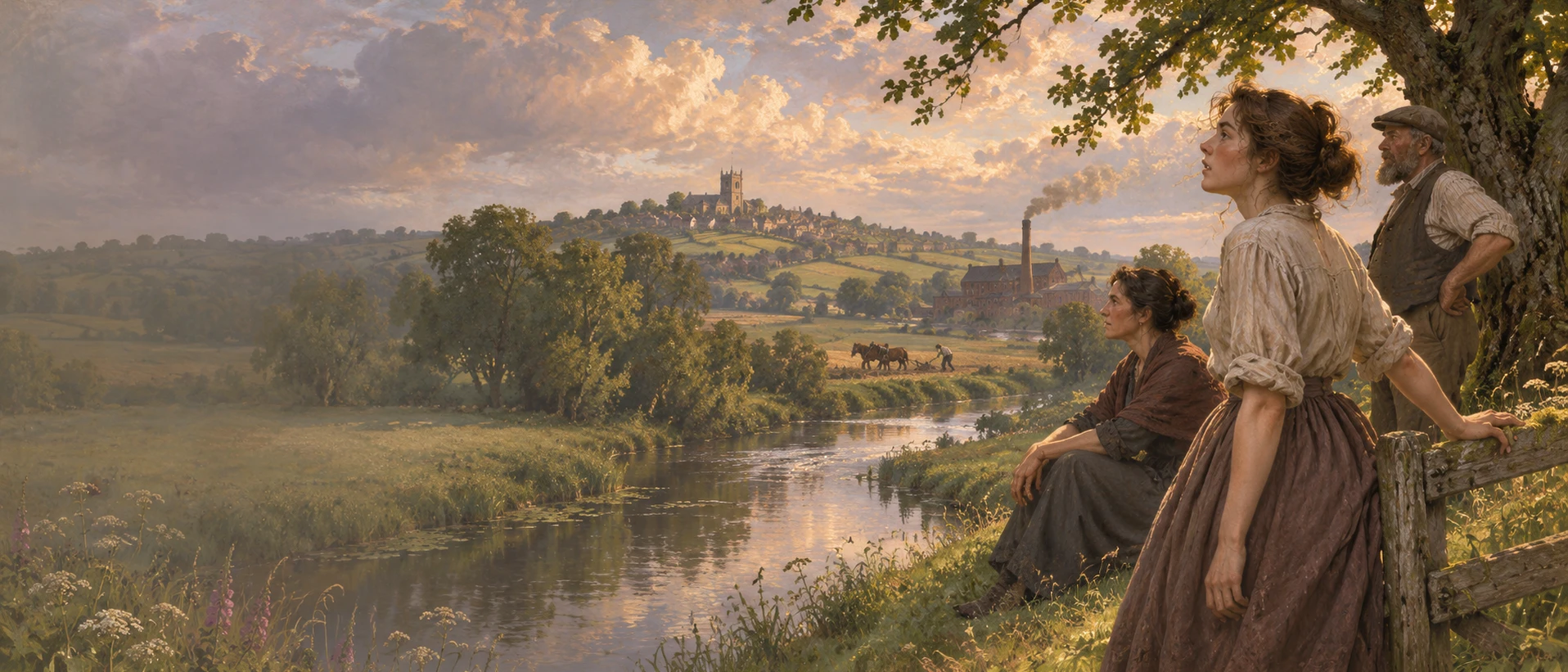
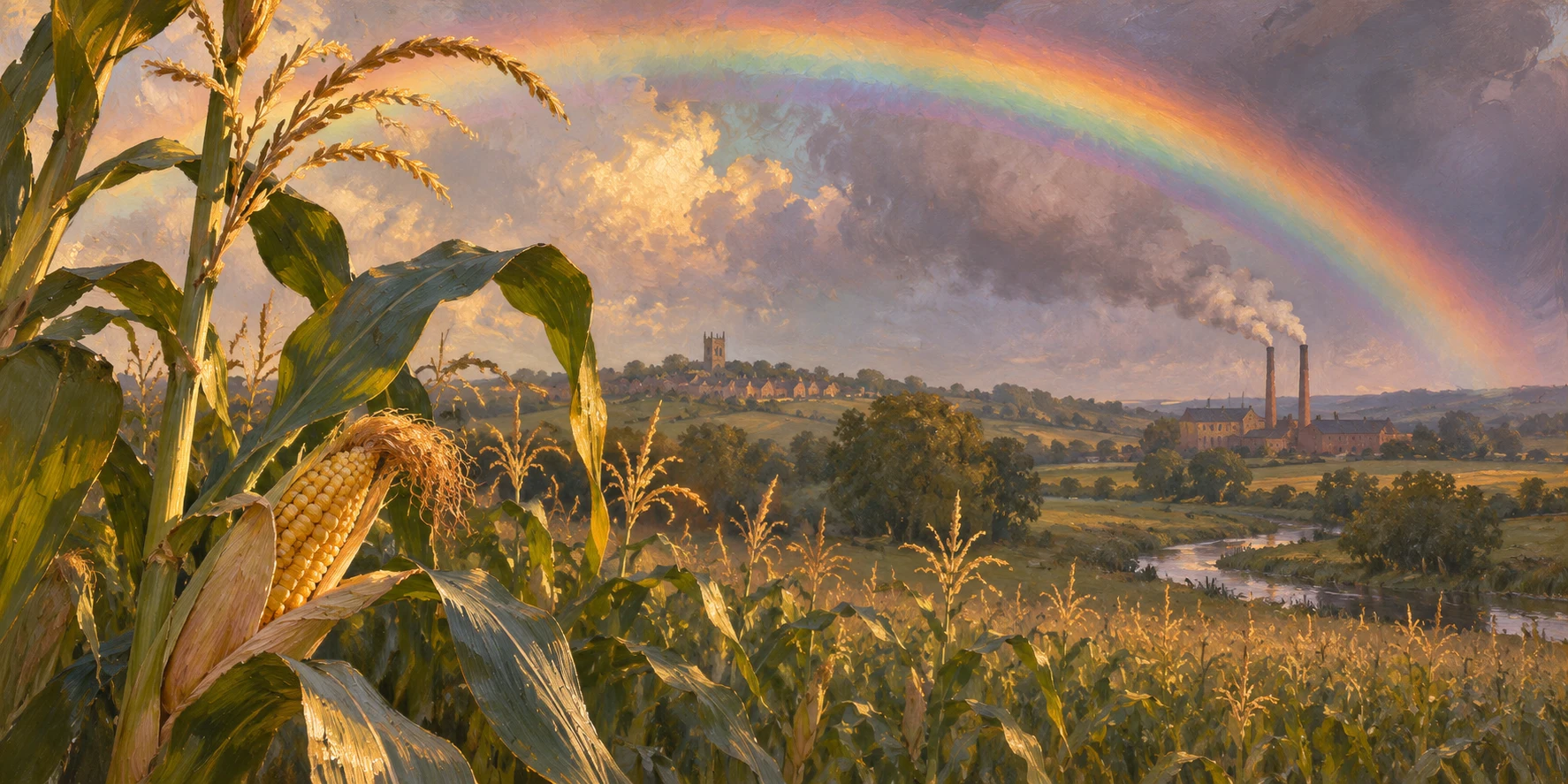
For a book once called a mass of obscenity, The Rainbow is surprisingly stately. It follows three generations of the Brangwen family, farmers and craftsmen on the Nottinghamshire–Derbyshire border, from the 1840s to the first years of the twentieth century. Tom Brangwen marries a Polish widow, Lydia; her daughter Anna marries Tom’s nephew Will in a marriage that is half love and half battle; and their daughter Ursula, the book’s real heroine, goes to university, becomes a teacher and tries to make a life larger than the one she was born into.
Lawrence opens it like a family Bible, with the land and the people who work it:
There was a look in the eyes of the Brangwens as if they were expecting something unknown, about which they were eager.
D. H. Lawrence, The Rainbow
That expectation runs through the whole book. Each generation wants more than the one before, and each moves a little further from the farm towards the mines, the towns and the modern world. Lawrence’s subject is how people change inside a marriage and a family, and how hard it is to say what they want. The frankness that alarmed the magistrate is part of that, not the point of it.
The Rainbow
1915. Three generations of Brangwens, from the Marsh Farm to the university, and the novel a London court ordered burned. Read it as a family saga that keeps breaking into poetry.
Women in Love
1920. Ursula and her sister Gudrun as grown women, in the sequel that had to be published in New York after the ban. Sharper and more modern than its predecessor.


If the history of censorship interests you, compare the Madame Bovary trial and the trial of The Well of Loneliness, which Bow Street would hear thirteen years later.
The best answer to the court of 1915 is simply to read what it condemned. Open The Rainbow at its first page, by the Erewash and the church tower at Ilkeston, and see how long it takes to reach anything a magistrate could object to.
Questions readers ask
Why was The Rainbow by D. H. Lawrence banned?
It was prosecuted for obscenity in November 1915 because of its frank treatment of sexuality, including a relationship between Ursula Brangwen and a woman teacher. Hostility to Lawrence’s anti-war views and his German wife may also have played a part.
How many copies of The Rainbow were destroyed?
The Bow Street magistrate ordered 1,011 seized copies to be destroyed, and they were burned.
When was The Rainbow published again in Britain?
It was unavailable in Britain for about eleven years after the 1915 ban, though editions remained on sale in the United States.
Is Women in Love a sequel to The Rainbow?
Yes. Lawrence first planned the two as one novel about the Brangwen sisters, and Women in Love continues the story of Ursula and Gudrun.
 Sons and Lovers464 pages · $21.99
 Lady Chatterley's lover328 pages · $17.99
 Reflections on the Death of a Porcupine and Other Essays148 pages · $12.99