
Obscene, the magistrate ruled, and the seized copies were to be destroyed. The verdict was given on 16 November 1928 at Bow Street Magistrates’ Court in London, by the Chief Magistrate, Sir Chartres Biron, against a novel published only that summer. A crowd of writers had come prepared to speak in its defence, Virginia Woolf and E. M. Forster among them. Biron would not let them give evidence about the book at all.
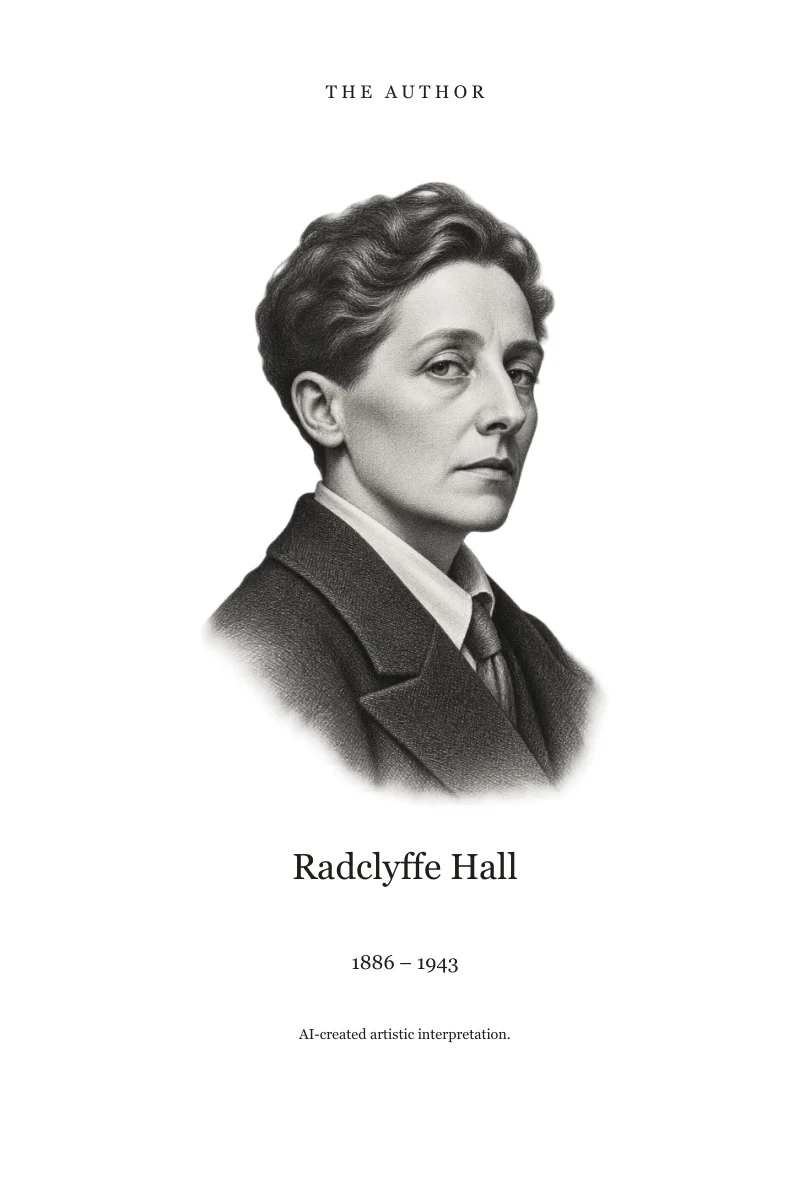
The novel was Radclyffe Hall’s The Well of Loneliness, and it stayed out of British bookshops for two decades. Hall died in 1943 without seeing it legally sold in her own country again. Not until 1949, when the Falcon Press issued a new edition, did a British publisher risk it, and that time nobody went to court.
Why was The Well of Loneliness banned?
Because of its subject and its sympathy. The novel follows Stephen Gordon, the daughter of an old county family at Morton Hall, whose father had so wanted a son that he chose her name before she was born. Stephen grows up knowing she is different, loves women, serves with a women’s ambulance unit in France during the war, and finds a partner and a precarious community in Paris. Hall wrote it, quite deliberately, as a plea for tolerance.
There is nothing in it that would trouble a modern censor. The most explicit sentence in the whole book is “and that night they were not divided”. What offended was that Hall presented her heroine as natural, honourable and wronged, and asked the reader to agree. She even printed a commentary by the sexologist Havelock Ellis at the front:
So far as I know, it is the first English novel which presents, in a completely faithful and uncompromising form, one particular aspect of sexual life as it exists among us to-day.
Havelock Ellis, commentary printed in The Well of Loneliness (1928)
What happened at the trial?
The book came out from Jonathan Cape on 27 July 1928. Then, in August, James Douglas, editor of the Sunday Express, launched a campaign against it, declaring that he would rather give a healthy boy or girl a phial of prussic acid than this novel. The Home Secretary, William Joynson-Hicks, judged it gravely detrimental to the public interest and threatened prosecution unless it was withdrawn.
Cape withdrew it, then quietly leased the rights to the Pegasus Press in Paris, which printed an English-language edition for import. Copies were seized, and the case went to Bow Street. The ruling went against Hall. An appeal to the London Court of Quarter Sessions failed.
- 27 July 1928
Jonathan Cape publishes The Well of Loneliness
- August 1928
The Sunday Express campaign begins and Cape withdraws the book
- 16 November 1928
Sir Chartres Biron rules it obscene and orders copies destroyed
- 19 April 1929
A New York court clears the American edition of all charges
- 7 October 1943
Radclyffe Hall dies in London, aged sixty-three
- 1949
The Falcon Press republishes it in Britain without challenge
Who was Radclyffe Hall?
Radclyffe Hall was born in Bournemouth in 1880 and began as a poet. Her friends called her John, a name first given her by her early partner Mabel Batten, and from 1917 until Hall’s death she lived with Una Troubridge, a sculptor and translator. Before the scandal she was a respected novelist: Adam’s Breed, in 1926, won both the Femina–Vie Heureuse Prize and the James Tait Black Prize, a double only E. M. Forster’s A Passage to India had achieved before.
The Well of Loneliness made her notorious, a risk she had weighed in advance: she asked for Troubridge’s blessing before she began writing it.
How does The Well of Loneliness read today?
Best with a sense of its moment. Hall’s idea of Stephen as a “sexual invert” comes from the sexology of her day, and many readers now find the novel’s sorrow heavier than they would like. It is long, earnest and sometimes melodramatic. It is also brave, often beautiful about the English countryside and the bond between Stephen and her father, and impossible to separate from the history it made.
For many years it was one of very few English novels to put a lesbian heroine at its centre, and it was read with that weight. Its ending is a cry for recognition that the court of 1928 refused, and that later generations answered.
The Well of Loneliness
1928. Stephen Gordon grows up at Morton Hall, serves in the war and fights for the right to love openly. The novel a London court ordered destroyed.
Mrs. Dalloway
Virginia Woolf was in court in 1928, ready to speak for Hall. Her own novel of a day in London, three years earlier, slips Clarissa Dalloway’s memory of loving another woman into its quiet heart.
The Picture of Dorian Gray
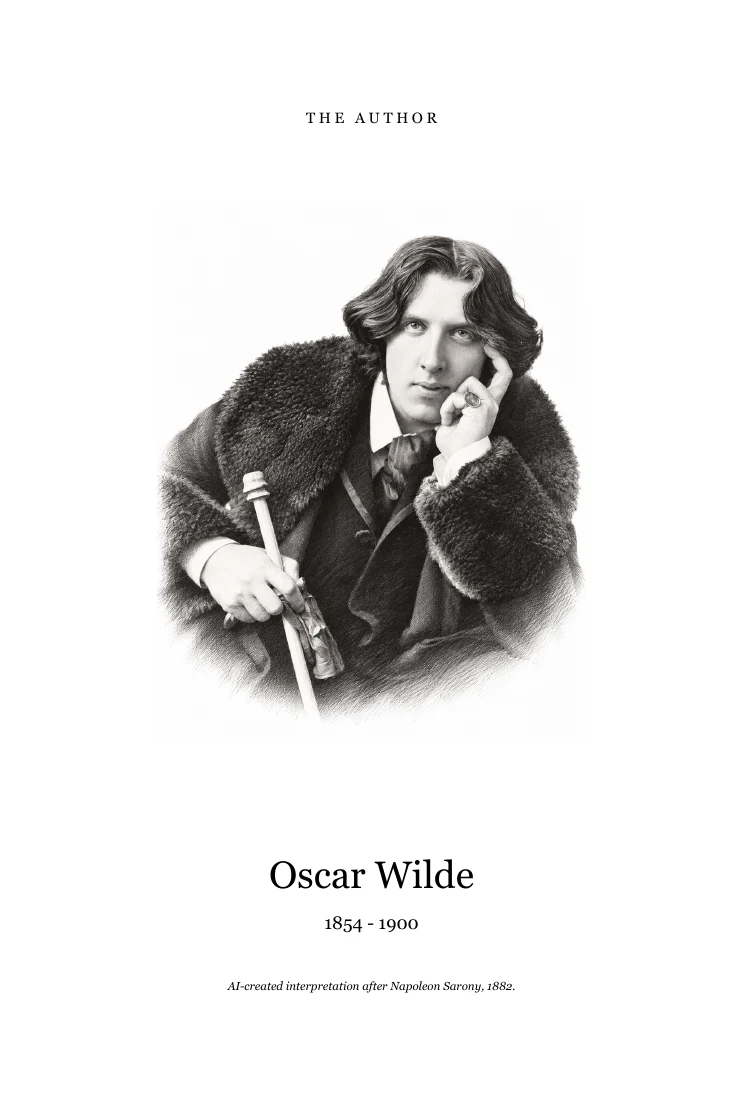
Oscar Wilde’s only novel, read aloud against him in court in 1895. An earlier case of a British courtroom judging an author by a book.


Where to go next
Hall’s case is one of many in Banned and challenged classics. Two other books that ended up in court are explored in Did you know Madame Bovary was put on trial? and Did you know The Picture of Dorian Gray was used against Oscar Wilde in court?.
Then read what Biron would not let the witnesses defend. The Well of Loneliness is a slow, sincere, unforgettable novel, and it is still remarkable how little in it a court could point to.
Questions readers ask
Why was The Well of Loneliness banned?
A London magistrate ruled it obscene in November 1928, not for explicit content, which it lacks, but because it portrayed love between women sympathetically and pleaded for tolerance.
When was the ban on The Well of Loneliness lifted?
There was no formal lifting, but no British edition appeared after the 1928 destruction order until the Falcon Press republished it in 1949, without legal challenge.
Was The Well of Loneliness banned in the US?
No. A New York court cleared it in April 1929, and the US Customs Court ruled in its favour that July.