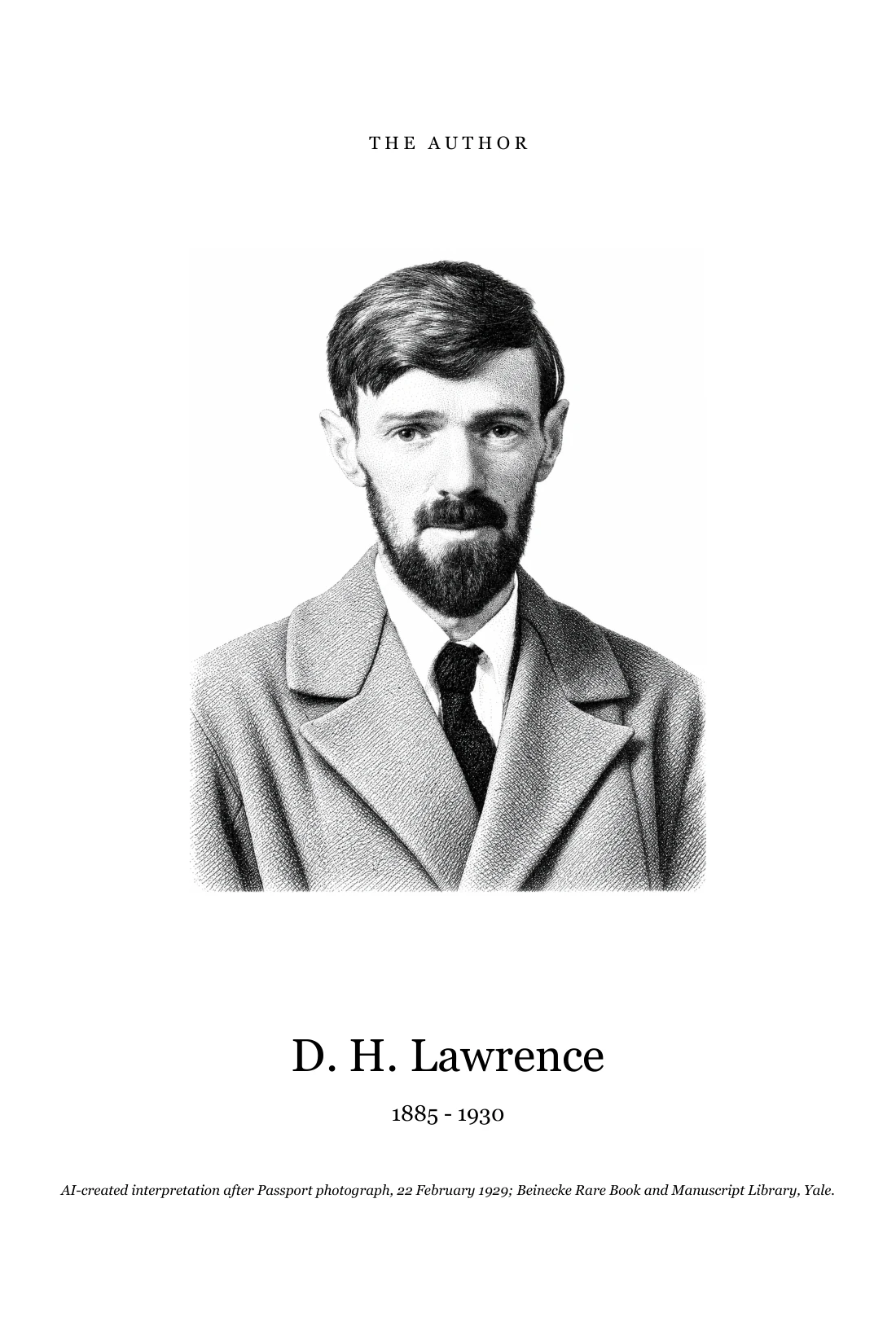
That novel is Lady Chatterley’s Lover, whose obscenity trial in 1960 made its title a byword. But the scandals began long before, and the man behind them was not a provocateur by trade. D. H. Lawrence was a coal miner’s son from Eastwood in Nottinghamshire, a former schoolteacher, and a writer with an extraordinary eye for landscape, work and the push and pull of family life.
If you are choosing among the D. H. Lawrence novels for the first time, begin with Sons and Lovers. It is his most approachable book and his first great success. Then read The Rainbow and Women in Love, which belong together, and leave Lady Chatterley’s Lover, his last novel, until you know his voice.
Which D. H. Lawrence novel should you read first?
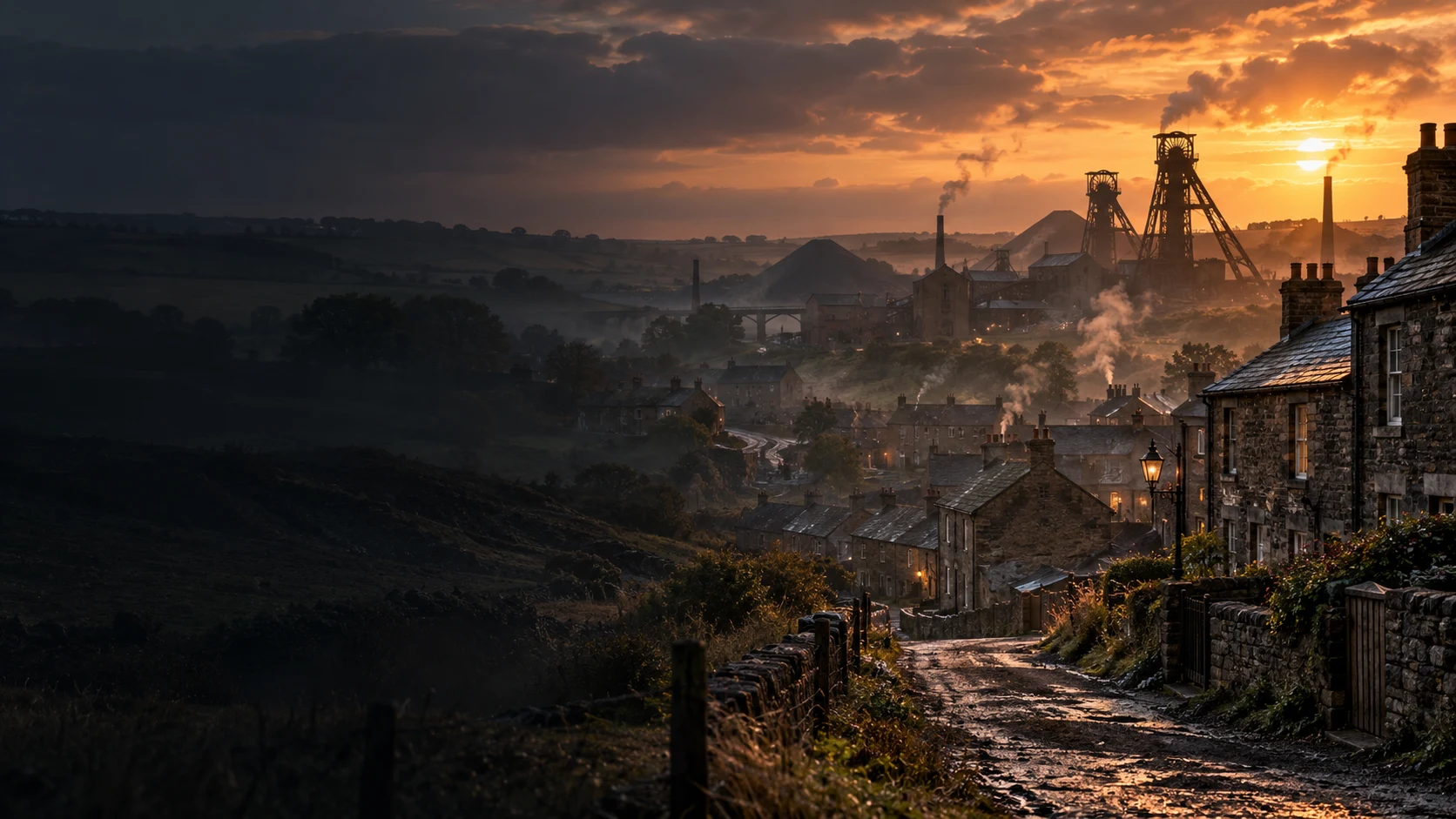
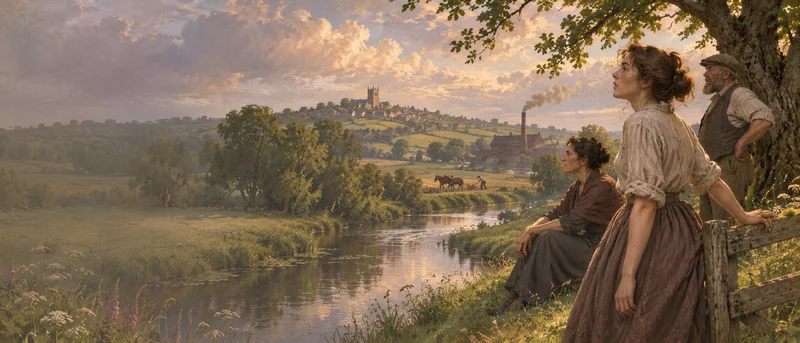
Sons and Lovers (1913) is the story of Paul Morel, the son of a miner and a fiercely ambitious mother, growing up in a Nottinghamshire pit village and trying to love two young women while his mother holds on to him. It is closely based on Lawrence’s own childhood, and you can feel it: the kitchen rows, the pit-head, the walks through the fields.
Lawrence rewrote it several times, and its working title was Paul Morel. His mentor, the publisher’s reader Edward Garnett, cut roughly a tenth of the text before publication. It ends with Paul, grieving, choosing life over despair in its final lines.
He would not take that direction, to the darkness, to follow her. He walked towards the faintly humming, glowing town, quickly.
D. H. Lawrence, Sons and Lovers (1913)
D. H. Lawrence’s novels in reading order
- $21.99
Sons and Lovers
1913. Paul Morel, his mother and the two women he cannot choose between, in the mining country Lawrence grew up in. Start here.
- $23.99
The Rainbow
1915. Three generations of the Brangwen family, from farmhouse to university, ending with Ursula Brangwen’s struggle to live on her own terms. The book that was seized and burned.
- $23.99
Women in Love
1920. Ursula and her sister Gudrun fall in love with two friends, a school inspector and a mine owner. Lawrence’s most ambitious novel, and many readers’ choice for his best.
- $17.99
Lady Chatterley's lover
1928. Constance Chatterley, married to a man paralysed in the war, begins an affair with his gamekeeper. His final novel, and his most famous.


The Rainbow and Women in Love: one novel in two halves
Lawrence first conceived these two books as a single novel about two sisters, with working titles including The Sisters and The Wedding Ring. It was split in two, and the first half came out as The Rainbow in 1915. Its account of desire and marriage across three generations of the Brangwens was prosecuted at Bow Street that November, and 1,011 copies were seized and burned. The book went unpublished in Britain for years, though it stayed in print in America.
Women in Love follows Ursula and Gudrun into adulthood. After the Rainbow case no British publisher would touch it, so it first appeared in New York in 1920, in a private edition of 1,250 copies sold only to subscribers, before a London edition in 1921. Ken Russell filmed it in 1969, and Glenda Jackson won the Academy Award for Best Actress as Gudrun.
Read The Rainbow first. It has the slower, biblical rhythm of a family saga and ends with Ursula seeing a rainbow over a ruined industrial landscape, “the world built up in a living fabric of Truth, fitting to the over-arching heaven”. Women in Love is sharper, more argumentative and more modern, and it makes far more sense once you know where the sisters came from.
When to read Lady Chatterley’s Lover
Last. Lawrence wrote three versions of the novel, and the final one is the book that went on trial in 1960, when the prosecutor famously asked the jury whether it was a book they would want their wives or servants to read. Among the witnesses for the defence was E. M. Forster, whose own novels are the subject of Where to start with E. M. Forster.
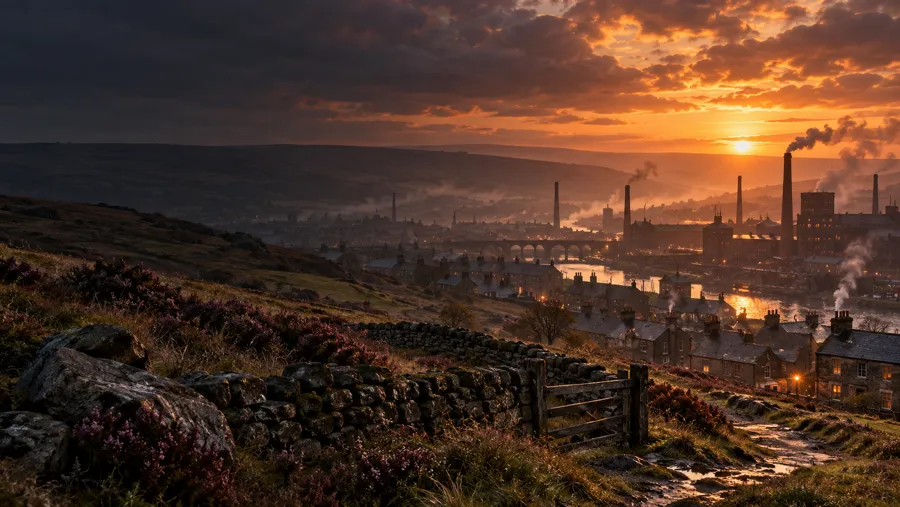
Read for its reputation alone, it can disappoint, because so much of it is about something other than sex: the damage of the war, the ugliness of industrial England and the deadness of a marriage. Its opening sentence sets that tone, and it is the line most worth remembering from the book.
Ours is essentially a tragic age, so we refuse to take it tragically.
D. H. Lawrence, Lady Chatterley’s Lover (1928)
A warning, and an invitation
Lawrence can be exhausting. His characters argue about love and the soul at length, and his ideas about men, women and power have dated more than his descriptions of a wood in spring or a pit village at dusk. He died of tuberculosis in the south of France in March 1930, aged forty-four, and Forster wrote in an obituary that he was the greatest imaginative novelist of his generation. The censors, it turned out, were on the losing side. For the wider story, see Banned and challenged classics and Coming-of-age classics.
The way in is through Bestwood, the fictional pit village of his first great book. Sons and Lovers begins with Mrs Morel moving down into “the Bottoms”, and from its first pages Lawrence shows you the world that made him.
Questions readers ask
What is the best D. H. Lawrence novel to start with?
Sons and Lovers (1913). It is his most accessible novel, closely based on his own childhood in a Nottinghamshire mining town.
Should I read The Rainbow before Women in Love?
Yes. Women in Love is a sequel to The Rainbow, and Lawrence first conceived them as a single novel about the Brangwen sisters.
Why was Lady Chatterley’s Lover banned?
Its explicit sex scenes and language made it unpublishable in full in Britain until 1960, when Penguin Books was prosecuted under the new Obscene Publications Act and found not guilty.
 Reflections on the Death of a Porcupine and Other Essays148 pages · $12.99