
Twenty thousand copies, and perhaps thirty thousand, in more than twenty editions, all within a single year. Those are the estimates for Candide in 1759, which made it a runaway best-seller by the standards of the age. They were achieved in spite of a ban, or perhaps because of one. Within about six weeks of publication, the authorities in both Geneva and Paris had moved to suppress it.
So yes: Candide was banned the year it was published. The ban did not stop it. Copies had already gone out simultaneously from printers in Geneva, Amsterdam, London and Paris, and the book was everywhere before anyone could recall it. As censorship goes, it failed almost at once.
Why was Candide banned?
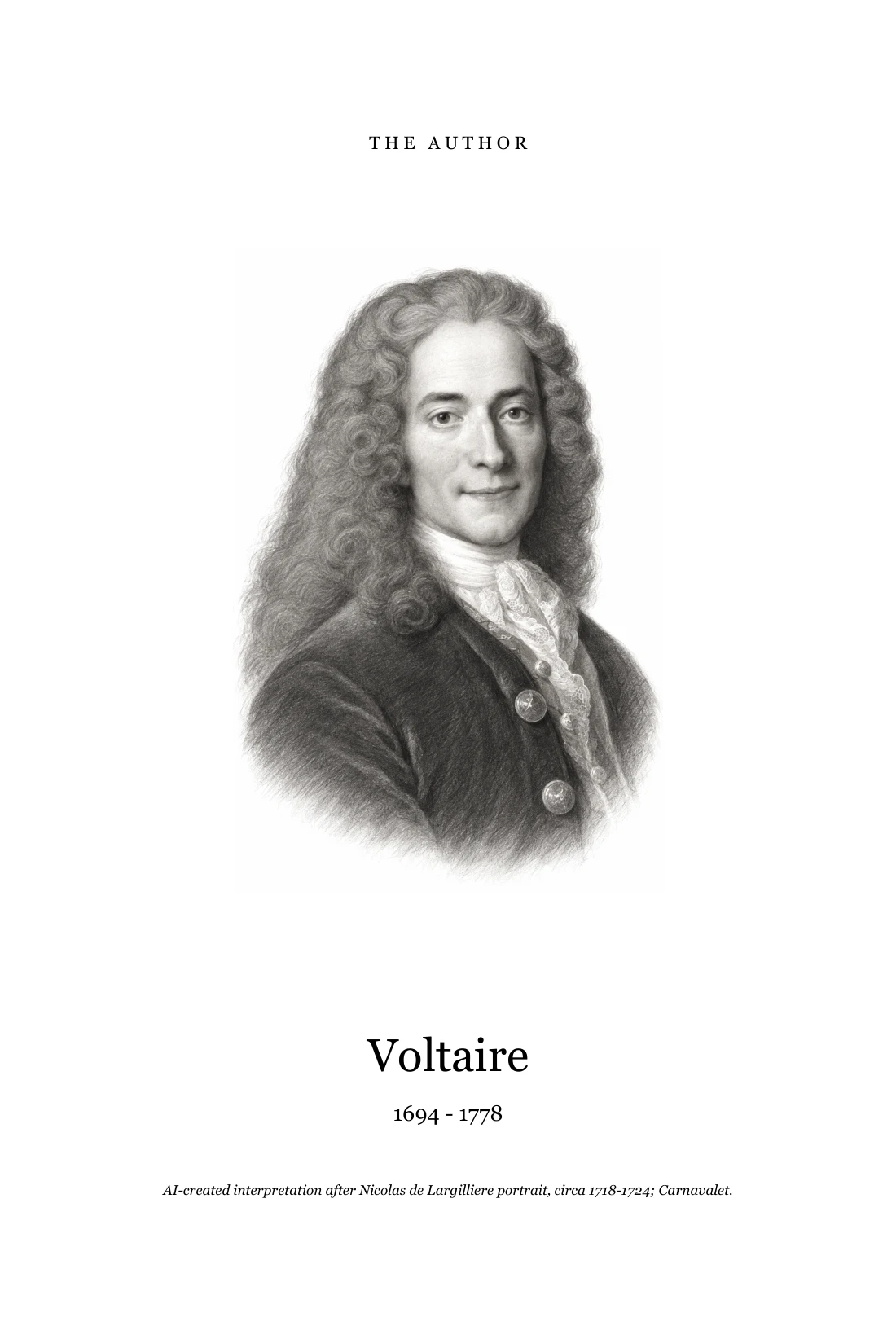
Because it mocked almost everything an eighteenth-century authority was supposed to protect. Its target is the philosophy of optimism, associated with Leibniz and his followers, which held that this is the best of all possible worlds. Voltaire had been enraged by the Lisbon earthquake of 1755, which killed tens of thousands, and by the comfortable philosophy that treated even such a disaster as part of a benevolent plan. In Candide he answers with a hailstorm of catastrophes: war, shipwreck, earthquake, rape, slavery and the Inquisition, each cheerfully justified by the tutor Pangloss.
Religion takes a beating throughout. After the earthquake, the Portuguese authorities hold an auto-da-fé, burning people alive to prevent further tremors, and Candide is flogged as part of the ceremony. Priests, monks and an Inquisitor are lecherous, greedy or worse. There is frank sex, and violence played for black comedy. Geneva’s Calvinist council and the authorities in Paris could agree on very little, but they agreed this was dangerous.
Politics did not escape either. Voltaire includes a scene in Portsmouth harbour, where a blindfolded English admiral is shot by a firing party on board a warship. Readers in 1759 would have recognised Admiral John Byng, executed in March 1757 for failing to relieve Minorca:
“There is no doubt of it; but in this country it is found good, from time to time, to kill one Admiral to encourage the others.”
Voltaire, Candide (1759), chapter 23

Did Voltaire admit he wrote Candide?
Not for years. The title page claimed the book was translated from the German of a certain Doctor Ralph, and Voltaire denied writing it, even to friends, writing letters that dismissed the idea as absurd. Nobody believed him: the style was unmistakable. He finally acknowledged Candide openly only in 1768.
The denials were not just a game. Voltaire had already been imprisoned in the Bastille and sent into exile in England in his younger days, and he knew what the French authorities could do. Pretending the book had nothing to do with him was a familiar precaution for writers of the day. He was also living outside France, on his estate of Les Délices near Geneva, and in late 1758 he had bought another at Ferney, just across the French border.
What happened after the ban?
The Catholic Church placed Candide on its Index of Forbidden Books in 1762. Meanwhile it was translated, pirated, imitated and quoted. Its last line, Candide’s quiet insistence that we must cultivate our garden, has become one of the most borrowed phrases in European literature.
It reached Broadway in 1956 as a comic operetta with music by Leonard Bernstein. The original production was a box-office failure, but its score was admired and its cast recording found a devoted following.

Is Candide still shocking?
Less than its reputation suggests, and funnier. It is very short, about thirty brisk chapters, and moves at the speed of a cartoon: characters are killed, mutilated or sold, and turn up again a few chapters later, none the wiser. Its cruelty is deliberate. Voltaire piles on horror until optimism looks obscene, then leaves his characters on a small farm, working, arguing less and growing their own food.
Modern readers will notice that some of its jokes depend on stereotypes of its own day, and that its suffering women are often used as props for the men’s debates. It remains a startling book to read in an evening.
Candide
1759. A naive young man, his optimistic tutor and his lost love, flung across a world of wars, earthquakes and inquisitions. Short, savage and very funny.
Madame Bovary
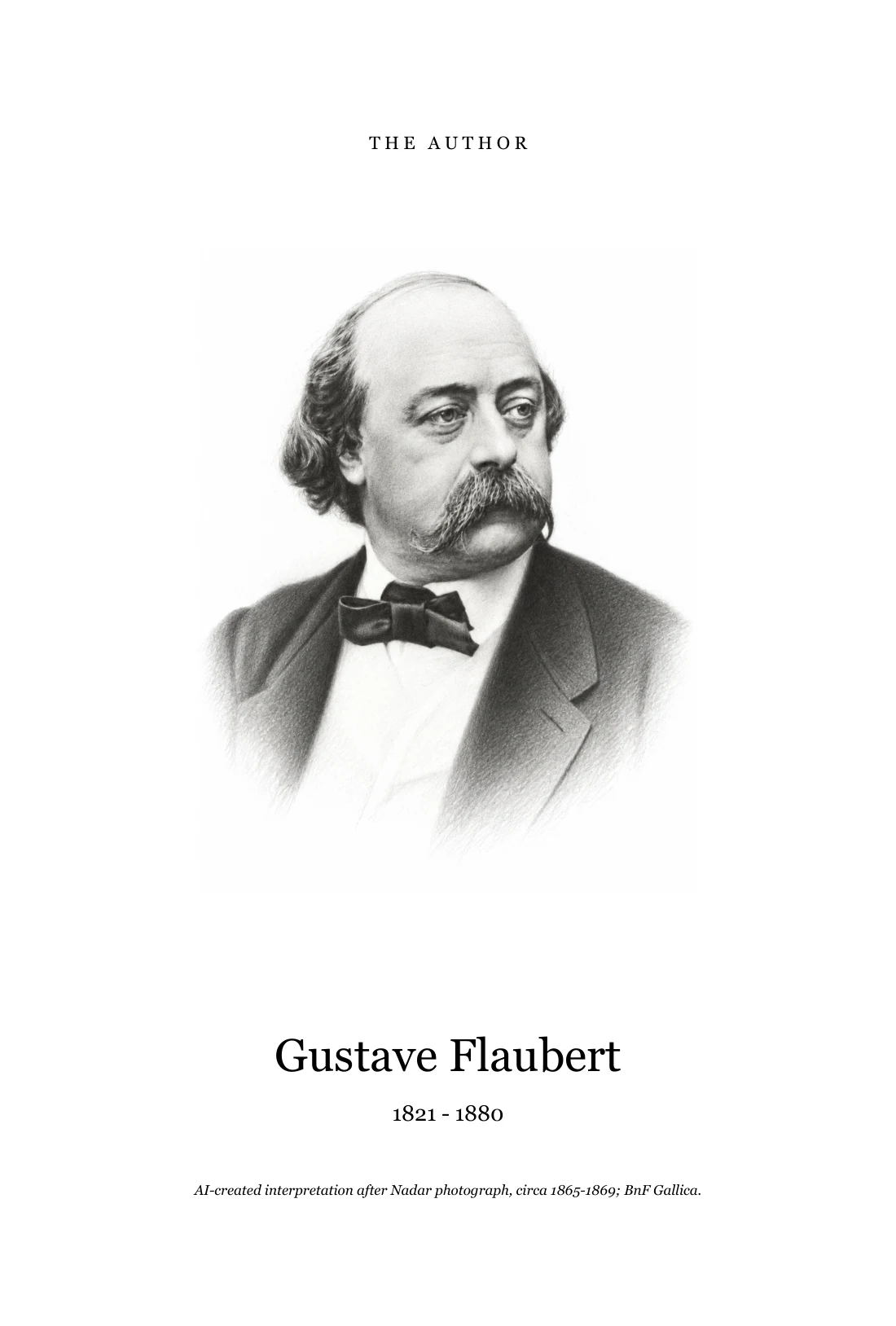
Flaubert’s novel of a doctor’s bored wife went on trial in Paris in 1857, almost a century after Candide was banned there.
Gulliver's Travels
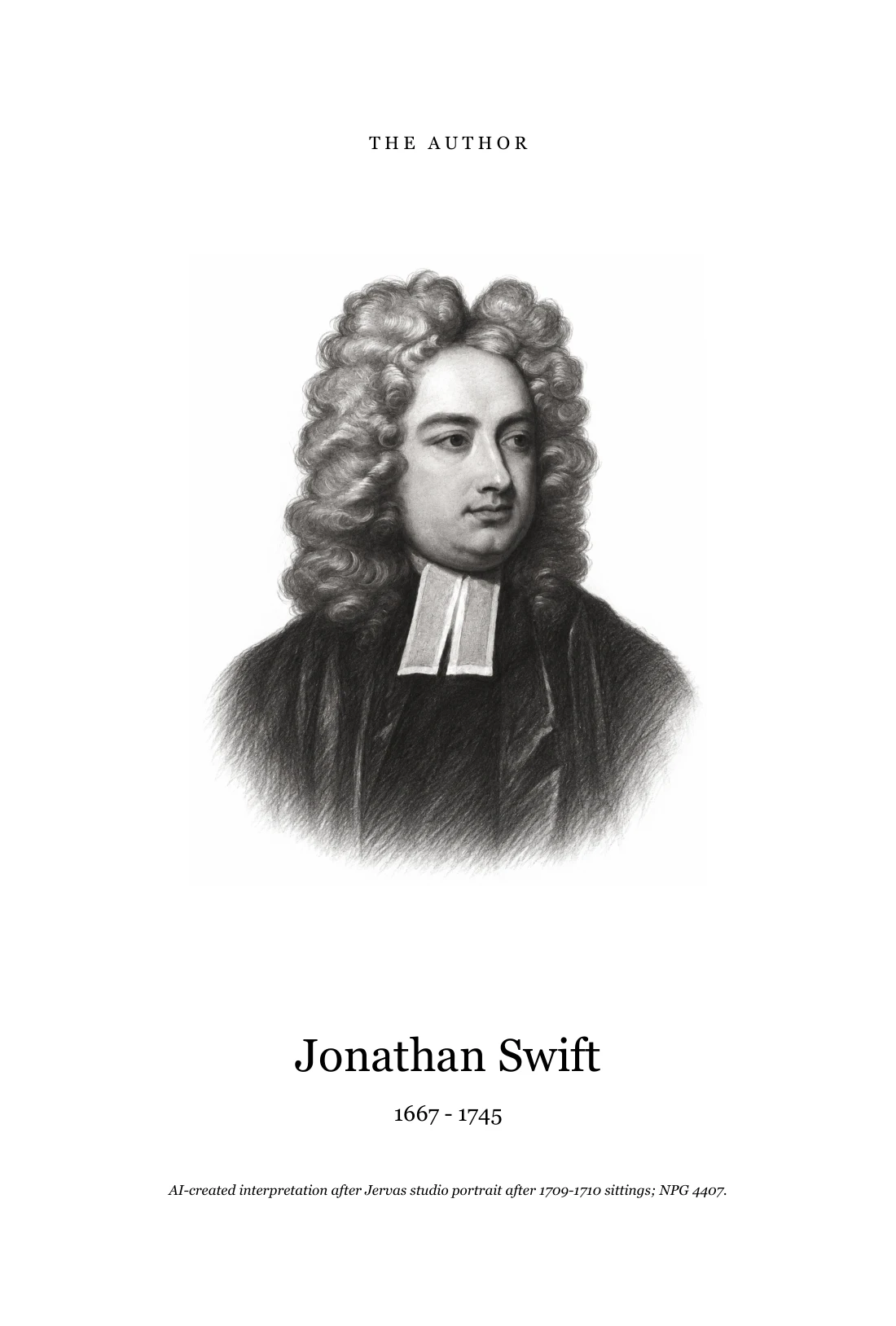
Swift’s 1726 satire shares Candide’s method: send an innocent abroad and let the world expose itself.


Where to go next
Candide features in our round-up of Banned and challenged classics, alongside Did you know Madame Bovary was put on trial?. For more books that use laughter as a weapon, see The sharpest satires in classic literature, and for the wider French shelf, French classics everyone should read.
Then read the book that two governments tried to stop. Candide takes an evening, and by the last page you will know exactly why Pangloss’s confidence made the censors so nervous.
Questions readers ask
Why was Candide banned?
Candide was banned in 1759 by authorities in Geneva and Paris for its satire of religion, the Church and the Inquisition, its mockery of optimistic philosophy, and its frank sexual and violent content. The Catholic Church added it to the Index of Forbidden Books in 1762.
When was Candide published?
In January 1759, simultaneously in several cities, including Geneva, Paris, Amsterdam and London. It claimed to be translated from the German of “Doctor Ralph”.
Was Candide banned in the United States?
Not outright, but in 1929 US customs officials in Boston held up copies ordered for a Harvard French class on grounds of obscenity. The book was admitted months later, after the course had ended.